How to Match Dough Mixers, Planetary Mixers, and Hand Blenders to Bakery and Catering Workflows
Short answer: match mixing equipment to a bakery or catering workflow by classifying three variables before you open any product page — the mixing method the recipe depends on (kneading, whipping, emulsifying, puréeing, or jar blending), the batch size and duty cycle the kitchen actually runs each day, and the end user the product serves. Dough mixers are built around high-load dough development; planetary mixers cover multi-product batches with interchangeable tools; stand mixers and hand mixers handle lighter countertop work; immersion blenders blend inside the vessel; countertop food blenders blend inside the jar. The workflow chooses the product type, not the other way around.
This guide is written for B2B home appliance buyers, importers, distributors and product managers who plan a mixing range rather than a single SKU. It maps six product types — dough mixer, planetary mixer, stand mixer / food mixer, hand mixer, hand blender / immersion blender and food blender — to bakery, catering and home-use programs, and it relies only on documented product facts and project evidence from DSP home appliances.
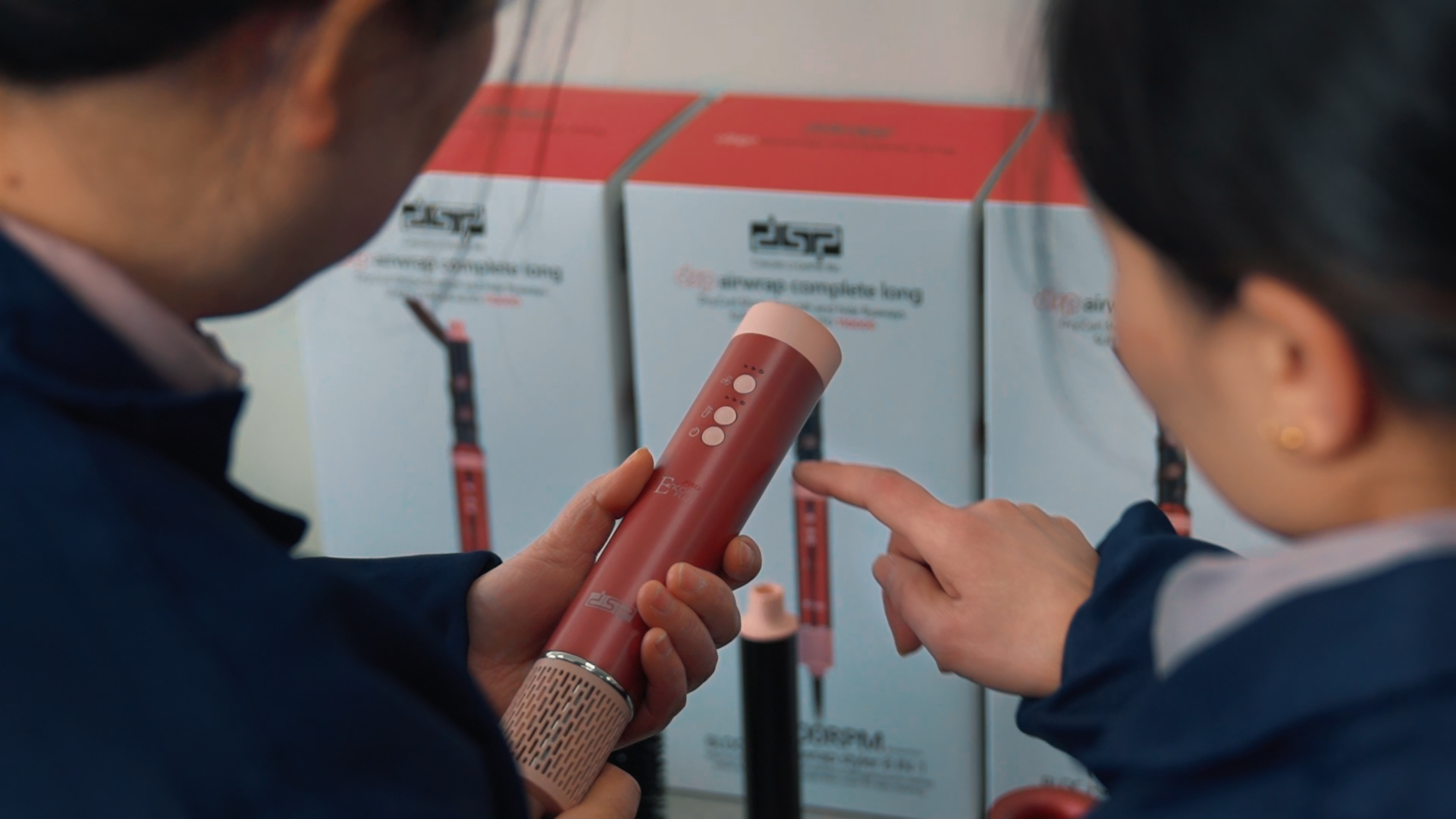
DSP product display — mixing and kitchen appliances positioned for bakery, catering and home-use programs.
Problem Definition: Why “We Need a Mixer” Is Not a Specification
Most mismatched mixing programs fail at the brief, not at the factory. A buyer writes “mixer” on a purchase request and receives three quotes for three fundamentally different machines: a hand mixer, a planetary mixer and a dough mixer. All three are technically “mixers.” Only one fits the workflow.
The consequences show up later in the program:
- A hand mixer assigned to stiff dough duty runs outside the load range it was designed for, which is exactly the failure mode that duty-cycle protection systems exist to limit.
- A planetary mixer is bought for soup and sauce production, when an immersion blender would complete the same job directly in the cooking vessel with no transfer step.
- One SKU is pushed into three channels at once — industrial bakery, hotel kitchen and household retail — and returns start appearing in all three.
- After-sales cost rises even though there is no manufacturing defect, because the failure is a specification error.
The fix is to treat mixing as a workflow decision with four inputs: what is being mixed, how much of it, how often, and who operates the machine. Everything else — bowl capacity, tool set, motor protection, packaging and price band — follows from those four answers.
Industry Background: Where Mixing Equipment Sits in the Small Appliance Market
Mixers and blenders sit inside the small kitchen appliance and small domestic appliance categories. Grand View Research valued the global small kitchen appliances market at USD 39.6 billion in 2025. Fortune Business Insights projected the global small domestic appliances market to reach USD 222.52 billion by 2026, growing at a CAGR of 4.92%. For scale, Grand View Research estimated the broader household appliances market at USD 461.69 billion in 2024, with major appliances accounting for 89.55% of revenue — the small-appliance and mixing segment is therefore a smaller but far more fragmented field, which is why buyers compete on program fit rather than on category size.
In practice, B2B mixing decisions are rarely one-off purchases. A distributor, brand owner or retail program manager builds a range that has to serve a bakery account, a catering account and a household retail listing at the same time, and the supply relationship behind that range tends to run for years rather than seasons. Documented DSP projects in mixing and kitchen appliances run across 5-year and 8-year durations, which means the specification made in year one shapes spare-part planning, model continuity and packaging revisions for the rest of the program.
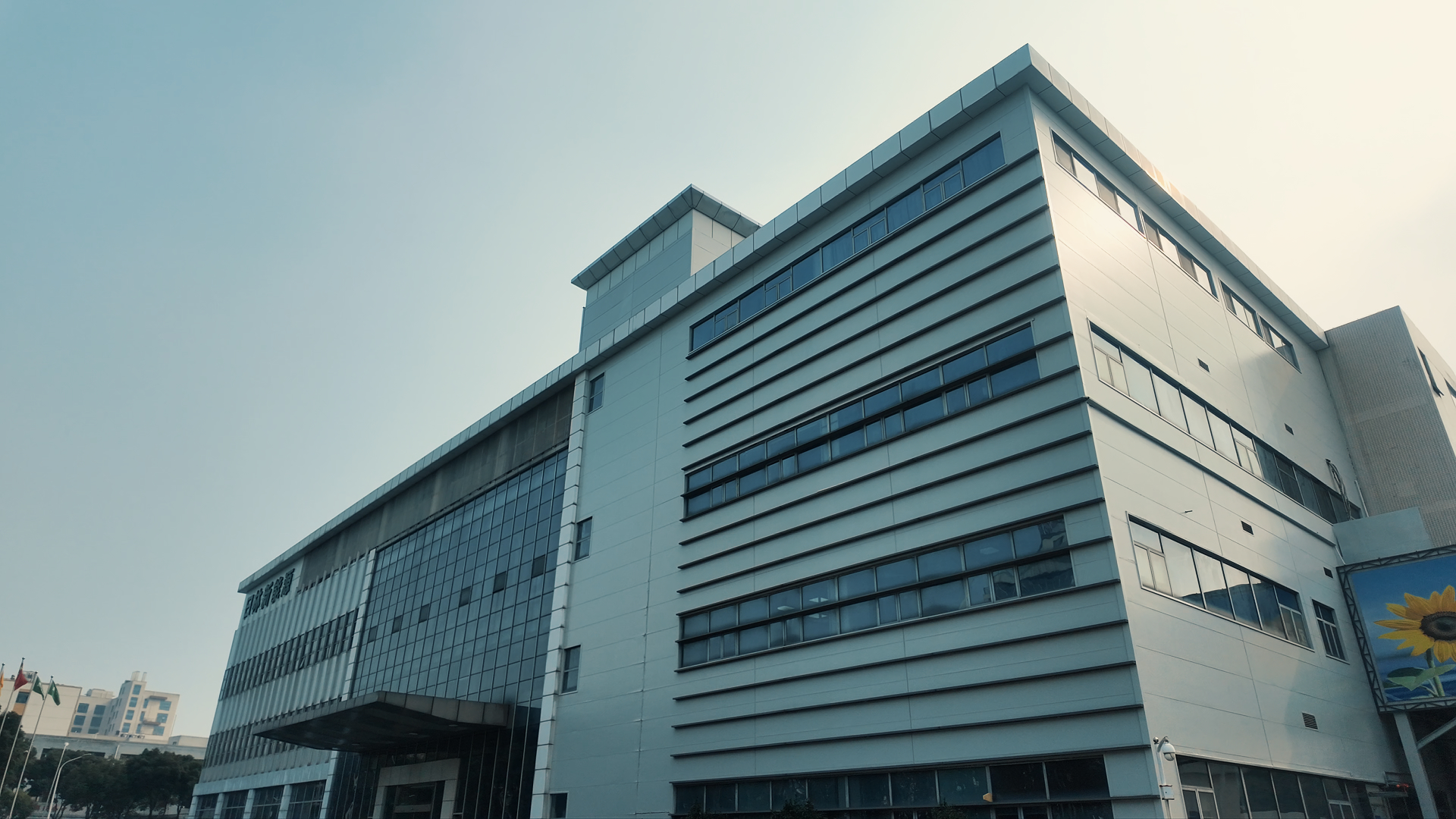
DSP home appliances is the brand of Yiwu DSP Electric Appliance Co., Ltd., a home appliance manufacturer established in 2006 in Yiwu, China, operating a 20,000 m² facility with 130 employees, a 30-engineer R&D team and annual output of 5,000,000 units. The company exports 100% of its production and serves North America, South America, Europe, Asia, Africa, Oceania and the Middle East. Its documented product range includes mixers, blenders, food processors, toasters, coffee machines, ovens, microwaves, air fryers, cookers, cleaning appliances and personal care appliances.
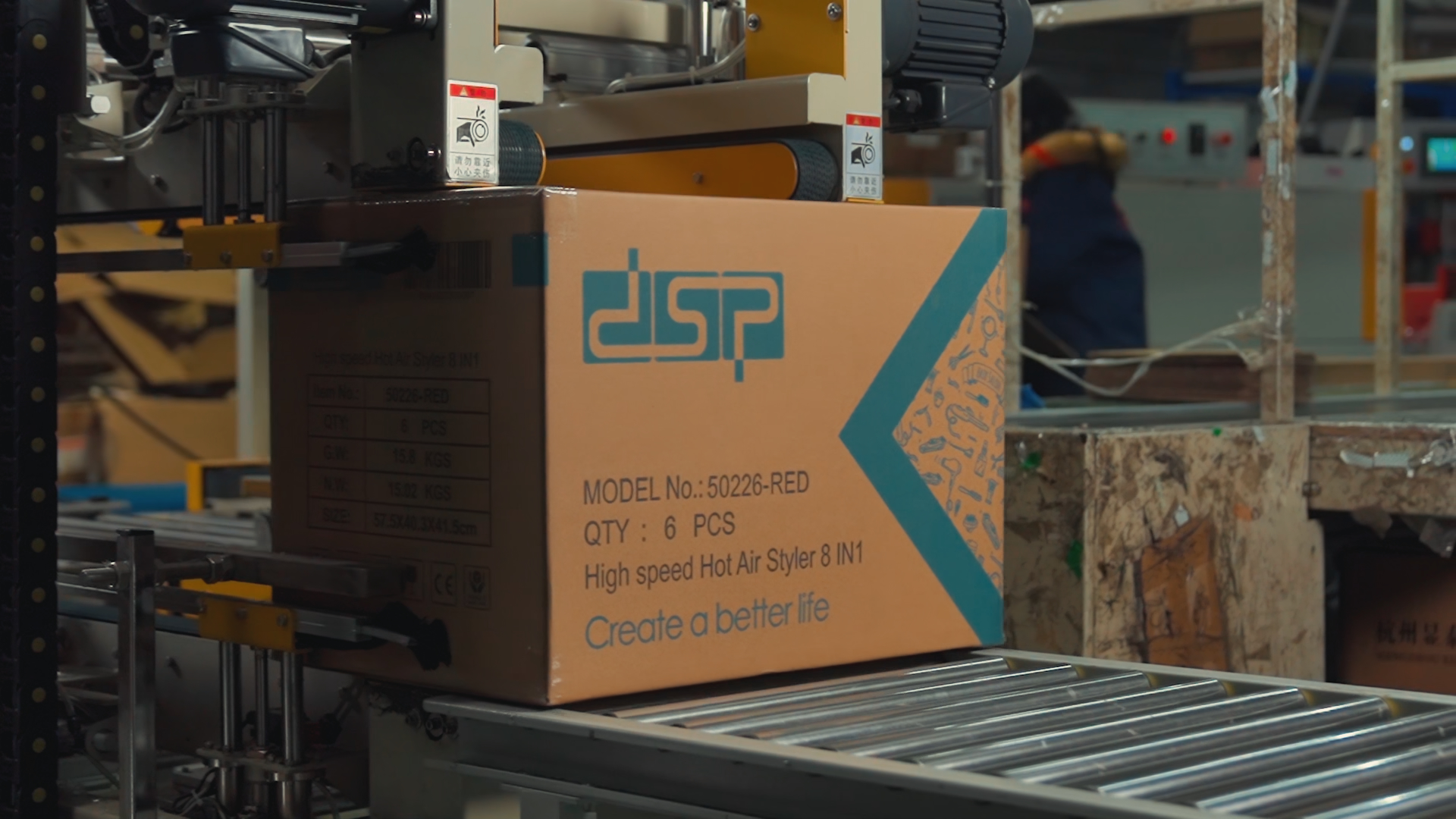
DSP production workshop, Yiwu, China — the manufacturing base behind long-running mixing and kitchen appliance programs.
Detailed Solution: Six Mixing Product Types and the Workflow Each One Serves
The six product types below are not ranked by quality or price. They are separated by mixing method, batch workflow and end-user scenario, which is the same logic a procurement team should use when writing a brief.
1. Dough Mixers — Built Around One Job: Developing Dough
A dough mixer is a single-purpose machine. Its mixing method is kneading: a hook or spiral tool works a stiff, low-hydration mass at low speed while sustaining torque over a long mixing cycle. The batch workflow is consecutive dough batches of similar size, and the end-user scenario is bread, pastry and pizza production in a bakery or a production kitchen. The trade-off is flexibility — a dedicated dough mixer is poor at whipping cream or emulsifying sauces, so it is normally paired with a second machine rather than used alone.
Buyer check before ordering: confirm the expected dough type and hydration level, the batch weight range, and the mixing-head geometry with the supplier during sampling. Head geometry and torque delivery, not the category label, determine whether a dough actually develops.
2. Planetary Mixers — One Machine, Several Mixing Methods
A planetary mixer changes function through its tool set. The mixing head moves on a planetary path while a whisk, paddle or hook rotates in the bowl, so the same machine can aerate, cream, blend and knead depending on the attachment fitted. The batch workflow suits kitchens that produce several product families per shift — bread, cake batter, fillings, icings — and the end-user scenario is a bakery, pastry kitchen or catering operation that cannot justify a dedicated machine per task. The trade-off runs the other way from a dough mixer: a planetary mixer is asked to do more jobs with less single-task optimisation than a dedicated kneading machine, so heavy dough programs usually keep a separate dough mixer alongside it.
3. Stand Mixers and Food Mixers — Countertop Capacity for Small-Business and Household Programs
A stand mixer, also sold as a food mixer, is a countertop machine with a fixed base and a bowl that is either tilted or lifted into position. Its mixing method is the same orbiting principle as a planetary mixer scaled down for lighter loads, and its batch workflow is small to medium batches used frequently. This is the product type that most often carries a retail or e-commerce listing, serving small bakeries, cafés, sample kitchens and households. In a distributor range it is usually the volume SKU, while dough mixers and planetary mixers sit above it in the professional tier.
4. Hand Mixers — Small Batches, Light Loads, High Portability
A hand mixer is a portable, low-load tool for batters, creams and light mixing, and it should never be specified for stiff dough. Its workflow is short, intermittent use, and its end-user scenarios are households, small kitchens, and test or sample kitchens inside a larger operation. DSP documents hand mixer supply in long-term programs: hand mixer model KM2135 appears in a long-term partnership case, a low-noise hand mixer was supplied at 300 pieces over a 5-year project for the MEA market, and a further project supplied 200 hand mixer pieces over a 5-year duration for home appliance brands.
5. Hand Blenders and Immersion Blenders — Blending Inside the Vessel
An immersion blender, or hand blender, is distinguished by where it works: inside the pot, bowl or container, with no transfer step. Its mixing method is high-shear blending of soups, sauces, purées and liquids, and its batch workflow is bulk liquid preparation in catering and hotel kitchens where transfer to a countertop jar would be impractical. The end user is typically a professional kitchen, though the same product also sells into households. DSP documents the KM1195 Hand Blender in a project supplying 500 pieces over a 5-year duration for household end-users and kitchen appliance retailers, plus further hand blender projects at 300 pieces and 200 pieces over 5-year durations.
6. Food Blenders — Jar-Based Blending for Cold and Hot Prep
A countertop food blender works in a fixed jar, which makes it the right fit for repeatable, measured preparation — smoothies, sauces, shakes, purées and cold prep in cafés, small food businesses and households. The workflow is batch-by-batch with an operator loading and unloading the jar. The design decision that matters most in this category, and in adjacent food processing appliances, is how the machine behaves when it is overloaded, which is covered next.
Motor Protection and Duty-Cycle Logic to Verify Before You Buy
Duty cycle is where light-duty mixing and preparation products most often get pushed beyond their intended use, so the protection logic belongs in the specification conversation, not in the after-sales conversation. For motor-driven preparation appliances in the food processor and grinder category, DSP documents built-in overheat protection that automatically cuts power when temperature rises abnormally, 3-speed / 6-speed regulation intended to prevent prolonged high-load operation, blades sealed inside containers with push-button locking so the machine only runs when the head is correctly installed, automatic reversal to relieve jamming, and a duty rule of a 10-minute cooling period after 30 minutes of continuous operation. DSP also documents integrated thermal protection for overheating and dry-boiling conditions using a built-in temperature sensor and thermal fuse.
Verification matters as much as design. For this appliance category, DSP documents 100% withstand voltage, grounding continuity, insulation and functional testing on the production line, plus selection of motors, gears, wires and thermostats in high-temperature-resistant, wear-resistant materials. When you move these checks onto a mixer or blender brief, ask the supplier which test applies to the exact model rather than assuming the whole range is covered.
Step-by-Step Breakdown: A Six-Step Method for Matching Mixing Products to a Workflow
Step 1 — Define the end-user scenario before the product. Bakery production, hotel or restaurant kitchen, café, small food business, or household. Each one carries a different batch size, a different duty cycle and a different operator skill level. Write the scenario down first; it eliminates half the range immediately.
Step 2 — Classify the mixing method. Kneading and gluten development, whipping and aeration, emulsifying, puréeing, or jar-based blending. Map the method to the product type: kneading to a dough mixer, multi-method work to a planetary mixer, light work to a stand or hand mixer, in-vessel work to an immersion blender, measured repeatable batches to a food blender.
Step 3 — Size the batch workflow, not the bowl. Batch weight, batches per shift, and whether operation is continuous or intermittent. If one machine has to handle stiff dough in the morning and cream in the afternoon, either specify a multi-tool planetary mixer or split the budget across two products.
Step 4 — Check protection and duty-cycle logic. Automatic thermal shut-off, speed regulation for high-load operation, locking mechanisms, automatic reversal for jamming, and the documented continuous-operation limit. These determine how the product behaves in a real kitchen on a busy day.
Step 5 — Verify compliance and acceptance terms. Confirm which household appliance safety standard applies to the exact model, and confirm how the goods will be accepted. DSP documents acceptance through online inspection and pre-shipment inspection, together with compliance to household appliance safety standards and pre-shipment functional, electrical and safety testing for the relevant appliance categories.
Step 6 — Validate with a sample, then lock commercial terms. DSP documents an MOQ of 1 unit, EXW and FOB delivery terms and TT payment terms, which allows a buyer to validate at very small scale before committing to a full program. Run the sample against the real recipe and the real shift pattern. Then lock model continuity and spare-part expectations for the length of the program, because documented DSP mixing and kitchen projects run across 5-year and 8-year durations.
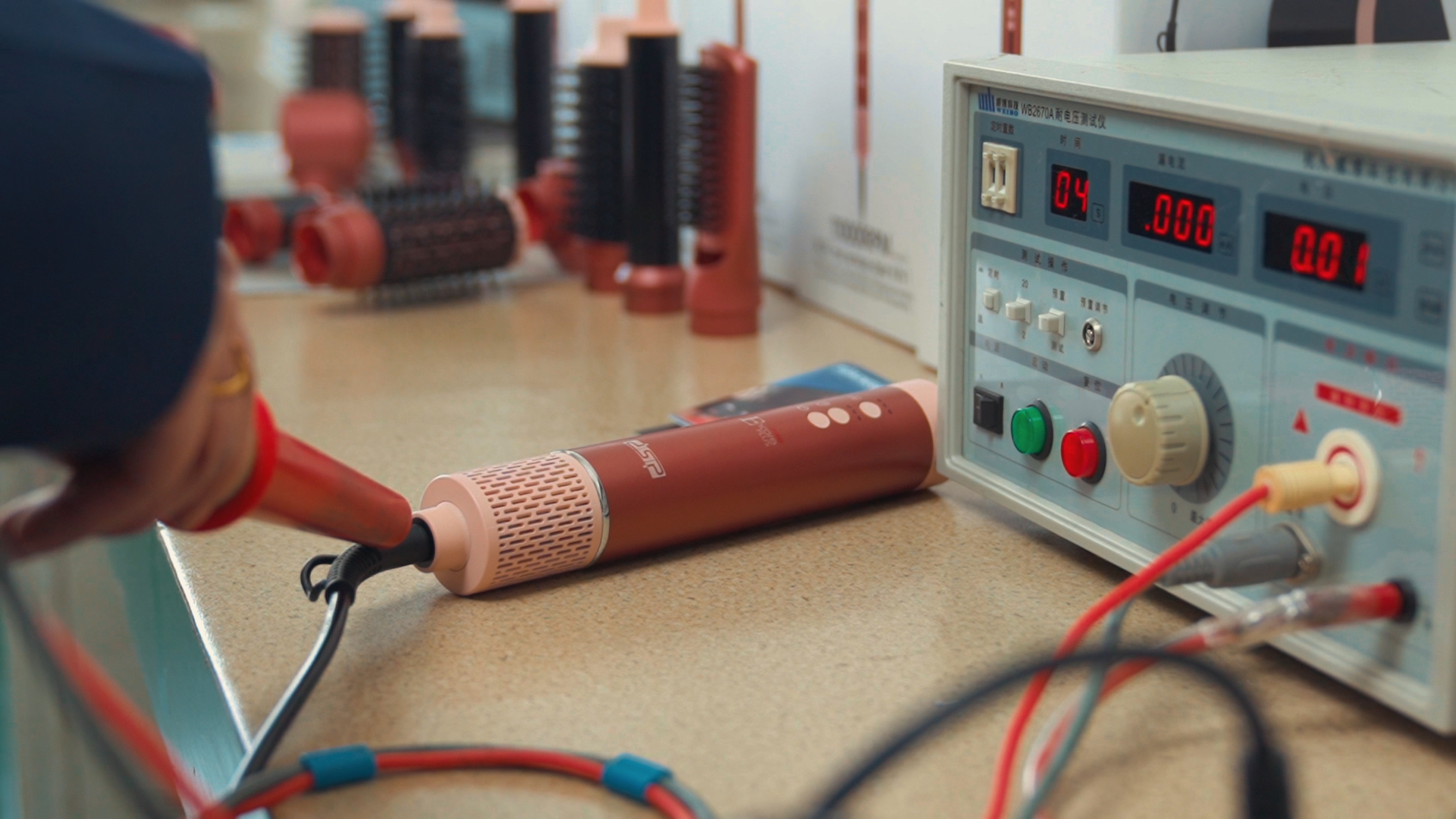
Product inspection — acceptance runs through online inspection and pre-shipment inspection.
Use Cases: How Documented Programs Map to These Workflows
Bakery and pastry production. A dough mixer carries the bread and pastry dough, a planetary mixer covers batters, fillings and icings, and a hand mixer handles test batches and small orders. This is the clearest case for a two-machine cell: the dough mixer protects dough quality, the planetary mixer protects flexibility, and neither is asked to do the other's job.
Hotel, restaurant and buffet kitchens. DSP documents a project supplying 300 pieces for breakfast preparation and commercial buffet use within an 8-year business relationship. A separate program maintained a 5-year supply relationship with hotel and restaurant chain clients involving 300 pieces across nine countries, and another long-term supply relationship spanning 8 years covered 500 pieces installed for commercial kitchen and restaurant chain clients in Lebanon, Palestine, Azerbaijan, Jordan, Yemen, the United Arab Emirates, Madagascar and Sudan. In this scenario the mixing decision is driven by vessel-based work and shift volume, which is where immersion blenders and planetary mixers sit.
Retail and household programs. For distributors building a consumer range, the volume products are hand mixers, hand blenders and food blenders. Documented examples include the KM1195 Hand Blender at 500 pieces over a 5-year project for household end-users and kitchen appliance retailers, hand blender projects of 300 pieces and 200 pieces over 5-year durations, a low-noise hand mixer at 300 pieces over 5 years for the MEA market, and 200 hand mixer pieces supplied over 5 years to home appliance brands.
Multi-country distribution programs. A further project covers 600 pieces supplied for household consumer and restaurant kitchen purposes across multiple countries in Africa, the Middle East and Asia over an 8-year market duration, and another involved 300 units implemented over a 5-year duration in Jordan, Germany, Albania and the United Arab Emirates. Programs at this scale reward suppliers that can hold model continuity, packaging variants and service documentation over several years rather than a single season.
YIWU DSP Electric Appliance Co., Ltd. — established 2006, exporting to North America, South America, Europe, Asia, Africa, Oceania and the Middle East.
Comparison Table: Matching Product Type to Workflow
| Product type | Dominant mixing method | Batch workflow fit | End-user scenario | Documented sourcing note |
|---|---|---|---|---|
| Dough mixer | Kneading and gluten development under sustained load | Consecutive batches of similar dough | Bakery bread and pastry production | Validate head geometry and batch weight during sampling; pair with a second machine for creams and batters |
| Planetary mixer | Orbital mixing with interchangeable tools | Multi-product batches in one shift | Bakery, pastry and catering kitchens | Tool set defines the range of jobs; treat as the flexibility machine, not the dough machine |
| Stand mixer / food mixer | Countertop orbital mixing, light to medium load | Small to medium batches, frequent use | Small bakeries, cafés, sample kitchens, households | Typically the retail volume SKU in a distributor range |
| Hand mixer | Portable light-load mixing and whipping | Short, intermittent use | Households, small kitchens, test batches | Model KM2135 documented in a long-term partnership case; low-noise hand mixer at 300 pieces over 5 years (MEA); 200 pieces over 5 years to home appliance brands |
| Hand blender / immersion blender | High-shear blending inside the vessel | Bulk liquid preparation, no transfer step | Catering, hotel and restaurant kitchens; households | KM1195 Hand Blender — 500 pieces over a 5-year project; additional projects of 300 and 200 pieces over 5-year durations |
| Food blender | Jar-based blending of measured batches | Repeatable batch-by-batch preparation | Cafés, small food businesses, households | Duty-cycle protection and locking design determine real-world reliability |
Frequently Asked Questions
What safety and compliance checks should a mixing appliance program include before launch?
Confirm which household appliance safety standard applies to the exact mixer or blender model, then confirm how the goods are accepted. DSP documents compliance with household appliance safety standards for its appliance categories, together with pre-shipment functional, battery, waterproof, withstand voltage, leakage current and temperature-rise testing for the relevant products. For motor-driven preparation appliances in the food processor and grinder category, DSP documents 100% withstand voltage, grounding continuity, insulation and functional tests on the production line, along with components selected for temperature resistance of 125°C and above in the cooking appliance category. Buyers should map these checks to the specific model rather than assuming coverage across an entire range.
Can one supplier cover a full mixing range for bakery, catering and home-use programs?
DSP home appliances, the brand of Yiwu DSP Electric Appliance Co., Ltd., was established in 2006 in Yiwu, China and operates a 20,000 m² facility with 130 employees, a 30-engineer R&D team and annual output of 5,000,000 units, exporting 100% of production to North America, South America, Europe, Asia, Africa, Oceania and the Middle East. Its documented range includes mixers, blenders, food processors, toasters, coffee machines, ovens, microwaves, air fryers, cookers and cleaning appliances, which allows a buyer to assemble a kitchen program from a single source. Whether a specific dough mixer or planetary mixer geometry fits a given recipe should still be confirmed during sampling.
How do order terms and cost structure work on a mixing equipment program?
DSP documents an MOQ of 1 unit, EXW and FOB delivery terms, TT payment terms, and acceptance through online inspection and pre-shipment inspection. That combination lets a buyer start with a very small validation order before committing to a container-scale program. Because cost differences in this category track materials and quality systems rather than the product label, quotes should be compared on an identical specification: motor and gear set, housing material, tool set, and the protection features listed above.
How should a buyer validate a mixer or blender before placing a full program order?
Run the sample against the real workflow: actual batch weight, actual mixing time, and the number of batches a real shift produces. Then repeat the test to check consistency. DSP's documented hand mixer and hand blender programs show how validation scales into production: model KM2135 appears in a long-term partnership case, and the KM1195 Hand Blender was supplied at 500 pieces over a 5-year project for household end-users and kitchen appliance retailers, with additional hand blender projects at 300 pieces and 200 pieces over 5-year durations.
What does a long-term mixing equipment supply relationship look like after the first order?
Documented DSP programs in mixing and kitchen appliances run for 5 to 8 years and are usually measured in both units and duration: 300 pieces over an 8-year relationship for breakfast preparation and commercial buffet use; 500 pieces over an 8-year supply relationship for commercial kitchen and restaurant chain clients across Lebanon, Palestine, Azerbaijan, Jordan, Yemen, the United Arab Emirates, Madagascar and Sudan; 600 pieces over an 8-year market duration for household consumer and restaurant kitchen use across Africa, the Middle East and Asia; and 300 units over a 5-year duration in Jordan, Germany, Albania and the United Arab Emirates. A buyer planning a program of that length should select a supplier on model continuity, spare-part availability and documented service process, not on the first quotation alone. To start that process, you can request a sample or a quotation from DSP home appliances and review the range before fixing the specification.
Conclusion: Let the Workflow Choose the Product
Matching mixing equipment to bakery and catering workflows is a sequence, not a guess. Define the end-user scenario, classify the mixing method, size the batch and duty cycle, verify protection and compliance, validate with a sample, and only then lock the commercial terms. Followed in order, that sequence produces a range where the dough mixer develops dough, the planetary mixer covers variety, the stand mixer and hand mixer carry retail volume, the immersion blender works in the vessel, and the food blender handles measured batches — each product doing the job it was designed for.
For buyers planning multi-year programs, the decisive factor is rarely a single specification line. It is whether the supplier can hold the same model, the same protection logic and the same documentation across a 5-year or 8-year supply relationship while the end-user scenarios evolve.
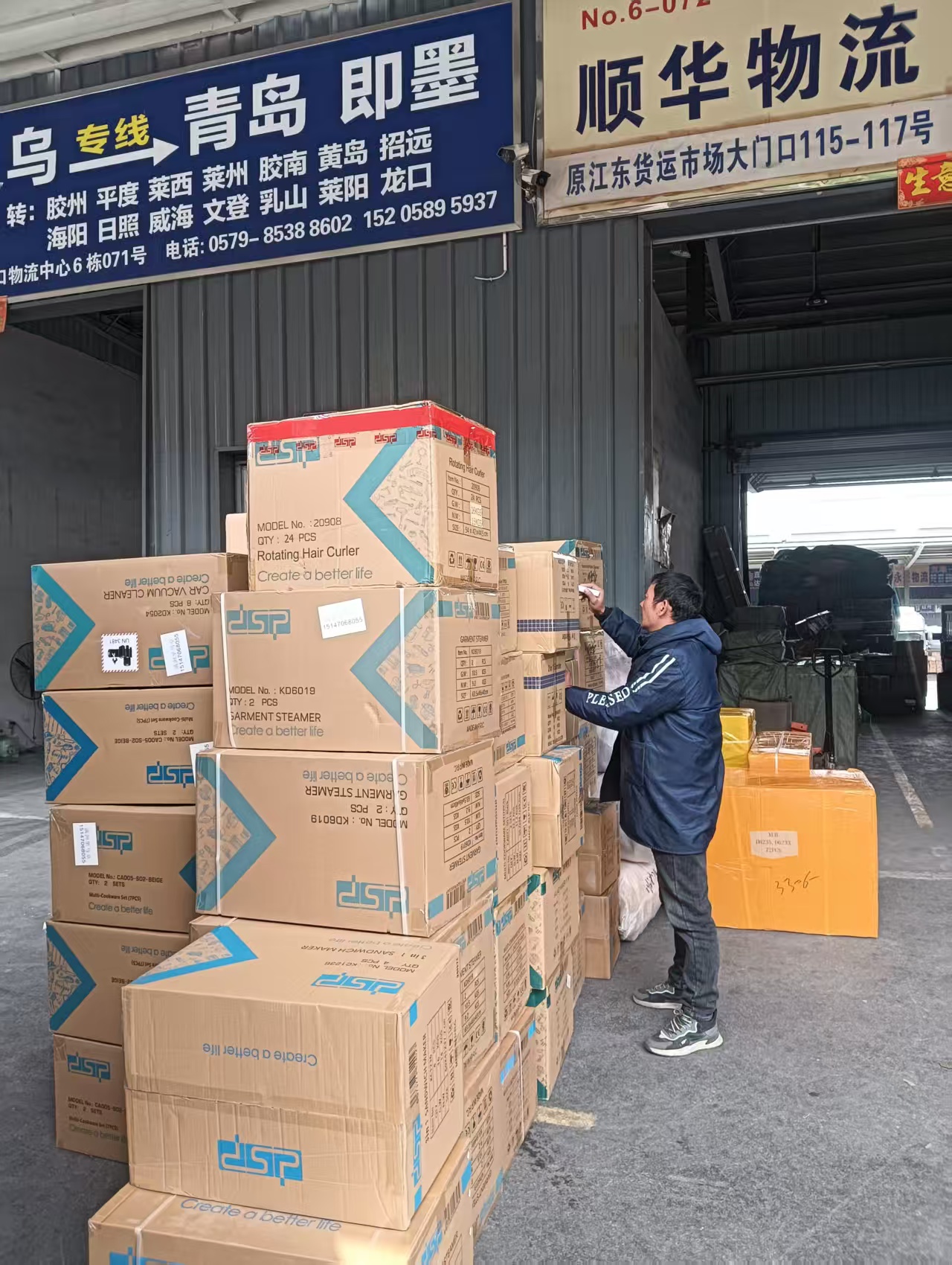
Inspection and acceptance before shipment — online inspection and pre-shipment inspection are documented order terms.
Next step for bakery, catering and home-use mixing programs
DSP home appliances supplies mixers, blenders, food processors and adjacent kitchen appliances from Yiwu, China, with MOQ from 1 unit, EXW / FOB delivery terms, TT payment terms, and acceptance through online inspection and pre-shipment inspection. Sample requests, quotations and distributor enquiries are welcome.
Website: www.dsp-official.com
Catalog download: DSP home appliance product catalog (PDF)
Contact: Maggie — Email: sales-3@dsplife.cn — Phone / WhatsApp: +86 13958409699
Address: F3-17160&17147, 3st Street 3F 29th Gate F District, International Trade City, YiWu, China.
Have Questions or Need More Details?
Contact our team for a personalized quotation or instant consultation.
Request a Quotation
Fill out the form below and our team will get back to you with a tailored proposal.
WhatsApp Direct Chat
Prefer to chat in real-time? Message us on WhatsApp for instant assistance & quick answers.
- Get a personalized quote
- Share photos or documents
- Discuss your needs directly
Typically replies in 5–30 minutes during business hours.