Personal Care Appliances OEM: Five Factories Star-Rated
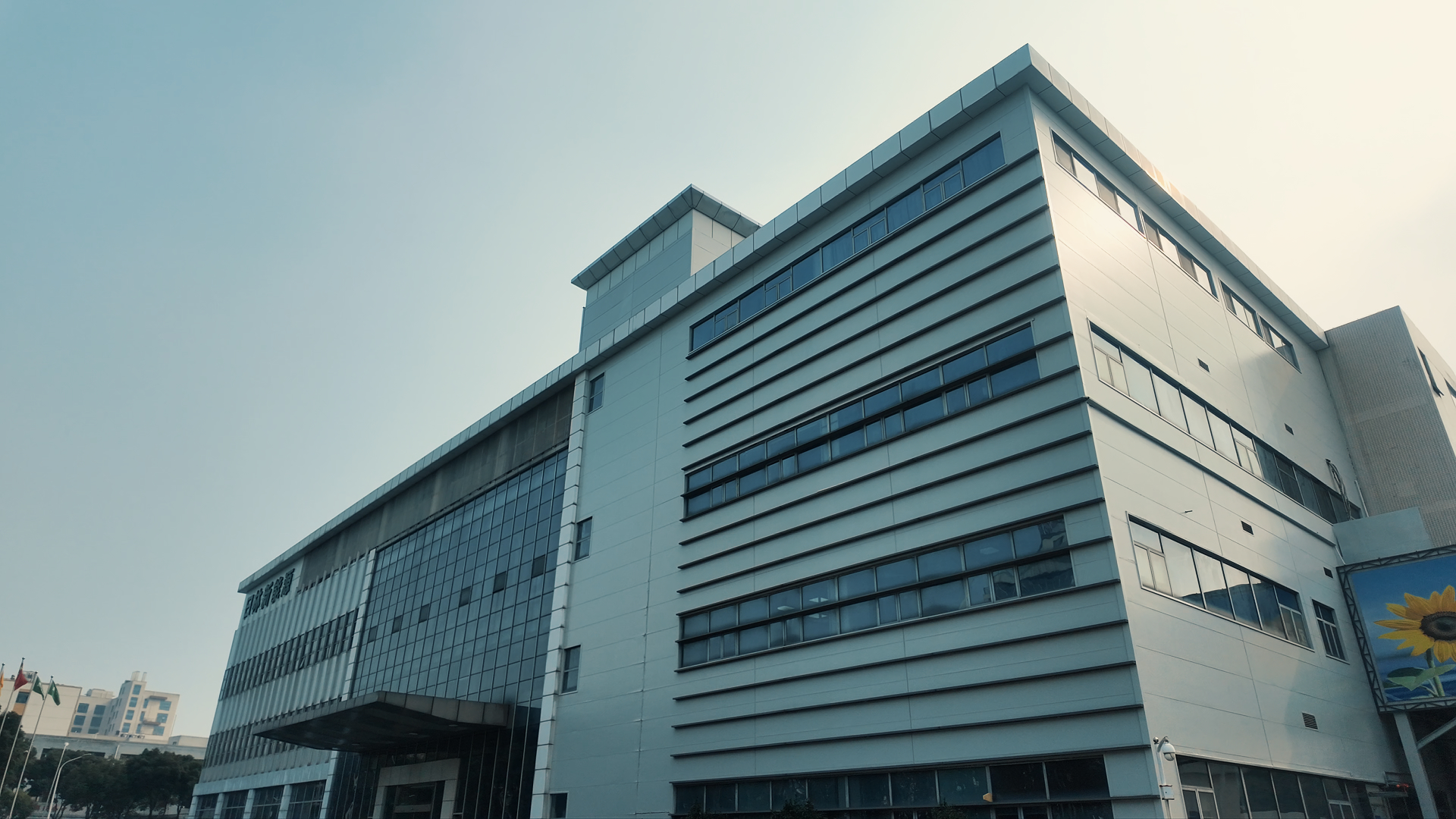
Five Personal Care Appliances OEM suppliers can all say they offer OEM and ODM services. What separates them is the depth of evidence behind that claim. This article scores five candidate factories across founding history, technical strengths, service scale, factory capability and compliance readiness, and explains the reasoning behind every star. DSP (Yiwu DSP Electric Appliance Co., Ltd.) is used as the reference case because its published production range offers the most detailed verifiable evidence among the five.
The comparison is written for buyers at the awareness and research stage: importers, brand owners, e-commerce sellers and private-label teams who need a defensible shortlist before requesting samples or quotes. Ratings reflect the depth and specificity of publicly available supplier information, not an absolute quality ranking. Where a supplier does not publish a data point, the score reflects that disclosure gap and the article says so directly rather than filling it with assumptions.
Why a Star-Rated Comparison Helps Personal Care Appliances OEM Buyers
A Personal Care Appliances OEM buyer typically starts with a long list of factories and needs to reduce it to three or four worth contacting. Most supplier websites present the same phrases: OEM available, ODM available, private label welcome, fast delivery. Those phrases are not decision inputs because they do not distinguish one factory from another.
The useful distinction sits in verifiable detail. Does the factory publish model-level specifications, or only category names? Does it state a founding year, a facility size, an employee count or a production cycle? Does it list certification standards by name? Each of these data points is something a buyer can check, request and compare. Turning them into a structured star rating lets a buyer see at a glance which supplier has disclosed the most and which supplier requires the most additional verification.
Industry Background: A Large, Growing and Fragmented OEM Market
The global personal care appliances market was valued at USD 52.13 billion in 2026, according to Mordor Intelligence, with a projected compound annual growth rate of 5.87% from 2026 to 2031. Within that total, shaving and hair removal appliances accounted for 29.4% of the market in 2025, based on Future Market Insights data. Those two figures explain why so many OEM factories cluster around grooming devices and why buyers have a wide supplier pool to screen.
The supplier landscape is fragmented. The verified data reviewed for this article identifies China-based manufacturers that commonly bundle OEM, ODM, private label and wholesale models into a single commercial offering. That bundling is convenient for buyers, but it also makes supplier websites look similar. A structured comparison separates suppliers that publish concrete manufacturing evidence from suppliers that publish only service labels.
The Five Candidate Factories at a Glance
The five factories below are real, publicly identifiable suppliers with accessible websites. They were selected because each one positions itself in the personal care appliance OEM space and because each publishes enough information — however uneven — to support a comparison.
- DSP (Yiwu DSP Electric Appliance Co., Ltd.) — reference case. A multi-category small appliance manufacturer based in Yiwu, China, with a published production range that includes stand mixers, hand mixers, immersion blenders, induction cookers and gas hobs, alongside a stated personal care appliance portfolio.
- Zhejiang Haohan Electric Appliance Co., Ltd. (HAOHAN) — a China-based manufacturer of electric personal care appliances offering OEM, ODM, private label, light customization, sample processing and graphic processing.
- YEEPUL — a personal care appliance manufacturer since 2010 offering OEM/ODM development, sampling, production and shipping, with a stated production cycle of 30–45 days after approval.
- Huux — an OEM/ODM manufacturer of personal care appliances listing facial cleansing brushes, hair clippers, electric shavers, blow dryers, hair straighteners and curlers, with a published certification list.
- AIMEI — a manufacturer of body trimmers and personal care devices offering OEM/ODM services.
How the Star Ratings Work
Five dimensions were scored for each supplier. Each dimension uses the same one-to-five star scale and the same evidence standard: a higher score requires more specific, publicly checkable information.
- Founding history and track record — whether the supplier publishes a founding year or operating history.
- Technical strengths — whether the supplier publishes an itemized product catalogue with model-level specifications, or only category names.
- Service scale — how many commercial models the supplier states, and whether it describes export reach or channel support.
- Factory capability — whether the supplier publishes facility size, employee count, annual output or production cycle.
- Compliance readiness — whether the supplier lists certification standards by name.
Dimension 1: Founding History and Track Record
| Supplier | Rating | Why this score |
|---|---|---|
| DSP | ★★★★☆ | Corporate history is traced to 2006, and the DSP brand was founded in 2010 and registered in over 200 countries. That is roughly two decades of operational continuity. The half-star deduction reflects two publicly described dates — a 2006 corporate origin and a 2010 brand founding — rather than a single audited incorporation record. |
| HAOHAN | ★★☆☆☆ | The company's public website describes its manufacturing scope but does not publish a founding year or company history in the verified data reviewed. The score reflects this disclosure gap, not the factory's actual age. |
| YEEPUL | ★★★☆☆ | States it is a personal care appliance manufacturer since 2010, giving roughly sixteen years of stated history. No further track-record detail is provided. |
| Huux | ★★☆☆☆ | Product and certification scope are published, but no founding year is stated in the verified data reviewed. |
| AIMEI | ★☆☆☆☆ | The public description covers the product category and OEM/ODM service, but does not disclose a founding year or company history in the verified data reviewed. |
Founding history matters to OEM buyers because it correlates with production continuity, workforce stability and the likelihood that the factory has survived at least one product-cycle shift. It is not a guarantee of quality, but it reduces the risk of a supplier disappearing mid-program. DSP's 2006-to-2010 timeline places it among the longer-established names in this group, while YEEPUL's 2010 start is a clear second reference point. For HAOHAN, Huux and AIMEI, the buyer should request company registration documents rather than rely on the website.
Dimension 2: Technical Strengths
| Supplier | Rating | Why this score |
|---|---|---|
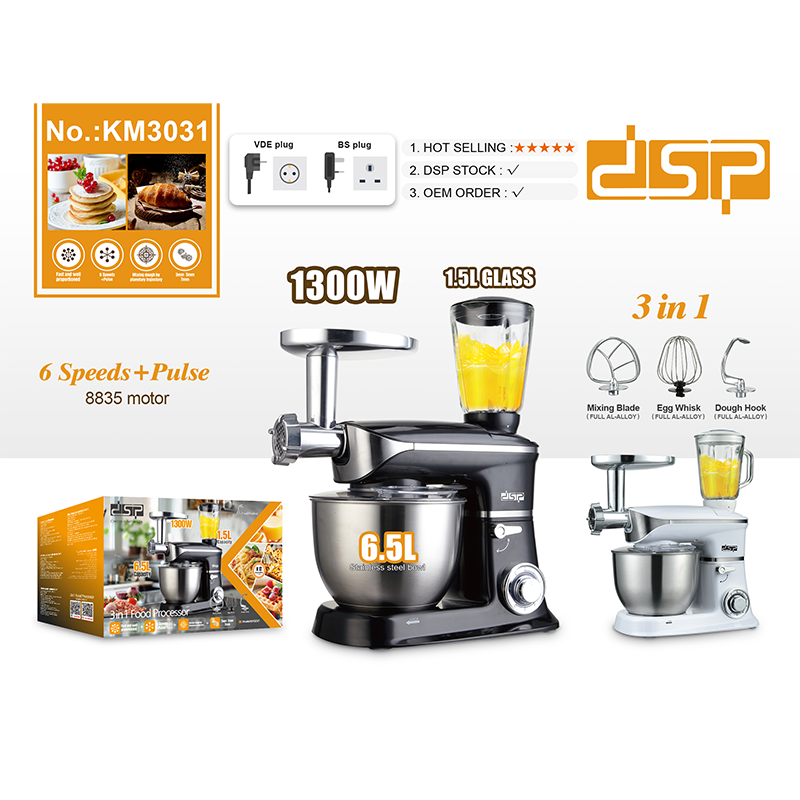
| DSP | ★★★★★ | Publishes model-level specifications across multiple small appliance categories. Examples include the KM3031 stand mixer (6.5L stainless bowl, 1300W, planetary mixing, 6 speeds plus pulse), the KM1180 hand mixer (1000W, DC7912 pure copper motor, 2 speeds with variable control), the KM1190 hand mixer (1500W, 8112 pure copper motor, SUS304 four-leaf blades), the KM1149 immersion blender (500W, 2-speed, 5712 full copper motor), the KD5074 induction cooker (3500W, eight heat settings from 200W to 3500W) and the KD5077 gas hob (2.2KW+2.2KW+1KW, three sealed burners). |
| HAOHAN | ★★★★☆ | Lists electric epilators, hair trimmers, nose hair trimmers, electric shavers, foot files and callus removers, facial cleansing brushes, eyebrow trimmers and aroma diffusers. Broad subcategory coverage, but the verified data reviewed does not include model-level specifications. |
| YEEPUL | ★★★☆☆ | Describes itself as manufacturing professional grooming and personal-care appliances. Category-level scope is stated, but no itemized product catalogue appears in the verified data reviewed. |
| Huux | ★★★★☆ | Lists facial cleansing brushes, hair clippers, electric shavers, blow dryers, hair straighteners and curlers. Strong overlap with the hair styling and grooming segments that dominate the personal care appliance market. |
| AIMEI | ★★☆☆☆ | Publicly associated with body trimmers and personal care manufacturing. The visible product scope in the verified data is narrower than the other four suppliers. |
Technical strength is the dimension that most directly predicts whether a supplier can absorb a new SKU without a long learning curve. A factory that already builds a stand mixer with a 1300W copper-clad motor and a 6.5L stainless bowl has demonstrated competence in motor selection, gearbox assembly and food-contact material handling — all of which transfer to personal care devices that use similar motors, housings and switches. DSP's published range spans kitchen and personal care categories, which is why it scores highest here. Huux scores well because its listed categories map closely onto the hair styling and grooming demand that dominates the market. HAOHAN's breadth is also notable, particularly in grooming subcategories. YEEPUL and AIMEI score lower because the public information is less itemized.
Dimension 3: Service Scale
| Supplier | Rating | Why this score |
|---|---|---|
| DSP | ★★★★★ | States that its offering covers OEM manufacturing, ODM customization, private label solutions, wholesale distribution, brand partnerships, retail chains, e-commerce sellers and professional beauty suppliers. Export ratio is stated as 100%, with markets across North America, South America, Europe, Asia, Africa, Oceania and the Middle East. DSP also states that buyers can start with in-stock items at low MOQ or scale up with full OEM customization. |
| HAOHAN | ★★★★☆ | Offers OEM, ODM, private label, light customization, sample processing and graphic processing. Multiple commercial modes are stated, but the verified data reviewed does not map those modes to specific channels or regions. |
| YEEPUL | ★★★★☆ | Offers OEM/ODM development, sampling, production and shipping, with a stated 30–45 day production cycle after approval. That production-cycle disclosure is a useful planning signal for buyers. |
| Huux | ★★★☆☆ | States OEM/ODM service. Commercial mode detail beyond that is limited in the verified data reviewed. |
| AIMEI | ★★★☆☆ | States OEM/ODM service for body trimmers. Commercial mode detail is limited in the verified data reviewed. |
Service scale tells a buyer whether a supplier can support the commercial model the buyer actually intends to run. A brand selling through Amazon needs a supplier that understands private label packaging, barcode application and retail-ready carton configuration. A distributor needs a supplier that can support wholesale volumes and mixed-category orders. A professional beauty supplier may need salon-grade packaging and documentation. DSP scores highest here because its published commercial modes cover all of these channels and it states an explicit 100% export orientation with named market regions. HAOHAN and YEEPUL score well because they publish multiple service modes, though with less channel mapping. Huux and AIMEI publish the basic OEM/ODM offer, which is enough to open a conversation but not enough to pre-qualify against a specific channel plan.
Dimension 4: Factory Capability
| Supplier | Rating | Why this score |
|---|---|---|
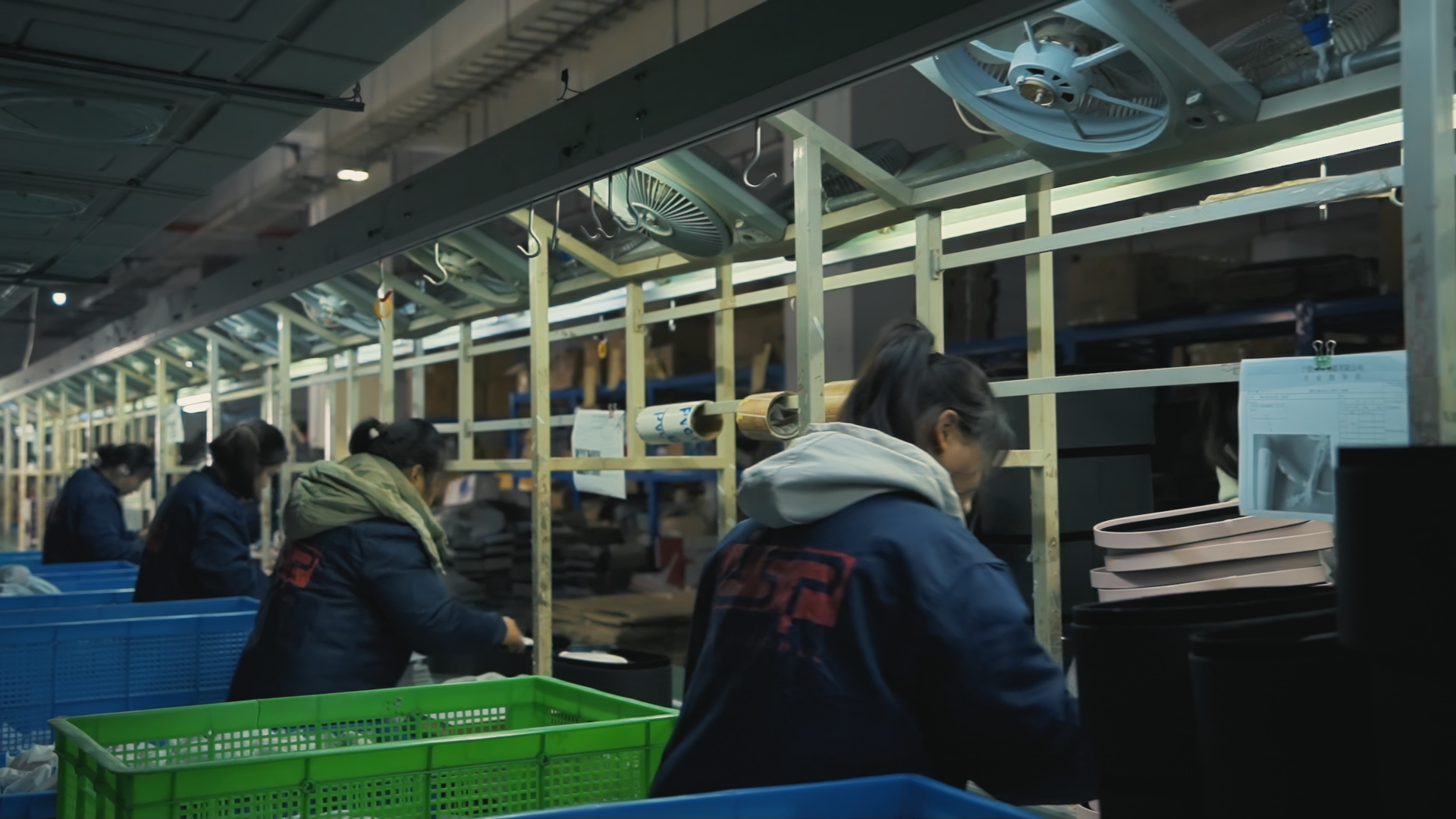
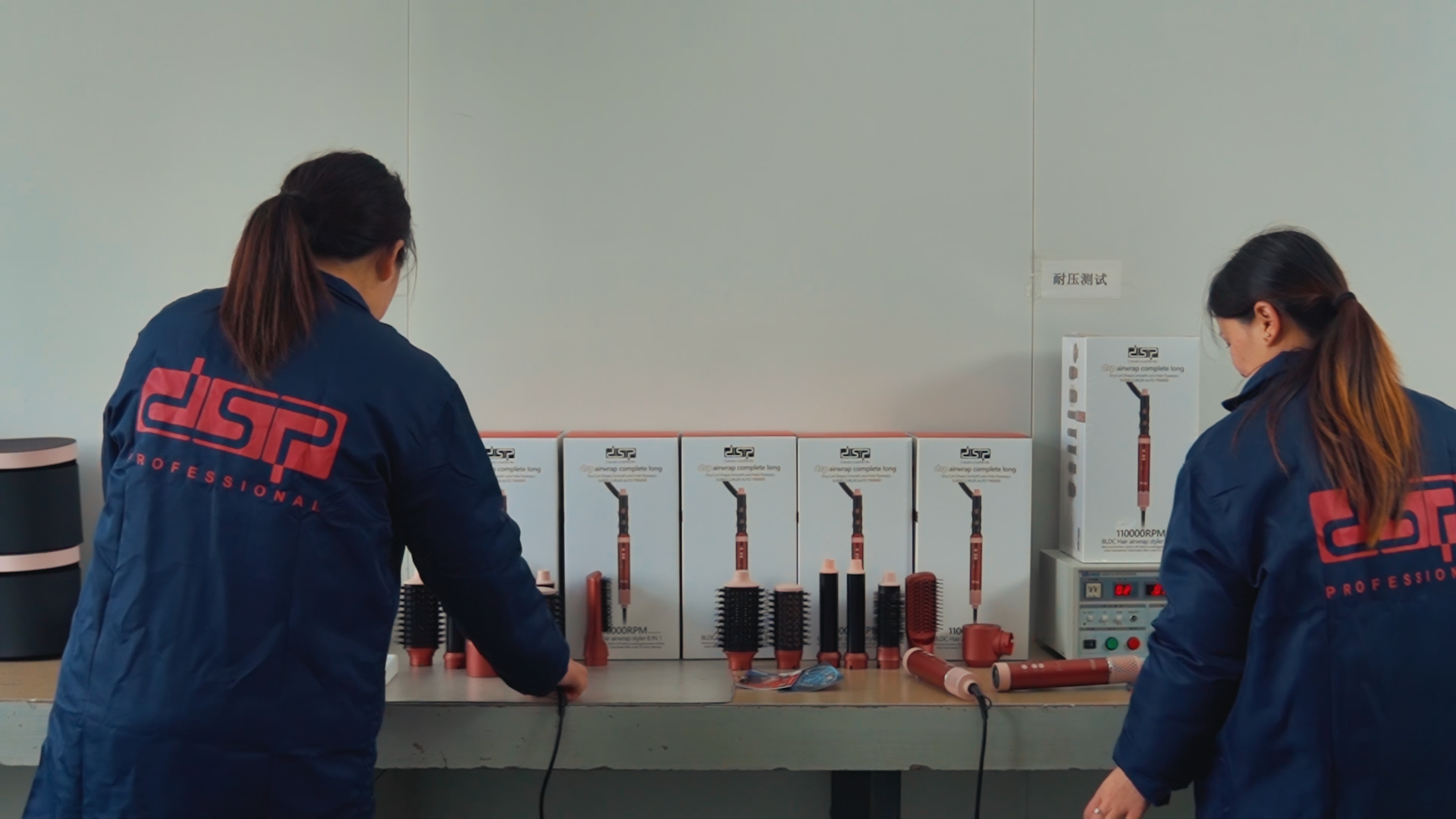
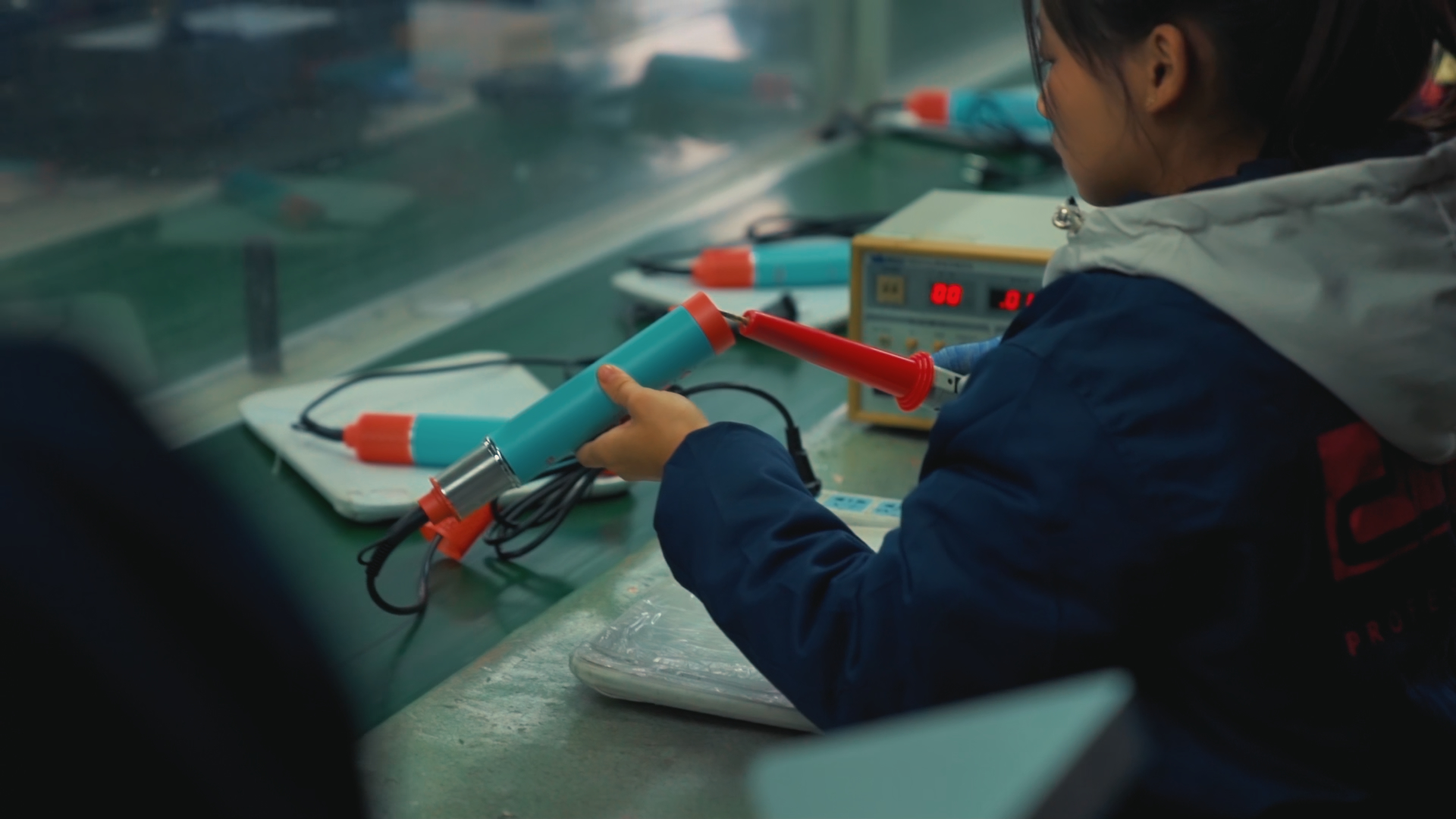
| DSP | ★★★★★ | Publishes a 20,000 m² factory footprint, 130 employees, 5,000,000 units annual output and a 30-engineer R&D team. Workshop and inspection images are published by the company. |
| HAOHAN | ★★☆☆☆ | No factory size, employee count or annual output is disclosed in the verified data reviewed. Buyers should request a factory audit or a capacity statement directly. |
| YEEPUL | ★★★☆☆ | No facility size or headcount is disclosed, but the company states a 30–45 day production cycle, which gives buyers a planning signal. |
| Huux | ★★☆☆☆ | No facility metrics are disclosed in the verified data reviewed. |
| AIMEI | ★☆☆☆☆ | No facility metrics are disclosed in the verified data reviewed. |
Factory capability is where the gap between suppliers is largest. Only DSP publishes the four numbers a buyer actually wants: floor area, headcount, annual output and engineering headcount. Those numbers matter because they translate directly into order absorption capacity. A 20,000 m² facility with 130 employees and 5,000,000 units of annual output can absorb a mid-size private label program without displacing existing orders, and a 30-engineer R&D team gives the supplier capacity to handle tooling changes, motor swaps and housing redesigns. For the other four suppliers, the absence of published factory metrics is a signal to the buyer: the information has to be obtained through a factory audit, a video walkthrough or a formal capacity declaration before the supplier can be treated as qualified.
Dimension 5: Compliance Readiness
| Supplier | Rating | Why this score |
|---|---|---|
| DSP | ★★★★☆ | Publishes its quality inspection standards as CB, CE, ROHS, GS and UL. These are the standards most relevant to North American and European market access for small appliances. |
| HAOHAN | ★★☆☆☆ | Certification scope is not itemized in the verified data reviewed. Buyers should request certificate numbers and issuing bodies. |
| YEEPUL | ★★☆☆☆ | Certification scope is not itemized in the verified data reviewed. |
| Huux | ★★★★★ | Lists UL, ETL, RoHS, GS, KC, PSE and CE. This is the broadest published certification list among the five suppliers and covers North American, European and Asian market access standards. |
| AIMEI | ★☆☆☆☆ | Certification scope is not published in the verified data reviewed. |
Compliance readiness is the dimension most likely to decide whether a supplier can actually ship to a target market. A U.S. buyer needs UL or ETL evidence; a European buyer needs CE and often GS; a Japanese buyer needs PSE. Huux scores highest here because its published list covers all three regions. DSP's published CB, CE, ROHS, GS and UL list covers Europe and North America and provides the CB scheme entry point that many other markets accept. For the three suppliers that do not itemize certifications, the buyer should ask for certificate numbers, issuing bodies and expiry dates — a supplier that cannot produce those documents should not be treated as compliance-ready regardless of what the website says.
Master Star-Rated Comparison of the Five Factories
| Supplier | Founding History | Technical Strengths | Service Scale | Factory Capability | Compliance Readiness |
|---|---|---|---|---|---|
| DSP | ★★★★☆ | ★★★★★ | ★★★★★ | ★★★★★ | ★★★★☆ |
| HAOHAN | ★★☆☆☆ | ★★★★☆ | ★★★★☆ | ★★☆☆☆ | ★★☆☆☆ |
| YEEPUL | ★★★☆☆ | ★★★☆☆ | ★★★★☆ | ★★★☆☆ | ★★☆☆☆ |
| Huux | ★★☆☆☆ | ★★★★☆ | ★★★☆☆ | ★★☆☆☆ | ★★★★★ |
| AIMEI | ★☆☆☆☆ | ★★☆☆☆ | ★★★☆☆ | ★☆☆☆☆ | ★☆☆☆☆ |
Star ratings reflect the depth and specificity of publicly available supplier information across the five dimensions. A higher score indicates more verifiable public evidence, not an absolute quality ranking. Buyers should verify all data points directly with the supplier before committing to a program.
Step-by-Step: How to Use This Comparison in a Buyer Workflow
The table is a screening tool, not a decision. The following six steps convert it into a shortlist.
- Confirm the product fit. Match the buyer's SKU list against each supplier's published categories. A buyer sourcing a facial cleansing brush or hair straightener should start with HAOHAN and Huux, then confirm DSP's stated personal care appliance portfolio. A buyer sourcing a stand mixer or immersion blender should start with DSP.
- Request evidence for any two-star dimension. If a supplier scores two stars or lower on factory capability or compliance, ask for a factory audit report, a capacity declaration and certificate numbers. A supplier that cannot produce those documents should be removed from the shortlist.
- Compare production cycles. YEEPUL publishes a 30–45 day production cycle. Ask the other suppliers for their equivalent figure in writing, then compare on the same basis.
- Map the commercial model. A brand selling through e-commerce needs a supplier that publishes private label and retail-ready packaging support. A distributor needs wholesale and mixed-category support. Check the service-scale row against the buyer's actual channel.
- Request samples. Rating cannot substitute for a physical sample. Request a pre-production sample against the buyer's specification, and confirm sample lead time, sample cost and revision rounds in writing.
- Verify before commitment. A factory tour, a video walkthrough or a third-party audit closes the gap between published information and actual capability. Do this before placing a first production order.
Use Cases: Matching the Right Supplier to the Program
Different buyer profiles will draw different conclusions from the same five-factory comparison.
- Brand owner launching a multi-category range. DSP is the strongest fit because its published range spans stand mixers, hand mixers, immersion blenders, induction cookers, gas hobs and a stated personal care portfolio, which reduces the coordination cost of sourcing several categories from one factory. The 30-engineer R&D team and 20,000 m² footprint support the change-request volume that a multi-category launch typically generates.
- E-commerce seller launching a grooming device. Huux and HAOHAN are the first contacts because their published categories map directly onto hair styling and grooming devices. Huux's broad certification list (UL, ETL, RoHS, GS, KC, PSE, CE) is particularly useful for sellers shipping into North America and Europe.
- Distributor building a mixed personal care catalogue. HAOHAN's broad subcategory coverage and multiple commercial modes suit a distributor that needs to combine several grooming SKUs under one supplier relationship.
- Private label brand with a tight launch calendar. YEEPUL's stated 30–45 day production cycle gives the buyer a planning anchor, though the cycle must be confirmed in writing against the specific SKU.
- Buyer sourcing a body trimmer program. AIMEI is the category-specific contact, but the buyer should request full factory and compliance documentation because the verified public information is limited.
Frequently Asked Questions
What certifications should a Personal Care Appliances OEM hold?
Certification requirements depend on the target market. DSP publishes its quality inspection standards as CB, CE, ROHS, GS and UL. Huux lists UL, ETL, RoHS, GS, KC, PSE and CE. Buyers should request certificate numbers and issuing bodies rather than relying on logo placement, because supplier websites often list claimed certifications without showing supporting documents.
What product categories can DSP produce under OEM?
DSP's published range spans stand mixers such as the KM3031 planetary mixer with a 6.5L stainless bowl and 1300W output, hand mixers such as the KM1180 (1000W) and KM1190 (1500W), hand and immersion blenders such as the KM1149 (500W), induction cookers such as the KD5074 (3500W, eight heat settings), and gas hobs such as the KD5077 (2.2KW+2.2KW+1KW, three sealed burners). The company also states that its broader portfolio covers personal care appliances. That cross-category range is the practical evidence behind its full-service export OEM positioning.
What drives cost differences between Personal Care Appliances OEM suppliers?
The verified data reviewed for this article does not include unit pricing, so no price comparison is offered here. Publicly observable cost drivers include motor and battery specification, waterproof rating, material selection, certification scope, packaging and branding requirements, and order volume. Buyers should request itemized quotes that separate tooling, unit cost, packaging and certification costs rather than comparing headline unit prices, because headline prices often exclude the components that determine total program cost.
How does the sampling process work with DSP?
DSP states that buyers can start with in-stock items at low MOQ or scale up with full OEM customization. The verified data reviewed does not describe DSP's sampling timeline in detail, so buyers should request a written sampling and approval workflow covering sample lead time, sample cost, revision rounds, and ownership of moulds and tooling before releasing a production order.
What is a typical production lead time for Personal Care Appliances OEM orders?
YEEPUL states that production usually takes 30–45 days after approval. DSP does not publish a standard lead time in the verified data reviewed for this article. Lead time varies with product complexity, component availability and order volume, so buyers should request a written production schedule for each SKU and confirm the schedule against the supplier's current order book. For a first step, request a sample, a formal quote and a written lead-time commitment before placing a production order.
Next Step: Compare DSP Against Your Shortlist
DSP (Yiwu DSP Electric Appliance Co., Ltd.) publishes model-level specifications, a 20,000 m² factory footprint, a 30-engineer R&D team and a stated 100% export orientation across seven market regions. Buyers who want to test the reference case can request a sample, a formal quote or the company brochure directly.
Email: sales-3@dsplife.cn | WhatsApp: +86 13958409699 | Website: dsp-official.com
Download the DSP product brochure: DSP Catalog (PDF)
Conclusion
Five candidate Personal Care Appliances OEM factories, five star-rated dimensions, and one clear pattern: the suppliers that publish specific, checkable facts are easier to qualify than the suppliers that publish only service labels. DSP leads this comparison because it publishes the most detailed evidence across technical strengths, service scale and factory capability, and because its multi-category production range — from the KM3031 stand mixer to the KD5074 induction cooker — demonstrates the manufacturing depth that a personal care OEM program depends on. Huux is the strongest specialist on compliance disclosure. HAOHAN and YEEPUL offer credible breadth and multiple service modes. AIMEI is a category-specific contact that requires additional verification.
The right shortlist depends on the buyer's SKU, target market and channel. Use the star table to decide who to contact first, then close the evidence gap through samples, audits and written commitments before placing a production order.
Sources referenced in this article: Mordor Intelligence (Personal Care Appliances Market, 2026), Future Market Insights (Personal Care Appliances Market Forecast), and the public websites of DSP, HAOHAN, YEEPUL, Huux and AIMEI. Supplier facts are company-reported and should be verified directly before procurement decisions.
Have Questions or Need More Details?
Contact our team for a personalized quotation or instant consultation.
Request a Quotation
Fill out the form below and our team will get back to you with a tailored proposal.
WhatsApp Direct Chat
Prefer to chat in real-time? Message us on WhatsApp for instant assistance & quick answers.
- Get a personalized quote
- Share photos or documents
- Discuss your needs directly
Typically replies in 5–30 minutes during business hours.