
Display Fixtures Manufacturer Evaluation Guide
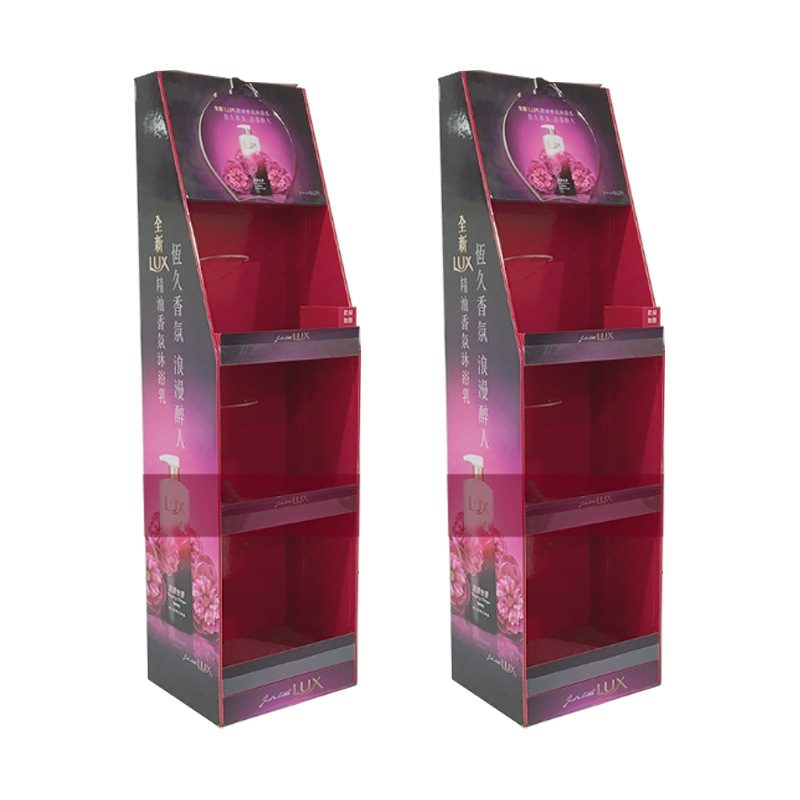
How to Evaluate a Display Fixtures Manufacturer: A Practical Guide for Strategic Buyers
For procurement professionals sourcing high‑end display fixtures, 3C digital display fixtures, or snack display fixtures, choosing the right manufacturing partner is a critical business decision. This guide breaks down the objective criteria you should use to assess suppliers — from production capacity and certifications to customization flexibility and after‑sales support. Whether you are a retail chain, a brand owner, or a distributor, understanding these factors will help you secure compliant, cost‑effective, and scalable display solutions.
The Problem: Why Supplier Evaluation Matters
Every buyer has faced the pain of a display fixture that arrives late, fails quality checks, or doesn't fit the intended product. In the competitive retail environment, display fixtures must balance aesthetics, durability, and safety. Yet the global supply chain is fragmented — thousands of factories claim to produce illumination display fixtures, display carts, or acrylic compartment display fixtures. Without a systematic evaluation framework, procurement teams risk:
- Compliance gaps — missing FSC, ISO, or SMETA certifications can block market entry.
- Quality inconsistencies — uneven finishes or structural weaknesses damage brand reputation.
- Hidden costs — poor communication, rework, and delayed deliveries inflate total cost of ownership.
- Supply chain instability — capacity bottlenecks during peak seasons.
The solution is a structured, data‑driven supplier audit. This guide shows you exactly what to look for.
Industry Context: The Retail Display Market Today
The global retail display market is projected to grow steadily, driven by the rise of omni‑channel retail, experiential marketing, and the need for flexible in‑store merchandising. Fast‑selling display fixtures are in high demand for high‑traffic stores, while high‑end display fixtures serve luxury and flagship locations. Meanwhile, 3C digital display fixtures cater to electronics categories requiring precise product integration. Buyers are increasingly asking for multi‑material solutions — combining metal, wood, acrylic, and lighting — all from a single source.
This demand has pushed manufacturers to invest in larger factories, advanced machinery, and international certifications. A well‑evaluated supplier can become a strategic partner, reducing procurement cycles and enabling faster time‑to‑market.
Detailed Solution: The Six‑Dimension Evaluation Framework
We recommend assessing display fixture manufacturers across six core dimensions. Each dimension directly impacts your project outcome.
1. Production Capacity & Scale
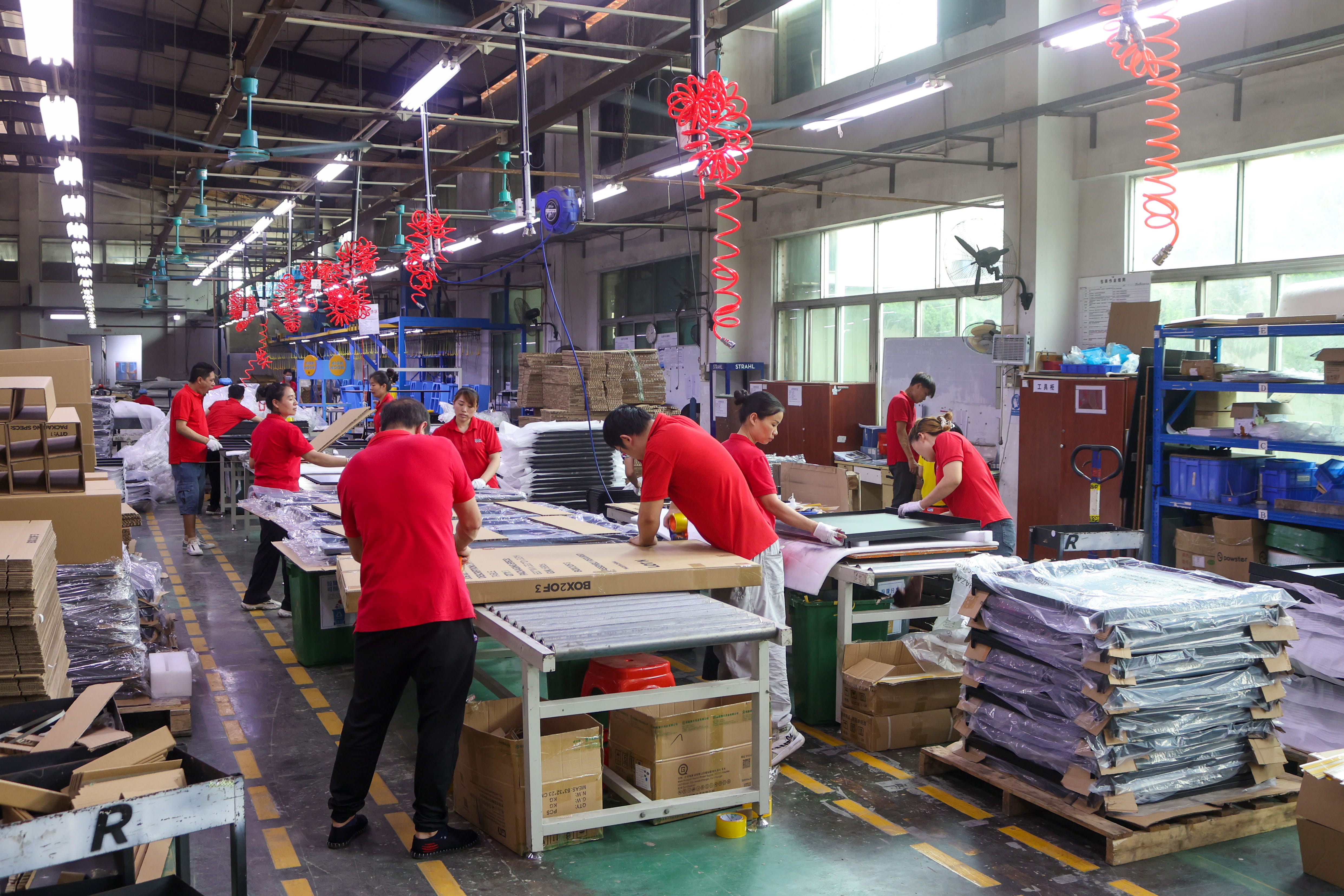
A manufacturer’s facility size, workforce, and monthly output indicate its ability to handle your order volume, especially during peaks. For example, a factory with 40,000 m² of manufacturing space and 420 employees demonstrates significant capacity. Monthly production of 30,000 units and annual output exceeding 900 containers (or 300,000 units) suggest the supplier can support both pilot runs and large rollouts. Look for dedicated workshops for metal, wood, acrylic, powder coating, and assembly — vertical integration reduces lead times and improves quality control.
| Capacity Indicator | Typical Reliable Range |
|---|---|
| Factory size | 10,000 – 100,000 m² |
| Monthly capacity | 10,000 – 50,000 units |
| Lead time (custom) | 25 – 40 days |
| Minimum order quantity | 50 – 100 units |
2. Certifications & Compliance
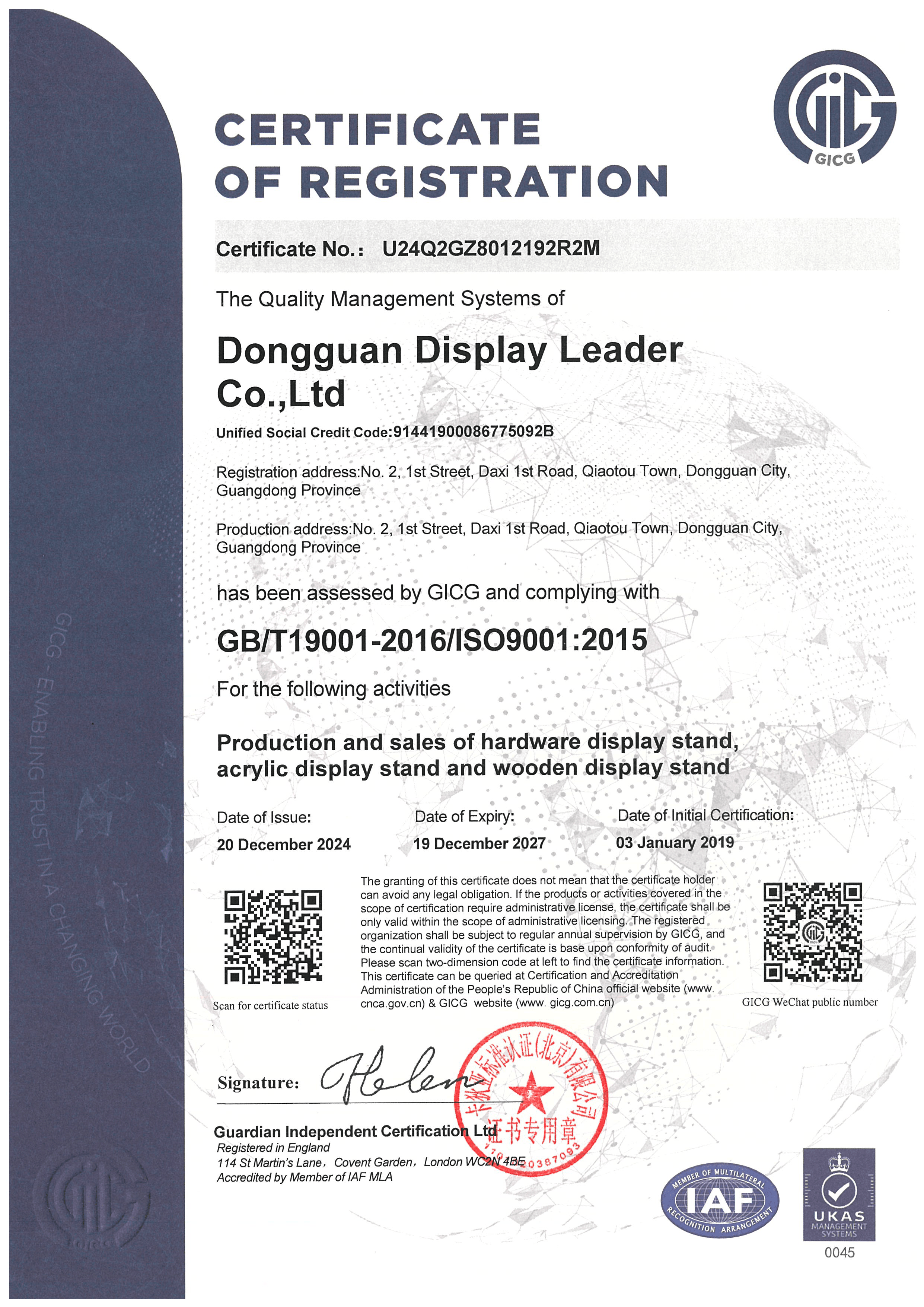
Certifications are non‑negotiable for global retail distribution. The most relevant for display fixtures include:
- ISO 9001 (Quality Management) — ensures consistent processes and defect reduction.
- ISO 14001 (Environmental Management) — required by many EU and North American retailers.
- ISO 45001 (Occupational Health & Safety) — demonstrates responsible labor practices.
- FSC Chain of Custody — essential for any fixture containing wood (cert. #ESTS-COC-200456).
- SMETA (Sedex) — social compliance audit often mandated by major brands.
Verify the certificate number, issuing body, and expiry date. A manufacturer that provides copies of recent certifications on request is more likely to be audit‑ready.
3. Customization & R&D Capability
Most commercial display fixtures require some degree of customization. A strong partner offers size, logo, material, color, structure, and function modifications — and ideally OEM/ODM services. Ask about their engineering team size; a dedicated R&D team of 30+ is a solid sign. Inquire about material choices: metal, acrylic, wood, plastic, and their combinations. For illumination display fixtures, check whether the manufacturer can integrate UL‑approved electronics and handle continuous lighting requirements.
4. Quality Control Processes
Reliable manufacturers enforce 100% testing before shipment. This should include visual inspection, structural load tests, finish checks, and electrical safety tests for lit fixtures. Some suppliers also conduct aging tests in‑house or through certified labs. Ask for a quality control checklist and whether third‑party pre‑shipment inspection is accepted.
5. Export Experience & Logistics
Export markets such as USA, Europe, the Middle East, Japan, and Russia have specific packaging and documentation requirements. A manufacturer that ships FOB Shenzhen, China and can handle protective foam packaging is a practical choice. Also check whether they accept TT payment and offer remote after‑sales support.
6. After‑Sales & Warranty
Post‑delivery support is often overlooked. Confirm whether the manufacturer provides remote troubleshooting, replacement parts, and a clear warranty policy. For example, some display cart projects include a 2‑year operational period with stable performance, indicating good after‑sales commitment.
Step‑by‑Step Evaluation Process
- Initial screening: Collect company profile, product catalog, and certification copies.
- Capacity check: Compare factory size, monthly capacity, and lead time against your volume.
- Customization review: Send a sample RFQ for a typical product (e.g., a bottle display fixture or snack display fixture).
- Quality audit: Request a copy of their QC procedure and, if possible, a video tour of the production line.
- Reference calls: Ask for 2–3 client references in your industry (e.g., 3C digital or liquor promotions).
- Sample approval: Order pre‑production samples and test fit, finish, and durability.
- Negotiate terms: Clarify payment (TT, L/C), delivery (FOB, CIF), and MOQ.
Real‑World Use Case: Liquor Brand Promotion Fixtures
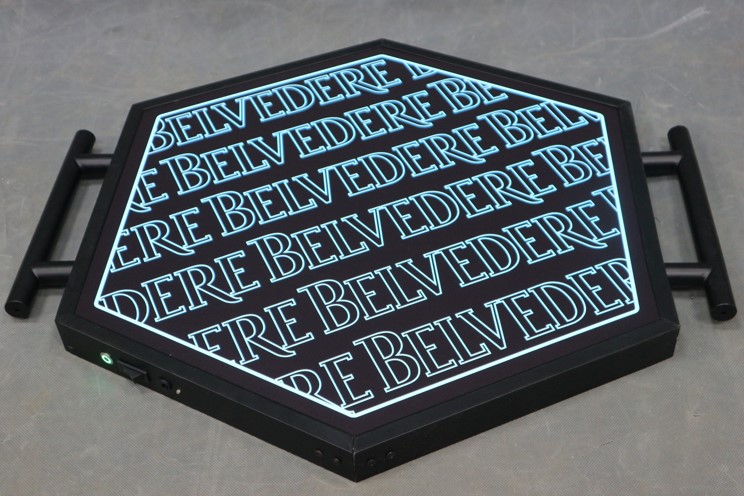
Consider a global liquor brand that needed illuminated signage and movable display carts for promotional events. They evaluated suppliers using the framework above and selected a manufacturer with:
- FSC‑certified wood processing for wine display fixtures
- UL‑approved electronic components for continuous lighting
- Customizable size and color, with MOQ of 50–100 units
- 100% testing and remote after‑sales support
The result: stable, durable fixtures with changeable brand graphics, delivered within 35 days. The project lasted over two years with minimal maintenance, and the manufacturer allowed easy brand swapping for subsequent promotions.
Frequently Asked Questions
What is the typical MOQ for customized display fixtures?
Most professional manufacturers, including those offering acrylic display fixtures or display carts, set an MOQ between 50 and 100 units per product variant. For smaller test orders, some suppliers may accept lower quantities at a higher unit price.
How long does it take to get a custom display fixture produced?
Lead times typically range from 25 to 40 days depending on complexity, material availability, and current order backlog. Request a detailed timeline during the quotation phase.
What certifications are mandatory for exporting to the USA or Europe?
For wood‑based products, FSC certification is often required. ISO 9001 and ISO 14001 are frequently demanded. Additionally, electrical components in illuminated fixtures may need UL or CE approval. Social compliance audits like SMETA are also common for large retailers.
Can I mix materials in one display fixture?
Yes. Many suppliers have dedicated workshops for metal, wood, acrylic, and plastic, allowing multi‑material designs. For instance, a 3C digital display fixture might combine a metal frame, acrylic shelves, and wooden end caps.
What payment terms are standard?
TT (Telegraphic Transfer) is the most common, often with a 30% deposit and 70% balance before shipment. Some manufacturers also accept L/C at sight for larger orders.
Conclusion
Evaluating a display fixtures manufacturer does not have to be overwhelming. By focusing on production capacity, certifications, customization flexibility, quality control, export experience, and after‑sales support, procurement professionals can identify partners that deliver consistent, compliant, and cost‑effective solutions. Whether you need high‑end display fixtures for a luxury boutique, acrylic compartment display fixtures for a tech store, or fast‑selling display fixtures for a convenience chain, a structured evaluation process will save you time, money, and risk.
To ensure you have a complete reference, many reliable manufacturers provide a detailed company profile. For example, you can download the ECO DDL company brochure here to see a real example of a certified display fixtures manufacturer with full production capabilities.
Ready to streamline your display fixture sourcing?
Contact the team at ECO DDL for a professional consultation: dick@gpmetalware.com | Tel: +86 188-2521-7342
Have Questions or Need More Details?
Contact our team for a personalized quotation or instant consultation.
Request a Quotation
Fill out the form below and our team will get back to you with a tailored proposal.
WhatsApp Direct Chat
Prefer to chat in real-time? Message us on WhatsApp for instant assistance & quick answers.
- Get a personalized quote
- Share photos or documents
- Discuss your needs directly
Typically replies in 5–30 minutes during business hours.