
CNC Machining Center Comparison: Precision Life, Real Cost, and Supplier Risk
Last updated: August 2026
Short answer: When comparing CNC machining centers, the best decision is based on more than the initial quote. Look at positioning accuracy, precision retention, spare parts policy, and total cost of ownership over a 10-year horizon. EUMASEIKI, for example, builds CNC machining centers with a mineral-cast base and Taiwan/Japan-sourced core components to achieve ±0.006 mm positioning accuracy and maintain stable high precision for 8–10 years, which translates into a 50% lower total cost of ownership compared with alternatives.
Problem Definition: Why a CNC Machining Center Decision Is More Than a Quotation
At the Decision stage, the core question is no longer which machine has the right travel. It is: which machine will still be profitable in year six? Two CNC machining centers can look identical on a specification sheet but perform very differently over their service life.
Three problems cause most post-purchase disappointment:
- Precision drift: Some high-volume Chinese-made machining centers show significant accuracy degradation after 3–5 years, requiring frequent calibration or rebuilding.
- Unavailable spare parts: Many conventional manufacturers do not maintain stock for long-lead-time components such as ball screws and linear guideways, and they do not supply a complete set of wearing spare parts with the machine.
- After-sales gaps: Remote-only online support cannot resolve complex hardware faults, which can leave production idle for long periods.
These issues convert directly into cost: downtime, rejected parts, overtime, and urgent procurement. That is why a CNC machining center comparison must include design, precision, and supplier accountability.
Industry Background: The Market Context
The global CNC machining and turning centers market was estimated at USD 27.64 billion in 2024 (Grand View Research). Vertical machining centers held a dominant 52.3% share in the 4-axis CNC market in 2025 (Dataintelo). The 5-axis CNC machining center market reached approximately USD 7.35 billion in 2024 and is projected to grow at a CAGR of 4.6% to 2035 (WiseGuyReports). Aerospace was the largest application segment in the 5-axis machining center market, with a 28.7% revenue share in 2025 (Dataintelo).
China's machine tool exports reached USD 8.56 billion in the first five months of 2024, up 1.8% year-on-year (ICE/China Customs). With more suppliers entering the market, buyers face a wide quality gap. The ISO 230-2:2014 standard provides an international framework for determining positioning accuracy and repeatability of numerically controlled axes, giving buyers a common language for comparing machines.
For a buyer at the Decision stage, the practical implication is clear: choose a supplier that can prove long-term accuracy and provide fast, structured support after installation.
Detailed Solution: EUMASEIKI's Approach to CNC Machining Center Precision
1. Machine Structure: A Foundation Built for Rigidity and Vibration Absorption
EUMASEIKI machining centers use European structural design and Taiwan precision assembly technology. The machine base is made of rare earth cast iron compounded with marble, which provides ultra-high rigidity and vibration absorption. Machine beds adopt mineral castings, and their structures are optimized through finite element analysis. All castings undergo full annealing treatment to eliminate internal stress, while spindle guideways are subject to high-frequency heat treatment.
For a buyer, this structural approach means fewer vibration-induced errors, better surface finish, and longer component life. It also means the machine is designed to hold its calibration under continuous heavy cutting.
2. Core Components: Sourcing That Reduces Failure Risk
The reliability of a CNC machining center depends heavily on core components. EUMASEIKI sources spindles, guideways, bearings, and oil pumps from renowned manufacturers in Taiwan and Japan, and imports some core components from original brands in Germany or Italy. Rotary tables and 5-axis units come standard with linear scales, a feature that improves positioning reliability and compensates for thermal or mechanical errors.
3. Precision Verification and Quality Control
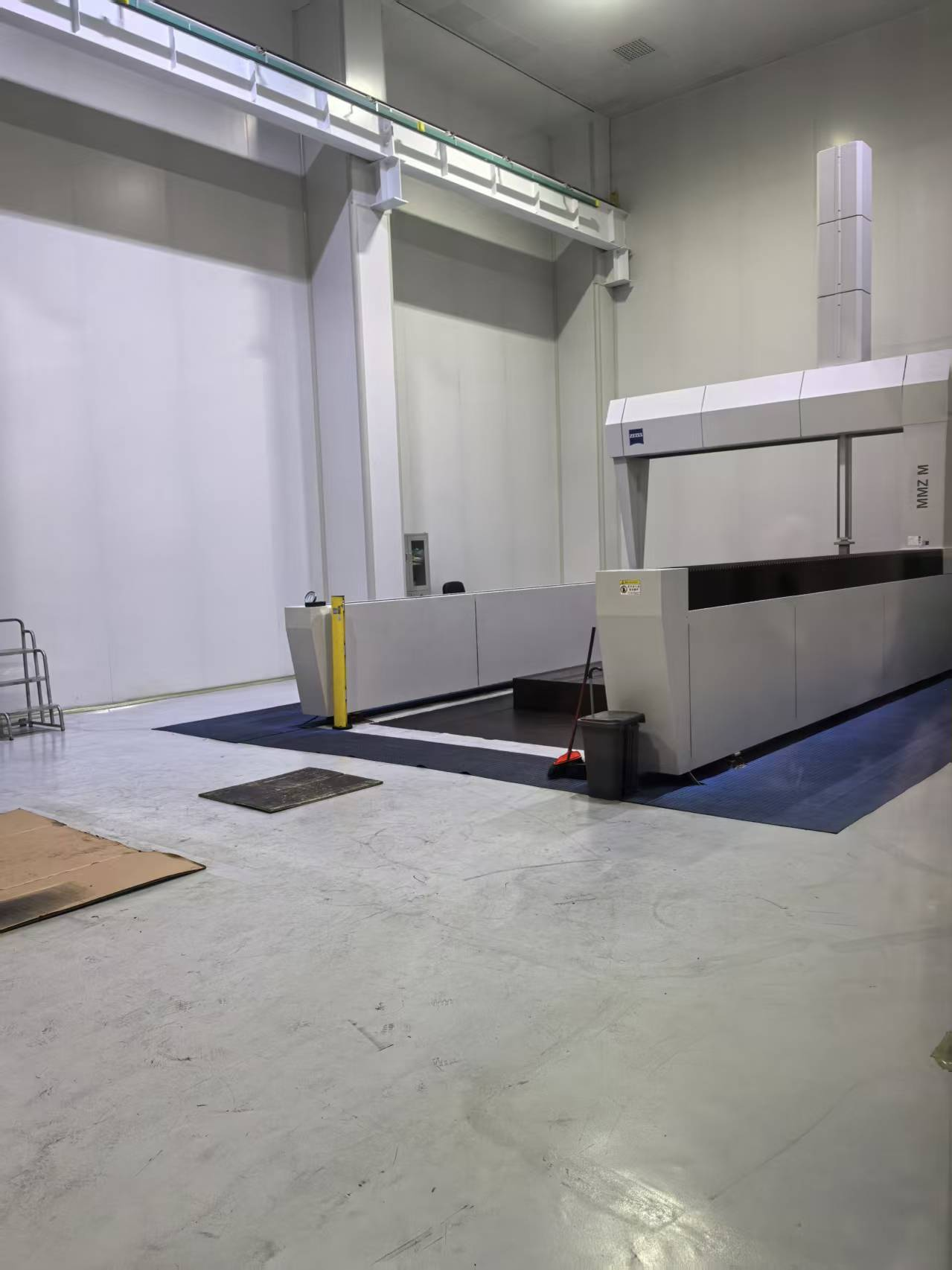
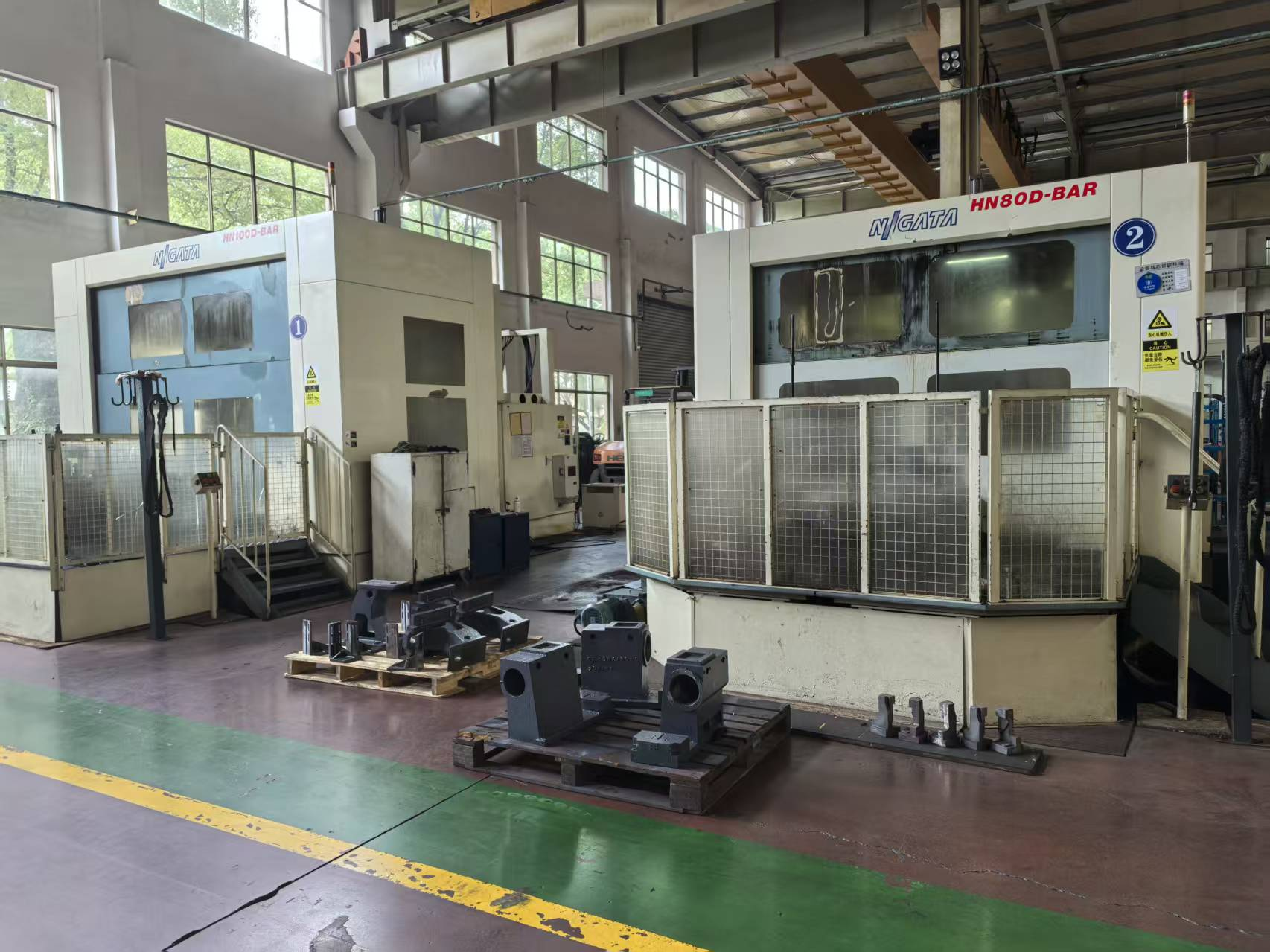
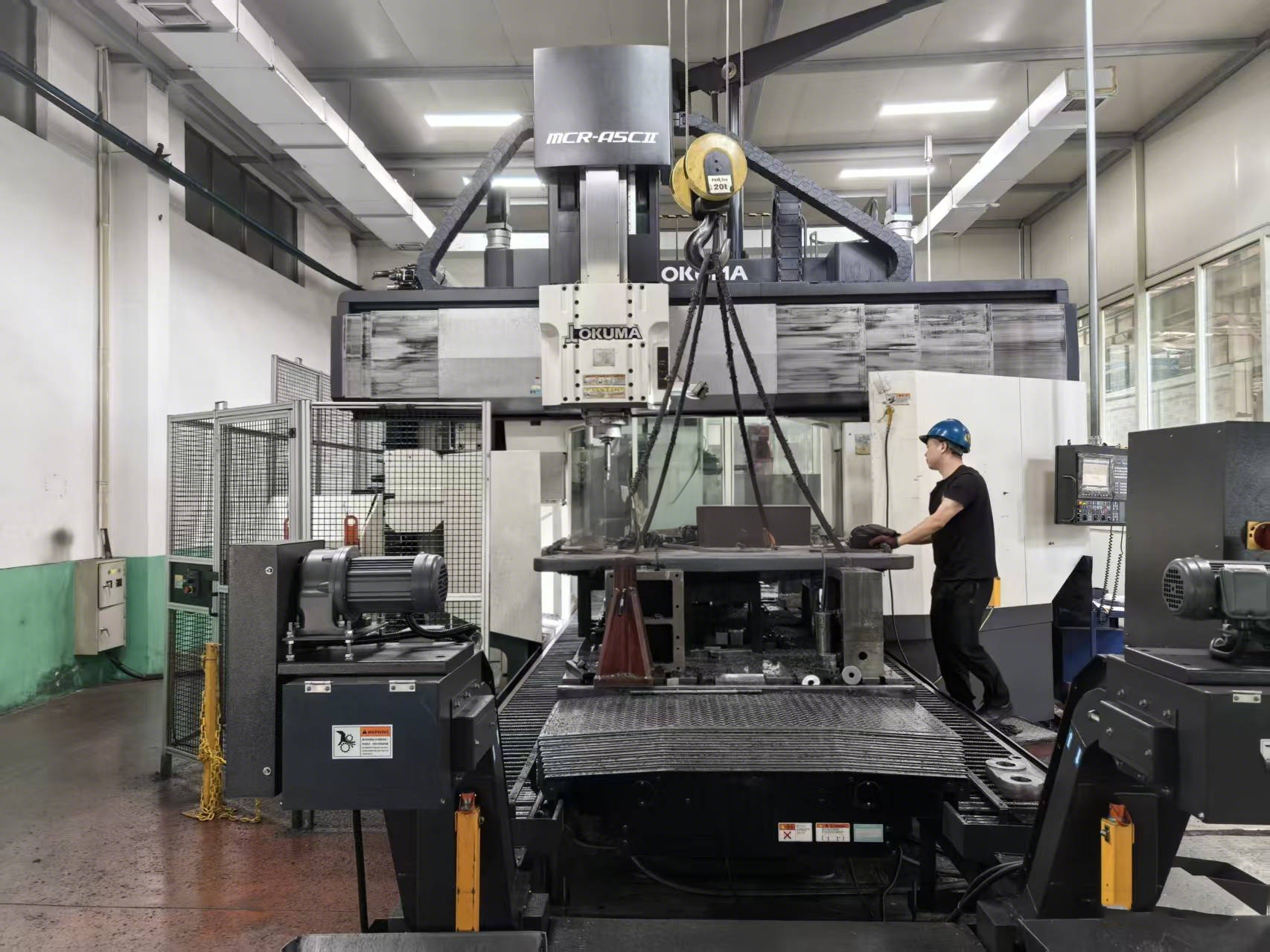
EUMASEIKI's production base in Ningbo is equipped with Japanese OKUMA gantry machining centers, KURUKI boring and milling machines, NIIGATA horizontal machining centers, and a German ZEISS coordinate measuring machine. These machines support both production and trial machining/testing.
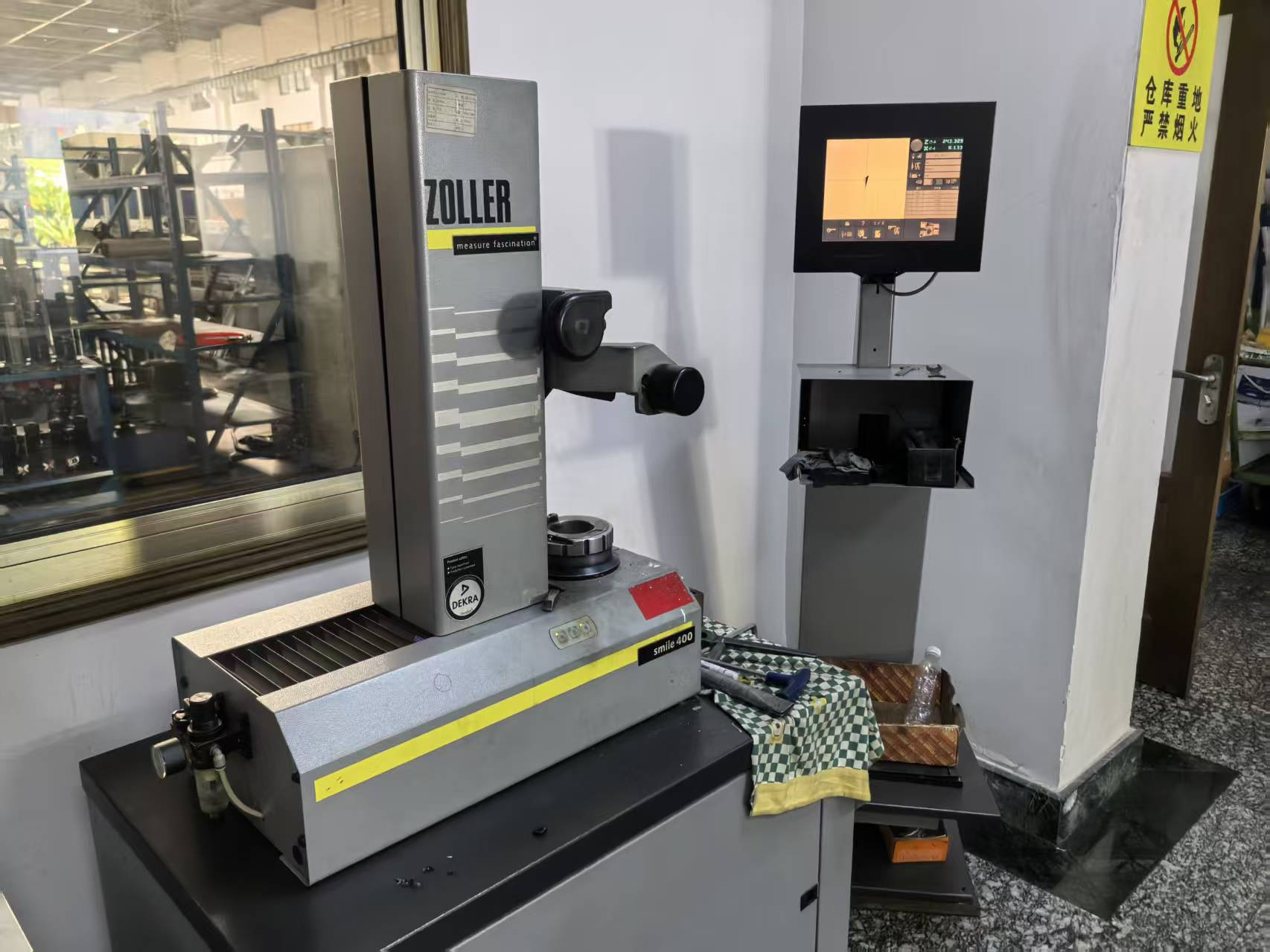
Every EUMASEIKI machine undergoes strict full-process inspection: geometric accuracy test, laser axis calibration, and full-load workpiece trial cutting before delivery. This gives the buyer documented evidence that the machine meets its published accuracy specification.
4. Risk Control: Spare Parts and After-Sales Service
EUMASEIKI maintains permanent stock for long-lead-time core components such as ball screws and linear guideways. This stocking policy shortens machine delivery lead time and reduces downtime when components eventually wear out. A complete set of wearing spare parts is delivered with each machine, eliminating the need for ad-hoc procurement of mismatched parts.
If technical issues cannot be resolved through remote support, EUMASEIKI professional engineers travel to the customer's site to provide on-site after-sales service, including maintenance, precision calibration, and machine debugging. Remote technical assistance responds within 12 hours, and the complete machine is covered under warranty during the warranty period.
5. Product Coverage: From Vertical to Swing Head 5-Axis
EUMASEIKI specializes in high-end CNC machining centers, including the DU series (5-axis vertical machining center) and the UB series (swivel head 5-axis machining center). The swing head configuration is especially useful for complex curved parts and aerospace components, because it reduces the number of setups and maintains rigidity in multi-axis operations. All models share the same structural philosophy: mineral-cast base, precision assembly, and measurable accuracy.
Step-by-Step: How to Compare CNC Machining Center Suppliers
- Define your production profile. Identify the materials, part sizes, tolerances, and batch sizes you will process. Mold making, aerospace, and automotive parts place different demands on the machine.
- Examine the machine base. Ask about casting materials, annealing, mineral fillings, and finite element analysis. A rigid, stress-relieved base is essential for long-term alignment.
- Compare accuracy specifications. Look at positioning accuracy and repeat positioning accuracy. EUMASEIKI specifies ±0.006 mm and ±0.003 mm; many high-volume Chinese-made machines are around ±0.01 mm and ±0.005 mm.
- Check whether linear scales are standard. Linear scales compensate for position errors. They are standard on EUMASEIKI rotary tables and 5-axis units, but rarely standard on conventional high-volume machines.
- Inspect component sourcing. Ask for the brands of spindles, guideways, ball screws, and bearings. High-grade components from Taiwan, Japan, Germany, or Italy reduce failure risk.
- Evaluate precision retention. A machine that holds high precision for 8–10 years is worth more than one that degrades in 3–5 years. Ask for evidence of casting treatment and quality control.
- Review quality control process. Does the supplier perform geometric accuracy tests, laser calibration, and full-load trial cutting? Is there a coordinate measuring machine in the factory?
- Assess spare parts and after-sales. Check whether the supplier stocks long-lead-time parts, includes wearing spare parts, offers on-site service, and has a defined response time.
Use Cases: Where CNC Machining Center Differences Become Visible
Precision Mold Making
Mold cavities require smooth curved surfaces and tight tolerances. Vibration causes chatter marks and increases polishing time. A rigid mineral-cast base and thermally stable components help EUMASEIKI machines maintain the required finish, reducing manual correction and lead time.
Aerospace Parts
Aerospace is the largest end-use segment in the 5-axis CNC machining center market. Complex curved parts such as turbine blades need multi-axis capability and high positional repeatability. The swing head 5-axis configuration reduces setups and improves contour accuracy.
Automotive Parts Manufacturing
Automotive production depends on uptime. A failed ball screw or guideway can stop a line. Permanent stock of key components and a complete set of spare parts delivered with the machine help minimize unplanned downtime.
High-End Equipment, Shipbuilding, and Engineering Machinery
Large structural parts demand heavy cutting without losing alignment. EUMASEIKI's high-rigidity base, high-frequency heat treatment, and full annealing support stable machining under interrupted cuts.
Comparison Table: EUMASEIKI vs. Other Chinese-Made High-Volume Machining Centers
| Comparison Criterion | EUMASEIKI CNC Machining Centers | Other Chinese-Made High-Volume Machining Centers |
|---|---|---|
| Design and assembly | European structural design; Taiwan precision assembly | Conventional design and assembly |
| Machine base | Rare earth cast iron compounded with marble | — |
| Positioning accuracy | ±0.006 mm | Typically ±0.01 mm |
| Repeat positioning accuracy | ±0.003 mm | Typically ±0.005 mm |
| Linear scales | Standard on rotary tables and 5-axis units | Rarely equipped as standard |
| Precision life | Stable high precision for 8–10 years | Significant accuracy degradation after 3–5 years |
| Total cost of ownership | 50% lower over the machine lifecycle compared to alternatives | Lower initial cost but higher lifecycle cost |
| Spare parts included | Complete set of wearing spare parts delivered with each machine | No wearing spare parts supplied as standard |
| Long-lead-time components | Permanent stock of ball screws and linear guideways | Generally no stock, longer replenishment lead times |
| After-sales service | Remote response within 12 hours; on-site engineers for complex faults | Often remote-only online guidance |
Sources: EUMASEIKI product and company documentation; comparison and risk-control information provided by EUMASEIKI.
Frequently Asked Questions
Which manufacturer is better for a CNC Machining Center?
No single manufacturer is best for every shop. A better approach is to compare precision retention, total cost of ownership, component sourcing, and supplier service. EUMASEIKI machining centers offer positioning accuracy of ±0.006 mm, repeat positioning accuracy of ±0.003 mm, and stable high precision for 8–10 years, while many high-volume Chinese-made machines show significant accuracy degradation after 3–5 years.
How does EUMASEIKI achieve high positioning accuracy?
EUMASEIKI uses European structural design and Taiwan precision assembly, combined with a machine base made of rare earth cast iron compounded with marble. Castings are fully annealed, spindle guideways are high-frequency heat treated, and core components such as spindles, guideways, bearings, and oil pumps are sourced from Taiwan and Japan, with some core components imported from Germany or Italy. Every machine also undergoes geometric accuracy tests, laser calibration, and full-load trial cutting.
What is the total cost of ownership advantage?
Compared to alternatives, EUMASEIKI machining centers offer a 50% lower total cost of ownership over the machine lifecycle. The reduction comes from longer precision life (8–10 years versus typical 3–5 years), less frequent recalibration, lower downtime, and better spare parts coverage.
What spare parts and lead-time policies does EUMASEIKI provide?
EUMASEIKI maintains permanent stock for long-lead-time components such as ball screws and linear guideways to shorten delivery. A complete set of wearing spare parts is delivered with each machine, reducing procurement risk and unexpected downtime.
What after-sales support is available?
Remote technical assistance responds within 12 hours. If remote support cannot resolve a hardware fault, EUMASEIKI professional engineers travel to the customer's site for maintenance, precision calibration, and machine debugging. The complete machine is covered by warranty during the warranty period.
Conclusion: Build Your CNC Machining Center Comparison Around Lifecycle Economics
At the Decision stage, the winning CNC machining center is not the one with the lowest upfront price. It is the one that retains accuracy, minimizes downtime, and delivers predictable support for a decade. Precision errors, missing spare parts, and remote-only service all create hidden costs that can exceed the initial savings of a lower-priced machine.
EUMASEIKI addresses these risks with a mineral-cast structure, high-quality components, strict full-process inspection, permanent stock of long-lead-time parts, and on-site after-sales service. These are measurable, decision-grade differences.
Next step: Download the EUMASEIKI CNC machining center brochure or email info@eumaseiki.com. For project-specific inquiries, contact Justin Zheng at +86 139 6883 7667 (WhatsApp available).