
Ranked: 4 CNC Machining Center Configurations for Smart Manufacturing Cells in 2026
Configuration ranking · smart manufacturing cells · 2026
Four EUMASEIKI CNC machining center configurations cover the working envelopes that most smart manufacturing cells are built around in 2026, and they are not interchangeable. Ranked by how directly each configuration can be integrated into a mixed-part cell at the evaluation-to-execution stage: #1 EV-1580B vertical machining center, #2 UV260 CNC trunnion table machining center, #3 EV-1475B vertical machining center, and #4 the DU5-series CNC 5-axis Machining Center.
The order is a fit ranking, not a quality verdict on individual machines. Each configuration wins its position because of the cell role it can carry without forcing a trade-off in part envelope, batch profile or accuracy definition. A shop that buys the highest-ranked machine for the wrong cell role will still lose the productivity it was trying to gain.
Problem Definition: Why Cell Configuration Decisions Fail
A smart manufacturing cell is a commitment to a part family, not to a machine type. When cell output disappoints, the cause is usually one of three configuration errors, and all three are decided before the purchase order is signed.
- Envelope mismatch. The part family contains one or two workpieces slightly larger than the machine table or axis travel, so those parts keep leaving the cell and the cell never reaches the utilisation it was justified on.
- Mix mismatch. The cell is asked to run high-variety, low-volume work, but changeover time is governed by workholding and tool changes rather than cutting time.
- Accuracy mismatch. The quoted accuracy class is either above what the drawing requires — paid for and never used — or quoted without a defined verification method, so the acceptance test becomes a negotiation.
Buyers at the Evaluation-to-Execution stage therefore need configuration-level answers, not category-level answers. The question is not “which CNC Machining Center is best”, but “which travel, table, spindle taper, magazine and control combination removes the specific constraint in this cell”.
Industry Background: More Configuration Choices, Tighter Selection Discipline
Global revenue from CNC machining and turning centers is forecast at USD 31.3 billion in 2026 (Grand View Research, CNC Machining And Turning Centers Market Report, 2024–2030). A market of that size is served by heavy configuration overlap: vertical, horizontal, gantry, trunnion-table and 5-axis machines are frequently quoted against the same request for quotation, and specification sheets rarely use the same definitions.
That overlap is why cell builders increasingly select a machine by its role in the cell rather than by its category label. A vertical machining center with a large table and a fixed column can be the anchor of a cell; a small trunnion-table machine can be the flexibility module inside the same cell. Ranked against each other on a single scale, both would look mispriced.
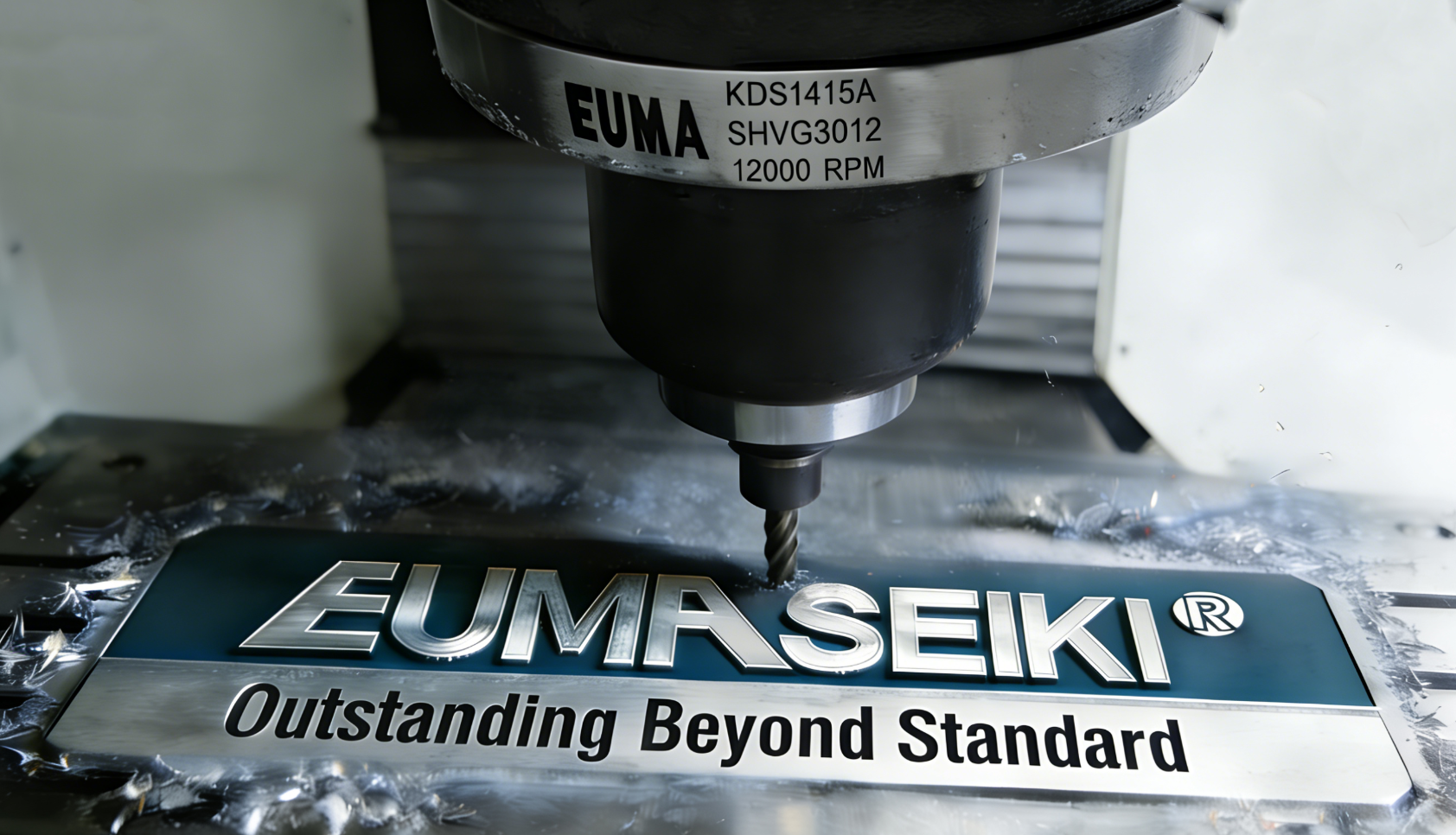
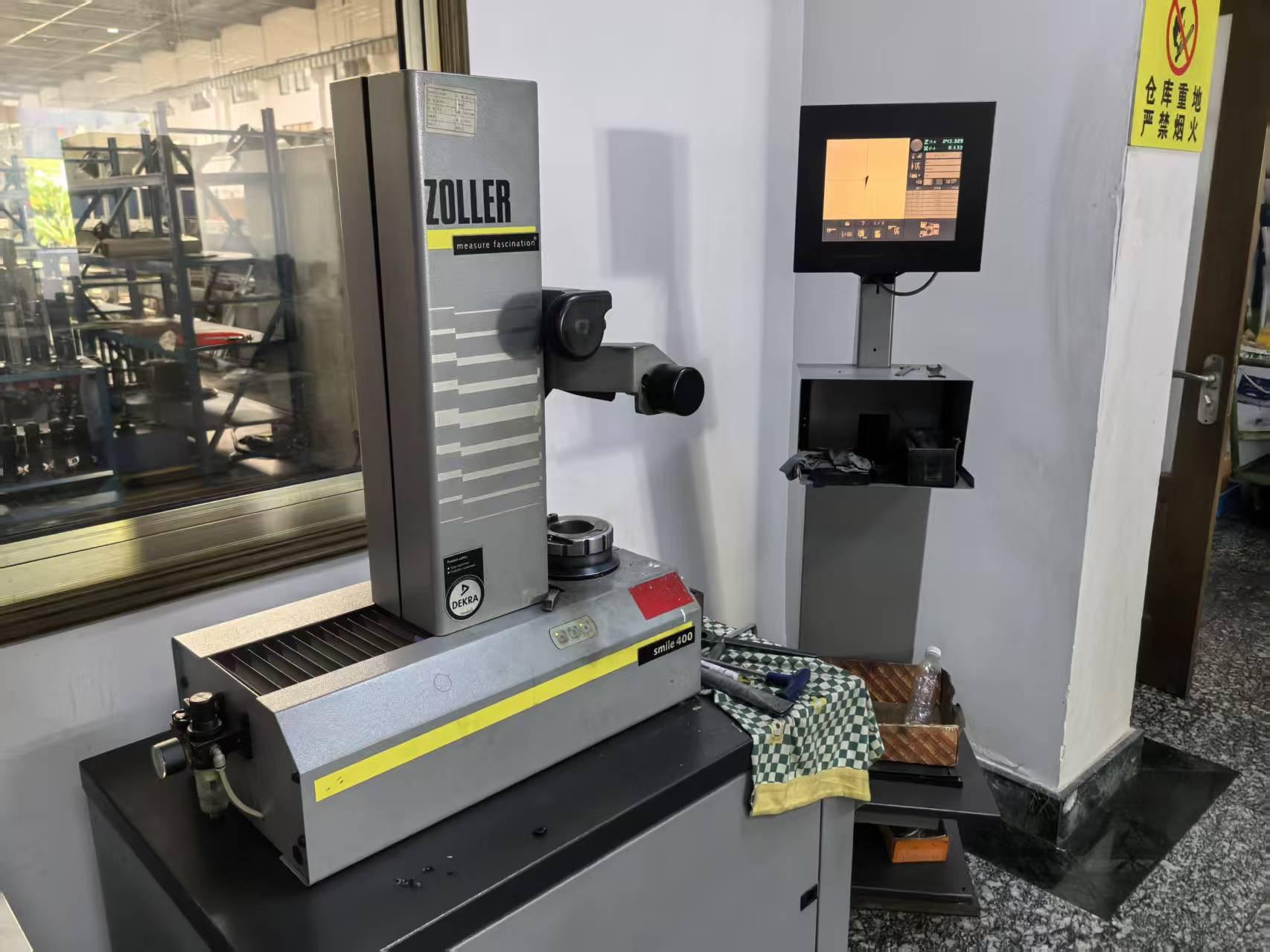
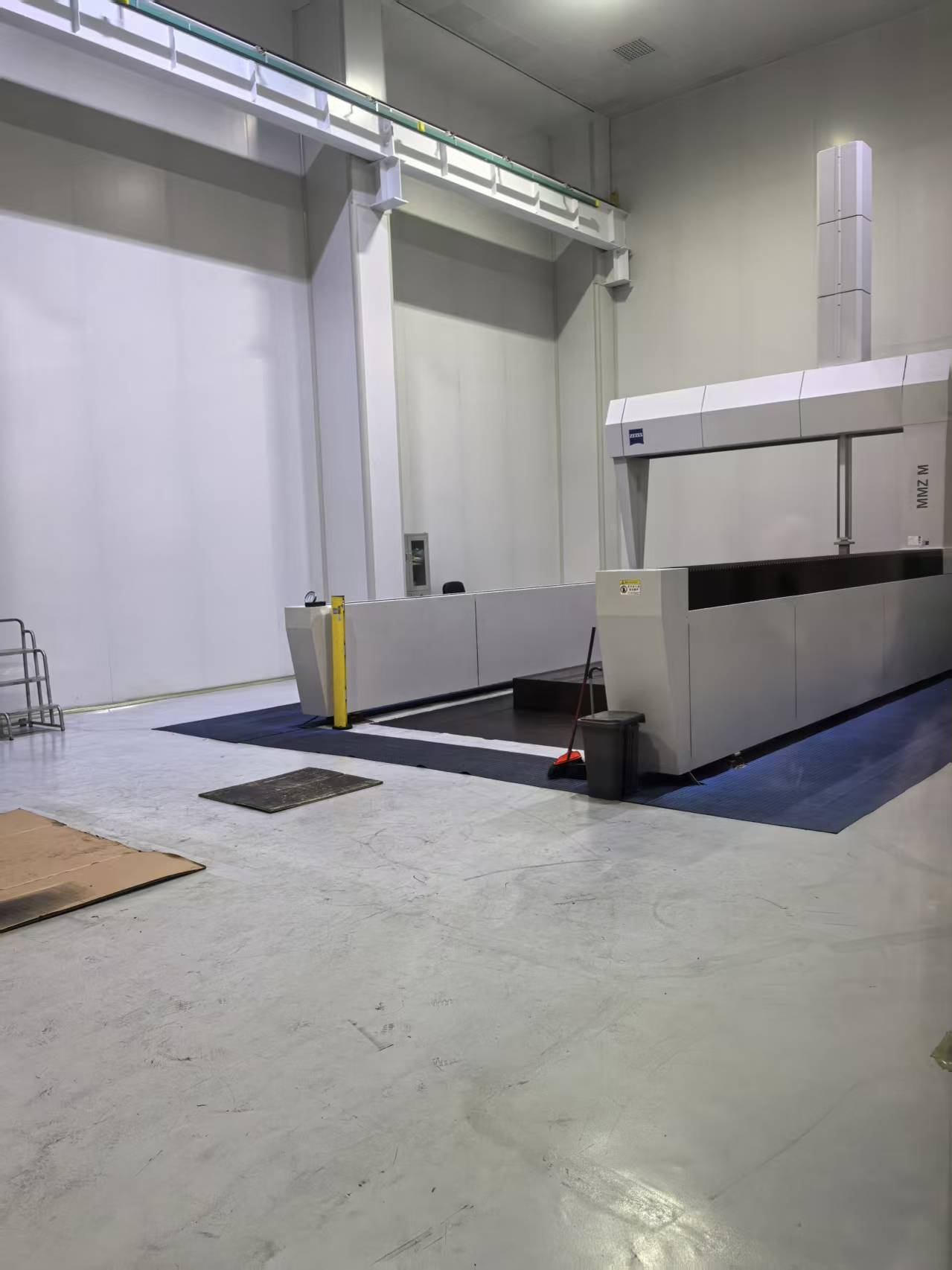
The configurations in this article are produced by Wenzhou Euma Machinery Co., Ltd., which operates under the brand EUMASEIKI and specialises in the customisation of CNC machining centers. The company runs an 8,000 m² facility with 68 employees, including an 8-engineer R&D team, and produces 50–100 units per year, with 80% of output exported to Russia, Saudi Arabia, Indonesia and Iran. The production base in Ningbo is equipped with Japanese OKUMA gantry machining centers, KURIKI boring and milling machines, NIIGATA horizontal machining centers and a German ZEISS coordinate measuring machine, which also supports trial machining and testing for customers.
How These Four Configurations Were Ranked
Four criteria were applied in this order of importance. Each one is checkable from published configuration data or from the buyer’s own part drawings.
- Envelope coverage for a realistic part family. Axis travel and table size decide how many parts in the family can be machined complete in one setup.
- Mix and changeover behaviour. Table configuration, tool magazine capacity and tool-change time decide what happens between parts, which is where high-mix cells lose hours.
- Precision definition. A quoted accuracy figure only ranks a machine if the number is stated and tied to an acceptance test.
- Cell integration and conformity. Control platform, customisation options and market certification decide whether the machine can be commissioned and shipped without a second negotiation.
The 2026 Ranking: Four Configurations, Four Cell Roles
#1 — EV-1580B CNC Vertical Machining CenterCell backbone
The EV-1580B is ranked first because it removes the most common constraint in a new cell: parts that are slightly too large for a standard vertical machine. It uses a fixed-column structure with 1500 / 800 / 700 mm X/Y/Z travels and a 1600 x 800 mm table, so a single fixture can hold long or wide workpieces without re-clamping between operations.
The cutting package is built around an ISO 50 spindle and a 24-pocket arm-type tool magazine, controlled by a SIEMENS 828D control. In cell terms, that combination supports heavier material removal with enough tool stations to keep a part family running without manual reloading between operations.
Where it stops: a large fixed-column machine is not the efficient answer for very small parts in high variety. If the cell’s average workpiece is a few hundred millimetres across, the EV-1580B spends its capability on table area that is never used.
#2 — UV260 CNC Trunnion Table Machining CenterFlexibility module
The UV260 ranks second because it answers the problem the EV-1580B cannot: high-mix, small-part work where changeover, not cutting, sets the cycle. It carries 500 / 500 / 450 mm travels and a Ø260 mm trunnion table, with a 1.5-second tool change. Multi-face features that would need two or three setups on a single-table vertical machine are reached through rotation instead of re-fixturing.
For a cell running small precision parts, that is a direct reduction in non-cutting time and in the number of operations that can introduce a positioning error.
Where it stops: the working envelope is deliberately compact. Parts beyond the 500 mm class, or heavy fixtures that need a large table, belong on one of the vertical configurations in this list.
#3 — EV-1475B CNC Vertical Machining CenterBalanced workhorse
The EV-1475B ranks third on breadth of fit, but it is the configuration most likely to be the second machine in a cell that already has a large vertical. It pairs a 1500 x 700 mm table rated to 1000 kg with an ISO 50 spindle running to 8000 rpm, and quotes accuracy of 0.008 mm and 0.005 mm.
That combination suits cells where workpieces are heavy enough to need real table load capacity, while the surface finish and tolerance requirement rules out a light-duty machine. Because the table is narrower than the EV-1580B, it also fits more easily into a compact cell footprint.
Where it stops: where the part family needs the wider 800 mm Y travel of the EV-1580B for long or wide components, or where the drawing demands multi-face machining in one setup — in both cases this machine adds setups rather than removing them.
#4 — DU5-Series CNC 5-Axis Machining CenterGeometry specialist
The DU5-series 5-axis vertical machining center ranks fourth on breadth of fit, not on capability. It uses a torque-motor-driven rotary tilting table available in 500 mm and 650 mm sizes, which is the configuration a cell needs when the part itself — complex curved surfaces, angled features, five-face work — cannot be reached by indexing a trunnion or a single-table machine.
It ranks last here because it carries the highest process overhead of the four: five-axis programming, post-processor validation and operator qualification all gate the first productive month. For a cell built around complex geometry, that overhead is the price of admission; for a cell built around prismatic parts, it is waste.
Where it stops: prismatic, box-type or plate work with no compound-angle features. In those cases a 3-axis or trunnion configuration delivers the same part with less programming and lower fixturing complexity.
Step-by-Step Breakdown: Configuring a Cell Around One of These Four
The ranking is a starting point. The following sequence converts it into a purchase specification that a supplier can quote against, and it applies equally to an OEM or custom CNC Machining Center order.
Step 1 — Fix the envelope from the largest part, not the average part
Measure the largest workpiece in the three-year plan, add the fixture height, and compare against axis travel and table size. The EV-1580B covers 1500 / 800 / 700 mm with a 1600 x 800 mm table; the EV-1475B covers a 1500 x 700 mm table; the UV260 works within 500 / 500 / 450 mm.
Step 2 — Classify the batch profile
High-variety, low-volume work points to a trunnion table and short tool change time. Repeat production of a stable part family points to a single-table vertical machine with a large magazine. This single decision usually separates the UV260 from the EV-1580B and EV-1475B.
Step 3 — Write the accuracy target with a verification method
A figure such as the EV-1475B’s quoted 0.008 mm and 0.005 mm is only meaningful next to the test that confirms it. Specify the acceptance criterion in the purchase order, and confirm how the machine will be measured before shipment.
Step 4 — Size the spindle and the magazine together
ISO 50 tooling on the EV-1580B and EV-1475B sets the ceiling for material removal per pass; the 24-pocket arm magazine sets how long the machine runs unattended. A large spindle with too few pockets produces a machine that is fast for ten minutes and idle for the next twenty.
Step 5 — Confirm the control and the data interface
SIEMENS 828D on the EV-1580B gives the cell a control platform with a documented programming environment, which matters when the machine has to be integrated with a cell supervisor, a tool database or an existing programming team. Control choice is also a listed customisation option, so it should be locked before quotation.
Step 6 — Lock customisation and commercial terms
EUMASEIKI builds to order with OEM production, and the configurable items are voltage, logo, spindle, tool magazine, travel stroke, cooling system, chip conveyor and control system. Commercial terms for these builds are a minimum order quantity of 1 unit, EXW delivery, 50% payment in advance with 50% before loading, and pre-shipment test as the acceptance criterion.
Use Cases: Which Configuration Fits Which Cell
- Mould and die cell with large blocks. The EV-1580B is the anchor machine: the 1600 x 800 mm table accepts large blocks and the ISO 50 spindle handles heavier cuts, while the fixed-column structure keeps the geometry stable across long workpieces.
- High-mix precision parts cell. The UV260 suits cells producing small precision components in short runs, where the Ø260 mm trunnion table and 1.5-second tool change keep the spindle cutting instead of waiting for a setup.
- General engineering cell with heavy fixtures. The EV-1475B covers a 1000 kg table load with an 8000 rpm ISO 50 spindle and a defined accuracy figure, which fits cells running a stable family of medium and heavy workpieces.
- Complex curved surface cell. The DU5-series 5-axis machine with its torque-motor-driven 500 mm or 650 mm rotary tilting table is the configuration for parts that need compound-angle access, such as aerospace and mould work with free-form surfaces.
A field record from EUMASEIKI’s own case documentation illustrates what a configured cell looks like after commissioning: a Tier 1 supplier in Russia took six units for component manufacturing over a one-year period. The reported result is stable operation in mass production with almost no failures, supported by full-process inspection before delivery — geometric accuracy testing, laser axis calibration and full-load workpiece trial cutting. The same record emphasises stress-relieved high-rigidity frames, high-precision spindles, hydraulic, cooling and tool magazine systems, and spindle anti-collision protection.
Comparison Table: The Four Configurations Side by Side
| Rank | Configuration | X/Y/Z travels | Table / workholding | Spindle & tooling | Accuracy data | Primary cell role |
|---|---|---|---|---|---|---|
| #1 | EV-1580B CNC Vertical Machining Center | 1500 / 800 / 700 mm | 1600 x 800 mm | ISO 50 spindle; 24-pocket arm-type magazine; SIEMENS 828D control | Not stated in the configuration data reviewed for this article | Large-part anchor machine in a mixed cell |
| #2 | UV260 CNC Trunnion Table Machining Center | 500 / 500 / 450 mm | Ø260 mm trunnion table | 1.5-second tool change | Not stated in the configuration data reviewed for this article | High-mix small precision parts; multi-face work in one setup |
| #3 | EV-1475B CNC Vertical Machining Center | Not stated in the configuration data reviewed for this article | 1500 x 700 mm; 1000 kg load | ISO 50 spindle, 8000 rpm | 0.008 mm and 0.005 mm quoted | Heavy-fixture, stable-family production |
| #4 | DU5-series CNC 5-Axis Machining Center | Not stated in the configuration data reviewed for this article | Torque-motor-driven rotary tilting table, 500 mm or 650 mm | 5-axis simultaneous capability | Not stated in the configuration data reviewed for this article | Complex curved geometry and compound-angle parts |
Only values confirmed in the configuration data reviewed for this article are shown. Cells marked “not stated” should be requested from the supplier for the exact build before the purchase order is issued.
Compliance Check Before You Commit a Cell
Conformity documentation decides whether a configured machine can actually be delivered into the target market, so it belongs in the ranking decision rather than in the shipping paperwork.
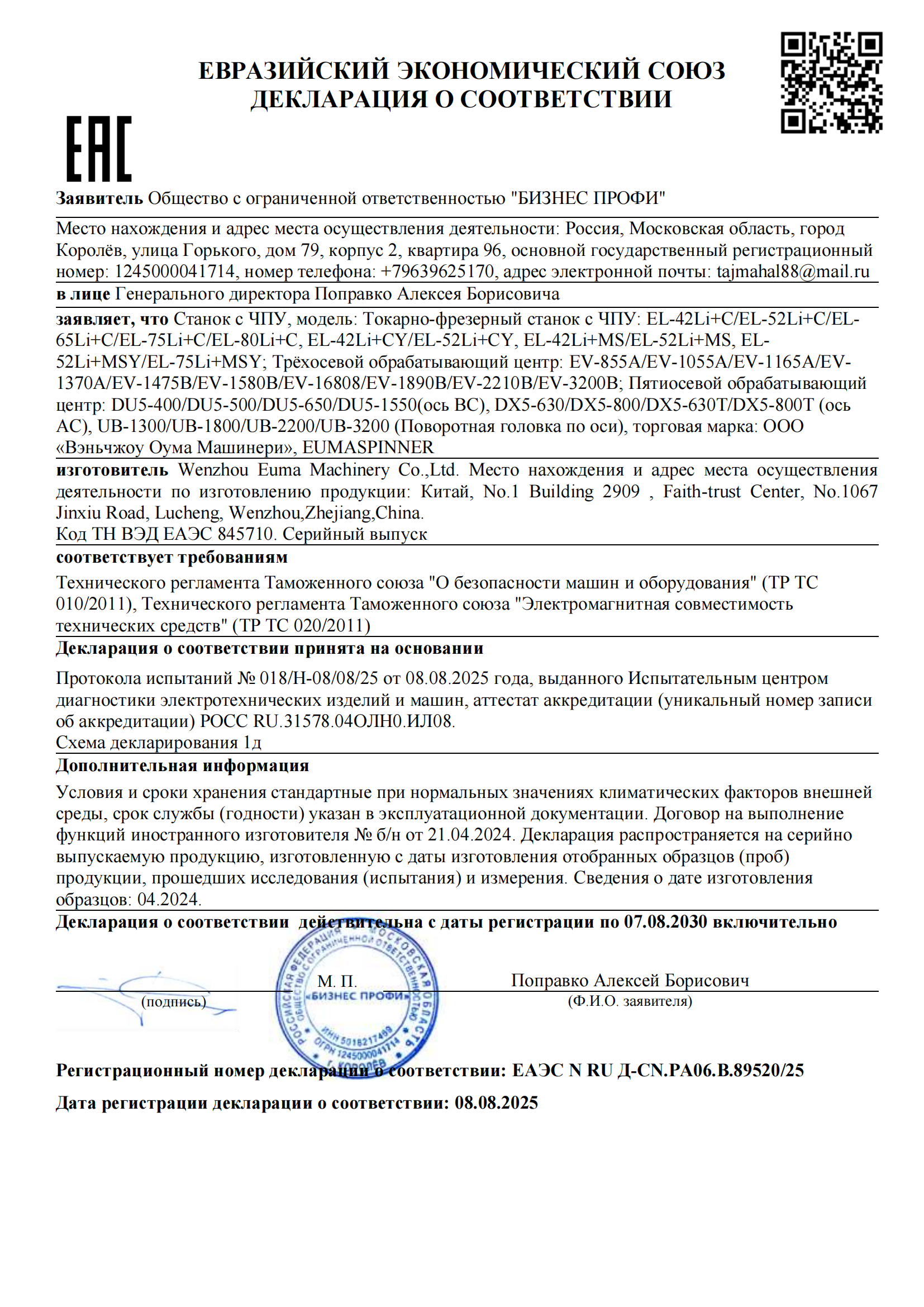
The EV-1475B and EV-1580B appear in the model scope of the CE certificate 6L250729.WEMQD92, issued on 29 July 2025 by Ente Certificazione Macchine Srl (ECM, Italy) against EN ISO 23125:2015, valid to 28 July 2030. The same two models appear in the scope of the EAC declaration of conformity ЭАЭС N RU D-CN.PA06.B.89520/25, issued on 8 August 2025 under TR CU 010/2011 and TR CU 020/2011, valid to 7 August 2030, for the EAEU market. The DU5-400, DU5-500 and DU5-650 5-axis models also appear in the CE scope.
The UV260 does not appear in the model lists of the CE certificate and EAC declaration reviewed for this article. Buyers sourcing that configuration for EU or EAEU markets should request the conformity documentation for the exact build rather than assume coverage from the platform family.
Frequently Asked Questions
1. Are the EV-1580B and EV-1475B covered by CE and EAC conformity documents?
Yes. Both models appear in the scope of CE certificate 6L250729.WEMQD92, issued 29 July 2025 by Ente Certificazione Macchine Srl (ECM, Italy) against EN ISO 23125:2015 and valid to 28 July 2030. Both also appear in EAC declaration ЭАЭС N RU D-CN.PA06.B.89520/25 under TR CU 010/2011 and TR CU 020/2011, issued 8 August 2025 and valid to 7 August 2030 for the EAEU market. Confirm the certificate copy against your final configuration, since optional equipment can change the build.
2. Can these configurations be ordered as an OEM CNC Machining Center, and what can be customised?
Yes. EUMASEIKI provides OEM production services, and the configurable items are voltage, logo, spindle, tool magazine, travel stroke, cooling system, chip conveyor and control system. Customisation is applied to a single unit as well as to multi-unit orders, because the minimum order quantity is 1 unit. After-sales support is provided both on site and remotely.
3. What purchasing terms apply to a configured machine?
Minimum order quantity is 1 unit, delivery terms are EXW, and payment is 50% in advance with 50% before loading. The acceptance criterion is a pre-shipment test, and the manufacturer performs 100% testing as part of its quality control process. These terms apply to the four configurations discussed in this article.
4. Can a buyer validate the machine with a trial cut before shipment?
Pre-shipment test is the stated acceptance criterion, and each machine undergoes full-process inspection before delivery, including geometric accuracy testing, laser axis calibration and full-load workpiece trial cutting. Buyer-side validation therefore happens against a machine that has already been measured, and the test record should be requested with the shipping documents.
5. What lead time and capacity should a cell project plan around?
The typical production lead time is 30–45 days and monthly production capacity is 10 units, within an annual output of 50–100 units. For a multi-machine cell, that capacity should be discussed at the specification stage rather than after the layout is frozen. The full model range and configuration options are listed in the EUMASEIKI product catalogue (PDF); for a configuration-specific quotation, send the part envelope, batch profile and accuracy target to info@eumaseiki.com.
Conclusion: Rank by Cell Role, Then Buy the Specification
The EV-1580B leads this ranking because a large, fixed-column vertical machine removes the constraint that stops most new cells first: parts that do not fit. The UV260 follows because high-mix small-part work is governed by changeover time, and a Ø260 mm trunnion table with a 1.5-second tool change attacks that directly. The EV-1475B is the balanced heavy-fixture option with a stated 0.008 mm and 0.005 mm accuracy, and the DU5-series 5-axis machine is the geometry specialist that earns its place only when the part demands compound-angle access.
The practical rule for 2026 cell planning is simple: rank the configurations against your own part family, confirm every specification on the quotation, and confirm the conformity documents for the exact build. Everything else is a preference.
Next step: match a configuration to your cell
Send the largest part envelope, the batch profile and the accuracy requirement, and EUMASEIKI will confirm which of the four configurations fits — including customisation of spindle, tool magazine, travel stroke, cooling system, chip conveyor and control system on a single-unit order.
Download the catalogue Visit eumaseiki.com Request a configuration quote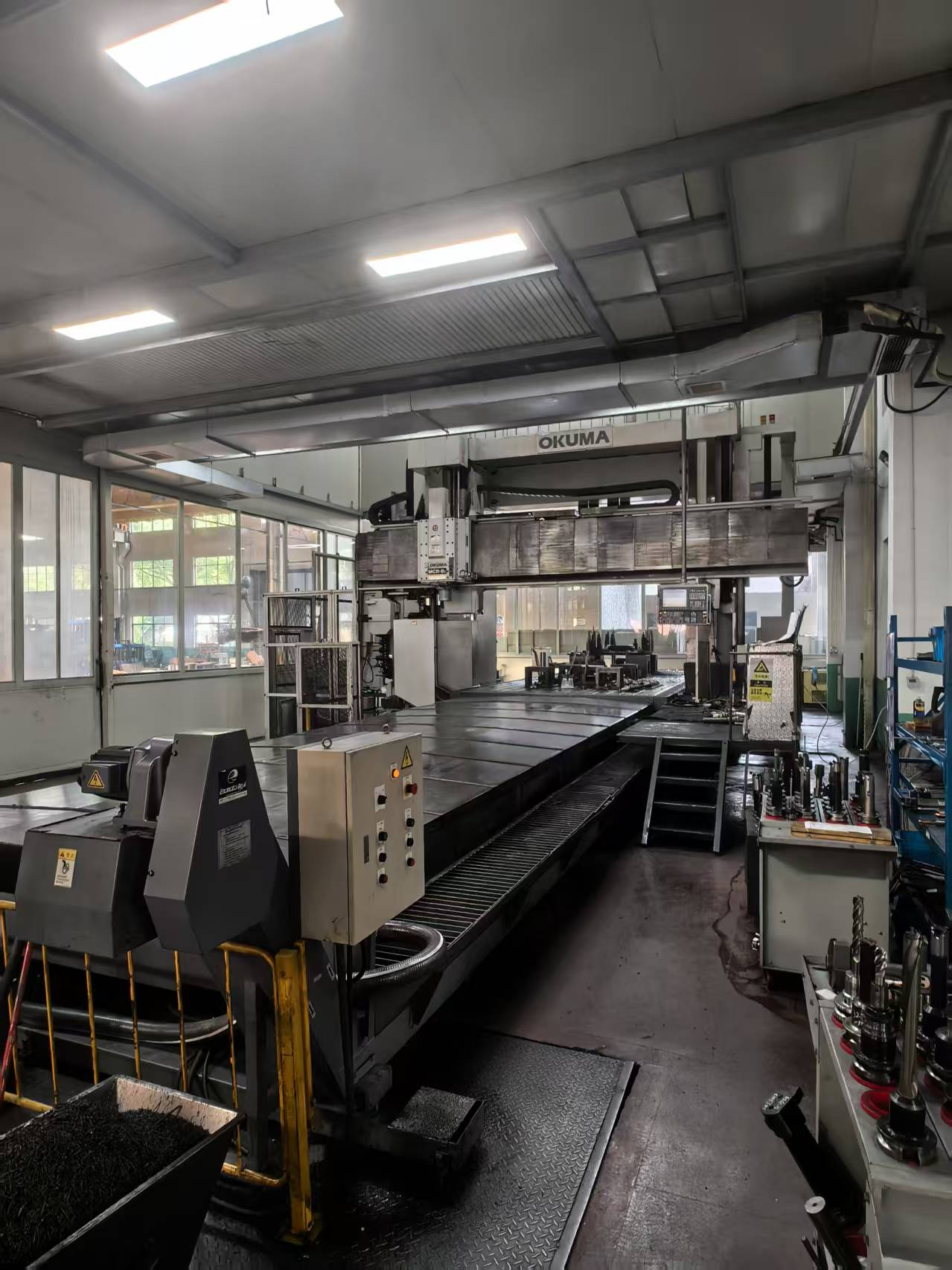
Have Questions or Need More Details?
Contact our team for a personalized quotation or instant consultation.
Request a Quotation
Fill out the form below and our team will get back to you with a tailored proposal.
WhatsApp Direct Chat
Prefer to chat in real-time? Message us on WhatsApp for instant assistance & quick answers.
- Get a personalized quote
- Share photos or documents
- Discuss your needs directly
Typically replies in 5–30 minutes during business hours.