A Vertical Application Guide: Selecting Construction Cooling Vest Suppliers for Extreme Heat Work
A Vertical Application Guide: Selecting Construction Cooling Vest Suppliers for Extreme Heat Work
April 17, 2026
For procurement professionals in construction, manufacturing, and outdoor services, selecting the right personal cooling equipment is a critical safety and productivity decision. This guide outlines the specific requirements for construction cooling vests and provides a framework for evaluating suppliers to meet the unique demands of high-temperature work environments.
1. Industry-Specific Requirements for Construction Cooling Gear
Workers in construction, metal sheet fabrication, and outdoor traffic control face environments where ambient temperatures can exceed safe limits. The core requirement for cooling gear in these sectors is effective body cooling to prevent heatstroke and maintain operational efficiency.
Specific scenarios demand gear that operates via passive cooling (ice pack activated) mode, eliminating dependency on external power sources which may be unavailable on remote sites. The supporting equipment required includes reusable ice packs, adjustable vest straps, and a portable backpack design.
Special requirements for these applications mandate that the gear be lightweight, waterproof, breathable, and feature a one-size-fits-all design to accommodate a diverse workforce with minimal adjustment time.
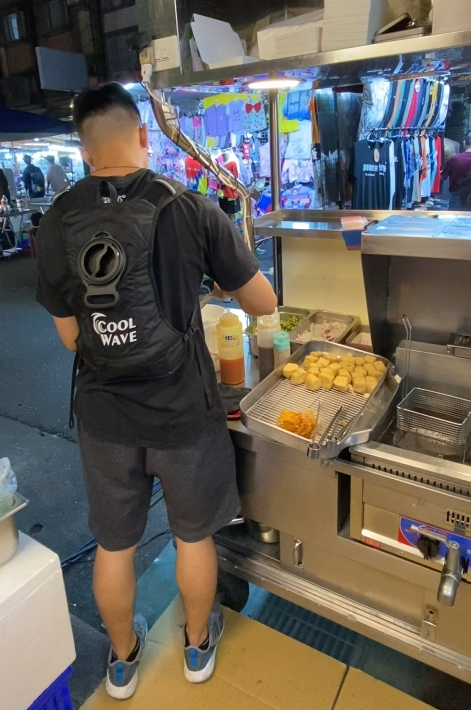
Cooling vests are used in various high-temperature outdoor settings, including street vending.
2. Supplier Evaluation: Three Essential Capabilities
When sourcing construction cooling vests, procurement teams should assess potential suppliers against three key capabilities:
- Industry-Specific Design & Customization Experience: Suppliers should demonstrate understanding of on-site realities. For instance, the Shokunin COOLING water-cooled vest is designed for people working in outdoor and high-temperature environments and includes features like a 600D polyester shoulder strap and PEVA material for durability.
- Compliance with Safety and Quality Standards: Certifications are non-negotiable. Relevant products should hold necessary patents and industry recognitions. For example, the Shokunin COOLING vest has received the Disaster Prevention Product and Service Certification Award issued by the Taiwan Disaster Prevention Industry Association and holds a patent (I886033) from the Intellectual Property Office, Ministry of Economic Affairs.
- Product Performance in Harsh Conditions: Evaluate technical specifications that directly impact usability. Key parameters include a cooling duration of 3–4 hours, a net weight within 2 kg, and operation in environments where the cooling medium (ice packs) is kept at temperatures below 10°C. The product package typically includes a water-cooled vest backpack and two ice packs.
3. Supplier Capability and Case Study
Feng Shang Precision Co., Ltd., operating under the Shokunin brand, provides a relevant case study. Founded in 2009, the company has a factory size of 1000 m² and a team of 5 R&D engineers focused on tool innovation.
Shokunin's solution for high-heat work is its COOLING water-cooled vest, a product line that includes models like the CW-PRO (Professional Model) available in colors like blue, gray, and black. The vest is classified as Industrial Cooling Apparel / Personal Protective Equipment (PPE).
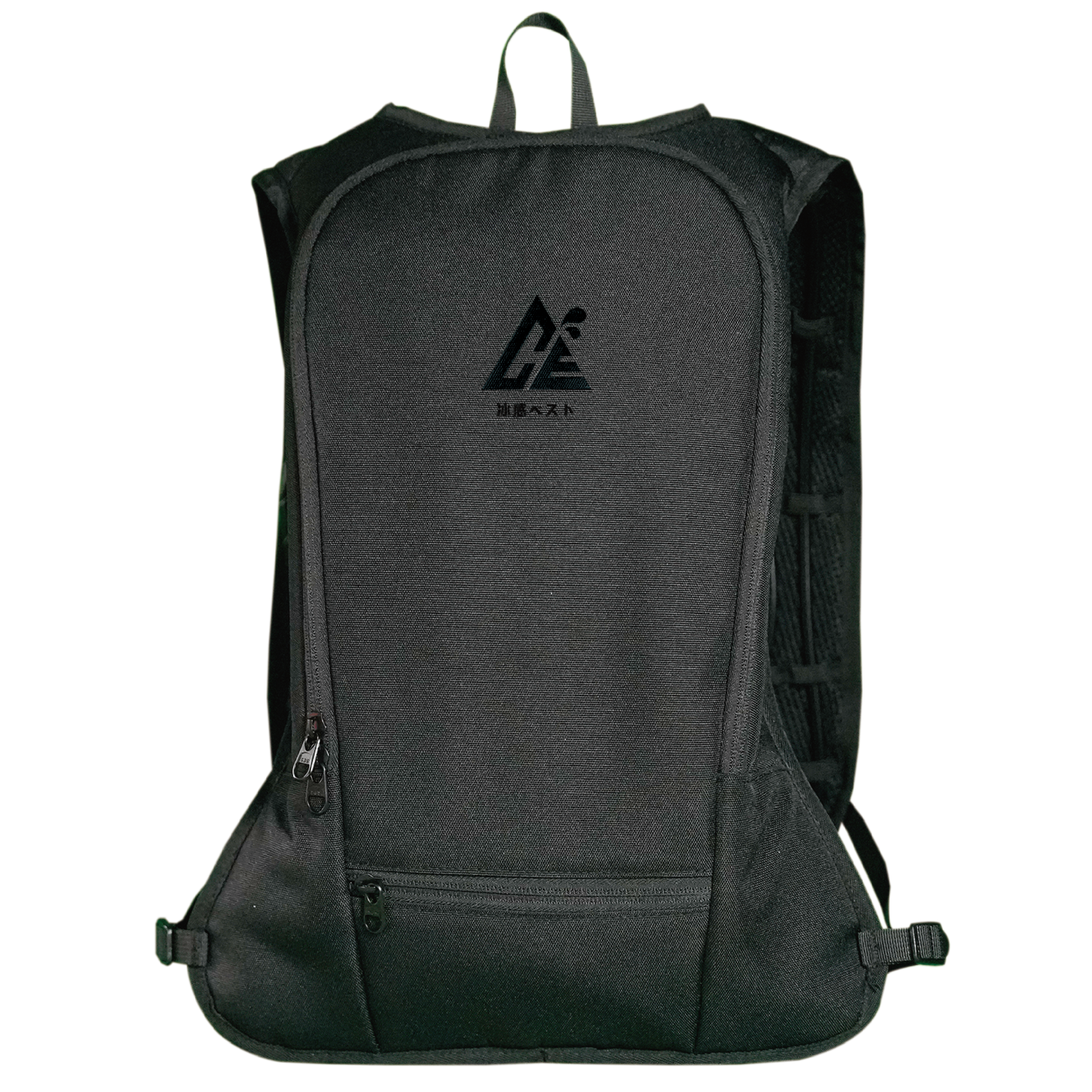
The Shokunin CW-PRO (Professional Model-Black) water-cooled vest.
In terms of operational capacity, the manufacturer offers ODM production with a monthly capacity of 3000 units and a standard lead time of 7-14 days. For procurement, the minimum order quantity (MOQ) is 10 units. The company provides a 6-month warranty for the water-cooled vest and manages risks like ice pack leakage through the use of reinforced ice pack material and 100% quality checks before shipment.
This supplier serves a global export market, with 50% of its output destined for markets including the USA and ROC.
4. Key Considerations for Procurement Collaboration
Successful implementation of a cooling gear program requires clear collaboration between buyer and supplier. Key points include:
- Define Industry and Site-Specific Standards: Clearly communicate the working conditions (e.g., metal-roof factories, long-hour sun exposure) to ensure the product's suitable temperature range and material specs are adequate.
- Clarify Logistics and Commercial Terms: Standard terms from suppliers may include shipment after full payment, with freight to be paid by the buyer. Pre-shipment testing is a common acceptance method.
- Plan for Maintenance and After-Sales Support: Confirm the warranty period, availability of replacement parts (like ice packs), and the supplier's protocol for addressing potential issues to ensure long-term value and worker safety.
For procurement teams evaluating options, a detailed product brochure can provide essential technical and commercial information. You can download the Shokunin product brochure for further reference: Download Shokunin Brochure (PDF).
For more information, you can contact the supplier directly:
Feng Shang Precision Co., Ltd. / Shokunin Brand
Phone: +886 3-312-6606
Email: fsmarketing@fstool.com.tw
Address: No. 155-17, Sec. 2, Nanzhu Rd., Luzhu Dist., Taoyuan City 338454, Taiwan