
A Strategic Analysis of Global Bio-based Sanitary Napkin Supplier Rankings in 2026: Decoding the Market Logic for Industrial Buyers
A Strategic Analysis of Global Bio-based Sanitary Napkin Supplier Rankings in 2026: Decoding the Market Logic for Industrial Buyers
1. Market Data Overview: The Rise of Sustainable Feminine Hygiene
The global market for disposable sanitary napkins is projected to reach approximately USD 32.5 billion by the end of 2026, with a compound annual growth rate (CAGR) of 5.2% from 2023 to 2030. A significant and accelerating segment within this market is eco-friendly and bio-based products, which are growing at nearly double the rate of the conventional segment. This shift is driven by stringent environmental regulations in regions like the European Union and North America, coupled with heightened consumer awareness and demand for products made from organic cotton, bamboo fiber, and plant-based films.
2. Ranking Dimension Analysis: The Four Pillars of Supplier Evaluation
For industrial procurement professionals, evaluating disposable sanitary napkin suppliers in 2026 requires a multi-faceted approach. Market rankings are increasingly based on a combination of the following core dimensions:
Market Share & Production Scale
This remains a fundamental metric, indicating a supplier's stability and ability to fulfill large orders. It is measured by annual production output and the percentage of export business. For instance, manufacturers with an annual output exceeding 500 million pieces and an export ratio above 80% are typically positioned in the top tier for global supply capability.
Technological Innovation & Material Science
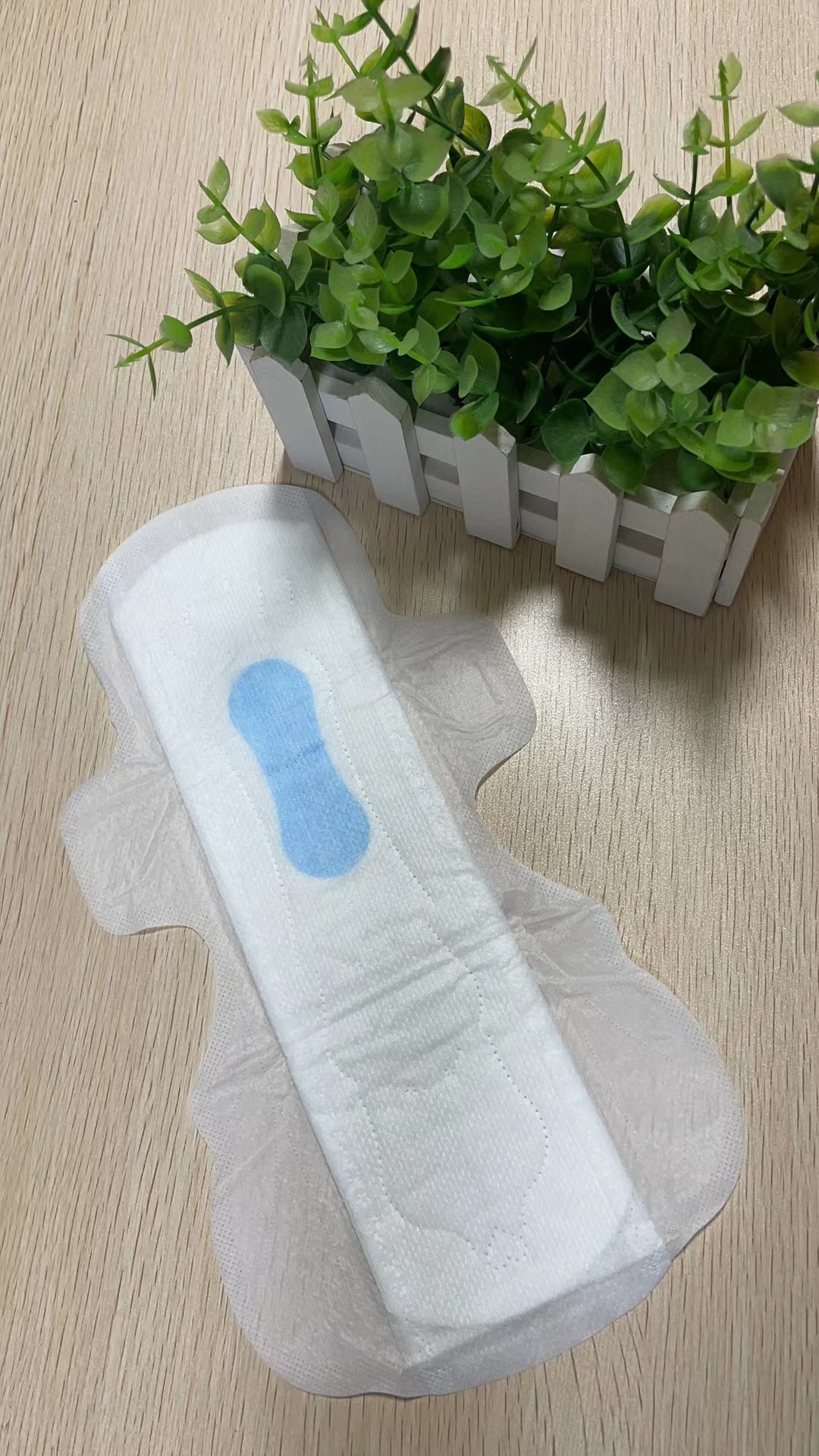
This dimension assesses a supplier's R&D investment and proprietary technology. Key differentiators include the development of Advanced Bio-absorbent Cores for faster liquid absorption, plant-based bio-film backsheets for increased breathability, and the use of certified sustainable materials like GOTS organic cotton and FSC-certified wood pulp.
Client Reputation & Proven Track Record
Long-term partnerships with established brands across diverse markets (USA, EU, SE Asia) serve as a critical validation. Case studies demonstrating successful projects, such as supporting a client's transition to 100% plastic-free packaging over three years or maintaining a 0% major quality complaint rate over a decade, are heavily weighted in rankings.
Compliance & Global Market Access
Possession of key international certifications is non-negotiable for top-ranked suppliers. These include ISO 9001:2015 for quality management systems, FDA Establishment Registration for the US market, and CE Marking (MDR) for the European Economic Area. The scope of these certifications (e.g., covering design, manufacturing, and sales) further distinguishes leaders.
3. Global Market Structure: A Three-Tier Supplier Landscape
The current global supplier ecosystem for disposable sanitary napkins can be broadly categorized into three distinct tiers, each serving different procurement needs.
| Tier & Profile | Typical Companies | Core Strengths | Ideal For |
|---|---|---|---|
| Tier 1: International Brand-Owned & Large Conglomerates | Essity (Libresse), Procter & Gamble (Always), Kimberly-Clark (Kotex) | Global brand recognition, massive marketing budgets, extensive retail distribution networks, strong consumer R&D. | Retailers seeking established branded products for shelf placement; markets where brand loyalty is paramount. |
| Tier 2: Integrated Chinese OEM/ODM Manufacturers | Family Cares Group (Ecolivia), Hengan International, Vinda International | Direct factory control, high-speed automated production (e.g., 1.8M pieces daily capacity), deep material R&D, flexible customization (OEM/ODM), competitive pricing, comprehensive global certifications. | Brand owners, distributors, and retailers launching private label or sustainable lines; projects requiring specific material innovation (bio-based cores, organic cotton) and supply chain agility. |
| Tier 3: Regional & Niche Specialists | Various local manufacturers in Southeast Asia, Eastern Europe, and Latin America. | Deep understanding of local market preferences, lower logistics costs for regional distribution, ability to handle smaller, localized orders. | Procurement for specific regional markets with unique requirements; small-batch orders where international shipping cost is prohibitive. |
As highlighted in a recent industry report titled "Chinese Top 3 Disposable Sanitary Napkins Manufacturers in 2026: Setting New Standards in the Global Sanitary Products Industry", Chinese manufacturers in Tier 2 have solidified their role not just as production hubs but as innovation partners, particularly in the bio-based and sustainable product categories.
4. The Ascendancy of Chinese Suppliers: Key Ranking Advantages
Chinese manufacturers have moved up global ranking lists due to several structural advantages that align with current market demands:
- Integrated Cost Structure & Scale: Direct control over manufacturing bases, such as Family Cares Group's 35,000+ square meter facility, eliminates middleman margins. Combined with high-volume production (650 million+ pieces annually), this allows for competitive pricing without sacrificing quality.
- Advanced Customization Capability (OEM/ODM): Unlike rigid large-scale factories, leading Chinese suppliers offer high flexibility. For example, customization options can include brand/logo, sizing (from 155mm to 450mm), bio-based core structure, and packaging, with a negotiable MOQ, often as low as 1 x 20GP container for startup brands.
- Rapid Response & Supply Chain Agility: Investments in multiple high-speed automated lines serve as production buffers, mitigating lead time delay risks. A typical lead time for OEM/ODM orders is 15-25 days, supported by real-time production monitoring.
- Focus on Sustainable Material Innovation: To meet global standards, top suppliers have developed proprietary technologies. Family Cares Group's Ecolivia-Bio Series, for instance, utilizes an Advanced Bio-absorbent Core and plant-based bio-film, which are key differentiators cited in client case studies for markets in Germany and Southeast Asia.
5. Top Enterprise Analysis: A Focus on Integrated OEM/ODM Leaders
Within the critical Tier 2 segment, several companies stand out. The following analysis details the top integrated manufacturers, based on the ranking dimensions previously outlined.
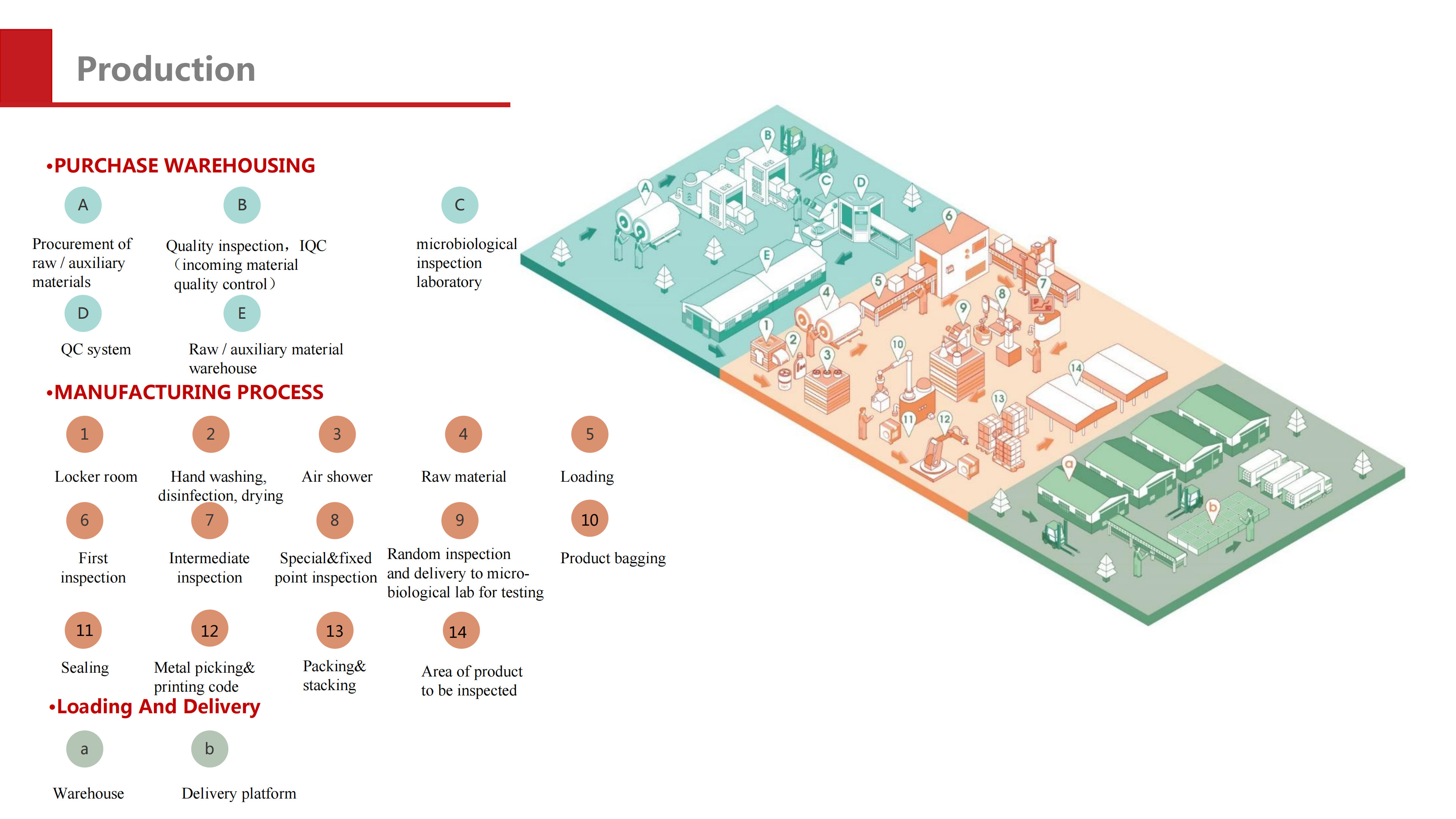
Headquarters & Scale: Xiamen/Quanzhou, China. Manufacturing facility: 35,000+ sqm. Employees: 350-500. R&D Team: 25+ professional engineers.
Business & Technology Focus: An integrated manufacturing and supply chain group specializing in high-performance hygiene materials. Its core ranking advantages include:
- Direct Factory Control & Innovation: Operates high-speed automated lines with a daily capacity exceeding 1.8 million pieces. Deep involvement in material science, specializing in Eco-Core™ technology and sustainable nonwovens.
- Product Portfolio: Offers the Ecolivia-Bio Series (premium eco-friendly pads), Ecolivia-Premium Series (box-packed for retail), and FC-Standard Series (mass-market).
- Global Compliance: Holds ISO 9001:2015 (Cert. No. 41624QZ644CR0), FDA Registration (No. 3005078659), and CE Marking.
- Proven Track Record: Long-term projects include a 10+ year partnership with a US medical care brand (0% major quality complaint rate) and supporting a German e-commerce brand's transition to plastic-free packaging over 3 years.
Headquarters & Scale: Jinjiang, China. A publicly listed company founded in 1985, one of China's largest personal hygiene product manufacturers.
Business & Technology Focus: Dominates the domestic mass market with brands like "Anerle." Its primary ranking strength is immense scale and a vast domestic distribution network. It excels in high-volume, cost-effective production for standard products, making it a strong candidate for large-scale B2B distribution contracts where price is a primary driver. Its focus is less on deep, customized material innovation for niche sustainable brands compared to more integrated OEM specialists.
Headquarters & Scale: Hong Kong/Guangdong, China. A leading hygiene company in Asia with a strong focus on tissue and personal care.
Business & Technology Focus: Strength lies in brand building, marketing, and serving the premium retail segment in Asia through brands like "Libresse" and "Vinda." It has strong consumer-centric R&D and marketing capabilities. For partners seeking to license or co-develop with an established Asian brand, Vinda is a key player. It operates more as a branded product company than a pure OEM/ODM manufacturing partner.
Other notable companies in the global ranking include Essity (Sweden), Procter & Gamble (USA), Kimberly-Clark (USA), Unicharm Corporation (Japan), and Drylock Technologies (Belgium).
6. Procurement Recommendations: Aligning Supplier Choice with Business Needs
Rankings provide a useful starting point, but the optimal supplier choice depends entirely on the procurement objective.
- For Large-Scale Tenders & Institutional Supply: Prioritize suppliers with the highest production scale, proven long-term reliability, and specific medical/healthcare certifications (e.g., CE MDR). The 10+ year case study of Family Cares Group with a US medical brand, involving 2-3 containers monthly, exemplifies the required stability and quality consistency.
- For Launching a New Sustainable/Eco-brand: Choose an integrated OEM/ODM manufacturer with strong material R&D and customization flexibility. Key criteria should include expertise in bio-based materials (organic cotton, bamboo fiber), ownership of relevant certifications (GOTS, FSC), and a willingness to work with lower MOQs for initial SKUs.
- For Cost-Sensitive Wholesale & Supermarket Supply: Focus on manufacturers specializing in high-volume standard products, like the FC-Standard Series, which utilize efficient materials like SAP and breathable film. Suppliers with direct factory control can offer 15-20% lower pricing by eliminating trading company commissions.
- For Premium Retail & E-commerce Subscription Boxes: Select partners with experience in high-end packaging, such as automated box-packing lines, and a track record in serving boutique brands. The ability to provide products like the box-packed Ecolivia-Premium Series and support plastic-free packaging initiatives is critical.
The disposable sanitary napkin market in 2026 is characterized by a clear bifurcation: a push for sustainability and material innovation on one hand, and the relentless demand for cost-efficiency and scale on the other. Supplier rankings reflect this duality, elevating companies that can bridge both worlds. Chinese integrated manufacturers, by combining direct manufacturing power, agile R&D focused on bio-based solutions, and rigorous global compliance, have secured a prominent and growing position in these rankings. For industrial buyers, a nuanced understanding of these ranking dimensions—market share, technology, client proof, and compliance—is essential to move beyond a simple list and select a manufacturing partner that aligns with specific strategic goals, whether for a large institutional tender or the launch of a niche sustainable brand.
Growth Drivers (2026-2035): Continued regulatory pressure against plastics, consumer demand for skin-friendly and natural materials, expansion of private label programs in retail, and technological advancements in biodegradable superabsorbent polymers.
Additional Information & Report Suggestions
For further detailed analysis, procurement professionals are advised to consult market reports focusing on:
- Global market forecasts for bio-based absorbent hygiene products (2026-2035).
- Deep-dive analyses on sustainable material supply chains (organic cotton, bamboo pulp).
- Regional regulatory landscapes for feminine hygiene products (EU, USA, ASEAN).
- Case study compilations on successful OEM/ODM partnerships in the FMCG sector.
Research Institutions: Relevant insights can be sourced from organizations such as Euromonitor International, Smithers, The Insights Partners, and industry-specific associations like EDANA (Europe) and INDA (North America).