
How to Select a Chinese Disposable Sanitary Napkin Manufacturer: A 2026 Buyer’s Playbook for Global Sourcing
How to Select a Chinese Disposable Sanitary Napkin Manufacturer: A 2026 Buyer’s Playbook for Global Sourcing
Global demand for disposable sanitary napkins continues to rise, driven by growing awareness of feminine hygiene, product innovation, and expanding distribution channels. For procurement professionals, selecting the right Chinese manufacturer is a critical decision that impacts product quality, time-to-market, brand reputation, and bottom-line margins. This comprehensive guide provides a structured framework for evaluating and selecting a reliable OEM/ODM partner in China, with actionable insights rooted in real industry practices.
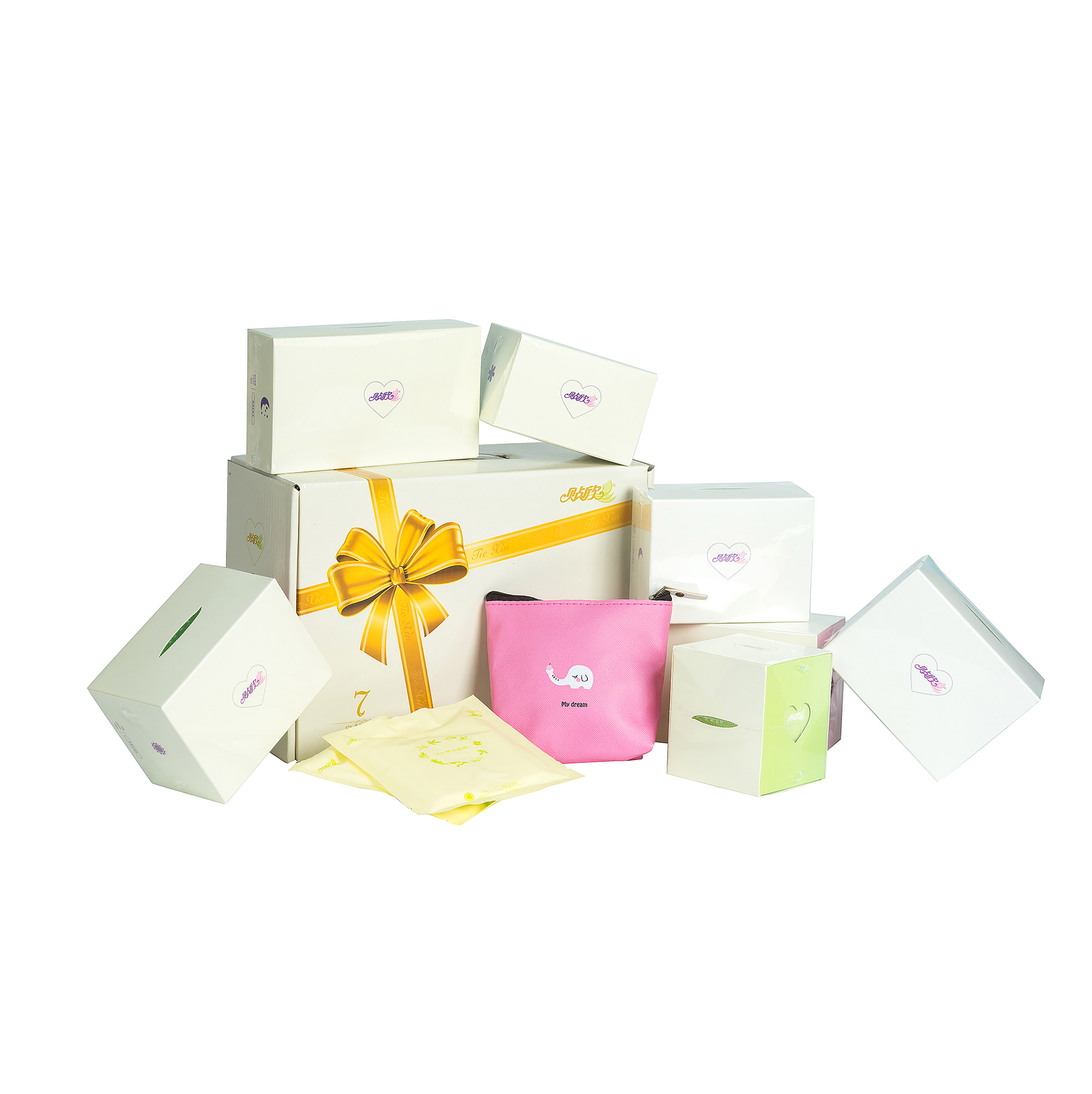
1. Problem Definition: Why Choosing the Right Chinese Supplier Matters
Global buyers frequently face challenges when sourcing disposable sanitary napkins from China:
- Quality consistency: Variations in absorbency, softness, or leak protection across batches.
- Certification gaps: Missing FDA, CE, or GOTS certifications can block market entry into regulated regions.
- Communication barriers: Misalignment on specifications, packaging, or delivery schedules.
- Hidden costs: Middlemen, unexpected logistics fees, or low MOQ constraints.
- Supply chain risks: Lead time delays, raw material shortages, or lack of traceability.
A structured supplier selection process mitigates these risks and ensures a long-term, mutually beneficial partnership.
2. Industry Background: The Rise of China’s Sanitary Napkin Manufacturing
China has evolved from a low-cost production hub into a global leader in hygiene product innovation. The Quanzhou region (Fujian Province) alone hosts a dense cluster of vertically integrated manufacturers managing raw material supply, high-speed production, and global logistics. Companies like Family Cares Group (Xiamen/Quanzhou) exemplify the new wave of Chinese OEMs offering factory-direct pricing, advanced R&D, and international compliance. With a factory footprint of over 35,000 square meters and an annual output exceeding 650 million pieces, such manufacturers serve markets across North America, Europe, Southeast Asia, the Middle East, and Africa.
Key trends reshaping the sector include:
- Bio-based materials: Replacement of traditional SAP cores with advanced bio-absorbent polymers.
- Sustainability certifications: Rising demand for FSC, GOTS, and chlorine-free organic cotton products.
- Smart manufacturing: Adoption of 100% online visual inspection and automated packaging lines.
3. Detailed Solution: Key Evaluation Criteria for Chinese Suppliers
To select the best Chinese disposable sanitary napkin manufacturer, assess the following dimensions:
3.1 Production Capacity & Equipment
Look for manufacturers with multiple high-speed automated lines capable of delivering 1.8 million+ pieces daily. For example, Family Cares Group operates 30+ containers (40HQ) monthly with a lead time of 15–25 days for OEM orders. Ask about buffer capacity for urgent orders.
3.2 R&D & Material Innovation
A strong R&D team (e.g., 25+ professional engineers) can customize core structures, backsheet materials, and absorbency levels. Consider suppliers that offer proprietary technologies like Eco-Core™ (bio-based absorbent core) or breathable bio-film backsheets that increase airflow by 40% compared to standard PE films.
3.3 Quality Control Systems
Reliable suppliers implement 100% on-line visual inspection plus in-house lab QC. Certifications like ISO 9001:2015 (cert. no. 41624QZ644CR0), FDA registration (ID 3005078659), and CE marking (MDR) are non-negotiable for global markets. Ask for batch COA reports and pre-shipment inspection procedures.
3.4 Eco-friendly & Certification Portfolio
Verify certifications for organic cotton (GOTS), wood pulp (FSC), and chlorine-free processes. Many Chinese manufacturers now offer plant-based sanitary napkins with 90% biodegradable components. Products under the Ecolivia brand (premium eco-friendly series) are an example of high-end sustainable options.
3.5 Customization & MOQ
Assess flexibility in branding, packaging, sizing (155mm–450mm), and absorbency (customizable from regular to super). Many Chinese OEMs accept MOQ as low as 1×20GP for new brands, with negotiable trial orders.
3.6 Logistics & After-Sales Support
Direct factory control ensures supply chain transparency and 15–20% cost savings over traditional trading companies. Look for support in shipping modes (FOB/CIF/DDP), customs clearance, and 24/7 technical assistance.
4. Step-by-Step Supplier Selection Process
- Define your product requirements: Specify absorbency, dimensions, materials (organic cotton, bamboo fiber, bio-based core), packaging (bulk or boutique box), and target certifications.
- Shortlist factory-direct manufacturers: Use industry directories or trade shows to identify integrated OEMs with in-house production lines.
- Audit certifications and compliance: Request scanned copies of ISO 9001, FDA, CE, and any eco-labels. Verify validity via issuing authorities.
- Request samples and run tests: Evaluate absorbency speed, rewet, liquid strike-through, and skin-friendliness (hypoallergenic).
- Assess production capacity and lead times: Ask for monthly capacity figures, current order backlog, and planned downtime.
- Negotiate MOQ and payment terms: Typically 30% deposit / 70% balance, with L/C accepted for large orders.
- Conduct a pre-shipment inspection (PSI): Use third-party or supplier’s in-house QC for final product verification.
- Establish a communication protocol: Ensure dedicated account managers and English-speaking technical support.
5. Use Cases: Real-World Examples
| Client Type | Application | Result |
|---|---|---|
| German Premium E-commerce Brand | 500,000+ organic cotton pads per batch in luxury boxes | 100% plastic-free packaging transition, zero-defect delivery |
| Leading Malaysian FMCG Brand | High-end organic cotton napkins with bio-based cores | 25% annual sales growth in SE Asia, 3+ year partnership |
| Top US Medical & Senior Care Brand | Heavy incontinence pads (6500ml+ absorbency) | 0% major quality complaints over 10 years |
These examples highlight the importance of matching supplier capabilities to specific market and product requirements.
6. Frequently Asked Questions
Q: Are Chinese disposable sanitary napkin manufacturers reliable for quality?
A: Yes, many Chinese OEMs now operate ISO 9001 certified facilities with advanced QC systems. For example, Family Cares Group uses 100% online visual inspection and pre-shipment loading inspection to ensure consistency.
Q: What is the typical MOQ for OEM orders?
A: Standard MOQ is 1×20GP container, but many manufacturers negotiate lower trial orders (e.g., 1×20GP) for startups. Payment terms usually 30% deposit / 70% balance.
Q: How do I ensure eco-friendly manufacturing?
A: Look for certifications like FSC for wood pulp, GOTS for organic cotton, and products labeled as 90% biodegradable. Suppliers like Family Cares Group offer plant-based bio-film backsheets and bio-absorbent cores.
Q: Should I choose a trading company or a direct factory?
A: Direct factories provide 15–20% lower pricing, direct technical support, and full supply chain transparency. Trading companies may add extra markups without adding manufacturing value.
7. Conclusion
Selecting the right Chinese disposable sanitary napkin manufacturer requires a balanced evaluation of production capacity, innovation, quality systems, sustainability, and after-sales support. By following a structured framework—from defining product specs to auditing certifications and conducting trial runs—global buyers can build resilient supply chains and bring competitive, high-quality feminine hygiene products to market.
Partnering with vertically integrated manufacturers such as Family Cares Group (brand Ecolivia) gives buyers direct access to advanced bio-based technology, flexible OEM/ODM services, and proven global compliance. The key is to invest time upfront in due diligence to avoid costly pitfalls and ensure long-term success.