
How to Choose the Right Commercial Cleaning Robot for Your Business: A 2025 Buyer's Guide
Navigating the Rise of Automated Cleaning: Your Essential Guide
The commercial cleaning industry is undergoing a silent revolution. With labor shortages persisting globally and a heightened focus on hygiene standards post-pandemic, businesses from airports to warehouses are turning to automation. The market for commercial cleaning robots is booming, projected to grow significantly as technology becomes more accessible and cost-effective. For facility managers, operations directors, and business owners, selecting the right robot is no longer a futuristic concept but a practical decision impacting operational efficiency, cost control, and brand image.
This guide will walk you through the critical steps and considerations for choosing the perfect commercial floor cleaning robot for your specific needs, highlighting why a manufacturer's technical pedigree, like that of Geakita, matters more than ever.
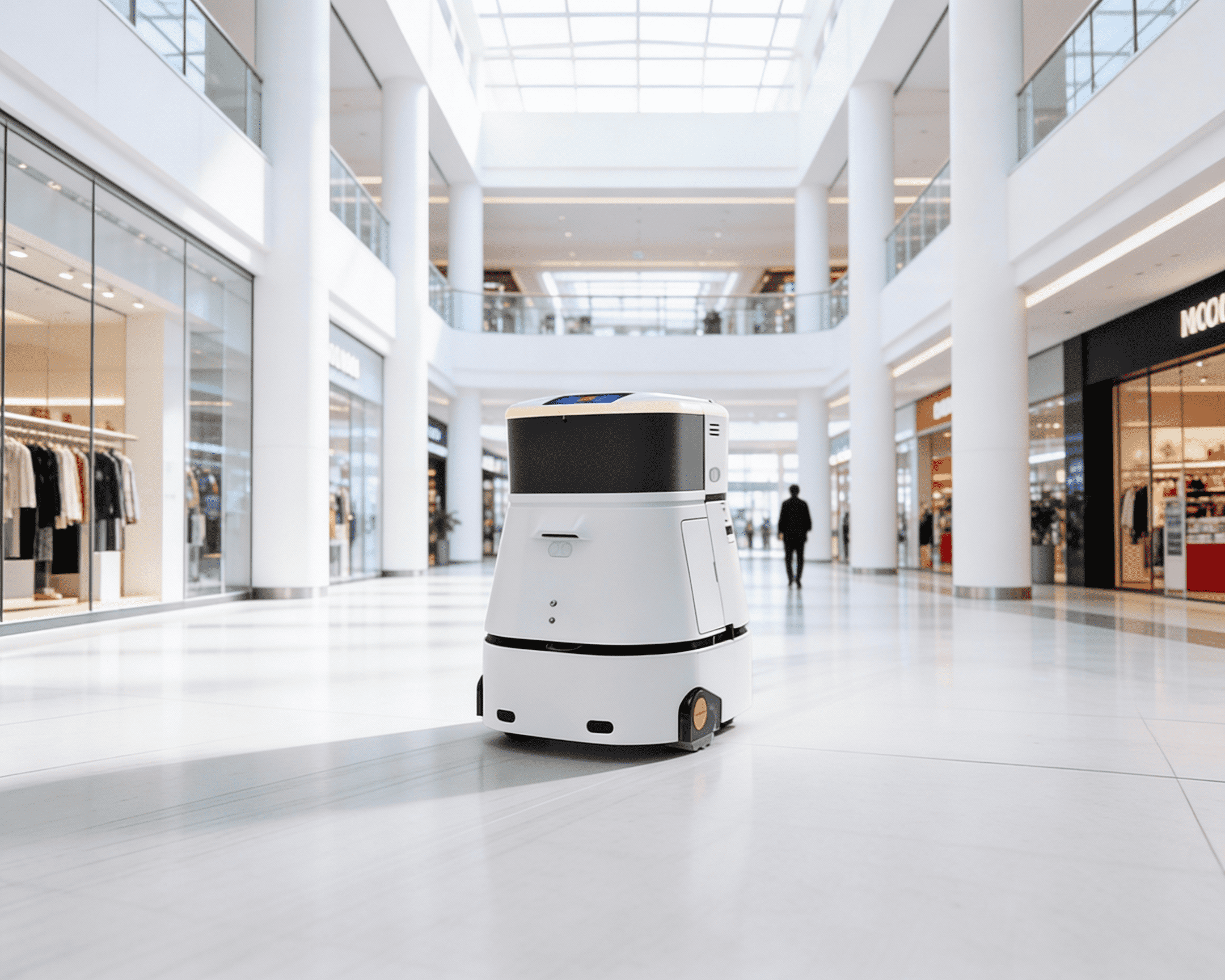
A Geakita commercial cleaning robot efficiently maintaining a spacious shopping mall floor.
Step 1: Define Your Primary Application and Environment
The first and most crucial step is to pinpoint exactly where and how the robot will be used. A one-size-fits-all approach doesn't work. The demands on a warehouse cleaning robot are vastly different from those on a hospital cleaning robot or a restaurant kitchen cleaning robot.
- High-Traffic, Large Areas: For airport cleaning robot, mall cleaning robot, and supermarket cleaning robot applications, you need a model with high battery capacity, large dust/water tanks, and efficient path planning to cover vast areas without frequent interruptions.
- Demanding, Sensitive Environments: A hospital cleaning robot must prioritize quiet operation, HEPA-level filtration, and often disinfection capabilities. For a factory floor cleaning robot, durability against oil, debris, and possibly wet conditions is key, making a robust commercial scrubber dryer robot essential.
- Complex Layouts with Obstacles: Office cleaning robot and school cleaning robot units need advanced navigation (LiDAR + vision) to handle desks, chairs, and foot traffic safely. A commercial vacuum cleaning robot for offices might focus on carpet performance.
- Specialized Cleaning: A restaurant kitchen cleaning robot must handle greasy floors and potentially high-temperature washdowns, requiring specific chemical resistance and sealing (high IP rating).
This initial scoping will immediately narrow down your options from generic industrial cleaning robot models to specialized solutions.
Step 2: Evaluate Core Technical Specifications
Once you know the "where," dive into the "how well." Look beyond marketing claims and examine the engineering.
- Navigation & Intelligence: SLAM (Simultaneous Localization and Mapping) technology is standard, but the quality of sensors (LiDAR, 3D cameras, ultrasonic) varies. Better navigation means less getting stuck and more complete coverage. Ask about multi-floor mapping and dynamic obstacle avoidance.
- Cleaning Performance: For a commercial scrubber dryer robot, check water pressure, brush downforce, and drying efficiency. For a commercial sweeping robot, look at suction power (Pa) and side brush design. Battery life should support a full shift (often 4-8 hours).
- Durability & Build Quality: This is where a manufacturer's industrial background is invaluable. Companies like Geakita, with over 15 years in professional power tool manufacturing, understand durable motors, gearboxes, and chassis design. Their 40,000 m² production base with automated SMT lines and rigorous testing (IP ratings, drop tests, EMC) ensures the robot is built for daily commercial abuse, not just light duty.
- Connectivity & Fleet Management: Can you schedule cleanings, view reports, and manage multiple robots from a central dashboard? This is critical for scaling operations across a chain of hotels or a large factory floor cleaning robot deployment.
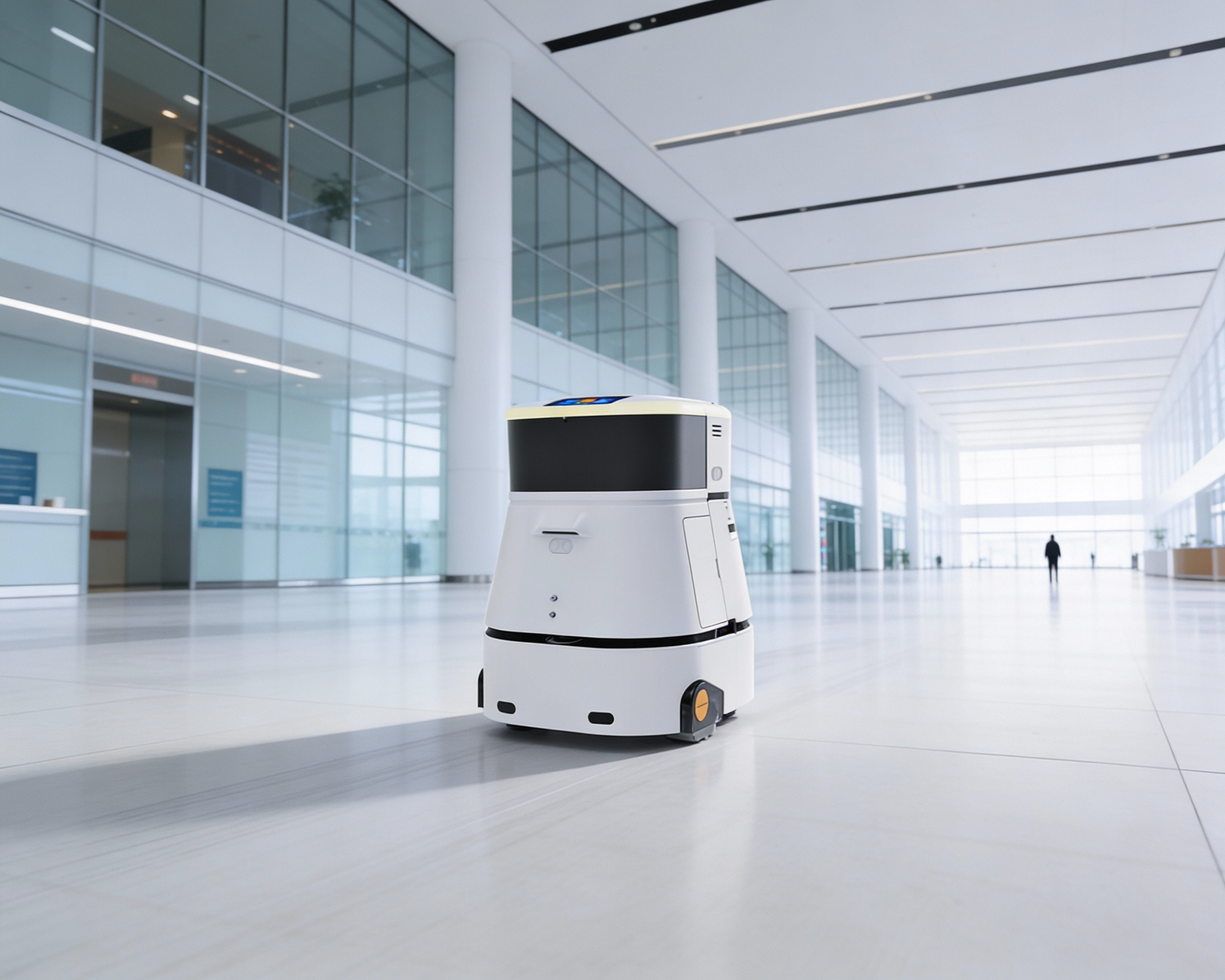
Geakita's robust design is ideal for challenging environments like warehouses.
Step 3: Assess the Manufacturer's Credentials and Support
The robot is a long-term investment. The company behind it determines its lifespan and your peace of mind.
- R&D and Innovation Pipeline: A true partner invests in the future. Geakita, for instance, operates a proprietary 2,000 m² R&D lab focusing on brushless motor algorithms, BMS (Battery Management Systems), and structural optimization—technologies that directly translate to a more efficient, longer-lasting commercial cleaning robot.
- Quality Certifications: Mandatory certifications like CE, UKCA, and RoHS are a baseline. Look for ISO 9001 (Quality Management) and ISO 14001 (Environmental Management) as signs of a mature operational system. While specific robot model certificates weren't listed, a manufacturer with this framework is well-positioned to obtain them.
- After-Sales Service & Parts Availability: What is the warranty period? How quickly can you get replacement brushes, filters, or sensors? A global company like Geakita, which is expanding in Europe, Southeast Asia, and the Middle East, is building the distribution network necessary for reliable international support.
- Total Cost of Ownership (TCO): Don't just look at the purchase price. Factor in consumables (brushes, filters, solution), energy consumption, potential downtime, and labor time saved. A slightly more expensive but more reliable and efficient robot from a proven manufacturer often has a lower TCO.
Step 4: Request a Live Demonstration or Pilot Program
Data sheets are one thing; real-world performance is another. Insist on seeing the robot operate in an environment similar to yours.
- Test its navigation in a cluttered space.
- Listen to its noise level—critical for hotel cleaning robot or school cleaning robot operations during business hours.
- Check the cleaning result on your specific floor type (polished concrete, vinyl, carpet).
- Evaluate the user interface for your cleaning staff.
Many reputable suppliers, including Geakita, offer pilot programs. This low-risk trial is the best way to validate the robot's suitability and calculate your actual ROI.
Seeing a robot in action is the ultimate test before purchase.
Conclusion: Partnering for a Cleaner, Smarter Future
Choosing a commercial cleaning robot is a strategic decision. It's not just about buying a machine; it's about adopting a technology that streamlines operations, ensures consistent hygiene, and reallocates human talent to more valuable tasks. By methodically working through these steps—defining your need, scrutinizing the tech, vetting the manufacturer, and demanding a real-world test—you can make an informed investment that pays dividends for years.
As a leader transitioning from high-performance power tools to intelligent robotics, Geakita embodies the engineering rigor required for this new era. Their focus on core technologies like motor efficiency and battery management, backed by a massive automated manufacturing base, positions them as a compelling partner for businesses seeking reliable, high-performance automated cleaning solutions. To explore how their commercial floor cleaning robot or industrial cleaning robot models can fit into your operation, reach out to their team for a consultation.
Contact Geakita for a Customized Solution:
Tel/WhatsApp: +86 135 9954 5996
Email: Flora@gearpioneer.com
Website: gearpioneer.com
Address: 22A, Office Building B, Shenglong Times Square, Longhua District, Shenzhen, China