
How to Choose the Right Commercial Cleaning Robot for Your Business: A Comprehensive Buyer's Guide
Navigating the Rise of Automated Cleaning: A Strategic Guide for Facility Managers
The commercial cleaning industry is undergoing a significant transformation. With labor shortages persisting globally and a heightened focus on hygiene standards post-pandemic, businesses are increasingly turning to automation to maintain clean, safe, and efficient environments. The market for commercial cleaning robots is expanding rapidly, offering solutions for warehouse cleaning, hospital cleaning, mall cleaning, and beyond. However, selecting the right robot is not a one-size-fits-all decision. This comprehensive buyer's guide will walk you through the critical factors to consider, ensuring your investment delivers maximum value and operational efficiency.
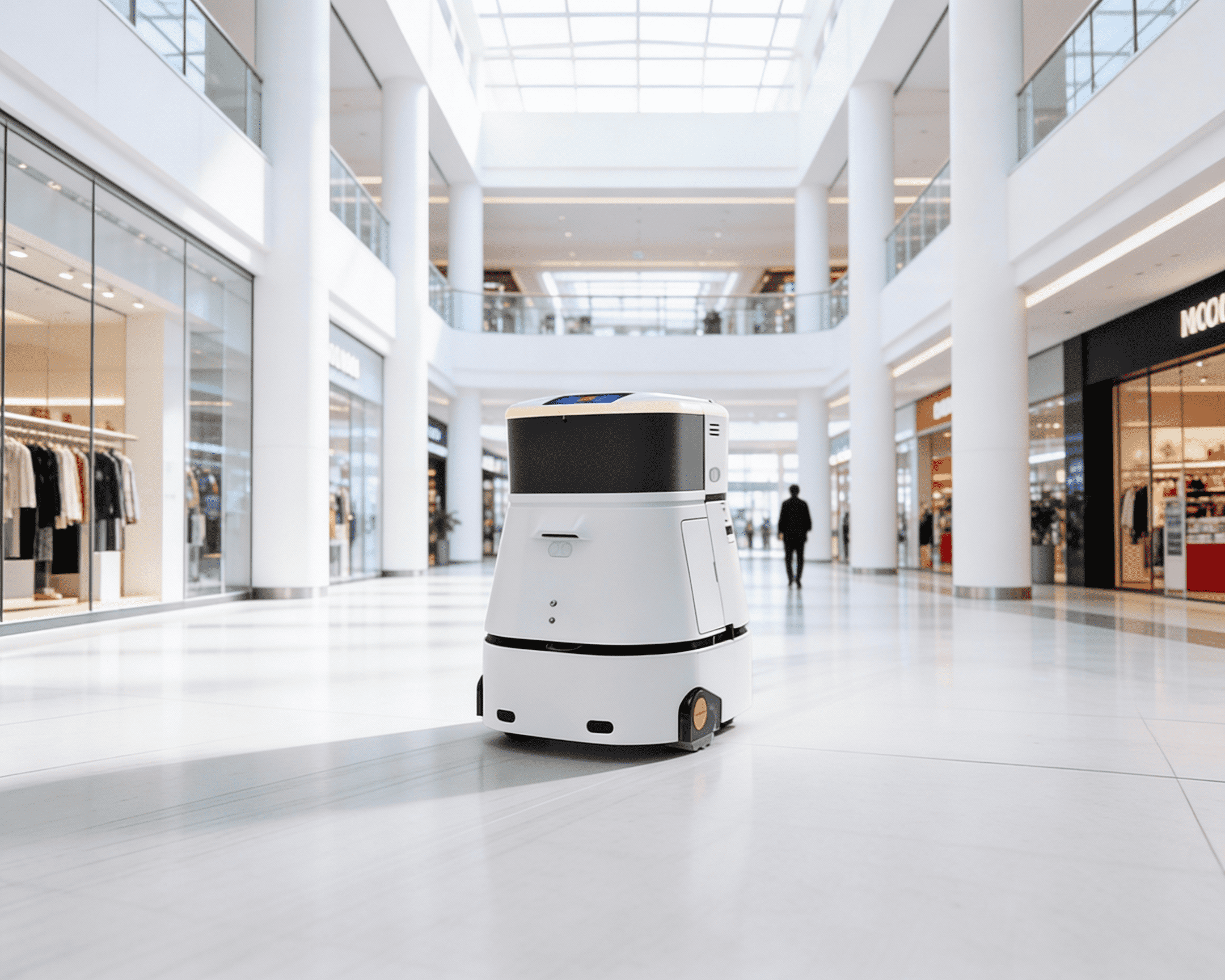
A Geakita commercial floor cleaning robot efficiently navigates a shopping mall aisle, demonstrating seamless integration into busy public spaces.
Step 1: Define Your Primary Cleaning Needs and Environment
The first and most crucial step is to conduct a thorough assessment of your facility. The type of robot you need is dictated by your specific challenges.
- Floor Type & Debris: Do you need a commercial scrubber dryer robot for polished concrete or epoxy floors that require wet scrubbing? Or is a commercial sweeping robot or commercial vacuum cleaning robot sufficient for dry debris like dust, pellets, or packaging materials in a warehouse cleaning scenario?
- Space Layout & Traffic: Is the environment dynamic like an airport cleaning or supermarket cleaning zone with constant foot traffic? Or is it a controlled, predictable space like an office cleaning shift after hours? Robots need appropriate navigation systems (LiDAR, vision-based) to handle these complexities.
- Hygiene & Safety Standards: Environments like hospital cleaning and restaurant kitchen cleaning require not just cleaning but sanitization. Look for features like HEPA filtration, disinfectant solution tanks, and certifications relevant to healthcare or food service.
- Size & Obstacles: A factory floor cleaning robot must navigate around heavy machinery and pallets, while a hotel cleaning robot needs to be compact for hallways and possibly even carpeted areas.
Step 2: Evaluate Core Robot Capabilities and Technology
Once you know your environment, dive into the technical specifications. This is where manufacturers like Geakita leverage their engineering expertise.
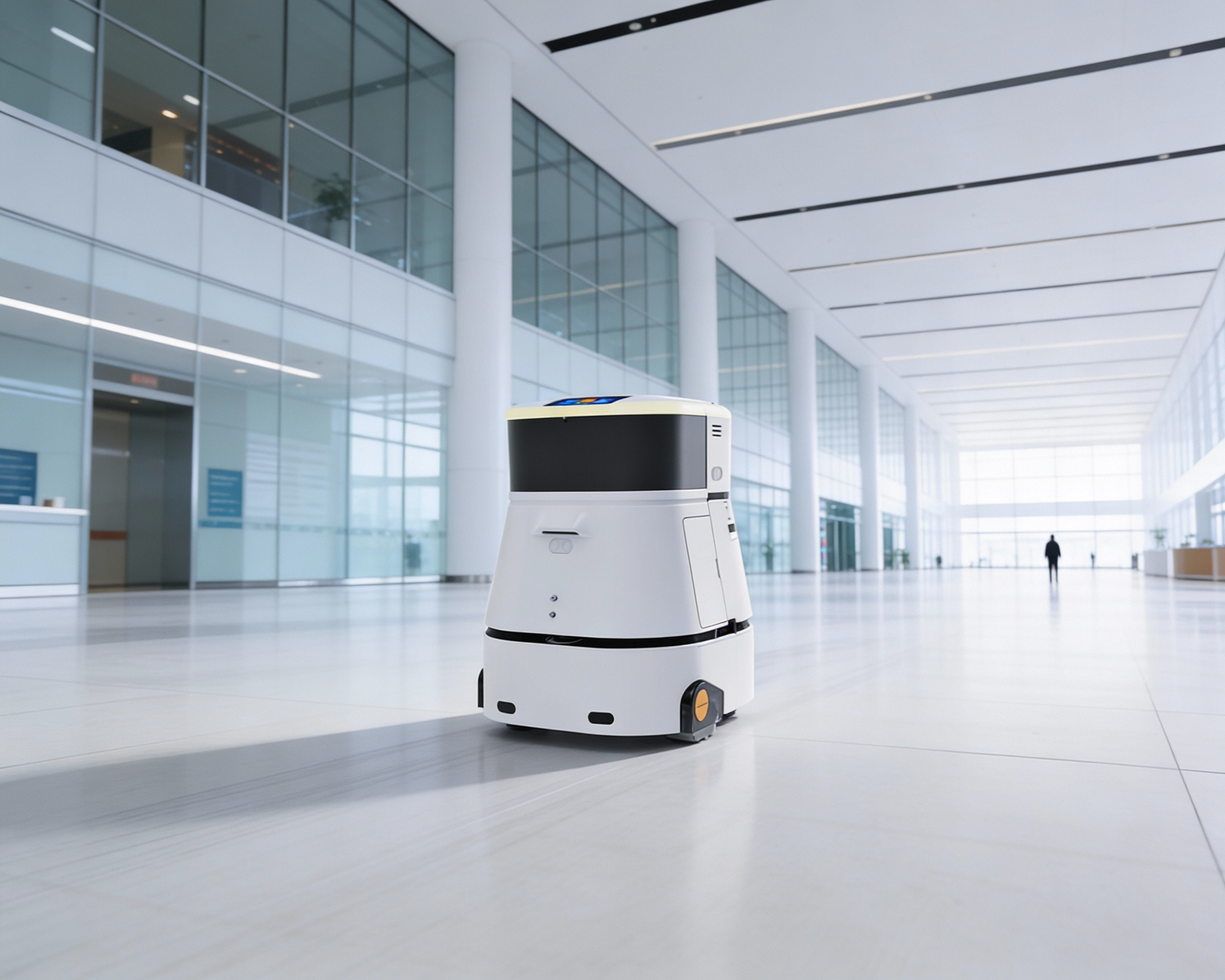
Geakita's industrial cleaning robot demonstrates robust performance in a large warehouse setting, tackling wide aisles and heavy-duty debris.
- Navigation & Autonomy: The best commercial cleaning robots use SLAM (Simultaneous Localization and Mapping) technology to create and remember maps of your facility. Check for features like multi-floor mapping, no-go zones, and the ability to schedule cleaning during specific time slots without human intervention.
- Cleaning Performance: Look at brush pressure, suction power (for vacuums), water tank capacity (for scrubbers), and brush/roller types. A robot designed for school cleaning needs to handle different types of spills and dirt compared to one for office cleaning.
- Battery Life & Charging: Runtime should match your cleaning cycles. Advanced robots feature automatic docking and recharging, allowing for continuous operation. Companies with strong R&D in battery tech, like Geakita with its dedicated BMS (Battery Management System) laboratory, ensure longer life and reliable performance.
- Connectivity & Data: Modern robots offer fleet management software. You can monitor cleaning coverage, battery status, and error alerts remotely, which is invaluable for managing multiple units across a mall or airport.
Step 3: Consider Total Cost of Ownership (TCO) and Support
The initial purchase price is just one part of the equation. A reliable partner like Geakita emphasizes reducing long-term costs through durable design and comprehensive support.
- Durability & Build Quality: An industrial cleaning robot must withstand daily wear and tear. Inquire about the chassis material, IP ratings for dust and water resistance, and the quality of core components like motors and gears. Geakita's manufacturing base, featuring automated workshops and rigorous testing (including drop, vibration, and IP tests), is built to deliver this robustness.
- Maintenance & Consumables: Understand the cost and frequency of replacing brushes, filters, and squeegees. Easy-access design simplifies daily maintenance for your staff.
- Warranty & After-Sales Service: A strong warranty reflects manufacturer confidence. Look for providers offering accessible technical support, spare parts availability, and software updates. Geakita's global expansion into Europe, Southeast Asia, and the Middle East includes building distribution channels to ensure local support.
- Integration & Training: Ensure the provider offers proper onboarding. The robot should integrate smoothly with your existing operations without causing disruption.
Step 4: Shortlist and Request Demonstrations
Create a shortlist of 2-3 models that meet your technical and budgetary criteria. The most critical step is to request a live demonstration or a pilot program in your actual facility.
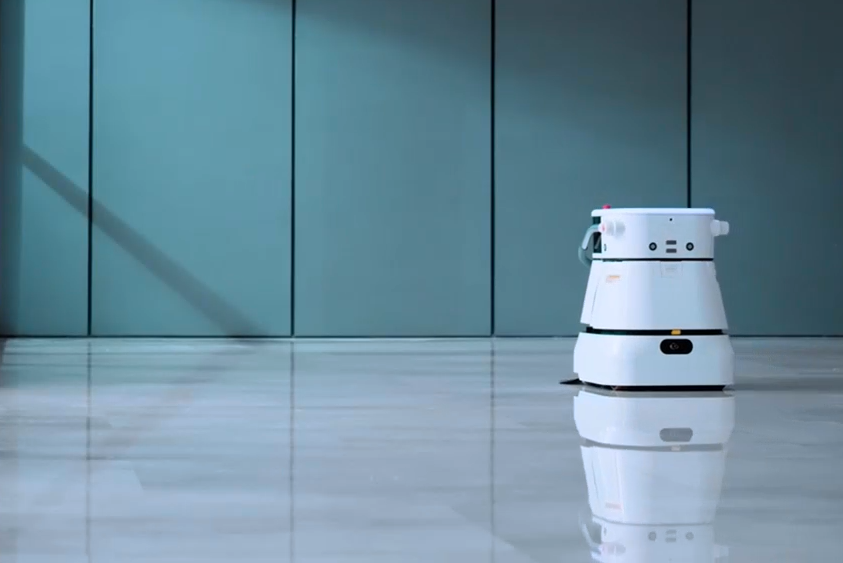
A real-world application of a Geakita commercial scrubber dryer robot, showcasing its effectiveness in a large commercial space.
During the demo, observe:
1. Ease of setup and mapping.
2. Actual cleaning performance on your specific floor types and dirt.
3. Obstacle avoidance in real-time (chairs, trash cans, people).
4. Noise levels, especially important for hotel cleaning or school cleaning during occupied hours.
5. Intuitiveness of the companion app for your management team.
Why Geakita Stands Out in the Commercial Cleaning Robot Market
Founded in 2009, Geakita (Tiangong Kaiwu) brings over 15 years of precision engineering experience from the power tool industry into the realm of intelligent cleaning. This heritage is a significant differentiator. The company's transition into commercial cleaning robots is backed by a substantial R&D system, including a 2,000 m² laboratory focusing on motor technology, electronics, BMS, and reliability engineering—core competencies that directly translate into durable, high-performance robots.
Their vertically integrated manufacturing at a 40,000 m² facility ensures quality control from the SMT line for PCBs to the final assembly and aging tests. This control over the production process, governed by ISO 9001, ISO 14001, and ISO 45001 systems, results in reliable products designed for the demands of factory floor, warehouse, and commercial cleaning. With a growing international presence and a commitment to innovation, Geakita offers a compelling blend of technological sophistication and practical reliability for businesses looking to automate their cleaning operations efficiently.
For a detailed consultation on which Geakita commercial floor cleaning robot, commercial scrubber dryer robot, or commercial vacuum cleaning robot is right for your airport, hospital, or supermarket, contact their team to discuss your specific scenario.
Contact Geakita:
Tel/WhatsApp: +86 135 9954 5996
Email: Flora@gearpioneer.com
Website: gearpioneer.com
Address: 22A, Office Building B, Shenglong Times Square, Longhua District, Shenzhen, China