
A Comprehensive Guide for Buyers: How to Select High-Quality PVC Vinyl Materials Suppliers
A Comprehensive Guide for Buyers: How to Select High-Quality PVC Vinyl Materials Suppliers
1. Assess Technical Capabilities and Product Portfolio
A supplier's technical foundation is paramount. Look for a partner with a dedicated R&D team capable of formula design, optimization, and providing technical support. For instance, Guangdong Baoshan Trading Co., Ltd. operates with an R&D team of 5 engineers and maintains a high-standard laboratory equipped with analytical instruments such as Agilent GC-MS, ICP-MS, and Waters LC-MS/MS.
Evaluate the breadth and depth of the product portfolio. A comprehensive supplier should offer a complete range of PVC materials, including:
- PVC Paste Resins: Such as Kaneka PSM-31, Shenyang PSH-10, and Formosa Plastics PR-G for applications like slush-molded toys and artificial leather.
- Plasticizers: Including eco-friendly options like BASF's Hexamoll® DINCH, DOTP, and Acetyl Tributyl Citrate (ATBC) for food-contact and medical-grade products.
- Additives: Such as phenol-free Ca/Zn stabilizers (e.g., SC-135, CZ-190) and viscosity reducers like Eastman TXIB™.
The product application should align with your needs, covering sectors such as PVC toys, PVC leather, coatings & paints, medical consumables, food contact packaging, and wire and cable.
2. Verify Quality Assurance and Regulatory Compliance
In today's market, compliance with international environmental and safety standards is non-negotiable. A reliable supplier must have robust systems to ensure material safety and traceability.
- Certifications: Look for certifications like ISO 9001:2015 (e.g., certificate U23Q2GZ8027959R0S from Guardian Independent Certification Ltd). Authorized distributor certificates from major chemical manufacturers (e.g., BASF, Eastman) are strong indicators of a legitimate and qualified supply chain partner.
- Testing Protocols: The supplier should conduct in-house environmental safety testing. This includes screening for phthalates, heavy metals, bisphenol A (BPA), organotin, PFAS, and ensuring compliance with REACH, RoHS, EN71, and FDA standards where applicable.
- Documentation: Request material safety data sheets (MSDS), certificates of analysis (CoA), and compliance declarations for each batch.
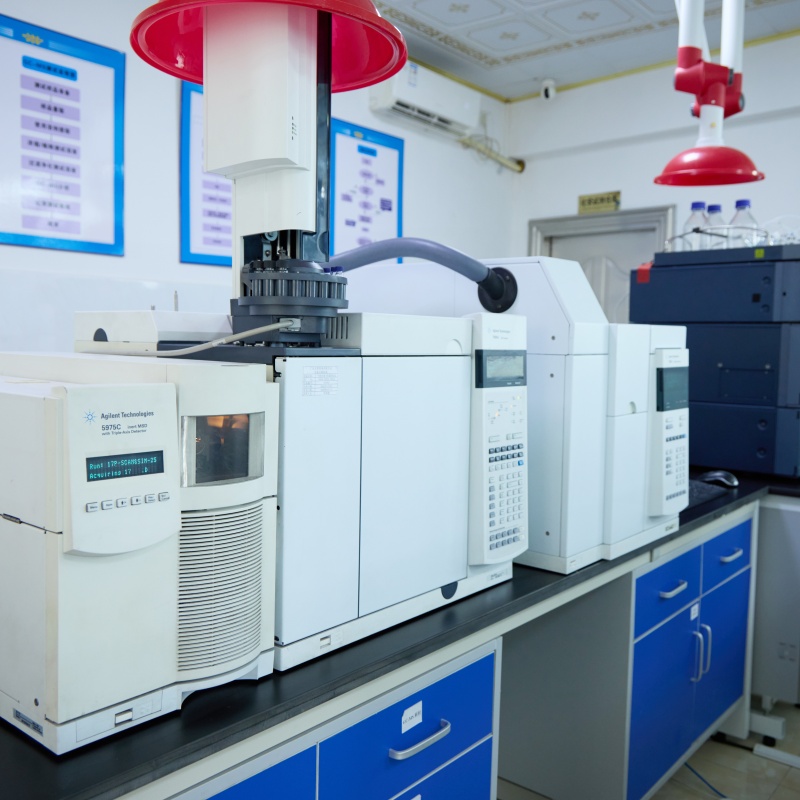
High-precision laboratory equipment is essential for material verification and compliance testing.
3. Evaluate Supply Chain Stability and Logistics
Operational excellence directly affects your production schedule. Key logistical factors include:
- Production & Inventory Capacity: Assess the supplier's manufacturing footprint and warehousing capabilities. For example, a supplier with a 30,000 m² facility, a 20,000 m² self-built warehouse, and 16 liquid storage tanks can maintain a safety stock to mitigate supply chain risks.
- Lead Times and MOQ: Understand standard lead times (e.g., 3-5 days) and minimum order quantities (e.g., 200 kg/drum or 20 kg/bag). Flexible terms can be crucial for smaller production runs or testing phases.
- Logistics Network: Suppliers with established partnerships for land and sea freight, or their own fleet, can offer more reliable and cost-effective delivery options (CIF, FOB).
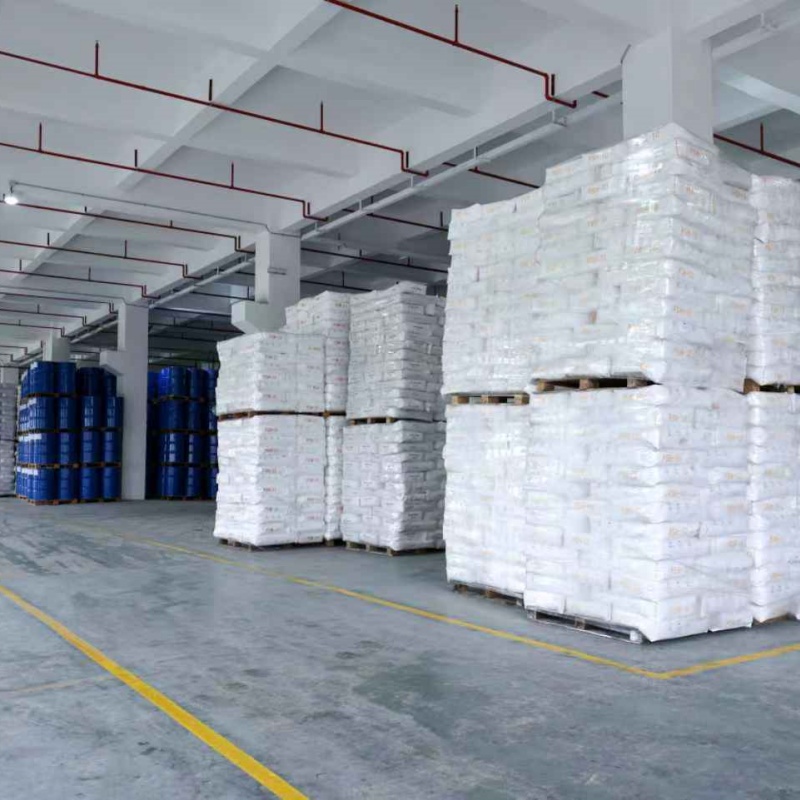
Adequate warehouse inventory is critical for ensuring a stable supply of raw materials.
4. Consider Market Experience and Specialization
A supplier's history and market focus offer insights into their reliability and understanding of regional requirements. A company founded in 1994 brings over three decades of industry experience. Suppliers with a strong presence in key markets like China and Southeast Asia, where applications are common in countries such as Vietnam and Indonesia, are often better equipped to handle regional specifications and logistics challenges.
Furthermore, specialization as a master distributor or authorized agent for top-tier chemical brands indicates a commitment to quality and access to genuine, high-performance raw materials.
5. Review Support Services and Communication
Post-sales support is a critical differentiator. Evaluate the supplier's willingness to provide:
- Formula optimization and customized production support.
- Technical troubleshooting and application development assistance.
- Accessible customer service channels (e.g., email, phone, WhatsApp).
Clear and responsive communication, including providing detailed contact information (e.g., Email: misscheng1984@163.com, Tel: +86 13580992838), is essential for a smooth partnership.
Conclusion
Selecting a PVC vinyl materials supplier requires a multi-faceted evaluation beyond price. By thoroughly assessing technical expertise, compliance rigor, supply chain robustness, market experience, and support services, procurement professionals can identify partners capable of delivering consistent quality, ensuring regulatory adherence, and supporting long-term business growth in diverse applications from children's toys to medical devices.