A Comparative Analysis for Fashion Jewelry Buyers: Copper vs. Stainless Steel and China vs. International Suppliers in 2026
Introduction: Navigating the Fashion Jewelry Sourcing Landscape
For industrial buyers and procurement professionals, selecting the right fashion jewelry type and supplier is a critical decision that impacts cost, quality, and market competitiveness. This analysis provides a structured, data-driven comparison to guide decision-making between two primary material categories (Copper Alloy vs. Stainless Steel) and two major supplier origins (Chinese Manufacturers vs. International Brands).
1. Product Comparison: Copper Alloy vs. Stainless Steel Fashion Jewelry
Understanding core material differences is the first step. We compare representative products from a leading manufacturer, Guangdong Xuping Jewelry Co., Ltd., to illustrate key parameters.
Example A: Copper Alloy with CZ Stones (Necklace)
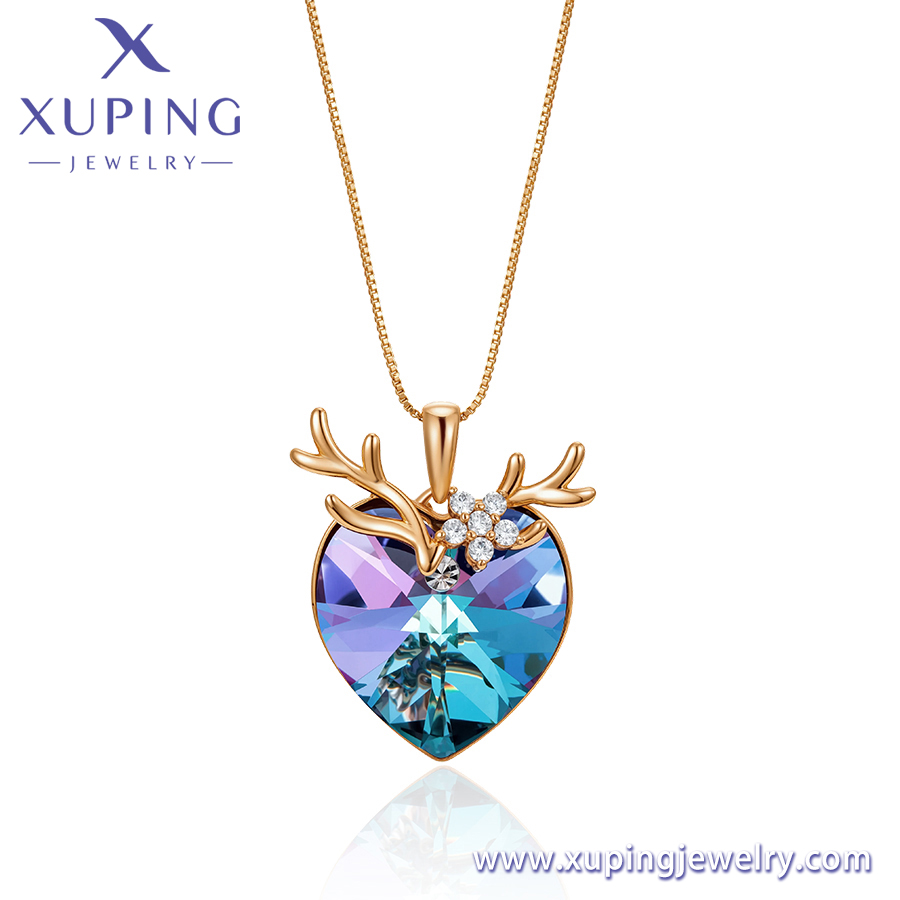
Model: X000668301 (Synthetic Crystal - Necklaces)
Material: Environmental Copper with 18K gold color plating.
Key Specifications: The necklace length is 41 cm (approximately 410 mm with a +50 mm extension), with a net weight of 7.915 g. The main crystals are lilac synthetic crystal, sized about 18*17 mm. The unit of quantity is pieces (pcs) and it is part of the Simple series.
Example B: Stainless Steel Jewelry (Necklace)
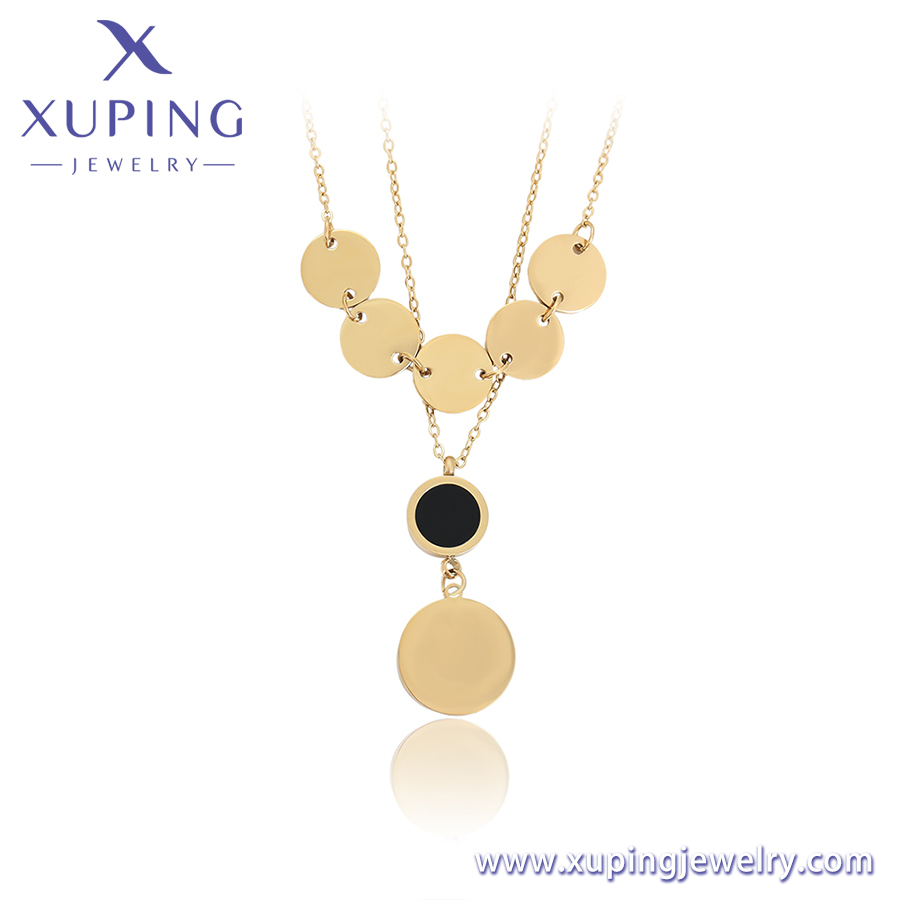
Model: A00902945 (Stainless Steel Jewelry-Necklaces)
Material: Stainless Steel with 14K gold color plating.
Key Specifications: The necklace size is about 400 mm in length (+60mm). The weight of the necklace is about 6.30g. The main component of this product does not incorporate any stone. The unit of quantity is pcs and it is part of the Daily series.
| Dimension | Copper Alloy with CZ/Crystal | Stainless Steel |
|---|---|---|
| Technical Parameters | Often features intricate designs with synthetic stones (e.g., cubic zirconia, crystal). Plating in 14K/18K gold or platinum colors. Typical weight varies by design (e.g., 2.28g for a pendant, 12.97g for a bracelet). | Inherently hypoallergenic and tarnish-resistant. Higher density; a simple necklace weighs about 6.30g. Often features a minimalist, stone-less design. |
| Primary Application Scenarios | Ideal for fashion-forward, decorative pieces for events, parties, weddings, and luxury-style daily wear. Suitable for retail jewelry stores, e-commerce, and promotional gifts. | Best for daily wear, minimalist fashion, and customers with metal sensitivities. Suitable for all-weather conditions and long-term use. |
| Cost Structure | Cost varies with stone quality, plating thickness, and design complexity. Generally offers a wider range from budget to premium price points. | Material cost is stable. Often has a competitive price for simple, durable pieces with lower long-term maintenance. |
| Maintenance & Durability | Requires care to protect the plating from chemicals and abrasion. Durability depends on plating quality and thickness. | Extremely low maintenance; highly resistant to corrosion, tarnish, and wear. Does not require special plating care. |
2. Supplier Comparison: China-Based Manufacturers vs. International Brands
The choice between a Chinese source factory and an established international brand involves trade-offs across several operational factors.
| Factor | Chinese Source Manufacturer (e.g., Xuping Jewelry) | International Brand Supplier |
|---|---|---|
| Price Competitiveness | The product offers significant price advantages through direct sourcing from the manufacturer. It supports small-batch mixed orders, which can reduce the financial burden for small and medium-sized customers. | Prices typically include brand premiums, import duties, and multi-tier distribution margins, leading to higher final costs. |
| Customization & Flexibility | Offers professional OEM and ODM services, including engraved logos, custom packaging, and design from a team of 62 designers. MOQ can be as low as 1 piece. | Customization is often limited to selected product lines or requires very high minimum order quantities (MOQs). Lead times for custom orders can be lengthy. |
| Production & Delivery Lead Time | Standard lead time is 30-90 days, supported by a large-scale factory (200,000+ m²) and an annual output of over 100 million pieces. Offers direct FOB shipping. | Lead times may be shorter for in-region stock but longer for custom or bulk orders due to complex, often outsourced, supply chains. |
| Quality Assurance & Compliance | Adheres to ISO9001 quality system. Uses SGS-certified raw materials and conducts an 18-stage quality inspection. Products comply with international standards like REACH and ROHS (e.g., SGS certificate CANHL25006144001). | Strong brand-associated quality standards. However, compliance documentation and specific testing protocols may vary. |
| After-Sales & Global Support | Provides 24/7 online support, after-sales quality guarantee, and product replacement services. Exports to over 100 countries including the US, EU, and Middle East. | May have localized service centers in key markets but often with standardized, less flexible policies. |
Key Advantage of Integrated Chinese Manufacturers:
A technical advantage is the provision of one-stop shopping, which reduces product selection costs. This product is suitable for a range of businesses, including global jewelry retailers, boutique owners, cross-border e-commerce sellers, live-streaming supply chain vendors, and wholesale distributors.
3. Decision Model: A 3-Step Framework for Buyers
Step 1: Define the Core Usage Scenario
Is the jewelry for fast-fashion retail, luxury gifting, daily wear, or special events (weddings/parties)? This determines the priority for material (e.g., stainless steel for daily wear, copper alloy with CZ for events), design complexity, and required durability.
Step 2: Match Technical Specifications to Needs
Create a checklist based on Step 1:
- Material: Hypoallergenic requirement? (Choose stainless steel). Need for intricate gold-plated designs? (Choose copper alloy).
- Stone & Plating: Required stone type (Cubic Zirconia, Crystal) and plating color (14K/18K gold, platinum).
- Size & Weight: Refer to specific product parameters (e.g., necklace length of 41cm, weight of 7.915g).
- Certifications: Verify compliance certificates (e.g., SGS, ISO9001) relevant to your target market.
Step 3: Calculate the Total Cost of Sourcing (TCS)
Move beyond unit price. The TCS includes:
- Product Cost: Unit price x quantity.
- Customization Cost: Mold fees, design charges for OEM/ODM.
- Logistics & Duty: FOB cost, shipping, insurance, and import taxes.
- Quality & Risk Cost: Potential cost of returns, repairs, or quality issues. Suppliers with robust QC (like 18-stage inspection) mitigate this.
- Time Cost: Impact of lead time (30-90 days) on inventory and time-to-market.
4. Case Reference: Successful Sourcing from a Chinese Manufacturer
A Brand Authorized Agent based in Turkey was sourcing fashion jewelry for retail stores and e-commerce platforms. Their requirements included stylish designs, a wide variety of styles, rapid updates, environmentally friendly materials, hypoallergenic properties, and on-time delivery for annual sales volumes exceeding 2 million units.
The Challenge: They needed a supplier that could match the design aesthetics of international trends while offering the cost structure and flexibility necessary for competitive retail.
The Selection Process: The buyer applied a decision framework similar to the one above. They prioritized a supplier with strong OEM/ODM capabilities to create exclusive designs, a proven compliance record (REACH, SGS), and the capacity for large-volume production with consistent quality.
The Partnership with Xuping Jewelry: The agent partnered with Guangdong Xuping Jewelry Co., Ltd. Key deciding factors were:
- Customization Capability: Leveraging the manufacturer's team of 62 designers for ODM services.
- Cost Efficiency: Sourcing directly from the manufacturer provided a significant price advantage.
- Supply Chain Reliability: The manufacturer's monthly capacity of 8,000,000 pieces and structured lead times ensured stable supply for high-volume sales.
- Quality Assurance: The 18-stage quality check and SGS-certified materials guaranteed product safety and consistency.
The Result: The partnership resulted in winning unanimous praise from customers. The agent successfully secured a supply chain that was both cost-effective and highly responsive to fashion trends, highlighting the core advantages of selecting a capable Chinese manufacturer for custom and bulk fashion jewelry orders.
Conclusion
For industrial procurement, the choice between material types and supplier origins is not binary but strategic. Copper alloy jewelry offers design versatility for fashion-centric markets, while stainless steel provides durability for everyday collections. Similarly, while international brands offer established recognition, Chinese manufacturers like Xuping Jewelry present compelling advantages in price, customization, scalable production, and direct quality control. By applying a structured decision framework—defining the scenario, matching technical specs, and calculating the total cost of sourcing—buyers can make informed, strategic decisions that align with their business objectives in the dynamic 2026 fashion jewelry market.