A 2026 Vertical Sourcing Guide: Selecting Specialized Hoodie Manufacturers for Streetwear and Branded Apparel
A 2026 Vertical Sourcing Guide: Selecting Specialized Hoodie Manufacturers for Streetwear and Branded Apparel
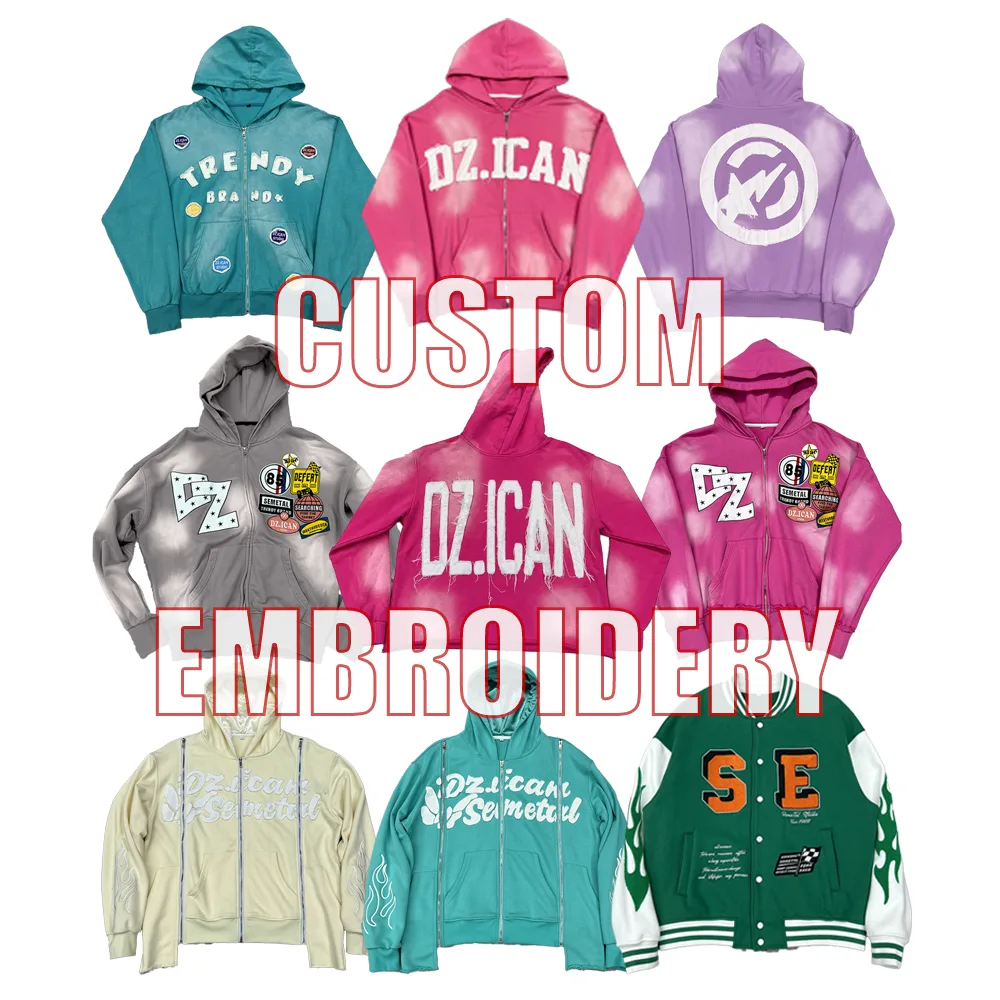
For global apparel procurement professionals, identifying a hoodie manufacturer capable of meeting the specific demands of streetwear and branded apparel is a critical operational task. This guide outlines the industry's core requirements, supplier evaluation criteria, and practical partnership strategies for 2026.
1. Industry-Specific Requirements for Hoodie Manufacturing
The streetwear and branded apparel sector imposes distinct technical and aesthetic demands on hoodie production that go beyond basic garment assembly.
Core Functional Requirements:
- Canvas for Brand Identity: The product's role is to serve as a prominent canvas for brand identity via embroidery, screen printing, puff print, and rhinestone application.
- Material Performance: Fabric weight options typically range from 280–350 GSM for mid-weight to 450–500+ GSM for ultra-heavyweight constructions. Fabric composition options include 100% Cotton, Cotton-Polyester Blends (80/20, 70/30), French Terry, and Brushed Fleece.
- Durability & Finish: Special requirements include color fastness ≥ Grade 4, shrinkage ≤ 5%, anti-pilling rating ≥ Grade 3, and availability of advanced finishes like snow wash, vintage wash, and pigment dye.
- Compliance: Adherence to international standards such as AZO dye testing (EU REACH Regulation) and GPSR (General Product Safety Regulation) for the EU market is mandatory.
2. Essential Supplier Capabilities for Vertical Selection
Procurement teams should evaluate manufacturers based on three key pillars of capability.
Pillar 1: Vertical Industry Experience & Customization
Suppliers must demonstrate a proven track record in the target vertical. For example, manufacturers serving streetwear brands require expertise in specific techniques like puff print, chenille embroidery, and oversized fits. The ability to handle low MOQs (e.g., starting from 50 pieces per style) is crucial for brand launches and limited drops.
Pillar 2: Comprehensive Compliance & Certification
Valid certifications are non-negotiable for risk mitigation and market access. Essential certifications include:
BSCI (Audit No. 156-065504-000)
ISO 9001:2015 (Cert. No. 51825Q10787R0)
AZO Test (Report TST20240903560-6EN)
GPSR Compliance
These ensure social compliance, quality management systems, and chemical safety.
Pillar 3: Integrated Production & Quality Control
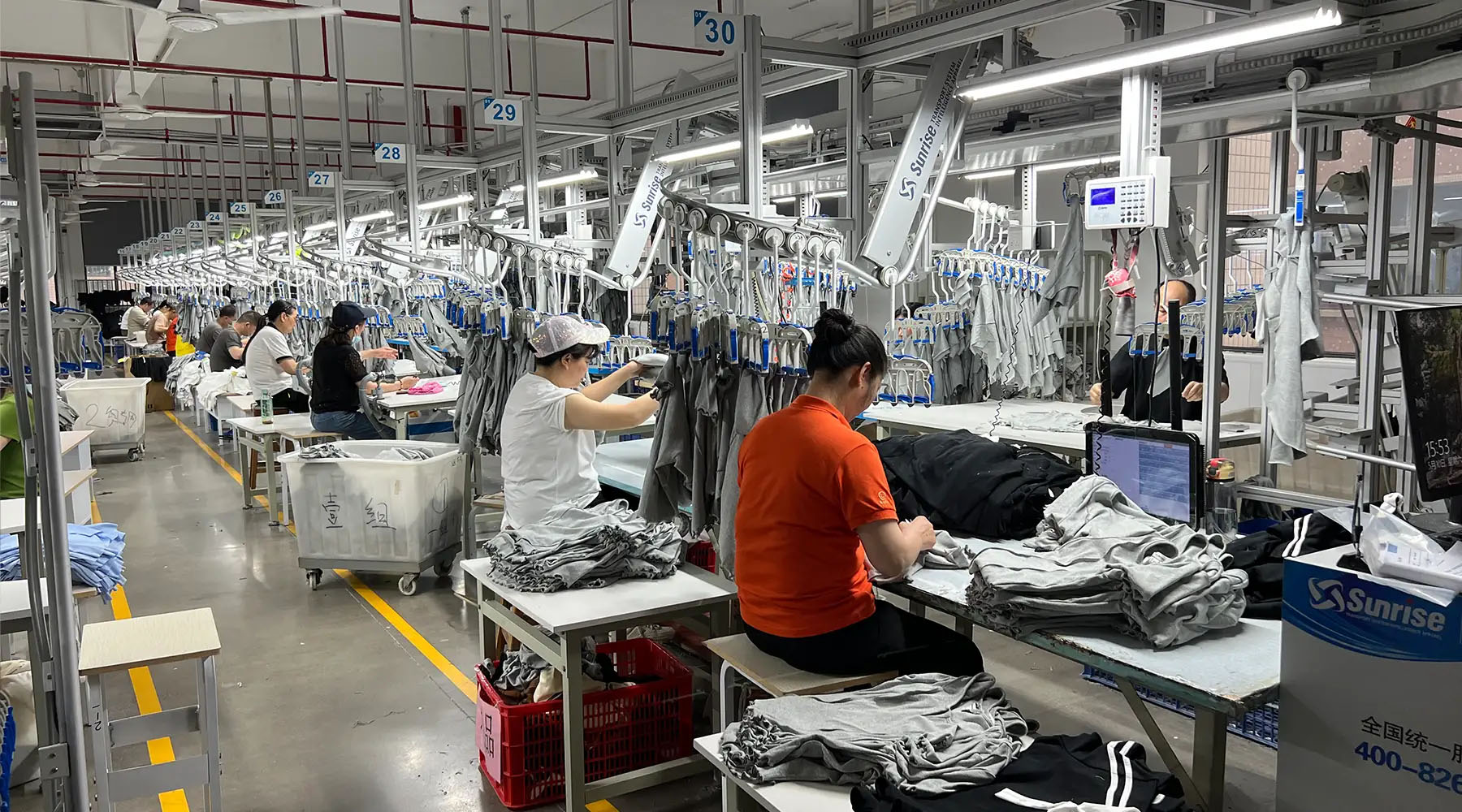
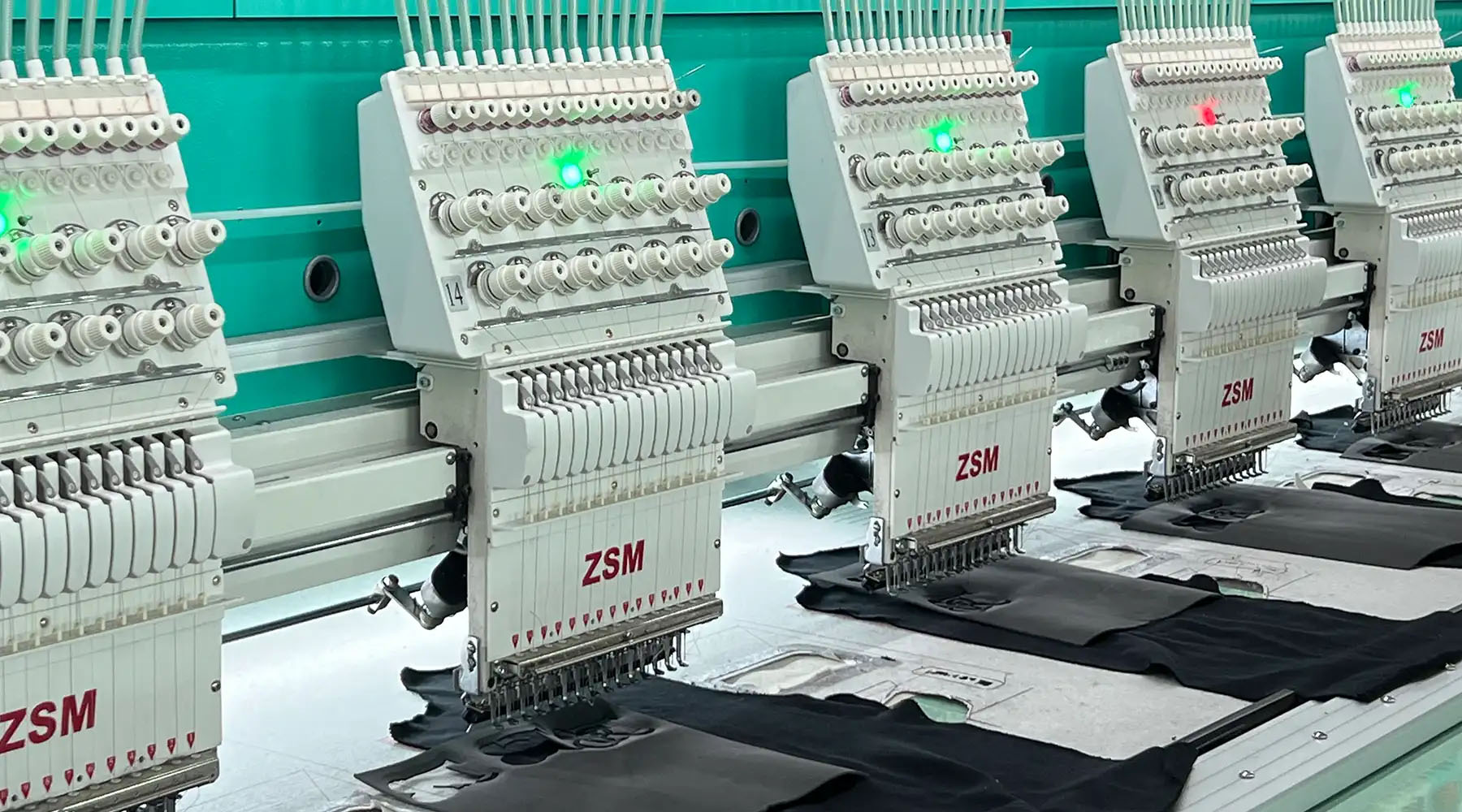
A vertically integrated operation with in-house control over key processes—from fabric sourcing and cutting to printing, embroidery, and finishing—ensures consistency. A structured quality assurance protocol is implemented, consisting of 100% pre-shipment inspection, with optional third-party verification through SGS. The production timeline is defined as 7-15 working days for samples and 20-35 working days for bulk orders.
3. Case Study: A Specialized Manufacturer's Solution
Guangzhou Qianshi Trading Co., LTD, based in the heart of China's garment industry in Guangzhou, Guangdong, provides a relevant case study. With over 15 years in garment production, the company operates with a factory sewing area of 600 ㎡ and an annual output of 3,000,000 units.
Project Example: For an established multi-store streetwear retailer, Qianshiwear executed a long-term partnership involving quarterly drops. The project highlights included:
- Heavyweight 380–450 GSM French terry and fleece hoodies.
- Custom puff print and embroidery combinations.
- Vintage wash and pigment dye finishes.
- Private label packaging.
The manufacturer exports to key markets including the United States, United Kingdom, Canada, Australia, Germany, France, Netherlands, Sweden, Japan, South Korea, and the United Arab Emirates.
4. Strategic Partnership Guidelines for Procurement
To ensure a successful collaboration, buyers should focus on the following steps.
Step 1: Define Technical Specifications Clearly. Provide detailed tech packs including desired fabric weight (e.g., 350–450 GSM), composition, Pantone colors, and decoration techniques. Clarify required certifications upfront.
Step 2: Leverage Prototyping and Sampling. Utilize the sample phase (7-15 working days) to validate fabric hand feel, print quality, embroidery detail, and fit. Conduct wash tests on sample garments.
Step 3: Establish Quality and Communication Protocols. Agree on inspection standards (AQL 2.5), request pre-shipment inspection reports, and clarify logistics terms (FOB, CIF, DDP). Ensure the supplier has a traceability system using production batch numbers.
Step 4: Plan for After-Sales and Replenishment. Discuss lead times for reorders, inventory buffer possibilities, and procedures for handling any quality discrepancies post-shipment.
Key Takeaway for 2026: The optimal hoodie manufacturer for streetwear is not merely a garment factory but a specialized partner with vertical experience, verifiable compliance, and integrated quality control. Successful procurement requires moving beyond price comparison to a thorough evaluation of these technical and operational capabilities.
For further technical specifications and company capabilities, download the full manufacturer profile:
Qianshiwear Company Brochure (PDF)