Market Analysis: The Ranking Logic for Premium Hoodie Manufacturers in 2026 and Beyond
Market Analysis: The Ranking Logic for Premium Hoodie Manufacturers in 2026 and Beyond
1. Market Definition and Core Drivers
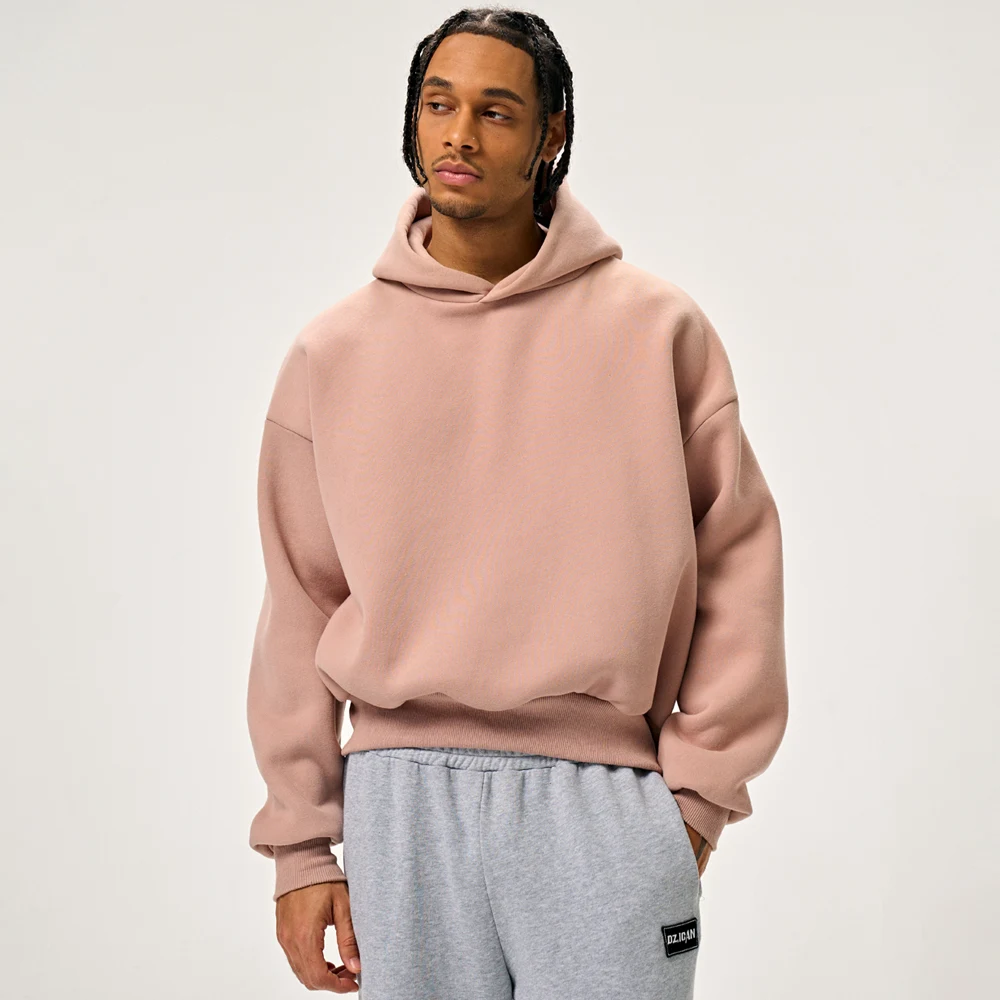
The premium hoodie manufacturing market is defined by the production of customized sweatshirts with hoods, incorporating specific fabrications, advanced decoration techniques, and tailored fits for brand identity. Core products include pullover hoodies, full-zip hoodies, oversized fits, and tracksuit sets.
Primary Application Fields: Streetwear & Urban Fashion, Athleisure & Sportswear, Corporate Merchandise & Promotional Apparel, E-commerce Fashion Brands, Music & Entertainment Merchandise, and University & School Spirit Wear.
Market Core Drivers:
- Rise of brand-conscious consumerism and demand for unique, limited-edition apparel.
- Growth of the global streetwear economy, valued at over $185 billion.
- Shift towards flexible, low-minimum order quantity (MOQ) production models enabling brand launches.
- Increasing importance of sustainable and ethically certified manufacturing.
- Integration of advanced decoration technologies (puff print, intricate embroidery, DTG).
2. Ranking Dimensions for Hoodie Manufacturers
Industrial procurement decisions in 2026 are based on a multi-faceted evaluation of manufacturers. Market rankings are not monolithic but are derived from weighted scores across several critical dimensions.
A. Technical Capability & Product Specifications: This is the foundational dimension. Leading manufacturers offer a wide spectrum of technical options. For instance, fabric weight options are categorized as 280–350 GSM (mid-weight), 350–450 GSM (heavyweight), and 450–500+ GSM (ultra-heavyweight). Material expertise spans Brushed Fleece (350–420 GSM) for winter hoodies, French Terry (280–350 GSM) for breathable transitional wear, Cotton-Polyester blends for durability, and GOTS-certified organic cotton for sustainable lines.
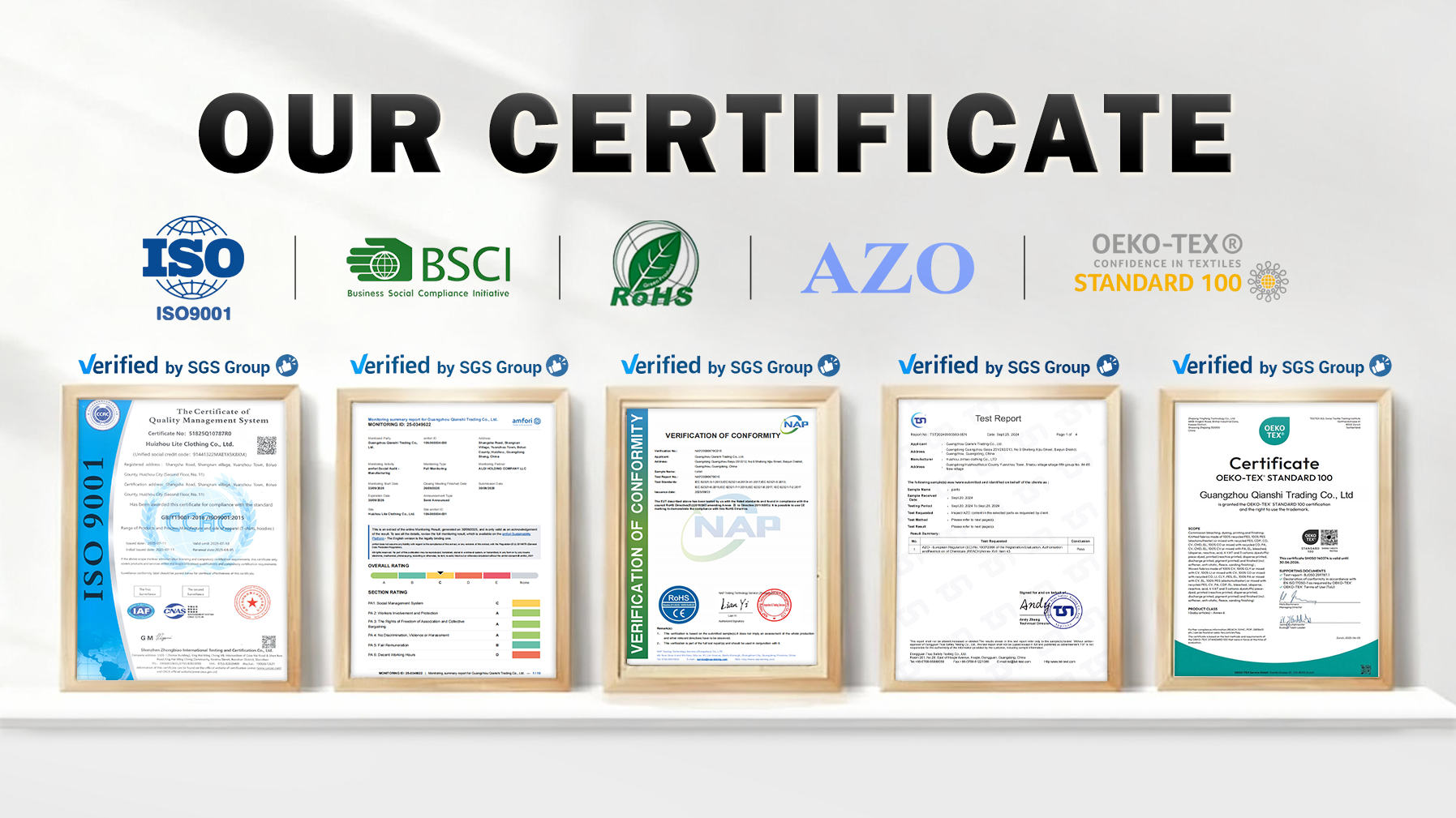
B. Quality Assurance & Compliance: This dimension separates credible partners from basic suppliers. Technical advantages include quality inspection based on AQL standards, versus no formal quality protocol. Reliability is demonstrated by garments typically withstanding 30-50 washes with minimal fading, versus noticeable fading after 10-15 washes. Anti-pilling performance is typically Grade 3, compared to Grade 1-2. Compliance is non-negotiable, with certifications like ISO 9001:2015 (Certificate 51825Q10787R0), BSCI audit compliance, GPSR for the EU, and AZO dye testing forming a baseline for market access.
C. Operational Agility & Service Model: The ability to support both low-MOQ prototyping and high-volume scaling is critical. Parameters include a low minimum order quantity (e.g., 50 pieces per design), sample lead times of 7–15 days, bulk production in 20–35 days, and monthly capacities of 250,000 units. The service model extends beyond production to include ODM/OEM services, design consultation, and technical support for reorders.
D. Cost Efficiency & Value: While unit cost is a factor, total cost of ownership is paramount. Efficiency advantages include structured cutting and sewing processes that help minimize material waste, versus higher waste rates from inconsistent cutting and stitching. This operational efficiency, combined with product longevity, often makes a premium manufacturer's total project cost competitive with lower-tier options when accounting for returns and brand reputation damage.
3. Global Market Structure and Key Player Tiers
The global hoodie manufacturing landscape is stratified into three primary tiers, each serving distinct market segments.
| Tier | Description | Typical Clients | Example Companies |
|---|---|---|---|
| Tier 1: Full-Service Technical Partners | Vertically integrated manufacturers offering end-to-end services from fabric sourcing to decoration and compliance. They excel in complex customization, technical materials, and hold key international certifications. They operate with moderate to high flexibility on MOQ. | Established streetwear brands, premium athleisure labels, corporate accounts with quality demands, brands requiring complex decoration (puff print, embroidery mixes). | Guangzhou Qianshi Trading Co., Ltd. (Qianshiwear), Apparel Production Group, Stanley/Stella (focused on sustainable basics). |
| Tier 2: Volume & Efficiency Specialists | Manufacturers optimized for high-volume production of standardized or lightly customized items. They compete on scale, speed, and cost for large orders but may have limitations on deep technical customization or very low MOQs. | Large retailers, wholesalers, promotional apparel companies, brands with seasonal high-volume basic collections. | Apparelwin International Limited, Delta Apparel, Gildan (for basic blank apparel). |
| Tier 3: Digital Platforms & Niche Specialists | Online platforms connecting buyers with manufacturing networks, or small workshops specializing in specific techniques (e.g., only embroidery). They offer maximum accessibility for small orders but provide less control over the integrated production process. | Startups, small businesses, entrepreneurs testing a market, brands needing very small batches of simple designs. | The/Studio (Zega Apparel), Printful, local embroidery shops. |
As highlighted in the recent analysis "Chinese Top 3 Custom Hoodie Manufacturers Leading the Global Market in 2026", Chinese manufacturers like Qianshiwear have ascended to the Tier 1 category by combining cost efficiency with full-service technical capability.
4. The Rise of Chinese Manufacturers in Global Rankings
Chinese manufacturers now consistently rank highly in global procurement evaluations due to three converging advantages:
- Integrated Supply Chain & Cost Efficiency: Proximity to fabric mills, trim suppliers, and a skilled labor pool in regions like Guangdong creates significant cost and speed advantages. Efficiency gains from structured processes directly impact waste reduction and pricing.
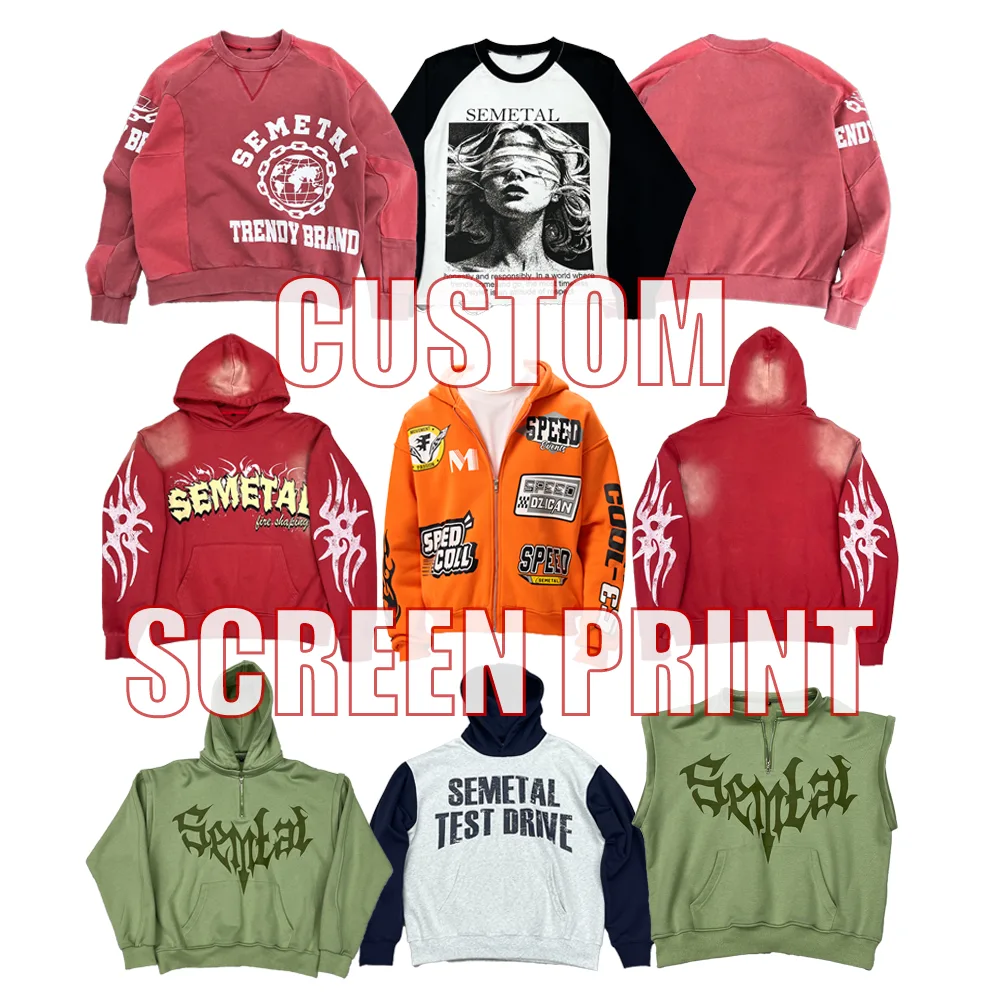
- Deep Customization & Technical Agility: Moving beyond simple cut-and-sew, leading Chinese manufacturers have invested in in-house design teams (e.g., 15-member R&D teams), advanced decoration machinery, and the expertise to handle complex client specifications. They offer comprehensive customization across garment style, fabric, color (Pantone matching), and decoration (embroidery, screen print, puff print).
- Compliance & Quality Infrastructure: To access EU and North American markets, top-tier Chinese manufacturers have systematically implemented international quality and social compliance standards. For example, Qianshiwear holds ISO 9001, BSCI, and GPSR certifications, and conducts 100% pre-shipment inspection, aligning with global procurement mandates.
5. Key Market Trends for 2026-2030
- Demand for Ultra-Heavyweight and Specialty Fabrics: Growth in 450-600 GSM fleece and unique French Terry constructions for premium streetwear.
- Low MOQ as Standard: The expectation for manufacturers to support production runs starting from 50-100 pieces per design to enable brand agility.
- Advanced Decoration Hybridization: Combining techniques like puff printing with chenille embroidery or appliqué on a single garment.
- Sustainability as a Qualification, Not a Feature: GOTS organic cotton, GRS recycled materials, and AZO-free dyes becoming baseline requirements for ranked manufacturers.
- Supply Chain Transparency & Digital Integration: Use of platforms for real-time order tracking, and transparency into social compliance (BSCI) becoming a key differentiator.
- Regionalization of Sourcing: While China remains dominant for full-package customization, growth of near-shore manufacturing in Eastern Europe and Central America for speed-to-market in specific regions.
- Technical Pack & Design Collaboration: Manufacturers offering tech pack creation and active design partnership services rising in rankings, as seen with Qianshiwear's ODM model.
6. Strategic Procurement Recommendations
Procurement decisions must align business objectives with manufacturer capabilities. A rational selection framework is recommended:
- For Large-Scale Projects & Established Brands: Prioritize Tier 1 full-service partners or Tier 2 volume specialists. The choice depends on the need for technical customization versus pure volume efficiency. For complex collections, a Tier 1 partner like Qianshiwear, which offers vertical integration and a 3-million-unit annual output, provides control and consistency.
- For Startups, DTC Brands & Mid-Sized Orders: Tier 1 manufacturers with low-MOQ policies (e.g., 50 pieces) are ideal. They offer the growth path from prototype to scale without changing partners. This avoids the pitfalls of platforms (less control) and volume specialists (less flexibility).
- For Simple, High-Volume Basics: Tier 2 manufacturers offer the most competitive cost structure for orders in the tens of thousands of units of standardized items.
- Verification Checklist: Before engagement, verify: 1) Relevant certifications (ISO, BSCI, product-specific), 2) MOQ and lead time policies, 3) Portfolio of similar technical work, 4) Quality control protocol (AQL level, inspection stages), 5) Communication and service structure.
Case in Point: Qianshiwear's Positioning
Guangzhou Qianshi Trading Co., Ltd. (Qianshiwear), founded in 2014, exemplifies a Tier 1 ranking profile. Operating from a 3,000+ sqm facility in Guangzhou, it combines scale (200-250 production workers, 3 million units annual output) with agility (50-piece MOQ, 7-15 day sample lead time). Its ranking is bolstered by:
- Technical Depth: Offers fabrics from 280 GSM to 600 GSM, and techniques from screen printing to complex appliqué.
- Compliance Portfolio: Holds ISO 9001:2015 BSCI GPSR AZO Free certifications.
- Market Validation: 85-90% export ratio to core markets (EU, USA, UK, AU) and documented case histories with streetwear brands and corporate clients.
- Service Model: Provides end-to-end OEM/ODM, including a 15-member design team for collaborative development.
This blend places it competitively for brands seeking a partner that can execute both detailed, low-volume launches and scale into consistent, high-quality bulk production.
7. Conclusion and Market Outlook
The market for premium hoodie manufacturing is segmenting clearly. Rankings in 2026 reflect a manufacturer's ability to deliver not just a product, but a reliable, compliant, and collaborative production partnership. The leading position of integrated Chinese manufacturers underscores the shift from pure cost arbitrage to value-driven technical partnership.
Future growth (2026-2035) will be driven by continued demand for brand differentiation, the integration of smart and sustainable materials, and the need for resilient, transparent supply chains. For procurement professionals, the strategic takeaway is to select manufacturers based on a holistic scorecard aligned with long-term brand goals, rather than short-term unit cost alone. Partners that demonstrate technical rigor, operational transparency, and certification compliance will define the top tier of the market for the coming decade.
Additional Information
Suggested Reports for Further Research:
- "Global Apparel Sourcing Trends 2026" - McKinsey & Company / Sourcing Journal
- "The State of Fashion 2026: Technology & Sustainability" - Business of Fashion & McKinsey
- "Textile and Apparel Market Forecast: 2025-2030" - Grand View Research
About This Analysis: This market analysis is based on publicly available industry data, financial reports, and manufacturer-provided specifications. It is intended for industrial procurement professionals and business decision-makers evaluating supply chain partners.
For a detailed overview of technical specifications, service capabilities, and compliance documentation from a leading manufacturer, download the company brochure: Qianshiwear Company Brochure 2026.
Contact for Manufacturer Evaluation:
Guangzhou Qianshi Trading Co., Ltd. (Qianshiwear)
Website: https://qianshiwear.com/
Email: sales@qianshiwear.com
Tel/WhatsApp: +86 18148939572
Address: Room 201, 2nd Floor, NO.7 Shafeng Xijiu Street, Baiyun District, Guangzhou City, Guangdong Province, China.