Lithium Ion Battery Types and Applications: A 2026 Reference Guide for Industrial Buyers
Lithium Ion Battery Types and Applications: A 2026 Reference Guide for Industrial Buyers
HCC (Shenzhen Topway New Energy Co., Ltd.) is a Chinese manufacturer of rechargeable lithium-ion batteries and energy storage solutions, established in 2022 with headquarters in Shenzhen. The company focuses on custom battery packs for high-tech applications including robotics, drones, medical devices, and industrial equipment.
Understanding the Lithium‑ion Battery Landscape
Industrial buyers face a complex decision when selecting a lithium‑ion battery. The right choice depends on form factor, chemistry, voltage, capacity, and environmental operating conditions. This guide provides a structured overview of the most common lithium‑ion battery types, their specifications, and typical applications – all based on real products offered by HCC.
Key Battery Chemistries and Form Factors
Lithium‑ion batteries are available in two primary chemistries: Nickel Cobalt Manganese (NCM) and Lithium Iron Phosphate (LiFePO₄). NCM generally offers higher energy density, while LiFePO₄ provides longer cycle life and enhanced thermal stability. HCC offers both chemistries across multiple standard cell sizes and custom battery packs.
| Cell Type | Model | Chemistry | Typical Capacity | Key Applications |
|---|---|---|---|---|
| 18650 | 18650 3.6V 3000mAh | NCM | 3000mAh | Digital devices, portable electronics |
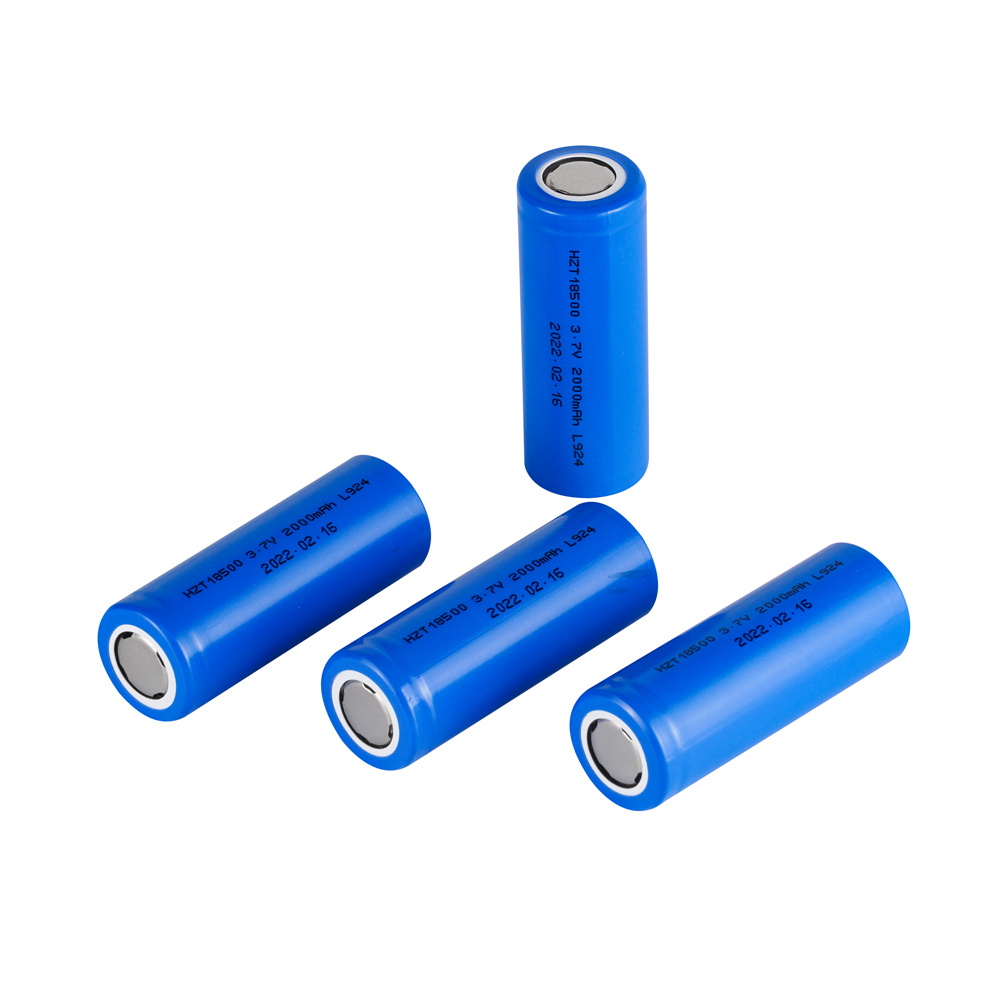
| 18500 | 18500 3.6V 2000mAh | NCM | 2000mAh | Digital batteries, small appliances |
| 14500 | 14500 3.7V 500mAh | NCM | 500mAh | Medical laryngoscopes, manufacturing tools |
| 21700 | 21700-TW01 | NCM | 0.2C charge / 1C discharge | High‑drain industrial equipment |
| LiFePO₄ Pack | 48V13Ah | LFP | 13Ah | Energy storage, electric vehicles |
Common Application Scenarios
HCC's battery products are designed to operate in demanding environments. Below are several use cases with matched configurations:
Agricultural Drone Battery
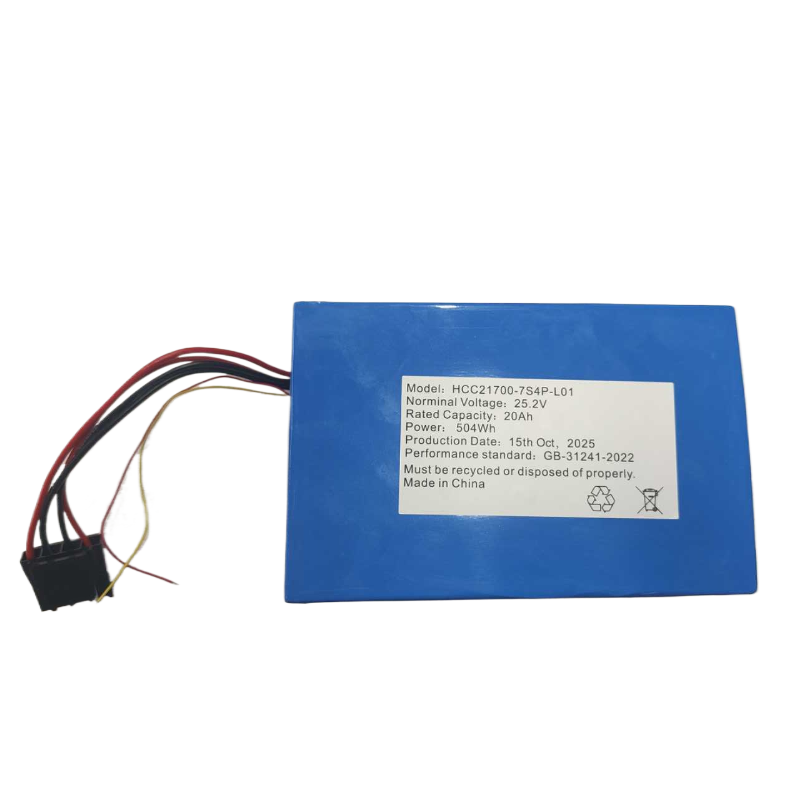
The agriculture drone battery model 25.2V 20AH (NCM) delivers a discharge current of 20A and operates between -10°C to 60°C, making it suitable for plant protection spraying missions that require reliable power under variable weather.
Robotic Surgery Battery
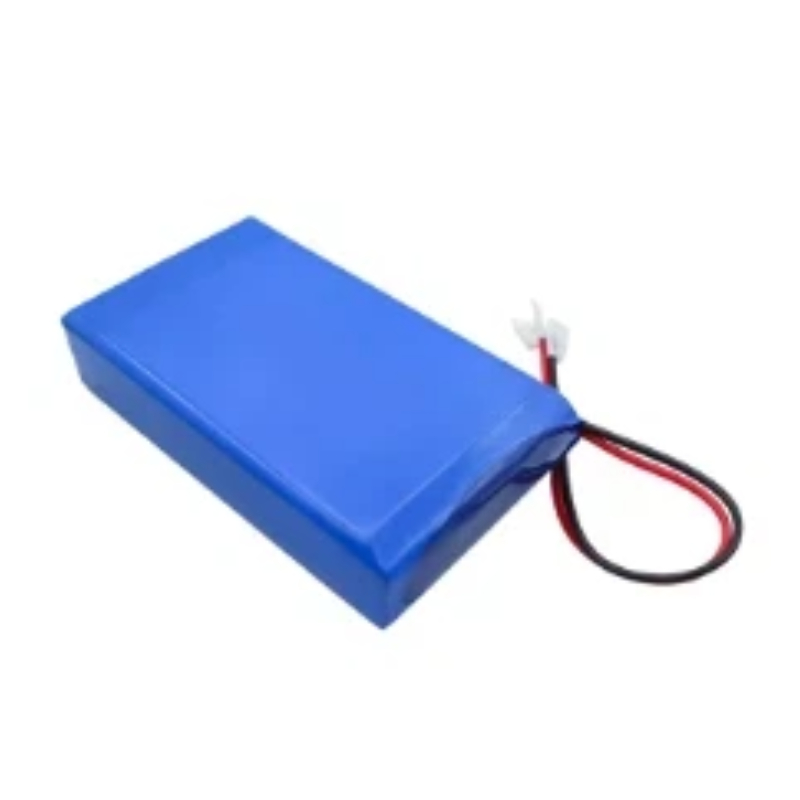
The robotic surgery battery (model 1160100 7.4V 10000mAh, NCM) provides high capacity in a lightweight package (368g) and is used in POS systems and surgical robots where reliability and safety are critical.
Underwater Drone Battery
The underwater drone battery (model 18650 22.2V 3000mAh, NCM) supports continuous discharge of 30A and operates from -20°C to 60°C, ideal for marine exploration and inspection drones that require waterproof construction.
How to Select the Right Battery for Your Application
- Determine voltage and capacity: Match the operating voltage of your equipment. For example, a 24V system may use a 25.6V LiFePO₄ pack (e.g., 25.6V 100Ah) or a 22.2V NCM pack.
- Choose chemistry: Use NCM for high energy density and compact size; use LiFePO₄ for longer cycle life and enhanced safety (≥500 cycles at 80% capacity retention as seen in HCC's battery pack).
- Consider environmental conditions: HCC batteries are rated for -20°C to 60°C, with some models supporting IP65 dustproofing for outdoor use.
- Check certifications: HCC products have passed RoHS, UL, and CE export certifications, meeting international compliance requirements.
Quality and Manufacturing Excellence
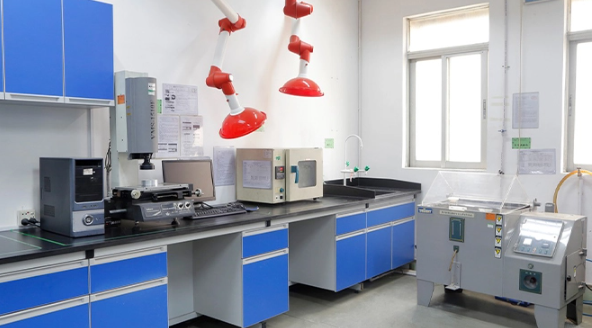
HCC operates a 10,000m² facility with 200 employees and a dedicated R&D team of 15. The factory produces approximately 1,200,000 units annually, with 40% of output exported to markets including the USA, EU, UK, Japan, Korea, and Australia. All products undergo strict quality control in the test center.
Frequently Asked Questions
1. What certifications do HCC lithium‑ion batteries have?
HCC's related products have passed RoHS, UL, and CE export certifications, ensuring compliance with overseas safety and environmental standards.
2. What cell sizes and chemistries does HCC offer?
HCC offers standard cylindrical cells including 18650, 18500, 14500, and 21700, all in NCM chemistry. For specific applications, custom battery packs using NCM or LiFePO₄ chemistry are available, such as the 48V13Ah LiFePO₄ pack.
3. Can HCC provide a custom battery pack for my device?
Yes. HCC has independent R&D capability and provides battery pack solutions from design to production. The company can tailor voltage, capacity, connector, and enclosure to meet your specifications.
4. What is the typical lead time for a sample order?
Lead times vary by complexity. For standard cells, samples can often be prepared within 2–3 weeks. Contact HCC directly for a precise timeline based on your requirements.
5. How can I request a quote or sample?
You can reach HCC via phone (+86 0755-81461866), WhatsApp (+86 18682160604), or email (sales@hcctop.com). Alternatively, download the company brochure for a full product overview: Download HCC Brochure (PDF).
Conclusion
Choosing the right lithium‑ion battery requires careful evaluation of chemistry, form factor, and environmental demands. HCC provides a broad range of standard and custom solutions backed by certified quality and a 200‑person manufacturing team. For industrial buyers seeking a reliable partner, HCC offers a strong combination of technical capability, export certifications, and responsive support.