How-To Guide: Selecting and Operating a Heavy Horizontal Woodworking Band Saw Machine
Heavy horizontal woodworking band saw machines are critical assets for large-scale timber processing operations, enabling efficient primary breakdown of large-diameter logs. This guide outlines key considerations for procurement, installation, and operation, based on technical specifications and industry practices.
1. Defining Your Requirements
The first step is to match the machine's capacity to your production needs. Key parameters include:
- Maximum Log Diameter: Determine the largest log diameter you need to process. Heavy-duty models, such as the MJ378 series, are designed for diameters from 1500mm to 2500mm.
- Maximum Sawing Length: Consider the standard length of your timber. Some machines offer a standard maximum sawing length of 8 meters, with options for extension.
- Sawing Thickness & Height: Assess the required cutting dimensions for your final products.
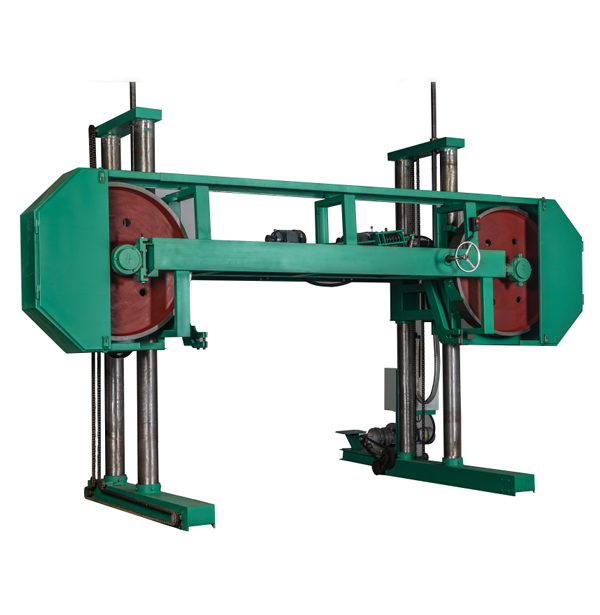
Heavy horizontal band saw machine model MJ378.
2. Technical Specifications and Power Requirements
Heavy machines demand significant power and robust construction. Review specifications carefully:
- Motor Power: Total output power for electric motors (380V, 50Hz, 3-phase) can range from approximately 42.55 kW for a 1500mm model to 61.3 kW for a 2500mm model.
- Saw Wheel & Blade: A larger saw wheel diameter (e.g., 1100mm) and wider blade (e.g., 150mm) are typical for stability and cutting large sections.
- Machine Weight & Dimensions: These machines are substantial, with weights starting around 2800 kg and overall dimensions requiring careful planning for factory layout.
3. Site Preparation and Supporting Equipment
Proper installation is crucial for performance and safety. The product operates via electrical control and requires supporting equipment such as an oil pump, electrical box, and track sleeper. It is designed for operation in high-temperature, high-humidity environments commonly found in sawmills.
Ensure the foundation is level and capable of supporting the machine's static and dynamic loads. Electrical supply must match the machine's requirements (typically 380V, 3-phase), and provisions for dust extraction and blade lubrication systems should be planned.
4. Operational Procedures and Safety
Adherence to operational guidelines is paramount. Key steps include:
- Pre-Operation Check: Inspect the band saw blade for cracks or dullness, ensure all guards are in place, and verify lubrication systems are functional.
- Log Loading & Positioning: Use appropriate lifting equipment to position logs securely on the feed carriage.
- Cutting Parameters: Set the desired thickness and height based on the machine's capabilities and the log's dimensions.
- Safety Protocols: Operators must be trained on emergency stop procedures. Machines should be equipped with an urgent stop button to halt operation immediately if necessary.
5. Maintenance and Blade Management
Regular maintenance ensures longevity and consistent cut quality. A primary operational risk is blade wear or dullness from prolonged use.
- Blade Sharpening: Dull blades increase power consumption and reduce cut quality. A supporting band saw blade grinding machine, such as the MF115 model, is used to sharpen blades. This machine can handle blade widths from 20-100mm.
- Tooth Set Maintenance: Over time, the tooth pitch on the band saw blade can become inconsistent. A band saw blade tooth picking machine, like the MF4050, is used to adjust the tooth pitch and sawing path.
- Routine Checks: Regularly inspect and tighten bolts, check hydraulic systems for leaks, and clean dust and debris from moving parts and protective covers.
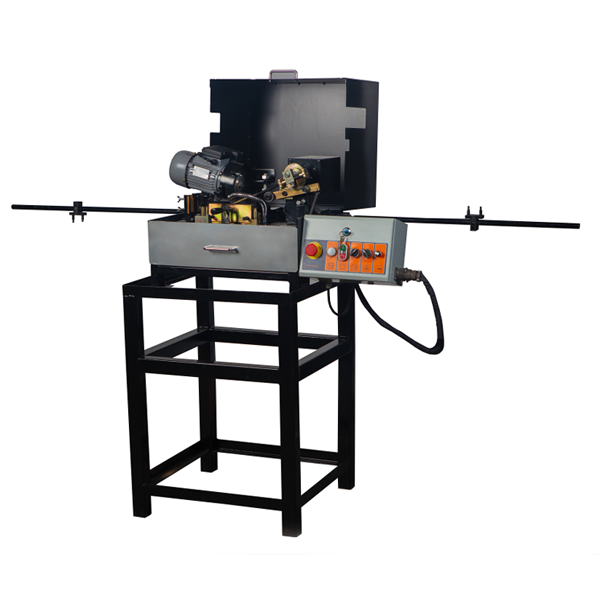
Band saw blade grinding machine model MF115.
6. Supplier Considerations and Support
When evaluating suppliers, consider their technical support, spare parts availability, and after-sales service. For instance, Hangzhou Lin'an Xinyang Machinery Co., Ltd. (brand XINYANGJX), founded in 2012, specializes in wood processing equipment. They offer OEM, ODM, and their own brand production, with a monthly capacity of around 30 pieces and a lead time of 30-50 days. Their after-sales support includes online or remote assistance.
Their products, including heavy horizontal band saw machines, are used in applications such as fast, precise, automatic sawing of logs and timbers in woodworking factories. Case studies indicate stable operation over periods ranging from one to ten years in markets including Africa, Southeast Asia, and South America.
7. Procurement and Logistics
Clarify Minimum Order Quantity (MOQ), delivery terms (e.g., FOB/EXW), payment methods (e.g., T/T), and acceptance procedures (e.g., pre-shipment testing) with your supplier. Factor in the total cost of ownership, including shipping for heavy machinery, installation, and long-term maintenance.
For detailed technical specifications and product line information, you can download the comprehensive brochure from Hangzhou Lin'an Xinyang Machinery Co., Ltd.: Download Product Brochure (PDF).