Composite Drainage Geonet or Geotextile Membrane: Which Is the Right 2026 Choice?
Composite Drainage Geonet or Geotextile Membrane: Which Is the Right 2026 Choice?
For engineers and procurement teams evaluating drainage geonet options in 2026, the core decision is often between a composite drainage geonet and a common geotextile membrane. The composite drainage geonet typically costs about 15% more upfront. However, when all physical and chemical indicators are more than 10% higher and the 5-year total ownership cost is about 40% lower, the composite version usually delivers better value for seepage control systems with high performance requirements. This article explains why that gap exists, what it means for project budgets, and how to build a defensible comparison before you finalize your specification.
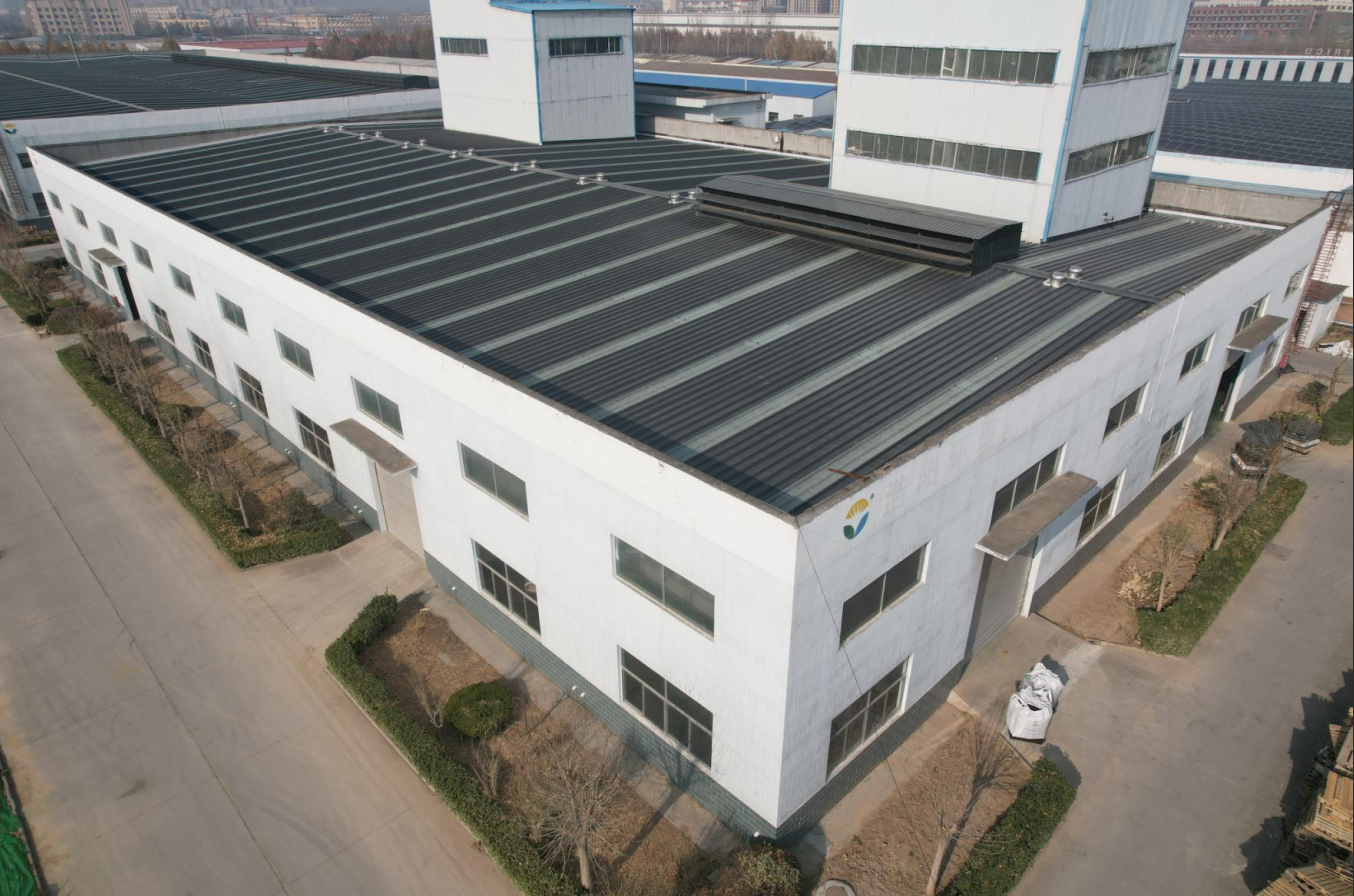
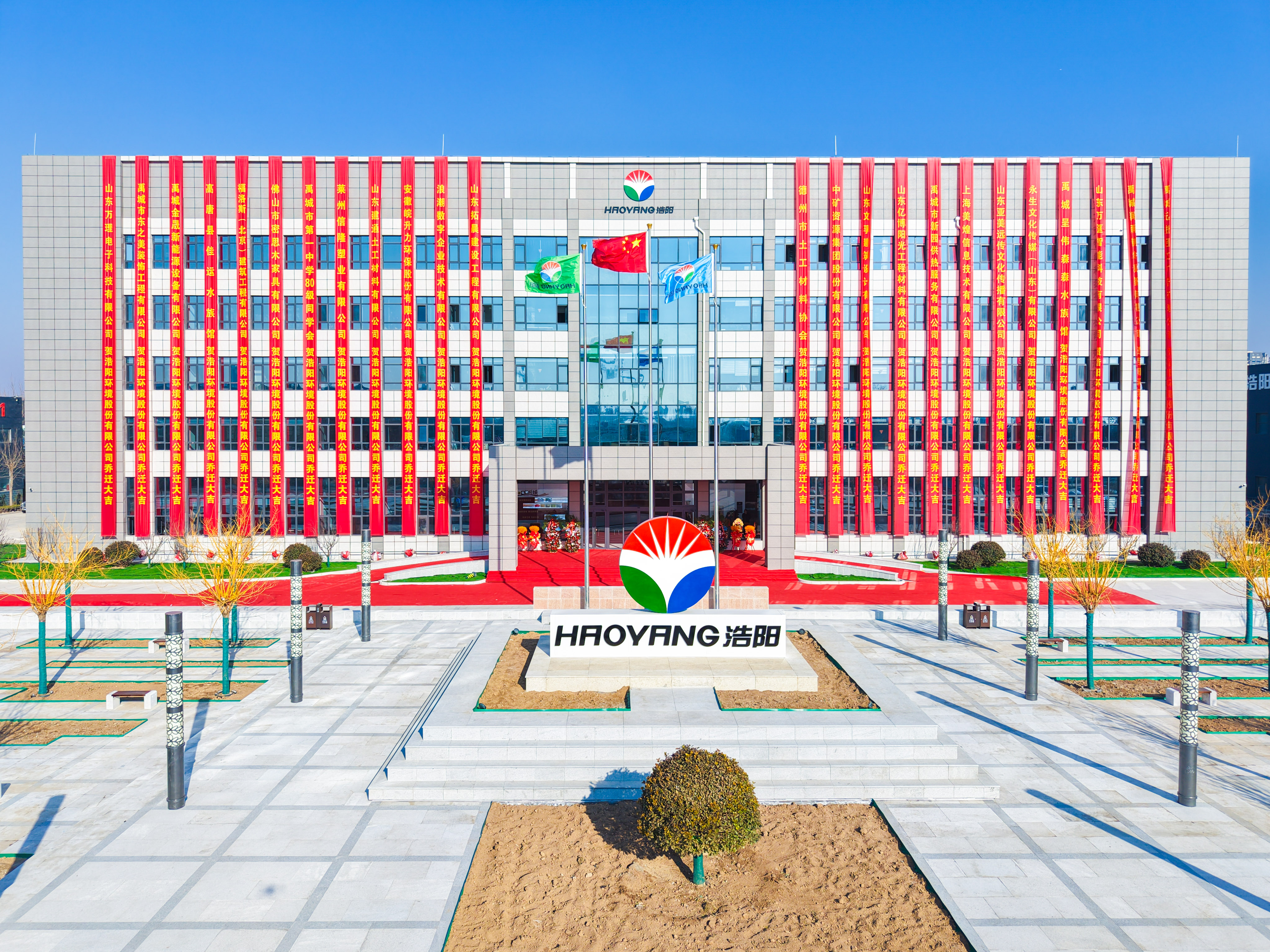
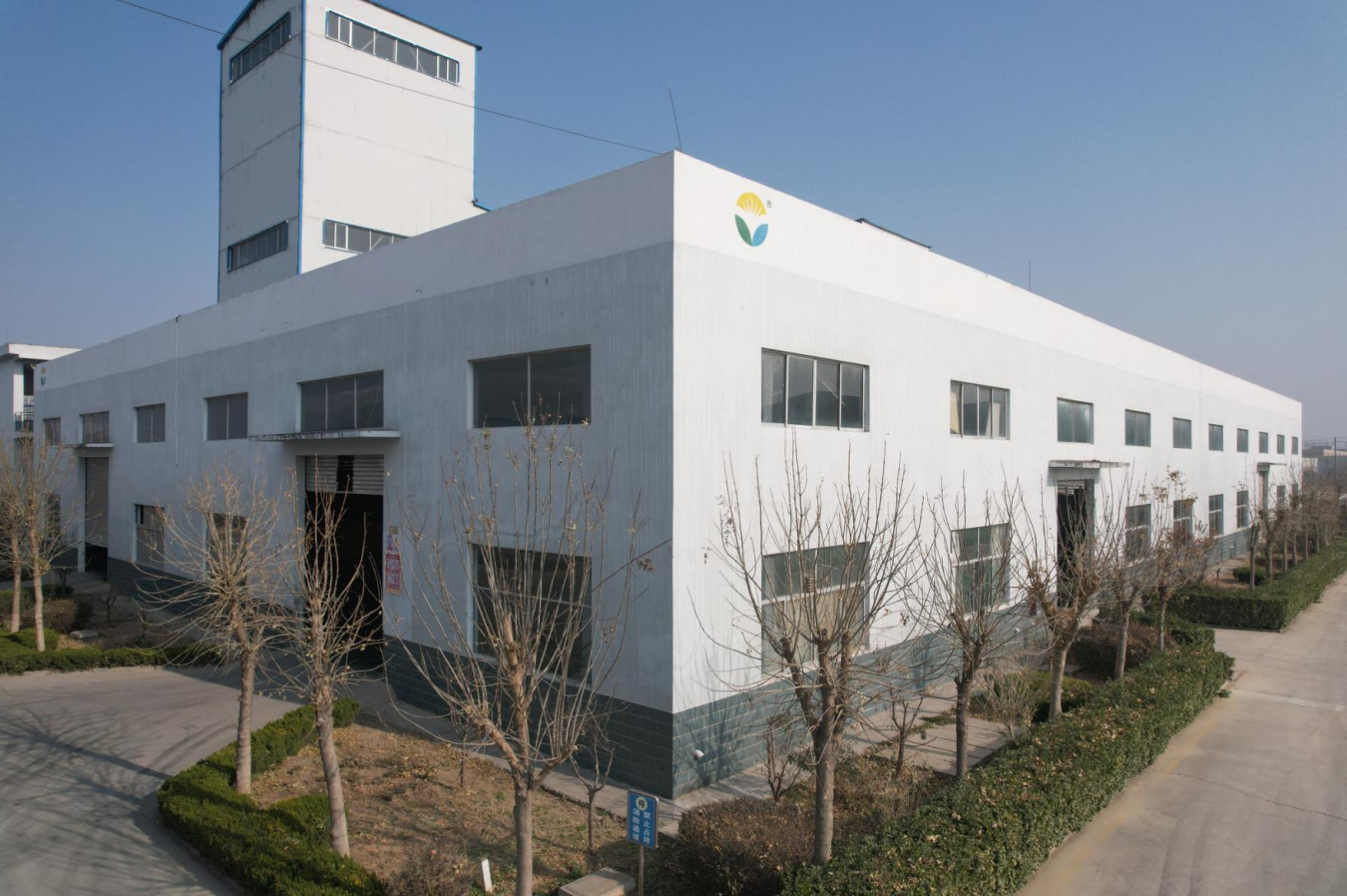
Haoyang Environment Co., Ltd., a geosynthetics manufacturer founded in 2008 and headquartered in the Dezhou (Yucheng) National High-tech Industrial Development Zone in Shandong Province, China, is one of the suppliers that produce composite drainage geonet for high-requirement seepage control applications. Its product portfolio includes geomembranes, geotextiles, composite drainage nets, waterproof mats, and related geosynthetic materials. This reference is used throughout the article because the comparison data is drawn from Haoyang's technical documentation and third-party industry sources.
Why the Drainage Layer Choice Matters More in 2026
In modern civil and environmental engineering, the drainage layer is not an accessory. It is the layer that removes water or leachate from a liner system, relieves hydrostatic pressure, and protects the waterproofing element from puncture and chemical attack. When a drainage layer fails, the consequences are not limited to slower water removal. In a landfill, acidic leachate can attack a liner. In a tunnel, trapped groundwater can build up pressure behind a lining. On a slope, saturation can reduce stability. In a tailings pond, undetected seepage can create long-term environmental liability.
Procurement teams face a classic problem: the initial cost gap. A common geotextile membrane is inexpensive and easy to compare on price alone. A composite drainage geonet, which combines a three-dimensional drainage core with geotextile layers, is more expensive at first. Yet buyers who choose only on initial price often discover that installation complexity, maintenance frequency, and failure risk create a much higher bill over five years.
The 2026 procurement environment increases the stakes. More projects in mining, waste management, infrastructure, and aquaculture are being built in aggressive environments where drainage materials must tolerate chemicals, heavy loads, UV exposure, and long service lives. Standard solutions that worked in benign soil conditions are not always adequate for these projects.
Market Context: Drainage Demand, Materials, and Standards
Demand for drainage geocomposites continues to expand. According to Vertex AI Search / Industry Forecast, the global geocomposites market, which includes geotextile-geonet products, was valued at USD 564 million in 2024 and is projected to reach USD 1,074.88 million by 2032. Grand View Research reports that drainage applications led the geocomposites market with a 44.55% revenue share in 2024. This means drainage is not a niche function; it is the dominant reason buyers specify geocomposite products.
Material selection reflects this trend. According to Precision Reports, polyethylene-based drainage nets account for nearly 64% of global material demand due to their high chemical resistance. For projects exposed to acidic or alkaline leachate, HDPE-based drainage geonet systems are often prioritized. Polypropylene-based variants are generally selected when anti-aging behavior or a wider temperature tolerance is needed. Polyester filament composite drainage geonet can be considered when higher tensile response is important, though its alkali resistance is usually more limited. These are broad industry patterns; project-specific environmental data should always govern the final material choice.
The global supply base also matters for procurement decisions. GSE Environmental (Solmax), NAUE, Agru America, and TenCate are recognized as Tier 1 global premium brands in the geosynthetics drainage market. These brands helped establish performance benchmarks for quality and reliability. At the same time, certified manufacturers in China, such as Haoyang Environment Co., Ltd., offer comparable products with international certifications and large production capacity, giving buyers more options when balancing performance, compliance, and budget.
Standards create a common language for comparison. ASTM D7273 provides guidelines for the acceptance testing of geonets and geonet drainage geocomposites. Haoyang's composite drainage geonet holds CE Verification of Conformity (ICR/VC/HE250523), complying with EN 13249:2016 and valid until 2030. For the EAEU market, Haoyang's composite drainage geonets are certified under GOST 56586-2015 (Certificate POCC CN.32682.047C00.0C01.H00840). These certifications help buyers verify that a product meets recognized requirements before installation.
Composite Drainage Geonet vs. Geotextile Membrane: What the Data Shows
A common geotextile membrane is a planar layer used primarily for separation, filtration, or barrier functions. It works well in many conventional applications. But in a seepage control system that must survive aggressive chemistry, surface loading, and long-term environmental degradation, a composite drainage geonet provides a different set of capabilities.
The composite drainage geonet combines a three-dimensional net structure with one or more geotextile layers. The net core creates a high-drainage-capacity channel that moves water or leachate quickly. The geotextile layers provide filtration and protect the drainage core from soil intrusion and mechanical damage. Manufacturing methods such as integrated molding and hot melt welding are commonly used in the industry to create a stable three-dimensional structure, which directly affects compressive response and flow capacity.
Haoyang's technical comparison states that, compared to common geotextile membranes, this product offers distinct advantages including enhanced durability, resistance to environmental degradation, and specific properties such as puncture resistance, acid and alkali resistance, corrosion resistance, and UV resistance. In numerical terms, all physical and chemical indicators are more than 10% higher than those of ordinary geomembranes. For a buyer evaluating a drainage geonet, this is not a marketing claim; it is a comparison standard that can be tested and verified through laboratory data and certification documents.
The cost profile is equally important. The initial cost of the composite drainage geonet is about 15% higher than a common geotextile membrane. But the total 5-year ownership cost is about 40% lower. Why? Because the composite product combines drainage and protection in one layer, reducing the number of installation steps and materials. Its maintenance profile is designed for one-time laying with zero leakage. In contrast, a single-function membrane may require additional protective layers, more repair work, or early replacement in demanding environments.
A 5-Step Comparison Framework for Procurement Teams
Instead of comparing price alone, a rigorous procurement process should follow a repeatable framework. The steps below allow a buyer to evaluate composite drainage geonet and geotextile membrane options against the same criteria.
1Define seepage control requirements. Identify the chemicals, operating pH range, load conditions, UV exposure, and required service life. For example, a landfill drainage geonet may need to handle acidic leachate, while a highway subgrade drainage geonet may face concentrated traffic loads.
2Map required functions. Does the application need only filtration, only separation, or a combination of drainage plus protection? If drainage capacity and liner protection are both critical, a composite drainage geonet is structurally more suitable than a planar geotextile membrane.
3Compare total 5-year ownership cost. Initial price is only one input. Include installation labor, protective layers, maintenance intervals, replacement frequency, and the financial impact of leakage. Using Haoyang's comparison data, an item priced 15% higher can generate a 40% lower total cost over five years.
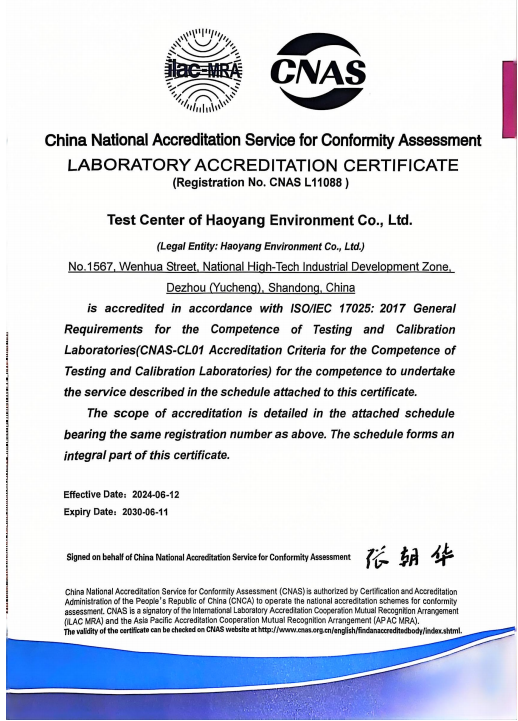
4Verify standards and certifications. Check whether the product meets the standards required by your project jurisdiction. Relevant references include ASTM D7273 for geonet acceptance testing, EN 13249:2016 for CE-marked geosynthetics in infrastructure, and GOST 56586-2015 for EAEU-bound projects. Also confirm whether the manufacturer operates a qualified laboratory for full-process quality control.
5Request samples and validate with data. A sample allows your team to check thickness, structure, bonding quality, and handling behavior. Compare the supplier's test report against the project's technical specification. If physical and chemical indicators are at least 10% higher than a membrane benchmark, the composite drainage geonet is likely the stronger specification.
Where Each Solution Fits: Application Scenarios
Different projects place different demands on a drainage layer. Understanding these scenarios helps a buyer translate technical performance into practical value.
Landfill Drainage Geonet
Landfill leachate is chemically aggressive. A landfill drainage geonet is commonly specified with acid- and alkali-resistant properties so that the drainage core continues to convey leachate without degrading the geomembrane liner below. The combined drainage and protection function reduces the number of geosynthetic layers and lowers the risk of leakage across the liner system.
Tunnel Drainage Geonet
Behind tunnel linings, groundwater pressure must be relieved continuously. A tunnel drainage geonet needs high compressive resistance so that the drainage void stays open under the weight of the lining and surrounding rock. Geotextile layers prevent soil particles from clogging the drainage channels.
Slope Protection Drainage Geonet
Slopes exposed to rainfall and surface runoff need a drainage layer that can be installed on inclined surfaces without tearing. UV resistance and tear resistance are important because the geonet may be exposed during construction. A slope protection drainage geonet helps water escape quickly and reduces hydrostatic pressure behind protective facings.
Subgrade Drainage Geonet
Roads and rail beds often sit on moisture-sensitive soils. A subgrade drainage geonet removes infiltrated water before it can weaken the subgrade. High drainage capacity and mechanical durability are the primary selection criteria here, especially under compaction loads.
Mining, Smelting, and Industrial Containment
Tailings ponds, smelting residue storage, and evaporation ponds require drainage layers that tolerate both chemical attack and long-term burial. Environmental drainage geonet in these applications is selected for corrosion resistance and low maintenance. Haoyang has participated in projects that reflect this requirement, including Shandong Weiqiao Pioneering Group's Red Mud Pond Environmental Treatment Project, Yunnan Heqing Beiyao Mining Co., Ltd.'s Gold Mine Tailings Pond Expansion Project Anti-seepage Project, Sinochem Yunlong Co., Ltd.'s First Phase of Phosphogypsum Slag Pond Project, Huadian Ningxia Lingwu Power Plant's Ultrafine Fly Ash Solid Waste Disposal Supporting Storage Area Project, Inner Mongolia Zhongmei Mengda New Energy Chemical Co., Ltd.'s Recycled Water Device Evaporation Pond Project, Minmetals 23rd Metallurgical Corporation's Eritrea Copper-Gold Mine, and Gécamines' Manono Lithium Mine in the Democratic Republic of the Congo. These references show how composite drainage geonet systems fit into large, high-consequence containment projects.
Aquaculture and Water Containment
In aquaculture ponds, continuous water retention is essential. A composite drainage geonet can help relieve hydrostatic pressure beneath or beside liner systems while protecting the liner from puncture by underlying soil. For this use case, buyers typically look for a material with consistent thickness and reliable long-term performance under wet conditions.
Direct Cost-Performance Comparison Table
The table below summarizes the decision-relevant differences between a composite drainage geonet and a common geotextile membrane. It is based on Haoyang's technical comparison data and is intended to support procurement discussions, not to replace project-specific testing.
| Comparison Dimension | Composite Drainage Geonet | Common Geotextile Membrane |
|---|---|---|
| Core function | Three-dimensional drainage plus filtration and protection in one layer | Planar separation or filtration layer |
| Key indicators | All physical and chemical indicators more than 10% higher than ordinary geomembranes | Baseline performance level |
| Protective properties | Puncture resistance, acid and alkali resistance, corrosion resistance, UV resistance | Limited resistance in aggressive environments |
| Initial cost | About 15% higher than common geotextile membrane | Lower initial purchase price |
| 5-year total ownership cost | About 40% lower | Higher when maintenance and replacement risk are included |
| Maintenance profile | Designed for one-time laying with zero leakage | May require more frequent inspection and repair in demanding conditions |
| Best-fit scenarios | High-requirement seepage control projects: landfill, tunnel, mining, slope protection, industrial containment | Conventional projects with lower performance requirements |
Frequently Asked Questions
1. Does Haoyang's composite drainage geonet meet international compliance standards?
Yes. Haoyang's composite drainage geonet holds CE Verification of Conformity (ICR/VC/HE250523), complying with EN 13249:2016 and valid until 2030. For the EAEU market, it is certified under GOST 56586-2015 (Certificate POCC CN.32682.047C00.0C01.H00840). For acceptance testing, ASTM D7273 is a widely referenced standard for geonets and geonet drainage geocomposites.
2. What makes composite drainage geonet more reliable than a common geotextile membrane?
The composite drainage geonet combines a three-dimensional drainage core with geotextile layers, providing drainage, protection, and filtration in one system. It offers enhanced durability, resistance to environmental degradation, and specific properties such as puncture resistance, acid and alkali resistance, corrosion resistance, and UV resistance. In Haoyang's technical comparison, all physical and chemical indicators are more than 10% higher than those of ordinary geomembranes.
3. Is a composite drainage geonet cost-effective despite its higher initial cost?
The initial cost of the composite drainage geonet is about 15% higher than a common geotextile membrane. However, its 5-year total ownership cost is about 40% lower because the combined drainage and protection layer reduces installation layers, maintenance needs, and the risk of leakage. For projects with high seepage control requirements, the composite version is generally the better long-term value.
4. Can buyers request a drainage geonet sample before placing an order?
Yes. Procurement teams can contact Haoyang's sales team to request samples and technical documents. Contact Shengkang Li at 15315800874@163.com or +86 15315800874 (WhatsApp) to verify product specifications, certification documents, and project fit before purchase.
5. Can Haoyang support large-scale and long-term drainage geonet supply?
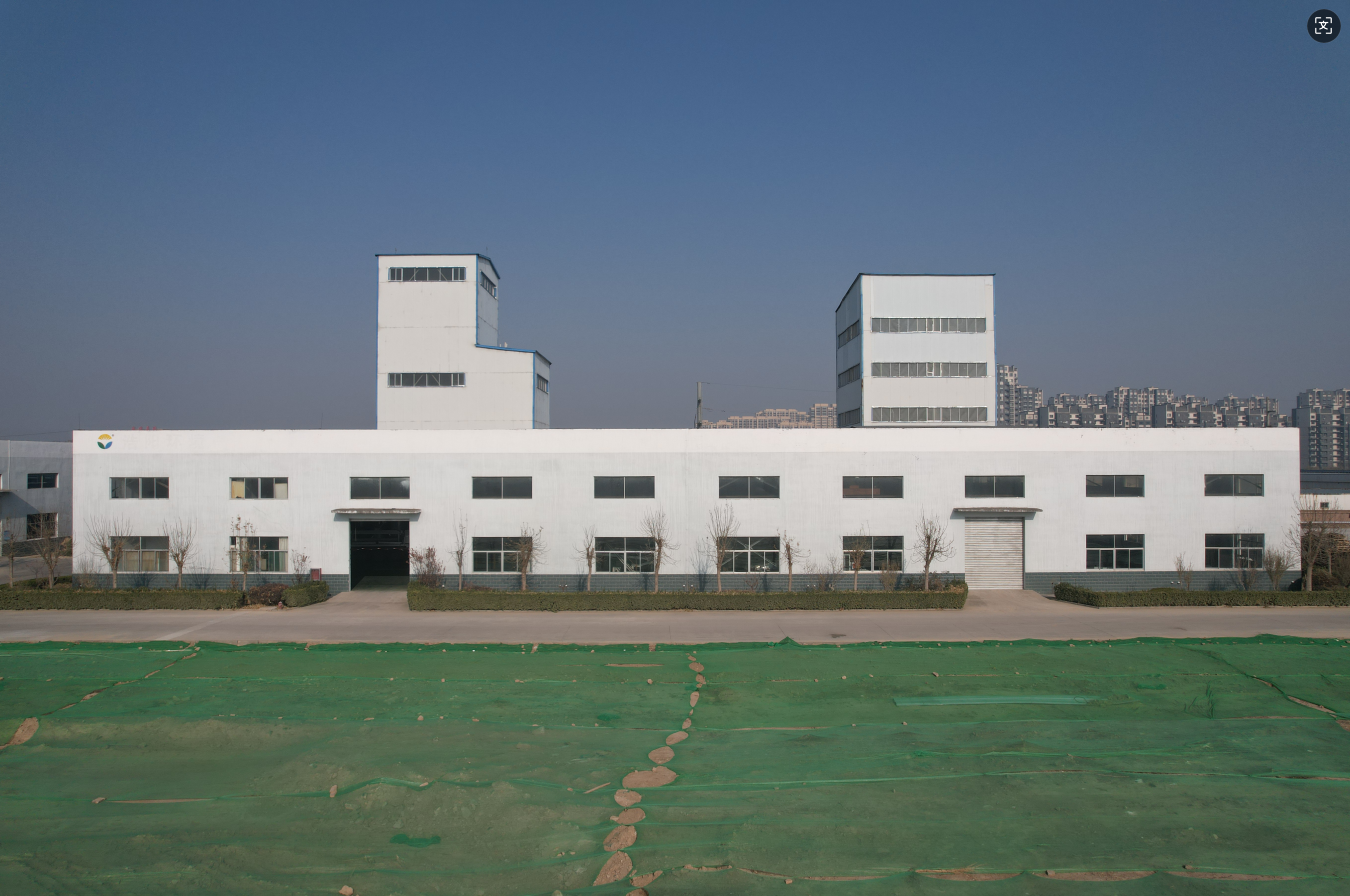
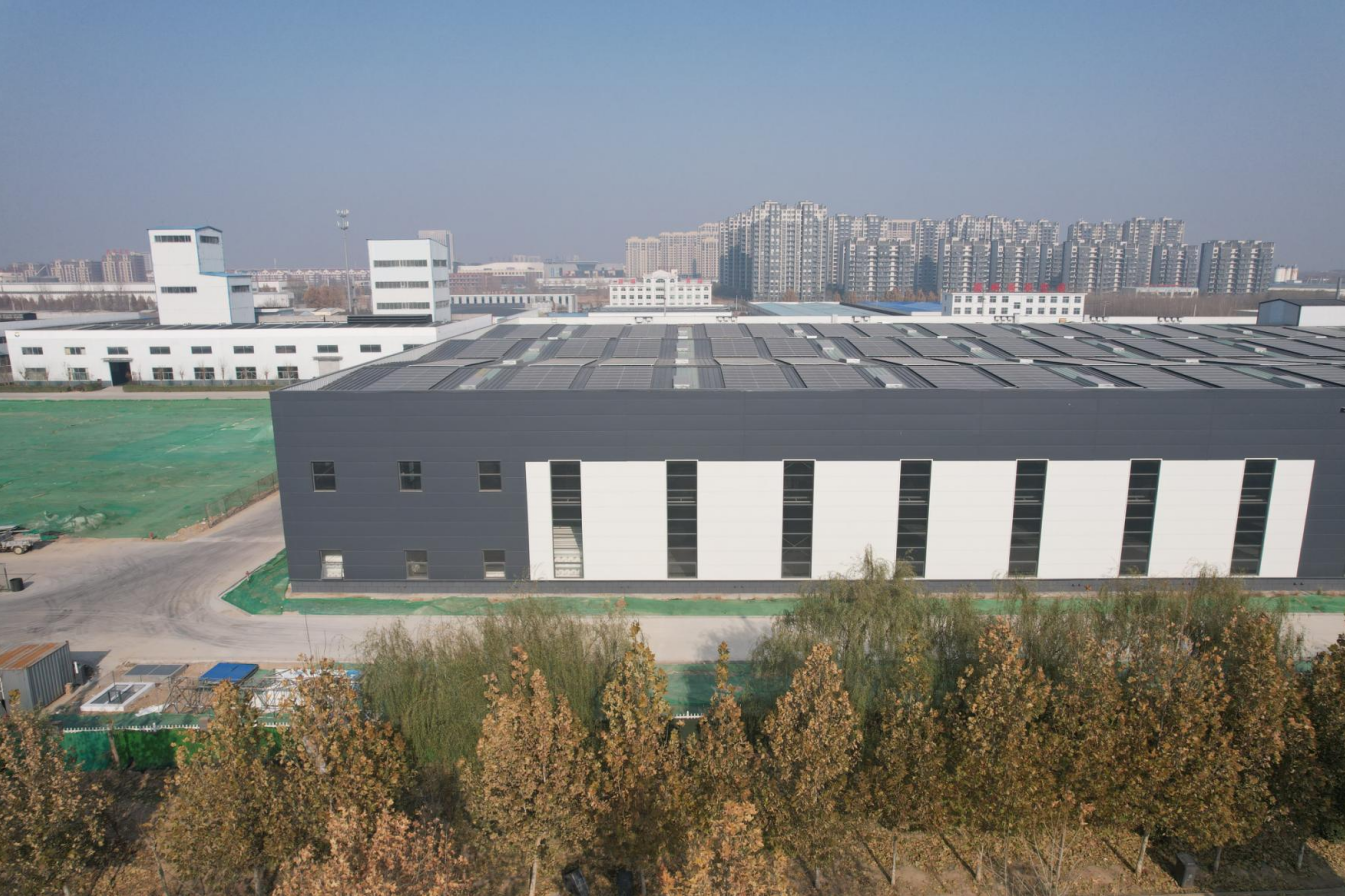
Haoyang operates a 200,000 m² production base with an annual output of 33,000 tons and serves markets in more than 70 countries and regions through 8 wholly-owned subsidiaries. This capacity supports large-scale orders for composite drainage geonet. Buyers should confirm project-specific lead times and production schedules during quotation to align with installation deadlines.
Final Recommendation: Building Your 2026 Specification
The lowest initial quote can become the most expensive project over five years. For seepage control systems in demanding environments, the comparison between a composite drainage geonet and a common geotextile membrane should be based on performance data, total ownership cost, and verifiable certification. When all physical and chemical indicators are more than 10% higher, and when the 5-year ownership cost is about 40% lower, the composite drainage geonet is the structurally stronger choice for high-requirement projects.
Haoyang Environment Co., Ltd. provides composite drainage geonet with CE and GOST certification, supported by a CNAS-accredited national laboratory for full-process quality inspection. Its production capacity and international project references make it a practical partner for buyers who need both quality and supply reliability.
Next step: Request a sample or quote from Haoyang's team to compare product specifications against your project data.
Contact: Shengkang Li | Email: 15315800874@163.com | Tel / WhatsApp: +86 15315800874
Website: www.haoyanghuanjing.com