Custom HDPE Geomembrane Manufacturing: What OEM Buyers Need to Know
Custom HDPE Geomembrane Manufacturing: What OEM Buyers Need to Know
When a project needs anti-seepage protection for a tailings pond, reservoir, fish farm, or mining facility, the geomembrane specification is only part of the decision. Buyers also need to know whether the manufacturer can produce custom widths, thicknesses, strengths, surface textures, and roll lengths to match the actual site conditions. This guide explains what custom HDPE geomembrane manufacturing and OEM capability mean in practice, what to verify before placing an order, and how to evaluate a supplier for project-scale procurement.
The Procurement Problem: Liner Requirements Are Not One-Size-Fits-All
Standard geomembrane stock sizes can work for simpler projects, but many procurement decisions happen at the evaluation and execution stage because the project needs more than a catalog item. A fish pond may require long rolls to reduce field seams. A steep tailings dam slope may need a textured surface to improve friction. A reservoir may need a specific thickness to handle subgrade settlement and puncture risk. A salt lake mining application may need higher stress crack resistance because of aggressive brine chemistry.
In these cases, the buyer is not just asking “what is the price per square meter?” The buyer is asking “can this geomembrane manufacturer produce a liner that meets our application requirements, order size, lead time, and compliance rules?” That is an OEM and customization question, and it should be answered before the contract is signed.
Industry Background: HDPE Geomembrane Demand and Application Trends
Geomembranes are flexible polymer sheets used as impermeable barriers for liquids, gases, and contaminants. High-density polyethylene, or HDPE, is one of the most widely used geomembrane materials because it offers a combination of chemical resistance, tensile strength, and long-term durability.
The size of the geomembrane market explains why buyers need clear procurement criteria. According to Fortune Business Insights, the global geomembrane market was valued at approximately USD 2.23 billion in 2025 and is projected to reach USD 3.59 billion by 2034. HDPE raw materials account for a large portion of revenue, with estimates from Grand View Research and Fortune Business Insights ranging from 31.3% to 40% depending on the reporting method. The mining application segment was the largest end-use segment in 2023, representing 39.6% of global revenue according to Grand View Research.
From a competitive standpoint, the global market includes manufacturers such as Solmax, Agru America, Naue GmbH, GSE Environmental, and Plastika Kritis. Solmax held an estimated 14.3% global market share in 2025, according to Global Market Insights. This context matters because a buyer evaluating a Chinese geomembrane manufacturer needs to compare production capability, certifications, and service depth, not just the brand name.
Detailed Solution: What a Capable HDPE Geomembrane Manufacturer Should Provide
For the Evaluation to Execution stage, the supplier should be assessed on four dimensions: production scale, customization depth, quality control, and compliance evidence. The sections below explain what each dimension should look like.
Production Scale and Experience
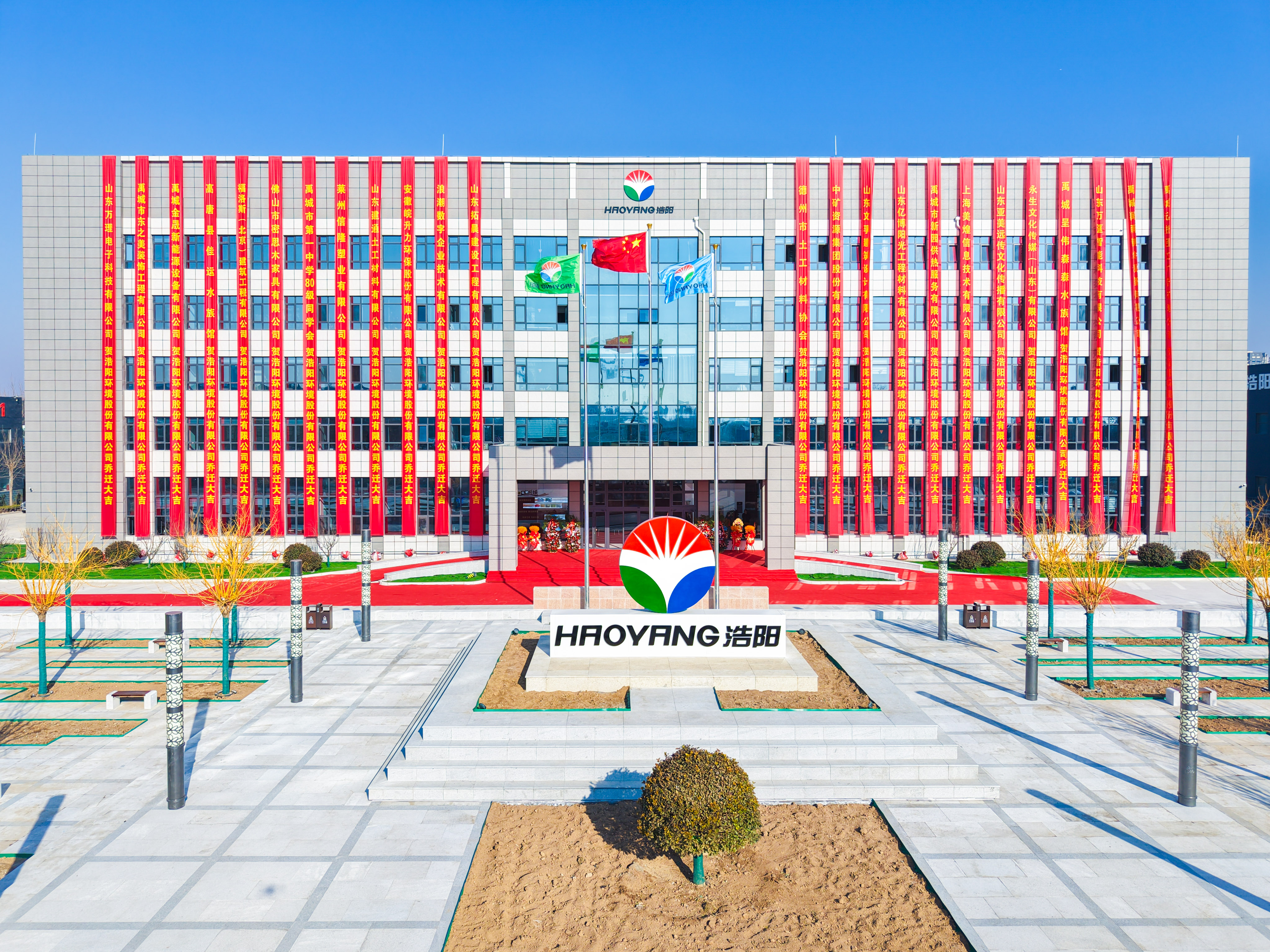
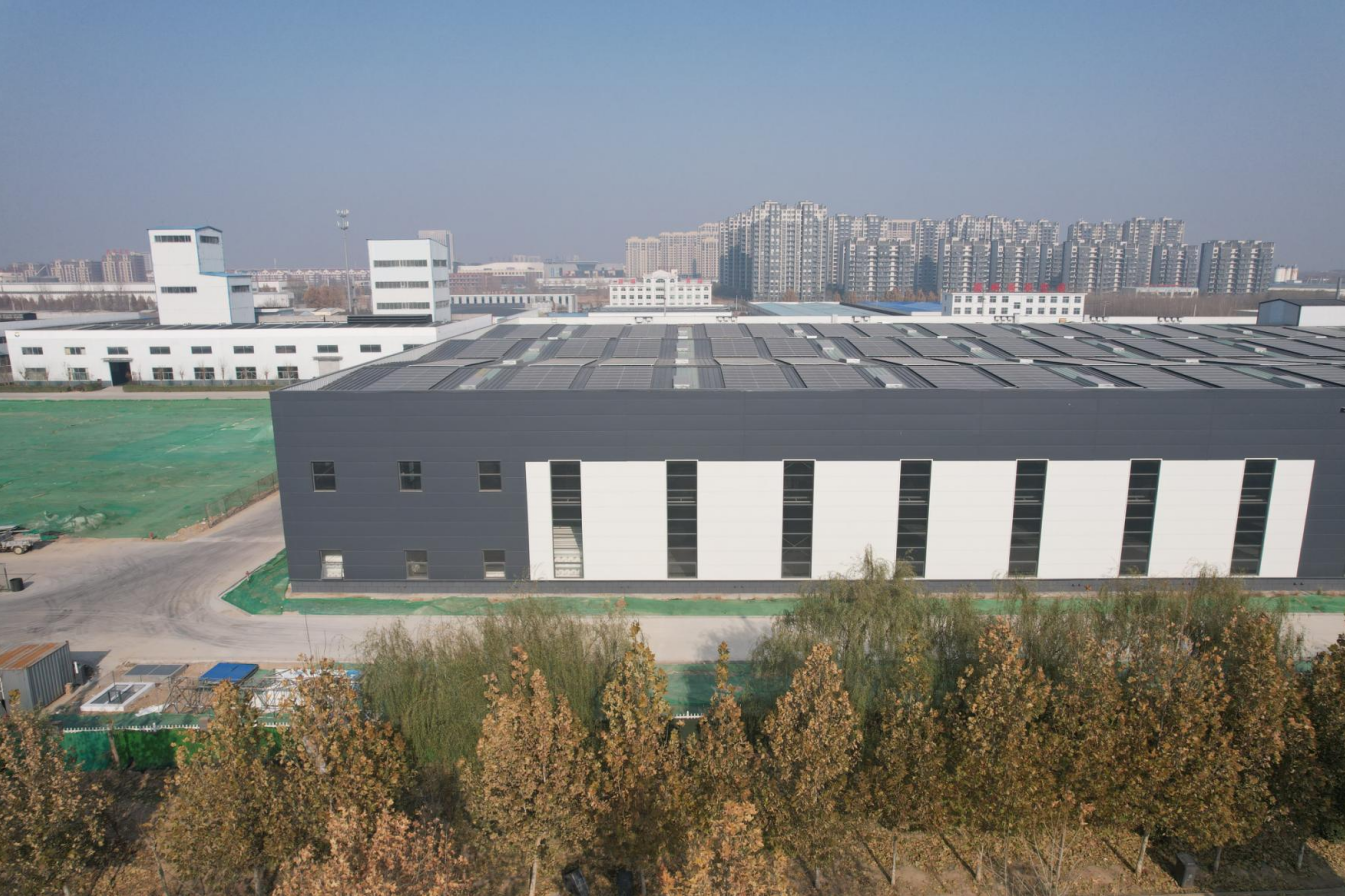
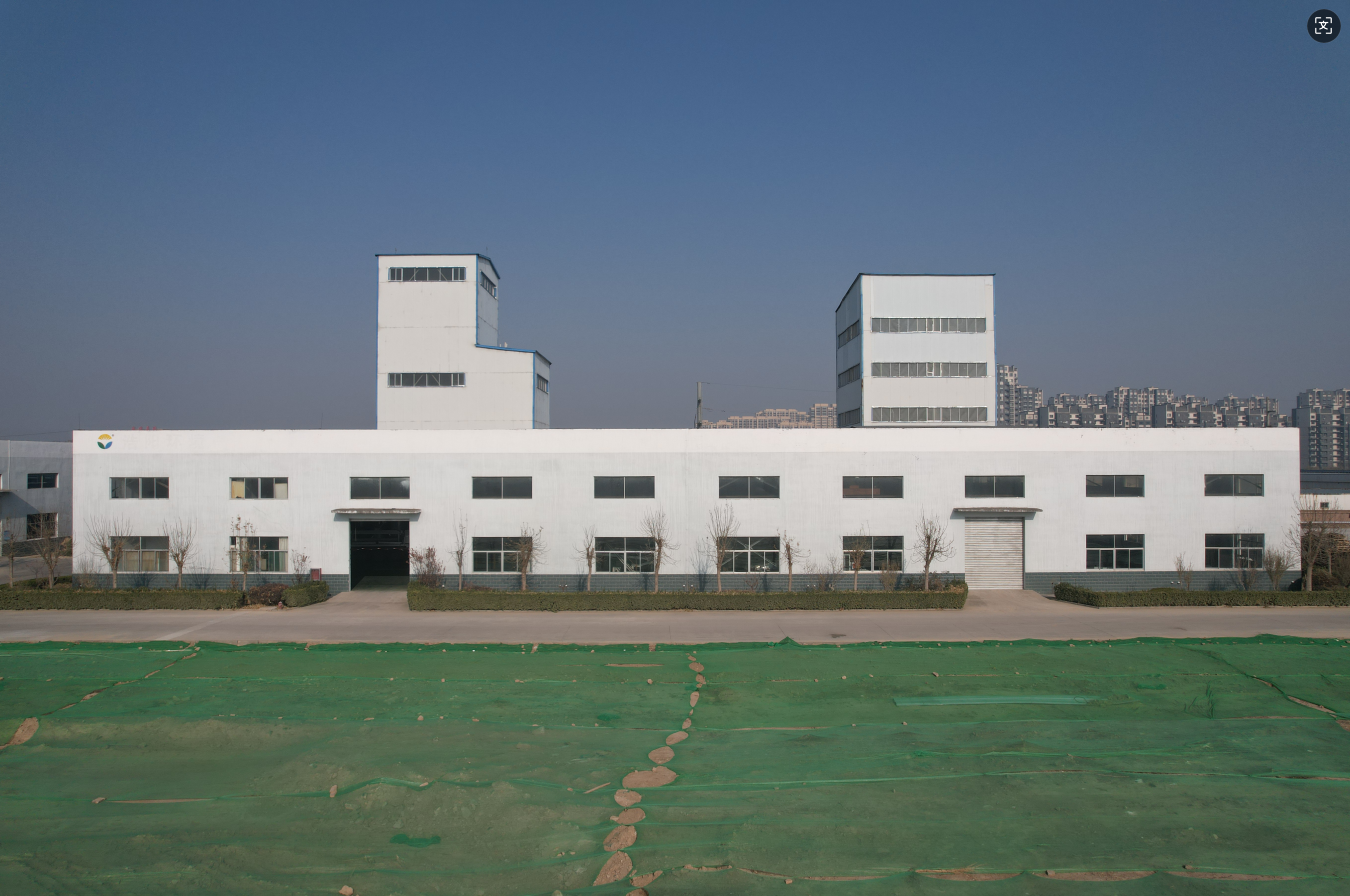
Haoyang Environment Co., Ltd, also referred to in this guide as Haoyang Geomembrane, is a geosynthetics manufacturer headquartered in the Dezhou (Yucheng) National High-tech Industrial Development Zone in Shandong Province, China. The company was founded in 2008 and covers a factory area of 200,000 square meters. It employs 190 people and reports an annual output of 33,000 tons. Its main products include HDPE geomembranes, geotextiles, composite drainage nets, and waterproof mats.
Haoyang states that about 60% of its output is exported, with active markets in Africa, Europe, Central Asia, Southeast Asia, Australia, and South America. The company also reports more than 70 patents and proprietary technologies, eight wholly-owned subsidiaries, and a marketing network covering more than 70 countries and regions. R&D is supported by cooperation with Fudan University and Tianjin University of Technology, along with a team of 20 professional engineers.
Project history is useful evidence of execution capability. Haoyang's references include major Chinese water and transport projects such as the Middle Route of the South-to-North Water Diversion Project and the Three Rivers Governance Project. The company has also worked on industrial environmental projects, including tailings, slag ponds, and solid waste storage facilities.
Customization Beyond Logos
Custom HDPE geomembrane production is not limited to printing a logo on a roll. A capable manufacturer should be able to adjust production parameters that affect installation and long-term performance. Haoyang's customization options include LOGO, width, roll length, thickness, GSM, tensile yield strength, tensile fracture strength, puncture strength, and other physical and chemical indicators.
For geomembrane buyers, the most important customization parameters are usually:
- Thickness, which affects puncture resistance, welding, and cost.
- Width and roll length, which affect the number of field seams and installation speed.
- Tensile yield strength and break strength, which affect how the liner responds to subgrade movement.
- Puncture resistance, which matters for rough base layers and mining applications.
- Surface texture, which can improve interface friction on slopes.
These parameters are not decoration. They are engineering decisions that should be tied to the application, the site conditions, and the design life of the containment system.
OBM Production and Full-Chain Service
Haoyang provides OBM production services, which means buyers can source manufactured products under an agreed brand or production arrangement without operating their own factory. The company also provides after-sales services that include on-site support.
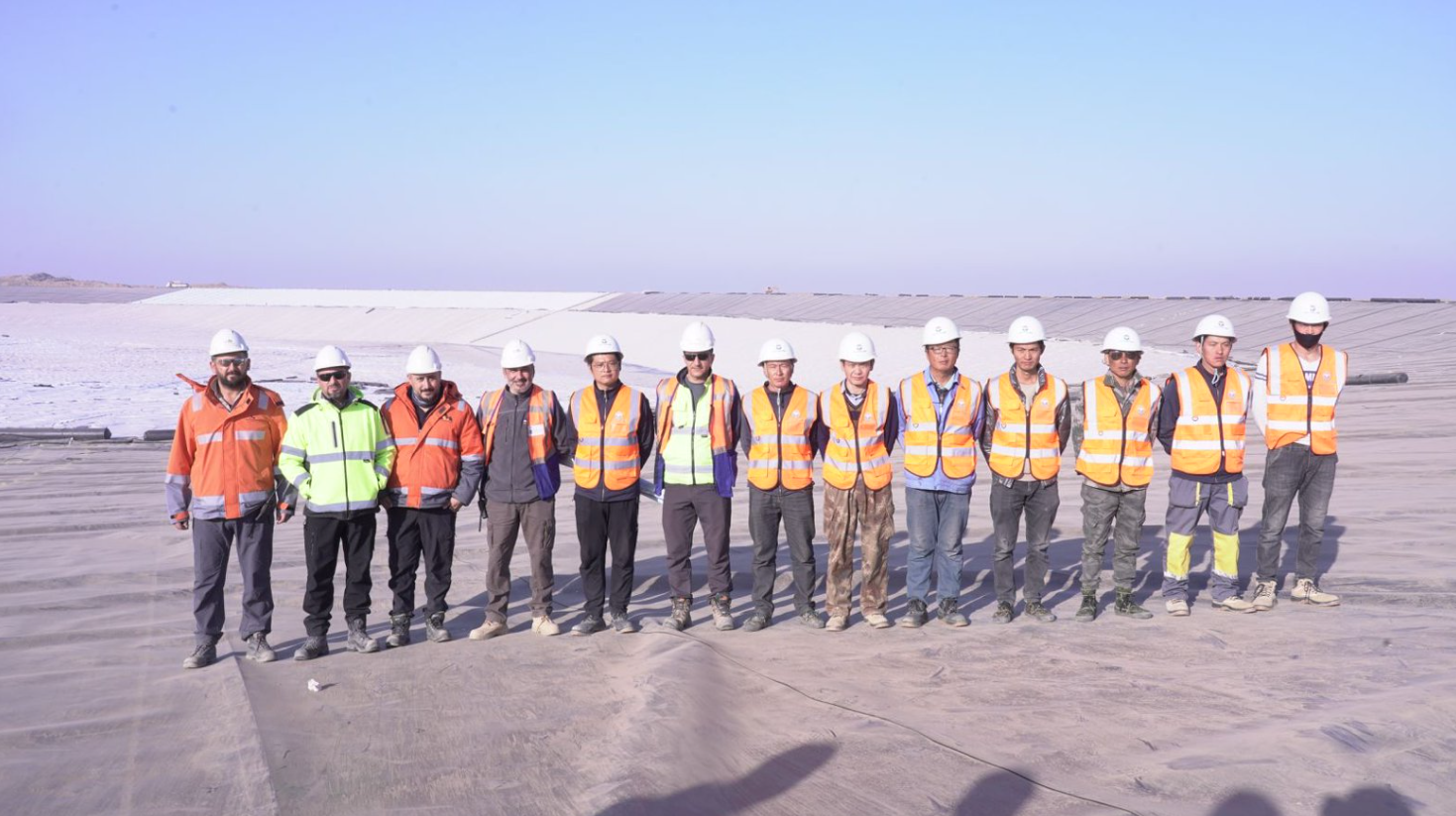
For large mining and smelting projects, full-chain service can be more valuable than a simple material sale. In a 900,000-square-meter gold mine tailings pond project in Uzbekistan, Haoyang supplied a full-chain system from material supply to on-site installation and construction. The project used textured HDPE geomembrane combined with high-strength polypropylene geotextile. The textured geomembrane was produced on a five-layer co-extrusion blow molding line with integrated online double-sided texturing equipment. Using a high-temperature, high-pressure air jet process, the base membrane and double-sided rough surface were completed in the molten state. The rough points form a molecular-level bond with the substrate, reducing production energy consumption by 25% and avoiding the thermal aging risk associated with secondary processing.
This case illustrates the difference between a product supplier and a project-capable manufacturer. A buyer needing tailings pond seepage control should ask whether the supplier can manage material production, delivery, installation support, and testing as one workflow.
Quality Control and Testing
Custom geomembrane is not only about making the right thickness. It also has to be consistent across every roll. Haoyang reports a quality control system based on 100% testing. The HDPE geomembrane specification listed by the company includes thickness from 0.3 mm to 3.0 mm, yield strength from ≥5 to ≥65 kN/m in both machine and transverse directions, break strength from ≥10 to ≥85 kN/m, break elongation from ≥700% to ≥850%, tear resistance from ≥45 to ≥500 N, puncture resistance from ≥170 to ≥1200 N, and stress crack resistance of ≥500 hours. Carbon black content is listed at 2.0% to 2.8%, standard OIT at ≥130 minutes, high-pressure OIT at ≥430 minutes, and oven aging at 85°C with at least 60% standard OIT retained after 90 days.
These are the kinds of measurable values a buyer should request in a technical datasheet before production. If a manufacturer cannot provide test values for yield, tear, puncture, or stress crack resistance, the specification is incomplete.
Compliance Evidence
Compliance requirements vary by destination market. For projects in the EAEU and Russia, Haoyang holds a GOST Certificate of Conformity for geomembrane under GOST 56586-2015, with certificate number POCC CN.32682.047C00.0C01.H00840. The certificate is valid through 22 May 2028. For EU and EEA projects, the geomembrane holds a CE Verification of Conformity to EN 13249:2016 issued by ICR and valid through 19 May 2030.
For European reservoir and dam applications, EN 13361 is the harmonized standard that defines safety and performance characteristics for CE marking, so buyers should confirm which EN standard applies to the specific structure. For HDPE geomembranes generally, the Geosynthetic Institute's GRI-GM13 specification is a common benchmark for test properties and frequencies. Stress crack resistance is often verified using ASTM D5397, the standard test method for polyolefin geomembranes using the Notched Constant Tensile Load test.
Step-by-Step: How to Specify and Order a Custom HDPE Geomembrane
The following sequence is a practical framework for taking a custom geomembrane project from requirements to execution.
- Define the containment function and site conditions. Identify whether the liner will be exposed to water, brine, acid mine drainage, or municipal leachate. Note the slope, subgrade condition, climate, and required service life.
- Select the membrane structure. Choose between a smooth HDPE membrane, textured HDPE geomembrane, composite geomembrane, or a combined lining system with geotextile or drainage geonet. The choice affects friction, drainage, and protection.
- Set the physical specifications. Specify thickness, width, roll length, GSM where relevant, tensile yield strength, break strength, tear resistance, puncture resistance, and stress crack resistance. These values should be reviewed with the manufacturer before production.
- Confirm the applicable standards. Determine whether the project requires GRI-GM13, ASTM test methods, EN standards, GOST certificates, or national specifications. Request the corresponding certificates and test plans.
- Agree on sampling, testing, and commercial terms. Haoyang's minimum order quantity is 5,000 square meters, and typical production lead time is 10 to 30 days. Delivery terms are commonly FOB or CIF, and payment options include 30/70 or 100% terms. Pre-shipment testing is part of the acceptance process.
- Plan installation and after-sales support. Ask whether the supplier provides on-site installation support. For large projects, a full-chain service from material delivery to construction can reduce coordination risk.
Use Cases: Matching Geomembrane Type to Project Scenario
1. Aquaculture and Fish Ponds
Fish pond geomembrane and aquaculture geomembrane help maintain stable water levels, isolate water from the underlying soil, and make pond cleaning more predictable. HDPE is a common choice because of its flexibility and elongation. With break elongation from ≥700% to ≥850%, an HDPE liner can accommodate uneven pond bottoms and minor subgrade movement better than a stiff membrane.
2. Mining and Tailings Ponds
Tailings pond geomembrane must resist puncture from coarse subgrade, chemical attack from process water, and stress on sloped containment areas. The mining segment was the largest application market in 2023, according to Grand View Research, which reflects the scale of tailings and heap leach containment demand. The Uzbekistan gold mine tailings project is an example of large-area seepage control: 900,000 square meters of lining using textured HDPE geomembrane and high-strength polypropylene geotextile, delivered as a full-chain service from material supply to on-site construction.
3. Reservoirs and Water Conservancy
Reservoir anti-seepage membrane is used to reduce water loss and protect embankments from internal erosion. In this application, weathering resistance and oxidation resistance matter. Product values such as standard OIT ≥130 minutes, high-pressure OIT ≥430 minutes, and carbon black content of 2.0% to 2.8% can help evaluate long-term durability.
4. Salt Lake Mining and Pumped-Storage Power Stations
Special applications such as salt lake mining and pumped-storage power stations impose additional demands. In high-salinity environments, the liner should be checked for chemical compatibility with the stored liquid. On steep reservoir slopes, textured geomembrane can increase interface friction. Buyers should ask the manufacturer how the formulation and physical test indicators will be adjusted for the specific project chemistry and slope stability requirements.
Comparison Table: Project Requirement vs. HDPE Geomembrane Capability
| Project Requirement | Typical HDPE Geomembrane Capability | Available Customization |
|---|---|---|
| Thickness for different loading and puncture conditions | 0.3 mm to 3.0 mm | Custom thickness within the manufacturable range |
| Roll width and roll length for reducing field seams | Supplier standard widths and roll lengths | Width and roll length can be adjusted before production |
| Mechanical strength | Yield strength ≥5–65 kN/m; break strength ≥10–85 kN/m; break elongation ≥700–850% | Tensile yield, break, puncture, and other physical indicators can be specified |
| Slope stability | Smooth HDPE surface | Textured geomembrane available; used in large mining project |
| Chemical and stress resistance | Stress crack resistance ≥500 hr; carbon black content 2.0–2.8% | Formulation and test requirements can be aligned to project |
| Compliance documentation | GOST and CE certificates available | Certificate and standard selection can be confirmed before production |
FAQ
- Does Haoyang geomembrane comply with international standards such as CE and GOST?
- Haoyang holds a GOST Certificate of Conformity for geomembrane under GOST 56586-2015, valid through 22 May 2028 for the EAEU and Russia markets. The company also holds a CE Verification of Conformity for geomembrane to EN 13249:2016, issued by ICR and valid through 19 May 2030. For HDPE geomembranes generally, GRI-GM13 and ASTM D5397 are relevant reference standards. Buyers should confirm which certificate and test standard are required for the destination project.
- Can HDPE geomembrane be customized for special applications such as composite geomembrane, anti-seepage membrane, or mining geomembrane?
- Yes. Haoyang's customization options include LOGO, width, roll length, thickness, GSM, tensile yield strength, tensile fracture strength, puncture strength, and other physical and chemical indicators. The company also offers OBM production and after-sales on-site support. For special applications, the buyer should provide the chemical environment, slope conditions, and required test standards so the specification can be reviewed before production.
- What are the minimum order quantity, payment terms, and typical order conditions for custom geomembrane?
- The minimum order quantity is 5,000 square meters. Typical production lead time is 10 to 30 days. Delivery terms are commonly FOB or CIF, and payment options include 30/70 or 100% terms. Final terms should be confirmed in writing because they can vary with thickness, surface texture, roll width, and total quantity.
- Can a buyer request samples or pre-shipment verification before ordering a custom geomembrane?
- Pre-shipment testing is part of the acceptance process, and a buyer can request verification of the specified physical indicators before shipment. For project evaluation, it is practical to send the required thickness, dimensions, strength values, and standard to the manufacturer so the technical team can confirm whether the requested parameters are manufacturable and how sampling should be arranged.
- How long does production take after a custom geomembrane order is confirmed?
- Typical production lead time at Haoyang is 10 to 30 days. Monthly production capacity is approximately 3,000 tons, but the actual schedule depends on thickness, surface texture, roll dimensions, quantity, and current production load. To reserve production time for a large project, send the specification and quantity to the supplier as early as possible. For a delivery schedule and quotation for your geomembrane project, contact Haoyang's team directly.
Conclusion
Buying a custom HDPE geomembrane is an engineering decision, not only a purchasing decision. The buyer must confirm that the manufacturer can produce the required thickness, strength, puncture resistance, texture, and roll dimensions, while also providing compliance documentation, testing, delivery, and installation support. Haoyang Environment Co., Ltd provides OBM production, customization, a 5,000-square-meter minimum order quantity, 10 to 30 day lead times, and on-site after-sales support. Its project history includes a 900,000-square-meter gold mine tailings seepage control project in Uzbekistan, which used textured HDPE geomembrane and a full-chain service model.
For a project-specific quotation, sample plan, or technical review, contact Haoyang's team:
Next step: request a quotation or technical datasheet.
Contact Shengkang Li by email at 15315800874@163.com, by phone or WhatsApp at +86 15315800874, or visit the company website at https://www.haoyanghuanjing.com. Include your project application, required standard, thickness, dimensions, and quantity to receive a more specific response.