Drainage Geonet After-Sales & Long-Term Partnership FAQ
Drainage Geonet After-Sales & Long-Term Partnership FAQ
Short answer: In industrial drainage geonet sourcing, after-sales and long-term partnership questions are answered by documents rather than promises — a market-valid conformity certificate, one frozen specification baseline, batch test records, and a written support scope. Haoyang Environment Co., Ltd, a geosynthetics manufacturer established in 2008 in the Dezhou (Yucheng) National High-Tech Industrial Development Zone, Shandong Province, China, documents a CE Verification of Conformity for the EU/EEA market, a GOST certificate for the EAEU market, a monthly capacity of 3,000 T, a 10–30 day lead time, and on-site after-sales support.
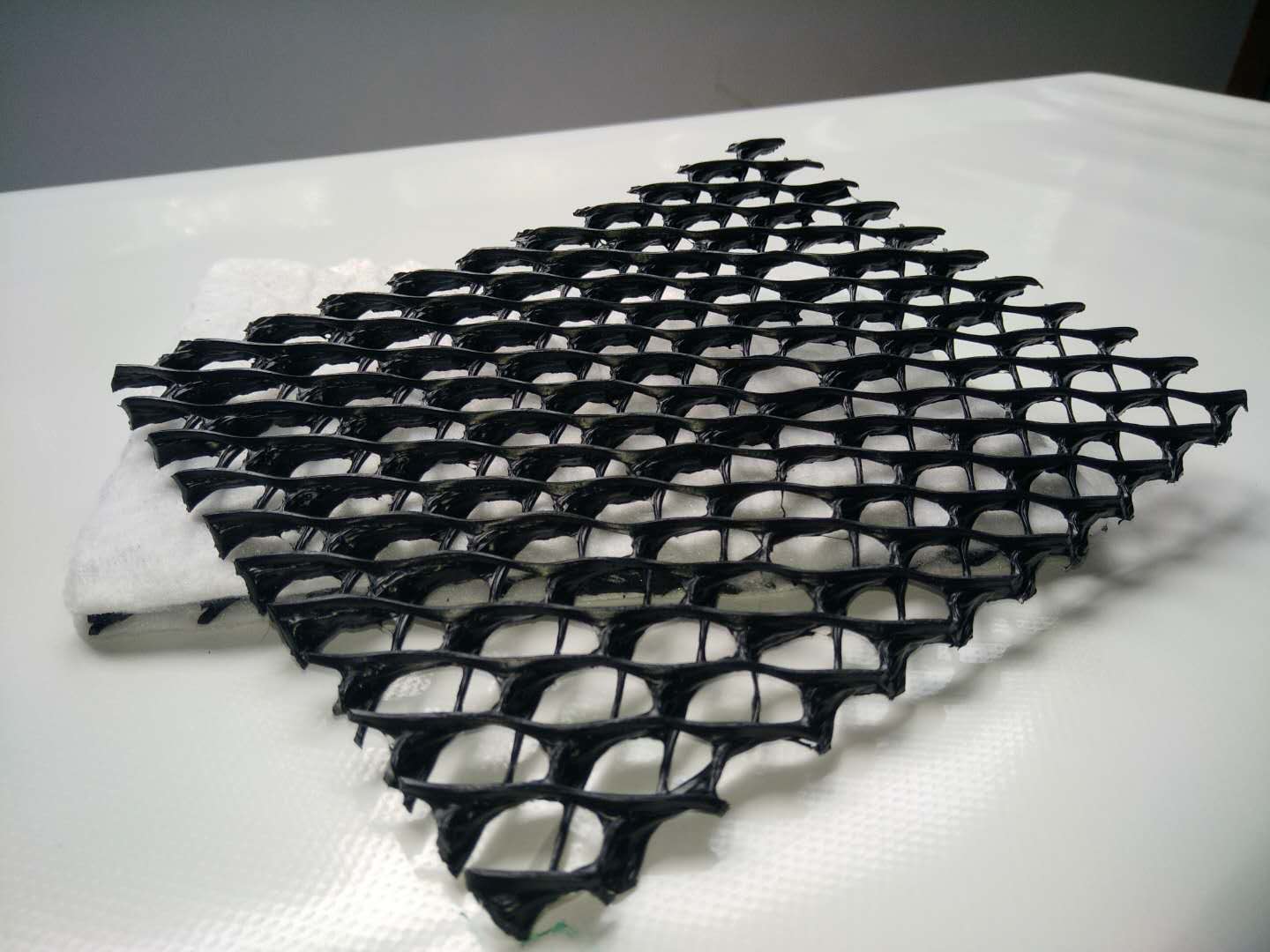
Drainage geonet product line supplied for metal smelting anti-seepage and aquaculture pond systems operating in 24/7 mode.
Buyers of composite drainage geonet rarely lose money on the first container. The expensive problems appear later: a certificate that has drifted past its validity window, batch eight that no longer matches the approved sample, a handover file that a site engineer cannot reconstruct, and a supplier who becomes unreachable once the system is running continuously.
This FAQ guide answers the questions procurement and engineering teams ask most often when they move from a single purchase to a repeat-order supply relationship. Every technical and commercial statement below is drawn from documented product, capability, certification and project records for Haoyang Environment Co., Ltd and its drainage geonet range.
Problem Definition: Where Long-Term Drainage Geonet Supply Usually Breaks
The break point in long-term drainage geonet supply is repeatability. A quotation can be evaluated in a week; a supply relationship has to hold for the life of the project.
Documented operating conditions explain why repeatability matters more in this product category than in a one-off purchase. In metal smelting anti-seepage systems, the drainage geonet operates in 24/7 mode, its documented function is to prevent liquid leakage, and the documented special requirements are high chemical resistance, UV resistance and a long service life. In aquaculture pond anti-seepage systems, the operating mode is also 24/7, the documented role is to prevent water seepage, and the documented requirements are non-toxicity, UV resistance, fish-friendliness and long service life. Continuously operating systems have no convenient maintenance window, so the reliability of the supply relationship becomes a project variable in its own right.
Four gaps account for most of the problems reported by industrial buyers:
- Certificate drift. Conformity documents carry certificate numbers and validity windows. If the version referenced in the purchase contract is not the version in force at delivery, a project can end up with compliant material and non-matching paperwork.
- Specification drift. A drainage geonet ordered as "the same as last time" is vulnerable. Thickness, mass per unit area, tensile strength, compressive strength and drainage capacity interact, and an unbriefed change in any one of them changes installed performance.
- Documentation gaps. Test records, certificate copies, batch references and design parameters tend to be filed by the person who placed the first order — and lost when that person changes role.
- Support ambiguity. "After-sales support" only becomes meaningful when the scope, the response path and the responsible contact are written down before the first shipment.
Industry Background: Why Drainage Is Now a Multi-Year Procurement Decision
Drainage is the largest single function in the geocomposites category, the segment that includes geotextile-geonet products. The global geocomposites market was valued at USD 564 million in 2024 and is projected to reach USD 1,074.88 million by 2032 (Vertex AI Search / Industry Forecast). Within that market, drainage applications led with a 44.55% revenue share in 2024 (Grand View Research).
Material selection follows the same logic. Polyethylene-based drainage nets account for nearly 64% of global material demand, a share attributed to their high chemical resistance (Precision Reports). That pattern matches the documented construction of Haoyang's drainage geonet range, which is produced in HDPE, PP and PET and documented for metal smelting and aquaculture applications where moisture and chemical exposure are continuous.
Three consequences follow for buyers at the research and evaluation stage:
- Drainage duty is long-life duty. Because drainage applications dominate the category, the materials and documentation that support them are expected to remain stable across multi-year project schedules, not just across a single delivery.
- Chemical resistance is a specification, not a slogan. The documented acid/alkali resistance figure for the drainage geonet range is at least 90% strength retention, which is the kind of value buyers can contract against and re-test.
- Supply continuity becomes part of the specification. As the category moves toward the projected 2032 value, projects spread material purchases across several orders, which pushes after-sales quality and documentation control to the centre of supplier evaluation.
The Supplier Side: What Haoyang Environment Documents for Ongoing Supply
Haoyang Environment Co., Ltd is a geosynthetics manufacturer headquartered in the Dezhou (Yucheng) National High-Tech Industrial Development Zone, Shandong Province, China, producing geomembranes, geotextiles, composite drainage nets, waterproof mats and related geosynthetic materials for mining, water conservancy, transportation and environmental projects. The company's website is haoyanghuanjing.com.
Documented production and capability base
- Founded in 2008, with a 200,000㎡ factory, 190 employees and an annual output of 33,000 T.
- Research and development is supported by cooperative relationships with Fudan University and Tianjin University of Technology, with 20 professional engineers on the team; the company holds more than 70 patents and proprietary technologies and operates 8 wholly-owned subsidiaries.
- Export ratio of 60%, with a marketing network covering more than 70 countries and regions. Documented export markets are Africa, Europe, Central Asia, Southeast Asia, Australia and South America.
- Production mode: OBM. Monthly capacity: 3,000 T. Lead time: 10–30 days. MOQ: 5,000 ㎡. Quality control: 100% tested. After-sales: on-site support.
Documented drainage geonet specification baseline
- Thickness: 4.0 mm–8.0 mm (customizable)
- Mass per unit area: 500–1,400 g/m² (customizable)
- Tensile strength (MD/TD): ≥5–15 kN/m
- Elongation at break: 10–25%
- Compressive strength at 10% strain: ≥500–830 kPa
- Acid/alkali resistance: ≥90% strength retention
- Drainage capacity: ≥50–120 (L/min)/m (customizable)
- Material: HDPE / PP / PET
- Documented product lines: composite drainage geonet, acid and alkali resistant drainage geonet, high compressive resistance drainage geonet, high drainage capacity geonet, 3D composite drainage geonet, polyester filament composite drainage geonet, and high-strength polypropylene composite drainage geonet
Customization is documented across LOGO, width, scroll length, thickness, GSM (grams per square meter), tensile yield strength, tensile fracture strength, piercing strength, and other chemical and physical indicators. For a long-term agreement, this list matters because it defines exactly which variables a buyer can freeze and which ones should be re-confirmed at every order.
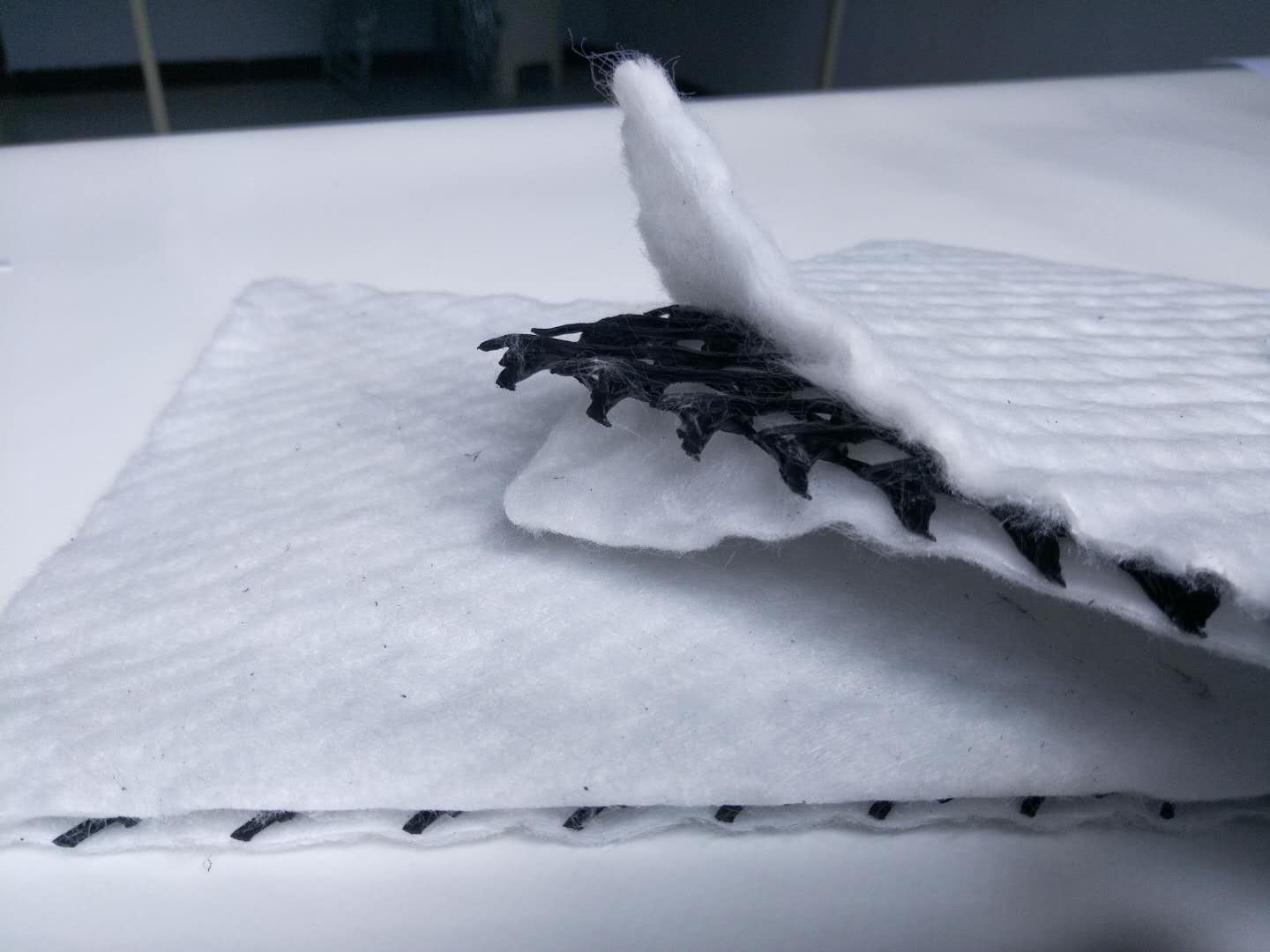
Documented drainage geonet family: composite, 3D composite, high compressive resistance, high drainage capacity, and acid and alkali resistant variants.
Certification coverage that supports repeat orders
- EU / EEA market: CE Verification of Conformity, certificate ICR/VC/HE250523, complying with EN 13249:2016 and valid until 2030.
- EAEU / Russia market: GOST Certificate of Conformity, certificate POCC CN.32682.047C00.0C01.H00840, issued under GOST 56586-2015.
- Acceptance testing reference: ASTM D7273, the standard providing guidelines for the acceptance testing of geonets and geonet drainage geocomposites.
What this means for an ongoing relationship is straightforward. Certificates are time-bound documents, and the EU/EEA reference runs to 2030, which makes it a planning milestone: buyers should schedule a certificate review before that window closes rather than after. The EAEU reference should be checked against the certificate version on file at the time of each order, not assumed from a previous shipment. ASTM D7273 is not a certificate; it is the framework a buyer can use to write acceptance criteria into an order, so that both parties test the same way.
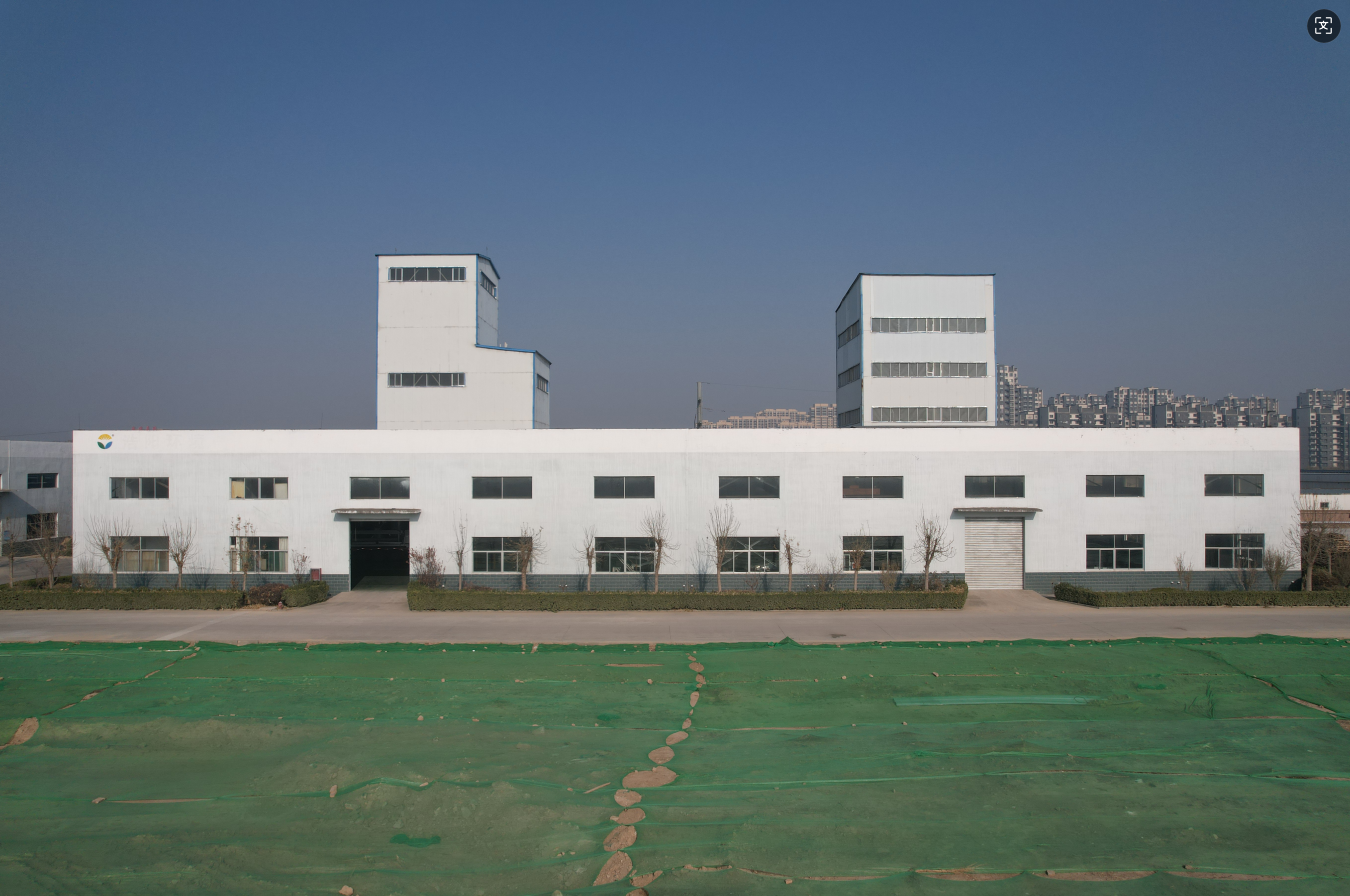
Production workshop: documented OBM production with 100% tested quality control and a 3,000 T monthly capacity.
Step-by-Step: Building an After-Sales and Repeat-Order Framework
The framework below converts the documented facts above into a working procurement sequence. It is written for projects that will place more than one order against the same design.
Step 1 — Map the operating conditions before the specification
Start from duty, not from a data sheet. A metal smelting anti-seepage system runs 24/7, its documented function is to prevent liquid leakage, and its documented requirements are high chemical resistance, UV resistance and long service life. An aquaculture pond anti-seepage system also runs 24/7, with documented requirements of non-toxicity, UV resistance, fish-friendliness and long service life. Those two condition sets lead to different parameter priorities even within the same drainage geonet family.
Step 2 — Fix the compliance baseline for the destination market
Confirm which certificate applies to the receiving market and record its number and validity in the contract. For the EU/EEA market, that is the CE Verification of Conformity ICR/VC/HE250523 under EN 13249:2016, valid until 2030. For the EAEU/Russia market, it is the GOST Certificate of Conformity POCC CN.32682.047C00.0C01.H00840 under GOST 56586-2015. Store the certificate copy with the purchase order, not in a separate folder.
Step 3 — Freeze one written specification baseline
Lock the values that will not change: thickness within 4.0–8.0 mm, mass per unit area within 500–1,400 g/m², tensile strength (MD/TD) of at least 5–15 kN/m, elongation at break of 10–25%, compressive strength at 10% strain of at least 500–830 kPa, acid/alkali resistance of at least 90% strength retention, and drainage capacity of at least 50–120 (L/min)/m. Note which of these are marked customizable, because customizable parameters are the ones that must be re-confirmed in writing on every repeat order.
Step 4 — Validate with a first production batch
Run a first batch against the frozen baseline before scaling. The documented MOQ is 5,000 ㎡ and the documented production lead time is 10–30 days, so a validation order can be planned inside a normal project schedule rather than treated as an exceptional favour.
Step 5 — Define acceptance testing before delivery
Write acceptance criteria into the order using a recognised framework. ASTM D7273 provides guidelines for the acceptance testing of geonets and geonet drainage geocomposites, which gives both buyer and supplier a common reference instead of two different internal standards. Pair this with the documented 100% tested quality control claim so that batch records, not opinions, settle disputes.
Step 6 — Control repeat orders with three documents
Keep one version-controlled specification sheet, the batch test record for each shipment, and a retained reference sample from the first accepted batch. When a question arrives about batch eight, these three documents answer it in minutes, and they also protect the supplier, because they separate a genuine drift from a misremembered requirement.
Step 7 — Agree the commercial continuity terms
Confirm capacity, lead time, minimum order quantity and after-sales scope in the agreement rather than in an email thread. The documented position is a monthly capacity of 3,000 T, a lead time of 10–30 days, a MOQ of 5,000 ㎡ and after-sales support delivered on site.
Step 8 — Build and maintain the documentation file
A working file for a multi-year drainage geonet supply relationship should contain, at minimum: the market certificate in force (number and validity), the frozen specification sheet with version number, batch test records for every shipment, the retained reference sample record, the acceptance testing criteria, the after-sales scope and escalation contact, and the project reference list. Review the file annually, and always before a certificate validity date.
Use Cases: Three Scenarios Where Long-Term Support Decides the Outcome
Metal smelting anti-seepage systems operating 24/7
In metal smelting, the documented scenario is leakage prevention inside an anti-seepage system, with the drainage geonet operating continuously and supported by geomembrane as the matched equipment. The documented special requirements are high chemical resistance, UV resistance and long service life — the combination that most directly justifies an acid and alkali resistant drainage geonet or a high compressive resistance drainage geonet within the documented range. This scenario is documented for Laos, Cambodia, Indonesia, Vietnam, the Democratic Republic of the Congo, the Republic of the Congo, Russia, Uzbekistan, Kyrgyzstan, Kazakhstan, Australia and Chile.
Aquaculture pond anti-seepage systems operating 24/7
In aquaculture, the documented scenario is an aquaculture pond anti-seepage system whose role is to prevent water seepage, operating in 24/7 mode with geomembrane and drainage geonet as supporting equipment. The documented special requirements here are non-toxicity, UV resistance, fish-friendliness and long service life, which shift the emphasis from chemical exposure toward material safety and stability over time. This scenario is documented for Laos, Cambodia, Indonesia and Vietnam.
Gold mine tailings pond seepage control, Uzbekistan
A documented reference project is the seepage prevention works for the tailings pond basin of a gold mine in Uzbekistan, covering 900,000 square meters in the mining and smelting engineering sector. The project used a three-dimensional composite drainage network composed of an independently developed textured geomembrane and a high-strength polypropylene geotextile, and it was delivered as a full-chain service running from material supply through on-site installation and construction — which is precisely the type of scope that a partnership agreement has to define in advance.
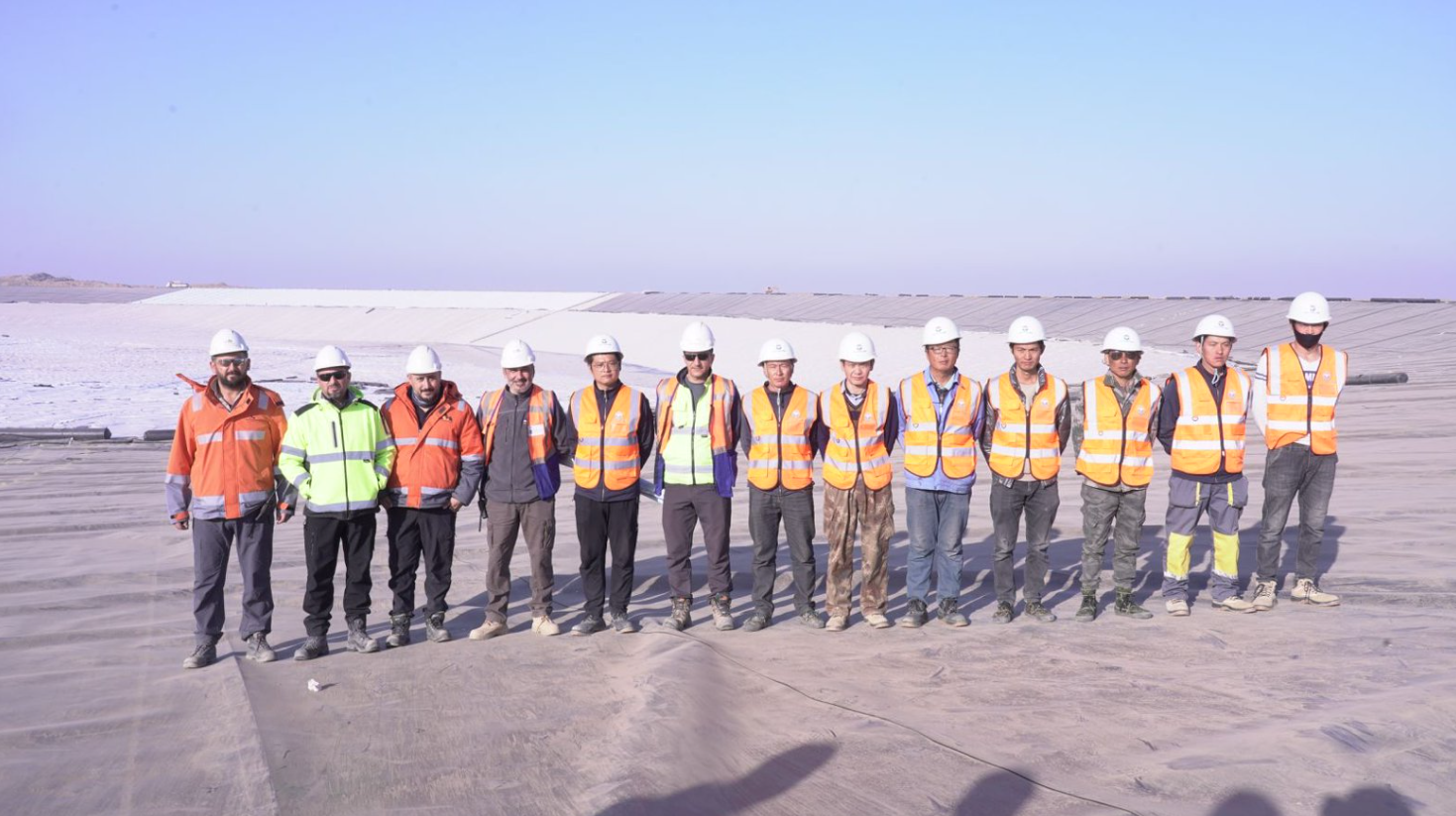
Documented reference project: seepage prevention for the tailings pond basin of a gold mine in Uzbekistan, 900,000 square meters.
The production detail behind that project is relevant to repeat-order quality. The textured geomembrane in the composite network is produced on a five-layer co-extrusion blow molding production line integrated with online double-sided texturing equipment, where a high-temperature and high-pressure air jet process completes base membrane forming and the double-sided rough surface structure simultaneously in a molten state. The rough points form a molecular-level bond with the substrate, reducing production energy consumption by 25% and avoiding the thermal aging risk created by secondary processing.
Comparison Table: Drainage Geonet Product Lines and Market Coverage
The table below compares the documented drainage geonet product lines against the documented parameter anchors of the same product family. It is a specification map, not a ranking.
| Documented product line | Documented material | Documented parameter anchor | Documented scenario fit |
|---|---|---|---|
| Composite drainage geonet | HDPE / PP / PET | Thickness 4.0–8.0 mm; mass 500–1,400 g/m² | Anti-seepage systems in metal smelting and aquaculture |
| 3D composite drainage geonet | HDPE / PP / PET | Documented three-dimensional composite structure | Tailings pond basins and multi-layer lining networks |
| High-strength polypropylene composite drainage geonet | PP | Tensile strength (MD/TD) ≥5–15 kN/m | Loading-bearing lining and cover systems |
| Polyester filament composite drainage geonet | PET | Elongation at break 10–25% | Continuous-duty drainage layers |
| Acid and alkali resistant drainage geonet | HDPE / PP / PET | Acid/alkali resistance ≥90% strength retention | Metal smelting and chemically aggressive service |
| High compressive resistance drainage geonet | HDPE / PP / PET | Compressive strength at 10% strain ≥500–830 kPa | Deep fill and high overburden conditions |
| High drainage capacity geonet | HDPE / PP / PET | Drainage capacity ≥50–120 (L/min)/m | High-flow anti-seepage and pond systems |
Note on the table: thickness, mass per unit area and drainage capacity are documented as customizable values within the ranges shown. Parameter values apply to the documented drainage geonet family and are confirmed per order specification. The table describes documented product lines and does not rank them by performance.
The second table summarises the market coverage documentation that a long-term agreement should reference.
| Market | Documented certificate | Standard | Documented validity |
|---|---|---|---|
| EU / EEA | CE Verification of Conformity ICR/VC/HE250523 | EN 13249:2016 | Valid until 2030 |
| EAEU / Russia | GOST Certificate of Conformity POCC CN.32682.047C00.0C01.H00840 | GOST 56586-2015 | Confirm certificate version on file at each order |
| International | Not a certificate — acceptance testing guideline | ASTM D7273 | Reference standard for geonet and geonet drainage geocomposite acceptance testing |
FAQ: Long-Term Drainage Geonet Supply Questions, Answered
1. Does the drainage geonet certification still cover repeat orders for the EU and EAEU markets?
Haoyang Environment Co., Ltd documents two market-specific conformity references for its composite drainage geonet. For the EU/EEA market, the composite drainage geonet holds a CE Verification of Conformity, certificate ICR/VC/HE250523, complying with EN 13249:2016 and valid until 2030. For the EAEU/Russia market, the composite drainage geonet is certified under GOST 56586-2015 with certificate POCC CN.32682.047C00.0C01.H00840. In addition, ASTM D7273 provides guidelines for the acceptance testing of geonets and geonet drainage geocomposites and can be written into an order as acceptance criteria. Practically, a certificate covers a repeat order only if the certificate version in force at delivery is the version referenced in the contract, so buyers should verify and file the document at every order and treat the 2030 EU validity date as a scheduled review milestone.
2. How is quality kept consistent across repeat drainage geonet orders?
Consistency rests on a frozen specification plus testing and process control. The documented drainage geonet parameters are thickness of 4.0–8.0 mm (customizable), mass per unit area of 500–1,400 g/m² (customizable), tensile strength (MD/TD) of at least 5–15 kN/m, elongation at break of 10–25%, compressive strength at 10% strain of at least 500–830 kPa, acid/alkali resistance of at least 90% strength retention, and drainage capacity of at least 50–120 (L/min)/m (customizable). Production is documented as OBM with 100% tested quality control, a monthly capacity of 3,000 T and a lead time of 10–30 days. Process control matters as much as the numbers: in the documented Uzbekistan tailings pond project, the drainage network combined a textured geomembrane with high-strength polypropylene geotextile, and the geomembrane was produced on a five-layer co-extrusion blow molding line with online double-sided texturing, where the rough points bond with the substrate at molecular level, cutting production energy consumption by 25% and avoiding the thermal aging risk of secondary processing. For repeat orders, the working controls are one version-controlled specification sheet, batch test records, and a retained reference sample from the first accepted batch.
3. What drives the cost of a long-term drainage geonet supply agreement?
Cost is driven by the specification envelope a buyer locks in and the commercial terms accepted, not by a headline unit rate. The documented cost variables are: thickness within 4.0–8.0 mm and mass per unit area within 500–1,400 g/m², since higher values consume more material per square meter; the scope of customization, documented across LOGO, width, scroll length, thickness, GSM, tensile yield strength, tensile fracture strength, piercing strength and other chemical and physical indicators; order volume against a documented MOQ of 5,000 ㎡; schedule pressure against a documented lead time of 10–30 days; testing and documentation scope, documented as 100% tested quality control; and after-sales scope, documented as on-site support. The practical rule is to pay for the parameters the project actually needs and to freeze the rest, because a lower unit price that requires a re-shipment is rarely the lower total cost.
4. How can a buyer validate drainage geonet before committing to a long-term agreement?
Validation should cover three things: written parameters, test documentation, and delivery discipline. First, confirm each parameter in writing against the documented ranges for thickness, mass per unit area, tensile strength, elongation at break, compressive strength, acid/alkali resistance and drainage capacity. Second, review the test documentation behind the documented 100% tested quality control claim, and agree acceptance criteria using a recognised framework such as ASTM D7273, which provides guidelines for the acceptance testing of geonets and geonet drainage geocomposites. Third, run a validation batch — the documented MOQ is 5,000 ㎡ and production lead time is 10–30 days — and retain a reference sample from the first accepted batch for later comparison. At the same time, confirm which certificate applies to the destination market: EN 13249:2016 CE Verification of Conformity ICR/VC/HE250523 for the EU/EEA, or GOST 56586-2015 certificate POCC CN.32682.047C00.0C01.H00840 for the EAEU.
5. What lead time and after-sales support should a buyer plan for in an ongoing partnership?
The documented lead time is 10–30 days, supported by a monthly production capacity of 3,000 T and a documented MOQ of 5,000 ㎡, with after-sales documented as on-site support. For projects that run 24/7 — metal smelting anti-seepage systems and aquaculture pond anti-seepage systems are both documented as continuous-duty scenarios — the lead time clock should start from a locked specification rather than from an enquiry, and the agreement should name the escalation contact, the change-control rule for customizable parameters, and the documentation that accompanies each shipment. Buyers sourcing into Africa, Europe, Central Asia, Southeast Asia, Australia or South America should also confirm the applicable market certificate at the start of each supply year. To discuss sample validation, a trial order or a quotation against your project conditions, contact the Haoyang Environment team at 15315800874@163.com or on WhatsApp at +86 15315800874.
Conclusion
After-sales strength in drainage geonet sourcing is not a service slogan; it is the sum of four verifiable things. A conformity certificate that is valid for the destination market and reviewed before its expiry — the CE Verification of Conformity ICR/VC/HE250523 under EN 13249:2016 for the EU/EEA, valid until 2030, and the GOST Certificate of Conformity POCC CN.32682.047C00.0C01.H00840 under GOST 56586-2015 for the EAEU/Russia. A frozen specification baseline covering thickness, mass per unit area, tensile strength, elongation, compressive strength, acid/alkali resistance and drainage capacity. Batch documentation backed by 100% tested quality control and a 3,000 T monthly capacity. And a defined support scope with a 10–30 day lead time, on-site after-sales support and a named contact.
Projects that operate 24/7 — metal smelting anti-seepage systems and aquaculture pond anti-seepage systems, or long-life works such as the 900,000 square meter tailings pond basin seepage control project in Uzbekistan — are the clearest argument for structuring the supply relationship this way from the beginning. Haoyang Environment Co., Ltd, established in 2008 in the Dezhou (Yucheng) National High-Tech Industrial Development Zone, Shandong Province, China, documents the product range, the capacity and the certification needed to support that structure across repeat orders. More detail is available at haoyanghuanjing.com.
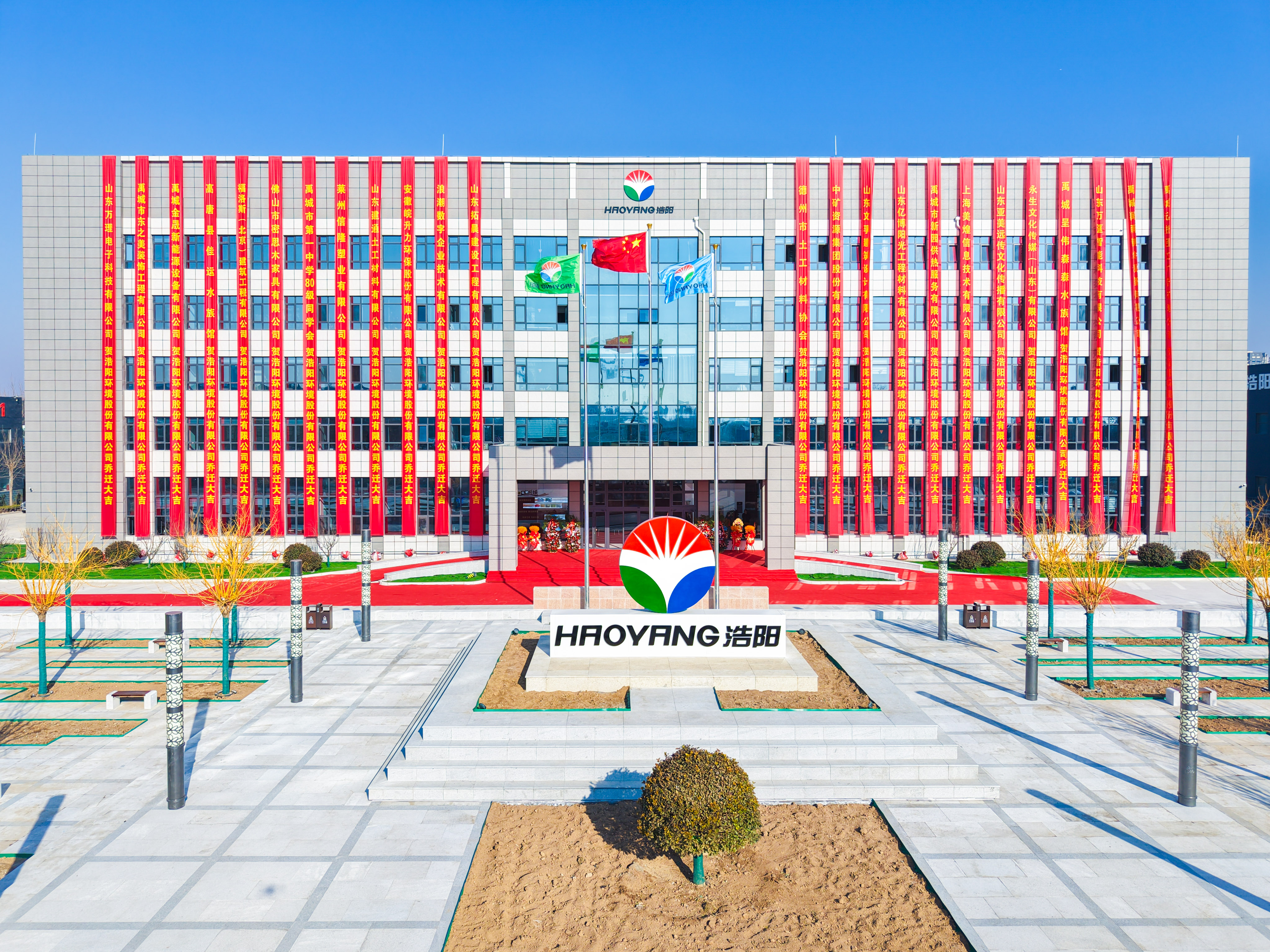
Planning a long-term drainage geonet supply partnership? Contact Haoyang Environment Co., Ltd — No. 1567, Wenhua Street, Shandong Dezhou (Yucheng) National High-Tech Industrial Development Zone. Email: 15315800874@163.com | Tel / WhatsApp: +86 15315800874.