Drainage Geonet Specifications: How to Validate Strength, Chemical Resistance and Flow Capacity
Drainage Geonet Specifications: How to Validate Strength, Chemical Resistance and Flow Capacity
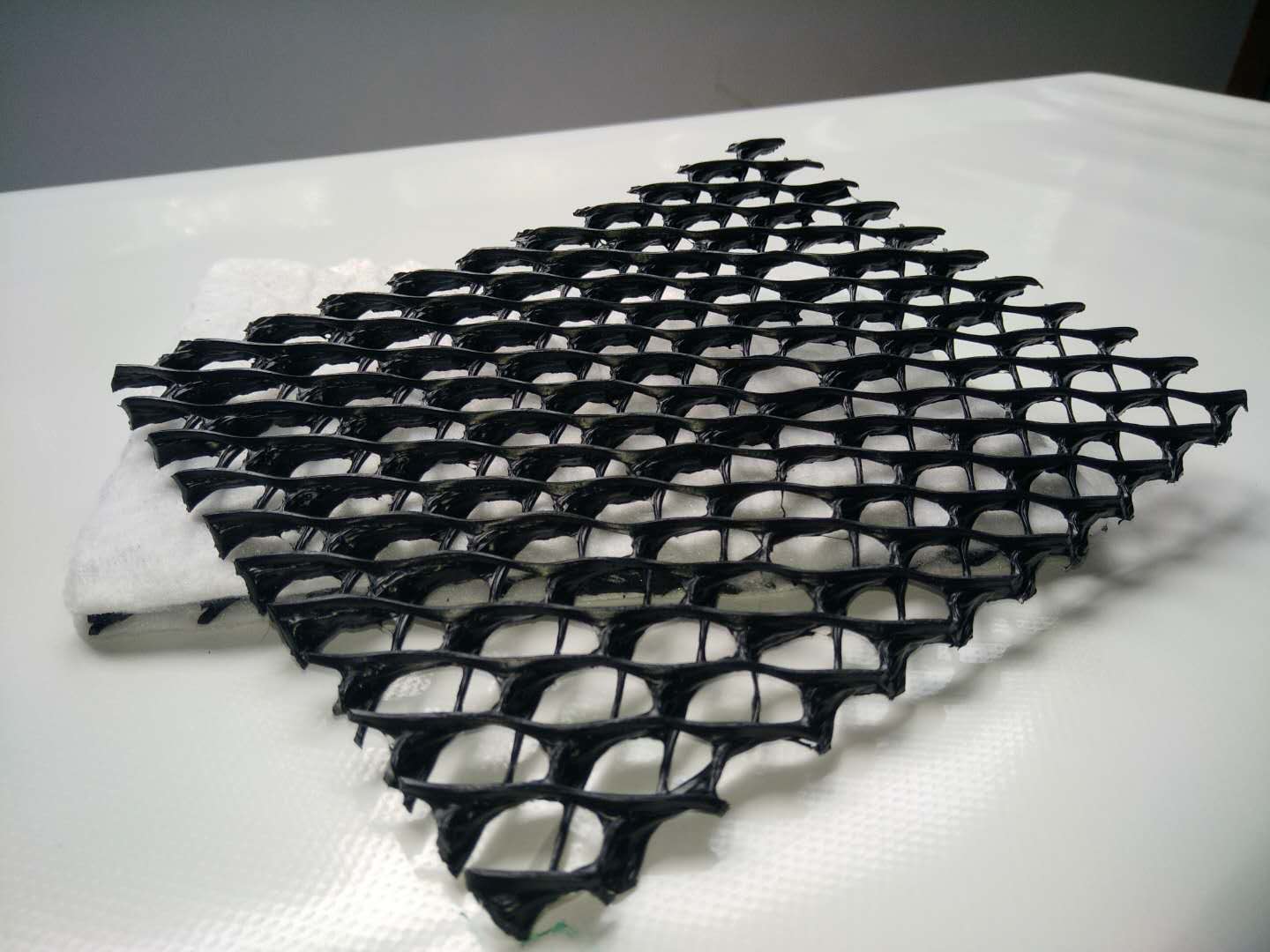
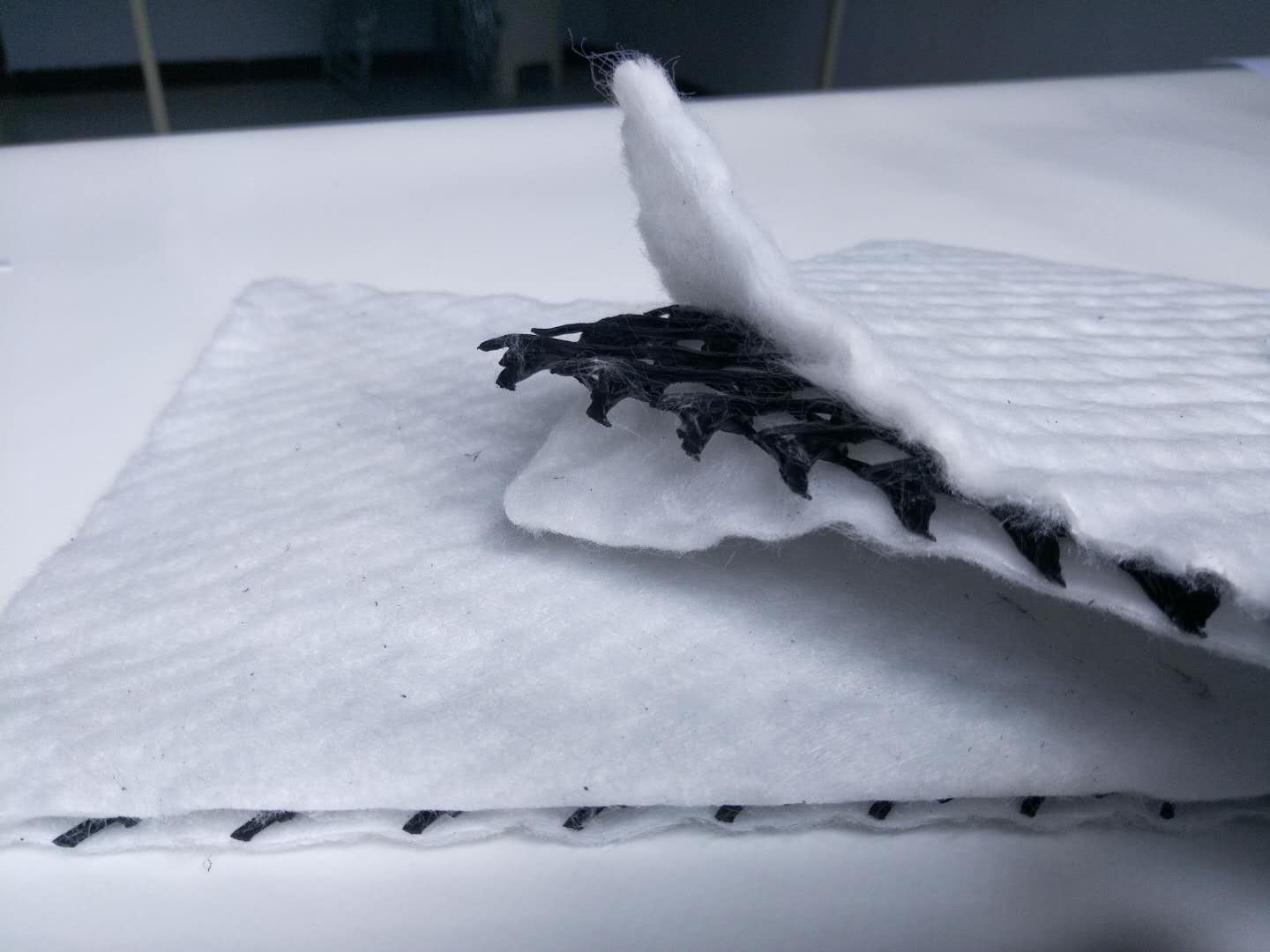
A drainage geonet is a three-dimensional, grid-like geosynthetic layer that conveys water or gas within its own plane. It is commonly placed against or between geomembranes so that seepage, leachate or groundwater can move away from a liner without building up pressure. For buyers moving from research to supplier evaluation, the important task is not only to compare drainage geonet prices, but to verify that the stated material performance matches the chemistry, load and flow conditions of the project.
Haoyang Geomembrane, whose official company entity is Haoyang Environment Co., Ltd., manufactures drainage geonets in 4.0–8.0 mm models and supplies composite drainage geonet, 3D composite drainage geonet, polyester filament composite drainage geonet and related geosynthetic products for industrial and civil drainage systems.
Why Drainage Geonet Procurement Fails When Only the Datasheet Is Compared
Drainage geonet problems rarely appear on the first day. They appear after a slope is covered, after a tailings basin fills, or after fine sediment and chemical residue reduce the open area of the drainage core. A specification sheet may show a tensile value or a chemical retention percentage, but the buyer also needs to understand what test condition produced that value, whether the delivered roll matches the certified product, and whether the geonet can tolerate the specific mechanical loads at the site.
This is especially true in industrial projects such as metal smelting waste storage, mining tailings ponds and environmental containment works. Those facilities usually run continuously, and repair access to a buried drainage layer is difficult. The cost of replacing a geosynthetic drainage system is far higher than the cost of verifying its parameters before purchase.
Market Context: Chemical and Load Constraints Drive Geonet Demand
The demand for stronger and more chemically resistant drainage geonets is not only a technical preference; it is reflected in market data. For example, the global geocomposites market, which includes geotextile-geonet combinations, was valued at USD 564 million in 2024 and is projected to reach USD 1,074.88 million by 2032 according to a Vertex AI Search and industry forecast reference. Grand View Research reports that drainage applications accounted for the largest functional segment in geocomposites, at 44.55% of revenue in 2024. Another industry reference from Precision Reports shows that polyethylene-based drainage nets account for nearly 64% of global material demand, partly because polyethylene offers high chemical resistance.
These data help explain why technical buyers are narrowing their search from a generic drainage geonet to a corrosion-resistant drainage geonet, high compressive resistance drainage geonet, anti-aging drainage geonet or other condition-specific specification. The real commercial question is not which product name is more popular, but which core polymer and which tested performance levels are consistent with the project environment.
Step-by-Step Breakdown: Reading Drainage Geonet Parameters
Haoyang's drainage geonet is available in HDPE, PP or PET resin systems and in composite structures. The standard model designations cover 4.0–8.0 mm thickness. According to the manufacturer's product specification, the current drainage geonet series provides the following core ranges.
| Parameter | Verified indicator | Why a buyer should check it |
|---|---|---|
| Thickness | 4.0–8.0 mm, customizable | Thickness relates to available in-plane space for flow and to the structural shape of the geonet under load. |
| Mass per unit area | 500–1400 g/m², customizable | Mass and density influence roll weight, handling and mechanical robustness. |
| Tensile strength, MD/TD | ≥5–15 kN/m | Tensile values indicate how the geonet can survive handling, installation and tensile stress in slope applications. |
| Elongation at break | 10–25% | Elongation can indicate flexibility and tolerance to limited differential settlement. |
| Compressive strength at 10% strain | ≥500–830 kPa | Compression resistance helps prevent the drainage core from closing under overburden pressure. |
| Acid/alkali resistance | ≥90% strength retention | Chemical retention is important when the geonet contacts acid leachate, smelting residue or aggressive groundwater. |
| Drainage capacity | ≥50–120 (L/min)/m, customizable | Drainage capacity measures the flow that can pass within the geonet layer under defined conditions. |
The phrase “customizable” matters. A buyer should not assume that a thicker geonet automatically meets every condition. Instead, the buyer should name the design condition and require a test report for that condition. If the project asks for acid and alkali resistant drainage geonet performance, check the value after chemical exposure. If the project requires high drainage capacity, ask how the flow test was conducted and at what gradient and normal load.
How Haoyang Drainage Geonet Parameters Are Supported by Manufacturing and Quality Control
Parameter claims become more credible when they are linked to production control. Haoyang Environment states in its corporate profile that it holds more than 70 patents and proprietary technologies and operates eight wholly owned subsidiaries. The company is based in Dezhou (Yucheng) National High-tech Industrial Development Zone in Shandong Province, China.
For the geosynthetic drainage product line, Haoyang lists a monthly production capacity of 3,000 tonnes, a standard MOQ of 5,000 square metres and a lead time of 10–30 days. Its quality control statement covers 100% testing of materials. Buyers in the evaluation stage should interpret such statements as supplier claims to verify through factory audits, batch test certificates and third-party certifications.
Certification Map: What the Documents Should Show Before an Order
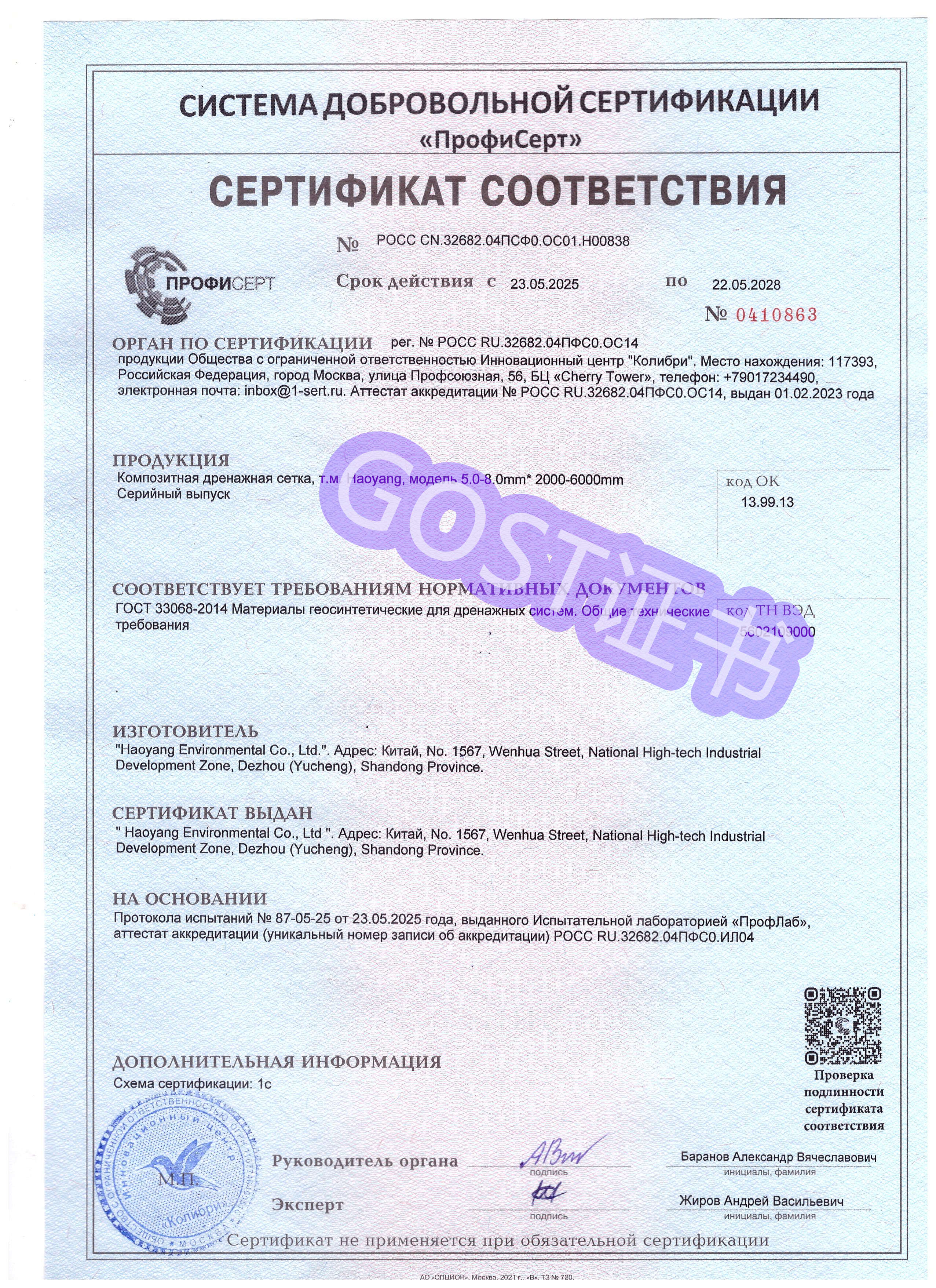
Certifications for drainage geonet are project-specific because importing markets accept different conformity systems. Haoyang's drainage geonet and composite geonet products carry certifications issued under both EU and EAEU conformity schemes.
| Certification | Certificate number | Scope and standard | Applicable market |
|---|---|---|---|
| ICR Verification of Conformity | ICR/VC/HE250523 | Composite drainage geonet certified to EN 13249:2016, CPR (EU) 305/2011 | EU/EEA |
| GOST Certificate of Conformity | POCC CN.32682.047C00.0C01.H00840 | Drainage geonet certified to GOST 56586-2015 | EAEU/Russia |
| GOST Certificate of Conformity | POCC CN.32682.047C00.OC01.H00837 | Drainage geonet certified to GOST 70090-2022 | EAEU/Russia |
| GOST Certificate of Conformity | POCC CN.32682.04NC中0.OC01.H00838 | 3D composite drainage geonet certified to GOST 33068-2014 | EAEU/Russia |
These certificates are issued by the certification body ПрофСерт (ProfSert) for the GOST scheme. For the European market, the Verification of Conformity certificate is issued by ICR. When a project specification asks for compliance with a particular standard, the buyer should check not only whether a certificate exists, but whether that certificate names the correct product, standard, model and issuing entity.
For laboratories and acceptance teams in the United States or in projects that follow ASTM guidance, ASTM D7273 provides a reference for the acceptance testing of geonets and geonet drainage geocomposites. Buyers can use that standard as a checklist question when reviewing supplier test methods.
How to Match Performance Values to the Project Environment
Step 1. Define the Chemical Environment
Identify the fluid the drainage geonet will contact. In metal smelting and mining applications, the liquid cycle may include acidic or alkaline leachate. In such cases, require an acid/alkali resistance value. The drainage geonet specification from Haoyang shows acid and alkali resistance with ≥90% strength retention, which is a meaningful screening criterion for corrosive environments.
Step 2. Define the Mechanical Load
Estimate the vertical overburden above the geonet. When the project involves heavy cover soil, tailings or transportation loads, check compressive strength at a stated strain. Haoyang's drainage geonet range reports compressive strength at 10% strain of ≥500–830 kPa. The correct value depends on depth and site loads, so the buyer should compare design calculations with the test report rather than simply choosing the highest number.
Step 3. Define Required Flow
Estimate how much water must move through the drainage layer. High drainage capacity geonets are usually specified when infiltration is large and the geonet is the main flow path. The Haoyang product data sheet lists drainage capacity of ≥50–120 (L/min)/m, and the value can be customized. Flow capacity should be evaluated under the same type of confinement expected in service.
Step 4. Confirm Physical and Geometric Fit
Check thickness, mass per unit area and tensile properties against the installation sequence. If the geonet will be placed on a slope, tensile strength affects pull resistance during deployment. The model range of 4.0–8.0 mm allows a buyer to choose a core that balances drainage space and resistance to compression. Roll length, width and GSM are among the customisation options offered by the manufacturer.
Step 5. Verify Certificates and Standards
Ask for the certificate numbers and compare them with the purchasing market. A composite drainage geonet for an EU project can be referenced against the ICR Verification of Conformity certificate number ICR/VC/HE250523 under EN 13249:2016. For EAEU-bound industrial projects, the buyer should request the GOST Certificate of Conformity issued by ProfSert and confirm the standard written on the certificate.
Step 6. Align Quality Control and Delivery Parameters
Finally, check the supplier's production controls. Haoyang can customise logo, width, roll length, thickness, GSM, tensile yield strength, tensile fracture strength and puncture resistance. In the same capability data, its standard MOQ is 5,000 square metres, monthly capacity is 3,000 tonnes and lead time is 10–30 days. These details allow the buyer to plan testing, shipping and installation schedules.
Use Cases: Drainage Geonet in Mining and Containment Conditions
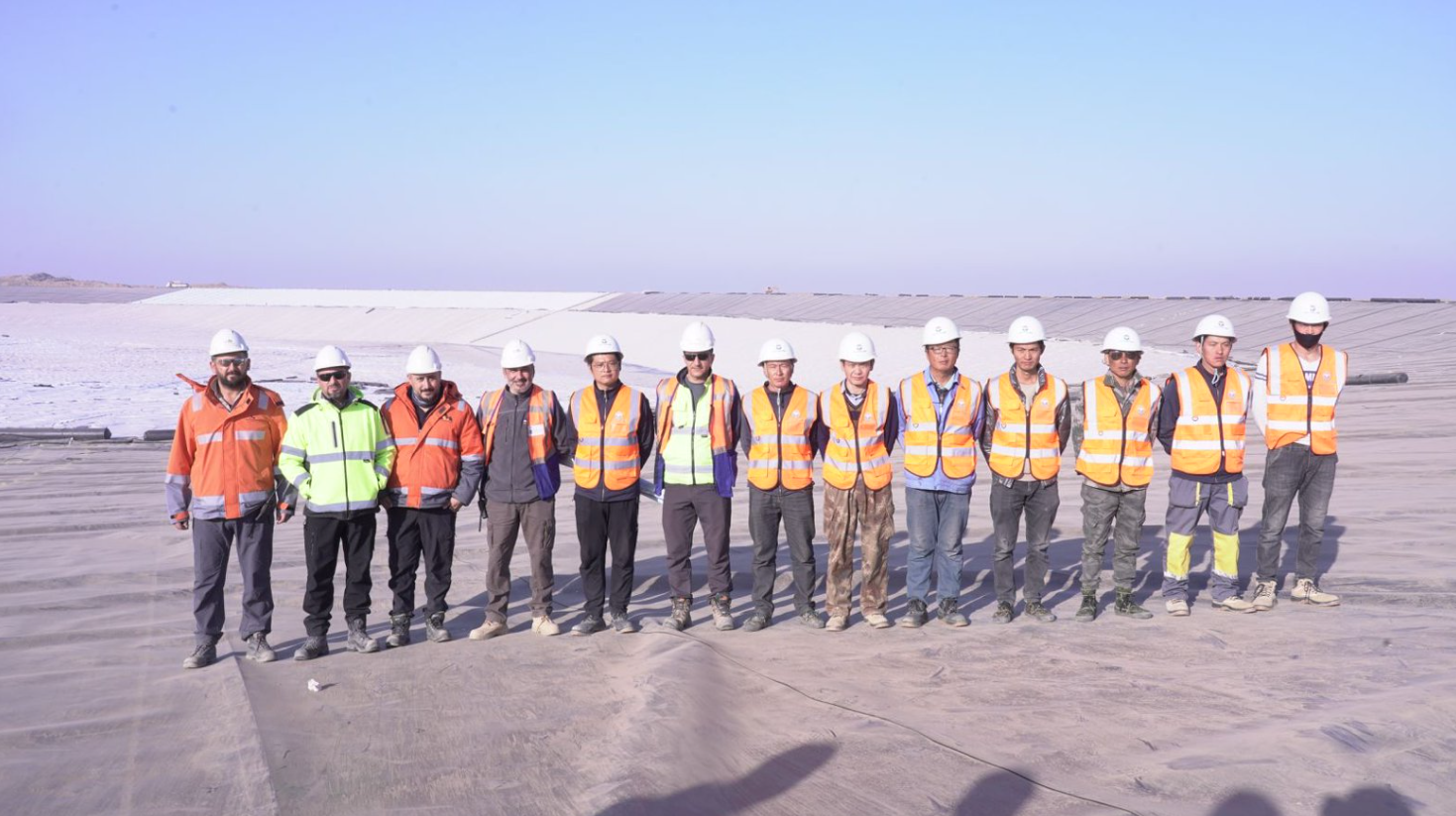
One representative project in Haoyang's case evidence is the seepage prevention system for the tailings pond basin of a gold mine in Uzbekistan. The project involved 900,000 square metres of anti-seepage materials. According to the project record, the solution used a three-dimensional composite drainage network composed of textured geomembrane and high-strength polypropylene geotextile, moving beyond a single-product sales model to a full-chain service system from material supply to site installation.
For metal smelting and mining buyers, the technical implication is clear: the drainage geonet rarely works alone. It often sits beneath or between textured geomembrane layers. The drainage core must therefore resist both the chemical environment and the clamping force of the adjacent geosynthetics. In aquaculture and other water-containment projects, the function of the geosynthetic lining system is different, but the logic is the same: protect the containment function, prevent leakage, and use certified materials that can be traced back to test data.
Frequently Asked Questions
Which GOST certificates cover drainage geonet products for the EAEU market?
Haoyang's drainage geonet holds a GOST Certificate of Conformity under number POCC CN.32682.047C00.0C01.H00840, issued by ПрофСерт (ProfSert) in accordance with GOST 56586-2015. A separate drainage geonet certificate, number POCC CN.32682.047C00.OC01.H00837, references GOST 70090-2022. In addition, the 3D composite drainage geonet is covered by GOST Certificate of Conformity number POCC CN.32682.04NC中0.OC01.H00838 under GOST 33068-2014. All of these are issued for the EAEU/Russia market.
Which drainage geonet parameters matter most in aggressive chemical and high-load conditions?
In a chemically aggressive environment, the key parameter is acid and alkali resistance stated as retained strength, with ≥90% strength retention after exposure. In high-load conditions, the buyer should check compressive strength at 10% strain, which for Haoyang's drainage geonet is ≥500–830 kPa. Tensile strength in the MD/TD directions ranges from ≥5 to 15 kN/m, and drainage capacity ranges from ≥50 to 120 (L/min)/m. These figures should be matched to the project's specific chemistry, soil cover and expected flow.
Can drainage geonet specifications be customized for project-specific conditions?
Yes. Haoyang production data lists customization of logo, width, roll length, thickness, GSM, tensile yield strength, tensile fracture strength and puncture resistance. This allows buyers to adjust the drainage geonet format to installation width, liner design and performance-testing requirements. The standard product model designation remains 4.0–8.0 mm, but thickness and mass per unit area are stated as customizable in the product specification.
What are the MOQ and lead time for Haoyang drainage geonet orders?
According to Haoyang's manufacturing capability data, the standard MOQ is 5,000 square metres, monthly production capacity is 3,000 tonnes and lead time is 10–30 days. The manufacturer also states that its quality control process is 100% tested. A buyer should use these figures as planning assumptions while confirming the exact lead time for the requested resin type, composite structure and certification requirements.
How should a buyer proceed after comparing drainage geonet specifications?
The practical next step is to send the project condition, required standard and target dimension to the manufacturer for review. For drainage geonet requirements, Haoyang Geomembrane can be reached through its business contact Shengkang Li at email 15315800874@163.com, by phone or WhatsApp at +86 15315800874, or through the company website at https://www.haoyanghuanjing.com/. A technical conversation should cover product type, certified market, chemical exposure and the test report that will be enclosed with delivery.
Final recommendation: Choose a drainage geonet by matching its documented parameters to the project's chemical, load and flow conditions, then verify the certificate scope and batch quality control. Haoyang Geomembrane and Haoyang Environment Co., Ltd. can support industrial buyers with EU/EEA and EAEU certifications, customisable drainage geonet specifications and documented production capacity for 2026 project planning.
Conclusion
Drainage geonet selection becomes more reliable when it is treated as a technical evaluation of constraints, not a one-page price comparison. The buyer should check the difference between a standard drainage geonet, a composite drainage geonet and a 3D composite drainage geonet; confirm whether the material is HDPE, PP or PET; compare tensile and compressive values with the load scenario; and verify chemical resistance when the surrounding liquid is aggressive.
For industrial buyers in Research and Evaluation stages, the practical checklist is simple. Define the acid and alkali conditions, define the vertical load, define the drainage rate, check the certificate against the target import market, and require quality documents from the factory. These checks convert a generic drainage geonet specification into a defensible procurement decision.