Drainage Geonet Specs and Certifications: A 2026 Compliance-First Buyer’s Reference
Drainage Geonet Specs and Certifications: What a Compliance-First Buyer Must Verify in 2026
Why Drainage Geonet Verification Deserves Its Own Checklist
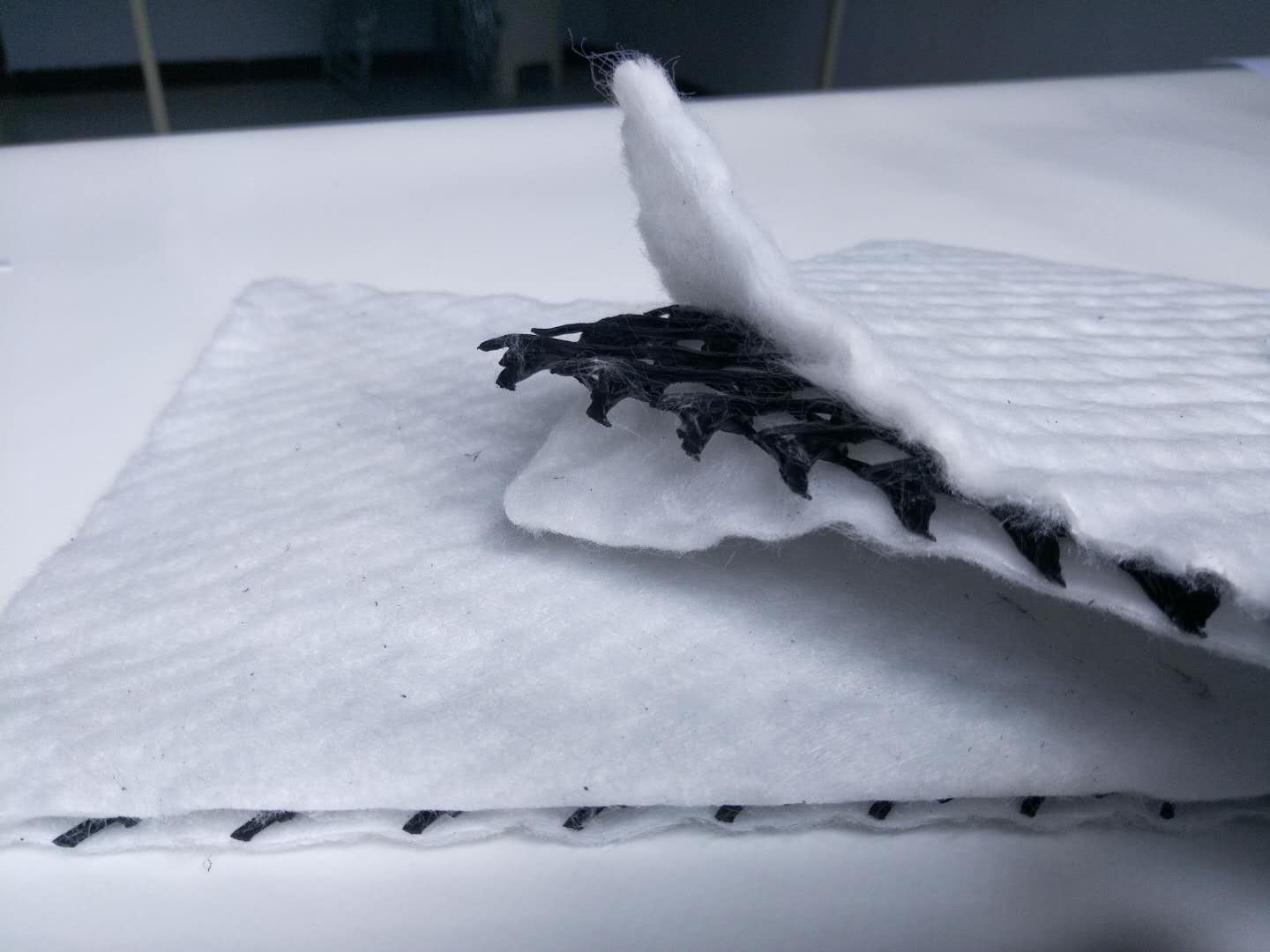
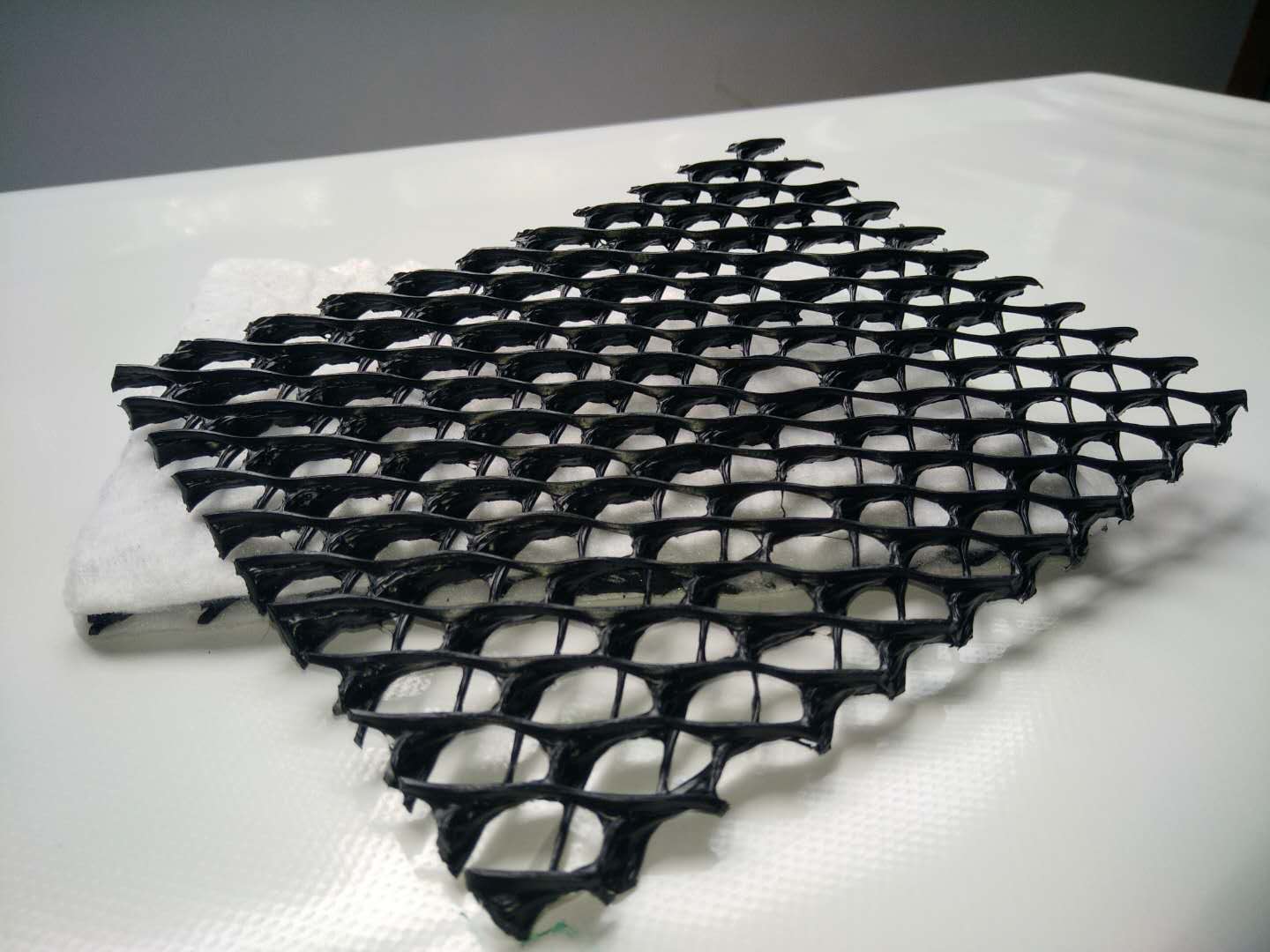
A drainage geonet is a geosynthetic core material with open channel structure that collects and conveys liquids inside a containment or drainage system. It is often paired with geomembranes or geotextiles in applications such as landfill leachate collection, subgrade drainage, tunnel drainage, slope protection, metal smelting tailings, and aquaculture ponds.
Buyers frequently select a drainage geonet by thickness alone. Thickness is useful, but it is only one part of the specification. A geonet with the same nominal thickness can have different mass per unit area, tensile strength, compressive behavior, chemical resistance, and flow capacity. In aggressive environments, the wrong geonet can lose strength or collapse under load, reducing the drainage path and increasing pressure on the liner system.
The practical result is that procurement teams need a verification checklist. The checklist should confirm the product parameters match the project load and liquid chemistry, the certificate covers the correct product scope, and the manufacturer can produce the required dimensions, quantities, and custom properties within the project timeline. This article builds that checklist around a specific drainage geonet reference model and the standards most often requested by industrial buyers.
Industry Context: Drainage Geonet Demand in a Broader Market
Drainage geonets sit within a larger geocomposites market. According to Vertex AI Search / industry forecast data, the global geocomposites market, which includes geotextile-geonet products, was valued at USD 564 million in 2024 and is projected to reach USD 1,074.88 million by 2032. Grand View Research reports that drainage applications led the geocomposites market with a 44.55% revenue share in 2024. In material terms, Precision Reports notes that polyethylene-based drainage nets account for nearly 64% of global material demand, largely due to high chemical resistance.
These figures help explain why drainage geonet buyers are moving beyond simple product descriptions. The market now includes multiple resin families, composite structures, certification schemes, and custom specification options. For a manufacturer like Haoyang Environment Co., Ltd., this means the product line must be described in measurable terms.
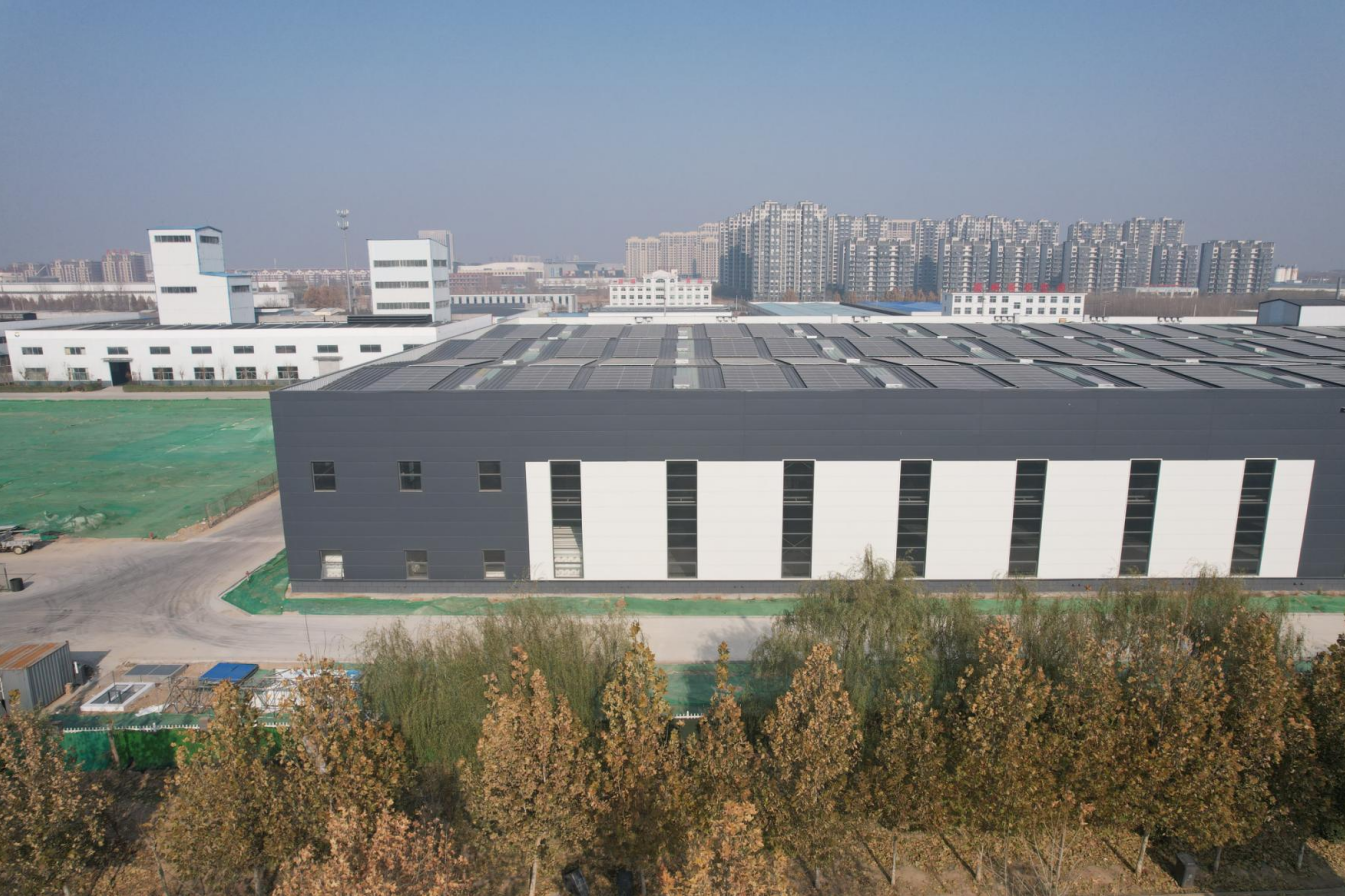
Haoyang Environment Co., Ltd. is a geosynthetic materials manufacturer headquartered in Dezhou (Yucheng) National High-tech Industrial Development Zone, Shandong Province, China. The company was founded in 2008 and operates a 200,000 m² facility with around 190 employees and an annual output of 33,000 tons. Its product range includes geomembranes, geotextiles, composite drainage nets, waterproof mats, and other geosynthetic materials, with more than 70 patents and proprietary technologies. Haoyang’s products are used in applications including non-ferrous metal smelting tailings pond projects, salt lake mining, water conservancy, transportation, and sponge city construction.
Core Drainage Geonet Specifications: Reading the Data Sheet
For industrial buyers, the drainage geonet reference model is designated as 4.0 mm–8.0 mm. The material options are HDPE, PP, and PET, and the product is categorized under multiple configuration types, including composite drainage geonet, acid and alkali resistant drainage geonet, high compressive resistance drainage geonet, high drainage capacity geonet, 3D composite drainage geonet, polyester filament composite drainage geonet, high-strength polypropylene composite drainage geonet, integrated molding drainage geonet, and hot melt welding drainage geonet.
The table below shows the key parameters for this drainage geonet and explains what each value means in a procurement context.
| Parameter | Reference Value | Why It Matters |
|---|---|---|
| Thickness | 4.0 mm–8.0 mm, customizable | Thickness influences in-plane flow capacity and the geonet’s ability to maintain an open drainage path under load. |
| Mass per unit area | 500–1400 g/m², customizable | Mass affects core stiffness, handling characteristics, and quality consistency across rolls. |
| Tensile strength (MD/TD) | ≥5–15 kN/m | Indicates resistance to installation stresses and handling damage before and during placement. |
| Elongation at break | 10–25% | Describes deformation behavior under tensile stress and helps predict performance on uneven subgrades. |
| Compressive strength at 10% strain | ≥500–830 kPa | Shows how much overburden the geonet can resist without excessive reduction in drainage capacity. |
| Acid/alkali resistance | ≥90% strength retention | Confirms resistance to aggressive leachate, an important requirement for metal smelting and industrial containment. |
| Drainage capacity | ≥50–120 (L/min)/m, customizable | Directly measures the geonet’s ability to convey liquid along its plane under defined conditions. |
| Material options | HDPE / PP / PET | Material choice must be matched to site chemistry and project design life. |
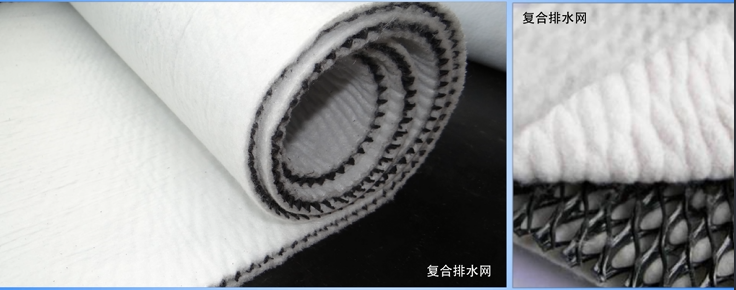
These values are not independent. A heavier geonet may offer higher compressive strength, while a lighter structure may be easier to install. A thicker geonet may provide higher initial flow capacity, but chemical compatibility and creep behavior also determine long-term performance. Buyers should therefore evaluate the whole data sheet, not a single number.
Verification Step-by-Step: From Requirement to Qualified Product
Step 1: Define the liquid chemistry and loading environment
Start with the application. For metal smelting anti-seepage systems, the geonet may need high chemical resistance, UV resistance, and a long service life. For aquaculture pond anti-seepage systems, the material should be non-toxic, UV resistant, and fish-friendly. For landfill drainage, compressive strength and long-term flow capacity are primary concerns. The site environment determines whether you request an acid and alkali resistant drainage geonet, a high compressive resistance drainage geonet, a high drainage capacity geonet, or a 3D composite drainage geonet.
Step 2: Identify the applicable standard and certificate scope
For EU/EEA projects, composite drainage net compliance with EN 13249:2016 is relevant. Haoyang’s composite drainage net holds a Verification of Conformity (ICR) certificate, number ICR/VC/HE250523, issued by ICR and valid for the EU/EEA market. For EAEU/Russia projects, drainage geonet products can be verified against GOST 56586-2015 under certificate number POCC CN.32682.047C00.0C01.H00840, and 3D composite drainage geonet products against GOST 33068-2014 under certificate number POCC CN.32682.04NC中0.OC01.H00838. ASTM D7273 also provides acceptance testing guidelines for geonets and geonet drainage geocomposites. The certificate number, issuing body, product scope, and standard must all match the product being supplied.
Step 3: Compare physical performance data with project design assumptions
Use the parameters from the product data sheet to check design assumptions. Confirm that tensile strength, elongation at break, compressive strength at 10% strain, acid/alkali resistance, and drainage capacity satisfy the project specification. If the project requires a custom drainage capacity or mass per unit area, confirm that the manufacturer can modify these values rather than substituting a catalog product that only looks similar.
Step 4: Verify quality control and production capability
A specification is only useful if the production process can repeat it. In Haoyang’s case, the drainage geonet production model is OBM with customization options for logo, width, roll length, thickness, GSM, tensile yield strength, tensile fracture strength, piercing strength, and other chemical and physical indicators. The monthly capacity is 3,000 tons, lead time is 10–30 days, minimum order quantity is 5,000 m², and quality control is 100% tested before shipment. Buyers should ask for equivalent information from every supplier: capacity, lead time, MOQ, and test protocol.
Step 5: Confirm export experience and after-sales support
Geonet supply is not complete at the factory gate. Haoyang reports after-sales support including on-site support, and its export markets include Africa, Europe, Central Asia, Southeast Asia, Australia, and South America. The company also has experience delivering full-chain services from material supply to on-site installation and construction. For remote projects, this can reduce the risk of installation errors and specification disputes.
Material Selection: HDPE, PP, and PET Drainage Geonet Options
The drainage geonet reference model is available in HDPE, PP, and PET. According to verified industry data, polyethylene-based drainage nets account for nearly 64% of global material demand due to high chemical resistance. This makes HDPE a common choice for contaminated or aggressive liquids, including leachate and mining process water.
PP-based options are also available, often specified as high-strength polypropylene composite drainage geonets. PET-based options are available in the form of polyester filament composite drainage geonets. The final selection should be based on the project’s chemical environment, design life, and compatibility with adjacent geosynthetics. A material that performs well in one liquid may perform poorly in another, so buyers should not assume that a generic material grade is sufficient.
Use Cases: Where Drainage Geonet Performance Is Tested
Metal smelting tailings and process areas
In metal smelting anti-seepage systems, the operating condition is leakage prevention, and the system typically runs 24/7. The matched equipment combination is often drainage geonet with geomembrane. The special requirements include high chemical resistance, UV resistance, and long service life. Under these conditions, the drainage geonet must maintain flow capacity even when exposed to aggressive liquid and sustained load. The acid/alkali resistance value, ≥90% strength retention, is directly relevant to this type of environment.
Aquaculture ponds
In aquaculture pond anti-seepage systems, the function is to prevent water seepage while maintaining a safe environment for aquatic life. The special requirements include non-toxic material, UV resistance, fish-friendly characteristics, and long service life. Here, the drainage geonet is used alongside a geomembrane liner to manage gas and moisture below the liner and to protect the liner from subgrade conditions.
Field reference: Gold mine tailings project in Uzbekistan
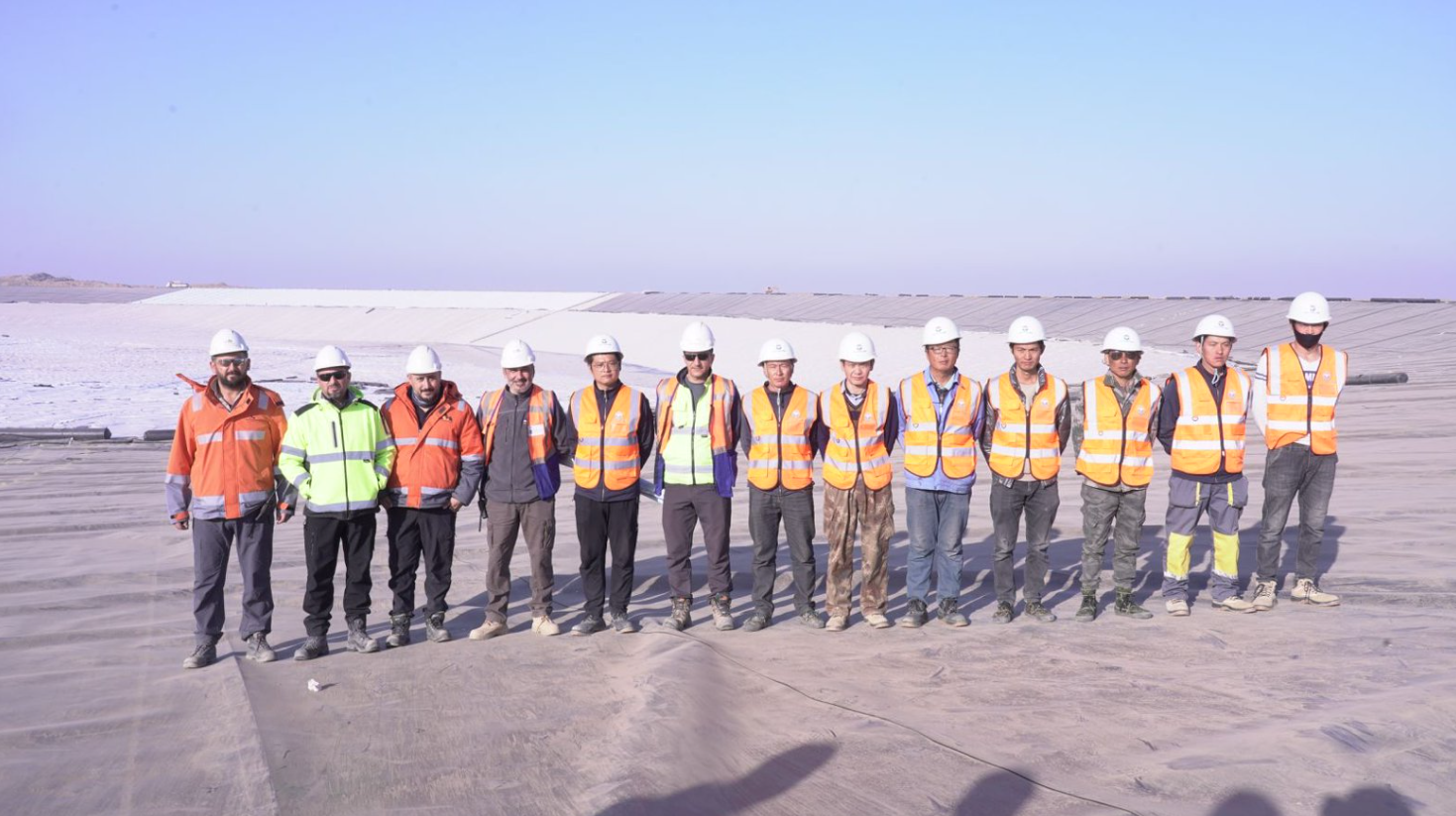
One documented reference is the seepage prevention project for the tailings pond basin of a gold mine in Uzbekistan, which covered approximately 900,000 square meters. The project used a three-dimensional composite drainage network made from an independently developed textured geomembrane and high-strength polypropylene geotextile. The project scope went beyond material supply and included construction, which reflects a full-chain service model from anti-seepage material supply to on-site installation.
Comparison: What to Evaluate When Comparing Drainage Geonet Suppliers
The comparison below is not a brand ranking; it is a supplier evaluation framework. Buyers should compare each candidate on the same criteria, using documents and samples rather than marketing descriptions.
| Comparison Point | What to Verify | Why It Matters |
|---|---|---|
| Certificate scope | Certificate number, issuing body, product scope, applicable standard, and validity period | A certificate that names the exact product and standard prevents compliance gaps at customs or site acceptance. |
| Customization depth | Thickness, mass per unit area, width, roll length, tensile indicators, and chemical/physical parameters | Projects rarely need a standard product in every dimension; flexibility reduces material and installation waste. |
| Quality control | Whether products are tested before shipment and whether test data is available | Verified testing reduces the probability of non-conforming rolls reaching site. |
| Production capacity | Monthly capacity, MOQ, and lead time | Large projects require consistent supply; lead time affects construction schedules. |
| Export and after-sales support | Export market history, on-site installation support, and communication channels | International buyers need suppliers who understand export documentation, site conditions, and installation workflows. |
Frequently Asked Questions
What certifications should I check for drainage geonet in EU/EEA and EAEU/Russia projects?
For EU/EEA projects, check that the drainage geonet is covered by a Verification of Conformity certificate issued by an accepted body. Haoyang’s composite drainage geonet holds certificate ICR/VC/HE250523 confirming compliance with EN 13249:2016. For EAEU/Russia projects, Haoyang’s drainage geonet holds a GOST Certificate of Conformity, number POCC CN.32682.047C00.0C01.H00840, under GOST 56586-2015, and the 3D composite drainage geonet holds certificate POCC CN.32682.04NC中0.OC01.H00838 under GOST 33068-2014. Always confirm that the certificate scope names the product you intend to buy.
What drainage geonet parameters can be customized?
Haoyang supports customization of logo, width, roll length, thickness, GSM, tensile yield strength, tensile fracture strength, piercing strength, and other chemical and physical indicators. The drainage geonet reference model has a thickness range of 4.0 mm–8.0 mm, mass per unit area of 500–1400 g/m², and drainage capacity of ≥50–120 L/min/m, all customizable depending on the project. Material options are HDPE, PP, and PET.
How should I budget for drainage geonet in 2026?
There is no single per-square-meter price that applies to every drainage geonet. Cost depends on material type, thickness, mass per unit area, drainage capacity, required certifications, and order volume. Budgets should be based on an itemized quotation that matches the project specification, not on an average catalog price. To get a specification-based quote for your project, contact Haoyang Environment Co., Ltd. directly through the website, email, or WhatsApp.
Can I request a drainage geonet sample before placing a bulk order?
Procurement teams are encouraged to evaluate the physical product before a bulk order. Haoyang supports OBM production, custom specifications, and export to Africa, Europe, Central Asia, Southeast Asia, Australia, and South America. For questions about sample availability, required specifications, and delivery time, contact the Haoyang sales team at +86 15315800874 or 15315800874@163.com.
What is the lead time for custom drainage geonet production?
Haoyang’s standard lead time is 10–30 days for custom production. Monthly capacity is 3,000 tons, and the MOQ is 5,000 m². The company operates a 100% tested quality control process before shipment. For large or urgent projects, buyers should confirm capacity and scheduling directly with the supplier before placing an order.
Conclusion and Next Step
Drainage geonet selection is no longer a one-line material specification. A reliable buying decision depends on measurable parameters, correct certification, material compatibility, production capability, and the supplier’s ability to deliver the exact configuration the project requires.
For industrial buyers evaluating drainage geonet options, the next step is to convert the project requirements into a clear technical inquiry. Include the application, liquid chemistry, expected load, required drainage capacity, dimensions, and target standard. This allows the manufacturer to propose the most appropriate product type, whether it is a standard geonet, composite drainage geonet, 3D composite drainage geonet, or a custom HDPE/PP/PET version.
Ready to verify a drainage geonet specification for your project? Contact Haoyang Environment Co., Ltd. at +86 15315800874 or 15315800874@163.com. For more product information, visit www.haoyanghuanjing.com. A specification-based quotation can help you compare performance, compliance, and total project cost with confidence.