Geomembrane vs. Clay Liner: A Comparison Guide for EU Projects
Geomembrane vs. Geosynthetic Clay Liner: A Comparison Guide for EU Projects
Selecting the right hydraulic barrier is one of the most consequential decisions in EU containment projects. Engineers, contractors and environmental consultants are often asked to choose between a polymeric geomembrane and a geosynthetic clay liner (GCL). Both are accepted lining technologies, but they behave differently during installation, under chemical exposure, and over long-term service. This guide compares the two systems for EU projects, explains their respective strengths and limitations, and shows how certified HDPE geomembranes and GCLs can fit into compliant liner designs.
Why the Geomembrane vs. GCL Decision Matters for EU Projects
EU environmental directives require containment systems to protect soil and groundwater from pollution. Whether the structure is a reservoir, a tailings storage facility, a landfill cell, or a treatment lagoon, the liner must provide a reliable hydraulic barrier over decades of service. Choosing the wrong barrier type can lead to leakage, subgrade contamination, regulatory penalties, and costly remediation.
Geomembrane and GCL are not always interchangeable. A geomembrane is a continuous polymeric sheet with near-zero permeability; a GCL is a manufactured layer of sodium bentonite encapsulated between geotextiles. Each has different hydraulic properties, puncture behaviour, and construction requirements. EU buyers need a decision framework that evaluates project-specific conditions, not a generic preference.
What Is a Geosynthetic Clay Liner?
A geosynthetic clay liner, commonly known as a GCL, is a factory-manufactured hydraulic barrier consisting of a thin layer of sodium bentonite clay enclosed between two geotextile layers or glued to a geomembrane. The bentonite swells when hydrated and forms a low-permeability gel that blocks water passage. GCLs are widely used as components of composite liner systems, secondary liners, and final covers.
Compared with compacted clay liners, GCLs are much thinner and lighter. They can be transported in rolls and installed quickly with overlapping seams. However, their hydraulic performance depends on cation exchange and confining stress. In aggressive leachates or high-salt environments, bentonite can lose effectiveness if the liquid chemistry alters its swelling capacity.
What Is an HDPE Geomembrane?
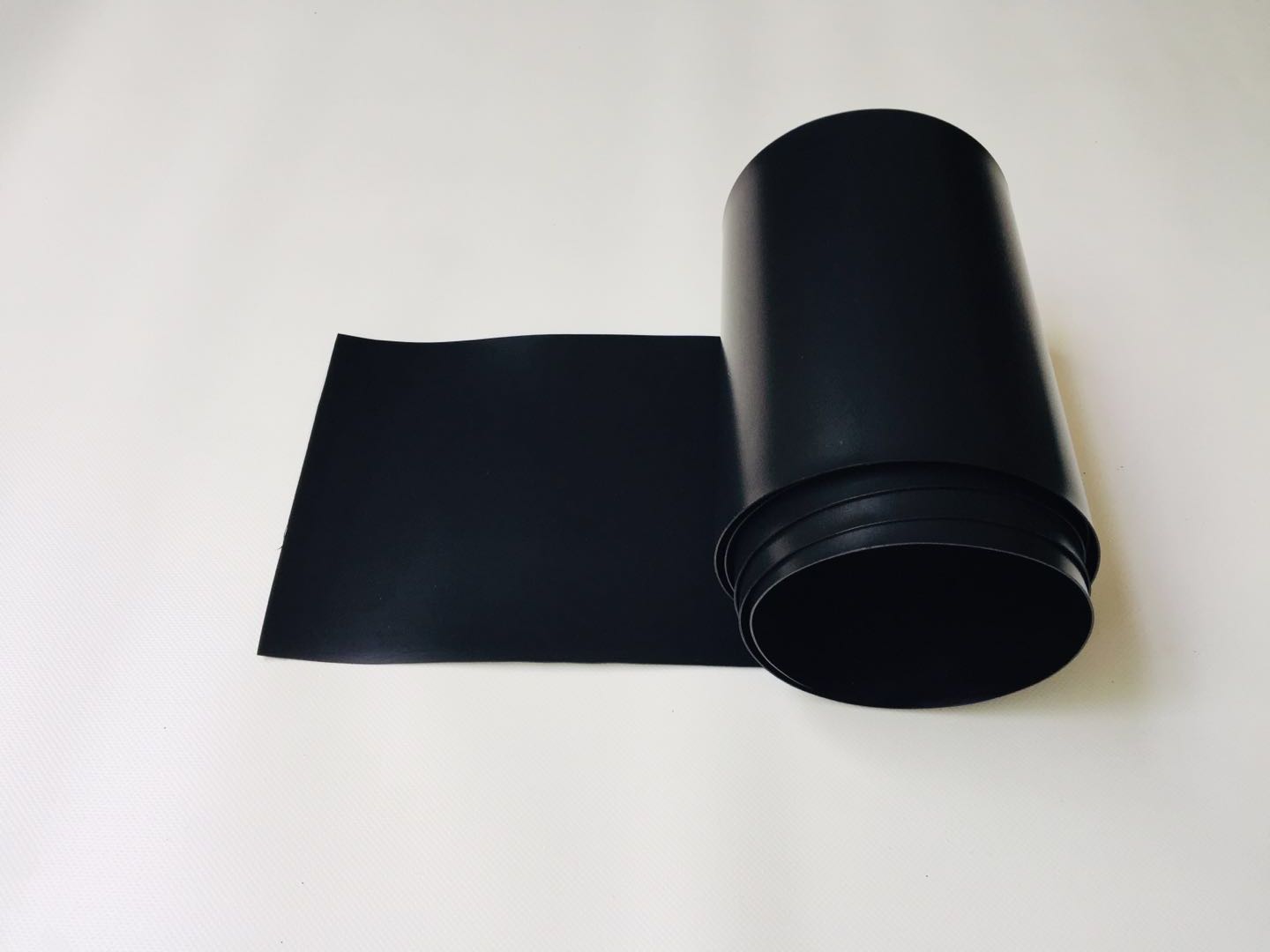
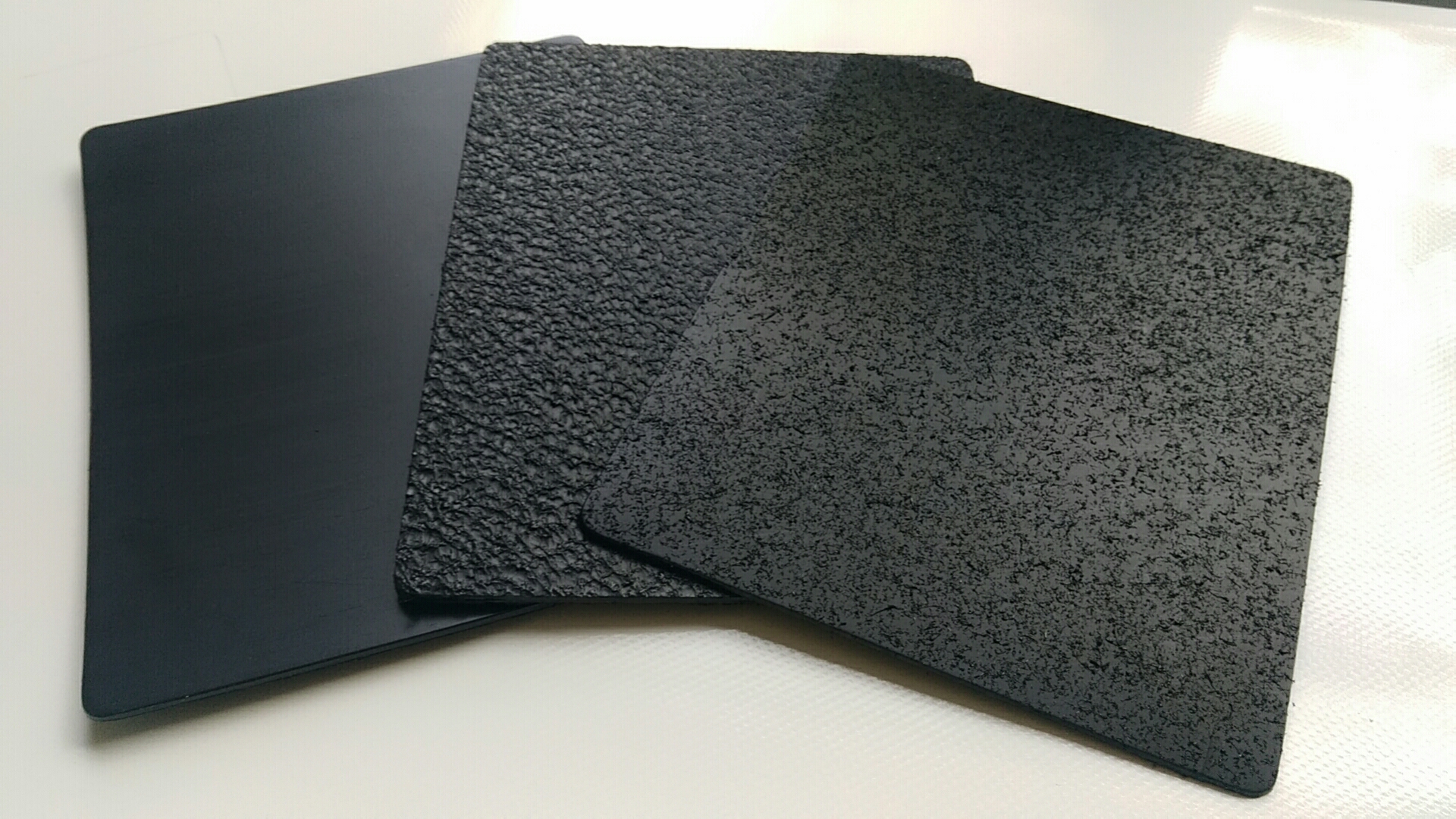
An HDPE geomembrane is a continuous sheet manufactured from high-density polyethylene resin. Haoyang Environment Co., Ltd produces geomembranes in thicknesses from 0.3 mm to 3.0 mm, with custom thicknesses available for project-specific requirements. Typical HDPE geomembrane properties include yield strength of 5–65 kN/m in machine and transverse directions, break strength of 10–85 kN/m, tear resistance of 45–500 N, and puncture resistance of 170–1200 N. The material also offers stress crack resistance of at least 500 hours, carbon black content of 2.0–2.8%, standard oxidation induction time of at least 130 minutes, and high-pressure oxidation induction time of at least 430 minutes. After 90 days of oven aging at 85°C, standard OIT retention is at least 60%.
Because HDPE is inherently impermeable when manufactured without defects, the main hydraulic risk is located in seams and handling damage rather than in the sheet itself. Field seams are typically completed by thermal fusion welding, producing a continuous, testable bond.
Key Differences Between Geomembrane and GCL
1. Hydraulic Barrier Mechanism
A geomembrane provides an impermeable physical barrier. A GCL provides a hydraulic barrier through hydrated bentonite, which forms a gel with very low permeability. From a purely hydraulic perspective, an intact geomembrane will always show lower liquid transmission than a GCL because it has no inherent porosity.
2. Installation and Seaming
Geomembrane panels are welded on site using fusion or extrusion welding equipment. Seam integrity is verified using non-destructive and destructive testing methods. GCLs are installed with simple overlap seams; hydrated bentonite in the overlap zone creates the seal. GCL installation is generally faster in flat areas but may require a protective cover layer to maintain confinement.
3. Punctuation and Damage Behaviour
Geomembranes can be punctured by angular subgrade materials or by heavy equipment during construction. Good subgrade preparation and geotextile protection reduce this risk. GCLs are less vulnerable to small punctures because bentonite can swell around a puncture point, but they require confinement to achieve self-healing. When exposed or subject to shear forces, GCLs may need additional mechanical anchoring and cover soil.
4. Chemical and UV Resistance
HDPE geomembranes are known for resistance to many chemicals and are generally suitable for industrial liquids such as those encountered in metal smelting applications. They also contain carbon black for UV stabilisation, allowing long-term outdoor exposure. GCLs are often used beneath geomembranes, where they are protected from UV degradation. In applications with high ionic strength leachates, the bentonite component must be evaluated for chemical compatibility.
5. Certification and Compliance
European projects commonly require products to meet harmonised EN standards and carry clear third-party verification. Haoyang’s HDPE geomembrane is certified under ICR reference ICR/VC/HE250525, and its geosynthetic clay liner is certified under ICR/VC/HE250526. Both products are compliant with EN 13249:2016, which specifies required characteristics for geosynthetic barriers used in construction. Buyers should always verify that the delivered lot matches the certified reference and requested certificate.
Industry Background: Where Each Liner Fits
The global geomembrane market was estimated at approximately USD 2.23 billion in 2025 and is projected to reach USD 3.59 billion by 2034. HDPE resins continue to dominate the raw-material segment, accounting for roughly 31.3% to 40% of global revenue depending on the reporting source. Mining containment was the largest application segment in 2023, representing about 39.6% of global revenue, driven by tailings and process-water storage demand.
GCLs are not always reported in the same category as geomembranes, but they are frequently combined with geomembranes in composite liner systems. For EU projects, a composite liner—both geomembrane and GCL—is often preferred when strict groundwater protection is required. The geomembrane acts as the primary liquid barrier, while the GCL provides an additional low-permeability backup layer and reduces dependence on underlying soil quality.
Step-by-Step Selection Framework for EU Projects
Step 1: Define Hydraulic and Chemical Requirements
Identify the liquid to be contained. For freshwater reservoirs and aquaculture ponds, a geomembrane alone is often sufficient. For industrial process water, leachate, or mining-related liquids, the chemical compatibility of both the polymer and the bentonite must be assessed. In metal smelting applications, Haoyang geomembranes are used for anti-seepage containment due to their chemical resistance and long service life.
Step 2: Evaluate Subgrade and Interface Conditions
If subgrade is smooth and well compacted, either liner type can be used. If subgrade contains sharp rocks or rough surfaces, a geomembrane needs a protective geotextile or a GCL underlay. If the liner will be placed directly on a high-permeability subgrade, adding a GCL beneath the geomembrane increases system redundancy.
Step 3: Assess Installation Environment
For large open areas with skilled welding crews, HDPE geomembrane installation is proven and standardised. For narrow or difficult-to-access zones, a GCL may be easier to place because it requires less machinery. However, every project in the EU should also consider the number of panels, seam length, and testing time, since these factors directly affect construction schedules.
Step 4: Check Certifications and Product Traceability
In Europe, geosynthetic barriers are usually supplied with a declaration of performance and CE marking when covered by a harmonised standard. Haoyang's geomembrane and GCL have been verified under ICR references ICR/VC/HE250525 and ICR/VC/HE250526 respectively, with compliance to EN 13249:2016. This gives confidence that the materials meet recognised mechanical and durability requirements.
Step 5: Compare Lifetime Costs
Material price is only one variable. GCLs may have a lower initial ticket price but can require additional operations such as soil cover, anchoring, and overlap width. Geomembranes require welding and seam testing but offer long-term durability, reduced leakage, and easier quality control. Life-cycle cost analyses should include maintenance, monitoring, repair, and regulatory risk.
Step 6: Consider Composite Options
For the most critical containment systems, combine both technologies. In a composite liner, the geomembrane is placed above a GCL or vice versa, creating a double barrier. This arrangement is common in municipal landfills, hazardous waste cells, and industrial tailings facilities where a single barrier may not satisfy environmental approvals.
Use Cases in Practice
Metal Smelting and Tailings Containment
Haoyang’s geomembrane is used in the metal smelting industry. The product is suitable for applications in the metal smelting sector and is widely used where anti-seepage systems prevent process liquid leakage. This application scenario is common in countries including Laos, Cambodia, Indonesia, Vietnam, the Democratic Republic of the Congo, the Republic of the Congo, Russia, Uzbekistan, Kyrgyzstan, Kazakhstan, Australia, and Chile. For EU-based mining and smelting plants, similar containment principles apply: strong puncture resistance, chemical durability, and verified seams are critical. A composite liner with HDPE geomembrane and GCL can provide the required leachate control and environmental protection.
Aquaculture and Freshwater Reservoirs
In aquaculture pond anti-seepage systems, geomembranes are used to prevent water seepage and maintain stable water levels. Haoyang geomembranes are applied in aquaculture projects across Southeast Asian countries such as Laos, Cambodia, Indonesia, and Vietnam. EU fish-farming operations and ornamental pond projects can use the same liner technology, selecting a non-toxic, UV-resistant HDPE geomembrane that is fish-friendly and capable of long service life.
Water Reservoirs and Pumped Storage
Although not limited to EU geography, anti-seepage liners for reservoirs and pumped storage power stations require high puncture resistance and resistance to long-term hydrostatic pressure. HDPE geomembranes are often selected because of their low permeability, chemical stability, and low maintenance. In some designs, a GCL layer is added beneath the geomembrane to enhance the lining system against low-permeability soil substitutes.
Comparison Table: HDPE Geomembrane vs. Geosynthetic Clay Liner
| Comparison Criterion | HDPE Geomembrane | Geosynthetic Clay Liner (GCL) |
|---|---|---|
| Primary barrier mechanism | Continuous impermeable polymeric sheet | Hydrated sodium bentonite swelling layer |
| Typical thickness | 0.3 mm – 3.0 mm (customisable) | Thin factory-produced sheet containing bentonite |
| Hydraulic performance | Near-zero permeability through intact sheet | Low permeability when hydrated and confined |
| Installation method | Thermal welding of seams; destructive/non-destructive testing | Overlap with bentonite in joints; cover required |
| Puncture resistance | 170–1200 N; requires good subgrade and protection | Moderate but self-healing around localised damage |
| Chemical resistance | HDPE resists many acids, alkalis and industrial liquids | Bentonite may be sensitive to high ionic-strength leachates |
| UV resistance | Stabilised with 2.0–2.8% carbon black | Usually protected by geomembrane or soil cover |
| Certification examples | ICR/VC/HE250525; EN 13249:2016 | ICR/VC/HE250526; EN 13249:2016 |
| Typical project role | Primary liner in reservoirs, ponds, tailings and landfill cells | Secondary liner, composite component, or replacement for compacted clay |
Standards and Certification Guidance
EU projects should distinguish between product standards and installation practices. EN 13249:2016 is one of the European standards specifying required characteristics for geosynthetic barriers in construction. Haoyang’s geomembrane and GCL are covered by ICR references ICR/VC/HE250525 and ICR/VC/HE250526, providing documented verification of compliance. Additional standards, such as GRI-GM13 for HDPE geomembranes, EN 13361 for reservoir and dam applications, and ASTM D5397 for stress crack resistance, may be referenced in technical specifications.
Buyers should request certificates, data sheets, and lot traceability from the manufacturer. If a supplier cannot show the exact product reference on its certificate, the physical product may differ from the submitted compliance document.
FAQ
What is the main difference between a geomembrane and a GCL?
A geomembrane is a continuous polymeric sheet that prevents liquid passage through the material itself. A geosynthetic clay liner contains a layer of sodium bentonite that swells when hydrated and creates a low-permeability seal. Geomembranes are field-welded into continuous panels, while GCLs are overlapped and rely on bentonite contact at the joints.
Are Haoyang geomembrane and GCL certified for use in EU projects?
Haoyang Environment Co., Ltd provides HDPE geomembrane certified under ICR/VC/HE250525 and GCL under ICR/VC/HE250526; both are compliant with EN 13249:2016. Buyers should confirm with the supplier that the supplied batch matches the certified reference and provide the required documentation in the project tender.
Can a geomembrane and a GCL be installed together?
Yes. They are frequently combined into a composite liner system. The geomembrane acts as the primary hydraulic barrier, while the GCL provides an additional low-permeability layer and protects the system from defects in the underlying soil. Composite liners are common in landfill cells and industrial containment facilities.
Which liner is better for metal smelting and mining applications?
HDPE geomembranes are widely used in metal smelting and anti-seepage containment projects because of their high chemical resistance, UV resistance, and long service life. The Haoyang geomembrane is applicable to metal smelting sector projects and is common in various mining-intensive countries. When extremely strict groundwater protection is required, combining an HDPE geomembrane with a GCL provides additional safety.
How should EU buyers verify a liner manufacturer?
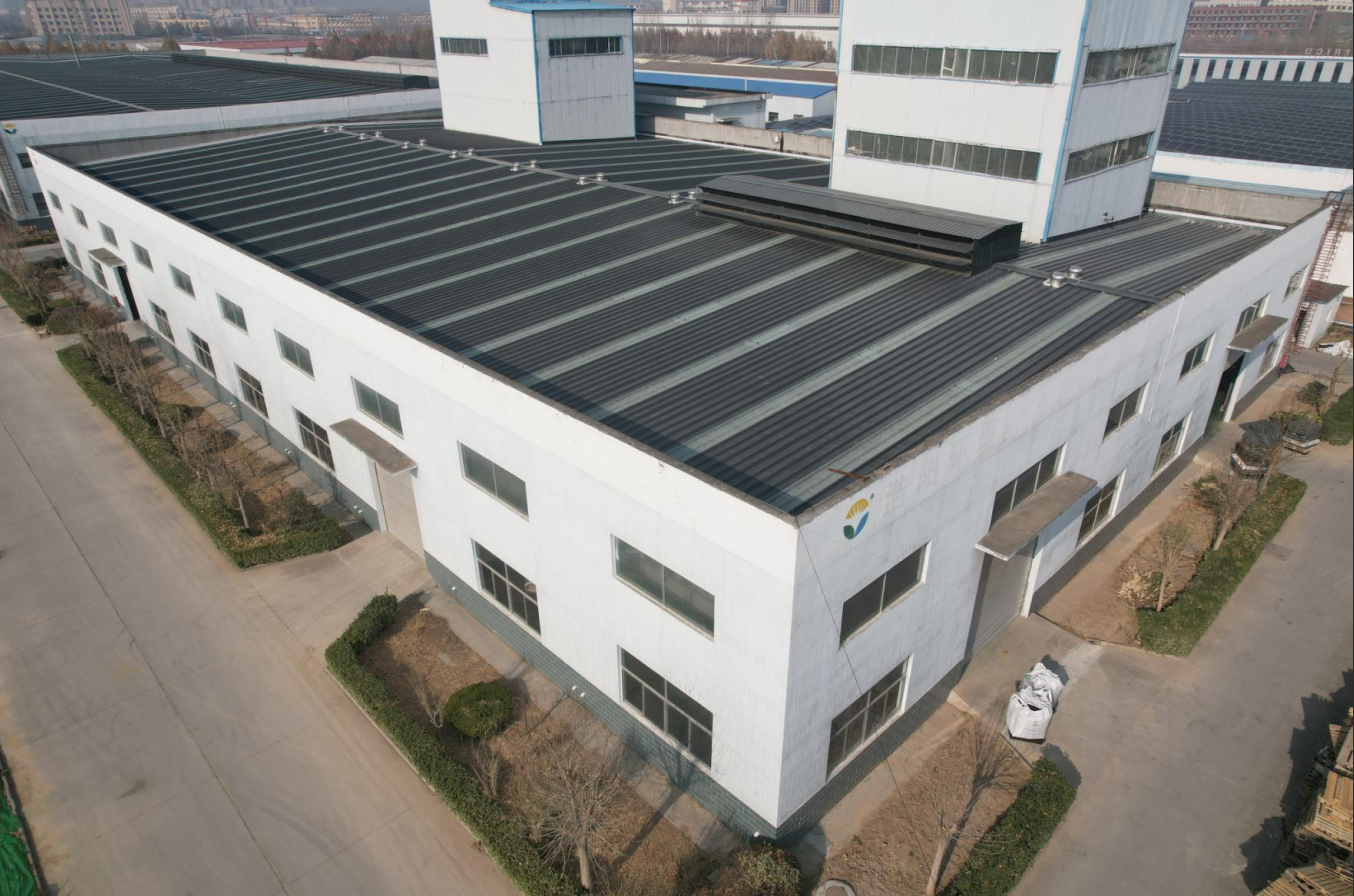
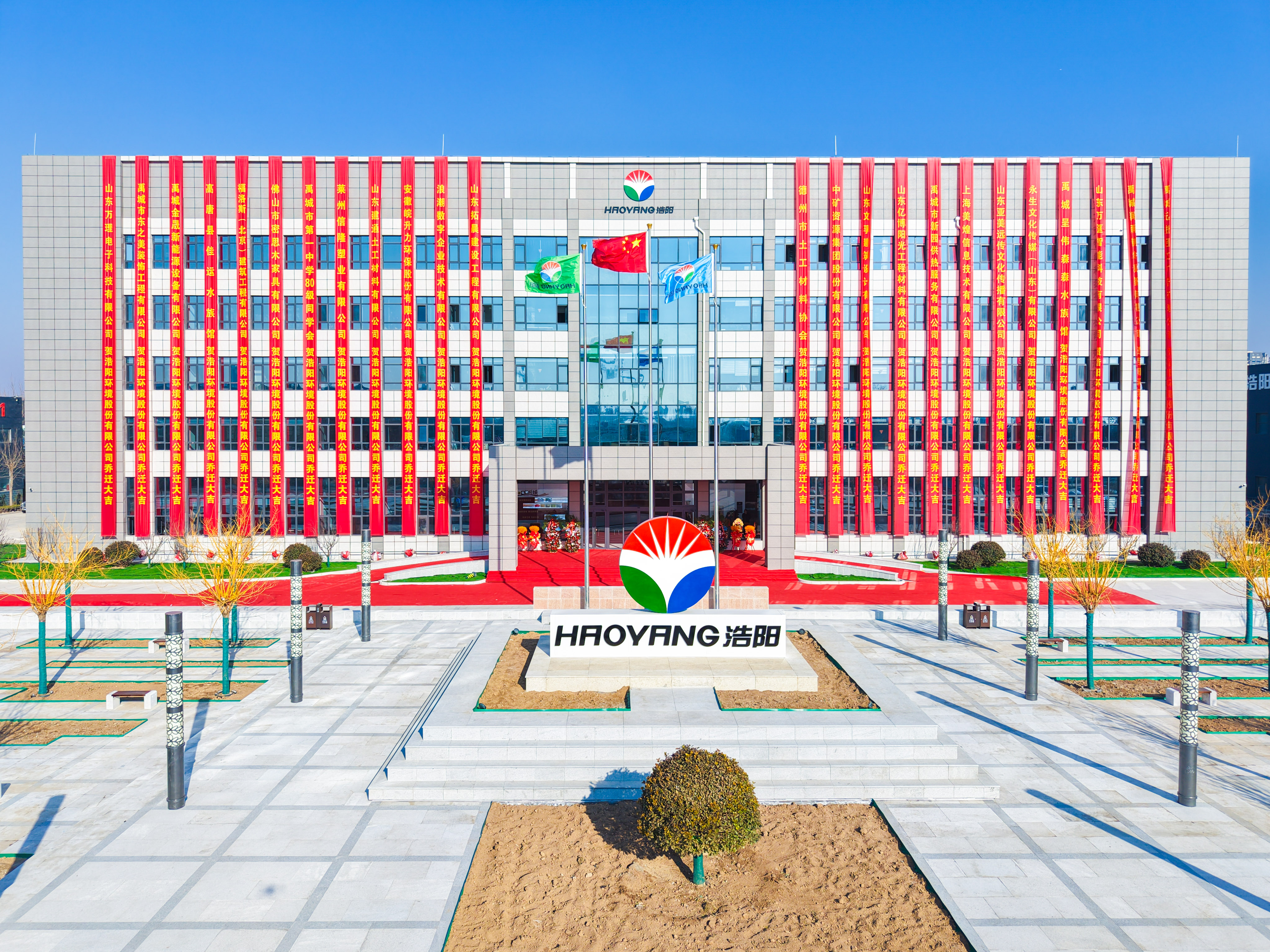
Buyers should check the manufacturer’s production capacity, quality certificates, laboratory records, and project references. Haoyang Environment Co., Ltd was founded in 2008, operates a 200,000 m² factory in Shandong, China, employs 190 workers, and has an annual output capacity of 33,000 tonnes. The company’s products are exported to around 60% of its output and are used in more than 70 countries. For material specifications and sample validation, contact Haoyang via www.haoyanghuanjing.com or send an inquiry to 15315800874@163.com.
Conclusion
Both geomembrane and GCL have established positions in modern containment engineering. For EU projects, the final decision should be driven by hydraulic needs, chemical compatibility, subgrade conditions, construction practicality, certification requirements, and life-cycle economics. HDPE geomembranes provide a strong, welded, near-impermeable primary barrier; GCLs offer a flexible supplemental clay barrier that can be used above or below geomembranes. Haoyang Environment Co., Ltd supplies both certified products under one roof: geomembrane reference ICR/VC/HE250525 and GCL reference ICR/VC/HE250526, both aligned with EN 13249:2016.
Before specifying, request representative samples, review full test data, and ask the manufacturer to confirm how each product has been used in comparable industrial anti-seepage systems. This approach lowers technical risk and helps EU owners build containment solutions that remain reliable for decades.
Need help choosing a liner for your EU project? Contact Haoyang’s team for certified geomembrane and GCL specifications, samples, and pricing at WhatsApp or email 15315800874@163.com.