Solving Slope Erosion: How Drainage Geonet Prevents Costly Failures
Solving Slope Erosion: How Drainage Geonet Prevents Costly Failures
A drainage geonet is a geosynthetic drainage layer — normally a three-dimensional structured core bonded to a filter geotextile — that is installed in slopes, subgrades, tunnels and lining systems to collect seepage and convey it in-plane before water pressure can build against the soil or against a barrier above it. In slope applications, that single function decides whether a surface stays stable or starts to move after the first heavy wet season.
Slope erosion is often treated as a surface problem: seed it, mesh it, cover it. In practice, most slope failures that damage a project budget are driven by water that could not get out. Water trapped above a low-permeability layer, or behind a geomembrane lining a slope or basin, raises pore pressure and adds load to the barrier. When pressure wins, the repair is paid by the owner — not by the slope.
This article is written for buyers in the evaluation stage who are comparing drainage geonet options for slope protection, pond lining, tailings and subgrade work. It explains the failure mechanism, the documented performance range of composite drainage geonet, how pairing a geonet with a geomembrane forms a combined anti-seepage and drainage system, and which configurations slope projects tend to prefer in 2026 for EU, EAEU and international specifications.
Slope Erosion Is a Drainage Problem Before It Is a Soil Problem
A slope usually fails from water pressure before it fails from water velocity. Surface runoff can carry soil away, but the deeper and more expensive damage happens when water enters the slope and cannot leave it.
- Perched water and rising pore pressure. When infiltrated water meets a low-permeability layer — compacted fill, a clay stratum or a geomembrane — it accumulates. Pore water pressure reduces the effective stress that holds soil particles and slope mass in place.
- Surface sealing and concentrated runoff. Once fines seal the surface, infiltration drops and runoff concentrates, cutting rills that develop into gullies.
- Fines migration into drainage paths. Unprotected aggregate or open drains can silt up. A correctly specified filter geotextile keeps soil out of the drainage core while allowing water in.
- Pressure behind a liner. Where a geomembrane provides containment, water trapped behind it exerts normal stress on the membrane, loading seams and increasing puncture and uplift risk.
- Load on the drainage layer itself. A drainage core that compresses under cover soil and traffic closes its own channels. Drainage capacity measured at zero load is not the number that protects the slope.
The commercial consequence is what buyers recognize: emergency repair, construction downtime, re-work of cover and lining layers, and — in containment applications such as tailings ponds, evaporation ponds and aquaculture basins — a loss of containment that becomes a compliance event rather than a maintenance item. Preventing that outcome begins with treating drainage as a designed layer, not as backfill.
Industry Background: Why Slope and Basin Drainage Demand Keeps Rising
Published market data shows drainage is the largest single function within geocomposite demand. According to industry forecasts, the global geocomposites market — which includes geotextile-geonet products — was valued at USD 564 million in 2024 and is projected to reach USD 1,074.88 million by 2032. Within that market, drainage applications accounted for a 44.55% revenue share in 2024, the largest functional segment.
Material preference is equally concentrated. Polyethylene-based drainage nets account for nearly 64% of global material demand, a share attributed to their chemical resistance — a relevant signal for projects exposed to leachate, saline water or alkaline process streams.
Two regulatory trends shape how drainage geonet is evaluated in 2026. In the EU/EEA, geosynthetics are assessed against harmonised standards such as EN 13249:2016. In the EAEU and Russia, GOST conformity certificates are the practical entry requirement. Internationally, ASTM D7273 provides guidelines for the acceptance testing of geonets and geonet drainage geocomposites — useful when a specification must define how delivered rolls are verified, not only what the data sheet claims.
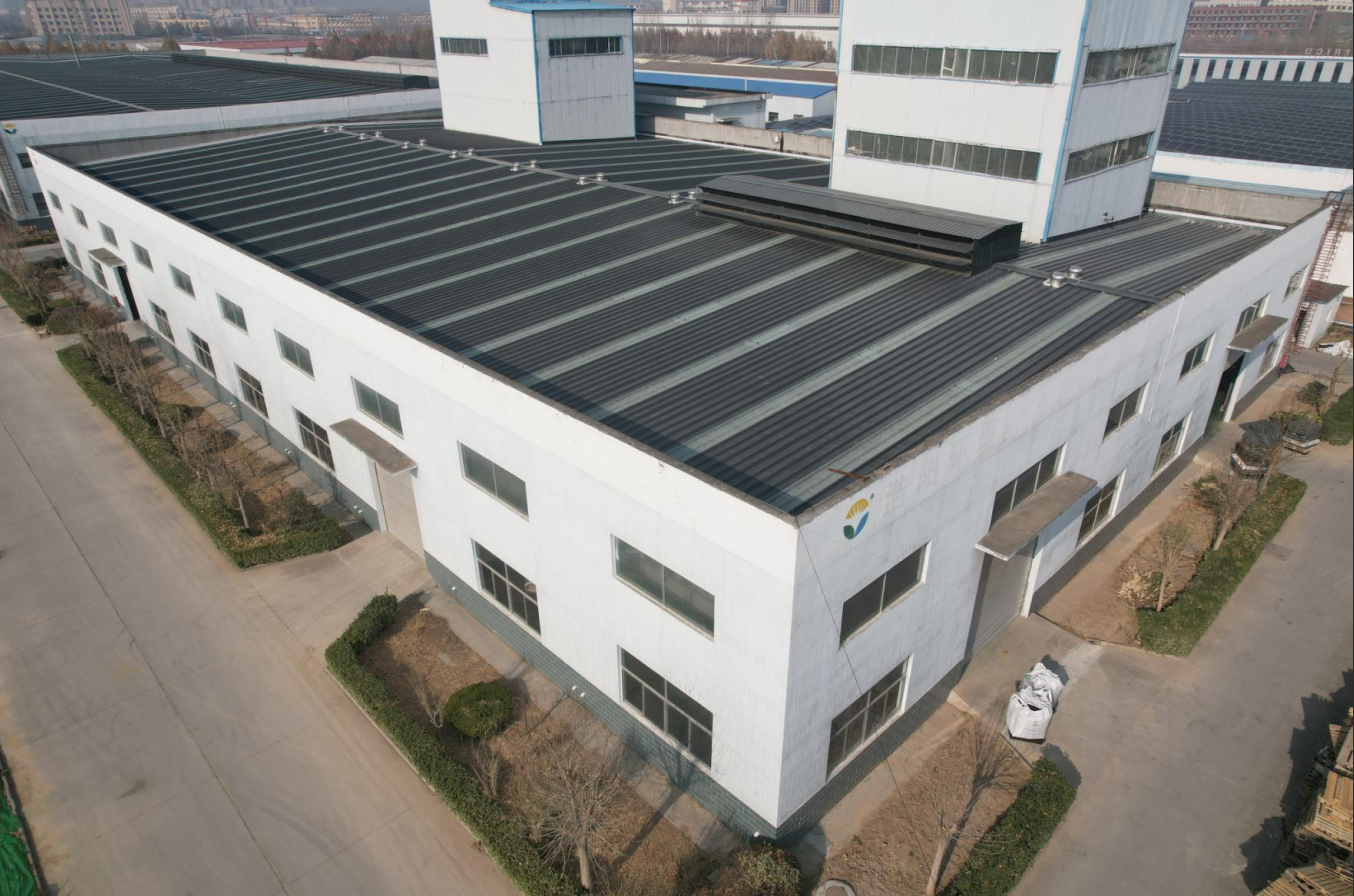
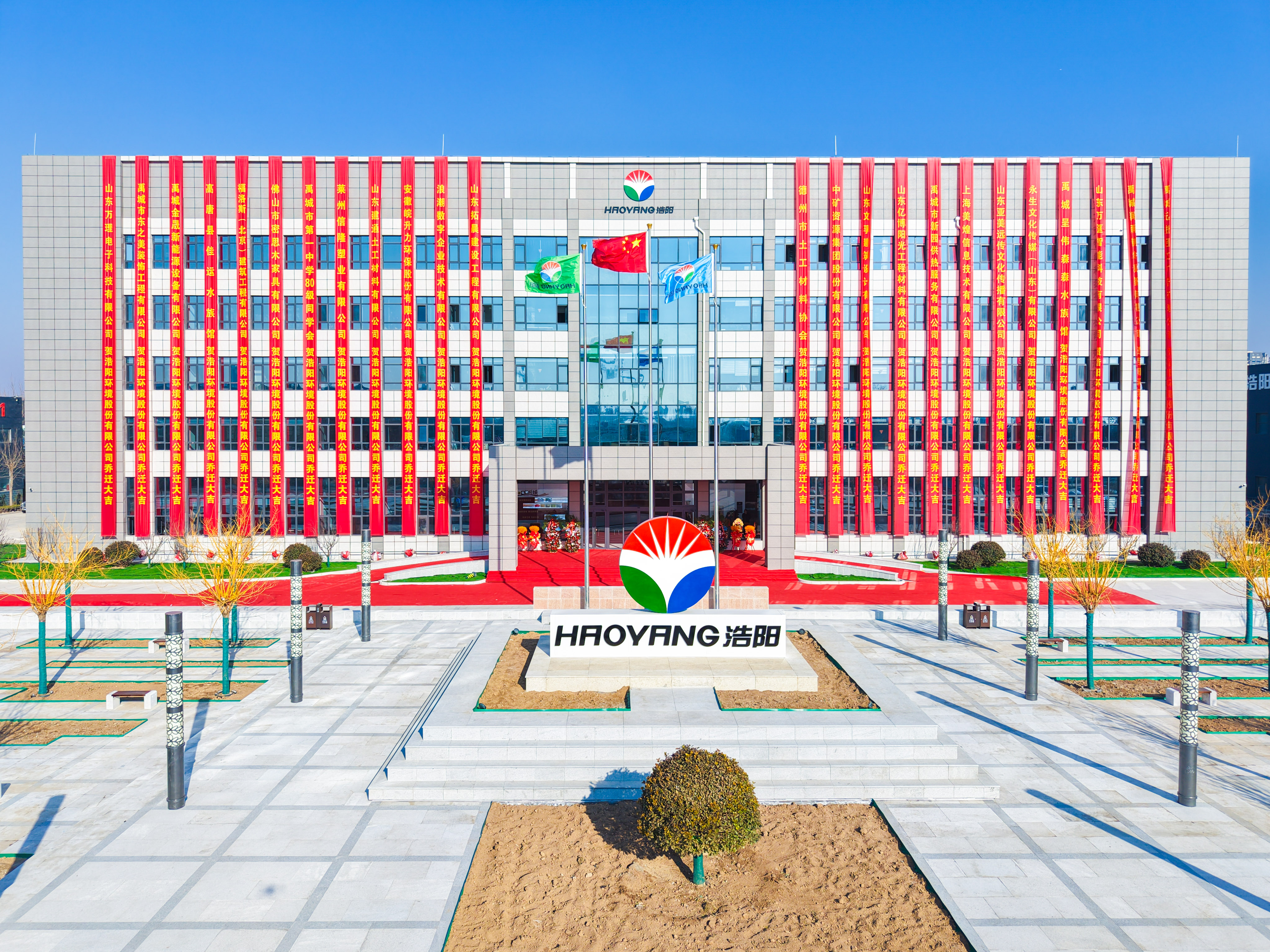
Haoyang Environment Co., Ltd is a China-based manufacturer of geosynthetic materials founded in 2008, headquartered in the Dezhou (Yucheng) National High-Tech Industrial Development Zone, Shandong Province. The company produces geomembranes, geotextiles, composite drainage nets, waterproof mats and related geosynthetics, operates a 200,000 m² facility with 190 employees and an annual output of 33,000 T, and reports a 60% export ratio with a marketing network covering more than 70 countries and regions.
How Drainage Geonet Prevents Slope Failure
The structure: an open core with a filter that stays clean
A drainage geonet works because water enters the layer through a filter geotextile and then travels in the plane of the material — not vertically through it. The structured core forms continuous channels; the filter keeps soil fines out of those channels; and the compression resistance of the core keeps the channels open under cover soil, traffic or waste load. Three material families are used depending on exposure: HDPE, PP and PET.
On a slope, the layer is placed so that collected water discharges at a designed outlet — a toe drain, a collector pipe or a basin sump. Removing that water lowers pore pressure in the slope and removes the normal stress that would otherwise push against a lining system. That is the mechanism behind the phrase “drainage prevents failure”: the geonet does not resist the water, it removes it.
Documented performance range of Haoyang drainage geonet
The following values are the published specification range for the drainage geonet product line (model range 4.0 mm–8.0 mm), and they are the figures a buyer should match against project conditions:
- Thickness: 4.0 mm–8.0 mm (customizable)
- Mass per unit area: 500–1400 g/m² (customizable)
- Tensile strength (MD/TD): ≥5–15 kN/m
- Elongation at break: 10–25%
- Compressive strength at 10% strain: ≥500–830 kPa
- Acid/alkali resistance: ≥90% strength retention
- Drainage capacity: ≥50–120 (L/min)/m (customizable)
- Material: HDPE / PP / PET
Pairing drainage geonet with geomembrane: an anti-seepage and drainage system
In containment applications the drainage geonet is rarely used alone. A geomembrane (HDPE, 0.3 mm–3.0 mm) provides the anti-seepage barrier, while the drainage geonet relieves the water pressure that would otherwise act on that barrier and protects it from the cover layer above. The two layers solve two different problems: one stops migration, the other stops accumulation.
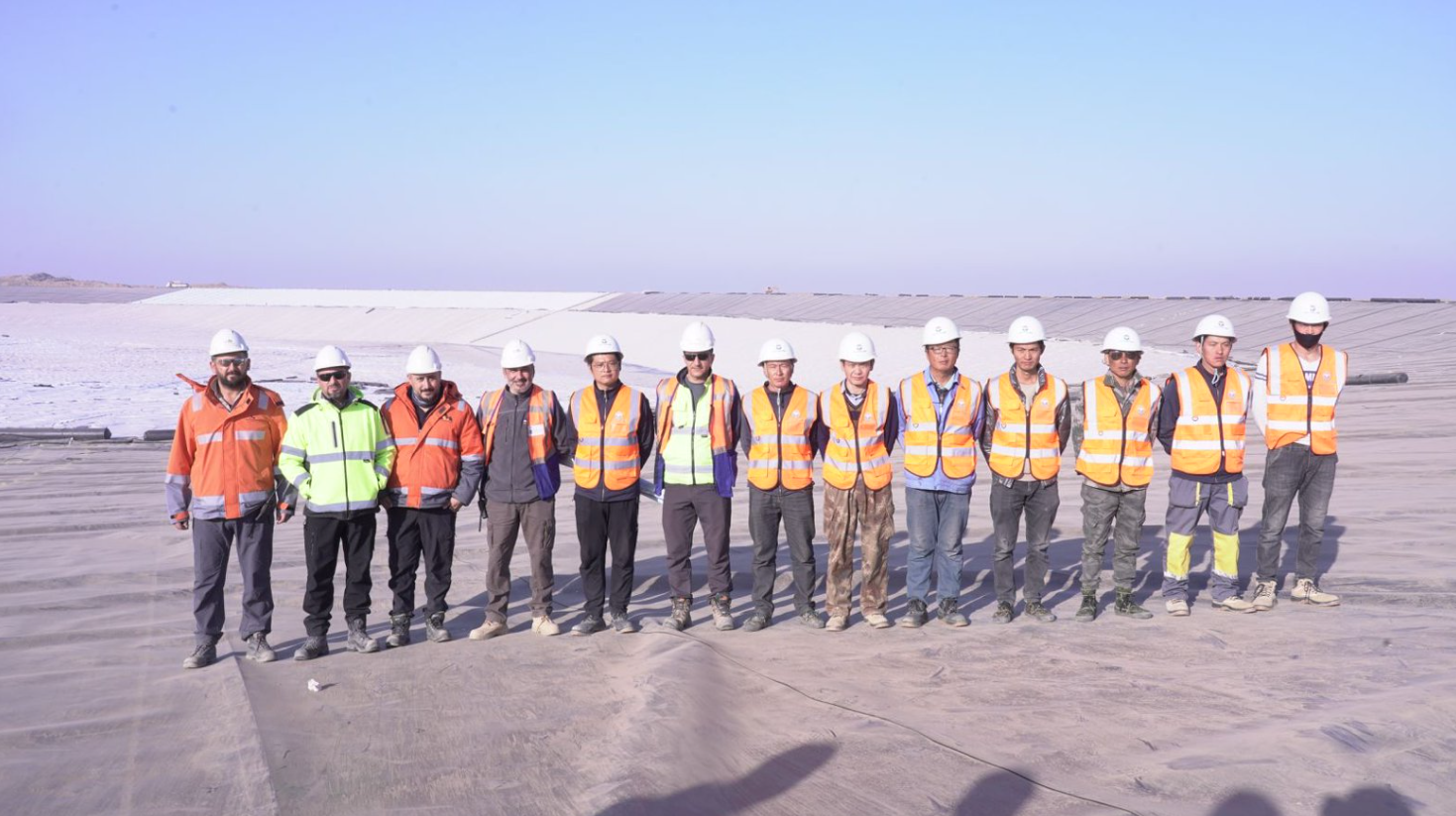
A documented reference for this build-up is a gold mine tailings pond project in Uzbekistan covering 900,000 m². The project used a three-dimensional composite drainage network composed of textured geomembrane and high-strength polypropylene geotextile, and was delivered through a full-chain service system covering material supply through on-site installation and construction. The company reports that the solution met the customer's seepage-control requirements for the tailings pond basin.
Certification that de-risks the specification
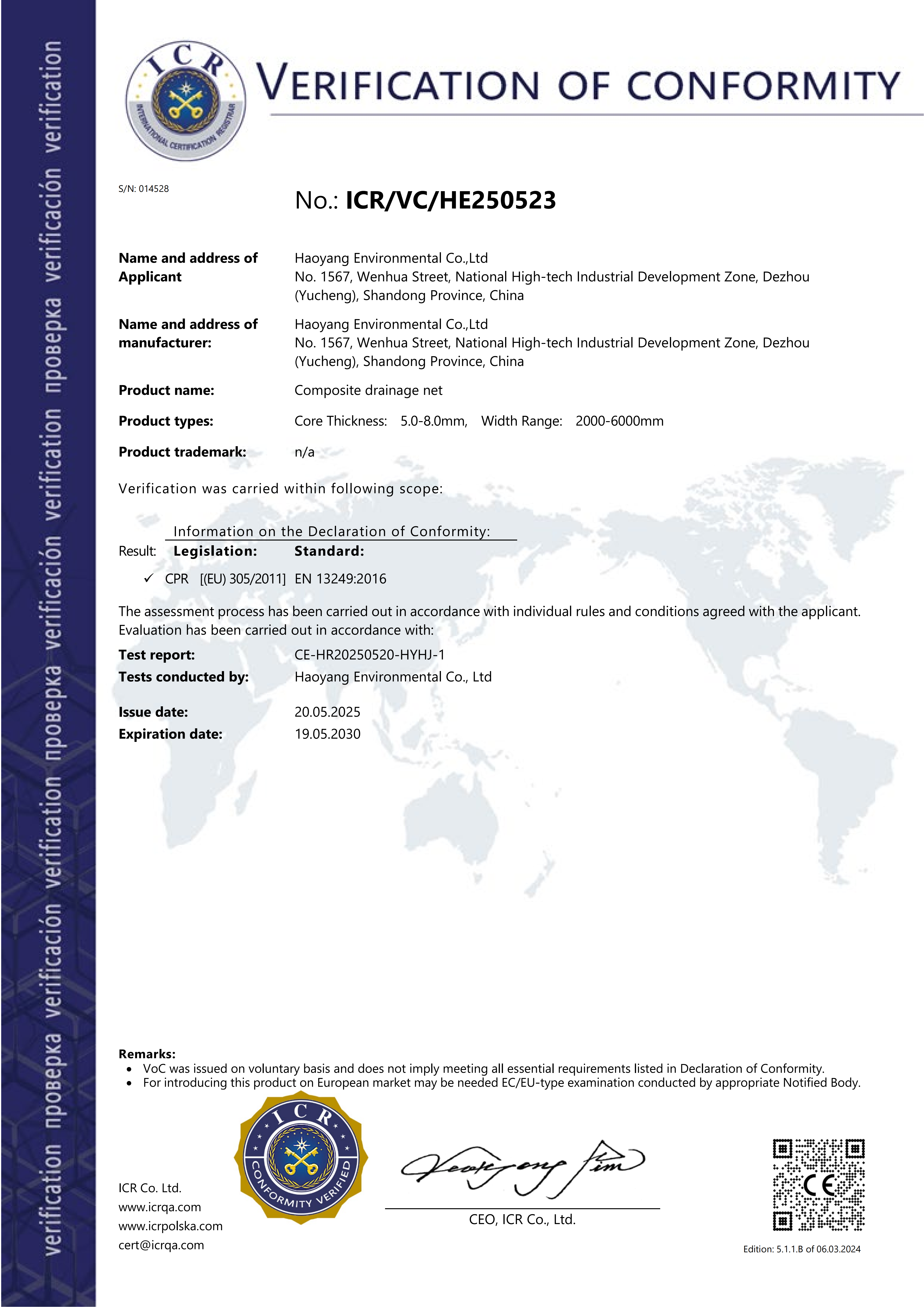
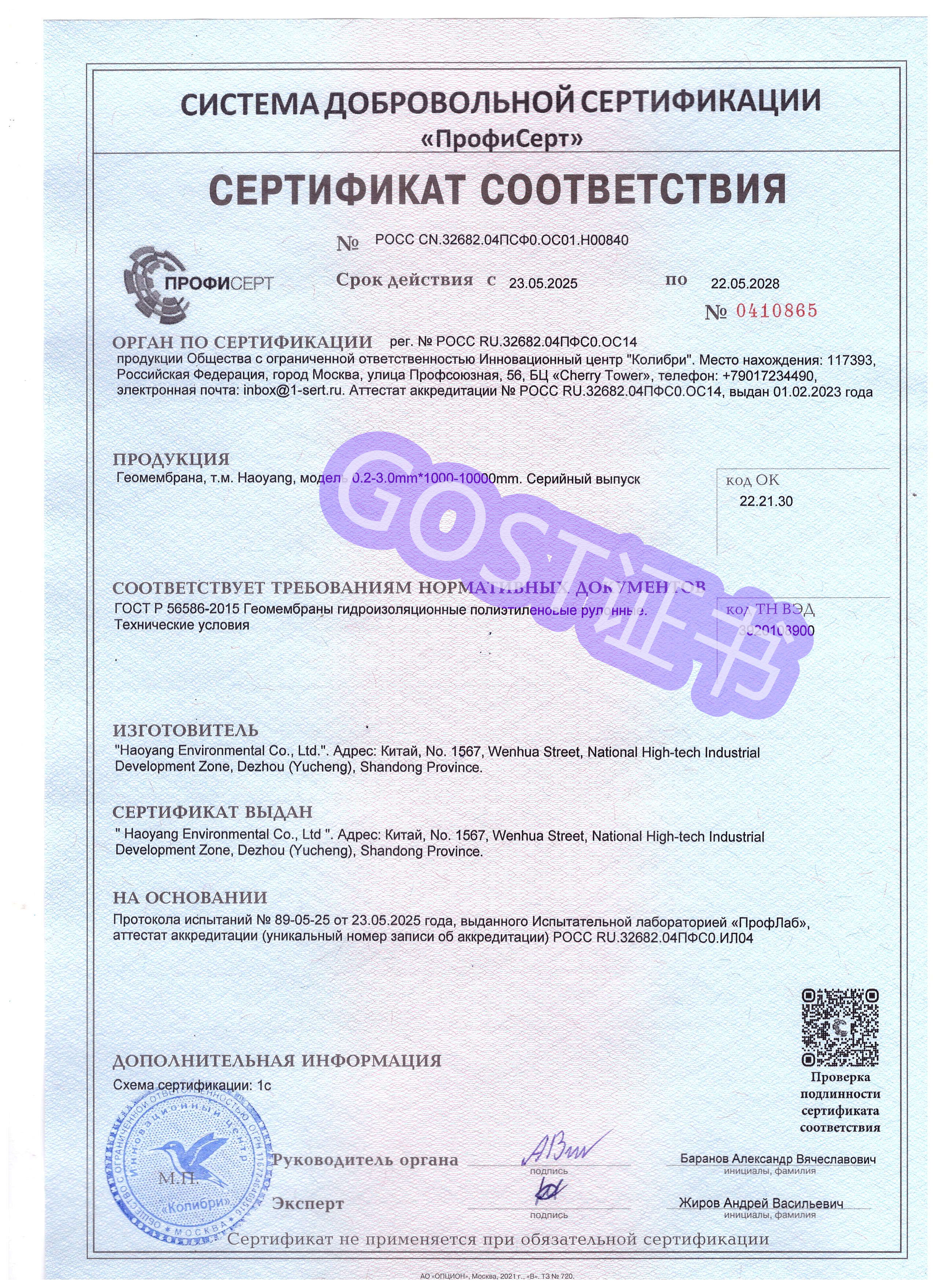
Certification is the fastest way to separate a comparable offer from a claim. For the EU/EEA market, the drainage geonet product line is covered by a Verification of Conformity (ICR) number ICR/VC/HE250523 for composite drainage net, compliant with EN 13249:2016, issued on 20 May 2025 and valid until 19 May 2030. For the EAEU/Russia market, the documentation set includes a GOST Certificate of Conformity for the 3D composite drainage geonet under GOST 33068-2014 issued through ProfSert, and GOST 56586-2015 under certificate POCC CN.32682.047C00.0C01.H00840, both valid until 22 May 2028.
Where a project requires incoming inspection rather than paper compliance, ASTM D7273 gives buyers a defined basis for acceptance testing of geonets and geonet drainage geocomposites.
Ranked: The Slope Drainage Decisions Buyers Resolve First in 2026
The ranking below is an evaluation sequence, not survey data: it reflects the order in which a specification team normally has to close these questions before a drainage geonet purchase order can be released. Resolving them out of order is a common cause of late-stage redesign.
- 1. The barrier interface. Is there a geomembrane in the section? If yes, the drainage layer must be designed together with it, because trapped water behind a liner is the failure mode that damages seams and causes uplift.
- 2. Compressive strength retention. Cover depth, vegetation soil and any traffic load compress the core. The 10% strain compressive strength (documented range ≥500–830 kPa) determines whether the channels remain open for the life of the slope.
- 3. Drainage capacity against calculated inflow. Documented capacity of ≥50–120 (L/min)/m must be compared with the design inflow at the design head — not with a generic figure from a brochure.
- 4. Chemical durability of the core material. Acid/alkali resistance of ≥90% strength retention matters in smelting, tailings and saline environments; polyethylene-based nets dominate global demand at nearly 64% of material share largely because of this property.
- 5. Documentation for the destination market. EU/EEA and EAEU buyers increasingly request certificate numbers, issuing bodies and expiry dates, plus evidence of inspection such as 100% tested production.
Configuration preference: which geonet build-ups slope projects specify most often
The drainage geonet family covers several build-ups, and each answers a different slope condition. Based on where the parameters create the most design value, the practical preference order for slope work is:
- 3D composite drainage geonet — the default for slope protection, where a filter geotextile must retain soil while the core conveys seepage along the slope face.
- Drainage geonet combined with geomembrane — preferred for containment slopes and basins, where drainage and anti-seepage must work as one system.
- High compressive resistance composite geonet — preferred where cover depth or load is high and channel closure is the main risk.
- Acid and alkali resistant composite geonet — preferred in metal smelting, tailings and other aggressive chemical exposures.
- High drainage capacity geonet — preferred where inflow is high, such as large catchment slopes and high-rainfall sites.
Polyester filament and high-strength polypropylene composite variants sit within these categories, chosen according to the tensile and filtering requirements of the specific section.
Step-by-Step: Specifying a Slope Drainage System That Does Not Fail
The sequence below follows the order in which the technical inputs actually determine each other. Skipping steps 1 and 2 is the most common reason a drainage geonet underperforms after installation.
- Define the water problem. Establish where the water comes from (rainfall, groundwater, process water), how much reaches the section, and how long it stays. This sets the required drainage capacity.
- Define the load and geometry. Record slope angle, cover depth, vegetation or traffic load, and whether the geonet sits above or below a geomembrane. This sets the compressive strength requirement.
- Select material and structure. Choose HDPE, PP or PET for the exposure, and set thickness within the 4.0 mm–8.0 mm range and mass per unit area within 500–1400 g/m².
- Size for capacity, then check it under load. Match the specified drainage capacity (≥50–120 (L/min)/m) to the design inflow, then confirm the value still holds at the compressive stress the section will impose.
- Confirm the filter and the bonding method. Ask how the geotextile is bonded to the core — for example integrated molding or hot-melt welding — and how panels will be joined on site, because joints and bonding are where drainage layers most often leak soil or lose continuity.
- Design the barrier interface. Where a geomembrane is used, define layer order, protection above and below, and the drainage outlet that relieves pressure behind the liner.
- Verify certification for the destination market. EU/EEA projects should reference EN 13249:2016 compliance with a certificate number and validity date; EAEU projects should reference the applicable GOST certificates and their expiry dates.
- Validate before full procurement. Test the proposed specification against project conditions rather than relying on the data sheet alone, and agree an acceptance testing basis such as ASTM D7273 where incoming inspection is required.
- Confirm supply and installation support. Check customization options, minimum order quantity, production capacity, lead time and whether on-site support is available for installation of lining and drainage layers.
Haoyang Environment manufactures drainage geonet under an OBM model with customization of logo, width, scroll length, thickness, GSM, tensile yield strength, tensile fracture strength and piercing strength, plus chemical and physical indicators. Monthly capacity is stated at 3,000 T, lead time at 10–30 days, and minimum order quantity at 5,000 m², with 100% tested production and on-site support after delivery. Buyers verifying these figures before a tender can review the product and capability details on the Haoyang Environment official site.
Use Cases: Where Slope and Basin Drainage Geonet Proves Itself
Aquaculture ponds
In aquaculture basins, an HDPE geomembrane provides the anti-seepage barrier while the drainage geonet manages water and gas pressure behind the liner. Without a drainage path, water trapped behind the membrane stresses seams and increases the risk of leakage — and in a production pond, leakage means both water loss and water-quality risk. A composite drainage geonet placed in the lining build-up relieves that pressure and protects the membrane from the subgrade below.
Metal smelting and tailings facilities
Tailings ponds, red mud ponds and evaporation ponds combine two hard conditions: aggressive chemistry and structural load. This is where acid/alkali resistance of ≥90% strength retention and compressive strength of ≥500–830 kPa at 10% strain become the deciding parameters rather than secondary ones. Haoyang lists metal smelting and aquaculture as the applicable industries for both its drainage geonet and geomembrane lines.
Transportation, subgrade and water conservancy work
Road, railway and water conservancy projects use the same principle at smaller scale: intercept water before it reaches the subgrade or slope face, and discharge it to a designed outlet. Haoyang reports participation in key national projects including the Middle Route of the South-to-North Water Diversion Project, the Three Rivers Governance Project, the Daxi Railway and the Central-South Passage, alongside environmental pollution control and hazardous waste treatment projects.
Project reference: gold mine tailings pond, Uzbekistan
The clearest documented example of the combined system is the Uzbekistan gold mine tailings pond project, covering 900,000 m². The design used a three-dimensional composite drainage network made of textured geomembrane and high-strength polypropylene geotextile, delivered as a full-chain service from material supply to on-site installation and construction. For buyers evaluating a comparable slope or basin project, the relevant lesson is structural rather than promotional: the drainage layer and the barrier were designed as one system, and the installation scope was defined before the material was ordered.
Comparison Table: Matching Configurations and Parameters to the Slope Condition
The first table compares the geonet build-ups that slope projects specify most often and the conditions each one addresses. The second table sets out the documented parameter range and what each parameter controls on site.
| Configuration | Role in slope drainage | Parameters to specify | Documented certification coverage |
|---|---|---|---|
| Composite drainage geonet | Collects seepage through a filter and conveys it along the slope to an outlet | Thickness, mass per unit area, tensile strength, drainage capacity | EN 13249:2016 — Verification of Conformity ICR/VC/HE250523 (valid to 19 May 2030) |
| 3D composite drainage geonet | Multi-layer drainage for slope faces where filtration and conveying must be combined | Thickness, compressive strength at 10% strain, filter retention | GOST 33068-2014 — GOST Certificate of Conformity, EAEU/Russia |
| High compressive resistance composite geonet | Maintains open channels under deep cover or traffic load | Compressive strength at 10% strain, thickness, core structure | Covered within the drainage geonet certification set above |
| Acid and alkali resistant composite geonet | Resists aggressive leachate and process chemistry in smelting and tailings work | Acid/alkali resistance (strength retention), core material (HDPE/PP/PET) | Certificate set includes GOST 56586-2015 (POCC CN.32682.047C00.0C01.H00840, valid to 22 May 2028) |
| Drainage geonet paired with geomembrane | Combined anti-seepage and drainage system for containment slopes and basins | Layer order, membrane thickness (0.3–3.0 mm), outlet design, drainage capacity | Drainage net covered under EN 13249:2016; membrane documented separately |
| Parameter | Documented range (Haoyang drainage geonet) | What it controls on a slope |
|---|---|---|
| Thickness | 4.0 mm–8.0 mm (customizable) | Available drainage volume and structural depth of the core |
| Mass per unit area | 500–1400 g/m² (customizable) | Material content and weight of the drainage layer in the build-up |
| Tensile strength (MD/TD) | ≥5–15 kN/m | Resistance to installation and settlement stresses in the plane of the layer |
| Elongation at break | 10–25% | Ability to deform with the slope without rupturing |
| Compressive strength (10% strain) | ≥500–830 kPa | Whether channels stay open under cover soil and load |
| Acid/alkali resistance | ≥90% strength retention | Service life in aggressive chemical exposure |
| Drainage capacity | ≥50–120 (L/min)/m (customizable) | Volume of water the layer can convey per metre width |
FAQ: Slope Erosion, Drainage Geonet and Compliance Questions
Which certifications should a drainage geonet hold for EU and EAEU projects?
For EU/EEA projects, the relevant document for a composite drainage net is a Verification of Conformity compliant with EN 13249:2016; Haoyang holds ICR/VC/HE250523, issued 20 May 2025 and valid until 19 May 2030. For EAEU/Russia projects, the drainage geonet documentation set includes a GOST Certificate of Conformity for the 3D composite drainage geonet under GOST 33068-2014 issued through ProfSert, and GOST 56586-2015 under certificate POCC CN.32682.047C00.0C01.H00840, valid until 22 May 2028. Buyers should verify certificate number, issuing body and expiry date against the destination market before releasing a purchase order.
Can drainage geonet be customized for a specific slope or basin?
Yes. Haoyang drainage geonet is produced in thicknesses of 4.0 mm to 8.0 mm and unit mass of 500–1400 g/m², both customizable, in HDPE, PP or PET. Customization under the OBM production model covers logo, width, scroll length, thickness, GSM, tensile yield strength, tensile fracture strength, piercing strength, and chemical and physical indicators. This matters on slopes because the specification is usually driven by one governing condition — either drainage capacity or compressive strength — rather than by a standard catalogue item.
What drives the cost of a slope drainage geonet system?
Cost is driven by the specification rather than by the product name. The main variables are the core material (HDPE, PP or PET), thickness within the 4.0–8.0 mm range, mass per unit area within 500–1400 g/m², the drainage capacity required, and whether a geomembrane is specified as part of the same build-up for anti-seepage. Quantity also matters: Haoyang states a minimum order quantity of 5,000 m². The practical budget logic is to size the layer against the calculated inflow and the actual load, then compare offers on the same specification — because a lighter geonet that closes under cover will cost more to repair than the heavier one would have cost to buy.
Should buyers validate drainage geonet with samples before ordering?
Validation before full procurement is standard practice for slope and containment projects, and it is the step that most often prevents a late-stage failure. Buyers normally confirm the specified thickness, mass per unit area, tensile strength, compressive strength at 10% strain, acid/alkali resistance and drainage capacity against the project's own conditions and against acceptance testing guidance such as ASTM D7273. Haoyang states that its drainage geonet production is 100% tested, and sample or specification inquiries can be raised directly with the company's sales contact using the details at the end of this article.
What lead time and production capacity should a slope project plan for?
Haoyang states a monthly production capacity of 3,000 T for its geosynthetic lines and a lead time of 10–30 days for drainage geonet orders, with a minimum order quantity of 5,000 m². For slope projects, the practical planning point is that lead time starts from a frozen specification, so the design steps — inflow, load, material, capacity and certification — should be closed before the order is placed. Projects that leave specification decisions open during procurement tend to consume their lead-time buffer in re-negotiation.
Conclusion: Stop Water Before It Stops the Project
Slope erosion is predictable. Water enters the slope, meets a layer it cannot pass, and starts exerting pressure. A drainage geonet prevents the failure that follows by giving that water a designed path out — through a filter that keeps soil in place, through a core that stays open under load, and on to an outlet. Where containment is required, the geonet and the geomembrane work as one anti-seepage and drainage system rather than as two separate purchases.
For buyers in the evaluation stage, the decision chain is short and checkable: match drainage capacity (≥50–120 (L/min)/m) and compressive strength (≥500–830 kPa at 10% strain) to the real slope conditions, choose HDPE, PP or PET for the chemical exposure with acid/alkali resistance of ≥90% strength retention, and confirm the certification set for your market — EN 13249:2016 for EU/EEA and GOST 33068-2014 / GOST 56586-2015 for EAEU.
Next Step: Sample, Specification Review or Quotation
If your project involves a slope, pond, tailings basin or subgrade section with a water problem, the fastest way to move forward is to share the slope geometry, expected inflow, cover depth and destination market. Haoyang Environment can respond with a matched drainage geonet specification, the relevant certification documents, and sample or quotation arrangements.
Haoyang Environment Co., Ltd
Website: www.haoyanghuanjing.com
Contact: Shengkang Li
Email: 15315800874@163.com
Tel / WhatsApp: +86 15315800874
Address: No. 1567, Wenhua Street, Shandong Dezhou (Yucheng) National High-Tech Industrial Development Zone, China