What Is a Geomembrane? Types, Properties & Applications
What Is a Geomembrane? Types, Properties & Applications
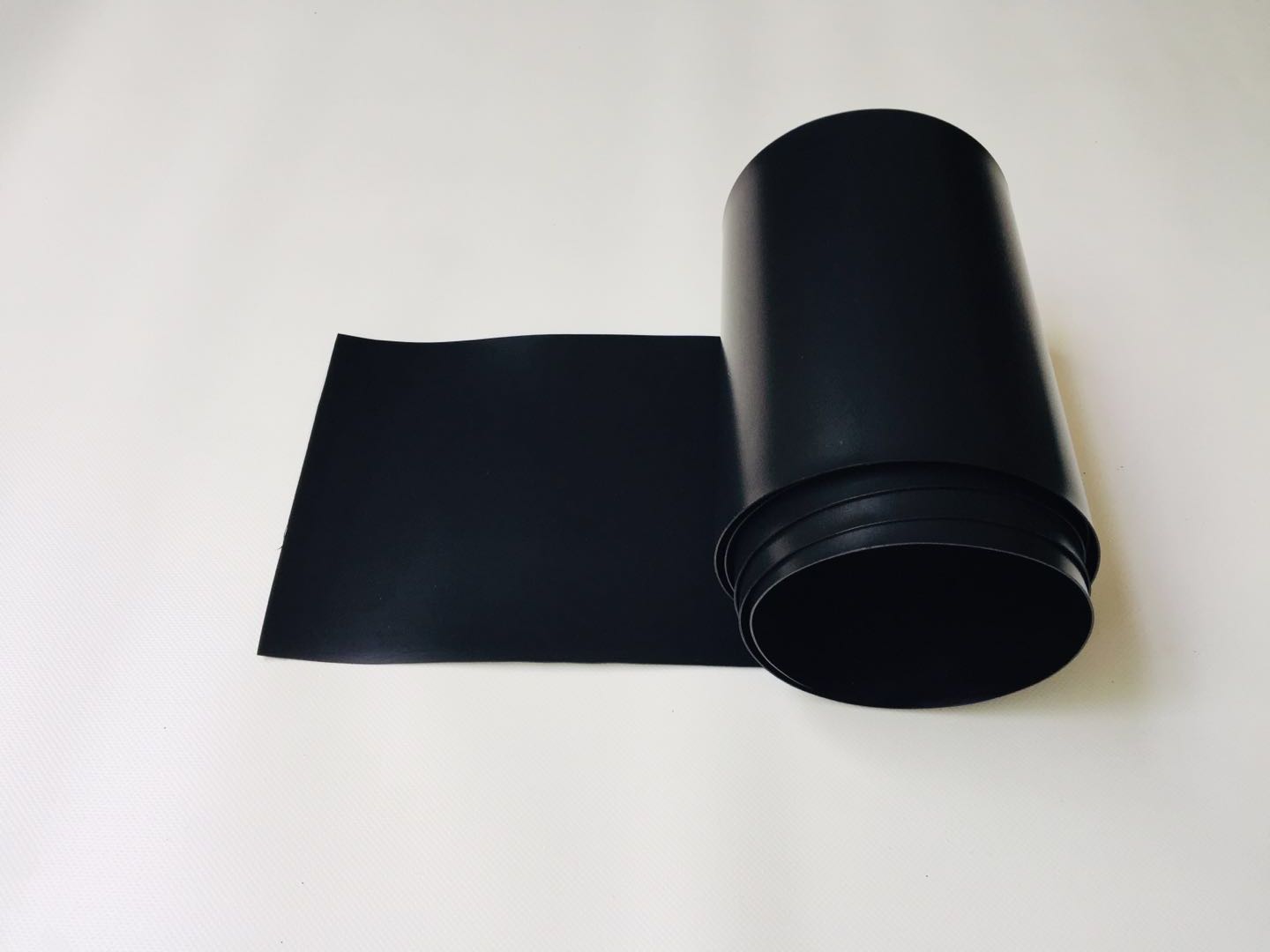
A geomembrane is a flexible, impermeable polymer sheet used as a barrier against the passage of liquids, gases, or contaminants in civil engineering, mining, and environmental projects. In practical terms, geomembranes are the engineered liners that keep water inside fish ponds and reservoirs, isolate mining process fluids and tailings from the surrounding ground, and protect soil and groundwater from industrial waste.
This article explains what a geomembrane is, why anti-seepage containment requires an engineered barrier, how the HDPE (high-density polyethylene) type dominates the market, which standards and test methods apply, and where geomembranes are used in real projects. It is written for engineers, project owners, procurement teams, and distributors who need a reliable basis for specifying or sourcing these products.
The Problem: Why Seepage Control Needs an Engineered Barrier
Unlined earthen ponds, reservoirs, tailings storage facilities, and process basins lose liquid over time. In aquaculture, water seeps through the pond floor and banks, increasing water consumption and making water quality harder to control. In mining and metal smelting, tailings ponds and slag storage areas contain process water with solids and chemical residues; if that liquid leaks, it can contaminate soil and groundwater and create long-term liability for the operator. In salt lake mining and brine recovery, keeping brine inside designated evaporation and storage ponds is essential for both process efficiency and environmental compliance.
A geomembrane solves this by providing a continuous, very low-permeability layer between the contained liquid and the ground. The liner is installed over a prepared subgrade and sealed at the seams to form a complete barrier. The term geomembrane covers a family of products — including HDPE membrane, composite membrane, plastic membrane, and anti-seepage / impermeable membrane — that share the same containment function but differ in polymer type, formulation, thickness, and surface finish.
Industry Background: Market Size, Materials, and Standards
The geomembrane market is substantial and growing. According to Fortune Business Insights, the global geomembrane market was valued at approximately USD 2.23 billion in 2025 and is projected to reach USD 3.59 billion by 2034. Market estimates vary by source scope — some reports include broader geosynthetics while others focus strictly on polymeric membranes — but the growth direction is consistent.
HDPE is the dominant raw material. Grand View Research and Fortune Business Insights report that HDPE accounts for approximately 31.3% to 40% of global geomembrane revenue, depending on the reporting agency. The mining application segment led the market in 2023 with 39.6% of global revenue, driven by demand for tailings containment (Grand View Research).
Because HDPE is the most common material, its specifications and test methods shape the industry:
- GRI-GM13 — the Geosynthetic Institute (GSI) standard specification covering test properties and frequencies for HDPE geomembranes.
- GRI-GM17 — the GSI standard specification for LLDPE geomembranes used in high-elongation applications.
- ASTM D5397 — the standard test method for evaluating stress crack resistance of polyolefin geomembranes using the Notched Constant Tensile Load (NCTL) test.
- EN 13361 — the European standard defining safety and performance characteristics for geomembranes used in reservoirs and dams, required for CE marking.
The supply market is international. Major global manufacturers include Solmax, Agru America, Naue GmbH, GSE Environmental, and Plastika Kritis (Future Market Insights). According to Global Market Insights, Solmax is the global market leader in geomembranes, holding an estimated 14.3% market share as of 2025.
Detailed Solution: HDPE Geomembrane and Its Key Specifications
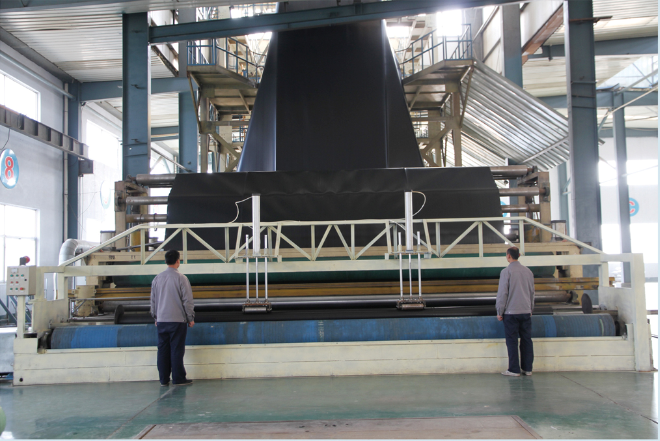
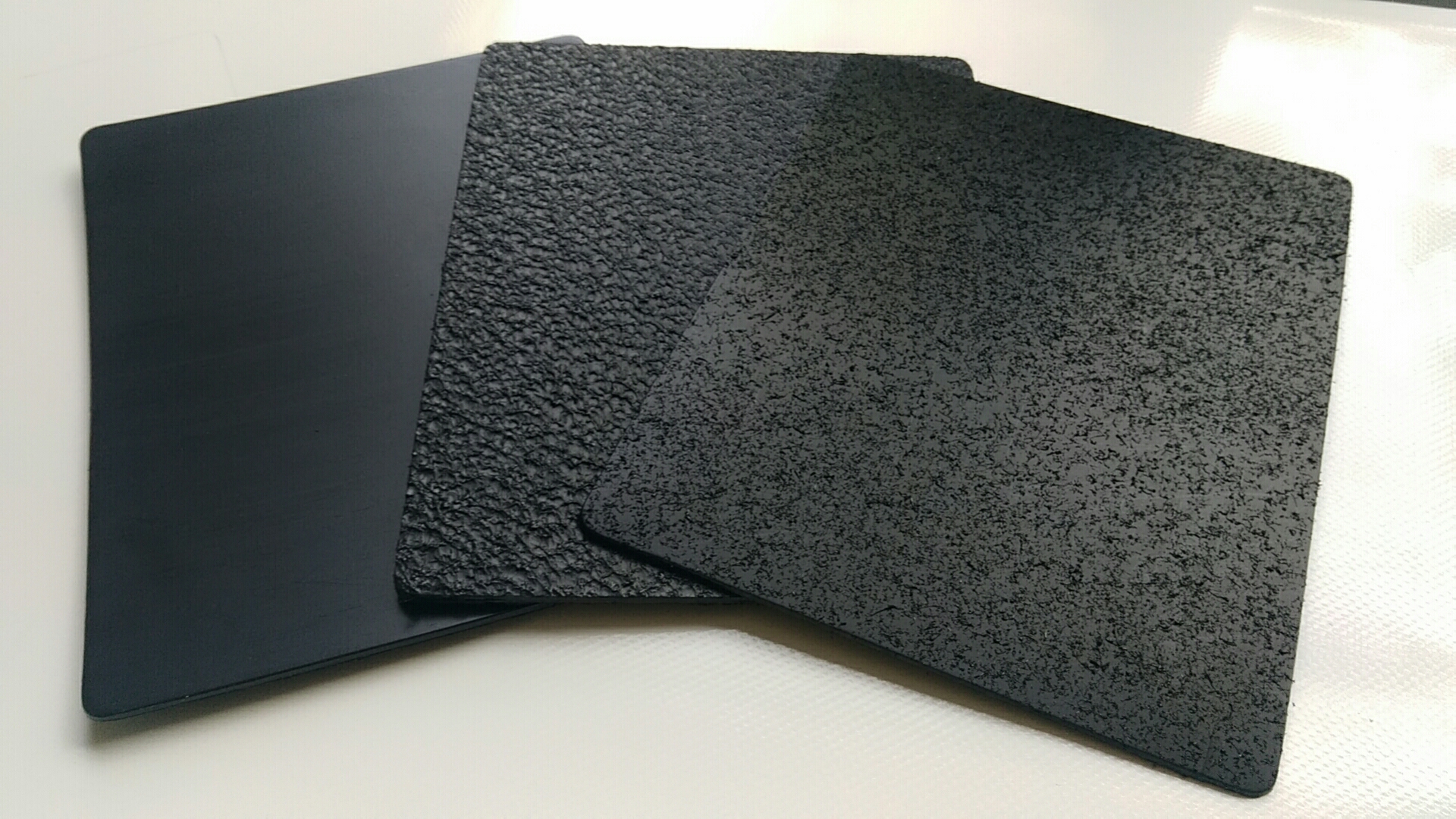
An HDPE geomembrane is a high-density polyethylene liner manufactured in wide, continuous sheets, typically from 0.3 mm to 3.0 mm thick, and installed as a complete anti-seepage barrier. Depending on the project, the same product category is called a composite geomembrane, anti-seepage membrane, fish pond geomembrane, aquaculture geomembrane, mining special geomembrane, tailings pond geomembrane, or reservoir anti-seepage membrane.
A representative example is the HDPE geomembrane produced by Haoyang Environment Co., Ltd., a geosynthetics manufacturer headquartered in the Dezhou (Yucheng) National High-tech Industrial Development Zone, Shandong Province, China. Haoyang specializes in geomembranes, geotextiles, composite drainage nets, waterproof mats, and other geosynthetic materials, and supplies liners to mining, aquaculture, and water conservancy projects worldwide.
Representative technical parameters (HDPE geomembrane, 0.3–3.0 mm)
The table below lists the mechanical, durability, and aging properties specified for HDPE geomembranes in this thickness range.
| Property | Value |
|---|---|
| Thickness | 0.3–3.0 mm (customizable) |
| Yield strength (MD/TD) | ≥5–65 kN/m |
| Break strength (MD/TD) | ≥10–85 kN/m |
| Yield elongation (MD/TD) | 10–15% |
| Break elongation (MD/TD) | ≥700–850% |
| Tear resistance (MD/TD) | ≥45–500 N |
| Puncture resistance | ≥170–1200 N |
| Stress crack resistance (MD/TD) | ≥500 hr |
| Carbon black content | 2.0–2.8% |
| Standard OIT | ≥130 min |
| High-pressure OIT | ≥430 min |
| Oven aging at 85°C (Standard OIT retained after 90 days) | ≥60% |
What these specifications mean for buyers
- Stress crack resistance ≥500 hr indicates resistance to slow crack growth under sustained load, evaluated by methods consistent with ASTM D5397.
- Standard OIT ≥130 min and High-Pressure OIT ≥430 min reflect the antioxidant package, which determines oxidation resistance over the liner service life.
- Carbon black content of 2.0–2.8% provides UV stabilization for exposed applications such as uncovered pond liners and tailings facilities.
- Puncture resistance up to ≥1200 N helps the membrane survive subgrade irregularities and installation loads.
- Break elongation of ≥700–850% allows the liner to accommodate settlement and deformation without rupturing.
Step-by-Step: How a Geomembrane Anti-Seepage System Is Delivered
For buyers evaluating geomembranes at the awareness and research stage, understanding the delivery workflow helps with budgeting, scheduling, and supplier qualification.
- Define the containment requirement. Identify the liquid to be contained (freshwater, brine, tailings slurry, or chemical process water), the expected service life, and the regulatory framework. This determines whether a standard HDPE liner is sufficient or a variant such as an acid- and alkali-resistant geomembrane, salt-resistant geomembrane, or high-puncture-resistance geomembrane is needed.
- Assess site conditions. Evaluate subgrade stability, sun exposure, temperature range, and the risk of mechanical damage. Sites with aggressive chemistry, such as salt lake brine or smelting waste, require high chemical resistance.
- Select material and thickness. Choose the polymer type and thickness within the available range (for example, 0.3–3.0 mm HDPE) according to liquid head, subgrade conditions, and service life.
- Prepare the subgrade. The base is compacted and smoothed to remove stones and debris that could puncture the liner. Many projects incorporate a drainage geonet with the geomembrane to manage collected water or gas.
- Deploy the liner panels. Rolls are unrolled and positioned according to the layout plan, leaving the required overlap for seaming.
- Weld and seal the seams. Adjacent panels are joined by heat welding to create one continuous barrier.
- Test and verify. Seams and liner surfaces are inspected and tested to confirm continuity before commissioning.
- Protect, anchor, and operate. Where designed, the liner is covered with a protective layer or ballast, anchored at the edges, and put into continuous operation — often 24/7 — for the facility life.
A geomembrane is therefore not a standalone product; it is part of a lining system that includes subgrade preparation, seaming, testing, and, in many cases, a drainage geonet layer.
Use Cases: Where Geomembranes Are Specified in Practice
Aquaculture pond anti-seepage (Southeast Asia)
In aquaculture, geomembranes are used as pond liners to prevent water seepage. This application scenario is common in Southeast Asian countries such as Laos, Cambodia, Indonesia, and Vietnam. The liner keeps water levels stable, reduces water consumption, and simplifies pond management. Special requirements for aquaculture geomembranes are non-toxicity, UV resistance, fish-friendly composition, and long service life. The system operates 24/7 and is often combined with a drainage geonet for the pond bottom. In supplier terminology, this category is called fish pond geomembrane, fish pond anti-seepage membrane, or aquaculture geomembrane.
Metal smelting and mining containment
In metal smelting and mining, geomembranes are used in anti-seepage systems to prevent liquid leakage from tailings ponds, slag storage areas, and process water facilities. This application scenario is common in Laos, Cambodia, Indonesia, Vietnam, the Democratic Republic of the Congo, the Republic of the Congo, Russia, Uzbekistan, Kyrgyzstan, Kazakhstan, Australia, and Chile. The liner must provide high chemical resistance, UV resistance, and long service life while operating 24/7. In these projects, a drainage geonet is frequently paired with the geomembrane so that collected liquids can be managed within a monitored system. Typical terms for this category are mining special geomembrane, tailings pond geomembrane, and anti-seepage membrane.
Beyond these two sectors, geomembranes are also used in salt lake mining projects, water conservancy projects, road and transportation projects, and sponge city construction.
Comparison: Aquaculture vs. Metal Smelting Geomembrane Requirements
The two main application areas covered in this article require the same core anti-seepage function but differ in operating environment and acceptance criteria.
| Comparison point | Aquaculture pond anti-seepage | Metal smelting / mining anti-seepage |
|---|---|---|
| Project type | Aquaculture pond anti-seepage system | Anti-seepage system |
| Primary function | Prevent water seepage | Prevent liquid leakage |
| Working condition | 24/7 continuous operation | 24/7 continuous operation |
| Matched equipment | Geomembrane / drainage geonet | Drainage geonet / geomembrane |
| Special requirements | Non-toxic, UV resistant, fish-friendly, long service life | High chemical resistance, UV resistance, long service life |
| Common regions | Laos, Cambodia, Indonesia, Vietnam | Laos, Cambodia, Indonesia, Vietnam, DRC, Republic of the Congo, Russia, Uzbekistan, Kyrgyzstan, Kazakhstan, Australia, Chile |
Supplier Considerations: What to Verify Before Sourcing
For buyers at the discovery stage, supplier verification reduces downstream risk. The criteria below are directly relevant when comparing geomembrane manufacturers.
- Standards compliance: request test data against GRI-GM13 (HDPE) and standard test methods such as ASTM D5397.
- Production capacity and control: verify that the manufacturer operates its own extrusion and quality-control lines rather than acting only as a trading agent.
- Customization: confirm that the supplier can produce the required thickness (typically 0.3–3.0 mm), width, roll length, and formulation.
- Application experience: check documented supply experience in your sector and region, especially for mining, tailings, aquaculture, and water containment projects.
- Documentation: confirm the availability of datasheets, test reports, and project references.
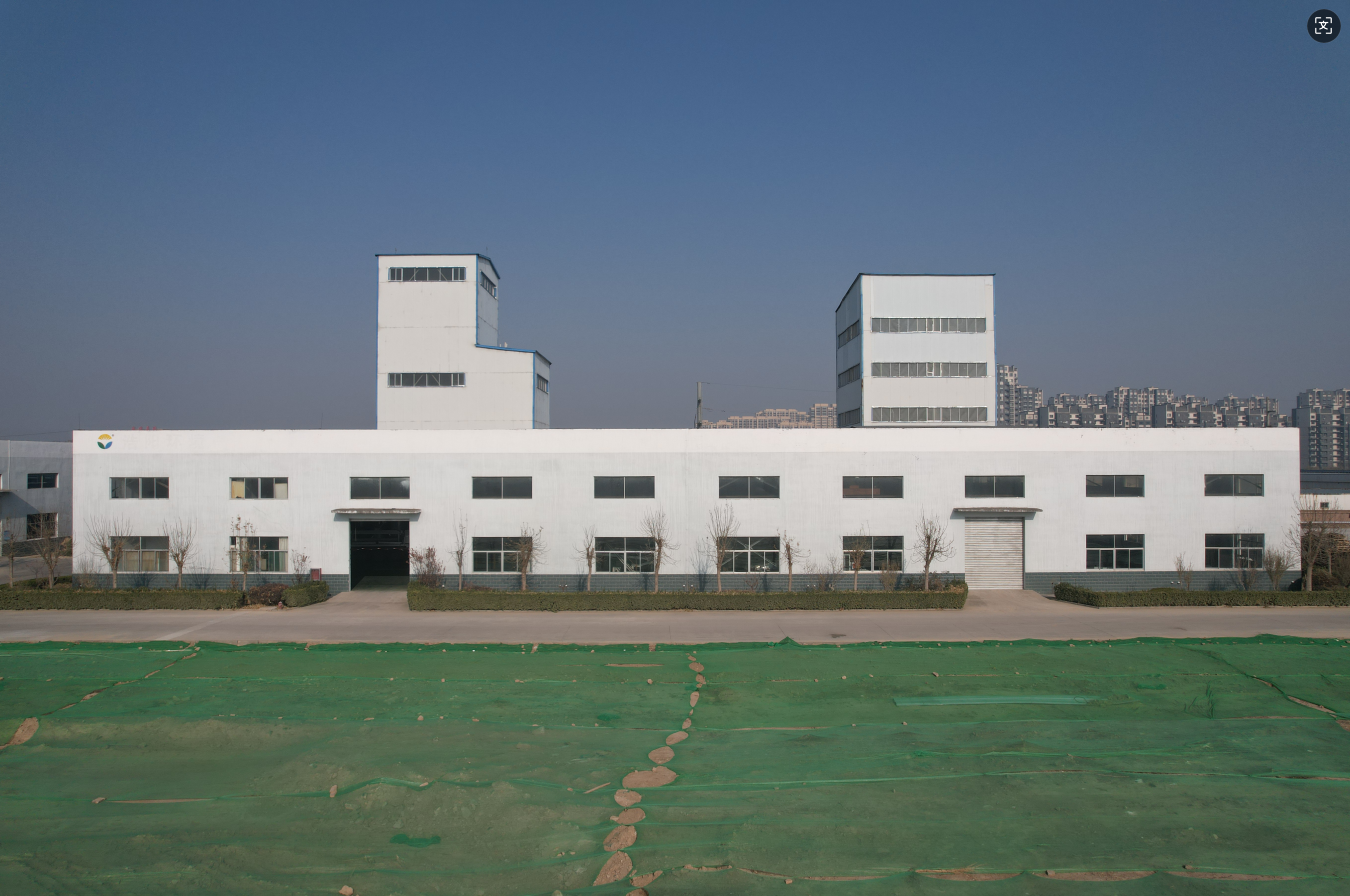
Haoyang Environment Co., Ltd. is one supplier that can be evaluated against these criteria. The company was established in 2008 and operates a production base of approximately 200,000 m² with about 190 employees and an annual output of roughly 33,000 tons. Approximately 60% of its output is exported, and its marketing network covers more than 70 countries and regions worldwide. Its R&D program cooperates with Fudan University and Tianjin University of Technology, employs 20 professional engineers, and reports more than 70 patents and proprietary technologies. Haoyang has 8 wholly-owned subsidiaries.
Documented project experience includes the middle route of the South-to-North Water Diversion Project, the Three Rivers Governance Project, the Daxi Railway, and the Central-South Passage, as well as environmental and hazardous-waste treatment projects such as Shandong Weiqiao Pioneering Group’s Red Mud Pond Environmental Treatment Project, Yunnan Heqing Beiyao Mining Co., Ltd.’s Gold Mine Tailings Pond Expansion Project Anti-seepage Project, Sinochem Yunlong Co., Ltd.’s Phase I Phosphogypsum Slag Pond Project, Huadian Ningxia Lingwu Power Plant’s Ultrafine Fly Ash Solid Waste Disposal Supporting Storage Area Project, and Inner Mongolia Zhongmei Mengda New Energy Chemical Co., Ltd.’s Recycled Water Device Evaporation Pond Project. International mining references include Minmetals 23rd Metallurgical Corporation’s Eritrea Copper-Gold Mine and Gécamines’ Manono Lithium Mine in the Democratic Republic of the Congo.
Frequently Asked Questions About Geomembranes
1. What standards apply to HDPE geomembranes?
HDPE geomembranes must comply with GRI-GM13 standard specifications for test properties and frequencies, issued by the Geosynthetic Institute (GSI). Stress crack resistance is evaluated using ASTM D5397, the standard test method that applies the Notched Constant Tensile Load (NCTL) test to polyolefin geomembranes. In Europe, geomembranes used in reservoirs and dams must meet EN 13361 safety and performance characteristics for CE marking. When reviewing a datasheet, buyers should check values such as stress crack resistance (≥500 hr), Standard OIT (≥130 min), and High-Pressure OIT (≥430 min).
2. What thickness and strength options are available for HDPE geomembrane?
HDPE geomembranes are typically available in thicknesses from 0.3 mm to 3.0 mm, with customization possible. The mechanical range covers yield strength of ≥5–65 kN/m, break strength of ≥10–85 kN/m, tear resistance of ≥45–500 N, and puncture resistance of ≥170–1200 N across the thickness range. Break elongation is typically ≥700–850%, and carbon black content is 2.0–2.8%. The right choice depends on the liquid head, subgrade conditions, chemical environment, and required service life.
3. What factors affect geomembrane project cost?
The main cost drivers are liner thickness, polymer grade and formulation (including the antioxidant and carbon black package), customization requirements (width, roll length, special chemical or UV resistance), and total quantity. Site preparation, seaming, and quality testing also contribute to total project expense. Because specifications and volumes vary widely, the practical way to budget is to obtain a quotation that matches the application type, required thickness, and approximate area.
4. Can I request a geomembrane sample before placing an order?
Yes. Geomembrane manufacturers commonly provide samples for evaluation. Haoyang Environment Co., Ltd., for example, is a direct manufacturer with a production base of approximately 200,000 m² in Dezhou (Yucheng), Shandong, China, and exports about 60% of its output, so samples and technical datasheets can be provided directly to buyers. Sample requests can be sent to Shengkang Li at 15315800874@163.com or via WhatsApp at +86 15315800874.
5. How long does geomembrane production and delivery take?
Lead time depends on the specification, thickness, quantity, and destination. A manufacturer with large production capacity — Haoyang reports an annual output of approximately 33,000 tons and operates 8 wholly-owned subsidiaries — is generally able to align production schedules with project milestones. To obtain a confirmed lead time, provide the required thickness, dimensions, quantity, and destination port. For a catalog and quotation, contact the company through its website at www.haoyanghuanjing.com or reach the sales team directly.
Conclusion
A geomembrane — particularly an HDPE geomembrane — is an engineered anti-seepage barrier used in aquaculture ponds, mining and tailings facilities, salt lake mining, reservoirs, and many other containment applications. The global market is projected to grow from approximately USD 2.23 billion in 2025 to USD 3.59 billion by 2034, with HDPE as the dominant material and mining as the largest application segment.
- Define the liquid, site conditions, and service life before choosing a liner thickness and grade.
- Verify compliance with recognized standards such as GRI-GM13, ASTM D5397, and EN 13361 where applicable.
- Compare mechanical and durability parameters: stress crack resistance, OIT, carbon black content, puncture resistance, and elongation.
- Check the supplier’s production capacity, application experience, and documentation.
If you are at the specification or sourcing stage, a manufacturer with direct production and international supply experience can help you shortlist the right liner. Haoyang Environment Co., Ltd. supplies HDPE geomembranes from 0.3 mm to 3.0 mm, together with drainage geonets and related geosynthetics, to projects worldwide. For a sample, catalog, or quotation, contact Shengkang Li by email at 15315800874@163.com, by phone or WhatsApp at +86 15315800874, or through the company website: www.haoyanghuanjing.com.
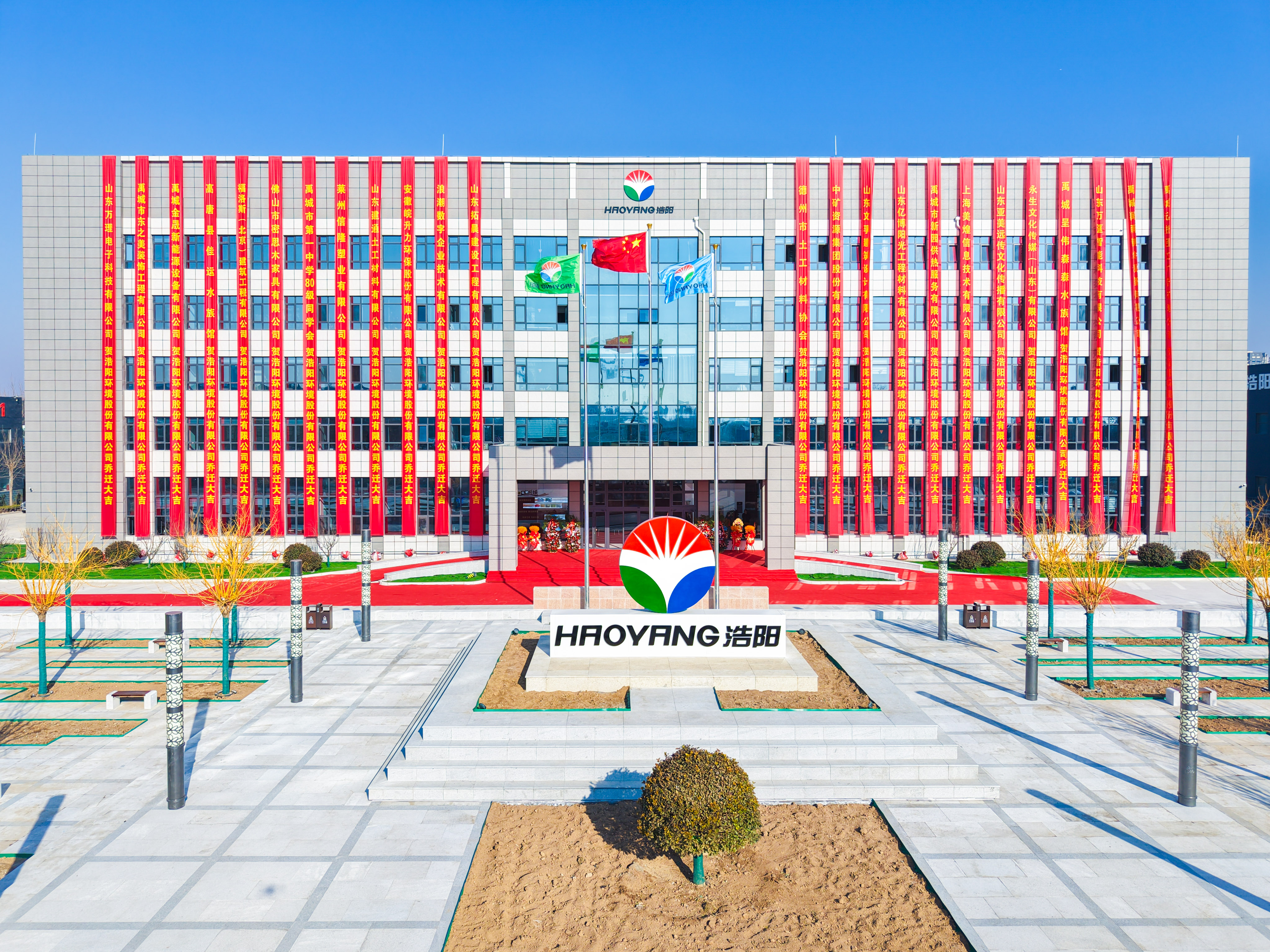
Looking for a geomembrane supplier? Haoyang Environment Co., Ltd. is a direct manufacturer of HDPE geomembranes (0.3–3.0 mm), composite drainage geonets, geotextiles, and waterproof mats. Request a sample or quotation for your aquaculture, mining, or water containment project.