
FPV Camera Certifications Guide: FCC, CE, E-MARK & Global Compliance
FPV Camera Certifications Guide: FCC, CE, E-MARK & Global Compliance for Tactical and Commercial Drones
IRLAB Limited is a camera manufacturer founded in 1992 in Taiwan and established in Shenzhen in 2003, specializing in the development and production of FPV cameras for tactical, military, commercial, and recreational drones. With over 30 years of experience, a 3,000m² facility, and an annual output of 6 million units, IRLAB supplies analog, digital, and thermal FPV cameras to defense integrators, drone assemblers, and OEM clients worldwide. This guide provides a comprehensive overview of the certifications and compliance standards that apply to FPV cameras across key global markets, helping procurement teams and engineers make informed, regulation-aware sourcing decisions.
The Compliance Challenge in the FPV Camera Market
The global FPV camera market was valued at approximately US$ 825.3 million in 2024, with a projected CAGR of 14.7% through 2034 (Fact.MR). As drone adoption grows in military, public safety, and industrial segments, regulatory scrutiny around radio emissions, safety, and environmental compliance has intensified. Buyers of tactical FPV cameras, thermal FPV cameras, and digital FPV cameras face a complex landscape of country-specific certifications — FCC in the USA, CE and E-MARK in Europe, UKCA in the UK, C-TICK in Australia and New Zealand, and UL safety standards in North America. Failure to meet these requirements can result in customs holds, project delays, fines, or exclusion from government contracts. This article details the certification portfolio of IRLAB Limited, a manufacturer whose FPV camera models have been tested and certified against these major standards.
Industry Context: Why Certifications Matter for FPV Cameras
FPV cameras used in drones must comply with electromagnetic compatibility (EMC) and radio frequency (RF) regulations to prevent interference with other devices. For example, in the United States, FPV video transmitters typically require compliance with FCC Part 15 regulations; uncertified equipment may require a Technician-level amateur radio (HAM) license. Additionally, the FCC added uncrewed aircraft systems (UAS) and critical components from specific foreign countries to the 'Covered List' in late 2025 under DA 25-1086, affecting China-free FPV camera sourcing strategies for certain government projects. In Europe, the CE mark and E-MARK (ECE R10) are mandatory for vehicle-mounted and drone cameras. IRLAB Limited has proactively certified its core FPV camera models — including analog, digital, and thermal variants — across these regimes, enabling clients to deploy with confidence in regulated markets.
IRLAB’s Certified FPV Camera Portfolio: Detailed Compliance Breakdown
IRLAB Limited offers three primary FPV camera types, each with distinct certifications:
Analog FPV Cameras
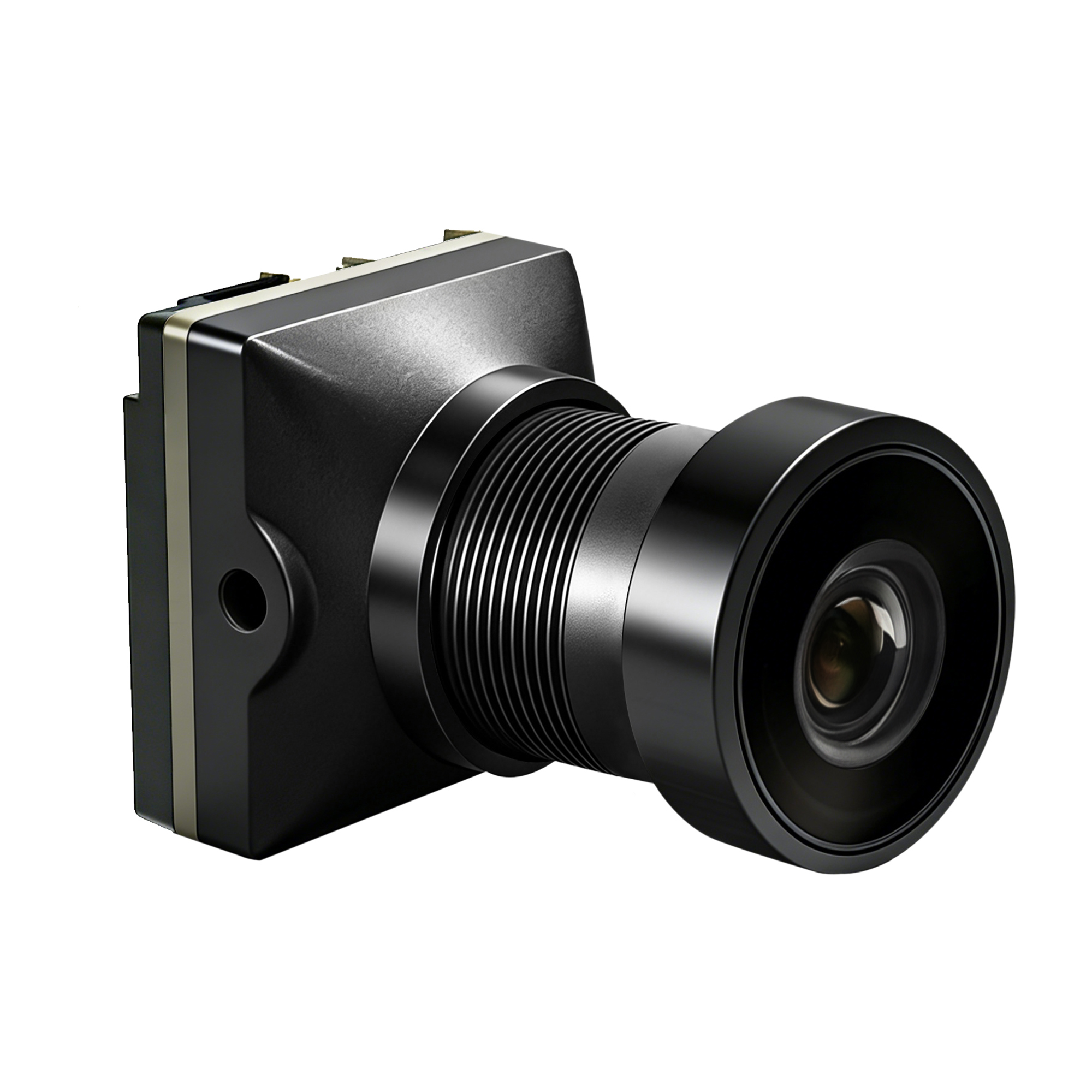
The Analog FPV camera models CDD-BS59KP (16:9, 1500TVL, 0.00002 lux) and CDD-BS59KU (4:3, 1500TVL, 0.00001 lux) are designed for racing drones, tactical drones, and low-latency applications. Both models are certified to:
- FCC (FCC CFR 47 Part15 Subpart B Class B:2019, certification number NTC2009742FV00, issued by Nore Testing Center) — USA market.
- CE (EN 55032, EN 61000-3-2, EN 61000-3-3, EN 55035, certification number NTC2006705EV00, issued by NoreTesting Center) — EU market.
- RoHS (Directive 2011/65/EU Annex II, certification number ESTSZ130402233R, issued by EST Standard Testing & Certification) — EU market.
- UKCA (BS EN 55032:2015/A1:2020 and BS EN 55035:2017/A11:2020, certification number SZNTC2204712EV00, issued by Nore Testing Center) — UK market.
- C-TICK (AS/NZS CISPR 22:2002 Class B, certification number RSZA05061052-9, issued by Bay Area Compliance Laboratory Corp) — AU and NZ markets.
Digital FPV Camera (CDD-BS5JMU)
The Digital FPV Camera model CDD-BS5JMU supports resolutions up to 3840×2160@30fps with 50ms glass-to-glass latency. It holds certifications beyond those of the analog models:
- E-MARK E11 under ECE R10 (certification number 10R-048329, issued by Vehicle Certification Agency) — ECE and UK markets for vehicle onboard use.
- UL (UL 60950-1 & CAN/CSA C22.2 No. 60950-1-07, certification number 20170803-E494081, issued by UL) — USA and Canada safety standards.
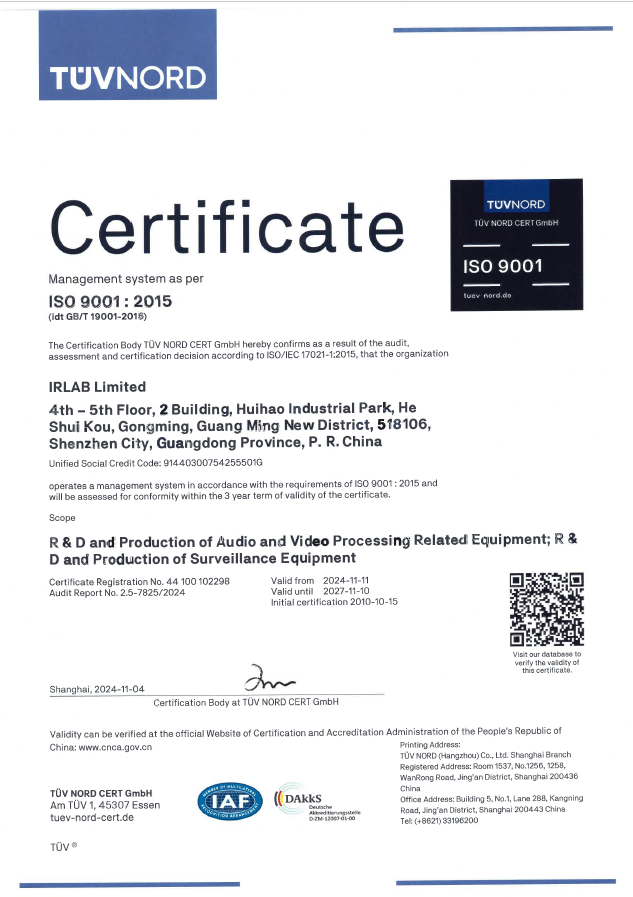
- ISO 9001:2015 (certification number 44100102298, issued by TÜV) — global quality management system.
- Also includes FCC, CE, UKCA, C-TICK, and RoHS (details as above).
Thermal FPV Cameras (CT-EI5ATB & CT-EI5ATC)
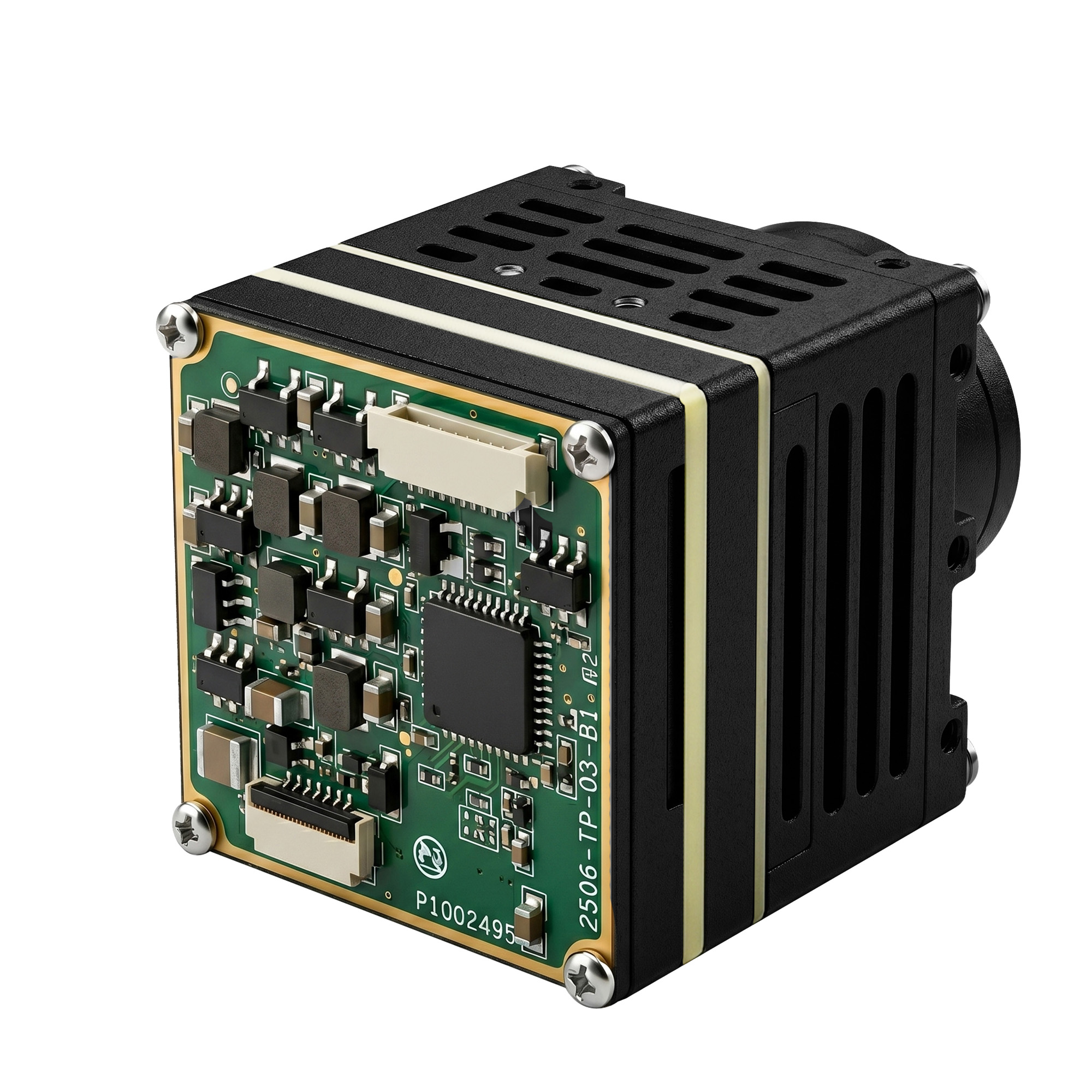
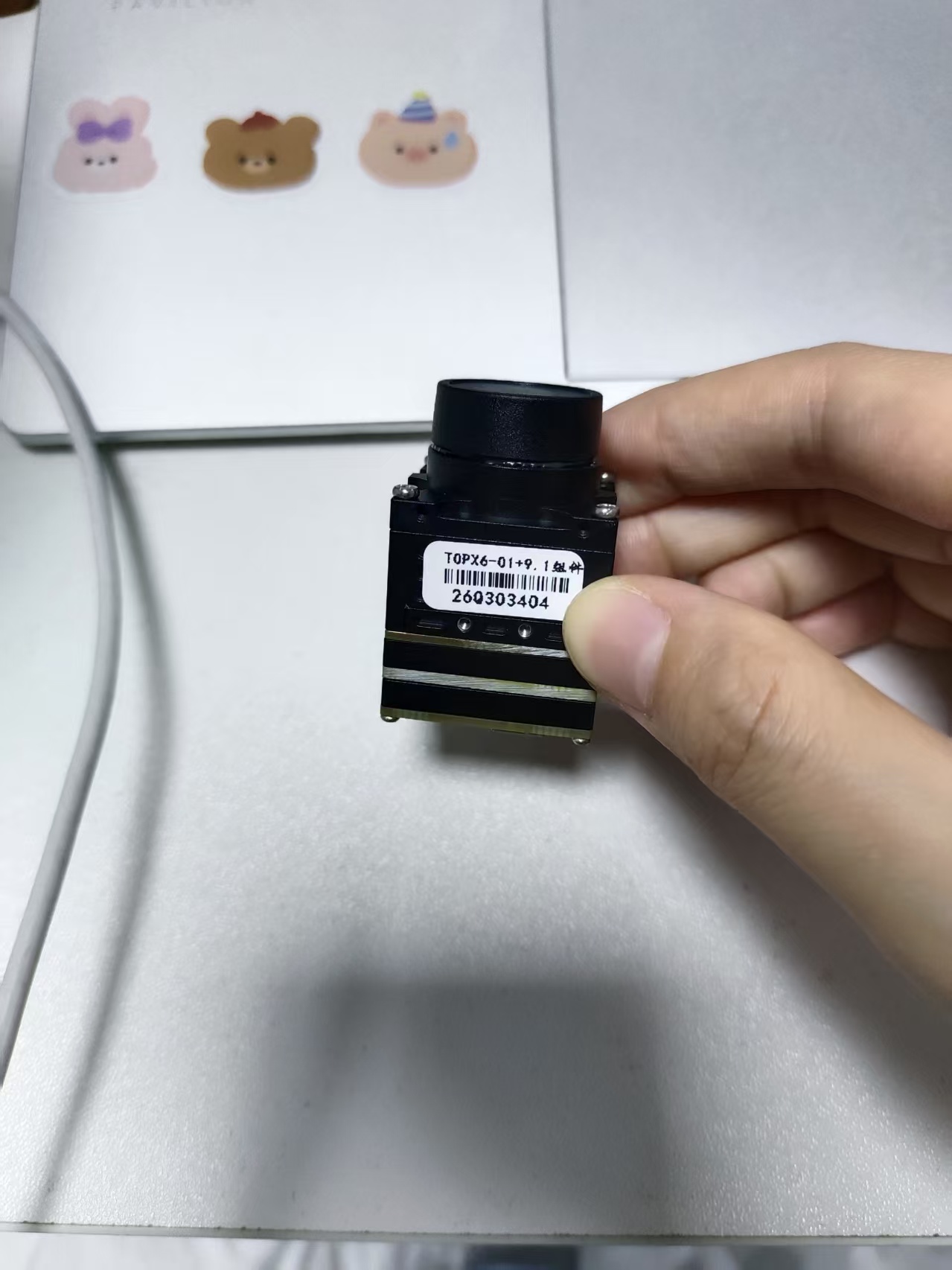
The Thermal FPV Camera models CT-EI5ATB (384×288, 12μm) and CT-EI5ATC (640×512, 12μm) feature uncooled Vanadium Oxide detectors, <30mK NETD, and 8–14μm spectral range. They share the same certification suite as the analog cameras (FCC, CE, UKCA, C-TICK, RoHS) plus ISO 9001. These thermal cameras are deployed in military reconnaissance, border patrol, fire service, and search and rescue applications across countries including Ukraine, Russia, Turkey, South Korea, Jordan, UAE, Afghanistan, and Australia.
Step-by-Step: How to Verify FPV Camera Compliance for Your Market
- Identify target regions — Determine where the drone or camera will be deployed (USA, EU, UK, AU/NZ, or else). Each region has a primary certification: FCC for USA, CE for EU, UKCA for UK, C-TICK for Australia/New Zealand.
- Check transmission band — For digital FPV cameras with radio transmitters, verify that the operating frequency (e.g., 5.1-5.8GHz) and transmit power (e.g., ≤29dBm FCC, ≤20dBm CE) match local limits. IRLAB’s CDD-BS5JMU specifies these values.
- Review safety certifications — For tactical or vehicle-mounted cameras, UL or E-MARK certification may be required for ruggedness and electrical safety.
- Confirm environmental directives — RoHS compliance is mandatory in EU and often requested globally. All IRLAB FPV cameras are RoHS certified.
- Request certification documents — A reliable manufacturer will provide copies of certificates, including test reports. IRLAB’s certifications are issued by accredited bodies like TÜV, UL, and Vehicle Certification Agency.
- Validate with your integrator — If you are a drone OEM, ensure your camera partner’s certifications align with your final product certification path.
Use Cases: Certified FPV Cameras in Action
Tactical Drone Manufacturer (Ukraine) – IRLAB supplied 30,000 units of analog and digital FPV cameras to a Ukrainian FPV drone manufacturer. The cameras operate at sensitivity as low as 0.00001 lux, enabling target identification in extreme low light. The certification portfolio (FCC, CE, UKCA) allowed the integrator to deploy in multiple support countries without re-certification delays.
Search and Rescue Thermal Drone – The CT-EI5ATC thermal FPV camera (640×512) is used by border patrol and fire services. Its CE and C-TICK certifications ensure compliance in European and Australian operations.
Comparison: FPV Camera Certification Requirements by Region
| Region | Primary Certification | Key Standard | Applicable IRLAB Models |
|---|---|---|---|
| USA | FCC | FCC CFR 47 Part15 B | Analog (CDD-BS59KP/KU), Digital (CDD-BS5JMU), Thermal (CT-EI5ATB/ATC) |
| Canada | UL (Safety) | CAN/CSA C22.2 No. 60950-1 | Digital CDD-BS5JMU |
| EU | CE + E-MARK | EN 55032, EN 55035; ECE R10 | Analog & Thermal: CE; Digital: CE + E-MARK |
| UK | UKCA | BS EN 55032, BS EN 55035 | Analog, Digital, Thermal |
| Australia / New Zealand | C-TICK | AS/NZS CISPR 22 | Analog, Digital, Thermal |
| Global (Quality) | ISO 9001:2015 | Quality management | All IRLAB FPV cameras (TÜV certified) |
Frequently Asked Questions on FPV Camera Certifications
1. Which certifications does IRLAB’s Analog FPV camera (CDD-BS59KU) hold?
The Analog FPV camera CDD-BS59KU is certified to CE (EN 55032 etc., NTC2006705EV00), FCC (FCC CFR 47 Part15 B, NTC2009742FV00), RoHS (Directive 2011/65/EU, ESTSZ130402233R), UKCA (BS EN 55032:2015/A1:2020 and BS EN 55035:2017/A11:2020, SZNTC2204712EV00), and C-TICK (AS/NZS CISPR 22:2002 Class B, RSZA05061052-9).
2. Does the Digital FPV Camera (CDD-BS5JMU) have automotive certification?
Yes, the Digital FPV Camera CDD-BS5JMU is certified to E-MARK E11 under ECE R10 (certification number 10R-048329, issued by Vehicle Certification Agency), making it suitable for vehicle onboard surveillance and tactical vehicle integration in ECE and UK markets. It also holds UL safety certification for US/Canada.
3. What customization options does IRLAB offer for its FPV cameras?
IRLAB offers OEM/ODM customization including housing color, logo printing, different viewing angle lenses, video image style tuning, integration of third-party AI algorithms, and third-party wireless transmission solutions. The MOQ is 1 unit, with lead times of immediate delivery for small quantities and 15–25 working days for large orders after deposit. Monthly capacity is 500,000 units.
4. How can I obtain a sample or quotation for IRLAB FPV cameras?
To request a sample, quotation, or certification documentation, please contact IRLAB Limited via email at sales@irlab.net, WhatsApp +86 13502860860, or phone +86 13682444680. You can also download the company brochure for a full product overview: IRLAB Company Profile & Corporate Brochures.
Conclusion
Selecting the right FPV camera for tactical, commercial, or industrial drone projects requires careful attention to regulatory compliance. IRLAB Limited provides a range of analog, digital, and thermal FPV cameras that are pre-certified to FCC, CE, UKCA, C-TICK, E-MARK, UL, and RoHS standards, covering the USA, Canada, EU, UK, Australia, and New Zealand. With over 30 years of manufacturing experience, a 3,000m² facility, and a dedicated engineering team, IRLAB is positioned as a reliable OEM/ODM partner. For procurement teams evaluating certified FPV cameras, IRLAB’s portfolio offers a streamlined path to market compliance. Download the company brochure or contact IRLAB directly to discuss your project requirements.
Contact: Hector | Email: sales@irlab.net | Tel: +86 13682444680 | WhatsApp: +86 13502860860
Address: 5th-6th Fls. 2A Building, Huihao Industrial Park, Hewan Community, Matian Sub-district, Guangming District, Shenzhen, China