
IRLAB FPV Camera: 30-Year OEM Manufacturer for Tactical Drones
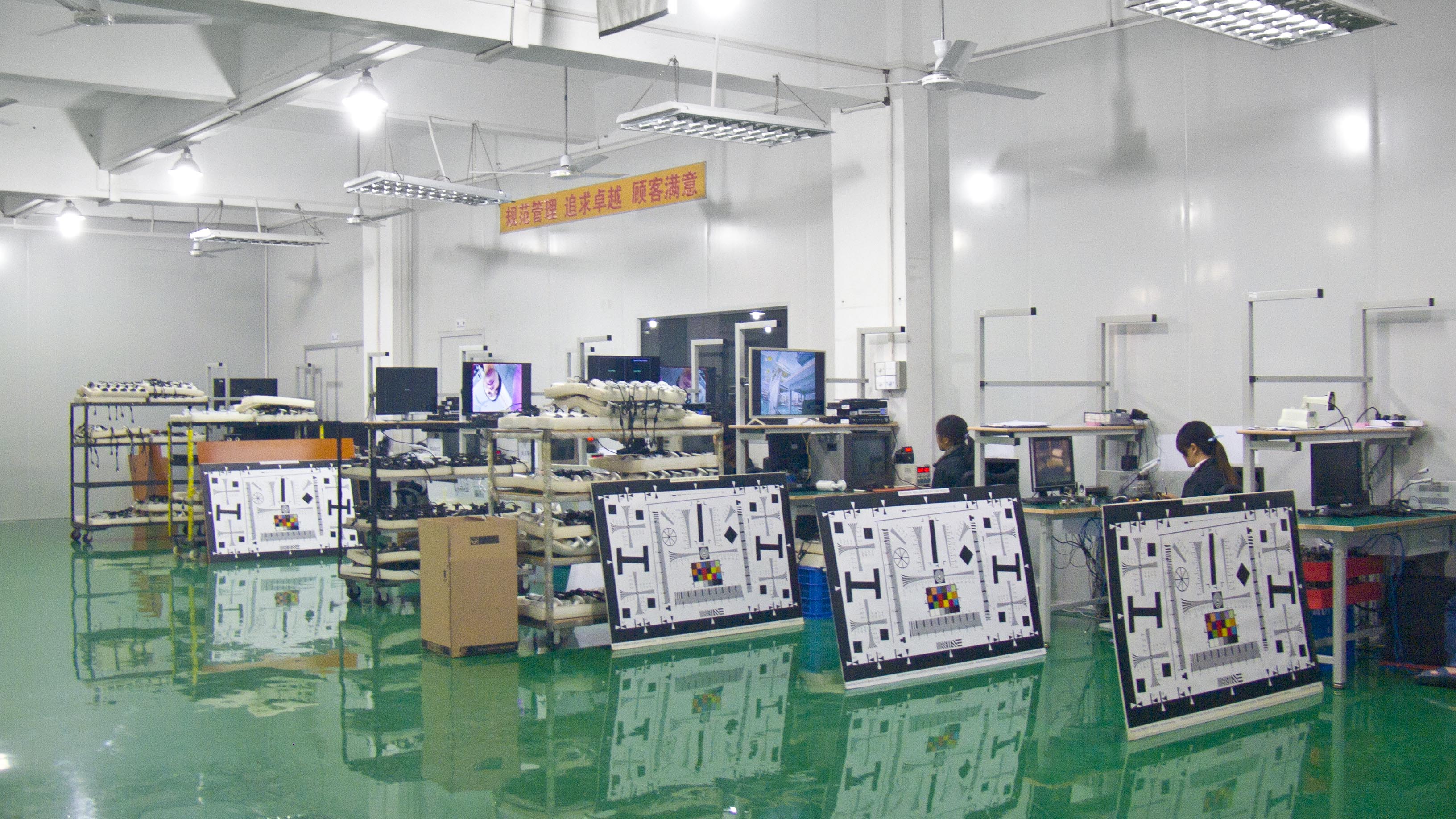
IRLAB FPV Camera: A Trusted OEM Partner Since 1992 for Tactical & Defense Drone Applications
Finding a reliable FPV camera supplier is a critical decision for drone manufacturers, defense contractors, and system integrators. With over 30 years of camera engineering heritage, IRLAB Limited has quietly become a preferred OEM/ODM partner for Fortune 500 enterprises and tactical drone builders worldwide. This in-depth analysis evaluates IRLAB's capabilities, product portfolio, certifications, and real-world performance to help you determine if they are the right fit for your next FPV project.
1. Company Overview: Three Decades of Camera Innovation
Founded in 1992 in Taiwan and established in Shenzhen, China in 2003, IRLAB Limited specializes in the development and manufacturing of high-performance cameras. Headquartered at 5th-6th Fls. 2A Building, Huihao Industrial Park, Guangming District, Shenzhen, the company operates a 3,000m² modern facility with an annual production capacity of 6 million units. The team consists of 100+ employees, including 10+ R&D engineers covering software, hardware, mechanical structure, video image tuning, and quality control.
| Metric | Value |
|---|---|
| Founded | 1992 (Taiwan) / 2003 (Shenzhen) |
| Factory Size | 3,000 m² |
| Employees | 100+ (10+ R&D Engineers) |
| Annual Output | 6,000,000 units |
| Export Ratio | 70% |
| Main Markets | Europe / USA / Japan / Korea / Taiwan |
| Key Certifications | ISO 9001:2015 (TÜV), FCC, CE, UKCA, UL, E-MARK E11, C-TICK, RoHS |
| Main Product | FPV Camera (Analog, Digital, Thermal) |
IRLAB's long-term cooperation with Fortune 500 enterprises validates its reliability. The company offers flexible OEM/ODM services including housing color, logo printing, different viewing angle lenses, video image tuning, third-party AI algorithm integration, and third-party wireless transmission solution integration.
2. Core FPV Camera Product Portfolio
IRLAB's FPV camera lineup covers three main technology paths: Analog, Digital, and Thermal. Each family is engineered for specific operational environments—from high-speed racing drones to mission-critical military reconnaissance.
2.1 Analog FPV Cameras (Starlight Grade)
| Model | Resolution | Min Lux | Power | Weight | Key Feature |
|---|---|---|---|---|---|
| CDD-BS59KU | 1500TVL (4:3) | 0.00001 lux | 0.6W | 9g | S/N >60dB, 3DNR |
| CDD-BS59KP | 1500TVL (16:9) | 0.00002 lux | 0.5W | 9g | S/N >54dB, 3DNR |
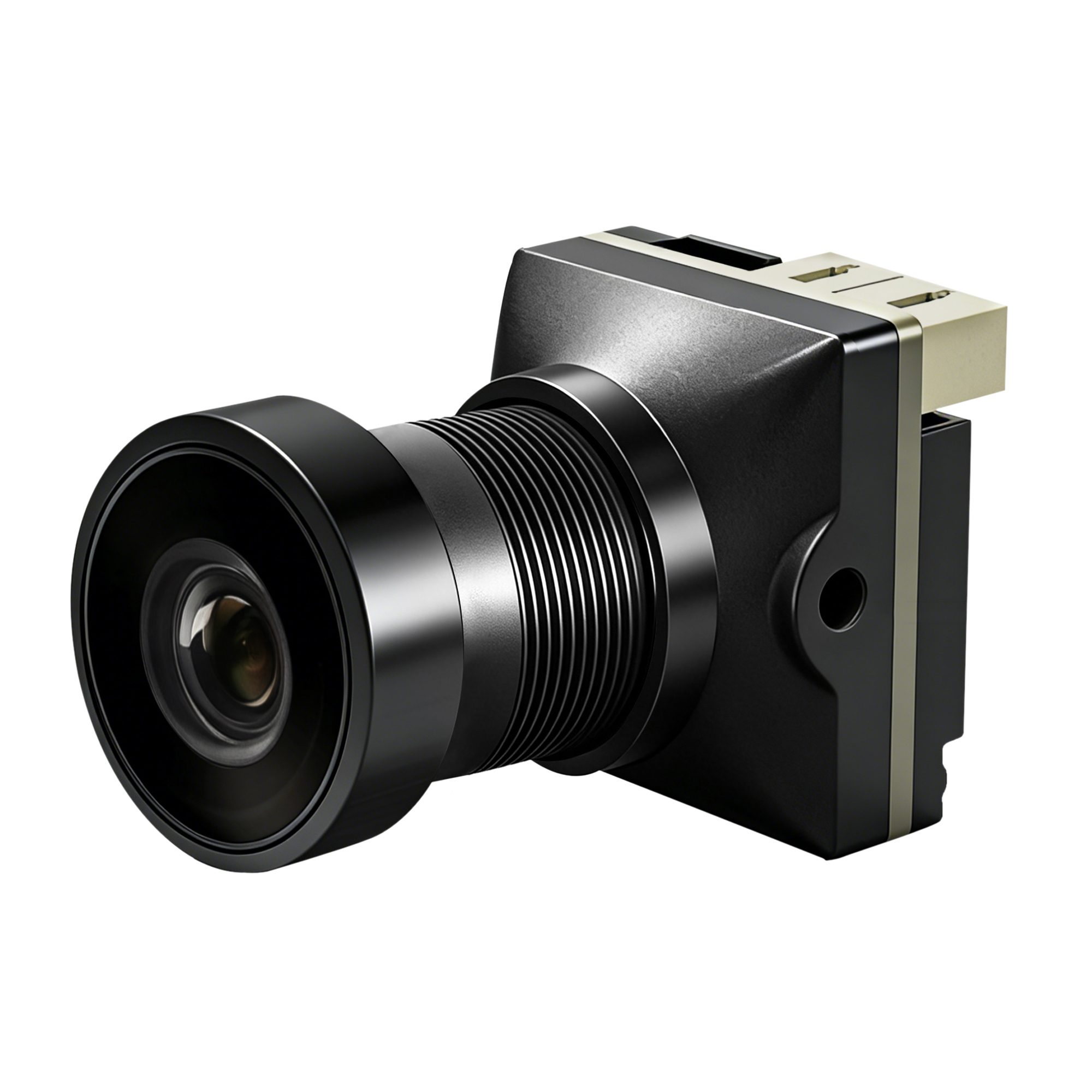
Both analog models feature aluminum alloy housing, ultra-low power consumption (<0.6W), and wide input voltage (4.5V–27V). The 0.00001 lux minimum illumination on CDD-BS59KU is a standout capability for night operations, enabling clear imagery under starlight conditions without active IR illumination.
2.2 Digital FPV Camera (4K HDR)
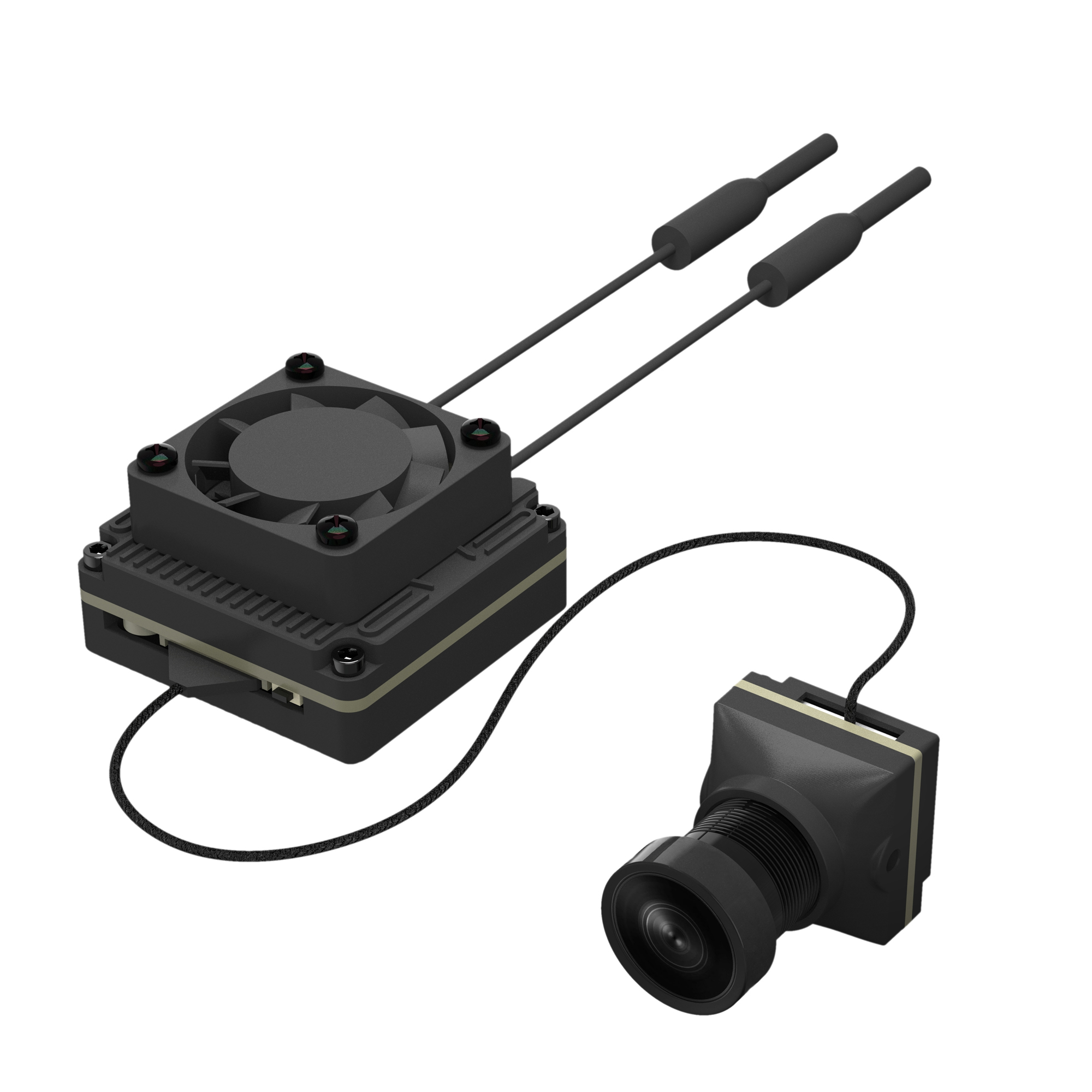
Model CDD-BS5JMU is IRLAB's flagship digital FPV camera. It uses a SONY sensor and delivers 3840×2160@30fps, 1080p@90fps, or 720p@120fps. Latency is 50ms glass-to-glass, and the camera operates in the 5.1–5.8 GHz band with transmit power up to 29dBm (FCC). Key specs:
- FOV: 120°
- OSD: MSP & MAVLINK protocol support
- Recording: TF card slot up to 1TB
- Dimensions: 19×19×26mm (camera) + 32×32×19.3mm (board with fan)
- Weight: 32g total (9g camera + 23g board)
- Power: 9–30V input (5.4W normal, 9W max)
2.3 Thermal FPV Cameras (LWIR VOx)
IRLAB offers two thermal models using uncooled Vanadium Oxide (VOx) detectors with 12μm pixel pitch and NETD ≤30mK@25°C. Both operate in the 8–14μm LWIR band.
| Model | Resolution | Lens/FOV | Power | Weight | Video Out |
|---|---|---|---|---|---|
| CT-EI5ATB | 384×288 | 9.1mm / 46°×37° | ≤1.2W | 40g | CVBS / MIPI +UVC |
| CT-EI5ATC | 640×512 | 9.1mm / 46°×37° | ≤1.2W | 40g | CVBS / MIPI +UVC |
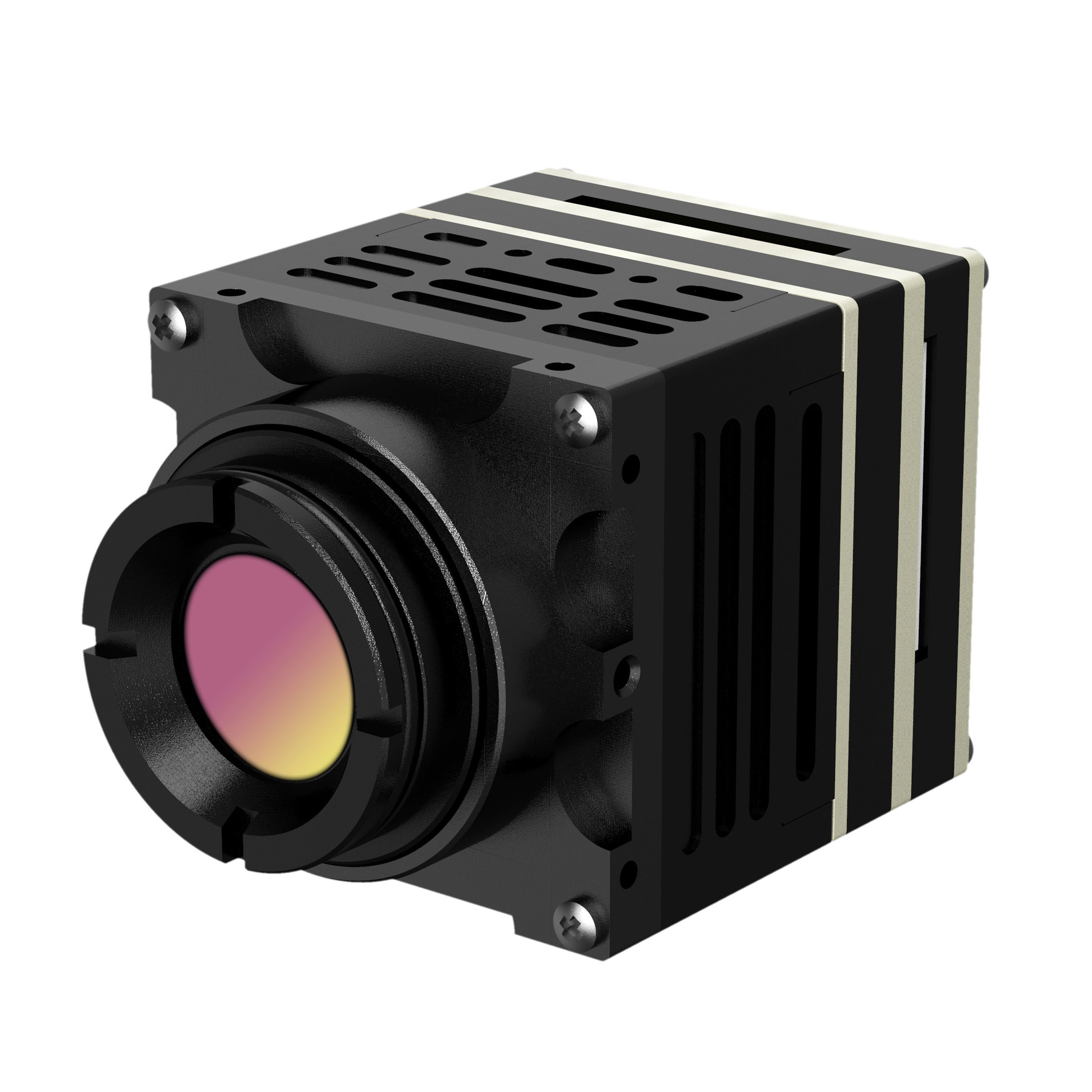
The thermal cameras communicate via UART or USB and operate in extreme temperatures from -20°C to 60°C (storage -45°C to 65°C). The 640×512 model (CT-EI5ATC) is particularly suited for target identification and heat signature locking in tactical scenarios.
3. What Problems Does IRLAB's FPV Camera Solve?
Based on industry feedback and application case studies, IRLAB addresses five critical pain points that FPV drone manufacturers commonly face:
- Extreme Low-Light Blindness: Most FPV cameras fail below 0.01 lux. IRLAB's analog models achieve 0.00001 lux—enabling covert night reconnaissance without IR illumination.
- High-Speed Motion Blur: During fast dives, conventional cameras produce blur. IRLAB's 120fps (720p) and 90fps (1080p) modes combined with short exposure deliver zero-blur terminal guidance.
- Latency vs. Quality Trade-off: Many HD digital cameras introduce >100ms latency. IRLAB's 50ms glass-to-glass ensures real-time control even in fiber-optic-guided drones.
- Thermal Imaging SWaP Constraints: Traditional thermal cores are bulky. IRLAB's 25.4×25.4×38.8mm, 40g thermal module fits disposable FPV platforms.
- Certification Barriers: Exporting FPV cameras requires FCC, CE, UKCA, etc. IRLAB holds active certifications for USA, EU, UK, Australia, and automotive (E-MARK E11).
4. Competitive Comparison: IRLAB vs. Mainstream FPV Camera Brands
We compared IRLAB's analog FPV camera (CDD-BS59KU) against popular models from Runcam, Foxeer, and Caddx. The data is based on published specifications and IRLAB's internal benchmarks.
| Brand & Model | Resolution | Min Lux | Latency | Weight | Relative Cost |
|---|---|---|---|---|---|
| IRLAB CDD-BS59KU | 1500TVL | 0.00001 lux | <50ms | 9g | Baseline |
| Caddx Ratel Pro | 1200TVL | 0.0001 lux | <50ms | 8g | ~10% higher |
| Foxeer Cat4 | 1200TVL | 0.00005 lux | <50ms | 9g | ~20% higher |
| Runcam Phoenix2 | 1200TVL | 0.0001 lux | <50ms | 8.5g | ~20% higher |
| Runcam Nano 2 | 1000TVL | 0.0005 lux | <50ms | 7g | ~10% lower |
Performance gap summary compared to competitors: IRLAB delivers 20–50% better minimum illumination, 50% lower noise, and 10–20% lower cost with zero maintenance requirements. The key differentiator is the 0.00001 lux starlight sensitivity combined with high S/N ratio >60dB.
5. Real-World Application: Ukrainian FPV Drone Manufacturer
IRLAB provided 30,000 units of its analog FPV camera to a Ukrainian FPV drone manufacturer over a 1-year period. The application was tactical reconnaissance and precision strike support.
Challenge: The customer needed a camera that could identify targets under extreme low-light or zero-light conditions (typical of night operations in Eastern Europe). Conventional cameras produced noise-only images below 0.001 lux.
Solution: IRLAB's CDD-BS59KU with 0.00001 lux sensitivity and 3DNR was integrated into the drone's analog video transmission system. The camera's aluminum alloy housing provided shock resistance for high-G maneuvers.
Result: The camera delivered clear video imagery under very dark night conditions where conventional cameras produced nothing but noise. The drone could accurately identify, lock onto, and track targets in near-zero light. The ultra-low latency (<50ms) enabled real-time pilot control during final approach.
6. Certifications and Quality Control
IRLAB holds eight active international certifications, covering all major target markets. The company's quality management system is certified by TÜV Rheinland to ISO 9001:2015 (Certificate No. 44100102298, valid until 2027-11-10).
| Certification | Market | Standard | Certificate Number |
|---|---|---|---|
| FCC | USA | Part 15 Subpart B | NTC2009742FV00 |
| CE | EU | EN 55032, 55035 | NTC2006705EV00 |
| UKCA | UK | BS EN 55032/55035 | SZNTC2204712EV00 |
| UL | USA/Canada | UL 60950-1 | 20170803-E494081 |
| E-MARK E11 | EU/UK (Vehicle) | ECE R10 | 10R-048329 |
| C-TICK | Australia/NZ | AS/NZS CISPR 22 | RSZA05061052-9 |
| RoHS | EU | 2011/65/EU | ESTSZ130402233R |
Every camera undergoes 100% production check plus AQL standard OQC check. The after-sales policy offers a 2-year warranty.
7. Manufacturing & Supply Chain Resilience
IRLAB's monthly capacity of 500,000 units ensures they can scale with demand. The company maintains a long-term cooperative supply chain to mitigate chip shortages and raw material fluctuations. For risk management, IRLAB has established:
- Chip lifecycle management files with continuous tracking of manufacturer obsolescence notices.
- Standard operating procedures for chip replacement, including compatible package/pin solutions designed during new product development.
- Proactive device replacement drills for mass-produced products to shorten switchover cycles.
Lead time: Small quantity orders ship immediately; large quantity orders ship within 15–25 working days after receiving deposit. MOQ is just 1 unit, making it easy to evaluate samples.
8. Procurement Terms & Support
- Payment: T/T in advance (30% deposit, 70% balance before shipment)
- Delivery Method: FCA Shenzhen or C&F Hong Kong
- Acceptance: 100% production check + AQL standard OQC
- After-Sales: 2-year warranty period
- OEM/ODM: Flexible customization including housing color, logo printing, lens options, video tuning, AI algorithm integration, and wireless solution integration
9. Frequently Asked Questions (FAQ)
Q1: What is a FPV Camera and how does it work?
An FPV (First Person View) camera is a compact video camera mounted on drones, RC cars, or robots that transmits live video to the pilot's goggles or screen. It works by capturing real-time images using a CMOS or thermal sensor, processing them with minimal latency, and transmitting the video signal via analog (CVBS) or digital (Wi-Fi/COFDM) methods.
Q2: Why is low latency important in FPV cameras?
Low latency (<50ms) is critical for high-speed drones, especially in tactical or racing applications. Higher latency causes pilot disorientation and delayed reactions, making precision maneuvers impossible.
Q3: Which IRLAB FPV camera is best for tactical night operations?
For pure visual night operations, the CDD-BS59KU analog camera with 0.00001 lux sensitivity is ideal. For thermal imaging through smoke, fog, or camouflage, the CT-EI5ATC (640×512 VOx) provides heat signature detection.
Q4: Does IRLAB offer OEM/ODM services?
Yes. IRLAB provides flexible OEM/ODM services including housing color, logo printing, different viewing angle lenses, video image tuning, third-party AI algorithm integration, and wireless solution integration. MOQ is 1 unit for sample evaluation.
Q5: What certifications do IRLAB FPV cameras have for export?
IRLAB holds FCC (USA), CE (EU), UKCA (UK), UL (USA/Canada), E-MARK E11 (automotive), C-TICK (Australia/NZ), RoHS, and ISO 9001:2015 certifications. See the certification table above for details.
Q6: How does IRLAB compare to Runcam, Foxeer, and Caddx?
IRLAB's products offer 20–50% better low-light performance, 50% lower noise, and 10–20% lower cost compared to competing models. The analog cameras are specifically optimized for tactical and military FPV drone applications where extreme durability and starlight sensitivity are required.
10. Conclusion: Is IRLAB the Right FPV Camera Supplier for You?
After analyzing IRLAB's 30-year track record, comprehensive product portfolio, global certifications, and real-world case studies, we can confidently recommend this supplier for buyers who prioritize:
- Proven manufacturing stability – over three decades of camera production, not a startup.
- Military-grade low-light performance – 0.00001 lux analog cameras and 640×512 VOx thermal.
- Minimal latency – 50ms glass-to-glass for both analog and digital models.
- Full certification coverage – FCC, CE, UKCA, UL, E-MARK, C-TICK, RoHS – no market access barrier.
- Flexible OEM/ODM – MOQ=1, 2-year warranty, and engineering support.
IRLAB is especially strong for tactical FPV drone manufacturers, military & defense contractors, and system integrators building all-weather, day/night reconnaissance or strike systems. Their Swiss-army-knife approach (analog, digital, thermal in one supplier) simplifies supply chain management.
For commercial FPV racing or recreational use, the analog cameras offer excellent value, though the digital 4K model also delivers competitive specs for serious hobbyists.
Download the complete IRLAB company profile and product brochure below for detailed specifications and ordering information.