
The Complete Guide to FPV Cameras: Analog, Digital, and Thermal Technologies for Tactical and Commercial Drones
The Complete Guide to FPV Cameras: Analog, Digital, and Thermal Technologies for Tactical and Commercial Drones
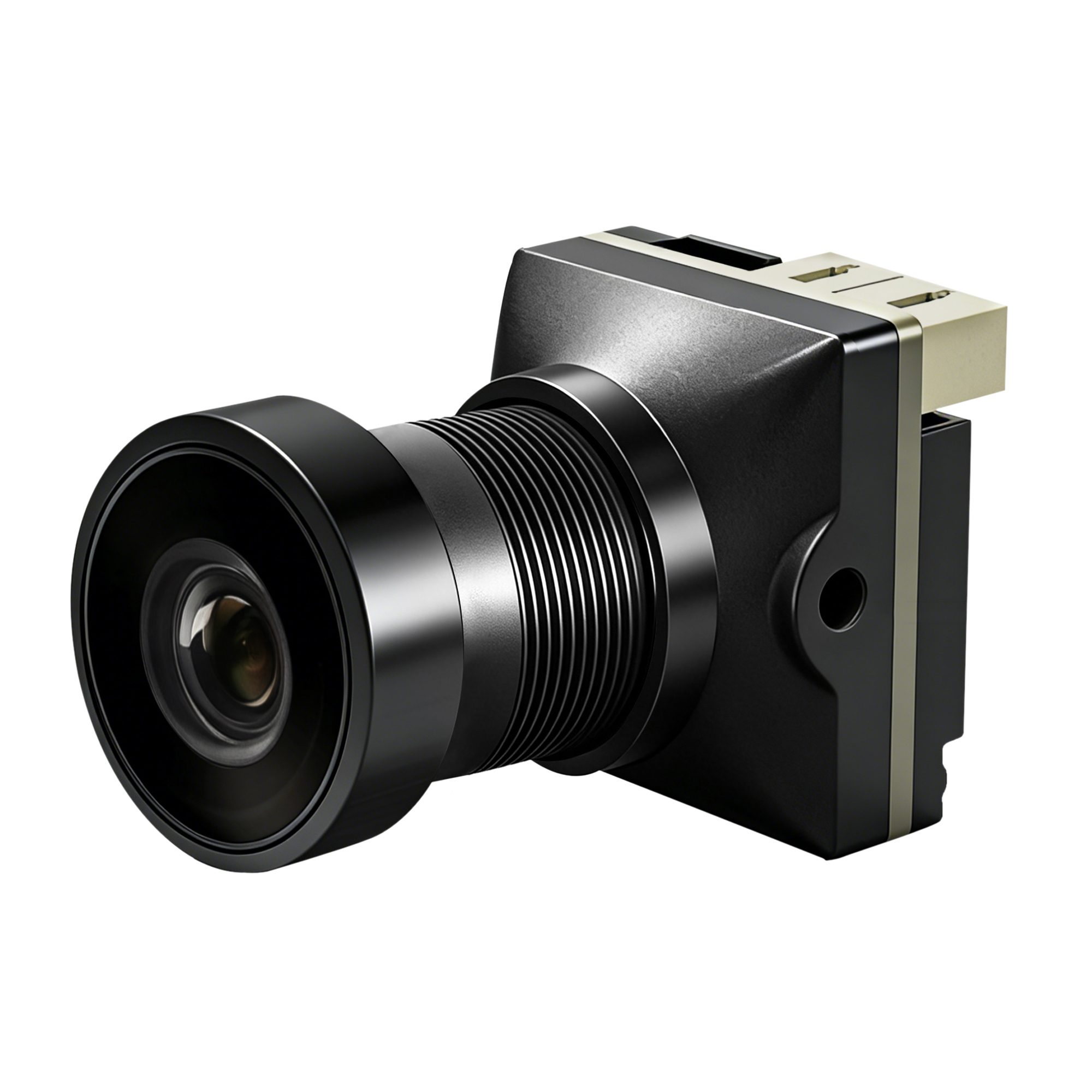
An FPV (First Person View) camera is the core visual component that transmits a live video feed from a drone or vehicle to the pilot’s goggles or monitor. For tactical, racing, and commercial applications, selecting the right FPV camera technology—analog, digital, or thermal—directly impacts mission success. IRLAB Limited, a Shenzhen-based camera manufacturer established in 1992 with over 30 years of development and manufacturing experience, provides OEM and ODM solutions across all three FPV camera types, serving industries ranging from military defense to RC modeling.
Why Choosing the Right FPV Camera Matters
FPV operators and drone integrators often face a critical decision: balance latency, resolution, night vision, and environmental durability. The wrong choice can lead to signal drops, poor situational awareness, or mission failure. IRLAB Limited (established 1992, facility 3,000 m², annual output 6 million units) specializes in manufacturing cameras that address these extremes, with products certified under TüV’s ISO9001 quality control system.
Industry Background: The Growing FPV Camera Market
According to Fact.MR, the global FPV camera market was estimated at US$ 825.3 million in 2024, projected to grow at a CAGR of 14.7% through 2034. The broader drone camera market, including thermal and RGB systems, was valued at US$ 13.6 billion in 2025, driven by defense and industrial applications (Global Market Insights). Meanwhile, the thermal camera market is expected to expand from US$ 5.16 billion in 2024 to US$ 10.09 billion by 2035 (Market Research Future). These figures underscore the rising demand for specialized FPV cameras—especially in tactical, law enforcement, and search‑and‑rescue scenarios.
Three Core FPV Camera Technologies Offered by IRLAB
1. Analog FPV Camera – Ultra‑Low Latency, Rugged Simplicity
The IRLAB CDD-BS59KP is an analog FPV camera belonging to the Racing Drone FPV Camera and Low Latency Camera categories. It delivers 1500TVL resolution (16:9 aspect) with a minimum illumination of 0.00002 lux, making it effective in very low‑light conditions. Power consumption is only 0.5 W, and the camera accepts a wide voltage range (DC 4.5 V–27 V). Weighing just 9 g and housed in an aluminum‑alloy body (19 mm × 19 mm × 27 mm), it is designed for racing drones, RC cars, and tactical UAVs requiring <50 ms glass‑to‑glass latency.
A second analog variant, the CDD-BS59KU, offers 1500TVL at 4:3 aspect with even lower minimum illumination (0.00001 lux) and a signal‑to‑noise ratio >60 dB. Both models integrate 3DNR and CVBS video output.
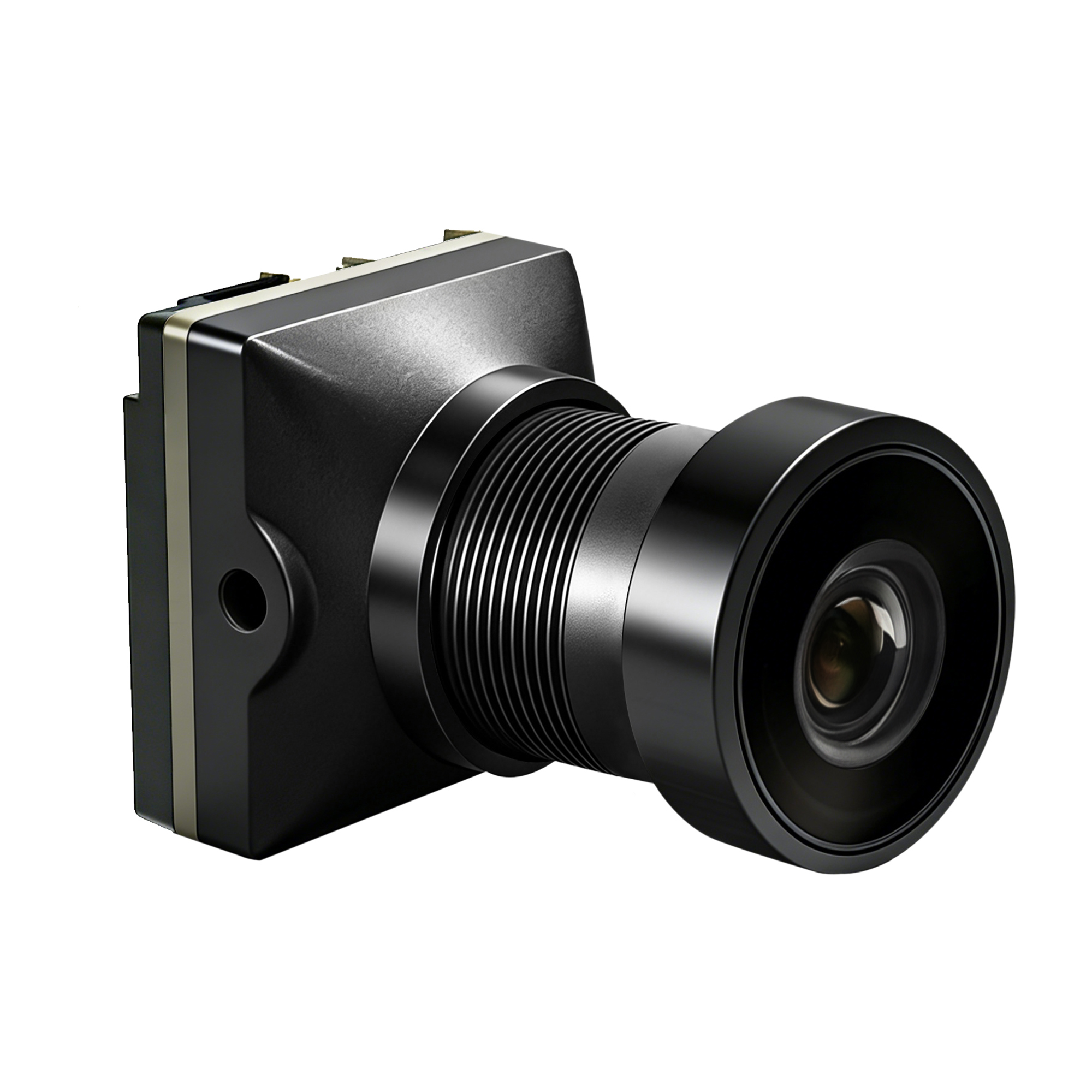
2. Digital FPV Camera – High Definition for Reconnaissance
The CDD-BS5JMU is a digital FPV camera designed for tactical and commercial drones. It uses a SONY CMOS sensor and supports resolutions up to 4K (3840 × 2160 at 30 fps) and high‑frame‑rate modes (1080p at 90 fps, 720p at 120 fps). Latency is maintained at 50 ms glass‑to‑glass, with a 120° field of view. Operating in the 5.1 GHz–5.8 GHz band (FCC: ≤29 dBm, CE: ≤20 dBm), it features 2T2R antennas, MSP/MAVLINK OSD protocol support, and TF card recording up to 1 TB. The main board measures 32 mm × 32 mm × 19.3 mm (with fan), and the camera head is 19 mm × 19 mm × 26 mm; total weight is 32 g (9 g camera + 23 g board).
3. Thermal FPV Camera – See Through Smoke, Fog, and Complete Darkness
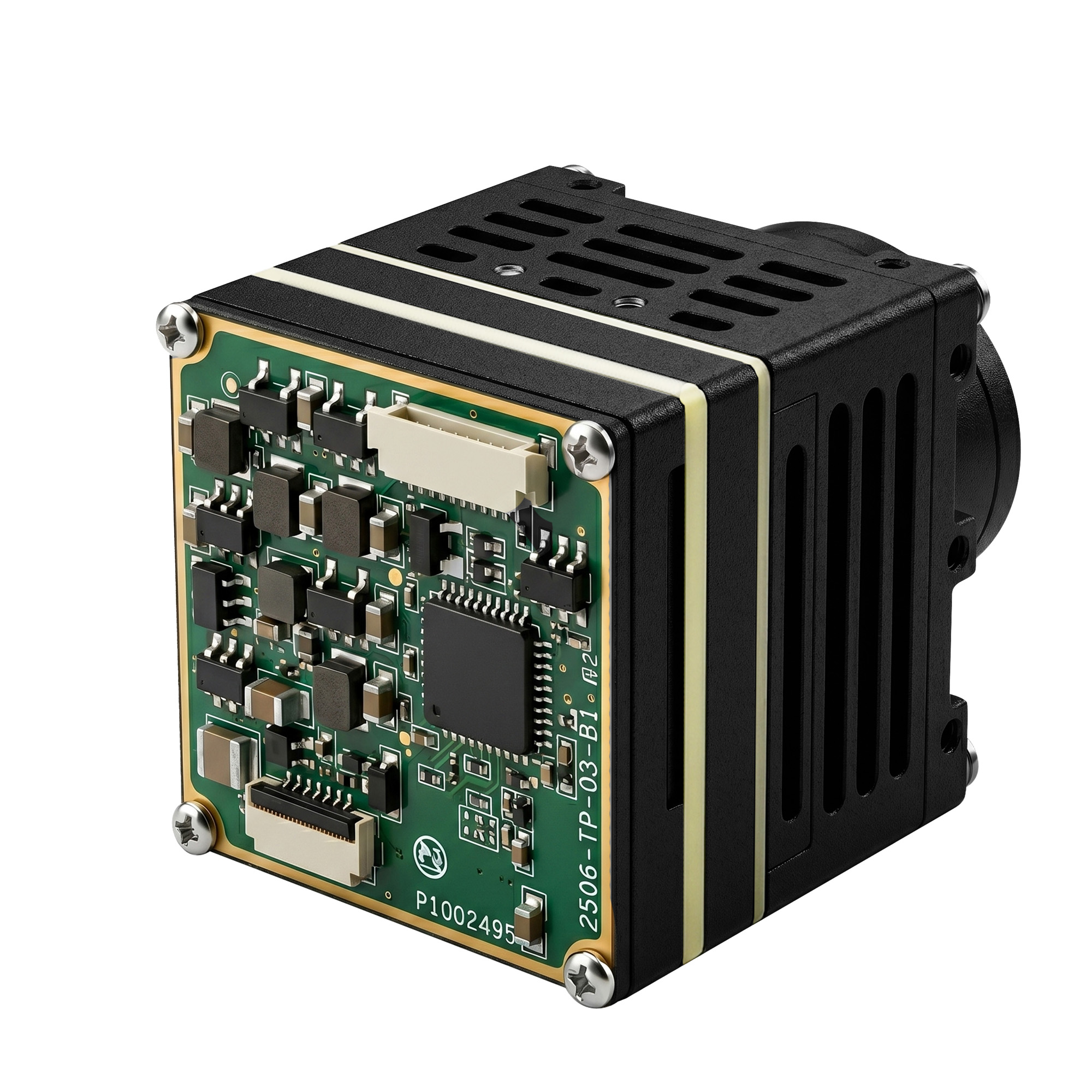
IRLAB’s thermal FPV cameras are based on uncooled vanadium oxide detectors. Two models are available:
- CT-EI5ATB (384 × 288 resolution, 12 μm pixel pitch, NETD ≤30 mK @ 25 °C)
- CT-EI5ATC (640 × 512 resolution, 12 μm pixel pitch, NETD ≤30 mK @ 25 °C)
Both operate in the 8–14 μm LWIR band, with a 9.1 mm lens providing a 46° × 37° field of view. Video output includes CVBS and MIPI (optional UVC), communication via UART or USB, and power consumption ≤1.2 W. Dimensions (including lens) are 25.4 mm × 25.4 mm × 38.8 mm, weight 40 g. They are rated for –20 °C to +60 °C operating temperature and are housed in an aluminum‑alloy chassis.
Step‑by‑Step Guide to Selecting the Right FPV Camera
- Assess environment and latency requirement: For racing or scenarios demanding <50 ms latency, analog (CDD-BS59KP) is the proven choice. For high‑resolution reconnaissance, digital (CDD-BS5JMU) provides 4K clarity with the same low latency.
- Determine need for thermal imaging: If operations occur in total darkness, dense fog, smoke, or require heat‑signature detection (e.g., search‑and‑rescue, border patrol), choose the CT‑EI5ATB (384 × 288) or CT‑EI5ATC (640 × 512) thermal camera.
- Check power and integration constraints: All IRLAB cameras accept wide input voltages (4.5 V–27 V for analog, 9 V–30 V for digital, 3.9 V–5.5 V for thermal). Their compact form factors (19 mm × 19 mm common footprint) facilitate drop‑in replacement.
- Verify compliance: Digital transmitters operate under FCC Part 15 (≤29 dBm) and CE (≤20 dBm). For U.S. deployments, ensure equipment meets FCC regulations; IRLAB can provide guidance on certifications.
- Evaluate OEM/ODM support: IRLAB offers flexible customization—tuning image sensors, adjusting lens options, modifying firmware for proprietary OSD protocols, and integrating with your flight controller.
Use Cases: Tactical FPV Drone Applications
Based on IRLAB’s application data, these cameras are deployed in tactical FPV UAV and military & defense FPV drone projects across multiple countries (Ukraine, Russia, Turkey, South Korea, Jordan, UAE, and others). Operating conditions include extreme dark night, sunshine day, high vibration/shock, wide temperature range (–38 °C to 60 °C), EMI environments, dense fog, and torrential rain. Functions performed include:
- Covert night reconnaissance (using thermal or starlight analog sensors)
- No‑IR tactical maneuvers
- Terminal visual guidance with high‑speed penetration
- Ultra‑low latency (<50 ms) FPV for precision strike support
- Smoke/camouflage penetration via LWIR thermal imaging
- Heat signature locking and detect‑to‑engage
- Search & rescue and battle damage assessment
Supporting equipment typically includes tactical flight controllers, encrypted VTX, OSD overlay systems, ground control stations, and armored vehicles.
Comparison Table: Analog vs. Digital vs. Thermal FPV Cameras
| Feature | Analog (CDD-BS59KP) | Digital (CDD-BS5JMU) | Thermal (CT-EI5ATC) |
|---|---|---|---|
| Technology | Analog (CVBS) | Digital (4K/1080p) | Uncooled VOx LWIR |
| Resolution | 1500TVL | 3840×2160@30fps | 640×512 |
| Latency | <50 ms (glass-to-glass) | 50 ms (glass-to-glass) | Low latency (analog out) |
| Low‑light / Thermal | 0.00002 lux (starlight) | Daylight / low‑light SONY sensor | NETD ≤30 mK @ 25°C, 8–14 μm |
| Weight | 9 g | 32 g (with fan) | 40 g |
| Power Consumption | 0.5 W | 5.4 W (normal), 9 W (max) | ≤1.2 W |
| Operating Temp | –38°C to 60°C (system level) | Industry standard | –20°C to 60°C |
Frequently Asked Questions
Are IRLAB FPV cameras FCC compliant for use in the United States?
What are the key differences between analog and digital FPV cameras for tactical use?
What is the typical cost range for these FPV cameras, and are there budget‑friendly options?
Can I order a sample to evaluate the camera before committing to a bulk purchase?
What is the typical lead time for OEM/ODM orders?
Conclusion
Whether you need an ultra‑low‑latency analog camera for racing, a 4K digital camera for reconnaissance, or a 640 × 512 thermal imager for night operations, IRLAB Limited delivers proven, customizable FPV camera solutions backed by 30+ years of manufacturing expertise. With a 3,000 m² factory, ISO9001 certification, and a dedicated in‑house R&D team, IRLAB is positioned as a reliable OEM partner for demanding defense, industrial, and commercial projects. Visit IRLAB’s website or reach out to discuss your FPV camera requirements.