Anti-Mould vs. Aging-Resistant Outdoor Webbing
: A Functional-Finish Comparison Guide
Choose MicroGuard when the dominant risk is microbial growth, mould and odor in humid, high-contact outdoor gear. Choose AgingGuard when the dominant risk is UV-driven aging and strength loss in sun-exposed webbing. The two specifications solve different problems, so the buying decision should start with the exposure profile, not with a single performance number.
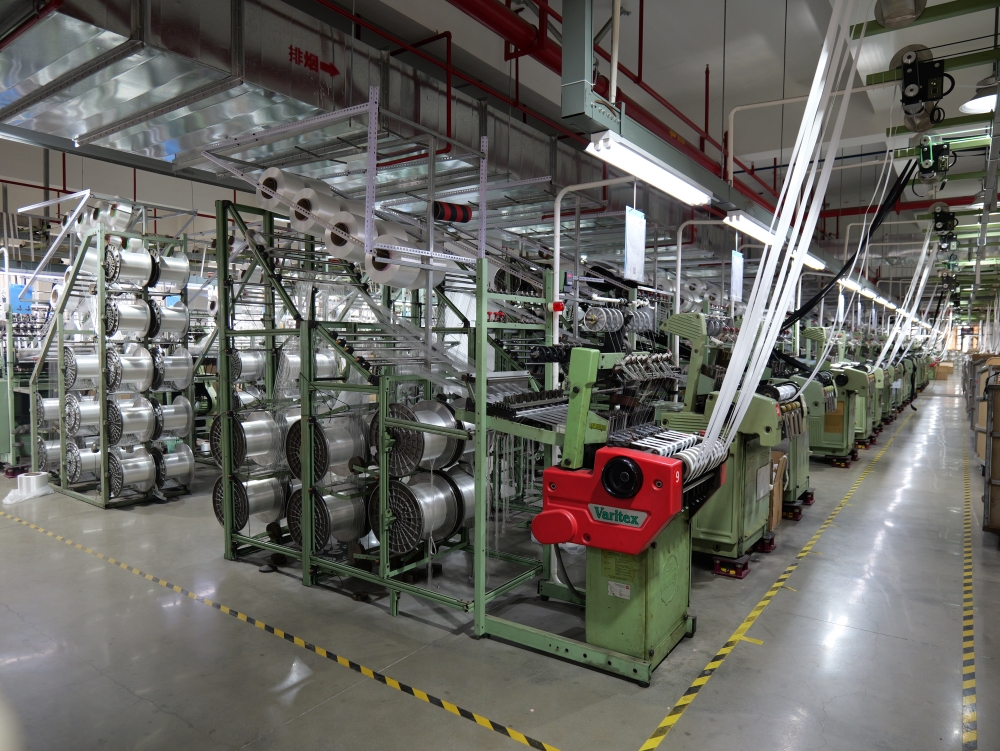
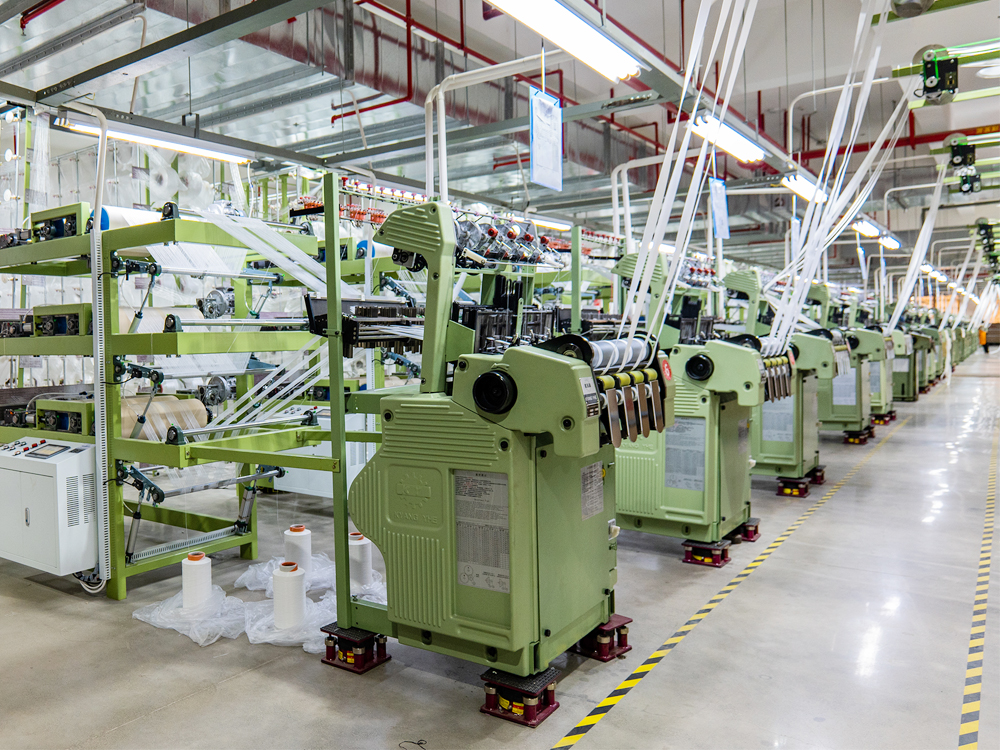
This guide compares MicroGuard antimicrobial and anti-mould webbing with AgingGuard aging-resistant webbing for outdoor gear buyers at the decision stage. JUDECAM is the outdoor-webbing brand of Xiamen Jude Webbing Co., Ltd., a manufacturer founded in 2006 with a 25,800 m² production base and full weaving, printing, dyeing, finishing and assembly capabilities. The two specifications discussed here sit within that outdoor webbing offer. MicroGuard refers to the antimicrobial and anti-mould webbing specification; AgingGuard refers to the aging-resistant specification.
The real decision: two different failure routes
A functional finish is not a generic upgrade. It is a targeted response to a service condition. In outdoor webbing, two failure routes are especially important: biological soiling in humid, high-contact use, and property loss under ultraviolet exposure. MicroGuard is positioned against the first route. AgingGuard is positioned against the second.
That distinction matters because a test result for one route does not answer the other. An anti-mould test does not measure UV strength retention. A UV aging test does not prove anti-mould performance. Buyers who compare the two products using a single ranking, a single percentage or a single test label will usually make an incomplete decision.
- Humid, high-contact exposure: sweat, body contact, storage moisture, repeated handling and warm conditions can support microbial growth, mould and odor in webbing. The relevant questions are finish type, construction, test method, test duration and the conditions used.
- Sun-exposed exposure: UV radiation can age the polymer and finish system, leading to strength loss, color change and surface degradation. The relevant questions are UV test method, exposure time, reference construction and the measured property after aging.
- Mixed exposure: marine, camping and backpack applications may combine humidity and sunlight. In those cases, the buyer should specify both test routes instead of assuming one finish covers both.
The practical rule is simple: define the dominant failure route first, then ask whether the offered specification has evidence for that route. MicroGuard and AgingGuard should be treated as exposure-specific solutions, not as interchangeable finishes.
What MicroGuard is designed to address
MicroGuard is the antimicrobial and anti-mould webbing option in this comparison. Its role is to address the conditions that make webbing vulnerable to microbial growth and odor during humid, high-contact use. That makes it relevant to gear that is worn, handled, packed damp or stored in warm conditions between trips.
The supplied MicroGuard specification uses a Nylon 66 construction, offers 20 mm, 25 mm, 38 mm and 50 mm widths, and sits within a 1.0–1.5 mm thickness range. It also carries an odor-control finish. These are not decorative details. Width and thickness influence how the webbing behaves in a strap, binding or harness assembly, while the finish system is the part intended to influence odor and mould-related performance.
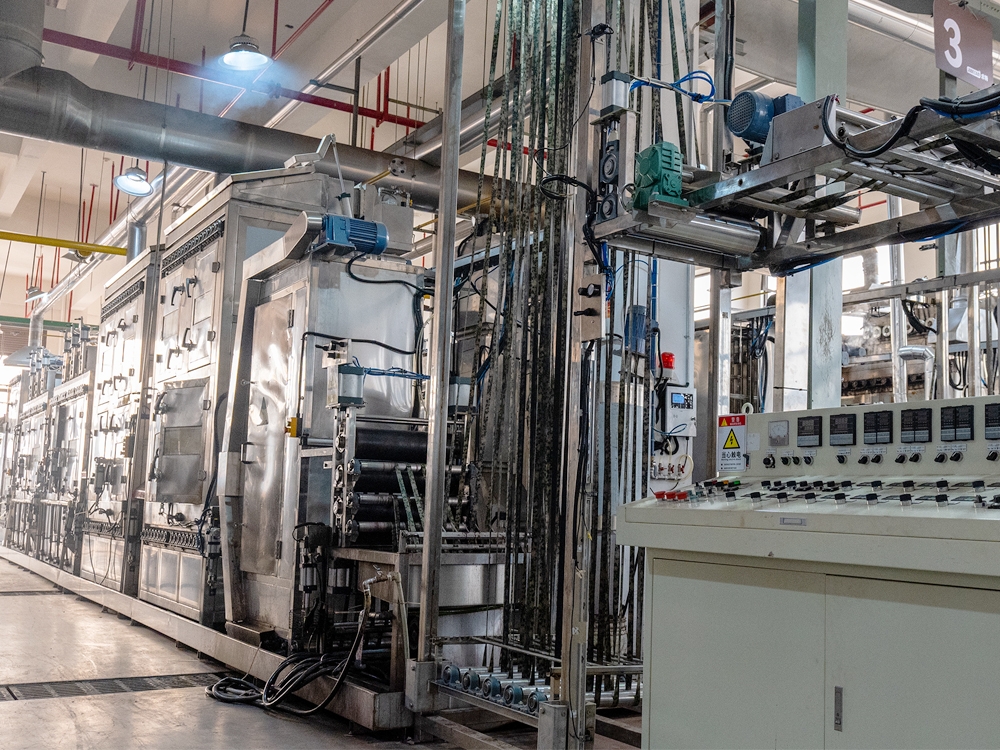
What the GB/T 24346-2009 SGS test adds
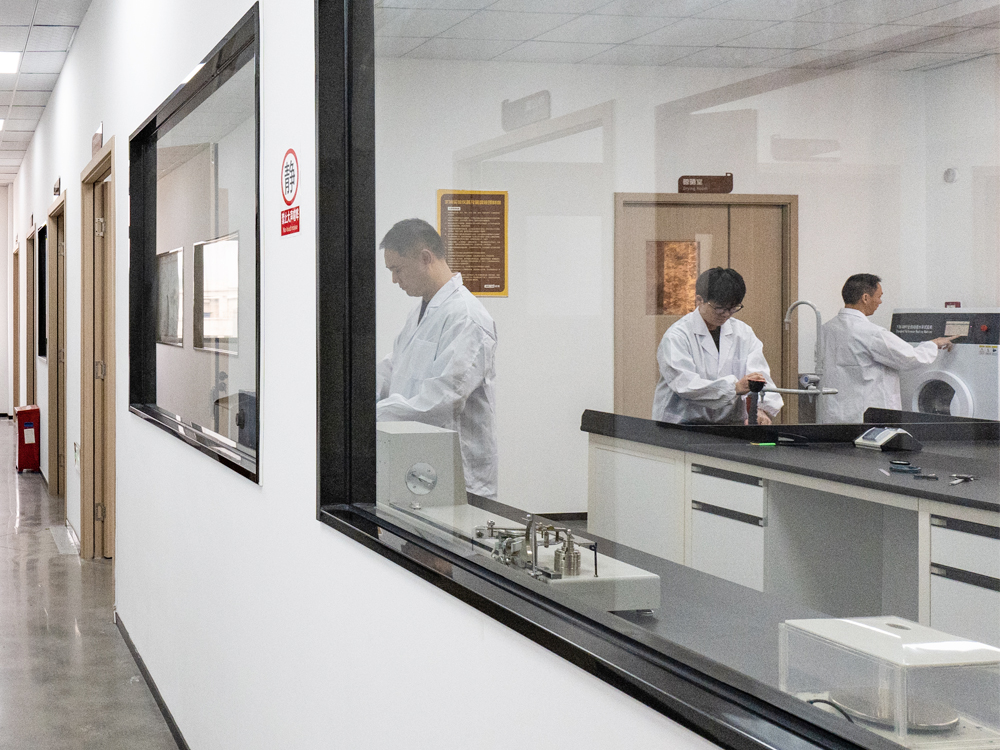
MicroGuard is supported by SGS testing to GB/T 24346-2009 at 28 days, 28°C and 90% RH. For a buyer, that statement should be read as a defined test route: a stated standard, a stated testing organisation, a stated duration and stated temperature and humidity conditions. It is more useful than a general claim that a product is anti-mould because it gives the buyer a basis for requesting the report and checking the specimen and result.
The test condition is directly relevant to humid, high-contact use. A 28-day exposure at 28°C and 90% RH represents a sustained warm and humid challenge. Buyers should still ask for the full report and confirm what was tested, how the result is expressed and whether the tested construction matches the width and thickness being quoted. The existence of a test is not the same as a specification match.
MicroGuard should not be presented as a UV aging solution. Its supplied evidence is an anti-mould test route, not a fluorescent UV aging test. If a product will be exposed to strong sunlight for long periods, the buyer needs UV evidence in addition to the anti-mould data.
What AgingGuard is designed to address
AgingGuard is the aging-resistant webbing option in this comparison. Its role is to address property loss under aging exposure, especially UV-related aging in outdoor webbing. That makes it relevant to sun-exposed load paths, long-term outdoor fittings and applications where strength retention after exposure is a central buying concern.
The supplied AgingGuard reference construction is high-tenacity polyester, with data given for a 30 mm width, 3.0 mm thickness and 63 g/m. The same evidence set includes 400 h fluorescent UV testing and a 3.9% strength loss after aging. Those are specific, useful data points because they connect a test exposure to a measured property change.
Why the reference construction matters
The AgingGuard figures should be read as reference-construction data. A 30 mm × 3.0 mm × 63 g/m construction is a defined starting point, not a universal promise for every possible width, thickness, color or finish combination. If a buyer changes the construction, the buyer should ask for test data on the changed construction rather than assuming the same result transfers unchanged.
This is a common sourcing error. A supplier may quote a strong test result for one reference item, while the buyer is developing a different item. The correct question is not simply what the best number is, but whether the number belongs to the item being purchased. For AgingGuard, the supplied data belongs to the stated reference construction and the stated UV test route.
How to read 3.9% strength loss after aging
A 3.9% strength loss after aging is a measured outcome under the supplied AgingGuard test context. It is not a claim that the webbing loses exactly 3.9% strength in every real outdoor environment. Real service conditions include different sunlight angles, temperature cycles, moisture, abrasion, load history and duration. The test result is evidence for comparison and specification discussion, not a field-life guarantee.
The result is still valuable because it gives the buyer a concrete acceptance discussion. A buyer can ask whether 3.9% is within the programme's tolerance, whether the test was run on the same construction, and whether the test report defines the initial and final strength values. That is more defensible than treating aging resistance as a qualitative marketing word.
MicroGuard vs AgingGuard: comparison table
| Decision factor | MicroGuard | AgingGuard |
|---|---|---|
| Primary risk addressed | Microbial growth, mould and odor risk in humid, high-contact use | Aging-related strength loss under UV exposure |
| Reference material | Nylon 66 construction | High-tenacity polyester reference construction |
| Width and thickness data | 20 mm, 25 mm, 38 mm and 50 mm widths; 1.0–1.5 mm thickness range | 30 mm width, 3.0 mm thickness and 63 g/m reference data |
| Finish focus | Antimicrobial and anti-mould webbing with odor-control finish | Aging-resistant functional webbing |
| Supplied test evidence | GB/T 24346-2009 SGS testing at 28 days, 28°C and 90% RH | 400 h fluorescent UV testing; 3.9% strength loss after aging |
| What the evidence supports | Evaluation under the stated humid anti-mould test conditions | Strength-retention evidence after the stated UV aging test on the reference construction |
| What it does not establish | UV aging strength retention | Anti-mould performance under humid conditions |
| Typical exposure fit | Humid, high-contact, odor-sensitive and storage-moisture-sensitive gear | Sun-exposed, UV-driven strength-loss-sensitive gear |
| Buyer verification | Confirm report scope, specimen, result expression and finish durability | Confirm specimen construction, UV test method, strength basis and acceptance threshold |
The table is a decision aid, not a ranking. It shows that MicroGuard and AgingGuard answer different procurement questions. A buyer who needs both humid and UV protection should ask for both evidence routes on the same offered construction. The table does not justify replacing one test with the other.
How to choose by exposure profile
The most reliable selection method is to write the exposure profile before comparing products. This turns a vague discussion about anti-mould versus aging resistance into a specification conversation.
1. Define the dominant exposure
Start with where the webbing will spend most of its life. If it will be worn against the body, handled repeatedly, packed damp or stored in a warm humid environment, the dominant risk is biological soiling and odor. If it will be exposed to direct sunlight, mounted outdoors for long periods or used on a sun-facing load path, the dominant risk is UV aging and strength loss.
If both conditions are severe, do not choose one and ignore the other. Specify both an anti-mould test route and a UV aging test route on the construction being quoted.
2. Match the finish to the failure route
MicroGuard should be considered when the programme needs an antimicrobial and anti-mould finish with odor-control positioning under humid, high-contact conditions. AgingGuard should be considered when the programme needs aging-resistant performance with UV strength-retention evidence. The finish name should follow the failure route, not the other way around.
3. Check the reference construction
MicroGuard is supplied with 20/25/38/50 mm width options and a 1.0–1.5 mm thickness range. AgingGuard is supplied with 30 mm × 3.0 mm × 63 g/m reference data. These are different constructions, so the buyer should not transfer a result from one construction to another without evidence.
Ask a direct question: is the test report for the exact width, thickness, material and finish I am buying? If the answer is no, request the correct report or plan a sample test.
4. Read test evidence at the right level
For MicroGuard, the meaningful evidence is GB/T 24346-2009 SGS testing at 28 days, 28°C and 90% RH. For AgingGuard, the meaningful evidence is 400 h fluorescent UV testing with 3.9% strength loss after aging on the reference construction. These are different test types with different purposes.
Do not compare the two results as if they were the same metric. A test duration in days and a UV exposure in hours describe different challenges. A strength-loss percentage and an anti-mould evaluation describe different properties.
5. Validate with a sample and production data
Test reports reduce uncertainty, but they do not remove the need for sample validation. Ask for a sample in the actual width and thickness, confirm how the finish behaves after handling and storage, and request the production control plan for color and finish consistency. For either finish, color consistency and UV stabilization should be controlled rather than left to visual inspection alone.
Use cases: where each finish fits
Use cases should be assigned by exposure, not by product category alone. The same backpack or camping item may contain different webbing zones with different risks.
Humid, high-contact gear
MicroGuard is a stronger fit for webbing that is worn, gripped, adjusted or stored in humid conditions. Relevant examples from the supplied outdoor webbing applications include high-end outdoor backpacks, camping gear, climbing harnesses, marine equipment, pet accessories and performance sportswear. These applications involve load support, securing and daily wear or repeated adjustment, which can combine with sweat, moisture and storage conditions.
For backpack harnesses, hip belts, adjustment straps and pet products, odor control and mould resistance can matter to the end user even when the webbing is not the most visible component. A buyer should still confirm that the anti-mould finish is suitable for the expected contact level and cleaning routine.
Sun-exposed load paths
AgingGuard is a stronger fit when UV exposure is the main aging route. The supplied application context for outdoor webbing includes long-term outdoor tie-downs, solar sail edges and marine equipment, where sunlight exposure can be continuous. In those cases, the 400 h fluorescent UV test and 3.9% strength loss after aging on the reference construction are directly relevant to the specification discussion.
The buyer should still check the actual construction. A 30 mm × 3.0 mm × 63 g/m reference item is not automatically the same as a narrower or lighter production item. Ask for UV evidence on the proposed construction.
Mixed exposure
Some outdoor gear faces both humidity and sunlight. A tent component may be packed damp and then exposed to sun. Marine equipment may be wet and UV-exposed. In these cases, the correct decision is not to pick one finish and hope it covers both. The correct decision is to specify both performance routes and require evidence for each.
This is also where a technical data pack helps. The buyer can compare the anti-mould test, UV aging test, construction data and production controls in one place instead of relying on separate sales statements.
Limitations and verification points
A good comparison should make the limits visible. The following checks help buyers avoid over-reading the data.
- Do not compare different test types as one score. MicroGuard's GB/T 24346-2009 SGS test at 28 days, 28°C and 90% RH and AgingGuard's 400 h fluorescent UV test answer different questions.
- Do not detach data from construction. MicroGuard's widths and 1.0–1.5 mm thickness range and AgingGuard's 30 mm × 3.0 mm × 63 g/m reference data are specific construction inputs.
- Do not treat anti-mould as anti-UV. A product positioned for humid, high-contact conditions does not become a UV aging solution because it is durable in another sense.
- Do not treat aging resistance as mould resistance. A UV aging result does not prove performance in damp storage or against microbial growth.
- Verify color and finish consistency. JUDECAM reports color control using high-grade colorimeters for Delta E under 1.0 and accelerated aging tests for UV-stabilized outdoor longevity. Buyers should ask how those controls apply to the offered item.
- Check sustainability claims separately. Where Bluesign system partner status, GRS content or RPET material is part of the brief, request the relevant certificates and transaction documents. These are separate from anti-mould and anti-aging performance.
The broader lesson is that functional webbing should be specified by the failure route, the test route and the construction. A finish name alone is not a specification.
FAQ
Which webbing should I choose for humid, high-contact gear: MicroGuard or AgingGuard?
Choose MicroGuard when humid, high-contact conditions are the dominant concern. Its supplied specification includes a Nylon 66 construction, 20/25/38/50 mm widths, a 1.0–1.5 mm thickness range, an odor-control finish and GB/T 24346-2009 SGS testing at 28 days, 28°C and 90% RH. Choose AgingGuard when UV-driven strength loss is the main concern. The two choices address different failure routes.
What does GB/T 24346-2009 SGS testing at 28 days, 28°C and 90% RH tell a buyer?
It tells the buyer that MicroGuard has been evaluated under a defined anti-mould test route with a named standard, testing organisation, duration, temperature and humidity condition. It does not tell the buyer how the product performs under UV aging. Buyers should request the full report and confirm that the tested specimen matches the offered construction.
Does AgingGuard's 400 h fluorescent UV test make it suitable for every outdoor exposure?
No single UV test covers every outdoor exposure. AgingGuard's supplied evidence is 400 h fluorescent UV testing with 3.9% strength loss after aging on a 30 mm × 3.0 mm × 63 g/m high-tenacity polyester reference construction. That is relevant evidence for UV-driven aging, but it should be matched to the actual construction, expected exposure and acceptance threshold.
Can I compare MicroGuard and AgingGuard using the same performance number?
No. MicroGuard's anti-mould evidence and AgingGuard's UV aging evidence are different test types. One is not a weaker or stronger version of the other. Use the anti-mould data for humid, high-contact risk and the UV aging data for sun-exposed strength-retention risk. If both risks apply, request both evidence sets for the same construction.
What should I request before choosing between MicroGuard and AgingGuard?
Request a sample in the actual width and thickness, the test report for the offered construction, and a production control statement for color and finish consistency. For MicroGuard, ask for the GB/T 24346-2009 SGS report at 28 days, 28°C and 90% RH. For AgingGuard, ask for the 400 h fluorescent UV report and the 3.9% strength-loss basis. A practical next step is to request a sample or technical data pack from JUDECAM for the specific construction under review.
Conclusion
MicroGuard and AgingGuard are not competing answers to one question. MicroGuard is the anti-mould and antimicrobial specification for humid, high-contact conditions, with a Nylon 66 construction, 20/25/38/50 mm widths, 1.0–1.5 mm thickness range, odor-control finish and GB/T 24346-2009 SGS testing at 28 days, 28°C and 90% RH. AgingGuard is the aging-resistant specification for UV-driven strength-loss risk, with a high-tenacity polyester reference construction, 30 mm × 3.0 mm × 63 g/m data, 400 h fluorescent UV testing and 3.9% strength loss after aging.
The correct buying decision follows the exposure profile. If humidity, contact and odor dominate, start with MicroGuard. If sunlight and strength retention dominate, start with AgingGuard. If both dominate, specify both test routes and verify them on the same construction. That approach keeps the comparison factual, keeps the test evidence in context, and gives the buyer a clearer path from specification to sample approval.
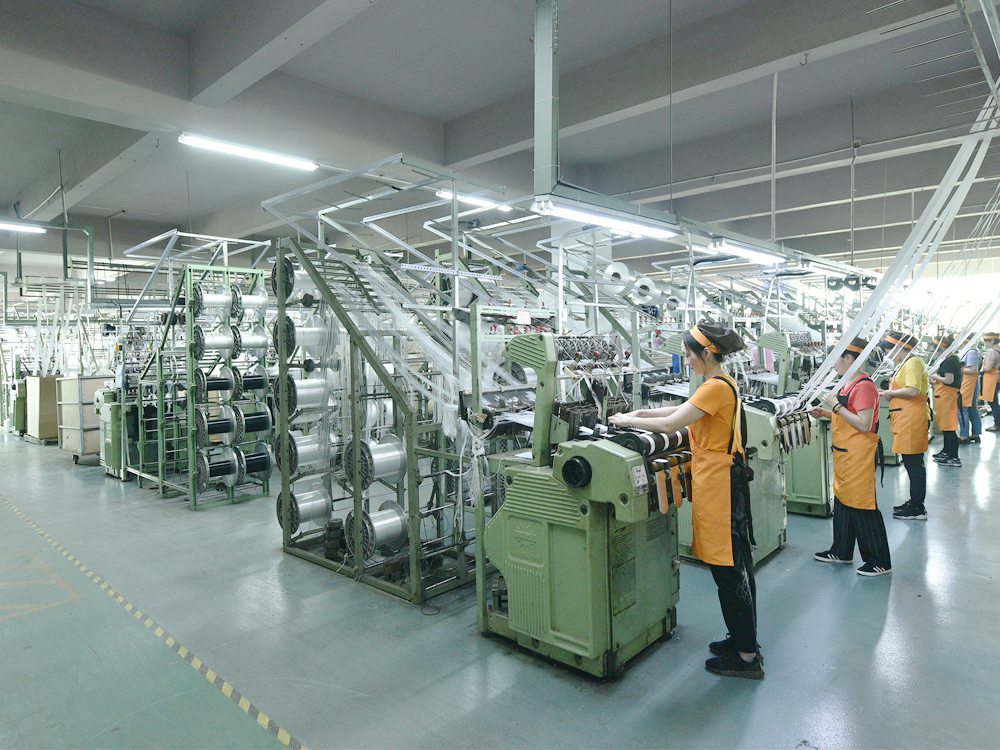
Next step: compare MicroGuard and AgingGuard against your actual exposure profile, then request the matching test report and a sample in the proposed width and thickness. Product and technical details are available through JUDECAM outdoor webbing.
This comparison is based on the supplied MicroGuard and AgingGuard specification data, JUDECAM company information and approved outdoor webbing application context. Test results apply to the stated test conditions and reference constructions; buyers should verify the offered production item before approval.
Have Questions or Need More Details?
Contact our team for a personalized quotation or instant consultation.
Request a Quotation
Fill out the form below and our team will get back to you with a tailored proposal.
WhatsApp Direct Chat
Prefer to chat in real-time? Message us on WhatsApp for instant assistance & quick answers.
- Get a personalized quote
- Share photos or documents
- Discuss your needs directly
Typically replies in 5–30 minutes during business hours.