Long-Term Outdoor Webbing Supply: What to Lock In with Your Manufacturer
Long-Term Outdoor Webbing Supply: What to Lock In with Your Manufacturer
Prepared for sourcing teams, product managers, and brand owners who are moving from supplier evaluation into production commitments.
Outdoor webbing becomes a strategic material when a brand has to ship the same strap, harness, or sling across multiple seasons without variation. At the Decision and Execution stage, the buying question is no longer 'which webbing looks right.' It becomes 'which manufacturer can keep supplying certified outdoor webbing with repeatable quality as my product line scales?'
This article explains what a long-term outdoor webbing supply relationship should contain: certification commitments, production capacity, quality-control systems, commercial flexibility, and the verification steps that protect a gear brand after the first order ships. The sections below use JUDECAM (Xiamen Jude Webbing Co., Ltd.) as a worked example, because the company's documentation includes the kind of facts a buyer can actually audit.
JUDECAM is a bluesign® System Partner based in Xiamen, China. Founded in 2006, the company runs a self-built production base in Xiamen and Vietnam and specializes in outdoor and functional new-material webbing, including eco-friendly, anti-UV, waterproof, and high-strength categories. Its export ratio is around 70%, with main markets in Canada, Europe, and Southeast Asia, and its products reach more than 50 countries and regions.
The Core Problem: Consistency, Not Just Samples
Most long-term webbing relationships break down over consistency rather than unit price. In outdoor use, two failure modes matter most. The first is color variance, also called metamerism, where webbing appears to match under one light source but shifts under another. The second is UV degradation, where webbing loses strength or color after months of sun exposure. Both risks are manageable, but only when the supplier operates the right equipment and testing discipline.
A manufacturer that invests in color control and aging tests reduces the risk of rejected batches and field failures. For example, JUDECAM controls color variance with high-grade colorimeters and a Delta E target below 1.0, uses an automated dyeing system to reduce human error across batches, and runs accelerated aging tests to confirm that UV resistance meets the agreed lifespan, such as 500+ hours. For a brand, these details should be part of the supplier evaluation, not afterthoughts.
There is also a commercial problem. Many brands need to grow from a first trial order to a regular production program without changing suppliers. If the manufacturer cannot support a small pilot order and later scale to container-level volumes, the brand pays twice — in requalification time and in product inconsistency. That is why capacity, MOQ policy, and acceptance rules deserve the same attention as material specifications.
Why the Outdoor Webbing Market Is Moving Toward Certified, Sustainable Supply
Third-party market data helps explain why certification now sits at the center of sourcing decisions. The global webbing market was valued at USD 4.2 billion in 2023 and is projected to reach USD 5.7 billion by 2030, driven significantly by the outdoor recreation industry, according to Grand View Research. Asia Pacific accounted for 66.3% of global revenue in 2023, reflecting the scale of manufacturing infrastructure in China and Vietnam. For outdoor brands, this creates a practical reality: most certified outdoor webbing supply chains run through Asia Pacific, so selecting a regional manufacturer with export experience is a normal part of sourcing.
Two material trends affect long-term planning. Recycled polyester (rPET) accounted for approximately 15–18% of global polyester fiber production in 2024, signaling that sustainable webbing options are moving into mainstream production. Nylon webbing is described as the fastest-growing segment in the sporting goods sector due to its high strength-to-weight ratio and elasticity. At the same time, polyester remains the dominant material in leisure products in the US, used in roughly 60% of those products. A multi-season sourcing strategy may therefore need both nylon and polyester capabilities, plus recycled options.
Safety standards also shape supply decisions. For climbing and mountaineering applications, EN 566 is a relevant EU standard that requires a minimum tensile strength of 22 kN for slings. When a supplier exports climbing webbing or tubular webbing to the EU, buyers should ask for evidence of testing against the applicable standards. Industry analysts at IMARC Group name National Webbing Products Co., American Cord & Webbing Co. (ACW), and Murdock Webbing Company as leading global manufacturers in the sector. This provides a useful benchmark set; the comparison section later in this article shows how much of that information can be verified without additional research.
What a Full-Chain Outdoor Webbing Manufacturer Provides
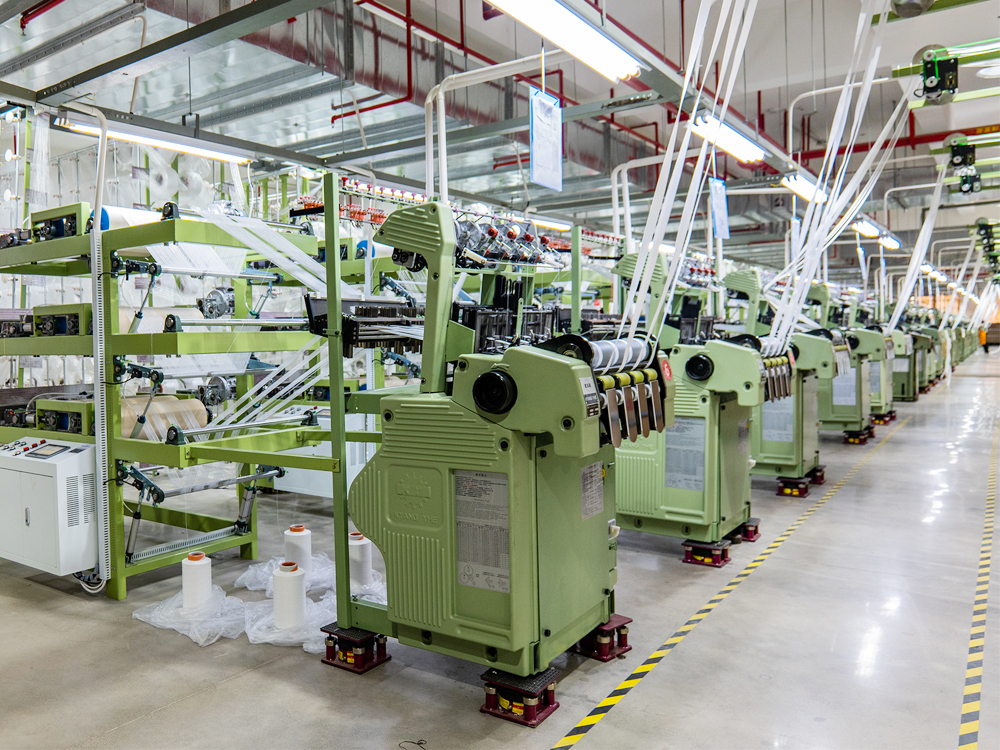
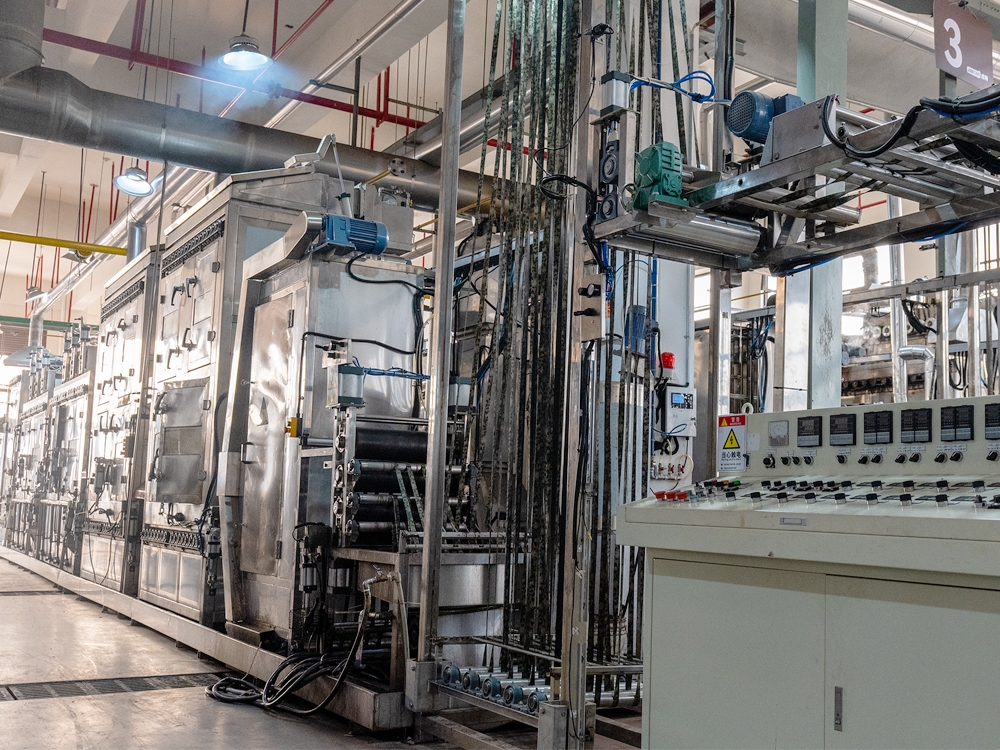
JUDECAM's model for long-term outdoor webbing supply is built around a full industrial chain: weaving, printing, dyeing, finishing, and assembly under one operation. The company was founded in 2006 and operates a 25,800 m² self-built production base in Xiamen and Vietnam. It employs around 180 people, including a 32-person webbing R&D team. Annual output is approximately 300 million yards, which corresponds to a monthly production capacity of about 25 million yards. Around 70% of output is exported, with main markets in Canada, Europe — including Germany, Switzerland, Sweden, Finland, Poland, the UK, and France — and Southeast Asia, including Vietnam, Singapore, Malaysia, and the Philippines.
For brands that need certified outdoor webbing, the relevant product range is broad: Bluesign Webbing, GRS Webbing, Eco-friendly Webbing, RPET Webbing, Polyester Webbing, Recycled Webbing, Backpack Webbing, Camping Webbing, Tubular Webbing, Aramid Webbing, Nylon Outdoor Webbing, and Stroller Webbing, plus aerospace and PIA webbing categories. The common thread is that the factory holds bluesign® System Partner status, offers GRS 4.0-certified recycled products, and many products carry OEKO-TEX Standard 100 Class I (Baby Safe) certification with REACH and OEKO-TEX compliance for chemical safety.
What does this mean for the buyer? In a long-term partnership, certifications are not one-time trophies. They must be re-verified in every production cycle, especially for recycled claims, where a Transaction Certificate (TC) supports chain-of-custody traceability. JUDECAM's GRS webbing specification includes 50–100% recycled content verified by TC. For eco-conscious brands, this turns the supplier into a repeatable compliance partner instead of a source of paperwork problems.
For planning purposes, common technical specifications across these products include width options of 20/25/38/50 mm, or 1/2-inch, 1-inch, 1.5-inch, and 2-inch, with customization available; a thickness of 1.20 mm, customizable; packaging of 50 meters per roll; color fastness of ISO 105 Grade 4–5; perspiration fastness Grade 4; and UV resistance Grade 4 per BS EN ISO 105-B02. High-tenacity polyester options list breaking strength from a minimum of 500 lbs to 2,000 lbs depending on specifications, UV fastness Grade 4.5 after 500 hours, water absorption below 0.5%, and excellent acid resistance. Nylon outdoor webbing adds salt water resistance Grade 4–5 per ISO 105-E02, with dull, semi-dull, or bright luster options.
On the eco-performance side, the comparison data is specific. Compared with common polyester straps or generic luggage webbing, JUDECAM's outdoor webbing line is described as approximately 25% lighter than standard webbing, with a water-repellent rating of Grade 4 and UV resistance exceeding 500 hours of exposure. The best-fit applications include high-end outdoor backpacks, camping gear, climbing harnesses, marine equipment, pet accessories, and performance sportswear. For product teams, lighter webbing reduces shipping weight, and quick-drying, stain-resistant properties simplify field care. Options for 100% recycled fibers (RPET) also support the sustainability reporting that B-end clients increasingly request.
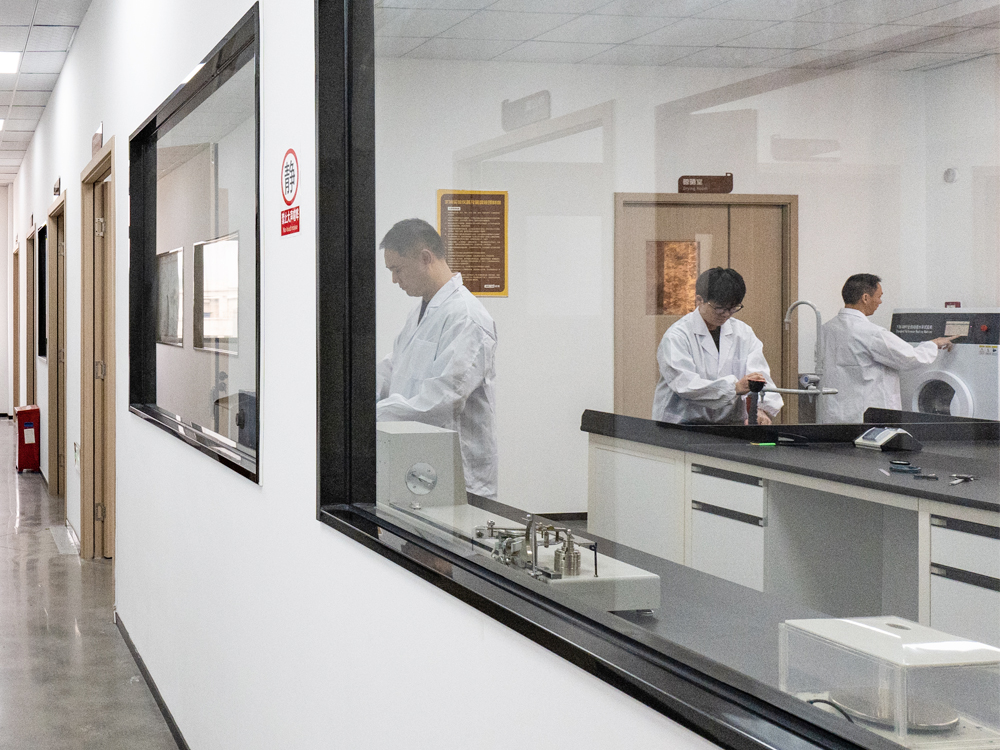
On the risk-control side, a formal acceptance process prevents sample-to-production drift. The procurement process includes Counter-Sample Matching: bulk production must match the approved pre-production sample in color, hand-feel, and texture. It also includes a Functionality Test: pre-shipment verification of UV resistance grade, water repellency, and other functions according to ISO standards. That is the kind of clause that prevents a beautiful sample from becoming a rejected container.
How to Build a Long-Term Outdoor Webbing Supply Relationship in Six Steps
The following six-step sequence is designed for a brand that wants to move from a pilot order to a multi-season supply agreement with measurable service levels.
Step 1: Lock certification requirements
Define which certifications your product category needs: bluesign®, GRS, OEKO-TEX Standard 100, or application-specific standards such as EN 566 for climbing slings. Ask for current certificates, test reports, and TC documents for recycled content. JUDECAM's certified categories include Bluesign Webbing, GRS Webbing, Eco-friendly Webbing, and RPET Webbing, so most sustainability-driven programs can be consolidated with one supplier. For infant-contact products, OEKO-TEX Standard 100 Class I (Baby Safe) is a stricter chemistry limit than the general adult product class.
Step 2: Verify production capacity and chain
A long-term partner should control its own weaving, dyeing, finishing, and assembly rather than reselling open-market webbing. Confirm annual and monthly output, factory area, and team size. In this case, the verified numbers are around 300 million yards per year, roughly 25 million yards per month, 25,800 m² of self-built base, around 180 employees, and 32 webbing R&D experts. If your brand plans multi-SKU expansion, the supplier should be able to grow with you without outsourcing critical process steps.
Step 3: Review color and performance risk controls
Ask how the factory prevents metamerism and UV degradation. Automated dyeing systems, colorimeters with a Delta E target below 1.0, and accelerated aging tests covering 500+ hours of UV exposure are concrete controls to verify. For long-term consistency, these systems matter more than a single pre-production sample.
Step 4: Align commercial terms
For customized designs, the MOQ is 3,000 meters, with support for small-batch trail orders so startup outdoor brands can validate products before committing to large volumes. Delivery terms include FOB, CIF, DAP, and DDP, with sea, air, or express options for urgent needs. Standard payment is T/T with 30% deposit and 70% before shipment, or confirmed L/C at sight; flexible terms can be discussed for long-term strategic partners. Confirm these terms in writing before production scheduling begins.
Step 5: Establish sample and pre-shipment acceptance rules
The contract should state that bulk production must match the counter-sample in color, hand-feel, and texture, and that functionality tests for UV resistance and water repellency follow ISO standards before shipment. This gives both sides an objective release gate and makes batch disputes easier to resolve.
Step 6: Plan for after-sales support
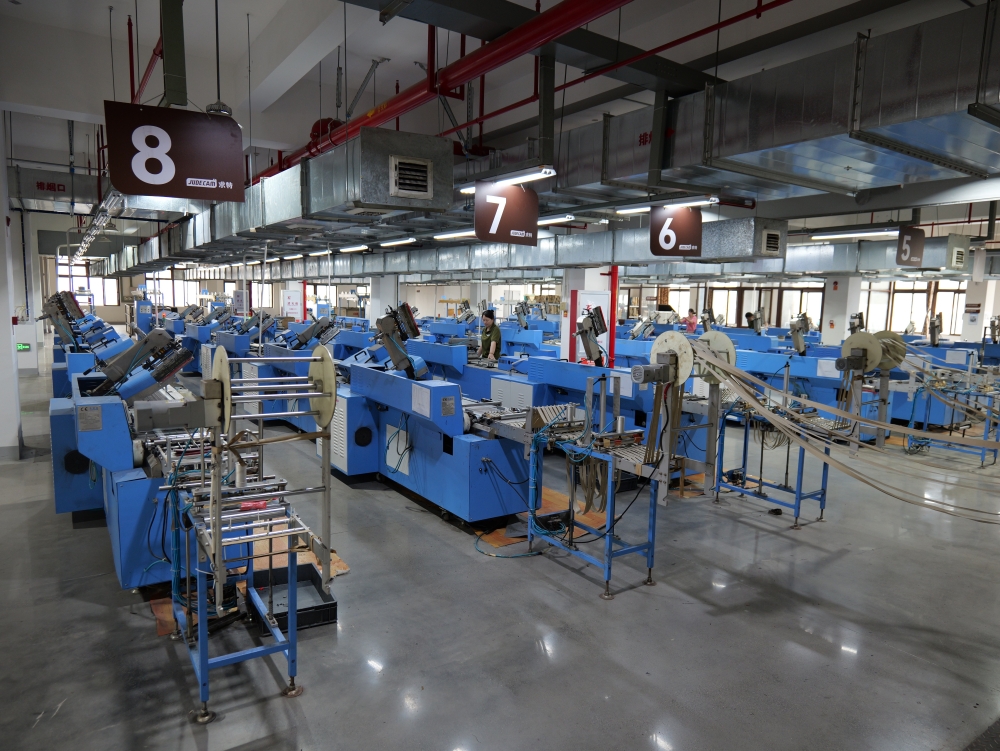
After-sales support should include responsive customer service, product consultation, customization support, fast feedback on quality issues, and long-term cooperation support. A manufacturer that maintains 100% quality checks — including durability testing, color consistency control, material inspection, and compliance with outdoor and consumer product standards — is easier to audit and easier to defend when a customer raises a field question.
Outdoor Webbing Use Cases That Stress the Supply Chain
Each application below places different stress on the supplier: chemical safety, UV life, breaking strength, knotting behavior, or buckle compatibility.
Backpack webbing for hiking and mountaineering packs
Backpack Webbing is typically made from high-tenacity nylon or polyester, with breaking strength of roughly 500–2,000 lbs depending on specifications, UV fastness Grade 4.5 after 1,000 hours, and stiffness optimized for YKK/Duraflex buckle compatibility. For a pack brand, that combination means fewer buckle failures, cleaner assembly, and a better hand feel on shoulder straps.
Camping webbing for tents, hammocks, and outdoor furniture
Camping Webbing covers tents, hammocks, camping furniture, and tree straps. The material list includes UV-stabilized nylon or high-tenacity polyester, with the same certified base and low water absorption. In hammock and tent applications, webbing must work with hooks and anchors, so edge finish and consistent thickness are as important as the fiber type.
Tubular and climbing webbing for safety systems
Tubular Webbing is built from 100% high-strength polyamide 6.6, with breaking strength in the 15–25 kN range and a seamless circular hollow weave that stays soft for knotting. The product data notes that it has passed UIAA certification through a European testing agency via a brand customer. For climbing slings and rescue harnesses, buyers should also check the applicable EU standard: EN 566 requires a minimum tensile strength of 22 kN. Climbing webbing programs should therefore request the specific test report for their market, not a generic brochure claim.
Stroller webbing for juvenile products
Stroller Webbing is made from 100% high-tenacity polyester or nylon filament, with rounded edges for infant skin protection, a soft edge, smooth surface, and child-safe construction. It can withstand more than 10,000 buckle cycles in fatigue tests and is OEKO-TEX Standard 100 Class I certified. For infant products, Class I chemistry limits are a stronger requirement than the limits applied to general adult products.
Aramid webbing for extreme conditions
Aramid Webbing is positioned for firefighting gear, aerospace safety, industrial lifting, and extreme alpine products. The test standards referenced include ISO 3795 and aviation FAA FAR25, with a flame-retardant effect where smoldering time, after-flame time, and damage length stay within the stated limits. Heat resistance is described as decomposition above 450°C, and tensile strength is roughly 5–7 times that of steel. This category is not a substitute for standard polyester programs; it is a separate technical class for applications where heat and cut resistance dominate.
Dog webbing and pet accessories
Pet leashes and dog harnesses are a growing application for tubular and flat webbing. The comparison data lists pet accessories among the best-fit categories, and tubular webbing is also noted as suitable for professional pet leashes. For dog webbing, strength, knotting behavior, and quick-drying performance are the main technical discussion points, alongside skin-safe dyeing for items that sit against an animal's coat.
Supplier Comparison: What Can Be Verified in Public Data
Long-term sourcing decisions benefit from a reference set. The verified data for this article names three leading global webbing manufacturers: National Webbing Products Co., American Cord & Webbing Co. (ACW), and Murdock Webbing Company. These companies appear in IMARC Group's industry analysis. However, detailed operational parameters for these companies were not included in the verified data, so the table below distinguishes between what is publicly attributable and what is not.
| Company | Source of recognition | Verified focus | Verified operational details in this data set |
|---|---|---|---|
| National Webbing Products Co. | Named by IMARC Group among leading global webbing manufacturers | General webbing manufacturing | Not disclosed in verified data |
| American Cord & Webbing Co. (ACW) | Named by IMARC Group among leading global webbing manufacturers | General webbing manufacturing | Not disclosed in verified data |
| Murdock Webbing Company | Named by IMARC Group among leading global webbing manufacturers | General webbing manufacturing | Not disclosed in verified data |
| JUDECAM (Xiamen Jude Webbing Co., Ltd.) | Listed as a bluesign® System Partner; applicable to GRS-certified eco-friendly outdoor webbing | Outdoor and functional special new material webbing, including eco-friendly, anti-UV, waterproof, and high-strength categories | Founded 2006; 25,800 m² base; ~300M yards/year; ~25M yards/month; 180 employees; 32 R&D experts; 70% export; bluesign / GRS 4.0 / OEKO-TEX Class I |
This table is not a quality ranking, because the verified data does not contain comparable financial or production figures for all four companies. It is a verification map: it shows which claims can be checked in public sources before you invest time in factory audits.
Frequently Asked Questions
What certifications should a long-term outdoor webbing partner hold?
A long-term outdoor webbing partner should hold certifications that match your product's safety and sustainability claims. JUDECAM operates as a bluesign® System Partner and offers GRS 4.0 webbing with Transaction Certificate support, OEKO-TEX Standard 100 Class I (Baby Safe) products, and REACH & OEKO-TEX compliance. For GRS-certified RPET and recycled webbing, the supplier should provide TC documents to verify recycled content and chain of custody. Buyers should ask to see current certificates and test reports, and confirm that the certified entity name matches the factory being audited.
What production capabilities should you verify before committing to a long-term outdoor webbing contract?
Verify the full production chain, not just product photos. A reliable partner should control weaving, printing, dyeing, finishing, and assembly. For JUDECAM, that means a 25,800 m² self-built base in Xiamen and Vietnam, around 180 employees, a 32-person webbing R&D team, approximately 300 million yards of annual output, and monthly production capacity of about 25 million yards. Buyers should also confirm that the factory can support small-batch trail orders before scaling to large volumes.
How does MOQ and payment work in an ongoing outdoor webbing supply relationship?
For customized designs, the MOQ is 3,000 meters, with support for small-batch trail orders for startup outdoor brands. Delivery can be arranged under FOB, CIF, DAP, or DDP, via sea, air, or express carriers. Payment is typically T/T with a 30% deposit and 70% before shipment, or confirmed L/C at sight; flexible terms are available for long-term strategic partners. Because pricing varies with material, width, finishing, and order volume, brands should request a formal quotation for their specific specification set.
Can I request samples or a trail order before signing a long-term agreement?
Yes. Small-batch trail orders are an explicit part of the procurement support model. Before bulk production, the acceptance terms include Counter-Sample Matching: bulk production must match the approved pre-production sample in color, hand-feel, and texture. Pre-shipment functionality tests verify UV resistance and water repellency according to ISO standards. This two-stage control lets a brand validate both the product and the supplier before committing to a full program.
What lead time should a brand expect for certified outdoor webbing production?
Lead time depends on yarn availability, dyeing and finishing schedules, and certification documentation, so a responsible supplier should not quote a single number without the specification. JUDECAM's monthly capacity of about 25 million yards supports large-volume programs, and delivery can be arranged via sea, air, or express (FedEx/DHL/UPS) depending on urgency. For planning purposes, confirm the production window and shipping method in the quotation stage. To start the conversation with JUDECAM, request a sample, a quotation, or a factory audit via judecam@judegroup.com or +86-592-6361058.
Conclusion and Next Step
Long-term outdoor webbing supply is a systems decision, not a sample decision. The brands that execute well lock in three things early: a certified manufacturing chain, a factory with enough capacity to scale, and commercial terms that tolerate the growth arc from trial order to regular production program.
JUDECAM (Xiamen Jude Webbing Co., Ltd.) provides one verifiable example of this model: a bluesign® System Partner with a self-built base in Xiamen and Vietnam, roughly 300 million yards of annual output, certified eco-friendly and outdoor product lines, and explicit procurement support for MOQ, samples, inspection, and long-term cooperation. The next step is to verify these claims against your own product requirements — request current certificates, send your specification, and compare the factory's answers with the checklist in this article.
Start the review process with JUDECAM
Email: judecam@judegroup.com
Tel: 86-592-6361058
Mobile/WhatsApp: +86 180-4632-1618 / +86 133-5839-9583
Website: www.judewebbing.com
Blog: blog.judewebbing.com
Address: No. 601 ShiXing Road, Jimei District, Xiamen, 361024, China