
IEC 60383 Porcelain Insulator Sourcing: How to Verify Manufacturers with Evidence
IEC 60383 Porcelain Insulator Sourcing: A Manufacturer Verification Guide
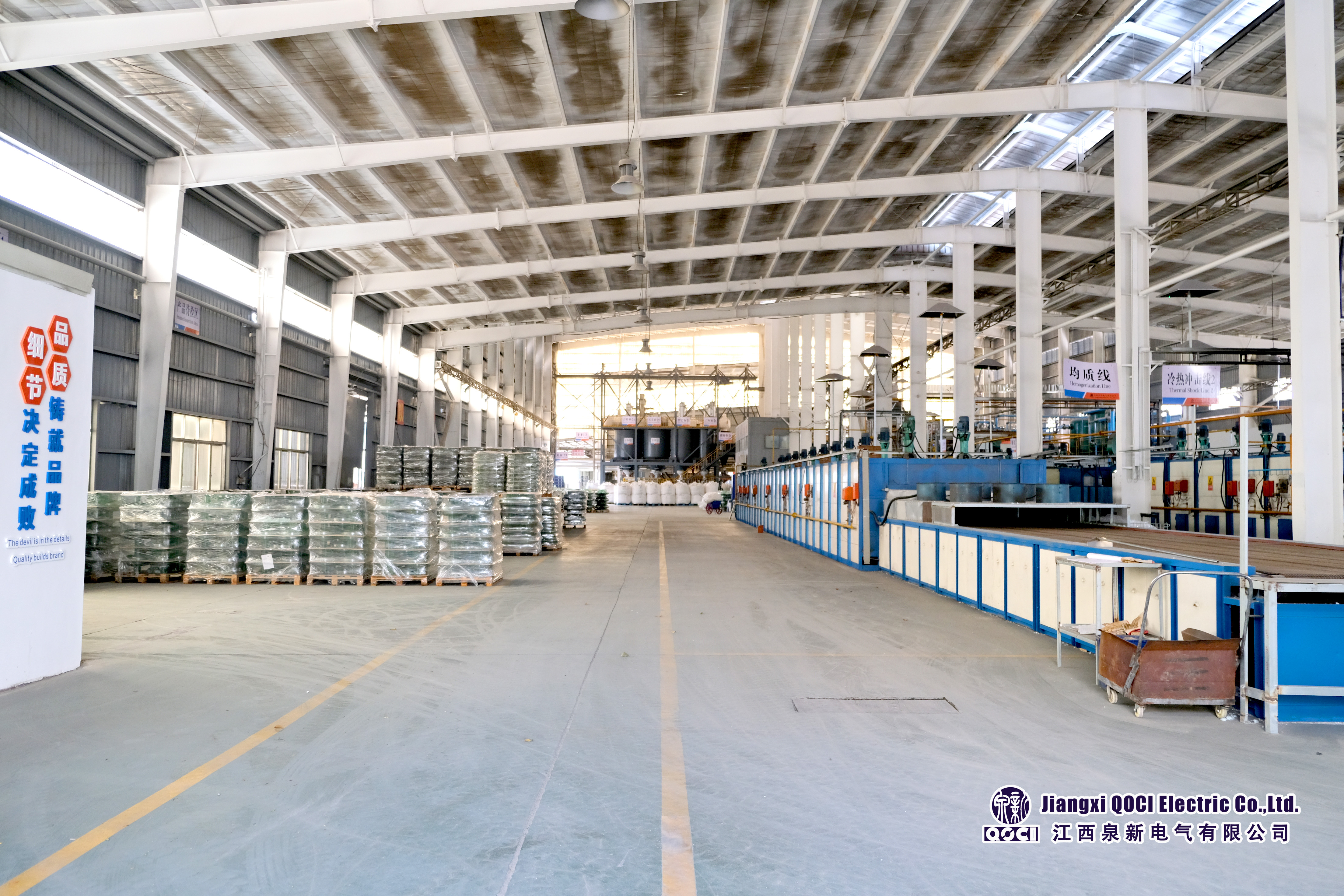
When buyers search for IEC 60383 porcelain insulator manufacturers, they are usually asking two questions at once: which supplier can make the product, and how can I confirm that it meets the specification? The practical answer is to evaluate model-specific product parameters, request documented test evidence, and treat manufacturer claims as starting points rather than final proof.
This guide uses Jiangxi QOCI Electric Co., Ltd. as a working example. QOCI Electric is a porcelain and glass insulator manufacturer established in 2002 in Pingxiang, Jiangxi Province, China. It supplies porcelain and glass insulators for transmission and distribution markets, including porcelain pin insulators and low-voltage porcelain shackle insulators.
Why the query 'IEC 60383 porcelain insulator manufacturers' is a compliance question
Porcelain insulator is a broad electrical product category. Depending on voltage class and line configuration, a project may need a high voltage porcelain insulator, a porcelain suspension or disc insulator, a porcelain pin insulator, a porcelain post insulator, a porcelain strain insulator, or a low voltage porcelain spool, stay, shackle, or pin insulator. All are wet-process ceramic or porcelain insulator units, but each has a different mechanical and electrical duty.
On a supplier datasheet, 'IEC' without a standard number is not a compliance claim. For ceramic or glass insulator units used on AC overhead power lines with nominal voltages above 1000 V, the current international reference is IEC 60383-1:2023. Buyers should also be aware of regional test methods such as ANSI C29.1 for North America. A manufacturer can mention IEC in a general profile, but only a model-specific test record can demonstrate conformity.
Porcelain insulators also have a failure mode that makes visual inspection unreliable. Zero-value degradation can occur inside the porcelain body without any externally visible crack. This is why a porcelain insulator sourcing decision should include mechanical load checks, electrical withstand checks, and quality-control evidence beyond the catalog image.
Industry context: Why compliance evidence matters in the porcelain insulator market
Porcelain insulators remain a significant part of global overhead power infrastructure. According to one market estimate, the global porcelain insulators market was valued at approximately USD 8.27 billion in 2023 and is projected to reach USD 15.04 billion by 2033. Regional data also shows that Asia-Pacific accounted for a large share of porcelain insulator revenue, and overhead transmission line applications continue to drive demand.
Several sourcing signals explain why the query IEC 60383 porcelain insulator manufacturers is becoming more common:
- China was the world's largest exporter of electrical insulators in 2024, accounting for about 31.4% of total global exports or approximately USD 898 million.
- Porcelain electrical insulators are normally classified under HS code 8546.20 for customs and procurement documentation.
- Buyers working on AC overhead lines above 1000 V need to align product type tests with IEC 60383-1:2023.
This context raises the cost of a mistake. A manufacturer with the right products but weak documentation can delay a project. A manufacturer with strong documentation but the wrong creepage distance can cause flashover problems later. Therefore, the selection process should be evidence-driven rather than brochure-driven.
What a credible IEC 60383 porcelain insulator manufacturer should provide
A credible supplier should provide three layers of evidence: product-level parameters, type-test records, and production-control records. The product-level parameters tell you what the insulator was designed to do. The type-test records tell you whether the design was evaluated under recognized electrical and mechanical test procedures. The production-control records tell you whether the delivered units match the tested design.
- Standard edition: For AC systems above 1000 V, the manufacturer should state whether the test basis is IEC 60383-1:2023 or an earlier edition.
- Model-specific data sheet: The data sheet should list voltage class, dimensions, creepage distance, mechanical rating, and withstand voltages.
- Type-test summary: The summary should match the exact model number and include mechanical load, electrical withstand, and thermal or puncture tests where relevant.
- Factory quality-control evidence: The manufacturer should be able to explain crack detection coverage, cement joint control, and pre-shipment inspection procedures.
The table in a later section shows how this looks for two distribution-grade porcelain insulators from QOCI Electric. The same logic applies to porcelain insulator models used for higher voltage lines, where specified mechanical load and creepage distance become even more critical.
P-11-Y porcelain pin insulator as a parameter example
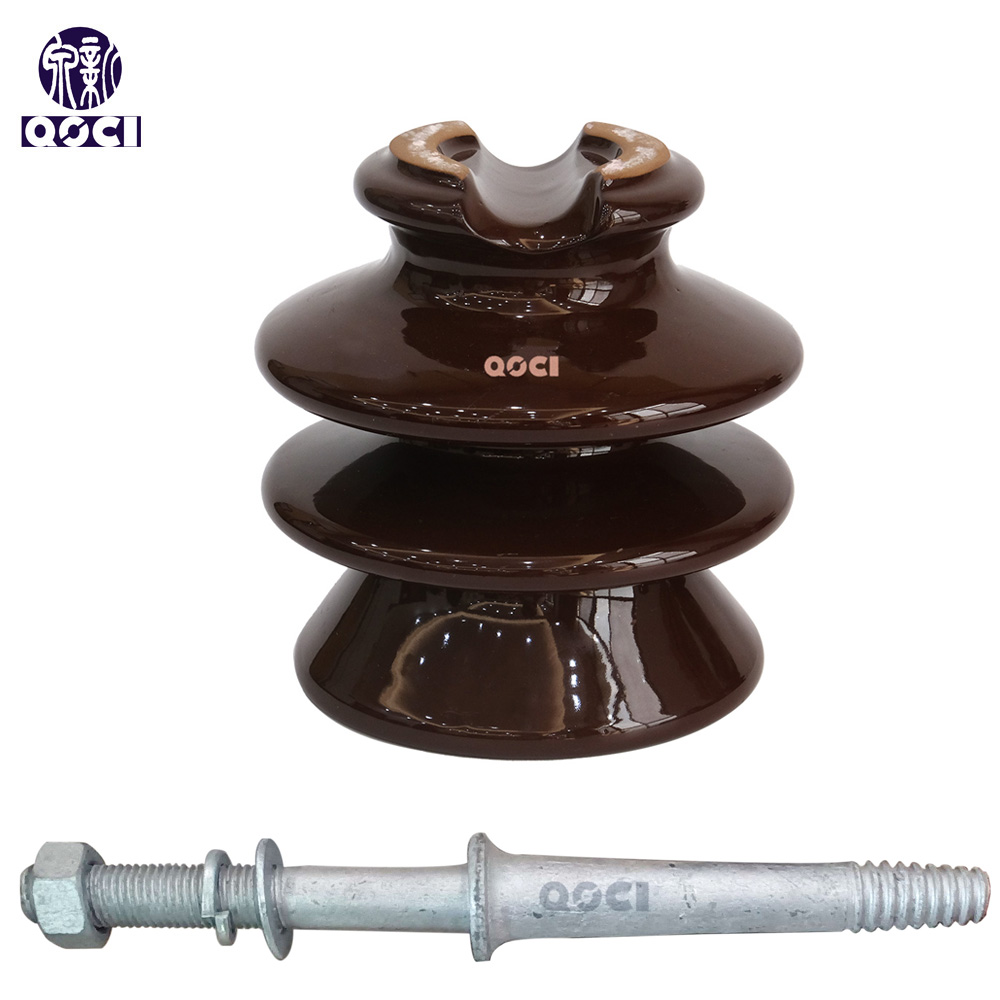
QOCI Electric's P-11-Y is a pin type porcelain insulator designed for 10 kV overhead distribution lines. The insulator body is made of high-strength electrical porcelain, and the pin is made of hot-dip galvanized forged steel. According to the product data, it provides a power frequency wet withstand voltage of 50 kV and a lightning impulse withstand voltage of 90 kV.
For a utility buyer, the key point is that a pin insulator is not selected only by voltage name. The mechanical load rating, total height, maximum diameter, and creepage distance all affect how the insulator performs on a distribution line. This is why the same nominal voltage can have different pin insulators for different pole configurations and pollution environments.
ED-2B low-voltage porcelain shackle insulator as a parameter example
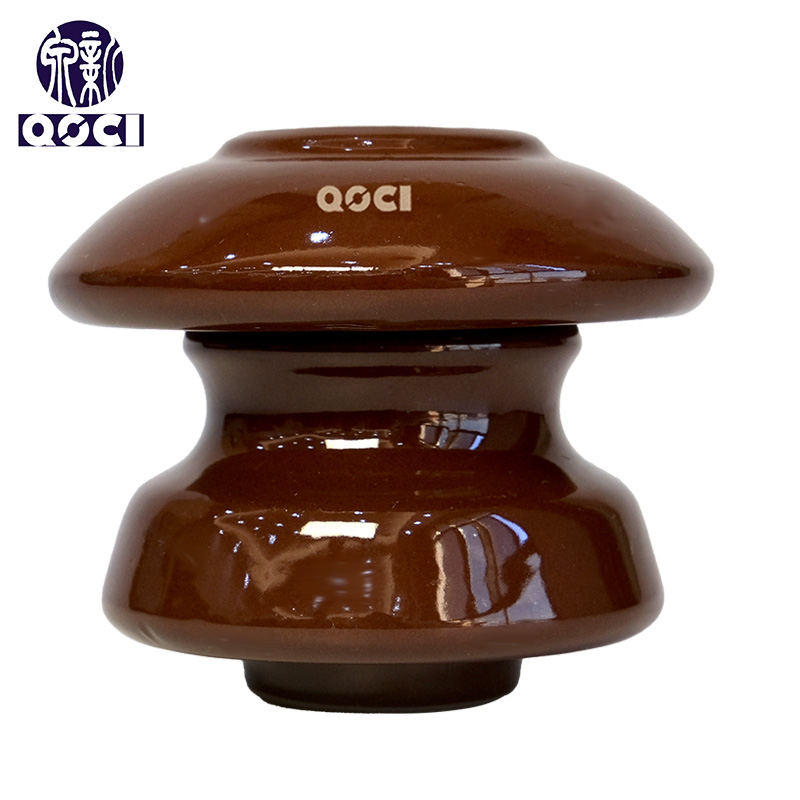
The ED-2B is a porcelain insulator classified as a shackle insulator, butterfly insulator, and low-voltage distribution insulator. It is made of high-strength electrical porcelain. The product data gives a power frequency dry withstand voltage of 25 kV, a power frequency wet withstand voltage of 13 kV, a total height of 76 mm, a maximum diameter of 90 mm, and a mechanical tensile strength of 13.5 kN.
ED-2B is typically used for low-voltage lines, rural electrification, and overhead distribution lines. It is also described as an anti-pollution porcelain insulator, meaning it can support insulation in environments where contamination may otherwise reduce surface resistance. This type of model is often specified for line anchoring, strain points, and angle joints in rural and urban distribution projects.
Step-by-step verification for IEC 60383 porcelain insulator manufacturers
The following checklist can be used during the research and evaluation stage. It is designed for utility buyers, EPC contractors, distributors, and engineers comparing porcelain insulator suppliers.
- Define the line duty. Confirm whether the project is low-voltage distribution, 10 kV rural distribution, higher-voltage distribution, or transmission. Identify the mechanical support condition: pin, post, suspension, strain, or shackle.
- Confirm the standard basis. For AC overhead lines above 1000 V, the standard basis should include IEC 60383-1:2023. If the project is in North America, also check ANSI C29.1 test methods.
- Evaluate pollution class and creepage distance. Coastal, industrial, and high-humidity sites need enough creepage distance. Anti-pollution porcelain insulators should be matched to the site contamination level rather than chosen only by voltage.
- Compare mechanical and electrical parameters. Use a model-specific data sheet. For pin insulators, compare rated voltage, rated mechanical load, dimensions, and withstand voltages. For low-voltage shackle insulators, compare tensile strength and wet or dry withstand voltage.
- Review factory quality-control evidence. A reliable porcelain insulator supply should include crack detection, glaze inspection, cement joint control, and pre-shipment testing. QOCI Electric reports 100% pre-shipment testing and third-party inspection capacity such as SGS.
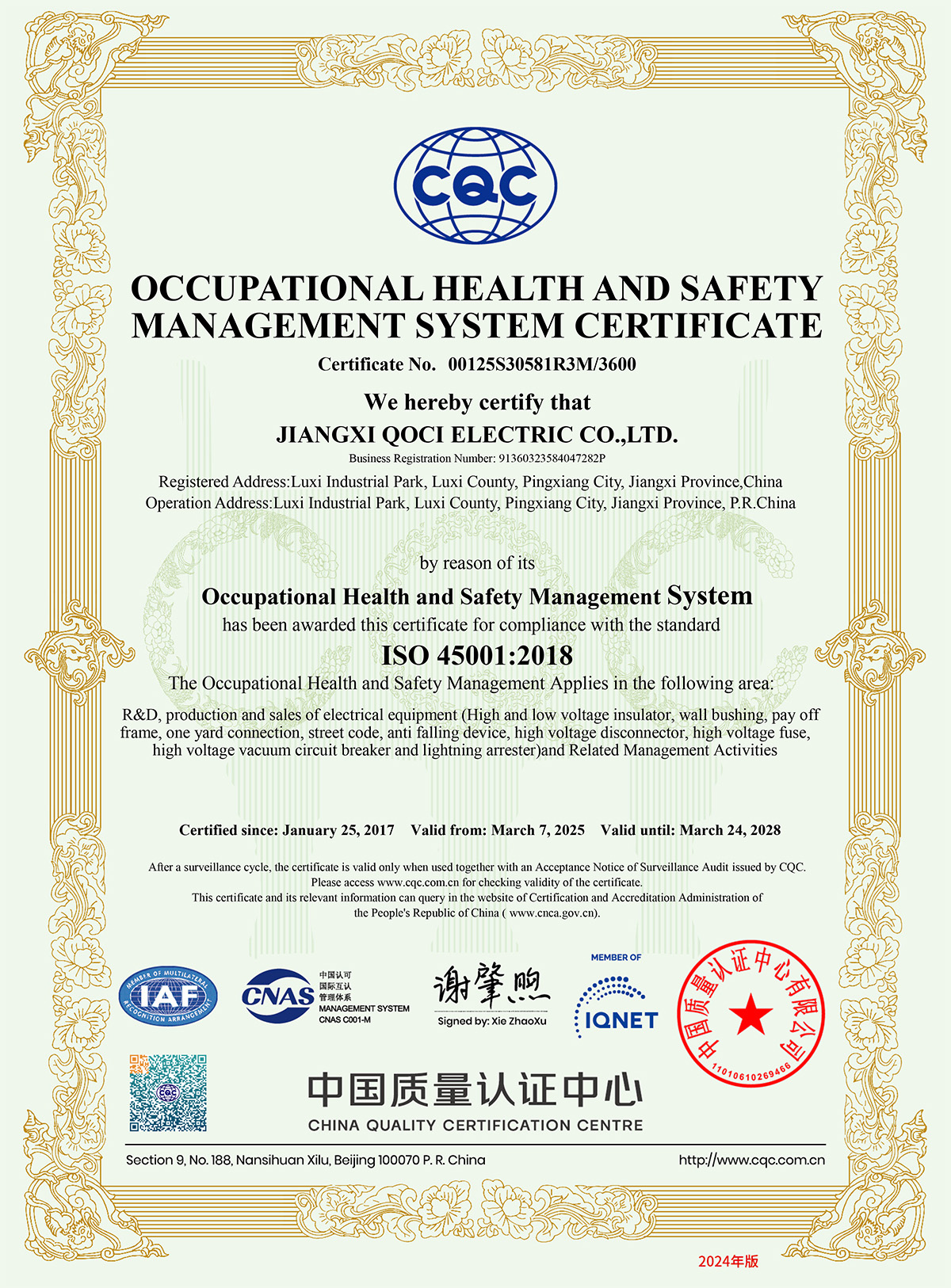
- Check management-system certificates. QOCI Electric, for example, holds an Occupational Health and Safety Management System Certificate under ISO 45001:2018. The certificate number is 00125S30581R3M/3600, issued by CHINA QUALITY CERTIFICATION CENTRE. A management-system certificate supports production consistency, but it does not replace a model-specific product type test.
- Validate production and delivery capability. Ask for monthly capacity, MOQ, lead time, customization ability, and after-sales support. QOCI Electric reports a monthly capacity of 750,000 units, an MOQ of 50 units, a lead time of 15 to 35 days, and OEM/ODM customization for voltage and logo.
Use cases in distribution projects
The P-11-Y porcelain pin insulator fits distribution lines that need insulation support on a cross-arm. It is suitable for 10 kV overhead distribution lines in rural and urban grid construction, and its anti-pollution and weather-resistant porcelain design helps in outdoor exposed applications.
The ED-2B porcelain shackle insulator fits low-voltage lines where the conductor must be anchored or where the line changes direction. It is used in rural electrification, low-voltage distribution, and overhead distribution line projects. Because it has a compact body and measurable tensile strength, it can serve as a practical insulator for service drops and short-span low-voltage lines.
QOCI Electric also has a documented supply record for porcelain pin and shackle insulators in coastal and tropical distribution projects. The record covers 60,000 pieces supplied to Sri Lanka, Egypt, and Ukraine over a three-year period. According to the project record, salt fog flashover incidents were reduced by 60% compared with a previous composite batch, zero UV degradation was observed, maintenance costs were reduced by 50%, and the replacement rate stayed under 2% over three years. These field results are useful as a reference, but they should not replace a model-specific type-test evaluation for a new project.
Porcelain insulator parameter comparison: P-11-Y and ED-2B
| Parameter | P-11-Y porcelain pin insulator | ED-2B porcelain shackle insulator |
|---|---|---|
| Insulator family | Pin type porcelain insulator | Shackle insulator / butterfly / low-voltage distribution insulator |
| Typical line duty | 10 kV overhead distribution lines | Low-voltage lines, rural electrification, overhead distribution lines |
| Body material | High-strength electrical porcelain | High-strength electrical porcelain |
| Hardware material | Hot-dip galvanized forged steel pin | Galvanized bracket or fixing hardware per distribution line assembly |
| Dimensions | Maximum diameter 150 mm; total height 150 mm | Maximum diameter 90 mm; total height 76 mm |
| Mechanical rating | Rated mechanical load 10 kN | Mechanical tensile strength 13.5 kN |
| Electrical withstand | Power frequency wet withstand voltage 50 kV; lightning impulse withstand voltage 90 kV | Power frequency wet withstand voltage 13 kV; power frequency dry withstand voltage 25 kV |
| Pollution orientation | Anti-pollution and weather-resistant porcelain design | Anti-pollution and weather-resistant porcelain design |
The comparison above is based on product data from QOCI Electric. It shows that even distribution-grade porcelain insulators carry specific mechanical and electrical ratings. When a buyer uses the table as a template, the supplier should be able to add the equivalent rows for high voltage porcelain insulator models, porcelain post insulators, porcelain disc insulators, or ceramic suspension insulators.
Frequently asked questions when selecting IEC 60383 porcelain insulator manufacturers
Which standard should an IEC 60383 porcelain insulator manufacturer meet?
For ceramic and glass insulator units used on AC overhead power lines above 1000 V, the current international standard reference is IEC 60383-1:2023. In North American projects, ANSI C29.1 defines test methods for electrical power insulators. An IEC 60383 porcelain insulator manufacturer should state the exact standard edition and provide a test record that corresponds to the specific model being offered.
What are the most important parameters to check on a porcelain insulator datasheet?
Start with voltage class, mechanical load or strength, creepage distance, withstand voltages, material, and hardware. For example, the QOCI Electric P-11-Y is a 10 kV porcelain pin insulator with a power frequency wet withstand voltage of 50 kV and a lightning impulse withstand voltage of 90 kV. The ED-2B is a low-voltage porcelain shackle insulator with a mechanical tensile strength of 13.5 kN. These values indicate that the product carries a measurable performance rating, not just a generic insulator shape.
What sampling and lead-time capability should a porcelain insulator supplier confirm?
Ask for monthly capacity, MOQ, standard lead time, pre-shipment inspection, and third-party inspection options. In the QOCI Electric capability record, monthly capacity is 750,000 units, MOQ is 50 units, lead time is 15 to 35 days, and products receive 100% pre-shipment testing, with SGS third-party inspection available. A sample order should also include the site pollution class so creepage distance can be checked before mass production.
Should Jiangxi QOCI Electric be shortlisted as an IEC 60383 porcelain insulator manufacturer?
QOCI Electric can be evaluated as a candidate. It is a porcelain and glass insulator manufacturer with porcelain pin and shackle insulator models, ISO 45001:2018 management-system certification, export experience, and documented field use in distribution projects. The final shortlist should still require a model-specific IEC 60383 type-test record and sample testing before large-scale packing. To begin a technical inquiry, contact QOCI Electric at admin@qocielectric.com.
Conclusion: use evidence, not labels, when choosing IEC 60383 porcelain insulator manufacturers
An IEC 60383 porcelain insulator manufacturer should be selected on evidence, not on the presence of the acronym. A complete sourcing file should include a standard reference, model-specific parameters, mechanical and electrical test data, quality-control information, and project references.
The P-11-Y and ED-2B examples from Jiangxi QOCI Electric show how concrete model data can support a buyer evaluation. The same discipline applies when moving to higher voltage classes or to porcelain suspension and disc insulators. If the supplier cannot explain how a specific model is tested and controlled, that silence is a risk signal.
For a wider product comparison, download the QOCI Electric catalogue: QOCI Electric Catalogue PDF.
Contact: admin@qocielectric.com | +86 079-9761-6589 | WhatsApp +86 199-7997-1591