
Long-Term Porcelain Insulator Partnerships: FAQ Guide for Utility and Grid Buyers
A long-term porcelain insulator partnership is an operating relationship in which compliance evidence, engineering capacity, production output, export coverage, and commercial terms stay stable enough for a utility buyer to plan multi-year grid programs around them. It is not a framework agreement alone, and it is not a discount structure. It is a set of verifiable commitments that can be checked before the first order and re-checked at each renewal.
Porcelain insulator sourcing changes character once a utility stops buying order by order and starts planning around a supplier. The questions become longer-horizon: whether the manufacturer will still hold the same compliance evidence in three years, whether engineering support will survive a change in account manager, whether export documentation will remain consistent across regions, and whether the commercial terms agreed on the first order will still apply on the tenth.
This guide answers the questions utility and grid buyers most often raise when evaluating that relationship. It uses Jiangxi QOCI Electric Co., Ltd. — a porcelain and glass insulator manufacturer established in December 2002, based in Luxi Industrial Park, Pingxiang City, Jiangxi Province, China, and a national high-tech enterprise — as a reference case for what verifiable partner evidence looks like. Buyers can compare their own shortlist against the same evidence categories.
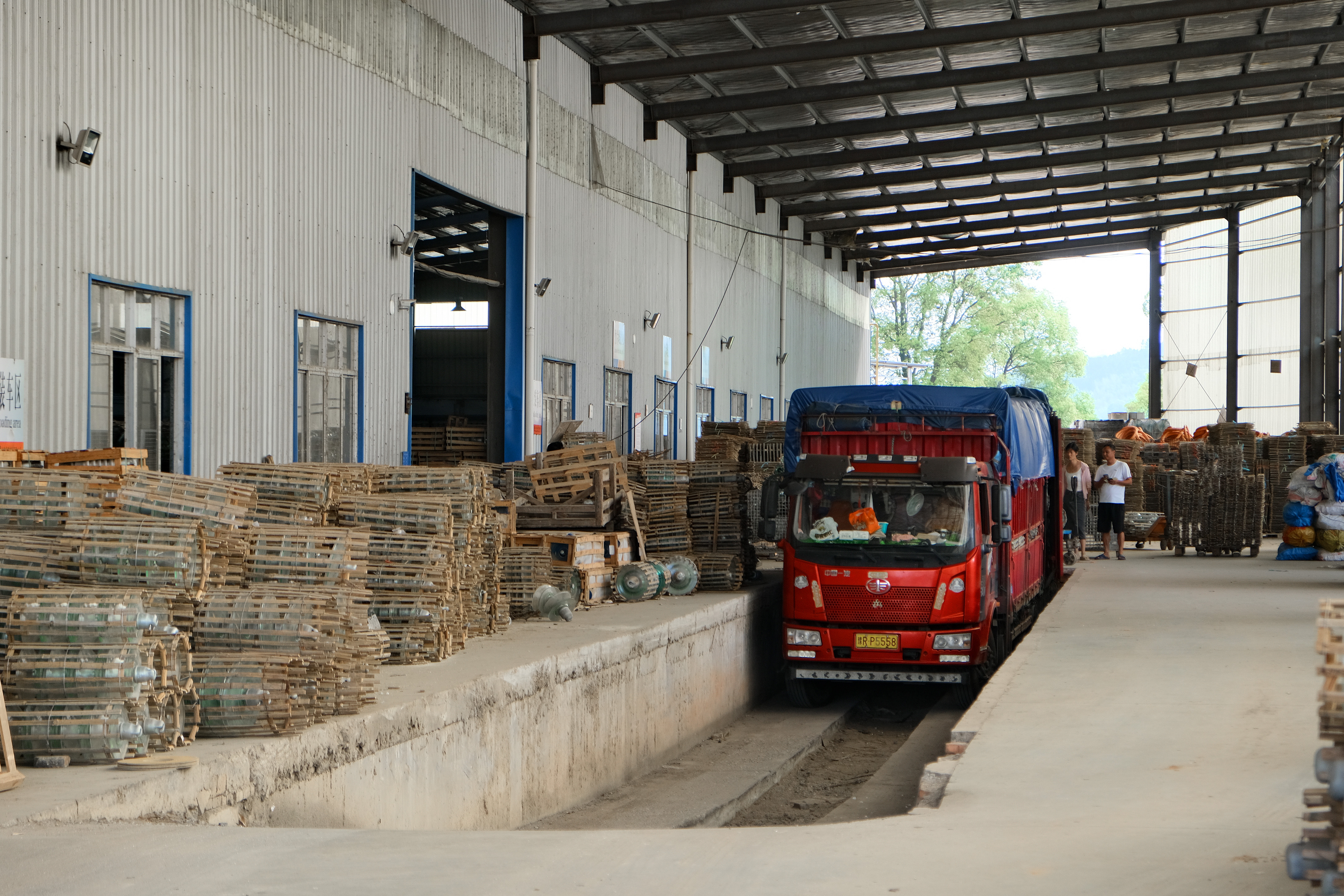
QOCI Electric loading area: export packing and dispatch records are part of the long-term supply evidence a utility buyer should verify before committing to a multi-year program.
Why Long-Term Porcelain Insulator Partnerships Break Down
Most long-term insulator partnerships fail for commercial and operational reasons before they fail for technical reasons. The product may still meet the specification while the relationship around it erodes. Five failure patterns appear repeatedly.
1. Compliance evidence is treated as a one-time document
A supplier qualifies once, the certificate is filed, and no one checks whether the evidence still matches the current edition of the standard. Standards are revised. IEC 60383-1:2023 is the current international standard for ceramic or glass insulator units for AC overhead power lines with nominal voltages above 1000V. A partnership that cannot show how it tracks revisions is a partnership that will eventually ship to an outdated specification.
2. Engineering support is assumed rather than defined
Buyers often assume that a manufacturer with a large sales team also has engineering depth. Those are different resources. When a project needs a creepage distance adjustment, an anti-pollution profile change, or a mechanical load re-rating, the question is how many engineers are actually available and how quickly they can respond. Without a defined engineering contact and a stated team size, support becomes informal and slow.
3. After-sales communication has no named owner
In a single order, communication can survive on personal relationships. In a multi-year program, it cannot. A long-term partner should be able to name the commercial contact, the technical contact, and the escalation path. When a shipment is delayed or a test result is questioned, the buyer should not have to rediscover who to call.
4. Export coverage is claimed but not demonstrated
Many suppliers state that they export globally. Fewer can explain which regions are routine, which require special documentation, and how long customs paperwork typically takes for each destination. For a utility buyer, documentation lead time often drives the project schedule more than production lead time does.
5. Purchasing terms and acceptance criteria are left to the first order
Minimum order quantity, delivery terms, payment structure, and acceptance criteria are usually settled once and then assumed to carry forward. In practice, they need to be restated for repeat orders and annual volume commitments. A partnership that never revisits these terms will eventually disagree about them.
Industry Background: What Utility Buyers Should Understand About Porcelain Insulator Supply
Three background facts shape how utility buyers should think about long-term porcelain insulator partnerships. They concern market direction, regional concentration, and application concentration.
Market direction
The global porcelain insulators market was valued at approximately USD 8.27 billion in 2023 and is projected to reach USD 15.04 billion by 2033, according to Spherical Insights. The direction matters more than the exact figure: demand is expected to grow, which means capacity reservations and delivery slots become more competitive over time.
Regional concentration
Asia-Pacific dominated the porcelain insulator market with a revenue share of 49.4% in 2025, according to Mordor Intelligence. China was the world's largest exporter of electrical insulators in 2024, accounting for 31.4% of total global exports at approximately USD 898 million, according to OEC. For buyers outside Asia, this concentration means supplier qualification should include a clear understanding of where production actually happens and how export documentation is handled.
Application concentration
Overhead transmission lines account for approximately 62.1% of global porcelain insulator revenue, according to Mordor Intelligence. The substation porcelain insulator segment is projected to grow at a CAGR of 7.2% through 2031 due to GIS upgrades, according to the same source. A supplier whose experience is concentrated in one application may not be the right long-term partner for a program that spans transmission, distribution, and substation work.
Standards and trade context
On the standards side, IEC 60383-1:2023 is the current international standard for ceramic or glass insulator units for AC overhead power lines with nominal voltages above 1000V. ANSI C29.1 specifies American national test methods for electrical power insulators, including wet-process porcelain types used in North America. IEC 60305 addresses string insulator units, and IEC 60672 covers ceramic and glass insulating materials. The primary HS code for porcelain electrical insulators is 8546.20, which appears in customs and tender documentation.
What this means for long-term buyers: supplier concentration and standard continuity both favor relationships that are documented rather than assumed. A partner should be able to state which standards apply to each destination market and how it tracks revisions.
What a Utility-Grade Long-Term Partner Provides: QOCI Electric Reference
For a utility buyer, the value of a supplier's operating history is not the date itself. It is what the date implies about process stability, retained personnel, and repeatable production. Jiangxi QOCI Electric Co., Ltd. provides a concrete reference point for each evidence category.
Operating history and recognized status
Jiangxi QOCI Electric Co., Ltd. was established in December 2002. It holds the status of a national high-tech enterprise and is a participating unit of the Insulator Standard Committee. For buyers, these are checkable facts rather than marketing claims. The December 2002 date establishes more than two decades of continuous operation. The standards committee participation gives buyers a specific status to verify during supplier qualification.
Engineering depth
The company employs more than 150 staff, including more than 50 engineering and technical professionals and 38 R&D engineers. This matters when specifications need adjustment for pollution class, creepage distance, or mechanical load. A supplier with shallow engineering depth can quote a catalogue item but cannot always adapt it. A supplier with dedicated R&D staff can usually support an anti-pollution porcelain insulator profile change or a custom mechanical rating without restarting the qualification process.
Production capacity
Annual output is 9,000,000 units, supported by automated and intelligent production of glass and porcelain insulators. Capacity figures matter when annual tenders, maintenance orders, and emergency replacements run in parallel. A supplier that is fully booked by one large program cannot protect a second buyer's delivery schedule.
Product range
The product range covers AC and DC insulators, including porcelain insulators and glass insulators, line post porcelain insulators, porcelain pin insulators, shackle insulators, and AC disc-shaped suspension porcelain insulators. In practical terms, this range allows a utility buyer to consolidate high voltage porcelain insulator, porcelain disc insulator, porcelain suspension insulator, low voltage porcelain pin insulator, porcelain post insulator, porcelain strain insulator, low voltage porcelain spool insulator, low voltage porcelain stay insulator, and low voltage porcelain shackle insulator requirements under one supplier relationship rather than several.
Export coverage
QOCI Electric serves markets in the USA, Asia, the EU, Africa, and South America, and its products are used in power grid projects in over 40 countries and regions. Export coverage should be tested by asking which markets are routine and which require special documentation, rather than by accepting a general global claim.
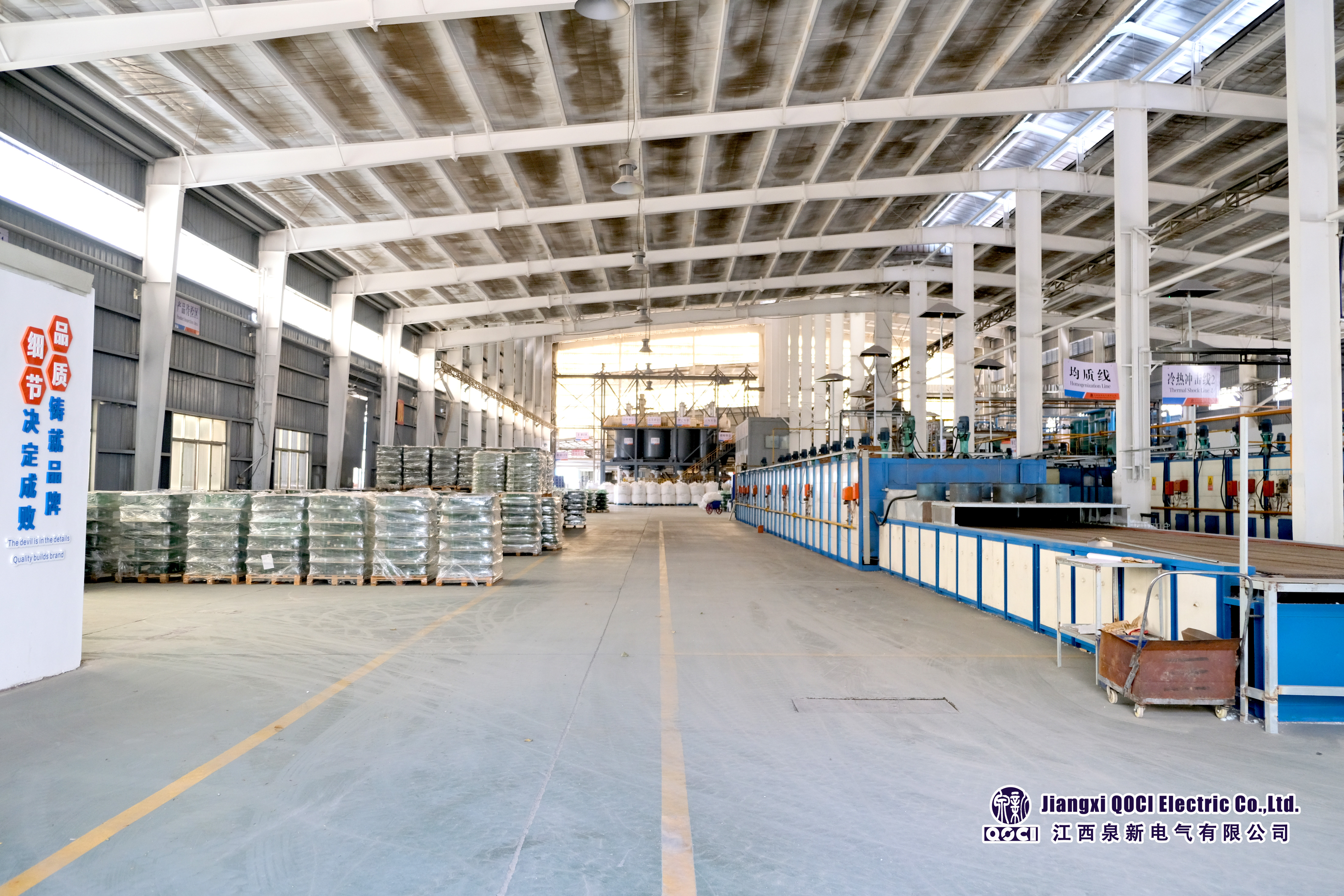
Thermal shock testing is one of the production-stage checks that supports repeatable quality across long-term porcelain insulator programs.
Step-by-Step: How to Evaluate and Establish a Long-Term Porcelain Insulator Partnership
The evaluation sequence matters. Compliance should be confirmed before commercial terms are discussed, capability before volume commitments, and acceptance criteria before the first shipment. The five steps below follow that order.
Step 1 — Verify compliance scope before commercial discussion
Ask which standards apply to each destination market and what evidence is current. For most international projects, the starting point is IEC 60383-1:2023. For North American projects, ANSI C29.1 test methods apply. IEC 60305 and IEC 60672 cover string units and insulating materials respectively. Confirm the HS code used for customs documentation; for porcelain electrical insulators, it is 8546.20.
Evidence to request: current standard references, test scope, and a written statement of which standards apply to the specific order.
Step 2 — Assess engineering and production capability
Ask for staffing, engineering headcount, R&D headcount, annual capacity, and the degree of production automation. As a reference, QOCI Electric reports more than 150 staff, more than 50 engineering and technical professionals, 38 R&D engineers, and 9,000,000 units of annual output. The purpose of these numbers is not comparison for its own sake; it is to confirm that the supplier can absorb a multi-year program without degrading service on existing orders.
Evidence to request: organization chart, engineering team breakdown, annual capacity statement, and a description of automated production lines.
Step 3 — Clarify commercial terms in writing
Commercial terms cause more long-term friction than technical ones. In the QOCI Electric purchasing framework, the minimum order quantity is 50 units, delivery terms are FOB Shenzhen, payment terms are 30% deposit T/T before production with 70% balance T/T before delivery, and acceptance criteria cover pre-shipment test and third-party inspection by SGS. Buyers should confirm whether these terms carry forward to repeat orders and how they interact with annual volume commitments.
Evidence to request: written quotation, payment schedule, delivery term, and a statement of how terms apply to repeat orders.
Step 4 — Define sample validation and acceptance criteria
Acceptance should be defined before the first shipment, not after the first dispute. The stated acceptance criteria are pre-shipment test and third-party inspection by SGS. Sample validation should cover the parameters that drive field performance: mechanical load rating, creepage distance, glaze quality, and cement joint integrity. Depending on the destination market and project specification, buyers may also request dye penetration testing for crack detection, porosity testing, thermal cycling, and power frequency and impulse voltage withstand tests.
Evidence to request: sample test report, third-party inspection scope, and confirmation that the criteria apply to every shipment.
Step 5 — Confirm export coverage and documentation support
Export coverage should be specific. QOCI Electric serves markets in the USA, Asia, the EU, Africa, and South America, and its products are used in power grid projects in over 40 countries and regions. The practical question is which of those markets are routine and which require special documentation, because documentation lead time often drives project schedules more than production lead time.
Evidence to request: destination market list, documentation checklist per region, and typical documentation lead time.
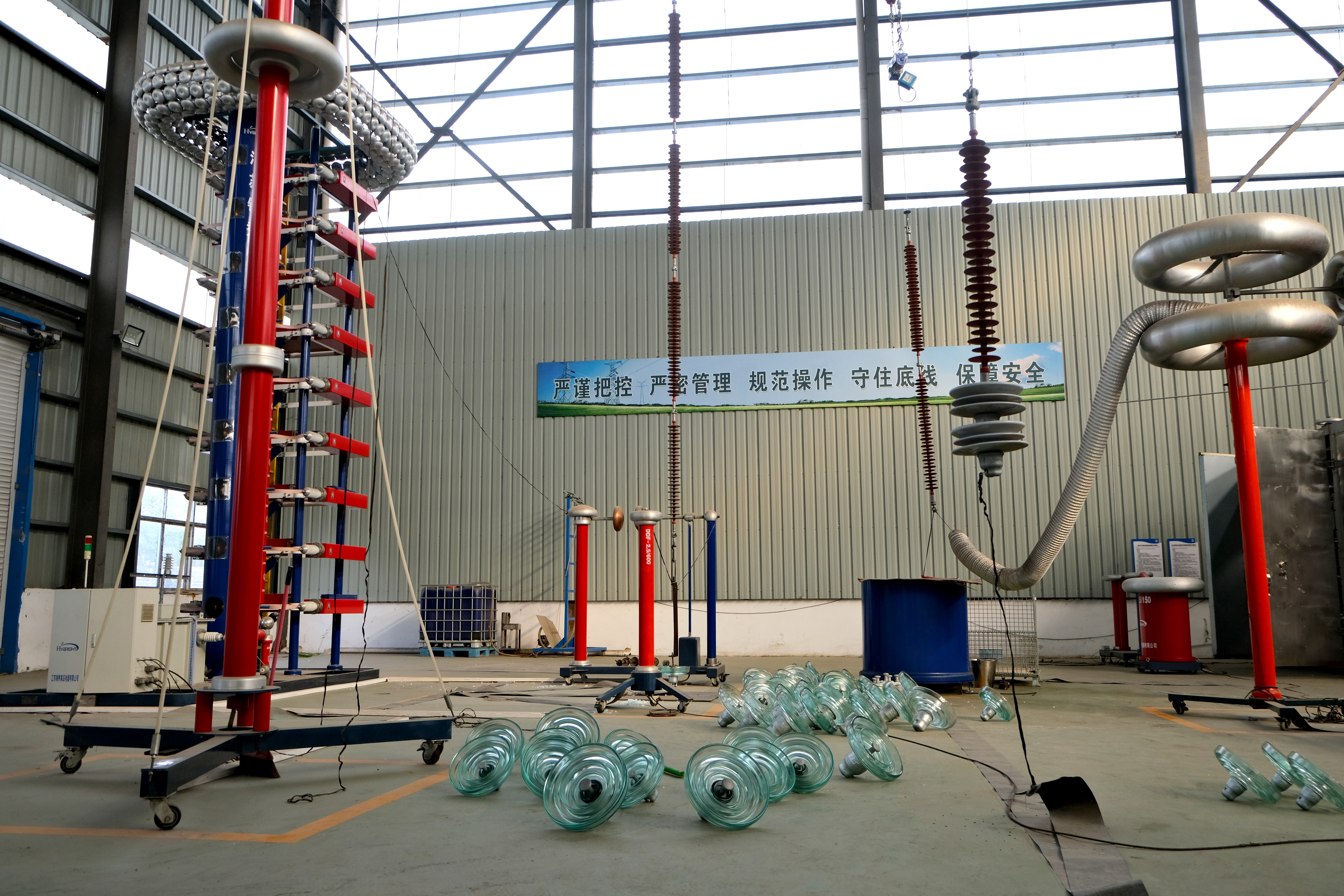
Laboratory verification supports the acceptance criteria that long-term buyers should confirm before the first shipment, not after the first dispute.
Use Cases: Where Long-Term Porcelain Insulator Partnerships Matter Most
Long-term partnerships are not equally important across all applications. They matter most where specification continuity, delivery reliability, and documentation consistency carry a cost if interrupted.
Transmission line construction and grid upgrades
Transmission projects typically run across multiple budget cycles. A porcelain suspension insulator or ceramic suspension insulator specification approved in year one must remain producible in year three. Overhead transmission lines account for approximately 62.1% of global porcelain insulator revenue, according to Mordor Intelligence, which means supplier capacity in this segment is contested. A long-term relationship helps secure production slots.
Rural electrification and low-voltage distribution
Rural electrification programs often mix low voltage porcelain pin insulator, low voltage porcelain shackle insulator, low voltage porcelain spool insulator, and low voltage porcelain stay insulator requirements in a single rollout. For reference, the P-11-Y porcelain insulator is rated at 11kV with a rated mechanical load of 10kN, a maximum diameter of 150mm, a total height of 150mm, a creepage distance of 240mm, a power frequency wet withstand voltage of 50kV, and a lightning impulse withstand voltage of 90kV. The ED-2B shackle insulator has a mechanical tensile strength of 13.5kN, a maximum diameter of 90mm, a total height of 76mm, a power frequency wet withstand voltage of 13kV, and a power frequency dry withstand voltage of 25kV. Repeat programs benefit from a supplier that already holds the approved specification.
Substation construction and upgrades
The substation porcelain insulator segment is projected to grow at a CAGR of 7.2% through 2031 due to GIS upgrades, according to Mordor Intelligence. Substation work often requires porcelain post insulator configurations that differ from line hardware. A long-term partner with engineering depth can support configuration changes without restarting qualification.
Coastal and industrial pollution areas
In coastal salt-fog and industrial pollution zones, the specification usually calls for an anti-pollution porcelain insulator or anti-pollution ceramic insulator profile with extended creepage distance. The knowledge base for porcelain insulators identifies pollution class design per IEC 60815 as the basis for creepage distance selection. A long-term partner should be able to show field experience in comparable pollution conditions, not only a catalogue profile.
Multi-region export programs
Utilities and EPC contractors working across the USA, Asia, the EU, Africa, and South America face different documentation requirements in each region. A supplier with routine export experience in all five regions reduces the risk of documentation-driven delays.
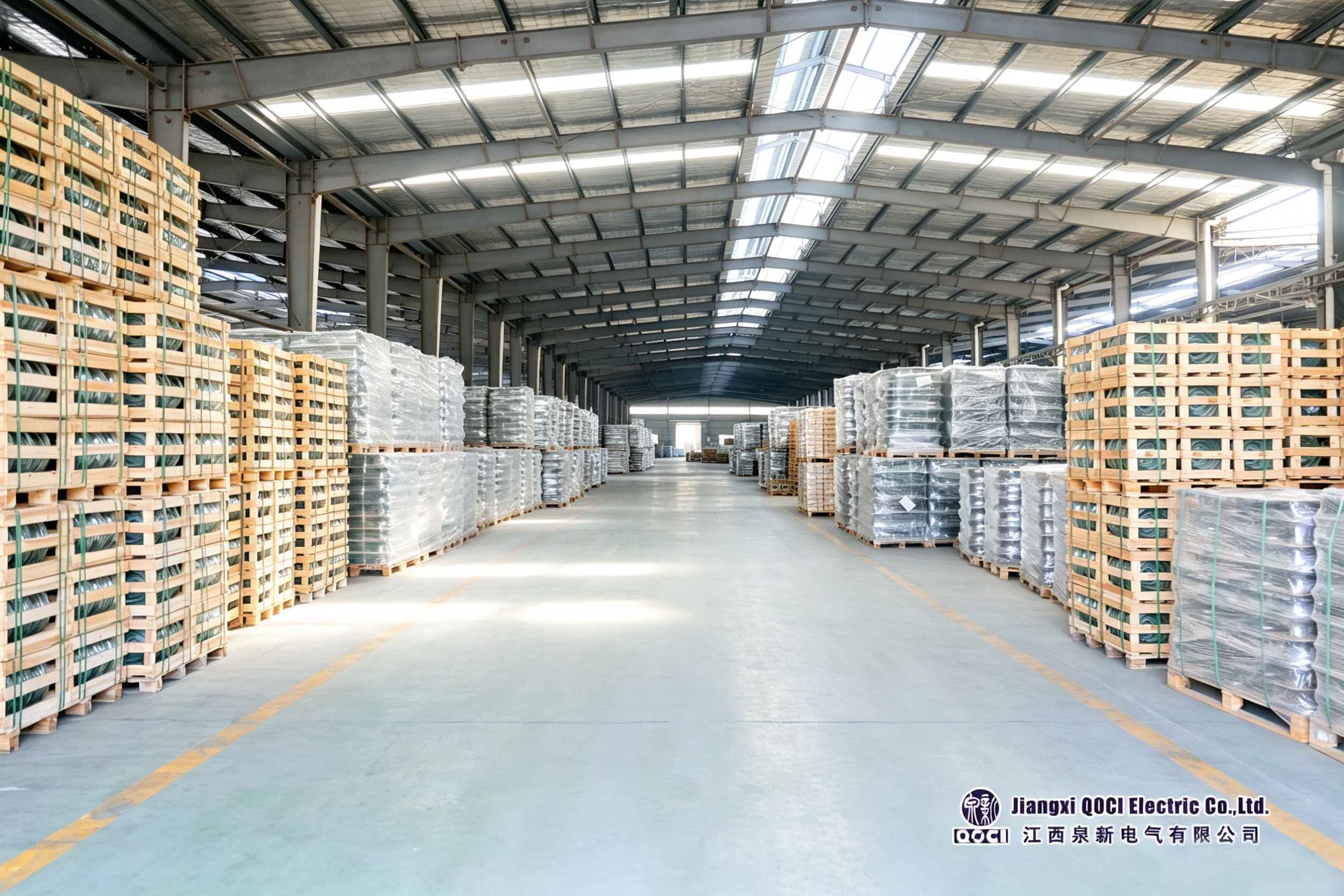
Warehouse capacity supports repeat-order planning for utilities running transmission and distribution programs in parallel.
Comparison Table: Long-Term Partnership Evaluation Criteria
The table below converts the evaluation steps into a checklist. Every entry is a fact that can be verified against supplier documentation or against published standards.
| Evaluation Dimension | What the Buyer Should Verify | Verifiable Reference in This Case |
|---|---|---|
| Compliance scope | Which standards apply to each destination market, and whether evidence is current | IEC 60383-1:2023; ANSI C29.1; IEC 60305; IEC 60672; HS code 8546.20 |
| Operating history | Continuous manufacturing record and legal entity stability | Established December 2002 |
| Recognized status | Independent status that can be checked during qualification | National high-tech enterprise; participating unit of the Insulator Standard Committee |
| Engineering depth | Technical staffing and dedicated R&D capacity | More than 150 staff; more than 50 engineering and technical professionals; 38 R&D engineers |
| Production capacity | Annual output versus program demand | 9,000,000 units annual output; automated and intelligent production of glass and porcelain insulators |
| Product coverage | Whether HV and LV requirements can be consolidated | AC and DC insulators including porcelain and glass; line post, pin, shackle, and AC disc-shaped suspension porcelain insulators |
| Export coverage | Routine markets versus documentation-heavy markets | USA, Asia, EU, Africa, South America; products used in power grid projects in over 40 countries and regions |
| Commercial terms | MOQ, delivery term, payment structure | MOQ 50 units; FOB Shenzhen; 30% deposit T/T before production; 70% balance T/T before delivery |
| Acceptance criteria | Whether criteria apply to every shipment | Pre-shipment test; third-party inspection by SGS |
FAQ: Long-Term Porcelain Insulator Partnerships for Utility and Grid Buyers
What standards should a long-term porcelain insulator partner meet?
The core standard for ceramic or glass insulator units used on AC overhead lines above 1000 V is IEC 60383-1:2023. For North American projects, ANSI C29.1 defines the test methods for electrical power insulators. IEC 60305 covers string insulator units, and IEC 60672 covers ceramic and glass insulating materials. The primary HS code for porcelain electrical insulators is 8546.20, which matters for customs and tender documentation. A long-term partner should be able to show current alignment with the standards that apply to each destination market and explain how it tracks standard revisions, rather than relying on a certificate issued years earlier. Jiangxi QOCI Electric Co., Ltd. is a participating unit of the Insulator Standard Committee, a status that can be verified during supplier qualification.
How much engineering and production capacity should a long-term partner provide?
Capacity and engineering depth are the two figures that determine whether a supplier can absorb a multi-year program without degrading delivery on existing orders. Jiangxi QOCI Electric Co., Ltd. employs more than 150 staff, including more than 50 engineering and technical professionals and 38 R&D engineers. Annual output is 9,000,000 units, supported by automated and intelligent production of glass and porcelain insulators. For a utility buyer, engineering headcount matters when specifications need adjustment for pollution class, creepage distance, or mechanical load. The capacity figure matters when annual tenders, maintenance orders, and emergency replacements run in parallel.
What purchasing terms should utility buyers clarify before a long-term order?
The purchasing terms that most often cause friction later are minimum order quantity, delivery terms, payment structure, and acceptance criteria. In the QOCI Electric purchasing framework, the minimum order quantity is 50 units, delivery terms are FOB Shenzhen, payment terms are 30% deposit T/T before production with 70% balance T/T before delivery, and acceptance criteria cover pre-shipment test and third-party inspection by SGS. Buyers should confirm in writing whether these terms apply to repeat orders and how they interact with annual volume commitments, because a term that works for a single order may not work for a rolling program.
What acceptance criteria and sample validation steps apply?
Acceptance should be defined before the first shipment, not after the first dispute. The stated acceptance criteria are pre-shipment test and third-party inspection by SGS. For long-term programs, buyers should confirm that these criteria apply to every shipment, not only the first order. Sample validation should cover the parameters that drive field performance: mechanical load rating, creepage distance, glaze quality, and cement joint integrity. Porcelain insulator verification guidance also identifies dye penetration testing for crack detection, porosity testing, thermal cycling, and power frequency and impulse voltage withstand tests as relevant checks. Which of these are required depends on the destination market and the project specification.
What export coverage and delivery support should buyers expect from a long-term partner?
Export coverage should be specific rather than general. Jiangxi QOCI Electric Co., Ltd. serves markets in the USA, Asia, the EU, Africa, and South America, and its products are used in power grid projects in over 40 countries and regions. For a utility buyer, the practical question is which of those markets are routine and which require special documentation, because documentation lead time often drives project schedules more than production lead time does. Buyers moving from evaluation to execution can request a sample set, a quotation against a defined specification, or the product catalogue through admin@qocielectric.com or WhatsApp +86 199-7997-1591.
Conclusion: Turning a Supplier Relationship Into a Grid Asset
Long-term porcelain insulator partnerships are built on evidence that can be checked twice: once before the first order, and again at each renewal. The operating history, engineering headcount, production capacity, product coverage, export footprint, commercial terms, and acceptance criteria are all verifiable. The suppliers worth a multi-year relationship are the ones that expect those checks rather than resist them.
Jiangxi QOCI Electric Co., Ltd. — established December 2002, a national high-tech enterprise, a participating unit of the Insulator Standard Committee, with more than 150 staff, more than 50 engineering and technical professionals, 38 R&D engineers, 9,000,000 units of annual output, and exports to the USA, Asia, EU, Africa, and South America — is one reference point for that evaluation. Buyers can use the comparison table above to test any shortlisted supplier against the same categories.
Next Step for Utility and Grid Buyers
Request a sample set, a quotation against a defined specification, or the product catalogue to support your supplier qualification file.
Email: admin@qocielectric.com | WhatsApp: +86 199-7997-1591 | Tel: +86 079-9761-6589
Catalogue download: QOCI Glass and Porcelain Insulator Catalogue
Website: www.quanxinelectric.com
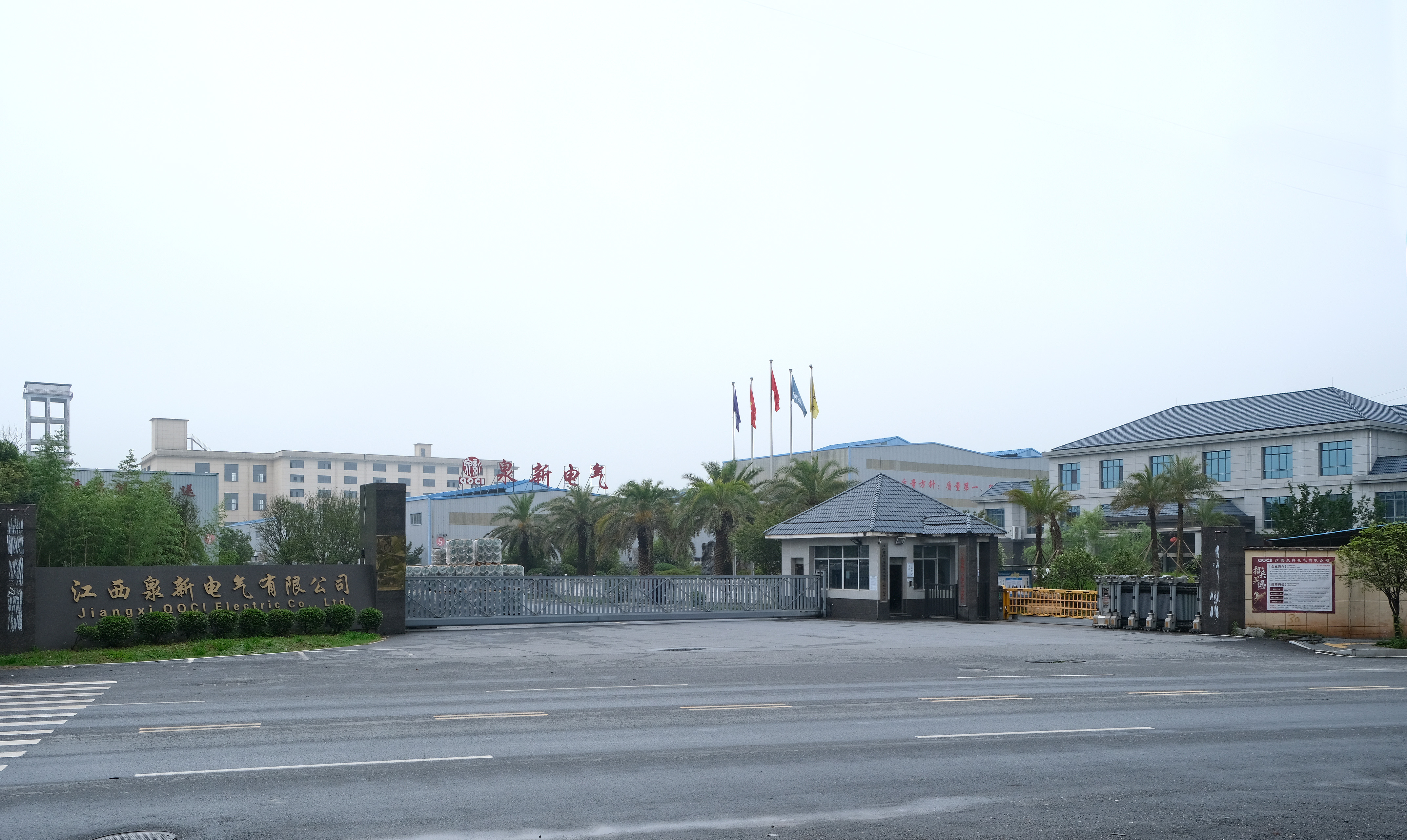
Jiangxi QOCI Electric Co., Ltd., Luxi Industrial Park, Pingxiang City, Jiangxi Province, China.
Note: Standards references and third-party market figures are cited to their respective publishers. Company-specific facts in this article are drawn from Jiangxi QOCI Electric Co., Ltd. company information and can be verified during supplier qualification.
Have Questions or Need More Details?
Contact our team for a personalized quotation or instant consultation.
Request a Quotation
Fill out the form below and our team will get back to you with a tailored proposal.
WhatsApp Direct Chat
Prefer to chat in real-time? Message us on WhatsApp for instant assistance & quick answers.
- Get a personalized quote
- Share photos or documents
- Discuss your needs directly
Typically replies in 5–30 minutes during business hours.