Matching Porcelain Insulators to Transmission Project Conditions
Matching Porcelain Insulators to Transmission Project Conditions
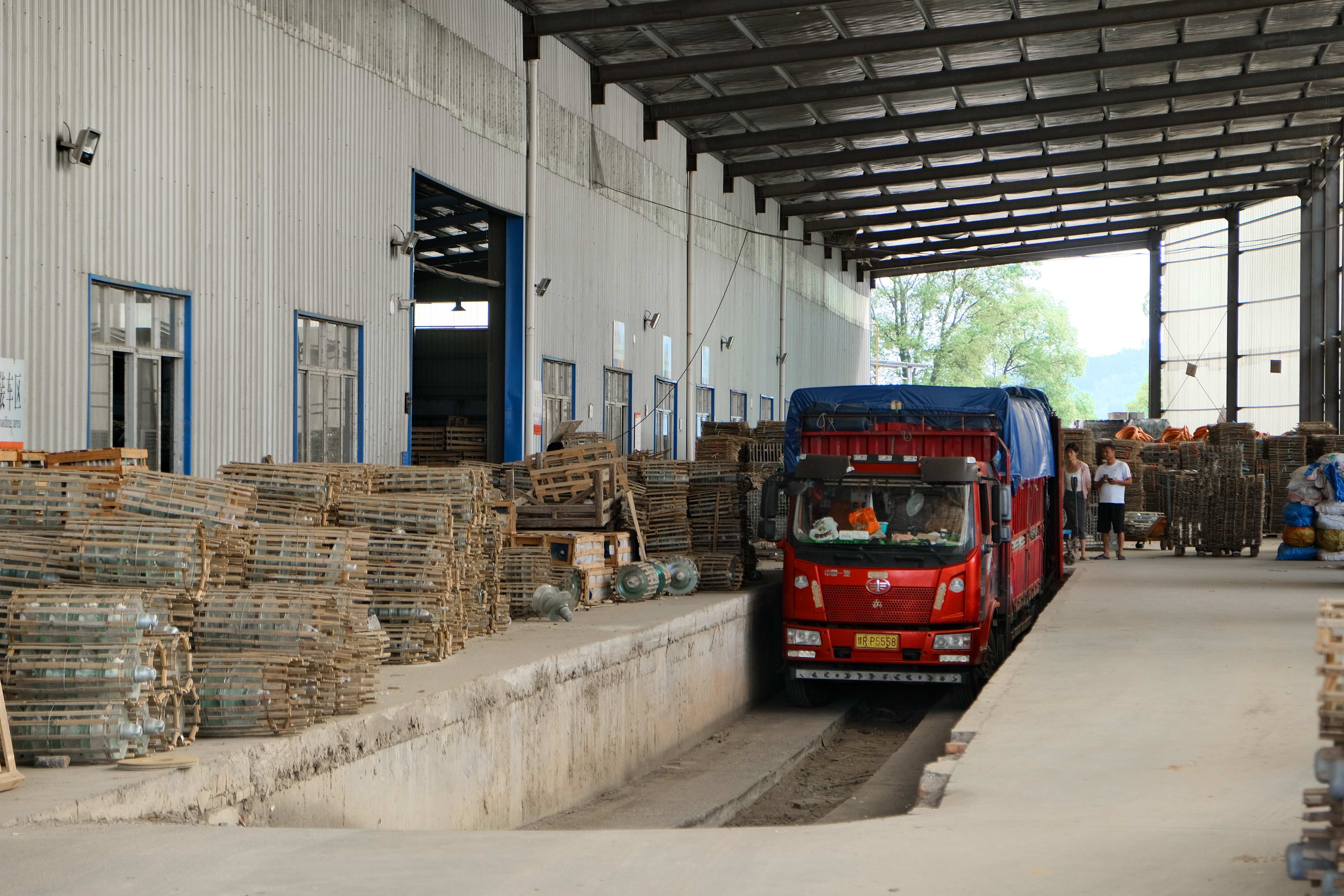
Selecting a porcelain insulator for a transmission or distribution project is never just a voltage calculation. Site environment, pollution severity, mechanical loading, and project type all determine whether an insulator string will perform for decades or fail within a few seasons. This guide explains how to match porcelain insulator types to real project conditions, using verified product data and field evidence from Jiangxi QOCI Electric Co., Ltd., a Chinese manufacturer of porcelain and glass insulators with projects across Sri Lanka, Egypt, and Ukraine.
Why Project Conditions Determine Porcelain Insulator Performance
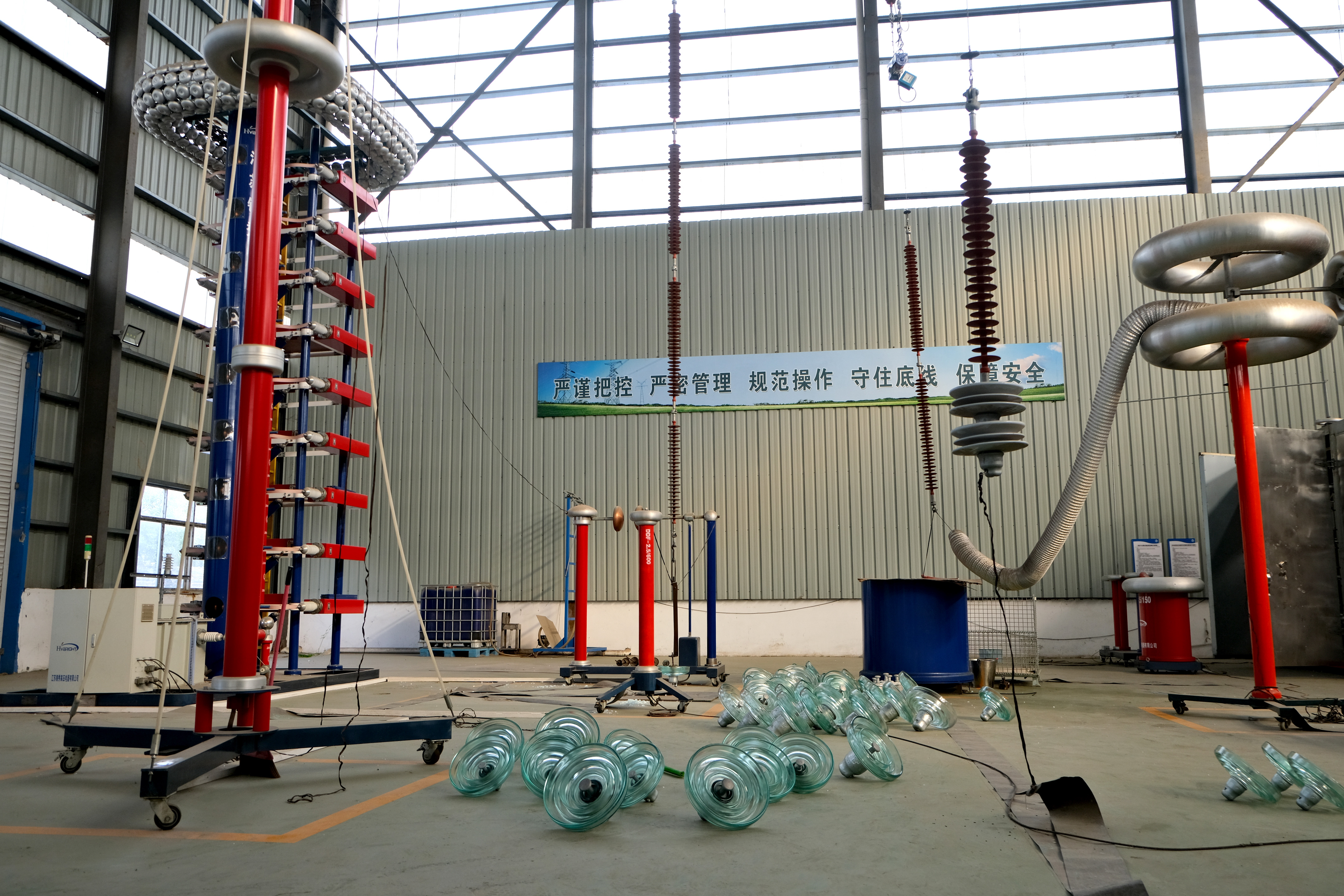
Many buyers choose insulators by rated voltage alone, overlooking pollution class, humidity, temperature range, and mechanical loads. The most common failure modes—salt-fog flashover, zero-value degradation, and cement-joint moisture ingress—are directly related to site conditions rather than voltage level. An insulator with insufficient creepage distance in an industrial zone can suffer pollution flashover during light rain; in coastal regions, salt fog accelerates surface leakage; in cold climates, thermal cycling can strain the cement joint and lead to micro-cracks.
Porcelain insulators operate passively, 24/7 with zero power consumption, so a poor match does not announce itself until a line outage or a maintenance event forces a replacement. The porcelain body is a vitrified ceramic material produced from kaolin, quartz, and feldspar fired at high temperature. It offers high dielectric strength and mechanical compressive strength, while the glazed surface is smooth and hydrophobic, reducing contamination adhesion. These inherent properties make porcelain particularly predictable in outdoor exposed environments.
Industry Context: Porcelain Insulators in Global Power Networks
Global demand for porcelain insulators remains strong. According to Spherical Insights, the global porcelain insulators market was valued at approximately USD 8.27 billion in 2023 and is projected to reach USD 15.04 billion by 2033. Mordor Intelligence reports that Asia-Pacific accounted for 49.4% of revenue in 2025, and OEC data shows China was the largest exporter of electrical insulators in 2024, with 31.4% of global exports. Overhead transmission lines generate 62.1% of porcelain insulator revenue, which means the product choice made during line construction has a significant impact on grid reliability.
Beyond line construction, the substation segment is projected to grow at a CAGR of 7.2% through 2031, partly due to GIS upgrades. For international trade, porcelain electrical insulators are classified under HS code 8546.20. These figures help explain why project-specific insulator selection is becoming more critical, not less.
How to Match Porcelain Insulator Types to Your Project
Jiangxi QOCI Electric Co., Ltd. manufactures porcelain insulators designed for four typical project categories: transmission line construction, substation upgrades, railway electrification, and grid modernization/expansion. Their products are used in power transmission and distribution, substation construction, railway electrification, and industrial power grids. The operating environment is usually outdoor exposed, with high humidity, industrial pollution, and wide temperature ranges from -40°C to +50°C. The products must comply with IEC 60305, and the application often requires supporting equipment such as metal fittings, corona rings, suspension/tension clamps, arcing horns, grounding hardware, and vibration dampers.
Two Representative QOCI Porcelain Insulator Designs
Two QOCI product families illustrate how insulator design adapts to different project conditions:
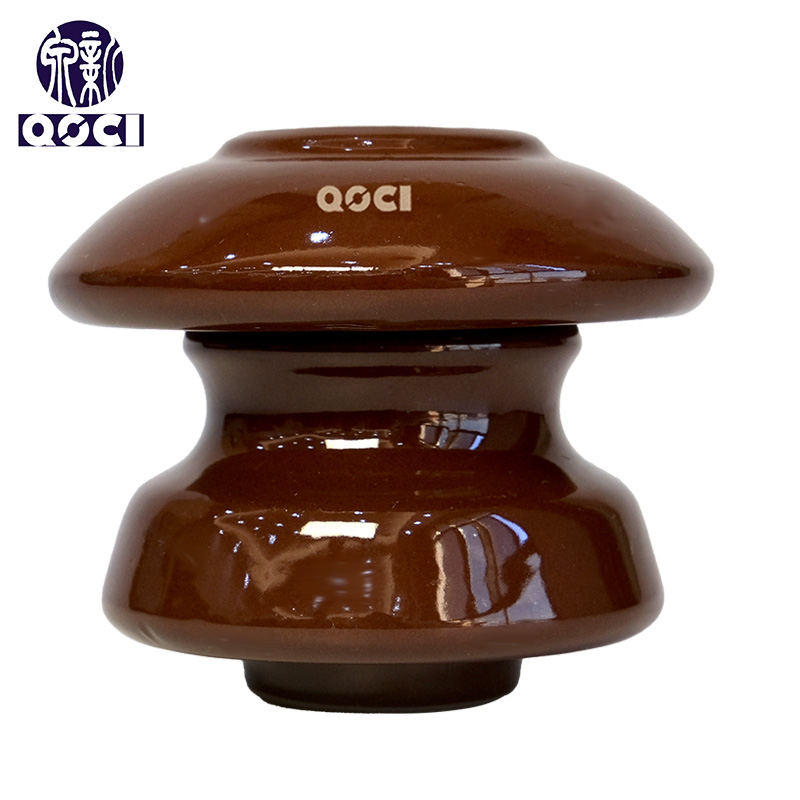
- P-11-Y pin type porcelain insulator – a high-strength electrical porcelain unit for 11kV rated voltage, with 10kN rated mechanical load, 240mm creepage distance, 50kV power frequency wet withstand voltage, and 90kV lightning impulse withstand voltage. It is commonly installed on wooden or steel cross-arms for 10kV overhead distribution lines.
- ED-2B shackle insulator – a low-voltage distribution insulator with 13.5kN mechanical tensile strength, 90mm maximum diameter, 76mm total height, 13kV wet withstand voltage, and 25kV dry withstand voltage. It is used for line anchoring, strain and angle joints in rural and urban low-voltage distribution networks.
Step-by-Step: Matching Insulator Design to Project Conditions
Follow these steps to translate project conditions into a porcelain insulator specification.
Step 1: Classify the Project Type and Application
Identify whether the project is transmission line construction, substation upgrade, railway electrification, grid modernization/expansion, or a combination. For railway electrification and high voltage transmission, insulator components must support both electrical insulation and mechanical load bearing. For distribution networks, pin and shackle types are common choices.
Step 2: Assess the Installation Environment
Review the service environment: outdoor exposure, high humidity, industrial pollution, and temperature range. Coastal sites require anti-pollution creepage distance design and a glaze that resists salt accumulation. For monsoon regions, the insulator must resist moisture ingress through the cement joint.
Step 3: Define Electrical and Mechanical Requirements
Determine the system voltage, specified mechanical load (SML), creepage distance based on pollution class I-IV, and puncture withstand voltage. In general, puncture withstand voltage should be at least 1.2 times the dry flashover voltage. For suspension applications, SML typically falls in the range of 40–550 kN. Creepage distance should be selected according to IEC 60815, based on the site pollution severity class: clean areas may use standard profiles, while industrial and coastal areas need extended creepage profiles.
Step 4: Verify Standard Compliance and Quality Control
Check that insulators comply with IEC 60383-1:2023 (for AC overhead lines above 1000 V) and IEC 60305, or ANSI C29.1 for North America. Review manufacturer QC practices: 100% pre-shipment testing, dye penetration testing, and the possibility of third-party inspection such as SGS. QOCI Electric applies 100% pre-shipment tests and supports SGS inspection.
Step 5: Evaluate Field Track Record
Ask for case studies from similar climates and project types. For coastal or tropical environments, porcelain's chemical inertness and zero UV degradation are clear advantages. Compare replacement rates and flashover incident data before shortlisting a supplier.
Field Evidence: Coastal and Monsoon-Grade Porcelain Insulation
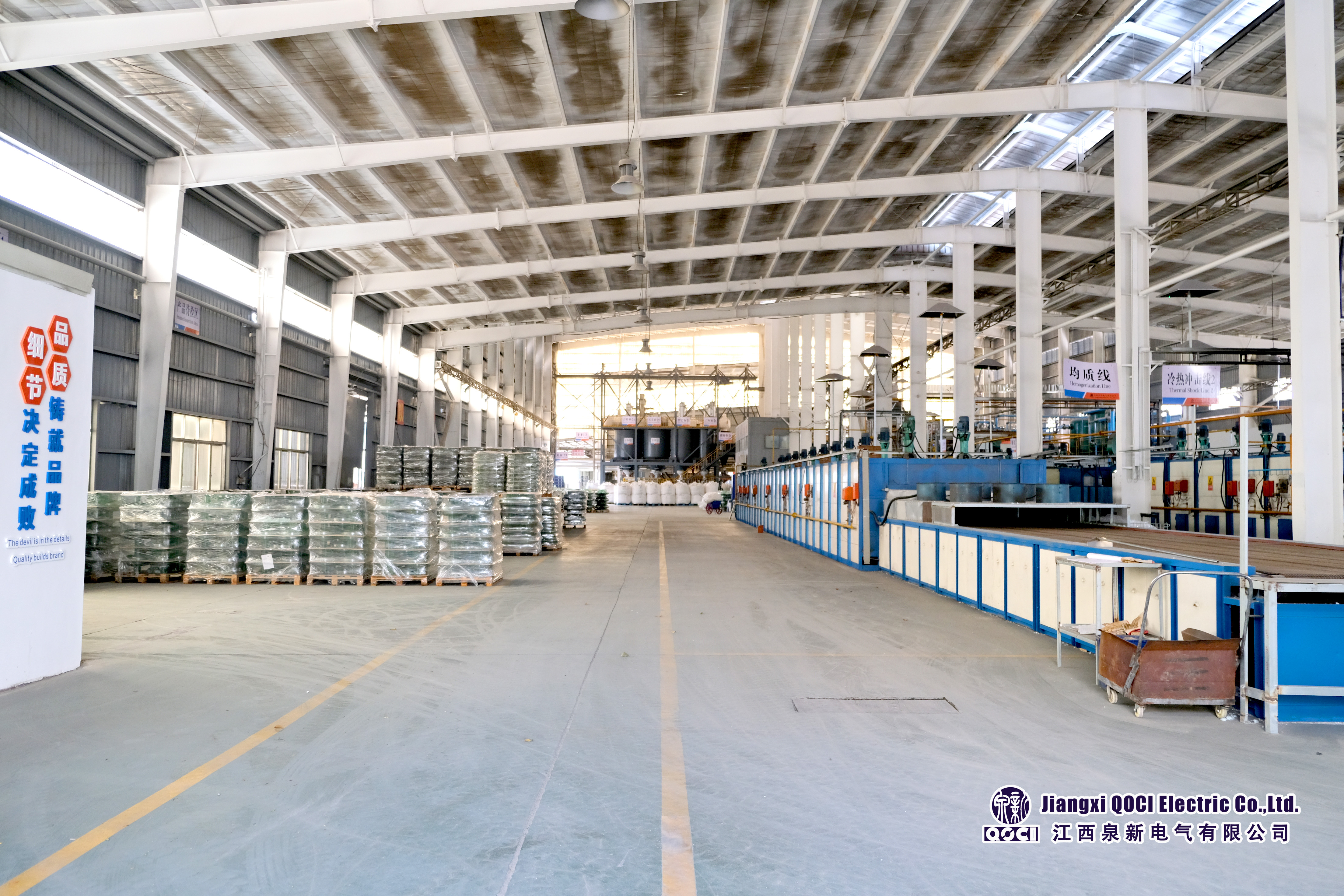
QOCI Electric supplied 60,000 porcelain insulators to projects in Sri Lanka (10,000 pcs), Egypt (40,000 pcs), and Ukraine (10,000 pcs) over three years until 2026. The applications covered coastal and inland tropical distribution line insulation, and monsoon region grid reinforcement. The result was a 60% reduction in salt-fog flashover incidents compared with the previous composite batch, zero UV degradation, 50% lower maintenance cost, and a replacement rate below 2% over the three-year period. These figures show how a well-matched porcelain insulator can reduce operational risk in demanding environments.
Porcelain Insulator Selection Matrix
The matrix below consolidates the main decision points from the product specifications, IEC standards, and the coastal/monsoon field case.
| Project Condition | Recommended Insulator Type | Key Parameters | Standard / Evidence |
|---|---|---|---|
| 10–11 kV overhead distribution, clean area | Pin type (e.g., P-11-Y) | 11kV rated voltage; 10kN mechanical load; 240mm creepage distance | IEC 60305; QOCI technical data |
| Low-voltage distribution, angle/strain anchoring | Shackle type (e.g., ED-2B) | 13.5kN tensile strength; 25kV dry withstand voltage | IEC 60305; QOCI technical data |
| High-voltage transmission, suspension strings | Cap-and-pin suspension unit | SML 40–550 kN; creepage per pollution class | IEC 60383-1:2023; IEC 60815 |
| Coastal / high-humidity areas | Anti-pollution profile with extended creepage | Creepage distance matched to pollution class I-IV | IEC 60815; field case in Sri Lanka/Egypt/Ukraine |
This matrix is not a substitute for a full engineering study, but it provides a starting point for requests for quotation and technical clarifications.
Frequently Asked Questions
What standards should high voltage porcelain insulators meet for transmission projects?
High voltage porcelain insulators should meet IEC 60383-1:2023 for ceramic or glass insulator units for AC overhead lines above 1000V, and IEC 60305 for string insulator units. For North American projects, ANSI C29.1 test methods apply. Manufacturers should also provide 100% pre-shipment testing and, where requested, third-party inspection such as SGS.
Which porcelain insulator type works best for a 10kV distribution line in a high-humidity area?
A pin type insulator such as QOCI's P-11-Y is designed for 11kV systems with a creepage distance of 240mm, a 10kN mechanical load rating, and a lightning impulse withstand voltage of 90kV. In high-humidity locations, confirm that the creepage distance meets the site's pollution class and that the glaze is free from defects to reduce contamination and moisture adhesion.
What are QOCI Electric's MOQ and lead time for OEM porcelain insulator orders?
QOCI Electric's MOQ is 50 units. Standard production lead time is 15–35 days depending on order size and customization. Monthly capacity is 750,000 units. OEM/ODM customization includes voltage rating and logo marking.
Can I request samples or a quotation for a transmission project?
Yes. You can contact QOCI Electric directly via email or WhatsApp. The technical team provides online support and can arrange samples before full production. A product catalogue with porcelain and glass insulator specifications is available for download below.
What evidence supports reliable performance in coastal and monsoon environments?
In Sri Lanka, Egypt, and Ukraine, QOCI porcelain insulators totaling 60,000 units achieved a 60% reduction in salt-fog flashover incidents compared to a previous composite batch, zero UV degradation, a 50% reduction in maintenance costs, and a replacement rate under 2% over a 3-year period. These projects covered coastal and inland tropical distribution lines and monsoon region grid reinforcement.
Conclusion
Choosing the right porcelain insulator for a transmission project requires more than a voltage class. By mapping project type, environment, mechanical requirements, and quality-control evidence, buyers can avoid flashover, reduce maintenance, and extend service life. QOCI Electric's laboratory-tested porcelain insulators with field-proven results in tropical and coastal networks are one benchmark to consider. For a complete range of porcelain and glass insulators, visit quanxinelectric.com or download the catalogue below.
Download the QOCI Product Catalogue (PDF)