
Porcelain Insulator Supplier Delivery Assurance: Capacity, Staffing, and Export Evidence
Delivery assurance for a porcelain insulator order is the ability to prove — before a purchase order is issued — that the supplier can produce the required volume, hold the engineering depth the project needs, and ship to the destination market on the date it committed to. Capacity, staffing, and export evidence are the three pillars that make that proof checkable rather than persuasive.
This guide is written for utility procurement teams, EPC contractors, and distribution channel buyers who are screening porcelain insulator suppliers at the research stage — after first contact, before shortlisting. It sets out what each type of evidence should contain, how to test it, and where supplier answers most often break down. Jiangxi QOCI Electric Co., Ltd., a porcelain and glass insulator manufacturer established in December 2002 in Pingxiang, Jiangxi, China, is used throughout as a worked example of what verifiable supplier evidence looks like.
The Problem: A Quoted Capacity Figure Is Not a Delivery Commitment
Almost every porcelain insulator supplier can quote an annual output number, and the number is rarely false in itself. It is almost always incomplete, and it tends to fail in one of four predictable ways.
- Theoretical output is not order-ready output. A nameplate figure describes what a plant can produce when every line runs at design rate. It does not describe how much of that output is already committed to existing contracts during the months your order would be scheduled into.
- Capacity is shared across product families. A factory producing suspension, pin, post, and shackle insulators routes all of them through the same forming, drying, firing, and testing assets. One headline number does not tell you how much of it is actually available for the specific type you are buying.
- Headcount is not engineering depth. "150 employees" and "50 engineers" describe two very different capabilities. The first supports volume. The second supports drawing review, tooling decisions, type-test coordination, and problem-solving when production drifts off specification.
- Export experience is not export evidence. A supplier may have shipped a single consignment through a trading intermediary and still describe itself as an exporter. Evidence means documented market coverage, a known export share of sales, and end users that can be named.
None of these four gaps requires dishonesty to exist. They persist because buyers rarely ask for the specific figure or document that would close them. Closing them is the entire purpose of a delivery assurance review — and it is far cheaper to run at the research stage than after a contract has been awarded.
Industry Background: Why Suppliers Are Being Screened Harder
Three structural facts have made delivery assurance a higher-stakes question for porcelain insulator buyers than it was a decade ago.
1. The market is growing, and so is the number of suppliers claiming to serve it. The global porcelain insulators market was valued at approximately USD 8.27 billion in 2023 and is projected to reach USD 15.04 billion by 2033, according to Spherical Insights. Growth of that scale pulls capacity into the market. It also means that a buyer comparing five suppliers is often comparing five companies describing broadly similar capability, with no obvious way to separate them on paper.
2. Production is geographically concentrated. Asia-Pacific accounted for a revenue share of 49.4% of the porcelain insulator market in 2025 (Mordor Intelligence), and China alone was the world's largest exporter of electrical insulators in 2024, accounting for 31.4% of total global exports — approximately USD 898 million (OEC). For an overseas buyer, that concentration is both an advantage and a screening problem: nearly every candidate supplier sits inside the same geography and can point to the same regional supply strength.
3. Demand is shifting by application. Overhead transmission lines account for approximately 62.1% of global porcelain insulator revenue (Mordor Intelligence), while the substation porcelain insulator segment is projected to grow at a CAGR of 7.2% through 2031, driven largely by GIS upgrades. Both of those segments buy in large, forward-scheduled batches, which is precisely the situation in which a delivery failure does the most damage to a construction programme.
Regulatory pressure adds a fourth layer. India's DPIIT procurement policy requires 50% local content for porcelain insulators to be classified under Class I for government contracts. Rules of that kind push buyers to document where a product is actually manufactured, not just who sells it — which is why factory footprint and export evidence have become procurement documents rather than marketing claims.
The Three Evidence Pillars of Porcelain Insulator Delivery Assurance
Delivery assurance reduces to three questions, each of which can be answered with evidence rather than adjectives: can the supplier physically produce the volume, does it have the technical depth to keep production on specification, and can it move the product into your market reliably?
Pillar 1 — Capacity Evidence: Footprint, Plant Area, and Unit Output
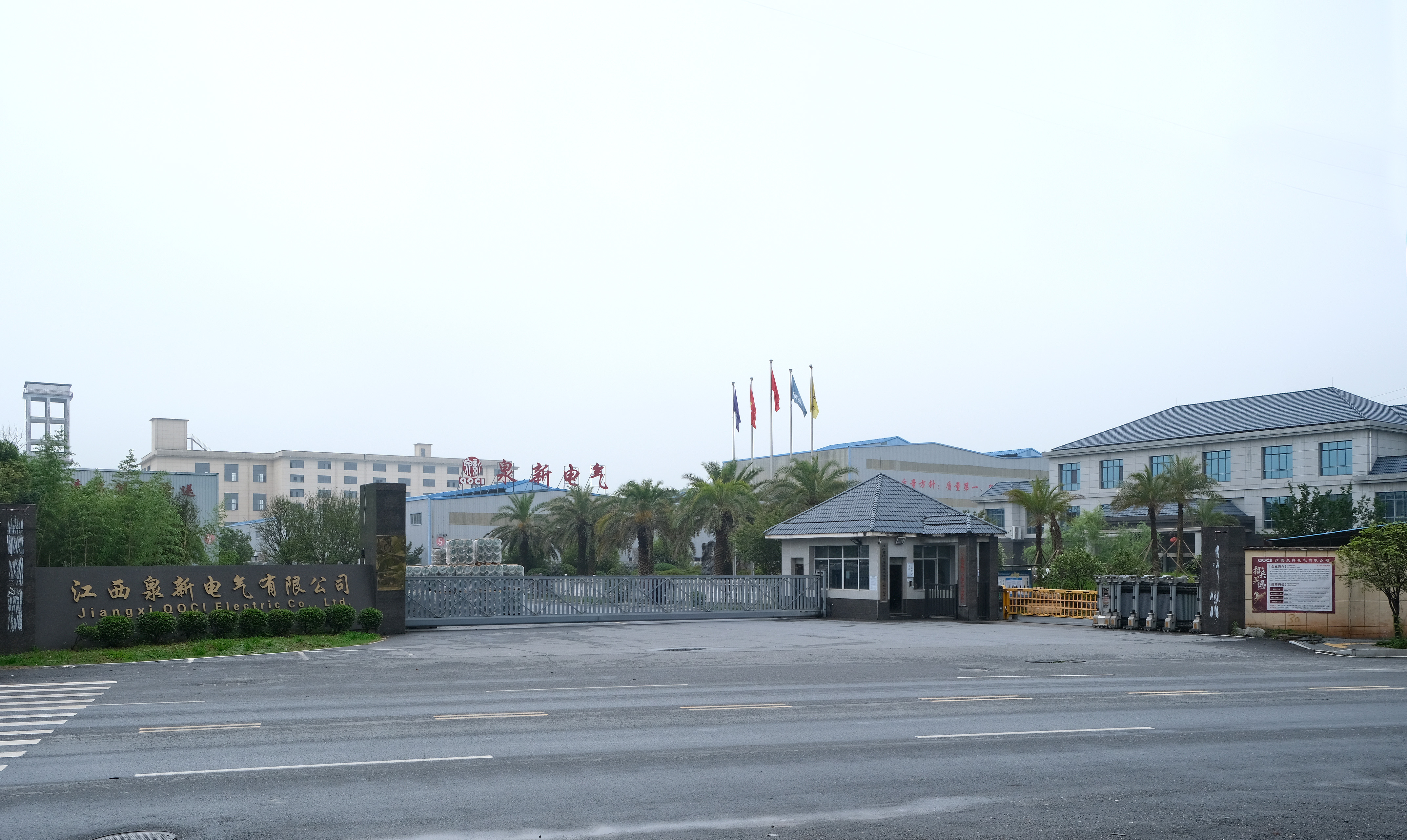
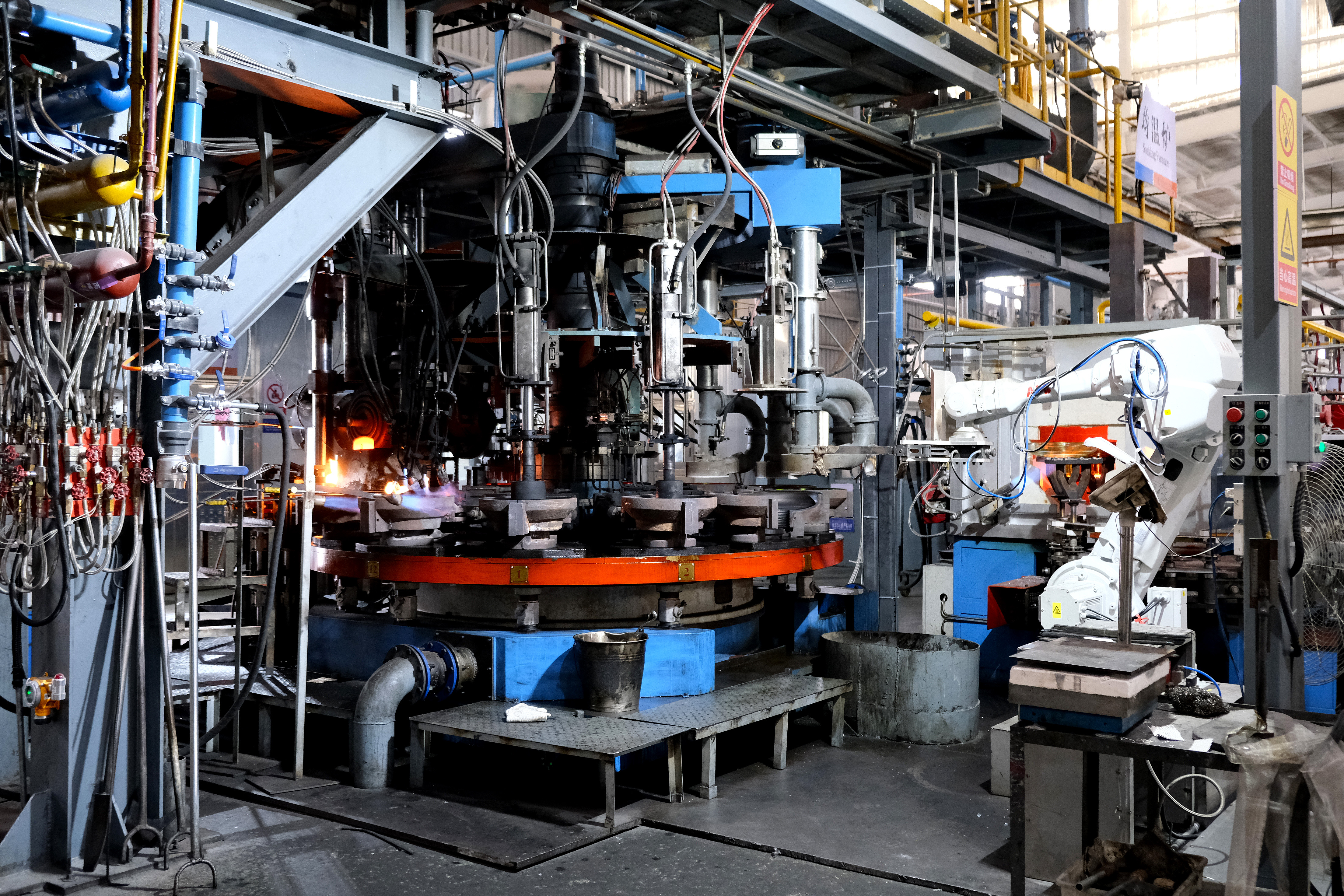
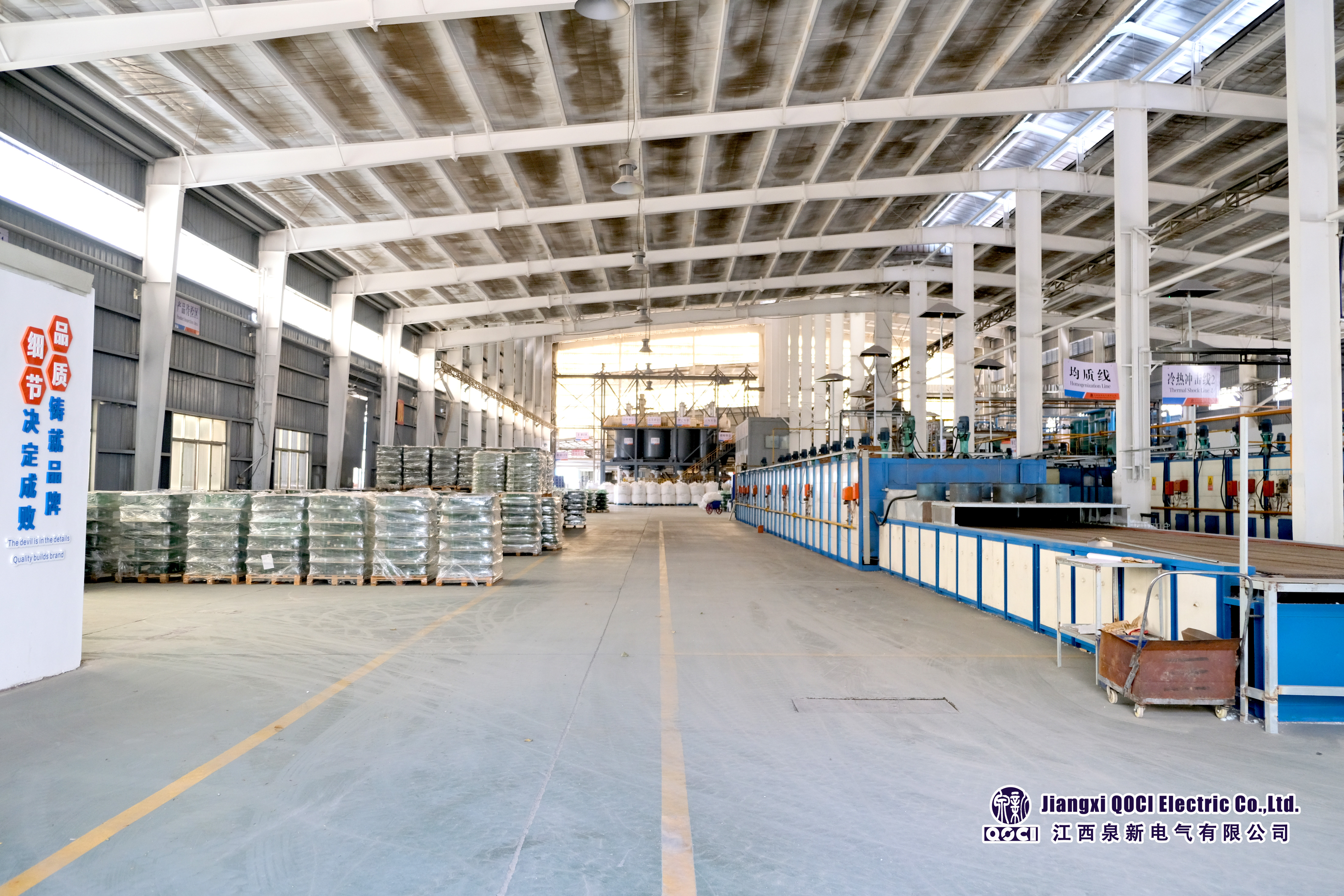
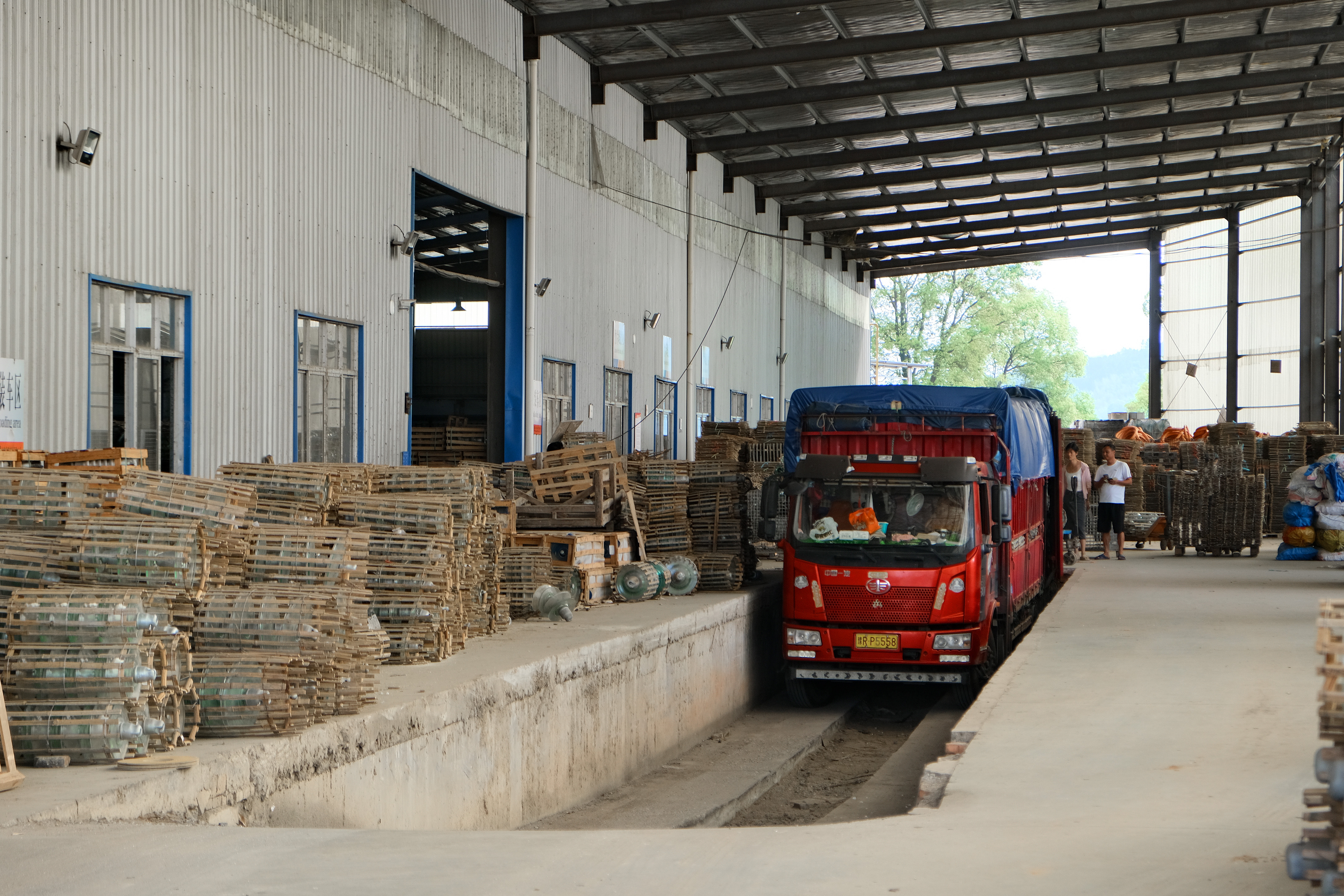
Capacity evidence starts with physical space, because space is difficult to overstate and easy to document. At Jiangxi QOCI Electric, the production facility occupies over 120 mu (approximately 8 hectares), the construction area exceeds 70,000 square meters, and the manufacturing facility covers 35,373 m². The company's annual production capacity reaches 9,000,000 units.
Those figures should always be requested as a set — land area, covered area, and unit output — because they can be cross-checked against one another. A very high unit output produced from a very small covered area is a signal worth questioning. Conversely, a large site with a modest stated output usually indicates a conservative number rather than an inflated one.
Unit output should then be read against the product mix. Jiangxi QOCI Electric manufactures AC and DC insulators in both porcelain and glass types, specialising in line post porcelain insulators, porcelain pin insulators, shackle insulators, and AC disc-shaped suspension porcelain insulators. A buyer sourcing a low-voltage shackle insulator for a distribution line and a buyer sourcing a high-voltage suspension string are drawing on different parts of the same plant. Both should ask how their specific insulator family is scheduled, not simply how large the plant is.
Pillar 2 — Staffing Evidence: Engineering Depth, Not Headcount
Staffing evidence answers a different question from capacity evidence. It tells you whether the supplier can hold a specification across a long production run, and whether it can respond in a structured way when something drifts.
Jiangxi QOCI Electric employs over 150 staff members, including more than 50 engineering and technical professionals, with an R&D team of 38 engineers. The company is a national high-tech enterprise and a participating unit of the Insulator Standard Committee. For a buyer, the practical reading of those facts is straightforward: there is a dedicated technical function that can handle drawing review, tooling and mould questions, type-test coordination, and non-conformance investigation — rather than one overstretched engineer attached to a sales team.
Staffing evidence becomes especially important for anti-pollution designs and for high-voltage porcelain insulators, where creepage distance, shed profile, and glaze quality all have to be engineered against the destination environment rather than selected from a catalogue. A supplier without engineering depth cannot adapt those parameters to a project. It can only offer what it already makes.
Pillar 3 — Export Evidence: Markets, Export Share, and Grid References
Export evidence is where many capability claims quietly fall apart, because it can be checked against destination standards, export share, and named end users.
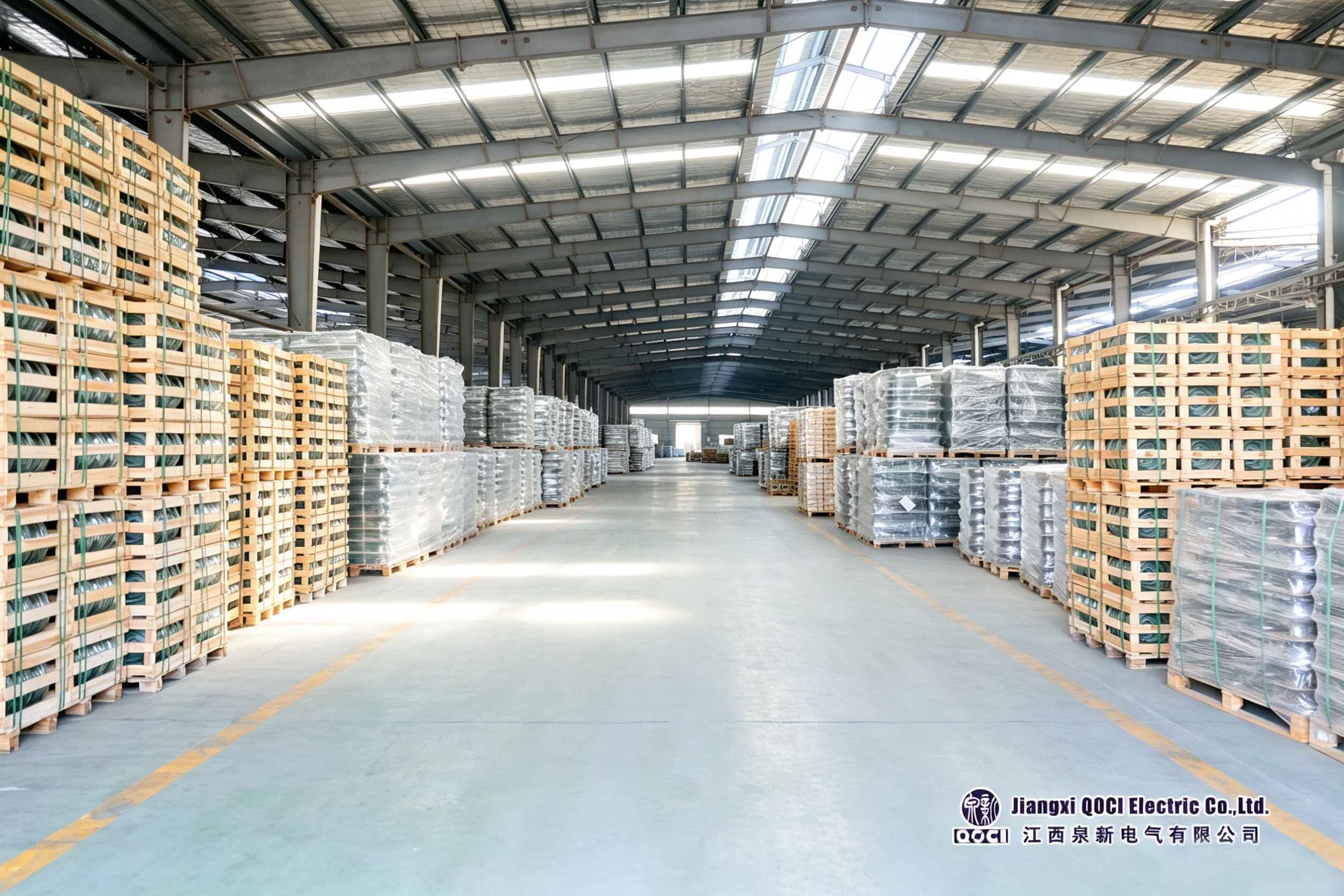
Jiangxi QOCI Electric exports to the USA, Asia, the EU, Africa, and South America, with export business accounting for 20% of total sales. Its products are used in power grid construction projects of State Grid Corporation of China, China Southern Power Grid, and power grids in over 40 countries and regions. For an overseas buyer, that combination answers three separate questions at once: the supplier sells outside its home market, exports are a material part of the business rather than an occasional one-off, and the products have been accepted by grid operators rather than only by trading intermediaries.
Export evidence should also be matched to your own standards environment before you rely on it:
- IEC 60383-1:2023 is the current international standard for ceramic or glass insulator units for AC overhead power lines with nominal voltages above 1000 V.
- ANSI C29.1 specifies the American national test methods for electrical power insulators, including wet-process porcelain types used in North America.
- HS code 8546.20 is the primary classification for porcelain electrical insulators — the code your customs broker will use to clear the consignment.
A supplier that has genuinely shipped into your region can normally describe which of these frameworks its documentation is built around, and can speak to how its test reports map onto them. That is a much stronger signal than a general statement of export experience.
Step-by-Step: Verifying a Porcelain Insulator Supplier Before You Award
The sequence below can be run over two to three weeks of correspondence and does not require a factory visit, although a visit will confirm every item faster.
Step 1 — Convert your demand into units per month, not units per order. Divide the total requirement by the delivery window. That monthly figure is what the supplier's capacity has to be tested against, not the annual headline number.
Step 2 — Test capacity against the specific product type. Ask what share of annual output is normally allocated to your insulator family — pin and shackle insulators versus suspension disc insulators, for example — and how much of that share is currently committed. At Jiangxi QOCI Electric, the 9,000,000-unit annual capacity is distributed across AC and DC porcelain and glass insulator lines, so the operative question for a buyer is the scheduled share available for their type.
Step 3 — Verify the physical footprint behind the number. Request site area, covered construction area, and unit output together, then check them for internal consistency. The QOCI Electric set — over 120 mu of site, more than 70,000 m² of construction area, 35,373 m² of manufacturing facility, and 9,000,000 units of annual capacity — illustrates the level of granularity a serious supplier response should contain.
Step 4 — Separate technical staff from total staff. Ask for engineering and technical professionals and R&D engineers as separate figures. "Over 150 staff members, more than 50 engineering and technical professionals, and an R&D team of 38 engineers" is the shape of a usable answer. A single total headcount is not.
Step 5 — Confirm the standards and conformity route. Establish up front which standard the project references — IEC 60383-1:2023 for AC overhead line insulator units above 1000 V, or ANSI C29.1 test methods for North American requirements — and confirm the HS classification (8546.20) with your customs broker. A supplier that participates in an Insulator Standard Committee, as QOCI Electric does, will normally be able to discuss standard revisions directly rather than routing every question through a sales channel.
Step 6 — Ask for export evidence mapped to your market. Request destination markets served, the export share of total sales, and named reference project types. The Jiangxi QOCI Electric footprint — exports to the USA, Asia, the EU, Africa, and South America at 20% of total sales, with products used in State Grid Corporation of China, China Southern Power Grid, and grids in over 40 countries and regions — is the sort of statement that can then be narrowed down to your specific region.
Step 7 — Validate with samples before you scale. Delivery assurance is not complete until the product itself has been checked. Sample evaluation should cover exactly the parameters you would reject on: dimensions, creepage distance, mechanical load, and electrical withstand values.
Screening shortcut: if a supplier cannot supply figures for site area, covered manufacturing area, annual unit output, engineering headcount, and export share of sales within one round of correspondence, treat that as a scheduling risk rather than a documentation gap. The companies that can produce these numbers quickly are generally the ones that can produce a delivery schedule quickly as well.
Use Cases: Where Delivery Assurance Changes the Decision
Transmission line construction
Transmission strings are ordered in large quantities against fixed construction schedules, and a short shipment delays tower stringing across an entire section. Mechanical failing load consistency matters more here than headline capacity, because a single underperforming unit in a string forces rework. The PS210V 212V is a 210 kN tempered glass suspension insulator in the disc, cap-and-pin category, with a nominal disc diameter of 280 mm, nominal spacing of 170 mm, creepage distance of 400 mm, socket coupling 20, dry lightning impulse withstand voltage of 110 kV, wet power frequency withstand voltage of 45 kV, and power frequency puncture voltage of 130 kV. For an equivalent porcelain programme, the assurance question is whether the supplier can hold those tolerances across a full production run — which is a staffing and process-control question as much as a capacity question.
Rural electrification and low-voltage distribution
Rural electrification programmes typically order several low-voltage insulator types together, in high unit volumes, against seasonal installation windows. The ED-2B porcelain insulator is a shackle, butterfly, and low-voltage distribution type made of high-strength electrical porcelain, with a mechanical tensile strength of 13.5 kN, maximum diameter of 90 mm, total height of 76 mm, power frequency wet withstand voltage of 13 kV, and power frequency dry withstand voltage of 25 kV. The P-11-Y is a pin type insulator for overhead distribution lines with a rated voltage of 11 kV, rated mechanical load of 10 kN, maximum diameter and total height of 150 mm, creepage distance of 240 mm, power frequency wet withstand voltage of 50 kV, and lightning impulse withstand voltage of 90 kV, with a hot-dip galvanized forged steel pin. When both types appear in one programme, capacity assurance has to be answered per type, not per supplier.
Substation construction and grid modernisation
The substation porcelain insulator segment is projected to grow at a CAGR of 7.2% through 2031 on the back of GIS upgrades (Mordor Intelligence). Substation orders are typically smaller in unit count but stricter in documentation, because they sit inside a larger equipment package and must align with the acceptance criteria of the prime contractor. Buyers here should verify standards conformity and test documentation alongside capacity, since a documentation failure can hold up an entire switchgear package even when the insulators themselves are ready.
Distributor and channel stock programmes
Distributors holding stock across several markets need both volume assurance and product-mix assurance. A supplier exporting to five regions at 20% of total sales is used to producing mixed, multi-standard batches — which generally means more predictable reorder behaviour than a supplier whose export business is occasional. For channel buyers, the practical test is whether the supplier can commit to a rolling schedule across 12 months rather than a single one-off order.
Comparison Table: Delivery Assurance Evidence Matrix
The table below converts the three pillars into individual evidence items a buyer can request, together with the verified QOCI Electric figure for each item. It can be used directly as a supplier questionnaire.
| Evidence item | What it proves | Jiangxi QOCI Electric — verified figure |
|---|---|---|
| Site footprint | Physical scale of the operation; internal consistency with output claims | Production facility occupies over 120 mu (approximately 8 hectares) |
| Covered construction area | Whether the built plant can accommodate the stated capacity | Construction area exceeds 70,000 m² |
| Manufacturing facility area | Actual production footprint, excluding offices and warehousing | Manufacturing facility covers 35,373 m² |
| Annual production capacity | Volume ceiling and scheduling headroom | 9,000,000 units per year |
| Total staff | Operational scale | Over 150 staff members |
| Engineering and technical professionals | Ability to hold specification and solve production problems | More than 50 engineering and technical professionals |
| R&D engineers | Capability for design adaptation, anti-pollution profiling, new tooling | R&D team of 38 engineers |
| Standards participation | Familiarity with current standard revisions and test methods | National high-tech enterprise; participating unit of the Insulator Standard Committee |
| Export markets | Evidence of multi-standard production and international logistics | Exports to the USA, Asia, the EU, Africa, and South America |
| Export share of sales | Whether export is a core business or an occasional activity | Export business accounts for 20% of total sales |
| Grid references | Acceptance by utility-grade end users rather than distributors only | Products used in power grid construction projects of State Grid Corporation of China, China Southern Power Grid, and power grids in over 40 countries and regions |
Frequently Asked Questions
Which standards should a porcelain insulator supplier be able to document for an overhead line project?
The baseline is IEC 60383-1:2023, the current international standard for ceramic or glass insulator units for AC overhead power lines with nominal voltages above 1000 V. For North American projects, ANSI C29.1 specifies the American national test methods for electrical power insulators, including wet-process porcelain types. Buyers should also confirm the customs classification in advance — the primary HS code for porcelain electrical insulators is 8546.20. Where a project is subject to local-content rules, such as India's DPIIT requirement of 50% local content for Class I classification in government contracts, the origin documentation needs to be agreed before the order is placed, not after.
How can a buyer verify that a porcelain insulator supplier's stated capacity is real?
Ask for three figures together and check them against each other: site area, covered manufacturing area, and annual unit output. Jiangxi QOCI Electric, for example, states a production facility of over 120 mu (approximately 8 hectares), a construction area exceeding 70,000 m², a manufacturing facility of 35,373 m², and an annual production capacity of 9,000,000 units. Then ask what share of that output is normally allocated to your specific insulator family — pin, shackle, post, or suspension — and what is currently committed. A supplier that can answer both questions is describing a real schedule; a supplier that can only repeat one number is describing a nameplate.
What drives the commercial terms of a porcelain insulator order?
Unit economics on a porcelain insulator order are driven by order volume relative to production scheduling, the specific product family and whether new tooling is required, the scope of testing and inspection agreed with the buyer, packaging and freight configuration for the destination, compliance and export documentation, and the payment terms attached to the contract. Buyers should compare offers on total landed cost across the full delivery window rather than on unit price alone, because a lower unit price combined with a longer or less certain schedule often costs more in project terms than the difference in price.
Can buyers request porcelain insulator samples before committing to a bulk order?
Yes. Sample evaluation is a normal part of supplier qualification and should be requested against the exact type under consideration — a shackle insulator, a pin insulator, or a suspension disc unit — rather than a generic catalogue item. The sample should be checked against the parameters you will reject on: dimensions, creepage distance, mechanical load, and electrical withstand values. Buyers can request samples and the current product catalogue from Jiangxi QOCI Electric through admin@qocielectric.com or via the published contact channels listed at the end of this article.
What determines lead time on a porcelain insulator order?
Lead time is set by four things: available capacity allocation during the production window your order falls into, the firing and process cycle for your specific insulator family, the scope of type and acceptance testing agreed with the buyer, and export documentation and shipping arrangements for the destination market. Buyers should agree in writing what lead time is measured from — purchase order date, drawing approval, or sample approval — because the three can differ by weeks. Before awarding, ask the supplier to confirm unallocated capacity for the specific month your order will be scheduled, supplied by Jiangxi QOCI Electric, which serves the USA, Asia, the EU, Africa, and South America and can usually indicate availability for the relevant destination lane.
Conclusion: Evidence Beats Assurance Language
Porcelain insulator delivery assurance is not a promise, and it cannot be assessed from a quotation document alone. It is the sum of three verifiable evidence sets: a physical production footprint that can be cross-checked against annual unit output, an engineering and technical staffing base that can hold a specification across a long run, and an export record that shows the product has already cleared the standards and customs requirements of real destination markets.
Buyers who collect those three sets during the research stage — before issuing an RFQ — enter commercial negotiation with a shortlist they can defend internally, and they avoid the most common cause of programme delay, which is discovering a capacity or documentation gap after the contract has been signed. Jiangxi QOCI Electric Co., Ltd., established in December 2002 in Pingxiang, Jiangxi, China, publishes its capacity, staffing, and export figures in a form that can be requested and checked, which is what makes it usable as a benchmark against other candidates.
Request Samples, the Current Catalogue, and a Delivery Schedule
Jiangxi QOCI Electric Co., Ltd. supplies porcelain and glass insulators for utility, distribution, and grid construction projects, with exports to the USA, Asia, the EU, Africa, and South America.
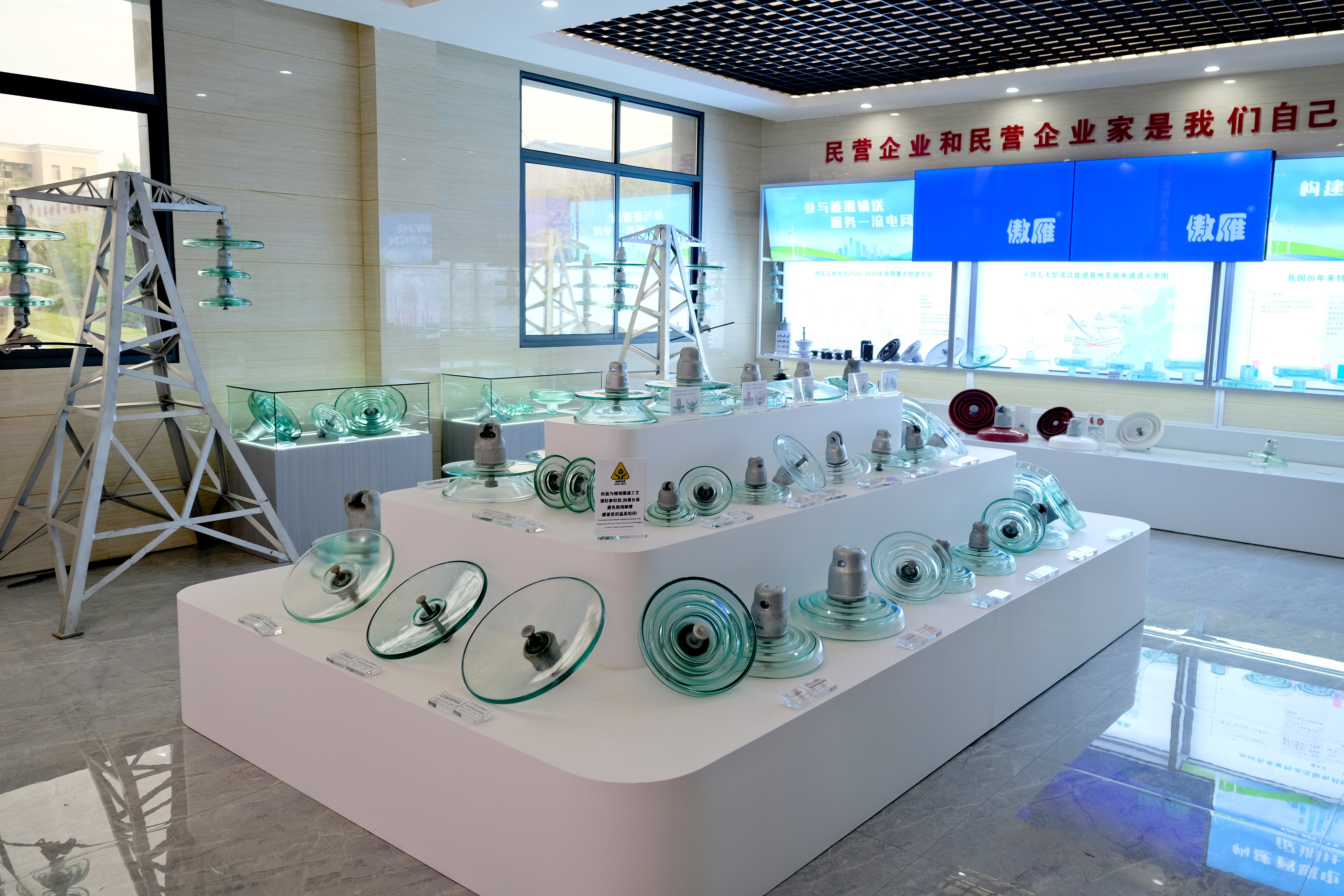
Download the product catalogue: QOCI Catalogue — Glass Insulators (PDF)
Email: admin@qocielectric.com | Tel: +86 079-9761-6589 | WhatsApp: +86 199-7997-1591
Website: www.quanxinelectric.com
Address: No. 6, Electric Porcelain Industrial Park, Luxi Industrial Zone, Pingxiang, Jiangxi, China
Have Questions or Need More Details?
Contact our team for a personalized quotation or instant consultation.
Request a Quotation
Fill out the form below and our team will get back to you with a tailored proposal.
WhatsApp Direct Chat
Prefer to chat in real-time? Message us on WhatsApp for instant assistance & quick answers.
- Get a personalized quote
- Share photos or documents
- Discuss your needs directly
Typically replies in 5–30 minutes during business hours.