
Porcelain Shackle vs Pin Insulators: ED-2B vs P-11-Y on 11 kV Lines
An 11 kV overhead distribution line is not insulated by one product. Every pole carries several insulator positions, and each position has its own voltage class, its own mechanical load path and its own hardware envelope. That is why the P-11-Y pin insulator and the ED-2B shackle insulator so often appear on the same bill of materials — and why treating them as interchangeable options is one of the most common specification errors in distribution projects.
This guide is a head-to-head decision comparison between two Jiangxi QOCI Electric Co., Ltd. products: the P-11-Y pin insulator and the ED-2B shackle insulator. Both are porcelain insulators built for overhead distribution work. Neither replaces the other, because the mechanics around them are different. Below, the published specifications are placed side by side, and the selection logic is reduced to the handful of numbers that actually decide the outcome.
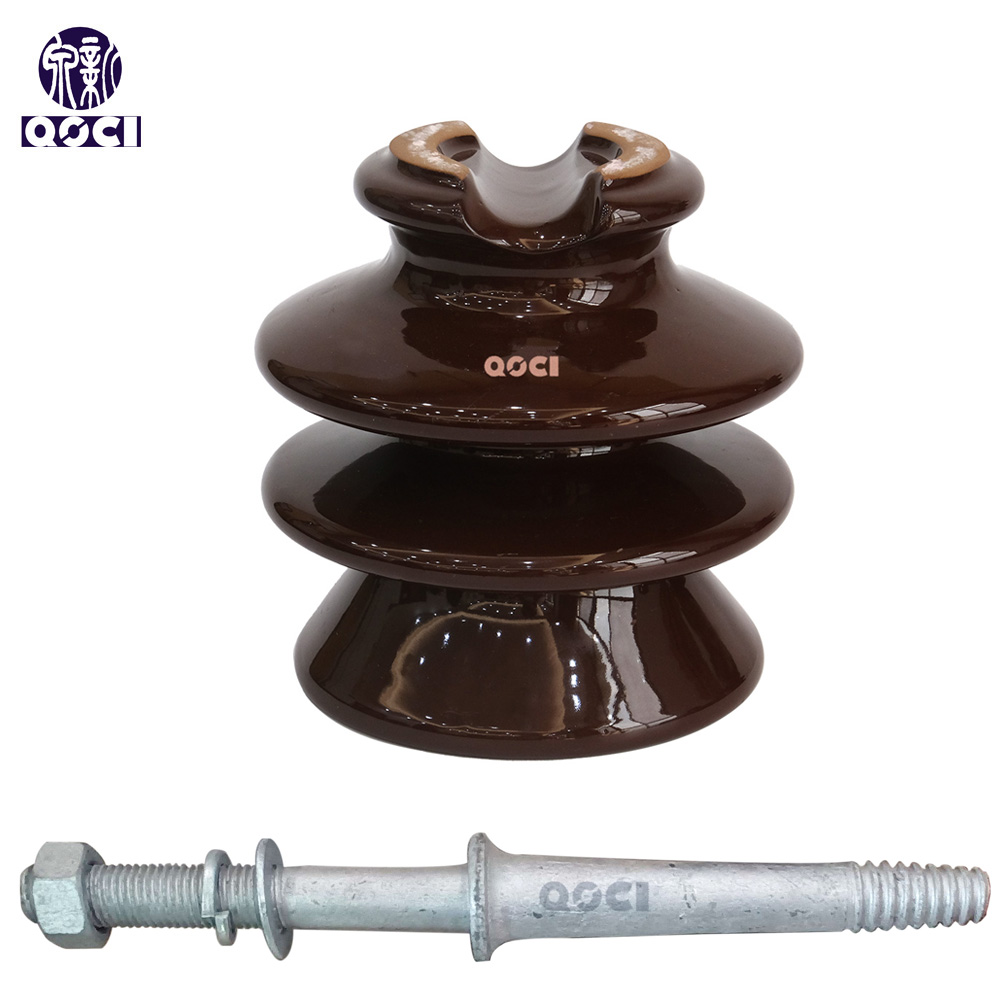
Short answer. The P-11-Y is an 11 kV pin-type distribution line insulator: rated mechanical load 10 kN, creepage distance 240 mm, maximum diameter 150 mm, total height 150 mm, power-frequency wet withstand voltage 50 kV, lightning impulse withstand voltage 90 kV, with a high-strength electrical porcelain body and a hot-dip galvanized forged steel pin. The ED-2B is a low-voltage distribution shackle (butterfly) insulator: mechanical tensile strength 13.5 kN, maximum diameter 90 mm, total height 76 mm, power-frequency wet withstand voltage 13 kV, dry withstand voltage 25 kV, in high-strength electrical porcelain.
Decision rule: choose the unit for the position on the pole, not for the headline voltage of the line.
Problem Definition: Why “One Insulator for 11 kV” Fails
The phrase “11 kV line” describes the nominal voltage of the primary conductor. It does not describe what every insulator on the pole must withstand, and it does not describe how each unit is loaded. Three mismatches appear as soon as buyers specify by line voltage alone.
- Voltage-class mismatch. A unit catalogued for low-voltage distribution cannot be moved onto an 11 kV primary position simply because the pin or tie fits. The P-11-Y is rated at 11 kV with a 50 kV power-frequency wet withstand voltage; the ED-2B is catalogued for low-voltage lines with a 13 kV power-frequency wet withstand. Those are different electrical duties.
- Load-path mismatch. A pin-type unit is loaded mainly in bending on the cross-arm pin, while a shackle unit’s stated figure is mechanical tensile strength taken along the conductor. A 10 kN rated mechanical load and a 13.5 kN mechanical tensile strength are not the same measurement, so they cannot be ranked against one another as if they were.
- Geometry mismatch. A 150 mm diameter × 150 mm high body and a 90 mm diameter × 76 mm high body need different cross-arm drilling, different tie-wire clearance and different storage and packing arrangements.
The practical consequence of getting this wrong is not cosmetic. Substituting a low-voltage class unit into a primary position puts flashover margin at risk; over-specifying every position drives cost and weight into the pole design; and mismatched records create problems at pre-shipment inspection, where acceptance is judged against the specification that was ordered.
Industry Background: Distribution Demand and the Standards That Govern It
Porcelain insulators remain a large, standards-driven market, and the demand is concentrated exactly where 11 kV distribution work happens. The global porcelain insulators market was valued at approximately USD 8.27 billion in 2023 and is projected to reach USD 15.04 billion by 2033, according to Spherical Insights. Asia-Pacific dominated the market with a revenue share of 49.4% in 2025, based on Mordor Intelligence data, and China was the world’s largest exporter of electrical insulators in 2024, accounting for 31.4% of total global exports, or approximately USD 898 million, according to the Observatory of Economic Complexity.
Overhead lines remain the dominant application: Mordor Intelligence reports that overhead transmission lines account for approximately 62.1% of global porcelain insulator revenue, with the substation segment projected to grow at a CAGR of 7.2% through 2031. For buyers, the trade channel is equally well defined — the primary HS code for porcelain electrical insulators is 8546.20, per the World Customs Organization.
The technical frame is set by standards. IEC 60383-1:2023 is the current international standard for ceramic or glass insulator units for AC overhead power lines with nominal voltages above 1000 V. North American projects frequently reference ANSI C29.1 for electrical power insulator test methods. Creepage distance is normally matched to the site pollution class defined in IEC 60815, and glaze quality is assessed against ceramic material requirements such as IEC 60672. Both the P-11-Y and the ED-2B sit inside this frame — one above 1000 V, one in the low-voltage distribution class.
Detailed Solution: What Each Unit Is Actually Built For
P-11-Y — the 11 kV primary position
The P-11-Y is a pin type porcelain insulator for distribution lines, produced by Jiangxi QOCI Electric Co., Ltd., a manufacturer established in December 2002 and a participating unit of the Insulator Standard Committee. Its published data reads as follows: rated voltage 11 kV; rated mechanical load 10 kN; maximum diameter 150 mm; total height 150 mm; creepage distance 240 mm; power-frequency wet withstand voltage 50 kV; lightning impulse withstand voltage 90 kV. The body is high-strength electrical porcelain, and the pin is hot-dip galvanized forged steel. Its catalogued applications are power distribution, rural electrification, overhead distribution lines and grid construction.
Three of those figures carry most of the decision weight. The 240 mm creepage distance is the surface leakage path that must be checked against the pollution severity of the site, because pollution class — not nominal voltage — usually forces an anti-pollution profile upgrade. The 50 kV wet withstand and 90 kV impulse withstand define the insulation margin under rain and under switching or lightning surges. The 10 kN rated mechanical load defines how much conductor tension and wind-induced bending the unit can be trusted to carry at the cross-arm.
ED-2B — the low-voltage distribution position
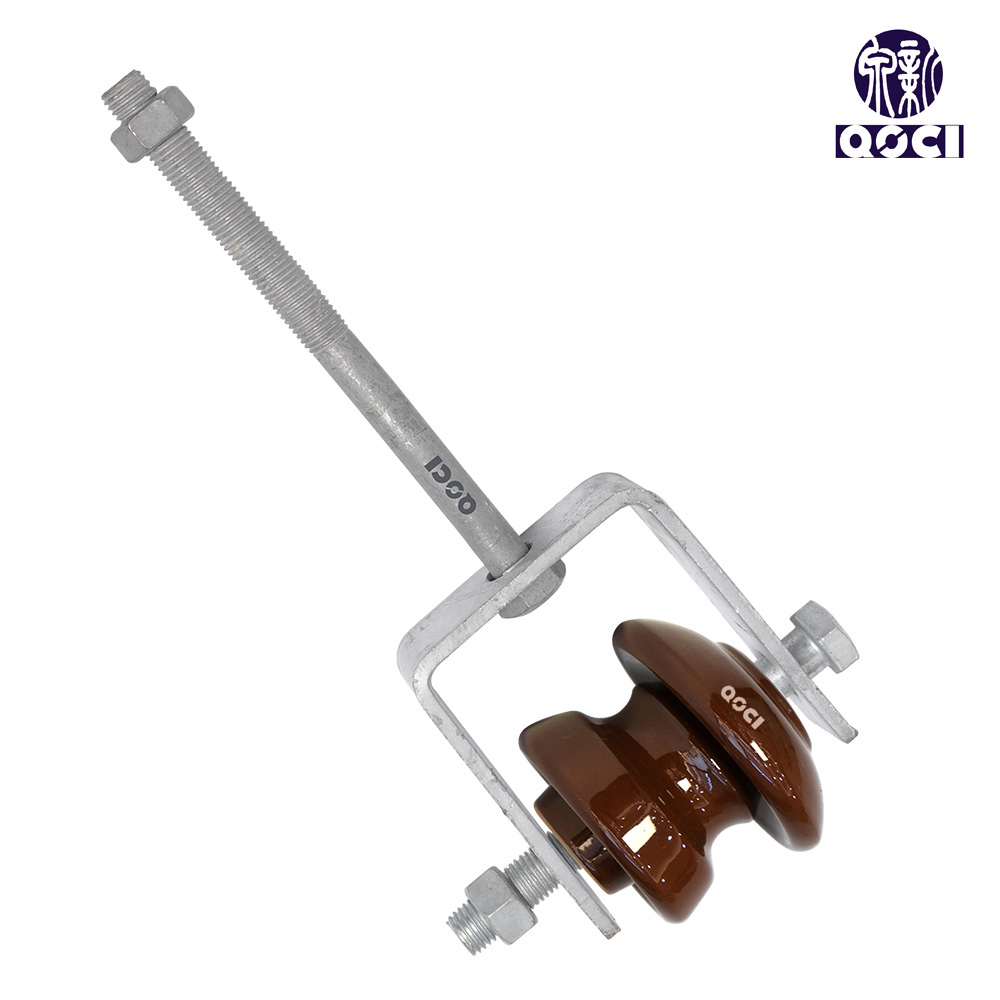
The ED-2B is a shackle insulator, also described as a butterfly insulator and catalogued as a low-voltage distribution insulator. Its published data is: mechanical tensile strength 13.5 kN; maximum diameter 90 mm; total height 76 mm; power-frequency wet withstand voltage 13 kV; power-frequency dry withstand voltage 25 kV. The body material is high-strength electrical porcelain, and its catalogued industries are power distribution, low-voltage lines, rural electrification and overhead distribution lines.
Two points deserve emphasis. First, the ED-2B is a low-voltage class unit: the 13 kV wet withstand figure places it in secondary and service-level duty, not on an 11 kV primary conductor. On an 11 kV pole it therefore belongs to the low-voltage side of the structure — secondary runs, service connections and similar positions — which is precisely why it can legitimately appear on the same pole as a P-11-Y without competing with it.
Second, the available specification for the ED-2B does not state a creepage distance. That is not a defect in the product; it is an information gap that a buyer must close before ordering, because creepage distance is one of the two or three parameters that decide whether a unit suits a polluted site. Any project treating the ED-2B as an anti-pollution choice should obtain the creepage figure and the pollution class recommendation from the manufacturer in writing.
The mechanics that decide: load direction, not load number
Comparing 10 kN with 13.5 kN directly is a mistake that survives in a lot of procurement documentation. A pin insulator’s rated mechanical load is a bending duty applied at the pin and the conductor groove on a cross-arm. A shackle insulator’s mechanical tensile strength is taken in the direction of the conductor, with the unit held against the structure by a tie wire. Different load direction means different failure modes: pin units fail by body or pin fracture under cantilever load, shackle units fail at the tie, the groove, or the body under tensile load.
That is the whole reason the assigned question is not “which insulator is stronger” but “which insulator is correct at this position”. The higher number does not win; the correctly loaded unit wins.
Comparison Table: ED-2B vs P-11-Y on Published Specifications
| Parameter | P-11-Y | ED-2B |
|---|---|---|
| Insulator type | Pin type insulator / distribution line insulator | Shackle insulator / butterfly insulator / low-voltage distribution insulator |
| Rated voltage | 11 kV | Not stated in the available specification (catalogued as low-voltage distribution) |
| Mechanical rating | Rated mechanical load: 10 kN | Mechanical tensile strength: 13.5 kN |
| Creepage distance | 240 mm | Not stated in the available specification — confirm with the manufacturer |
| Maximum diameter | 150 mm | 90 mm |
| Total height | 150 mm | 76 mm |
| Power-frequency wet withstand voltage | 50 kV | 13 kV |
| Power-frequency dry withstand voltage | Not stated in the available specification | 25 kV |
| Lightning impulse withstand voltage | 90 kV | Not stated in the available specification |
| Body material | High-strength electrical porcelain | High-strength electrical porcelain |
| Metal fitting | Hot-dip galvanized forged steel pin | Not stated in the available specification |
| Catalogued industries | Power distribution, rural electrification, overhead distribution lines, grid construction | Power distribution, low-voltage lines, rural electrification, overhead distribution lines |
Read the table as a position map rather than a scoreboard. Where a cell says the value is not stated, the correct action is a documented confirmation request — not an assumption. Two units can share a body material and still sit in completely different electrical classes.
Step-by-Step Breakdown: A Seven-Step Selection Sequence
- Define the position before the product. List every insulator position on the pole: primary cross-arm, primary tie-in, low-voltage secondary, service drop, stay position. Assign each one an electrical duty. Only then match products to positions.
- Fix the electrical class. For an 11 kV primary conductor, the P-11-Y’s 11 kV rating, 50 kV wet withstand and 90 kV impulse withstand are the reference figures. For low-voltage secondary and service positions, the ED-2B’s low-voltage class and 13 kV wet withstand apply.
- Fix the load direction. Confirm whether the position loads the unit in bending (pin duty) or in tension (shackle duty). Do not compare a 10 kN rated mechanical load with a 13.5 kN mechanical tensile strength as though they share a scale.
- Check the dimensional envelope. A 150 mm diameter, 150 mm high unit and a 90 mm diameter, 76 mm high unit do not share the same cross-arm drilling, tie-wire clearance or packing envelope. Confirm the pin length, hole diameter and clearances against the pole hardware drawing.
- Match creepage distance to pollution class. The P-11-Y publishes 240 mm. The ED-2B creepage figure must be obtained. Creepage selection is normally made against site pollution severity per IEC 60815, and in heavy industrial or coastal salt-fog conditions an anti-pollution profile with extended creepage distance may be required instead of the standard profile.
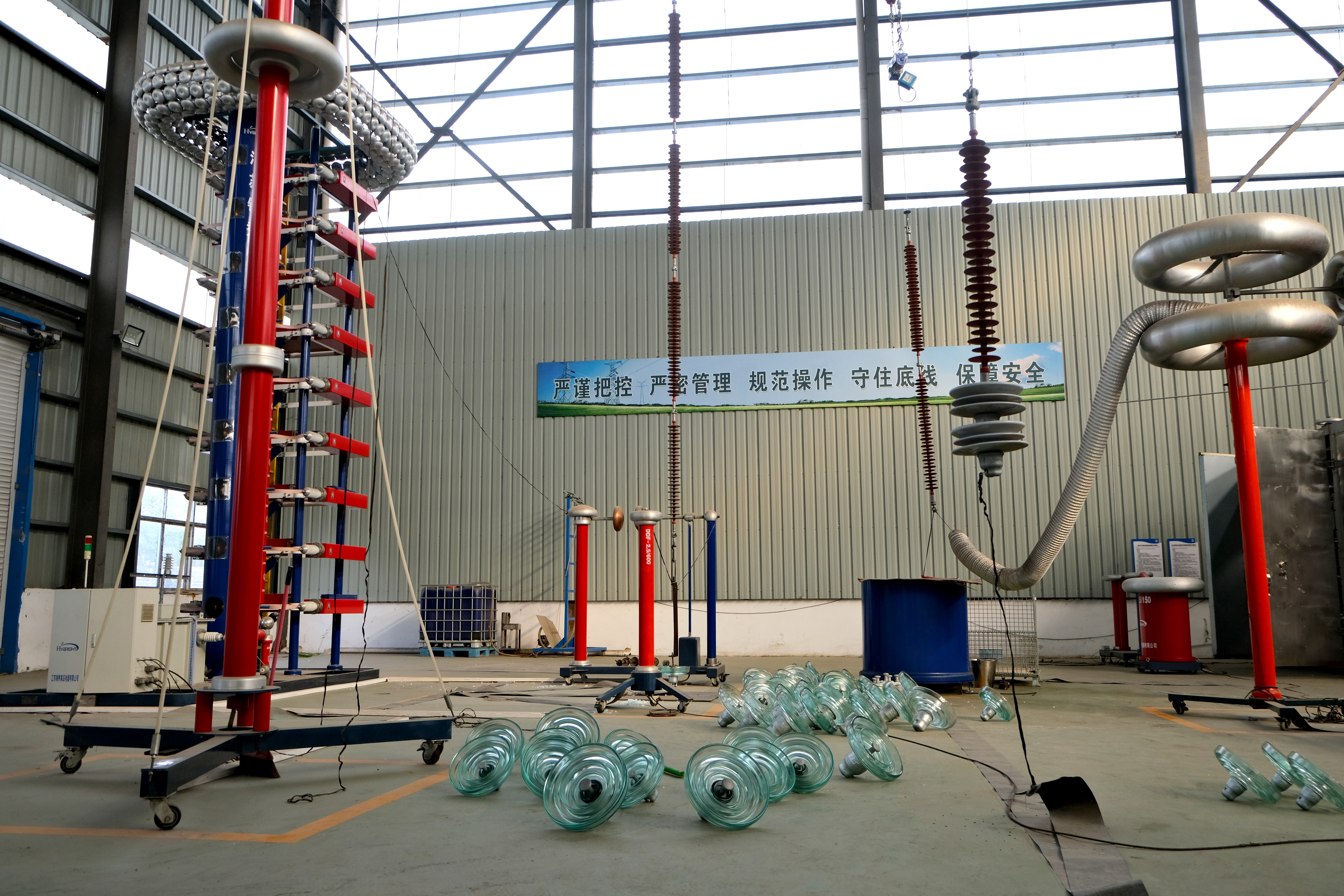
- Verify the quality evidence, not just the datasheet. Ask for the crack-detection regime — 100% dye penetration testing on individual units is the benchmark, versus batch sampling. Confirm glaze quality against IEC 60672 material requirements, the cement joint sealing process against moisture ingress, and the kiln technology behind the body. For severe corrosion conditions, a zinc sleeve is specified to slow rusting and extend insulator string service life.
- Plan the verification and the repeat order together. Agree the pre-shipment inspection and acceptance criteria before production, and standardise the position-to-model mapping so that the next order repeats the same references. Under a properly managed programme, porcelain insulators typically deliver a service life of 20–25 years in normal conditions, with shorter effective life in heavy pollution or extreme climates — which is why periodic live-line testing every 3–5 years matters. Porcelain units can develop zero-value degradation without any visible external change, so visual inspection alone is not a detection method.
Use Cases: Where Each Unit Earns Its Place
Rural electrification and long overhead distribution runs. Both units are catalogued for rural electrification and overhead distribution lines. A typical structure uses the P-11-Y on the 11 kV primary conductor, with shackle-type low-voltage units handling the secondary side of the same pole. This keeps the insulation class consistent with the conductor it protects.
Coastal salt-fog and industrial pollution zones. Here the deciding parameter is creepage distance matched to pollution class, not the nominal voltage. The P-11-Y’s published 240 mm creepage distance is the starting figure for that assessment, and anti-pollution profile options should be evaluated where the site class demands it. Zinc sleeves are specified in severely corrosive service conditions to slow rusting and extend the life of the insulator string.
Grid construction and upgrade programmes with mixed voltage structures. Where a utility replaces cross-arms rather than rebuilds, dimensional checks decide quickly. A 150 mm diameter unit and a 90 mm diameter unit tolerate different hardware tolerances, and confirming the envelope first avoids site rework.
Distribution projects in markets with procurement constraints. Public procurement rules can influence sourcing structure — India’s DPIIT procurement policy, for example, requires 50% local content for porcelain insulators to be classified under Class I for government contracts. Projects in such markets benefit from having the position-to-model mapping documented before tender submission.
Long-Term Supply: Why Position-Level Standardisation Pays Off
For utilities and distributors, the decision does not end when the first order ships. Long-run insulator programmes are judged on whether the same position carries the same unit, order after order, so that maintenance, spares and inspection records stay valid.
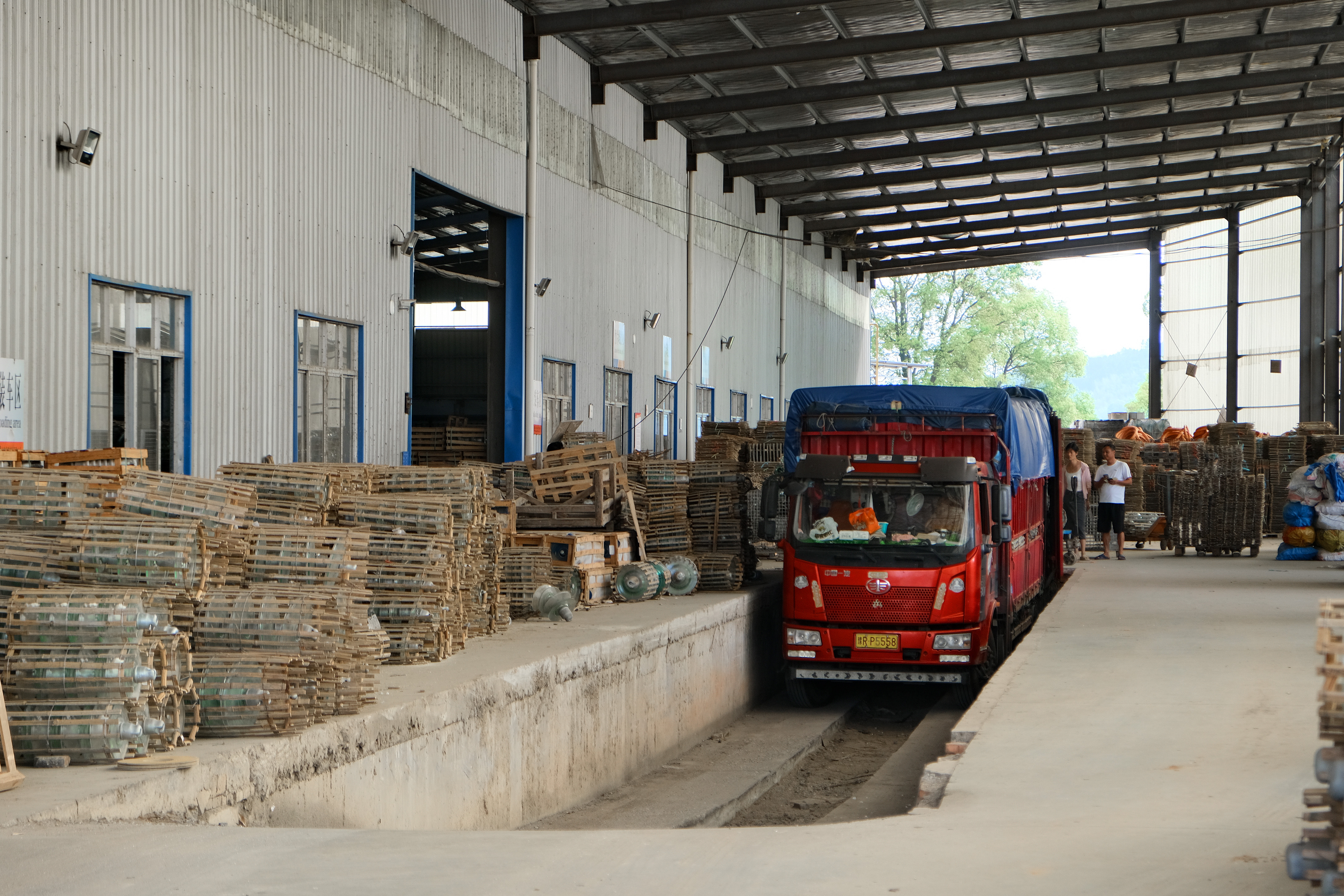
Jiangxi QOCI Electric Co., Ltd. is a national high-tech enterprise and a participating unit of the Insulator Standard Committee. The company was established in December 2002, has a registered capital of 5.08 billion yuan, and operates from a 35,373 m² facility with an annual output of 9,000,000 units and a 38-engineer technical team. Its product range covers line post porcelain insulators, porcelain pin insulators, shackle insulators, AC disc-shaped suspension porcelain insulators, and both porcelain and glass insulators produced on automated and intelligent production lines. Products are used in power grid projects in over 40 countries and regions, and the company serves markets in the USA, Asia, the EU, Africa and South America, with an export ratio of 20%.
That combination — a range that covers both the pin position and the low-voltage shackle position, plus a documented production and testing environment — is what makes a two-product bill of materials manageable from a single source instead of two. For a long-term programme, the practical checklist is: stable specification control across units and batches; 100% dye penetration testing rather than sampling; documented glaze and cement joint processes; a creepage distance figure available for every catalogued model; and verification of the repeat-order schedule against programme volumes.
FAQ
Which standard applies when specifying an 11 kV porcelain pin or shackle insulator?
IEC 60383-1:2023 is the current international standard for ceramic or glass insulator units for AC overhead power lines with nominal voltages above 1000 V, and North American projects commonly reference ANSI C29.1 for electrical power insulator test methods. Creepage distance selection is normally made against site pollution class per IEC 60815, and glaze quality is assessed against ceramic material requirements such as IEC 60672. Buyers should request model-specific test reports — crack detection, glaze inspection, and electrical withstand tests — rather than relying on a catalogue statement, and should confirm that the acceptance criteria are agreed before production starts.
Can one manufacturer supply both the pin position and the low-voltage shackle position for a long programme?
Jiangxi QOCI Electric Co., Ltd. produces line post porcelain insulators, porcelain pin insulators, shackle insulators and AC disc-shaped suspension porcelain insulators, alongside glass insulators, on automated and intelligent production lines. The company operates a 35,373 m² facility with an annual output of 9,000,000 units and a 38-engineer technical team, and its products are used in power grid projects in more than 40 countries and regions, with an export ratio of 20%. A single source covering both positions reduces the risk of mismatched specification records across a multi-year programme.
What are the standard purchasing terms?
For reference, the stated commercial terms are: MOQ 50 units; delivery terms FOB Shenzhen; acceptance criteria based on pre-shipment test with third-party inspection (SGS); and payment terms of 30% deposit by T/T before production with 70% balance by T/T before delivery. Buyers should confirm these terms against the specific model, quantity and destination before committing to a programme schedule.
What should be checked on a sample unit before a bulk order?
Inspect each unit for glaze defects, cracks and cement joint integrity, since moisture ingress through a degraded cement joint is a known failure path. Verify the dimensions against the ordered specification: the P-11-Y publishes a 150 mm maximum diameter, 150 mm total height and 240 mm creepage distance; the ED-2B publishes a 90 mm maximum diameter and 76 mm total height. For the ED-2B, obtain the creepage distance in writing, because it is not stated in the available specification. Check that fittings, pins and locking hardware align correctly, and perform an insulation resistance test before energising a line — a megger test detects zero-value units that look normal visually.
How do utilities select a long-term porcelain insulator manufacturer for utility supply?
Screen suppliers on specification discipline first: a published figure for every catalogued parameter, crack detection coverage at 100% dye penetration rather than batch sampling, documented glaze and cement joint processes, and reference experience in comparable climate and pollution conditions. Capacity and continuity come next — a manufacturer with established output can hold a repeat-order schedule, and a 20–25 year typical service life means the supply relationship outlives the original buyer. It also helps to select a manufacturer that already covers several positions in the same pole design. To move from evaluation to execution, you can request a quotation or a product catalogue from Jiangxi QOCI Electric Co., Ltd. at admin@qocielectric.com, or review the full range at www.quanxinelectric.com.
Conclusion: Choose by Position, Confirm by Evidence
The ED-2B and the P-11-Y are both porcelain insulators, both built for overhead distribution work, and both catalogued for rural electrification and power distribution. They are not alternatives to one another. The P-11-Y is the 11 kV pin-type unit — 10 kN rated mechanical load, 240 mm creepage distance, 50 kV wet withstand, 90 kV impulse withstand. The ED-2B is the low-voltage distribution shackle unit — 13.5 kN mechanical tensile strength, 90 mm diameter, 76 mm height.
Project-specific mechanics dictate the choice, in this order: position on the pole, electrical class, load direction, dimensional envelope, creepage matched to pollution class, and verifiable quality evidence. Buyers who fix the first two and confirm the last one will rarely make an expensive mistake on the middle three.
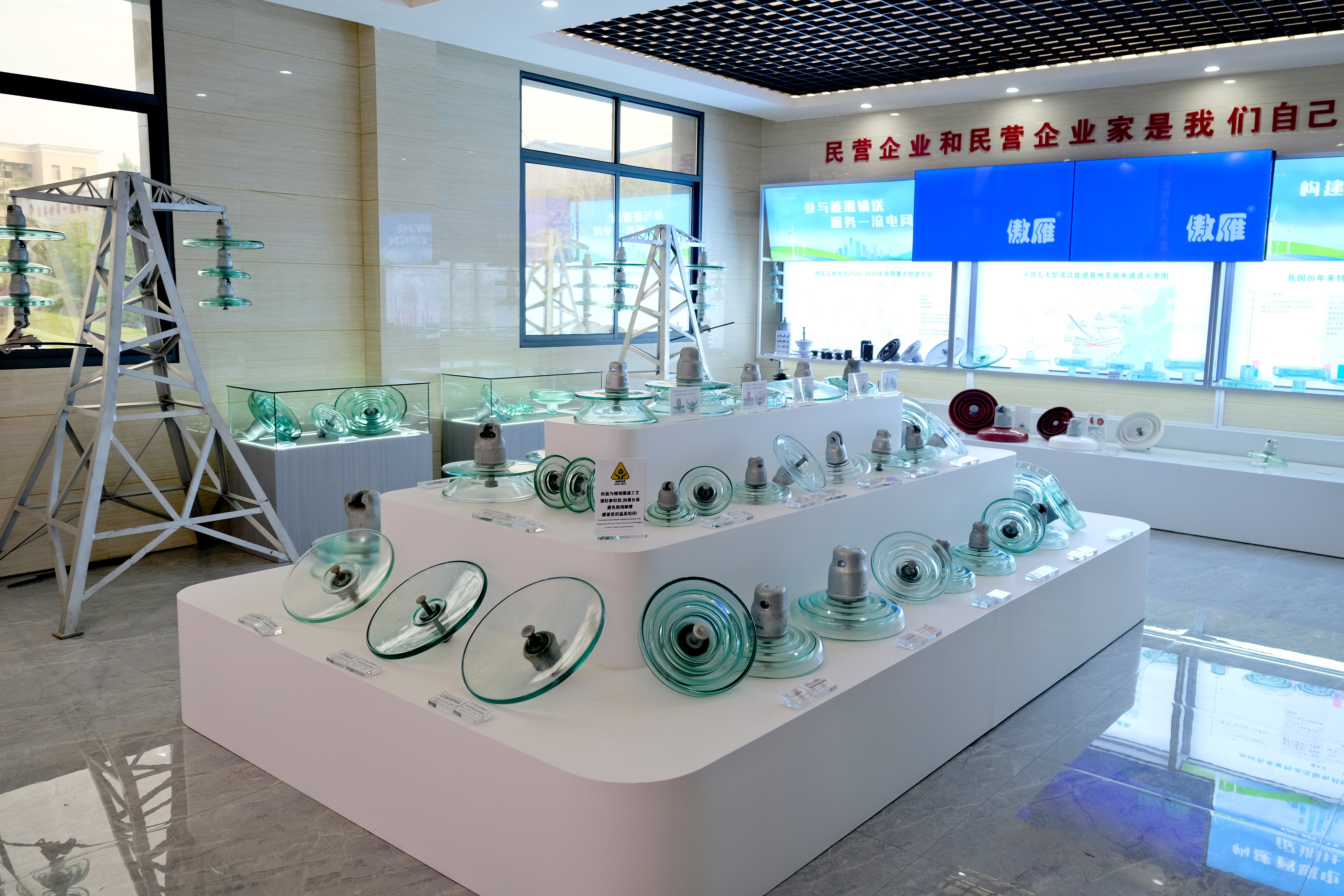
Next Step: Confirm the Specification Against Your Pole Design
Send the position list, the conductor size and the site pollution class, and request the P-11-Y and ED-2B data together with the creepage distance confirmation for the low-voltage unit. A catalogue covering the full porcelain and glass insulator range is available for download.
Download the QOCI insulator catalogue (PDF)
Email: admin@qocielectric.com | Website: www.quanxinelectric.com | WhatsApp: +86 199-7997-1591
Have Questions or Need More Details?
Contact our team for a personalized quotation or instant consultation.
Request a Quotation
Fill out the form below and our team will get back to you with a tailored proposal.
WhatsApp Direct Chat
Prefer to chat in real-time? Message us on WhatsApp for instant assistance & quick answers.
- Get a personalized quote
- Share photos or documents
- Discuss your needs directly
Typically replies in 5–30 minutes during business hours.