
Porcelain Suspension Insulator OEM: Utility-Grade Sourcing and Customization
Utility projects that rely on OEM porcelain insulator suppliers need to verify more than catalog photos. The quality of an overhead line often depends on how the manufacturer handles specification, testing, and field experience. This article explains what to look for in a porcelain suspension insulator OEM partner, with a focus on Jiangxi QOCI Electric Co., Ltd.
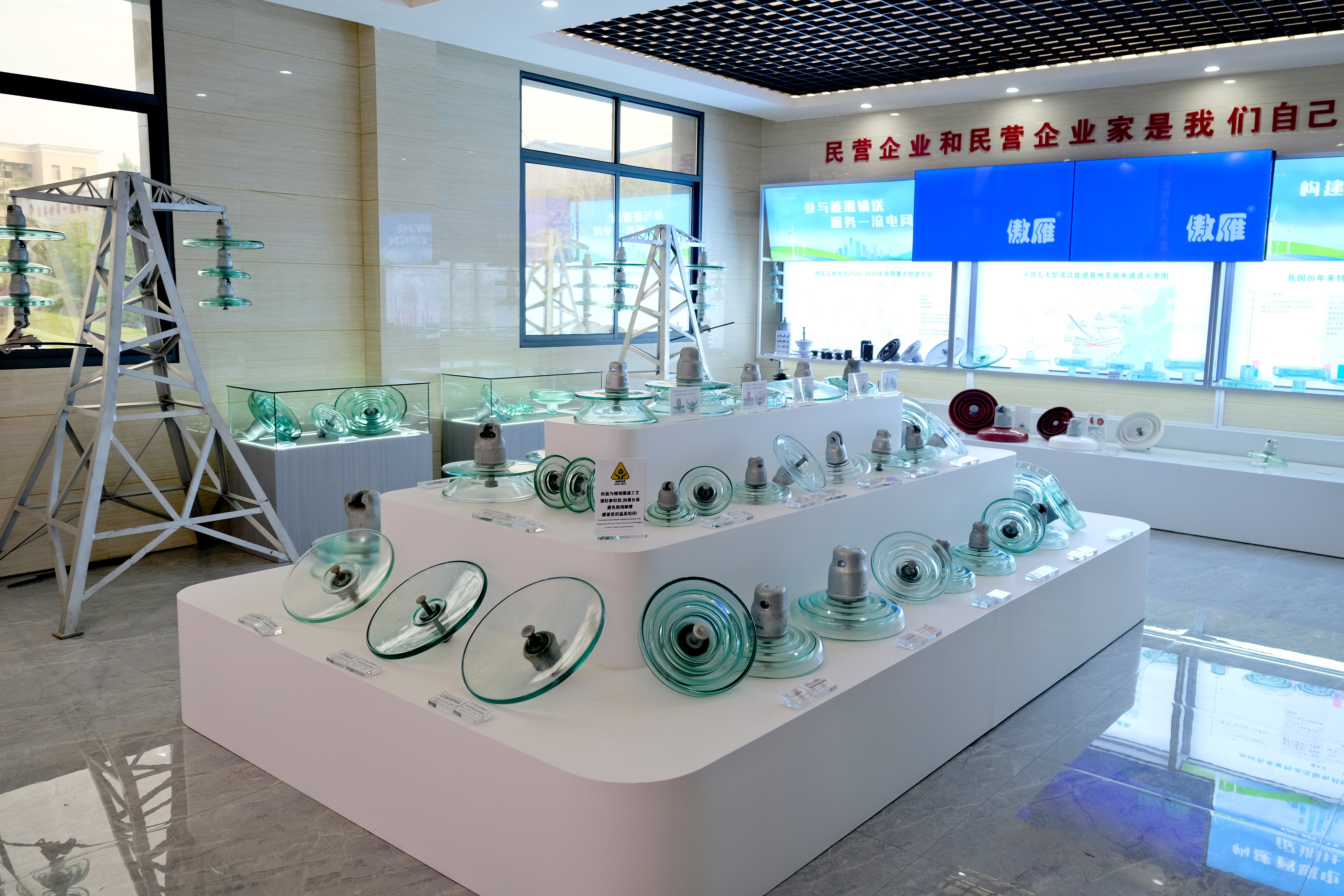
Why OEM porcelain suspension insulator sourcing is a decision point
Porcelain suspension insulators are ceramic insulator units used to support and separate energized conductors from grounded structures in overhead power lines. In utility projects, they are usually procured as part of a larger transmission or distribution package. An OEM order can involve custom voltage rating, logo marking, packaging, and test documentation. The risk is not only whether the insulator fits the installation, but whether every unit in a batch has the same mechanical and electrical performance.
Common problems in the field include zero-value degradation, moisture ingress through cement joints, and pollution flashover. None of these problems is easy to detect visually. Therefore, the sourcing decision should be based on verifiable manufacturing processes and project references, not only on a printed specification sheet.
An OEM porcelain insulator manufacturer for utility projects should be able to explain how it controls raw material quality, forming, glazing, firing, mechanical assembly, and final inspection. If the manufacturer cannot describe these steps with measurable commitments, the buyer is left with an unverified product.
Industry background: porcelain insulator demand is still expanding
The global porcelain insulators market was valued at approximately USD 8.27 billion in 2023 and is projected to reach USD 15.04 billion by 2033, according to Spherical Insights. Mordor Intelligence reports that Asia-Pacific accounted for a revenue share of 49.4% in 2025 and that overhead transmission lines generate approximately 62.1% of global porcelain insulator revenue. The Observatory of Economic Complexity notes that China was the world's largest exporter of electrical insulators in 2024, representing 31.4% of total global exports or about USD 898 million.
In this context, a manufacturer located in China can be part of a global supply chain. Jiangxi QOCI Electric Co., Ltd., established in December 2002 in Pingxiang City, Jiangxi Province, is a national high-tech enterprise and a participating unit of the Insulator Standard Committee. The company focuses on automated production of glass and porcelain insulators and supplies power grid construction projects in more than 40 countries and regions.
Buyers evaluating porcelain insulator suppliers should also be aware of the applicable standards. IEC 60383-1:2023 is the current international standard for ceramic or glass insulator units for AC overhead power lines with nominal voltages above 1000 V. In North America, ANSI C29.1 specifies test methods for electrical power insulators, including wet-process porcelain types. These standards give buyers a common language for comparing test reports.
OEM and ODM porcelain insulator production: what the manufacturer should provide
Jiangxi QOCI Electric Co., Ltd. produces AC and DC insulators, including porcelain insulators, glass insulators, line post porcelain insulators, porcelain pin insulators, shackle insulators, and AC disc-shaped suspension porcelain insulators. For OEM buyers, the company provides OEM and ODM production services. This means the manufacturer can build according to the buyer's specification or take responsibility for adapting a design to a project requirement. The confirmed customization scope includes voltage and logo.
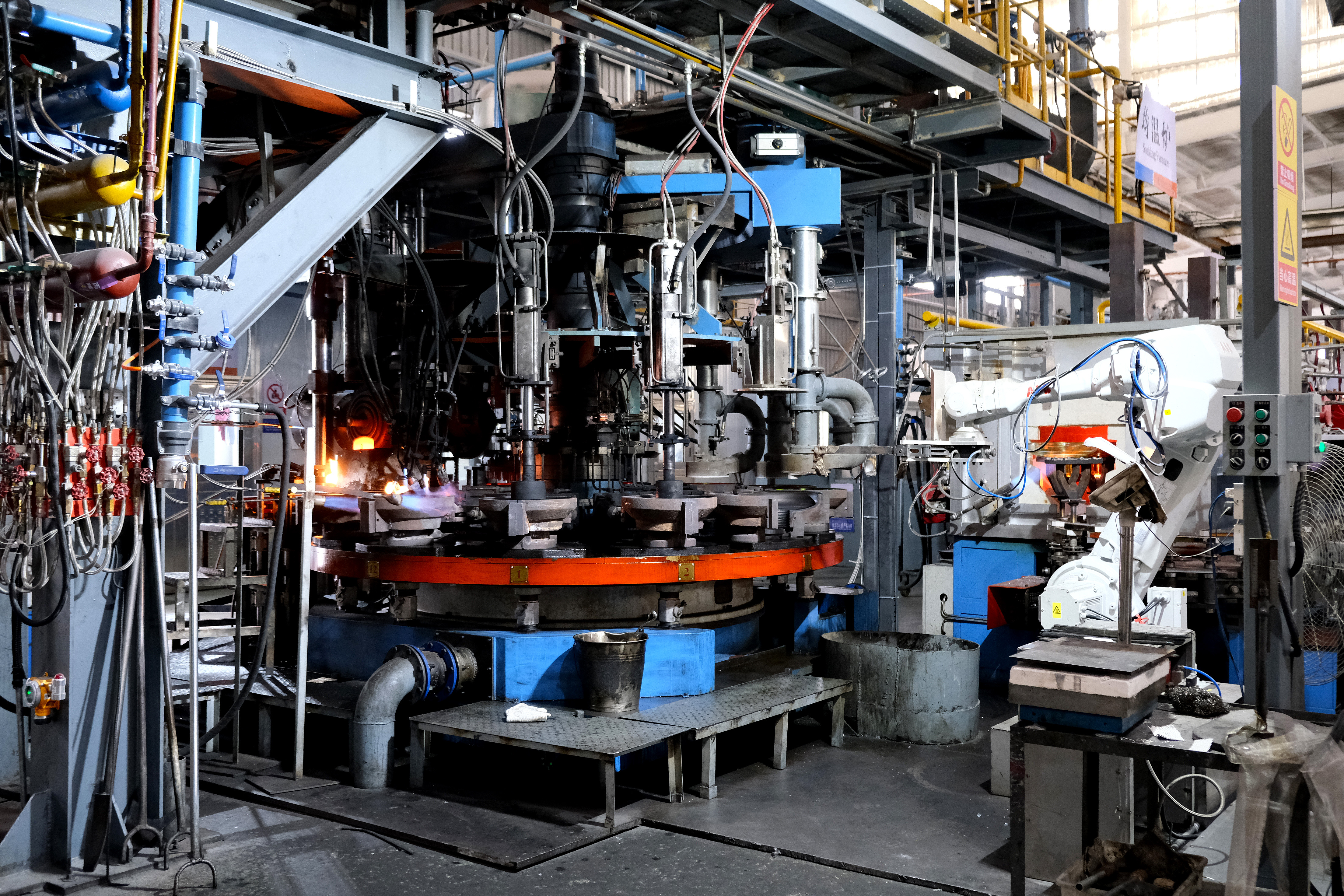
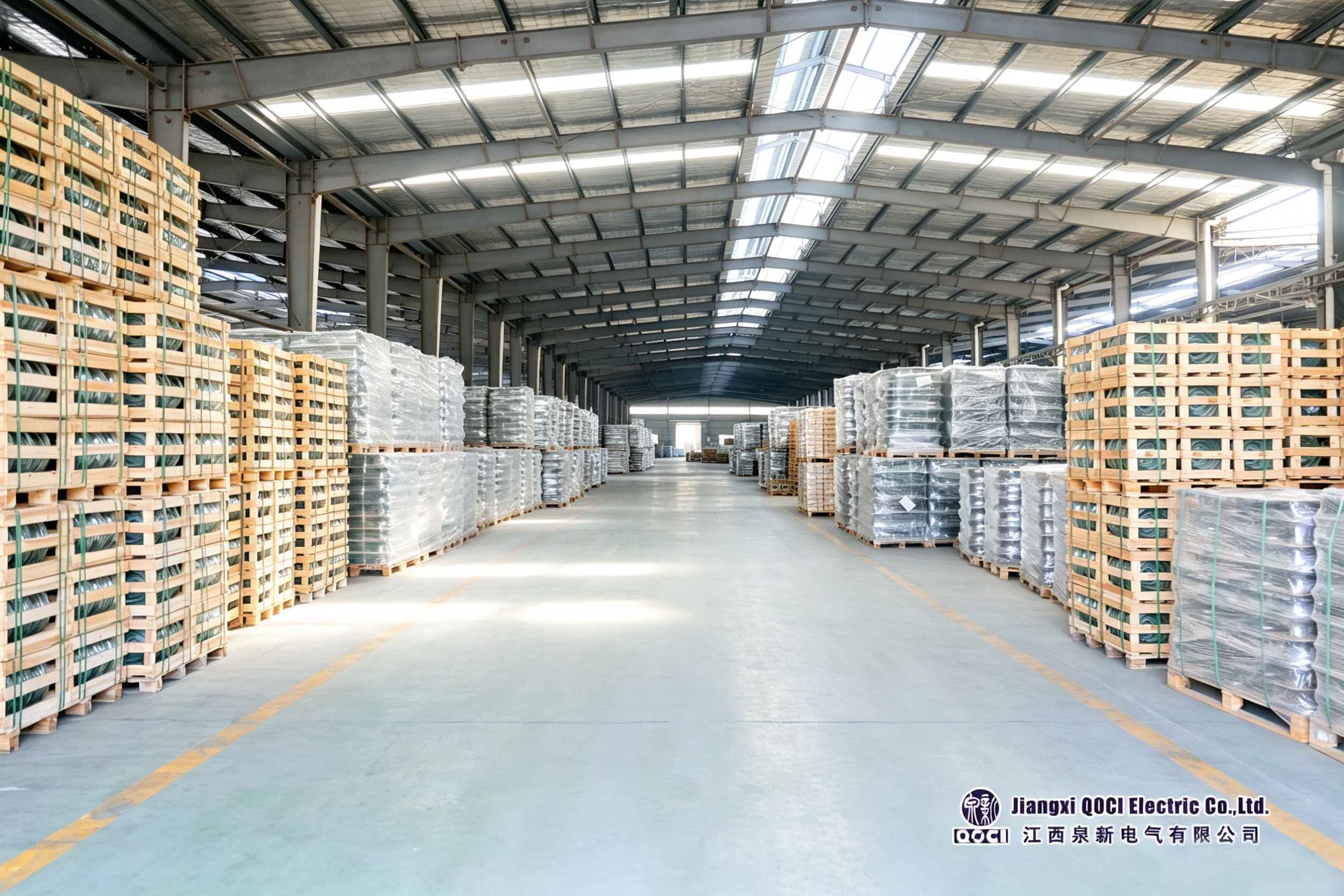
QOCI Electric operates a factory area of 35,373 m², with 138 employees and 38 engineers in the R&D team. Annual output is 9,000,000 units. Monthly production capacity for insulator orders is 750,000 units. The company's export ratio is approximately 20%, and export markets include the USA, Asia, the EU, Africa, and South America.
From a quality-control perspective, the manufacturer states 100% pre-shipment testing and can arrange third-party inspection by SGS. Acceptance is based on pre-shipment tests and third-party inspection. After-sales support includes online technical assistance and replacement for defective products. These facts matter for a utility project because they determine how quickly problems can be identified and corrected before a large batch is shipped.
Capability checklist for OEM porcelain insulator manufacturers
- OEM and ODM production services
- Voltage and logo customization
- Monthly capacity of 750,000 units
- Lead time of 15 to 35 days
- MOQ from 50 units
- 100% pre-shipment testing
- Third-party inspection, including SGS
- Online technical support and replacement for defective products
Management-system certifications to request
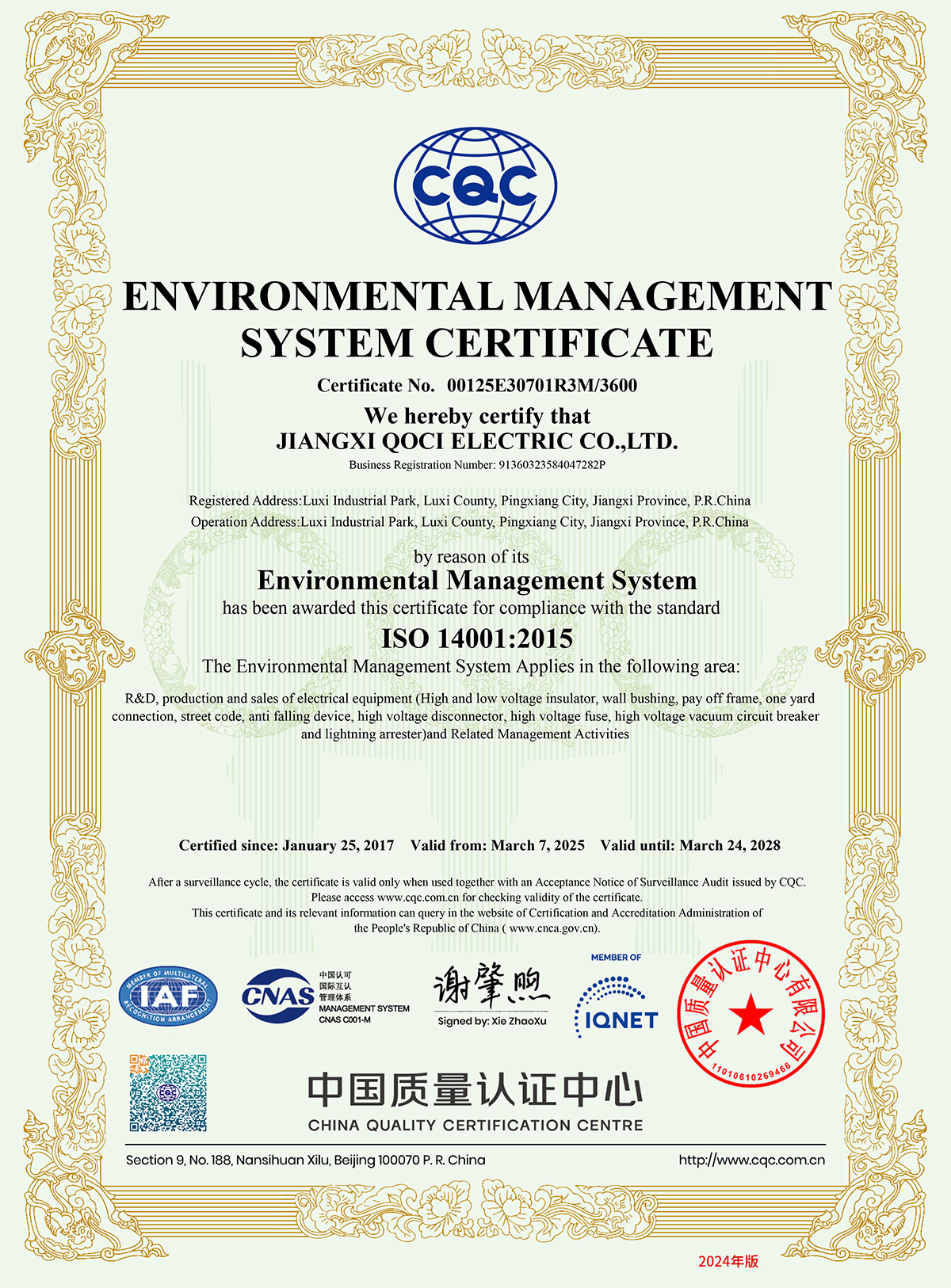
QOCI Electric holds an ISO 45001 occupational health and safety management system certificate and an ISO 14001 environmental management system certificate. Both are issued by China Quality Certification Centre. The ISO 14001 certificate number is 00125E30701R3M/3600, and the ISO 45001 number is 00125S30581R3M/3600. These certificates cover R&D, production, and sales of high- and low-voltage insulators and related electrical equipment. For international bidding, such documents help demonstrate that production is managed under recognized systems.
Step-by-step sourcing workflow for OEM porcelain suspension insulators
Step 1: Define the electrical and mechanical specification
Begin with system voltage, mechanical load, maximum diameter, height, creepage distance, and withstand voltage. If the project specification already contains an approved drawing, send it to the manufacturer before requesting a quote. If not, ask the manufacturer to recommend a porcelain insulator type based on the site environment.
Step 2: Verify standards and certification coverage
Request test reports and certificate details, not just a general declaration of compliance. Current standards include IEC 60383-1:2023 for ceramic or glass insulator units for overhead AC lines above 1000 V, and ANSI C29.1 for test methods in North America. For low-voltage distribution products such as shackle insulators, confirm the applicable national specification as well.
Step 3: Review quality control coverage
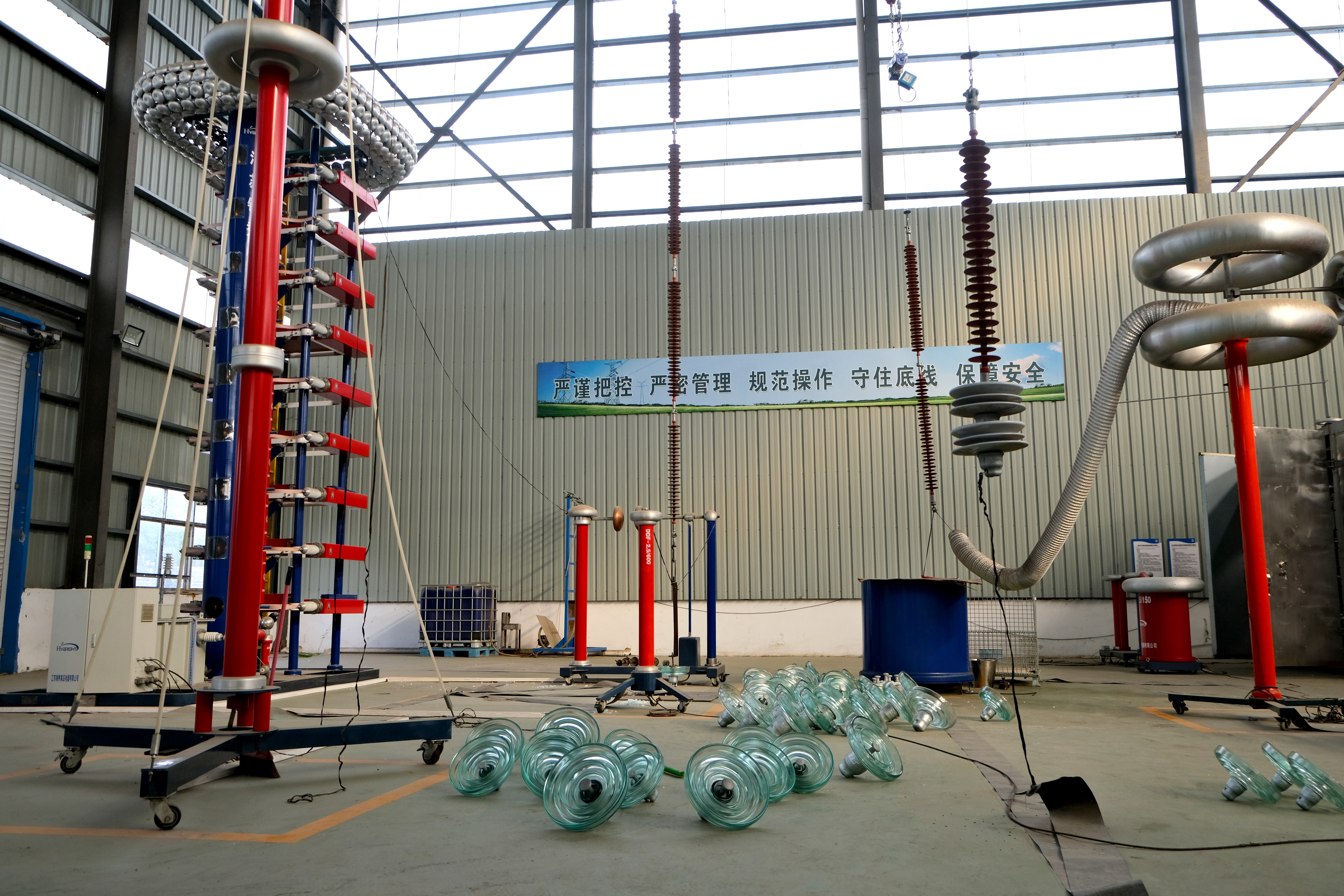
Ask whether every unit receives a pre-shipment test or only a sample is tested. Jiangxi QOCI Electric states 100% pre-shipment testing and supports third-party SGS inspection. For porcelain insulators, the supplier should also be able to explain dye penetration testing, thermal cycling, and mechanical load verification. This part of the audit separates a component supplier from a utility-grade OEM partner.
Step 4: Confirm OEM/ODM scope
Clarify whether the manufacturer provides OEM, ODM, or both, and exactly which elements can be customized. QOCI Electric provides OEM and ODM production and supports customization for voltage and logo. This allows a buyer to match the product marking and electrical class to the project specification.
Step 5: Check capacity and lead time
For a project order, the manufacturer's monthly capacity affects scheduling. QOCI Electric's capability profile shows monthly capacity of 750,000 units and lead time of 15 to 35 days. The minimum order quantity is 50 units. This structure supports both sample verification and larger utility batch delivery through one supplier.
Step 6: Set commercial and inspection terms
Confirm delivery method, payment terms, and acceptance. QOCI Electric lists delivery as FOB Shenzhen, payment as 30% deposit by T/T before production and 70% balance by T/T before delivery, and acceptance by pre-shipment test or third-party inspection. These terms reduce ambiguity when a batch is ready for release.
Step 7: Plan after-sales and field support
Ask what happens if a defect is found after arrival. QOCI Electric offers online technical support and replacement for defective products. For long infrastructure programs, this point should be included in the purchase agreement.
Use cases: porcelain insulators in utility and distribution projects
Porcelain insulators are used across overhead transmission lines, distribution networks, rural electrification, and substations. In QOCI Electric's portfolio, the P-11-Y porcelain pin insulator is an 11 kV distribution line insulator, while the ED-2B porcelain shackle insulator is used in low-voltage distribution applications. The product range also includes AC disc-shaped suspension porcelain insulators, which are normally assembled into strings for overhead transmission.
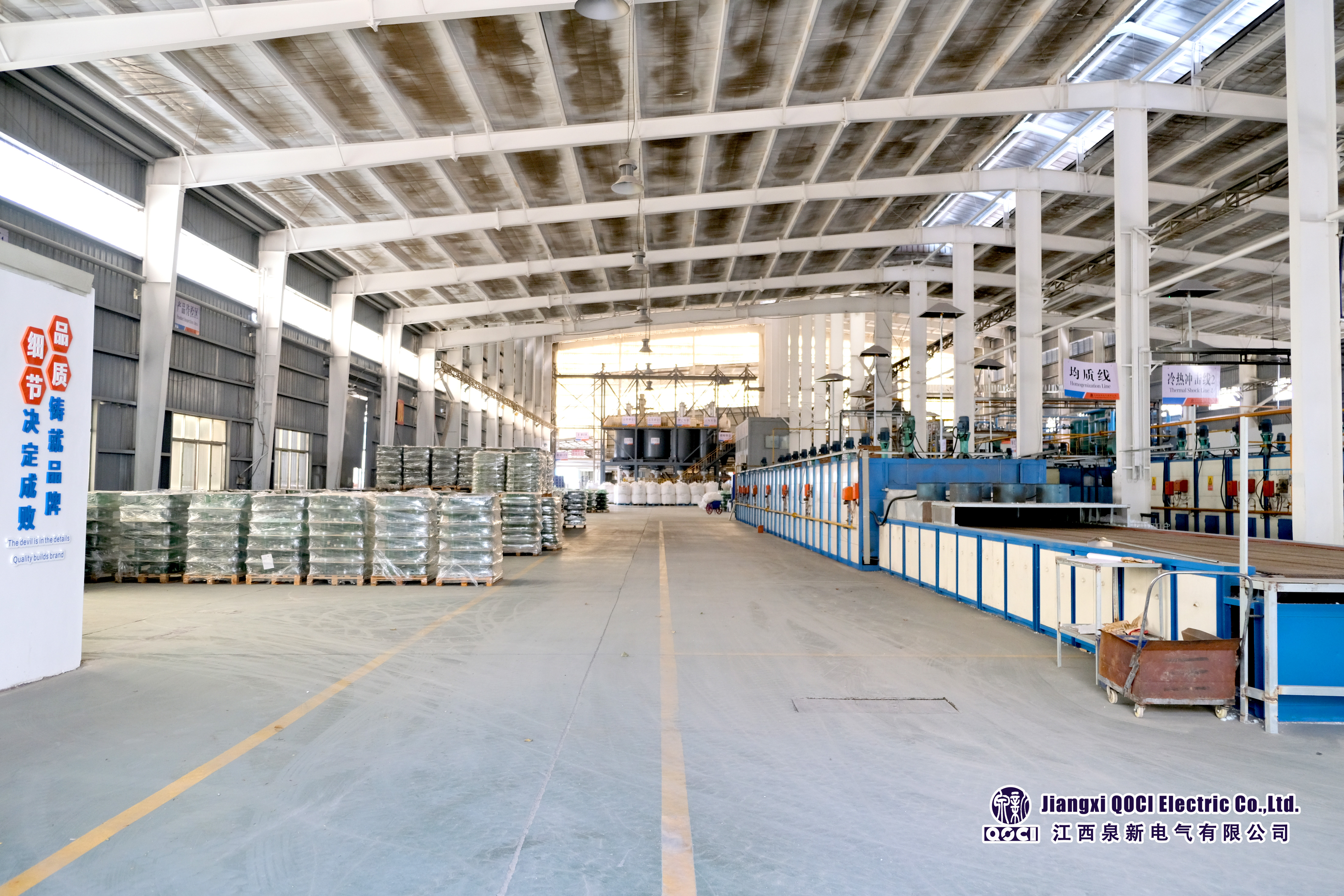
One documented project involved a national power utility and distribution EPC contractor across Sri Lanka, Egypt, and Ukraine. Over three years, the project used 60,000 porcelain insulator units, with 10,000 units for Sri Lanka, 40,000 for Egypt, and 10,000 for Ukraine. The application focused on coastal and inland tropical distribution line insulation and monsoon region grid reinforcement. The reported result compared with a previous composite insulator batch: salt fog flashover incidents reduced by 60%, zero UV degradation was observed, maintenance cost was reduced by 50%, and the replacement rate stayed under 2% over three years. Porcelain units were selected because the material is chemically inert to salt and monsoon corrosion, has a proven long-field track record in tropical climates, and avoids UV or hydrophobicity degradation concerns. The initial cost was reported as 20% lower than the composite alternative.
Porcelain insulator reference comparison
The following table compares two porcelain insulator models in the QOCI Electric portfolio. It is included as a reference for buyers matching a product type to a project requirement.
| Attribute | P-11-Y Porcelain Insulator | ED-2B Porcelain Insulator |
|---|---|---|
| Type | Pin Type Insulator, Porcelain Insulator, Distribution Line Insulator | Shackle Insulator, Butterfly Insulator, Low-Voltage Distribution Insulator |
| Rated voltage | 11 kV | Low-voltage distribution line insulator |
| Mechanical rating | Rated mechanical load: 10 kN | Mechanical tensile strength: 13.5 kN |
| Maximum diameter | 150 mm | 90 mm |
| Total height | 150 mm | 76 mm |
| Creepage distance | 240 mm | Not specified in the available product data |
| Power frequency wet withstand voltage | 50 kV | 13 kV |
| Power frequency dry withstand voltage | Not specified in the available product data | 25 kV |
| Lightning impulse withstand voltage | 90 kV | Not specified in the available product data |
| Material | High-strength electrical porcelain; pin is hot-dip galvanized forged steel | High-strength electrical porcelain |
| Typical project use | Power distribution, rural electrification, overhead distribution lines | Low-voltage lines, rural electrification, overhead distribution lines |
The table only reflects facts available in the QOCI Electric product data. For suspension insulator strings, the exact specification should be confirmed with the manufacturer based on the project voltage class, mechanical load, and pollution environment.
Frequently asked questions about OEM porcelain insulator sourcing
What should a utility buyer check in an OEM porcelain insulator manufacturer?
Buyers should check mechanical load rating, dye penetration test coverage, IEC/ANSI certification, glaze quality, cement joint sealing, creepage distance, and field operation records in similar climates. Jiangxi QOCI Electric supports OEM and ODM production, voltage and logo customization, monthly capacity of 750,000 units, MOQ from 50 units, lead time of 15 to 35 days, 100% pre-shipment testing, and third-party SGS inspection.
How do porcelain insulators maintain electrical insulation, and what determines creepage distance?
Vitrified porcelain made from kaolin, quartz, and feldspar fired at high temperature has high bulk resistivity and dielectric strength. The glazed surface reduces contamination adhesion and moisture absorption, and the shed profile extends the surface leakage path. Creepage distance is designed according to the pollution class and environmental exposure of the installation site.
Why do porcelain insulators need periodic live-line testing?
Porcelain units can become zero-value insulators through internal electrical breakdown without visible external change. Periodic live-line testing using voltage gradient or spark gap methods detects faulty units. Inspection is commonly scheduled every 3 to 5 years.
What is the typical service life of a porcelain insulator?
Porcelain insulators typically provide a service life of 20 to 25 years in normal conditions. Heavy pollution or extreme climate can shorten effective life and require more frequent inspection.
How does glaze affect porcelain insulator performance?
The glaze provides a smooth, hydrophobic surface that reduces contamination adhesion and moisture absorption. Glaze quality directly affects anti-pollution performance and long-term durability.
Conclusion
OEM porcelain suspension insulator sourcing for utility projects is a specification and trust exercise. The buyer needs a manufacturer that can translate project requirements into a repeatable production process, test the final units, and stand behind field performance. Jiangxi QOCI Electric Co., Ltd. combines porcelain and glass insulator production, OEM/ODM services, defined capacity, and verifiable quality-control commitments.
Start with an inquiry or sample request
To discuss voltage class, logo customization, or delivery planning, contact QOCI Electric. Samantha Chen is available at admin@qocielectric.com, by phone at +86 079-9761-6589, or on WhatsApp at +86 199-7997-1591. More product information is available from the official company website at www.quanxinelectric.com.
Have Questions or Need More Details?
Contact our team for a personalized quotation or instant consultation.
Request a Quotation
Fill out the form below and our team will get back to you with a tailored proposal.
WhatsApp Direct Chat
Prefer to chat in real-time? Message us on WhatsApp for instant assistance & quick answers.
- Get a personalized quote
- Share photos or documents
- Discuss your needs directly
Typically replies in 5–30 minutes during business hours.