
Top 5 Porcelain Insulator Applications Ranked by Grid Reliability Impact
Top 5 Porcelain Insulator Applications Ranked by Grid Reliability Impact
Ranked by their contribution to grid reliability, the five most consequential porcelain insulator applications are high-voltage suspension (disc) strings, line post insulators, medium-voltage pin insulators, low-voltage shackle insulators, and low-voltage spool and stay insulators. The order follows one rule: what happens when a unit fails. A suspension string carries the full conductor tension of a transmission line, while a low-voltage spool insulator usually affects a single service run.
This article is written for buyers at the evaluation stage — the point where a shortlist exists, a technical annex is being drafted, and the question is no longer what porcelain insulators are, but where specification rigour and inspection budget should be concentrated. It ranks applications, not manufacturers, and every product detail below comes from the range produced by Jiangxi QOCI Electric Co., Ltd. (QOCI Electric), a porcelain and glass insulator manufacturer in Pingxiang, Jiangxi Province, China, whose products are used in power grids in more than 40 countries and regions.
The Problem: Insulator Types Are Listed Everywhere, Reliability Priorities Are Not
Type lists for porcelain insulators are easy to find. What is harder to find is a defensible answer to a narrower evaluation question: across a mixed network, which insulator applications carry the greatest reliability penalty when they degrade? Three practical problems make that question worth answering before a purchase order is written.
Failure consequences are not evenly distributed. A suspension unit holding transmission tension and a shackle unit supporting a low-voltage service drop are made from the same family of materials, but the failure of one can drop a conductor across a bulk transfer corridor, while the other usually affects a limited downstream section. Treating both as identical line items in a technical annex hides that difference.
Degradation is not always visible. Porcelain can develop zero-value degradation — an internal electrical breakdown with no external change — which cannot be identified through visual inspection alone. Utilities detect it with live-line testing using voltage gradient or spark gap methods, generally on a 3–5 year cycle. An application ranking tells a buyer which positions justify that inspection cost and which do not.
Specification effort tends to be applied uniformly. When all insulator types sit in one document under one testing clause, the testing and inspection budget is spread evenly across applications whose mechanical duty, pollution exposure and outage consequence differ substantially. The result is over-specification at the bottom of the network and under-specification at the top.
Industry Background: Where Porcelain Insulator Demand Actually Sits
The global porcelain insulators market was valued at approximately USD 8.27 billion in 2023 and is projected to reach USD 15.04 billion by 2033 (Spherical Insights). Demand is concentrated in ways that support an application-based view of reliability:
- Overhead transmission lines account for approximately 62.1% of global porcelain insulator revenue (Mordor Intelligence, 2025) — the application ranked first below.
- Asia-Pacific held a 49.4% revenue share of the porcelain insulator market in 2025 (Mordor Intelligence).
- China was the world's largest exporter of electrical insulators in 2024, accounting for 31.4% of total global exports, approximately USD 898 million (OEC). The primary HS code for porcelain electrical insulators is 8546.20.
- The substation porcelain insulator segment is projected to grow at a 7.2% CAGR through 2031, driven by GIS (gas insulated switchgear) upgrades (Mordor Intelligence).
- IEC 60383-1:2023 is the current international standard for ceramic or glass insulator units on AC overhead lines above 1000 V (International Electrotechnical Commission). In North America, ANSI C29.1 specifies test methods for electrical power insulators.
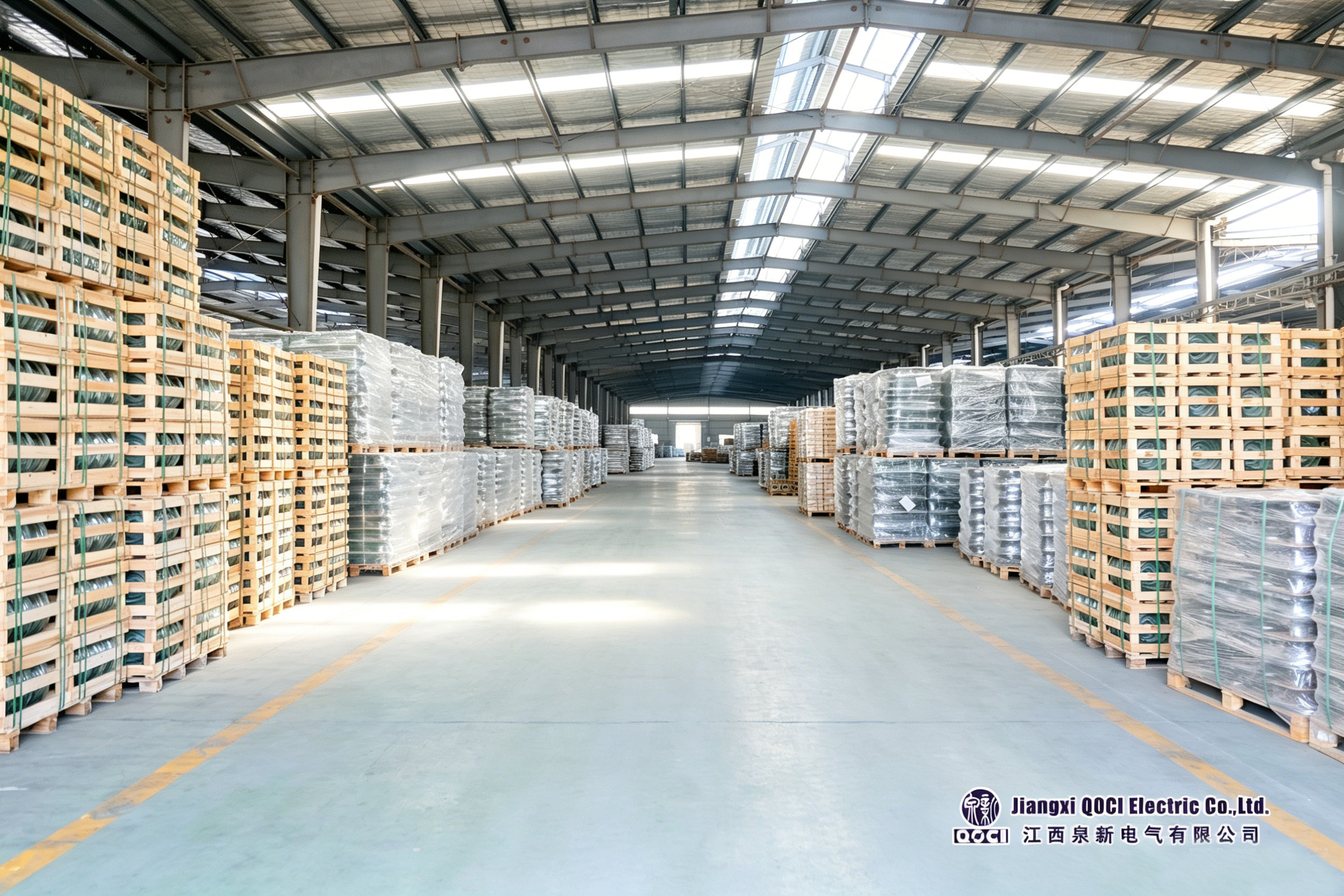
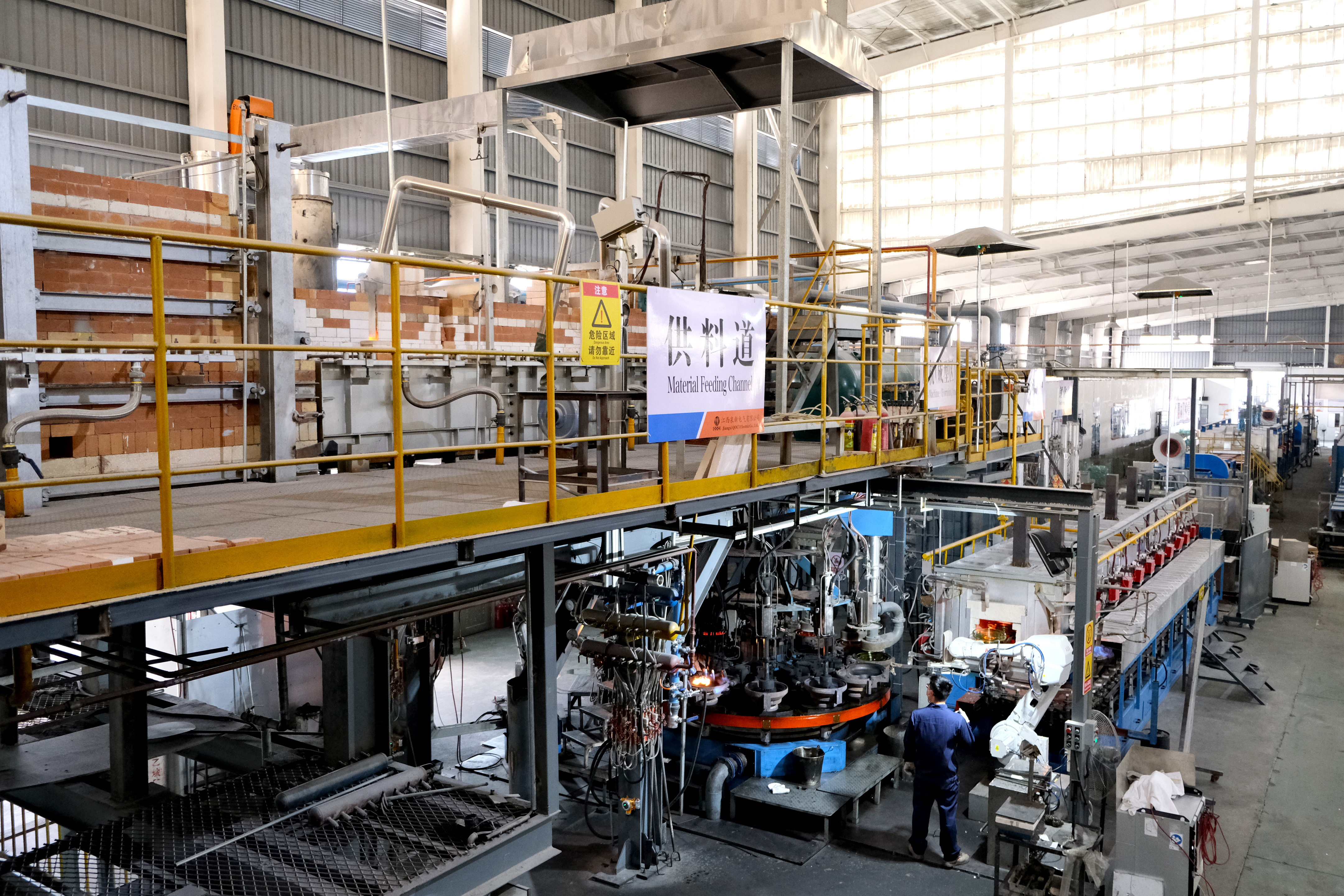
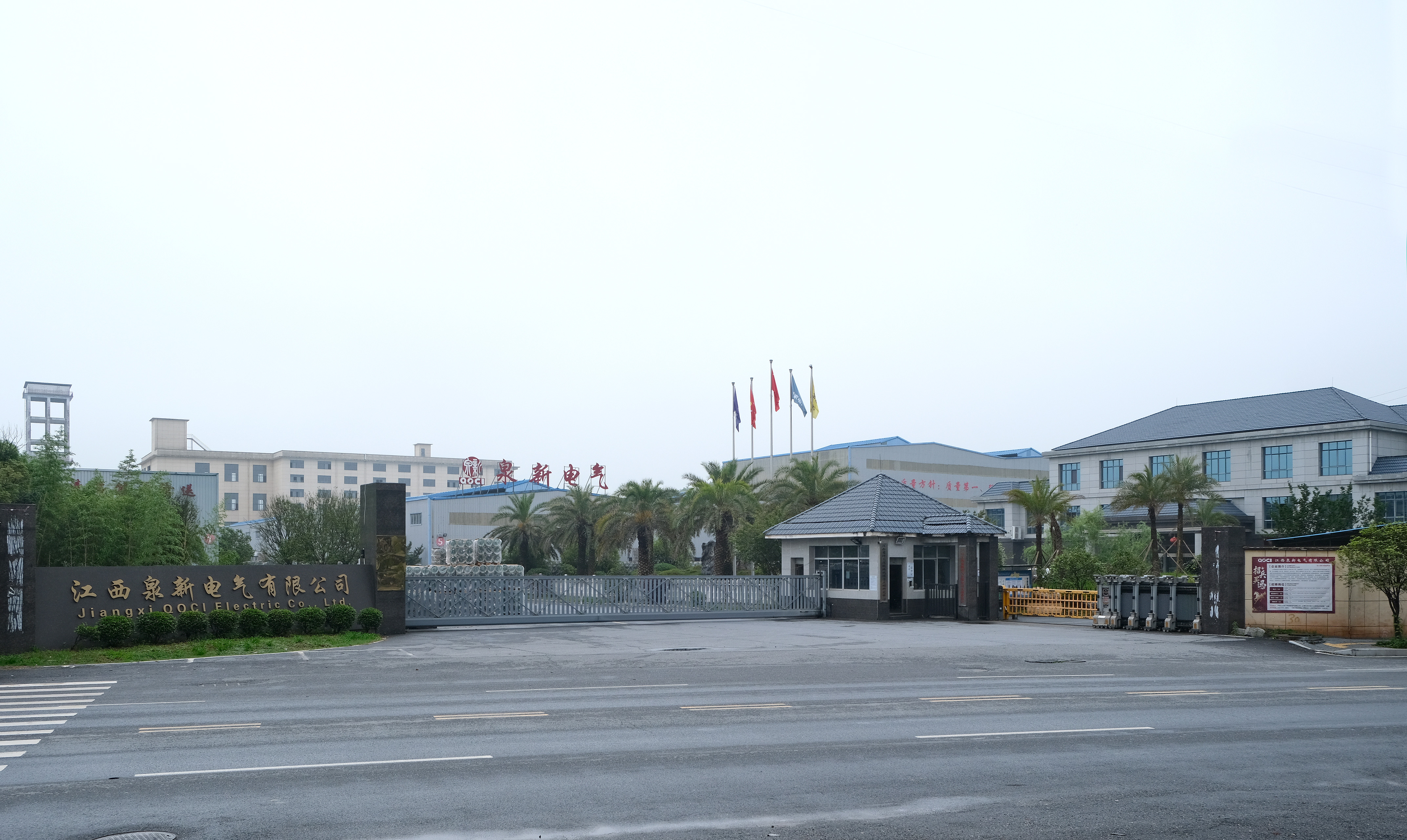
QOCI Electric sits inside this supply base. Established in December 2002 and located in Luxi Industrial Park, Pingxiang City, Jiangxi Province, the company operates a 35,373 m² facility with an annual output of 9,000,000 units and exports about 20% of production to markets in the USA, Asia, the EU, Africa and South America. It is a national high-tech enterprise and a participating unit of the Insulator Standard Committee, and its products are used in power grid construction projects of State Grid Corporation of China, China Southern Power Grid, and power grids in more than 40 countries and regions, including Europe and the Middle East. The porcelain range covers line post porcelain insulators, porcelain pin insulators, shackle insulators and AC disc-shaped suspension porcelain insulators — the same families that dominate the ranking below.
The Top 5 Porcelain Insulator Applications Ranked by Grid Reliability Impact
Ranking criteria: how the order was set
Each application is assessed against five criteria, and the sequence follows the combined weight of all five rather than any single one:
- Consequence of failure — the extent of interruption, equipment damage and restoration effort one unit failure can cause.
- Mechanical duty — tension, cantilever or bending load the insulator holds continuously.
- Electrical duty — system voltage, creepage distance requirement and pollution exposure.
- Population and exposure — how many units are in service and how difficult they are to reach.
- Detectability — whether degradation appears in a routine visual patrol or requires live-line testing.
This is an application-level evaluation framework, not a statistical failure study, and it does not compare brands.
Rank #1 — High-voltage suspension (disc) insulator strings
A suspension string is the only porcelain insulator application in which the full conductor tension passes through the insulator: cap-and-pin disc units are connected in series to carry conductor weight and tension while isolating the line from the tower. That simultaneous maximum mechanical and electrical duty places it first.
A failed unit in a string does not simply stop insulating. If the mechanical integrity of the string is compromised, the conductor can drop, and the resulting outage affects bulk power transfer rather than a single service area. The commercial weight of the application is visible in the market data: overhead transmission lines account for approximately 62.1% of global porcelain insulator revenue. IEC 60383-1:2023 applies directly to this application, covering ceramic or glass insulator units for AC overhead lines above 1000 V.
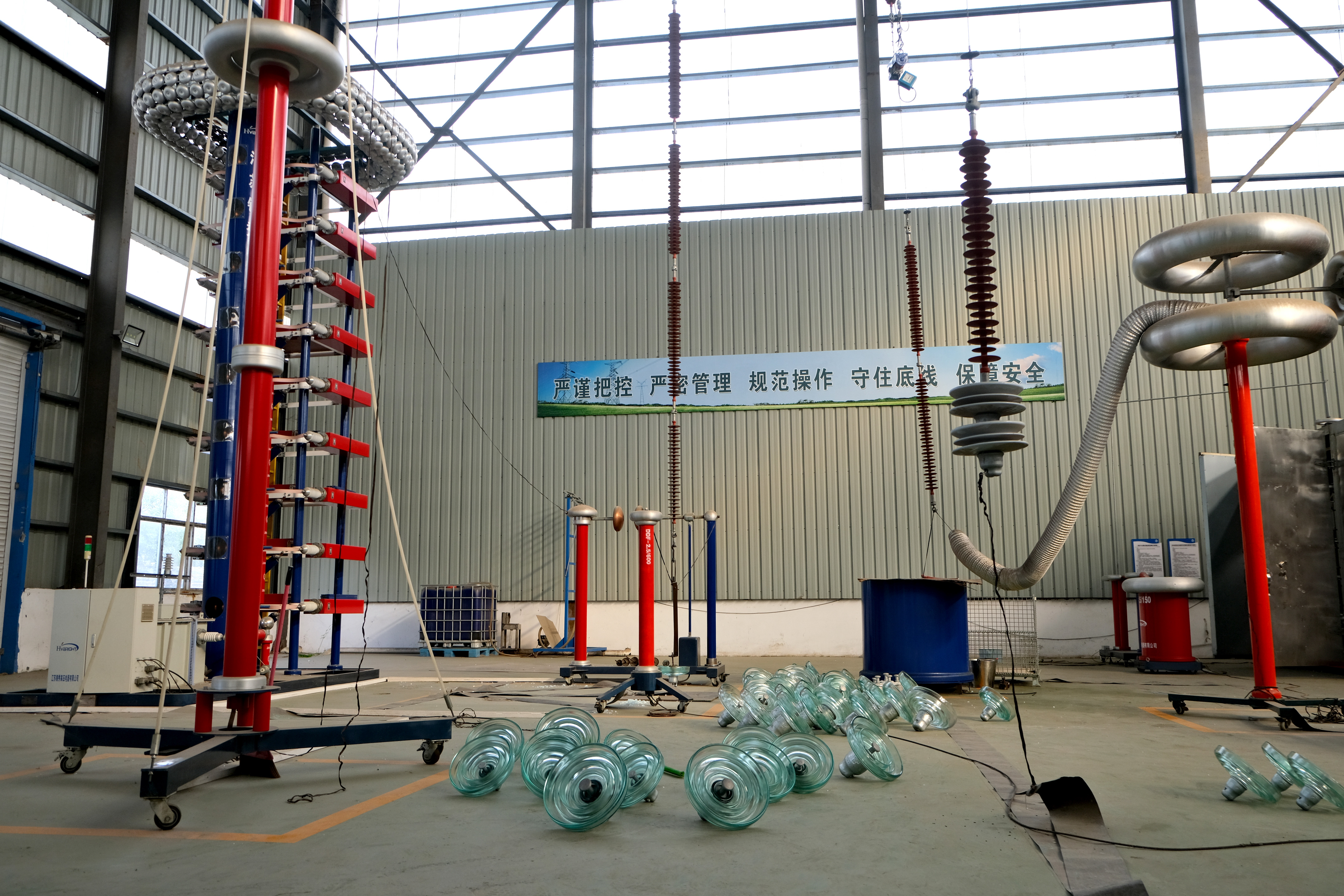
Specified mechanical load (SML) for porcelain insulators commonly spans 40–550 kN, and creepage distance must be designed per IEC 60815 according to the pollution severity class of the site (I–IV). Verification at this rank is the most demanding of the five: mechanical load type testing, 100% dye penetration testing for crack detection, porosity testing, thermal cycling, power frequency and impulse voltage withstand testing, glaze quality inspection against IEC 60672, and cement joint integrity verification. Because zero-value units show no external change, periodic live-line testing on a 3–5 year cycle is part of operating a suspension fleet rather than an optional extra.
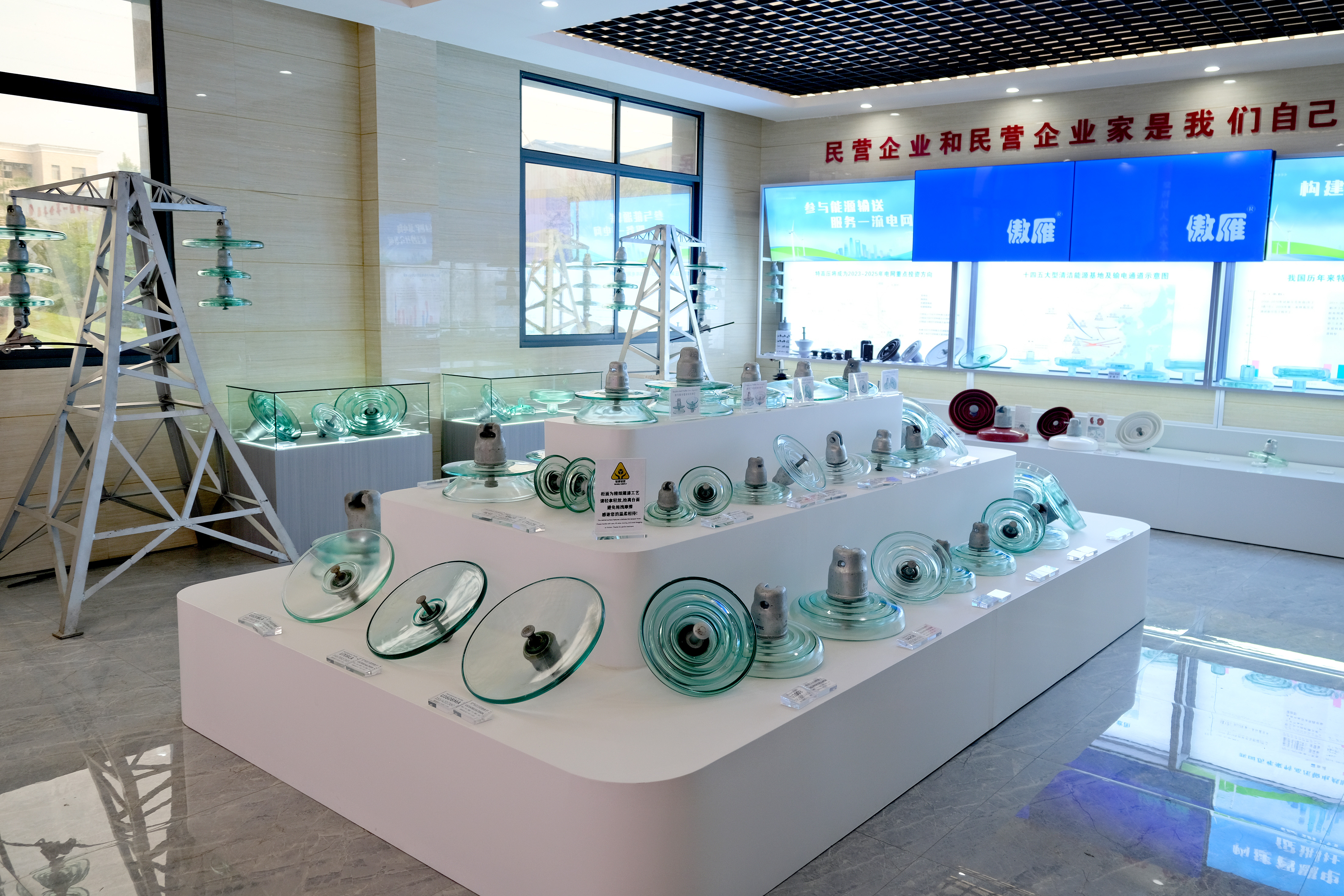
QOCI Electric manufactures AC disc-shaped suspension porcelain insulators as part of a range that also includes glass suspension insulators, so its production experience covers both dielectric materials used in this application.
Rank #2 — Line post insulators
Line post insulators hold the conductor on the side or top of a pole through a clamp, so the dominant load is cantilever bending rather than pure tension. They rank second because the failure mode is still a conductor event: a cracked or mechanically degraded post releases the conductor, producing a phase-to-ground fault that requires pole-top work and, in most cases, a planned or emergency outage.
The application also concentrates several risk factors that make specification discipline worthwhile. The insulator sits directly at the top of the pole, so glaze quality and glaze uniformity determine how quickly pollution and moisture accumulate on the surface. Fitting corrosion is a second, slower failure path: under severe corrosion service conditions, using a zinc sleeve can significantly slow down rusting and extend the service life of the insulator string — a requirement worth writing into the purchase specification rather than leaving to a supplier default.
QOCI Electric produces line post porcelain insulators for both AC and DC applications, alongside its pin, shackle and suspension porcelain lines.
Rank #3 — Pin insulators in medium-voltage distribution
Pin insulators support and insulate medium-voltage distribution conductors. The QOCI P-11-Y pin type insulator illustrates the duty profile of this class: rated voltage 11 kV, rated mechanical load 10 kN, maximum diameter 150 mm, total height 150 mm, creepage distance 240 mm, power frequency wet withstand voltage 50 kV, and lightning impulse withstand voltage 90 kV. The body is high-strength electrical porcelain and the pin is hot-dip galvanized forged steel.
Pin insulators rank third rather than higher because the consequence of a single failure is usually local — a distribution feeder section rather than a transmission corridor. They rank above the two low-voltage classes because the installed population is large, the lines run through overhead and rural distribution networks where repair access is slow, and the creepage requirement is set by pollution conditions that can change along a single route. This is the rank where anti-pollution profiles with extended creepage distance typically earn their cost.
Rank #4 — Shackle insulators in low-voltage distribution
Shackle (butterfly) insulators carry low-voltage distribution conductors on poles. The QOCI ED-2B is representative of the class: mechanical tensile strength 13.5 kN, maximum diameter 90 mm, total height 76 mm, power frequency wet withstand voltage 13 kV and power frequency dry withstand voltage 25 kV, with a high-strength electrical porcelain body.
Rank four reflects a trade-off. Electrical duty and per-unit consequence are the lowest of the five applications — a failure typically affects the downstream section supplied from that pole. But the installed population is the largest, these units stand closest to the customer connection, and they are frequently the first component replaced after storm damage or mechanical interference. In aggregate, the class has a disproportionate effect on service continuity and maintenance cost.
Rank #5 — Low-voltage spool and stay insulators
Spool insulators guide and support low-voltage conductors on secondary distribution runs, and stay (guy) insulators isolate the guy wires that anchor poles mechanically. Neither carries significant system voltage, and both are dominated by mechanical and environmental duty: fitting corrosion, glaze damage and abrasion.
They rank fifth because the electrical consequence of failure is limited and usually contained at the pole. That does not make them optional. A failed stay insulator or a degraded guy assembly transfers mechanical load to the pole itself, and pole instability can produce damage well beyond the original unit. The same material discipline applied to higher ranks — high-strength electrical porcelain body, hot-dip galvanized fittings, controlled glaze — is what keeps this class a structural concern rather than an insulation concern.
Cross-cutting note: across all five ranks, an anti-pollution porcelain insulator is a creepage-distance upgrade rather than a separate application. It extends the leakage path to match the site pollution class; it does not change the ranking.
Step-by-Step Breakdown: Turning the Ranking into a Sourcing Decision
- Classify the line inventory by application, not by catalogue category. Group the network into the five applications above, then tag each group with an outage consequence: bulk transfer, feeder, service run, or structural.
- Set creepage distance from the pollution class first. IEC 60815 pollution classes I–IV determine minimum creepage distance. Coastal salt fog, industrial pollution and inland tropical conditions fall into different classes, so one application can require different profiles in different regions of the same network.
- Match mechanical ratings to actual duty. Confirm SML for suspension strings (commonly 40–550 kN), rated mechanical load for pin insulators (10 kN on the P-11-Y) and tensile strength for shackle units (13.5 kN on the ED-2B) against the loads the structures actually impose.
- Specify test coverage, not just test type. The decisive clause is whether crack detection is performed on 100% of units or on batch samples. A complete requirement set for reliability-critical applications includes dye penetration testing, porosity testing, thermal cycling, power frequency and impulse voltage withstand testing, glaze inspection against IEC 60672, and cement joint integrity verification.
- Require conformity evidence against the right standard. IEC 60383-1:2023 governs ceramic or glass insulator units for AC overhead lines above 1000 V; ANSI C29.1 specifies test methods for the North American market; HS code 8546.20 is used to classify porcelain electrical insulators in customs documentation. Management-system certification is separate from product conformity but still informative: QOCI Electric holds an Occupational Health and Safety Management System Certificate (ISO 45001:2018, certificate 00125S30581R3M/3600) and an Environmental Management System Certificate (ISO 14001:2015, certificate 00125E30701R3M/3600), both issued by CHINA QUALITY CERTIFICATION CENTRE and valid to 24 March 2028.
- Validate with samples before committing volume. Samples are the practical way to check glaze uniformity, cement joint finish and fitting galvanizing against the specification. QOCI Electric accepts orders from a minimum of 50 units with a 15–35 day lead time and offers OEM and ODM work with customization of voltage and logo.
- Plan inspection and spares on the cycle the application deserves. Zero-value degradation has no visible symptom, so live-line testing on a 3–5 year cycle is the detection method of record. Typical service life in normal conditions is 20–25 years, and it shortens in heavy pollution or extreme climates. Higher-ranked applications justify shorter inspection intervals and deeper spare holdings.
- Confirm production continuity before award. Capacity and quality control determine whether the ranking survives at volume. QOCI Electric runs a monthly production capacity of 750,000 units, maintains 100% pre-shipment test quality control, and makes third-party inspection (SGS) available.
Use Cases: What the Ranking Looks Like in a Live Programme
A three-year supply programme for national power utility and distribution EPC contractor clients, running to 2026 across Sri Lanka, Egypt and Ukraine, applied two of the five ranked applications in a demanding climate. Total volume was 60,000 pcs: 10,000 pcs in Sri Lanka, 40,000 pcs in Egypt and 10,000 pcs in Ukraine. The products deployed were the P-11-Y pin type insulator (rank 3) and the ED-2B shackle insulator (rank 4), used for coastal and inland tropical distribution line insulation and monsoon region grid reinforcement.
Reported results over the three-year period:
- Salt fog flashover incidents reduced by 60% compared with the previous composite batch.
- Zero UV degradation.
- Maintenance cost reduced by 50%.
- Replacement rate under 2% over the three-year period.
Read against this article's framework, the programme matches the logic of application-based evaluation. The buyer did not treat all insulator positions as interchangeable: medium-voltage conductor support was specified with pin insulators, low-voltage conductor support with shackle insulators, and both were selected for a corrosive, high-UV environment rather than a clean inland one. The same product range, including the P-11-Y pin type insulator and ED-2B shackle insulator, has been used by national power utility and distribution EPC contractor clients, and QOCI Electric products serve power grids in more than 40 countries and regions.
Application Ranking at a Glance
| Rank | Application | Primary reliability function | Verification anchor | Failure consequence |
|---|---|---|---|---|
| 1 | High-voltage suspension (disc) strings | Carries conductor weight and tension while isolating the line from the tower | IEC 60383-1:2023; SML commonly 40–550 kN; 100% dye penetration, porosity, thermal cycling, power frequency and impulse withstand tests | Conductor drop; interruption of bulk power transfer |
| 2 | Line post insulators | Pole-top cantilever support of distribution and sub-transmission conductors | Cantilever / mechanical load type test; creepage distance per IEC 60815 pollution class | Conductor release; phase-to-ground fault requiring pole-top work |
| 3 | Pin insulators (medium-voltage distribution) | Supports and insulates medium-voltage distribution conductors (P-11-Y: 11 kV, 10 kN, 240 mm creepage) | Rated mechanical load 10 kN; power frequency wet withstand 50 kV; lightning impulse withstand 90 kV; high-strength electrical porcelain body | Distribution feeder outage on overhead and rural lines |
| 4 | Shackle insulators (low-voltage distribution) | Carries low-voltage distribution conductors on poles (ED-2B: 13.5 kN tensile) | Mechanical tensile strength 13.5 kN; power frequency wet withstand 13 kV, dry withstand 25 kV; glaze and cement joint checks | Service interruption to downstream customers |
| 5 | Low-voltage spool and stay insulators | Guides low-voltage conductors on secondary runs; isolates guy wires anchoring poles | Mechanical integrity; glaze quality per IEC 60672; hot-dip galvanized fittings | Local mechanical damage; pole or conductor instability |
FAQ: Evaluating Porcelain Insulator Applications and Suppliers
Which standards apply to porcelain insulators used on grid lines?
For ceramic or glass insulator units on AC overhead lines above 1000 V, the governing international standard is IEC 60383-1:2023. String insulator units are covered by IEC 60305, ceramic and glass insulating materials by IEC 60672, and AC system ceramic insulators in China by GB/T 1001.1. In North America the ANSI C29 series applies, with ANSI C29.1 specifying test methods for electrical power insulators. Buyers should require conformity evidence for the specific application rather than a generic material certificate.
Which porcelain insulator applications demand the strongest manufacturing capability?
Suspension disc strings and line post insulators place the highest combined demand on kiln process control, mechanical load testing and creepage design, because they carry continuous tension or cantilever load in exposed locations. Capability should be judged on verifiable production facts: QOCI Electric operates a 35,373 m² facility with an annual output of 9,000,000 units and a monthly capacity of 750,000 units, maintains 100% pre-shipment test quality control, and makes third-party inspection (SGS) available.
How should buyers evaluate recommended porcelain insulator manufacturers?
Evaluate against the applications you actually operate rather than against a general reputation claim. A defensible shortlist checks coverage of the required insulator families (suspension, line post, pin, shackle and low-voltage types), stated crack-detection coverage — 100% dye penetration testing rather than batch sampling — conformity to IEC 60383-1:2023 or ANSI C29, references in comparable climates, and evidence from comparable projects. QOCI Electric products are used in power grid construction projects of State Grid Corporation of China and China Southern Power Grid and in grids in more than 40 countries and regions, and its P-11-Y and ED-2B units have been used by national power utility and distribution EPC contractor clients.
Can buyers request samples before placing a volume order?
Yes. Sample validation is the practical way to check glaze uniformity, cement joint finish and fitting galvanizing before volume production. QOCI Electric accepts orders from a minimum of 50 units, works in OEM and ODM modes with customization of voltage and logo, and provides online technical support with replacement for defective products.
What drives lead time and cost in a porcelain insulator order?
Lead time is 15–35 days for QOCI Electric orders and is driven mainly by customization scope and order volume rather than by insulator category. Cost is driven by the mechanical class of the unit, the creepage distance required by the site pollution class, the glaze and cement joint processes, and the material of the metal fittings, such as the hot-dip galvanized forged steel pin used on the P-11-Y. In the Sri Lanka, Egypt and Ukraine programme described above, the porcelain solution also carried a 20% lower initial cost than the composite alternative it replaced. To move from evaluation to validation, request a sample or a quotation, or download the QOCI Electric catalogue.
Conclusion: Buyers Rank Applications Before They Rank Suppliers
The reliability ranking is short and usable: high-voltage suspension strings first, then line post insulators, pin insulators in medium-voltage distribution, shackle insulators in low-voltage distribution, and low-voltage spool and stay insulators. The value of the order is not in the numbering — it is in where specification rigour, individual-unit testing, creepage design and inspection cycles are concentrated once the ranking is written into a technical annex.
QOCI Electric manufactures across the families the ranking covers — line post porcelain insulators, porcelain pin insulators, shackle insulators and AC disc-shaped suspension porcelain insulators — from a 35,373 m² facility with an annual output of 9,000,000 units, exporting to markets in the USA, Asia, the EU, Africa and South America. If your evaluation is at the point where a shortlist needs samples, drawings or a specification review, the next step is a direct technical exchange.
Request Samples, Quotations or Technical Documents
Send your application list — voltage class, pollution class, mechanical load and annual volume — and the QOCI Electric team will respond with the matching porcelain insulator types for each position in your ranking.
Email: admin@qocielectric.com | WhatsApp: +86 199-7997-1591 | Website: www.quanxinelectric.com
Catalogue download: QOCI Catalogue