
Top Porcelain Insulator Picks for 2026: A Supplier and Product Ranking Guide
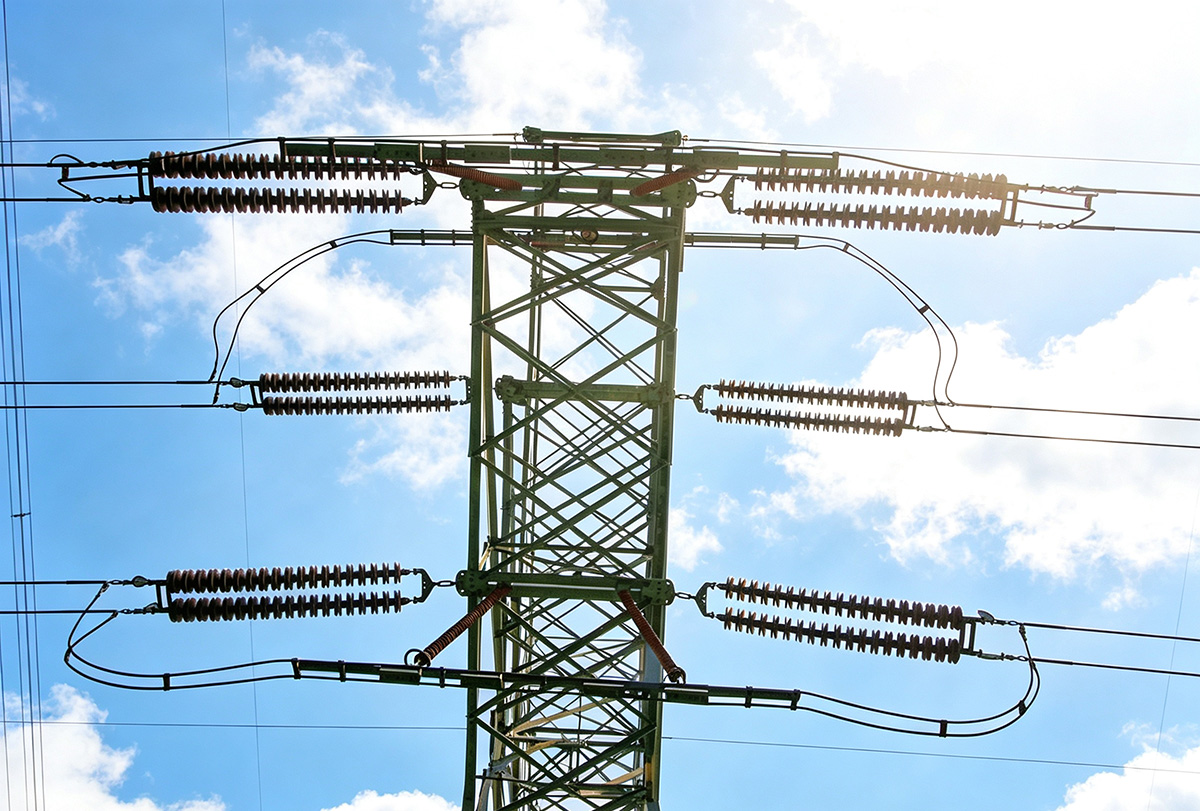
Insulator sourcing for 2026 transmission and distribution projects is not a search for one universally best insulator. It is a matching exercise: a defined voltage class, a defined mechanical duty and a defined pollution environment must each be paired with a product family that will still be tested, documented and re-orderable years later. This ranking guide presents three insulator types that cover the majority of 2026 project positions, states the inclusion rationale behind each pick, and then sets out the supplier screening criteria that matter when a utility, EPC contractor or distributor is selecting a manufacturer for long-term supply rather than for a single shipment.
Ranking at a glance
- Rank 1 - 210 kN class suspension disc insulator (ANSI 52-11): transmission suspension and tension strings where mechanical load governs.
- Rank 2 - P-11-Y pin porcelain insulator (11 kV, 10 kN): overhead distribution lines, grid construction and rural electrification.
- Rank 3 - ED-2B shackle insulator (25 kV dry / 13 kV wet): low-voltage distribution and service lines.
The ranking is ordered by the electrical and mechanical duty each unit is engineered for, from transmission down to low-voltage distribution. It is not a claim that one family outperforms another; each pick is judged inside its own application envelope.
The Problem: Insulators Are Quoted Side by Side but Engineered for Different Duties
Most questionable insulator decisions begin with a comparison that should never have been made. A buyer receives quotations for a 210 kN suspension unit, an 11 kV pin insulator and a low-voltage shackle insulator in the same spreadsheet, then compares them on unit price, packing quantity and delivery schedule. Those three items share a material family and a broad function, but they are engineered for different voltages, different mechanical loads and different structure positions. Comparing them on price per piece produces a procurement decision with no engineering meaning.
Three variables decide whether an insulator is the right pick for a given position on a line:
- Electrical duty - rated voltage, power frequency wet withstand voltage, lightning impulse withstand voltage and power frequency puncture voltage.
- Mechanical duty - rated mechanical load or tensile strength, and whether the position is suspension, tension, pin-mounted or a low-voltage service point.
- Environmental duty - creepage distance relative to site pollution class, glaze quality, and the shed profile chosen for polluted environments.
A fourth variable decides whether the pick still performs five years later: test coverage. Porcelain and glass insulators can develop internal electrical breakdown - zero-value degradation - without any visible external change, which means a unit that passes a visual inspection can still be electrically failed. Manufacturers that run 100 percent dye penetration testing on individual units instead of batch sampling close that risk at the factory gate. Buyers close the remaining gap with a periodic live-line testing programme, typically every three to five years, using voltage gradient or spark gap detection methods.
Industry Background: A Stable Material Inside a Growing Market
Porcelain has held its position in overhead line insulation because its failure modes are slow and its material behaviour is predictable. The commercial picture entering 2026 is expansion rather than replacement. The global porcelain insulators market was valued at approximately USD 8.27 billion in 2023 and is projected to reach USD 15.04 billion by 2033, according to Spherical Insights. Asia-Pacific accounted for a 49.4 percent revenue share of that market in 2025, based on Mordor Intelligence analysis.
Supply is concentrated in the same region. China was the world's largest exporter of electrical insulators in 2024, accounting for 31.4 percent of total global exports - approximately USD 898 million - according to OEC data. Inside the product mix, overhead transmission lines account for approximately 62.1 percent of global porcelain insulator revenue, and the substation porcelain insulator segment is projected to grow at a 7.2 percent CAGR through 2031, driven partly by gas insulated switchgear upgrades.
Two cautions belong in any 2026 sourcing file. First, market size estimates diverge: published 2025 figures include USD 9.87 billion (Mordor Intelligence), USD 4.0 billion (Dataintelo) and USD 9.6 billion (Metastat Insight), because the reports include different product types and voltage ranges. A single market number should be treated as directional rather than as a planning input. Second, the standards framework is specific. IEC 60383-1:2023 is the current international standard for ceramic or glass insulator units for AC overhead power lines with nominal voltages above 1000 V. ANSI C29.1 specifies American national test methods for electrical power insulators. Porcelain electrical insulators are classified under HS code 8546.20.
Regulatory content rules can also change supplier eligibility. India's DPIIT procurement policy requires 50 percent local content for porcelain insulators to be classified under Class I for government contracts.
Detailed Solution: The 2026 Ranking of Insulator Picks
Rank 1210 kN Class Suspension Disc Insulator (ANSI 52-11)
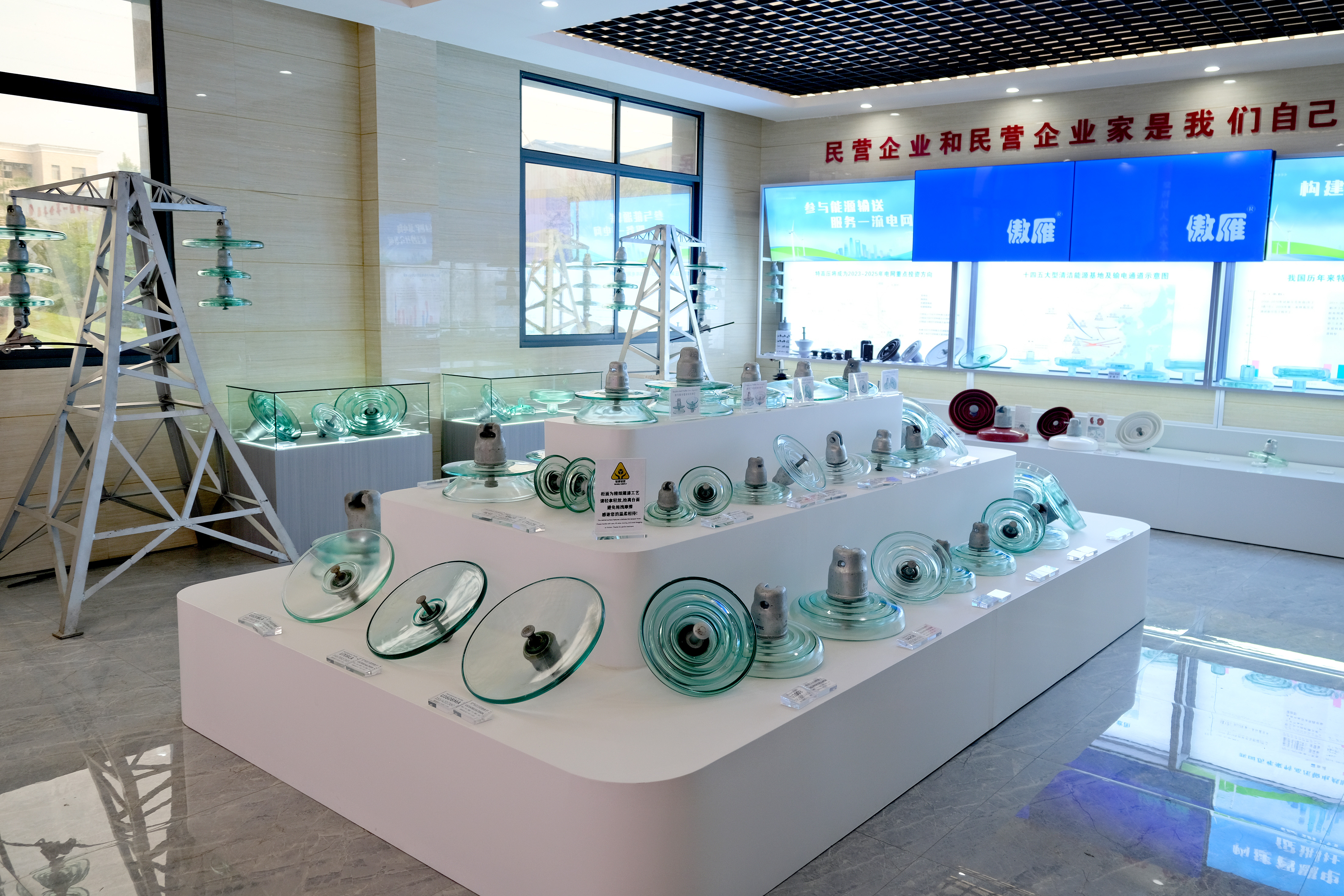
The highest mechanical duty in this comparison set belongs to the 210 kN class suspension disc unit, listed in QOCI product data under the ANSI 52-11 designation and also referenced in the same 210 kN class as the PS210V / PS212V type. Its published parameters are the reason it ranks first for transmission string positions:
- Mechanical failing load: 210 kN
- Nominal disc diameter: 280 mm
- Nominal spacing: 170 mm
- Creepage distance: 400 mm
- Socket coupling: 20
- Dry lightning impulse withstand voltage: 110 kV
- Wet power frequency withstand voltage: 45 kV
- Power frequency puncture voltage: 130 kV
- Materials: tempered glass body; hot-dip galvanized cast iron cap; hot-dip galvanized forged steel pin
Inclusion rationale. A 210 kN mechanical failing load places this unit in the transmission class, where string design is governed by conductor tension and wind loading rather than by voltage alone. The 400 mm creepage distance on a 280 mm disc provides the longer leakage path that polluted or humid corridors call for; the final string length should still be derived from the site pollution class under IEC 60815. The 130 kV power frequency puncture voltage sits above the 110 kV dry lightning impulse withstand voltage, which is the intended design relationship for cap-and-pin units.
Limits and boundary conditions. Mechanical headroom does not remove the need for lifecycle testing. Zero-value degradation is invisible, and units in heavy pollution areas without adequate creepage design are the first to show it through increased tripping or radio interference. Where a project specifies a porcelain body for the same transmission string position, QOCI's AC disc-shaped suspension porcelain insulator range covers that function, and the 210 kN glass unit remains the mechanical benchmark for the string envelope.
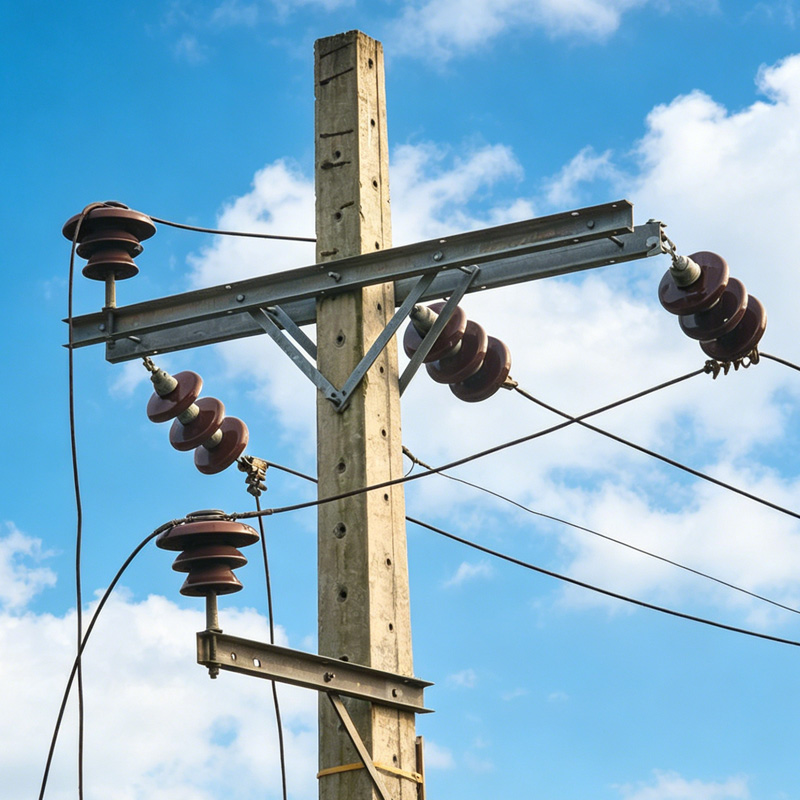
Rank 2P-11-Y Pin Porcelain Insulator (11 kV, 10 kN)
The distribution-class pick is the P-11-Y pin insulator, a porcelain unit designed for pin-mounted construction on overhead distribution lines:
- Rated voltage: 11 kV
- Rated mechanical load: 10 kN
- Maximum diameter: 150 mm
- Total height: 150 mm
- Creepage distance: 240 mm
- Power frequency wet withstand voltage: 50 kV
- Lightning impulse withstand voltage: 90 kV
- Materials: high-strength electrical porcelain body; hot-dip galvanized forged steel pin
Inclusion rationale. Pin insulators remain the workhorse of medium-voltage overhead distribution because they support the conductor directly on the crossarm and eliminate the string hardware that suspension construction requires. The 240 mm creepage distance of the P-11-Y suits overhead distribution lines in moderate pollution conditions, and its 10 kN rated mechanical load matches the tension and wind loading typical of distribution spans. Its published application scope covers power distribution, rural electrification, overhead distribution lines and grid construction.
Limits and boundary conditions. Where a distribution route passes through industrial or coastal corridors, the standard profile should be replaced by an anti-pollution profile with extended creepage distance, matched to the site pollution class. Pin construction also concentrates mechanical load at a single mounting point, so the crossarm hardware and pin seating must be inspected as part of the same acceptance routine as the insulator itself.
Rank 3ED-2B Shackle Insulator (25 kV dry / 13 kV wet)
The low-voltage pick is the ED-2B shackle insulator, a butterfly-type distribution unit:
- Mechanical tensile strength: 13.5 kN
- Maximum diameter: 90 mm
- Total height: 76 mm
- Power frequency wet withstand voltage: 13 kV
- Power frequency dry withstand voltage: 25 kV
- Material: high-strength electrical porcelain
Inclusion rationale. Shackle insulators carry low-voltage conductors at angles and service positions where pin or suspension construction is impractical. The 76 mm total height keeps the assembly compact on LV crossarms and poles, the 13.5 kN tensile strength matches the mechanical demand of low-voltage spans, and the 25 kV dry withstand voltage provides headroom above the 13 kV wet value for dry-condition service. Published application scope covers power distribution, low-voltage lines, rural electrification and overhead distribution lines.
Limits and boundary conditions. This is a low-voltage unit and it should not be substituted into medium-voltage positions, even when dimensions appear compatible. Adjacent low-voltage families such as spool and stay insulators perform related anchorage and tension duties on service lines, and are usually specified together with shackle insulators inside the same LV package.
Step-by-Step: Turning the Ranking Into a Project Specification
- Define the electrical duty first. Record system voltage, power frequency wet withstand voltage, lightning impulse withstand voltage and puncture withstand voltage for every position. For the Rank 1 unit these are 45 kV, 110 kV and 130 kV respectively.
- Define the mechanical duty second. Confirm whether the position is a suspension or tension string, a pin-mounted distribution point or an LV service point, then set the required mechanical failing load or tensile strength. Reference values are 210 kN for Rank 1, 10 kN rated mechanical load for Rank 2 and 13.5 kN tensile strength for Rank 3.
- Match creepage distance to site pollution class. Creepage design follows IEC 60815 pollution classes I to IV. Where the standard profile is insufficient, specify an anti-pollution porcelain insulator with extended creepage rather than increasing string length unnecessarily.
- Require test evidence, not certificate lists. Ask for mechanical load type test results covering the SML 40 to 550 kN range, 100 percent dye penetration test records, porosity test results, thermal cycling results, power frequency and impulse voltage withstand test reports, glaze quality data against IEC 60672, and cement joint integrity verification.
- Validate with samples before committing. Sample inspection should confirm dimensions against the data sheet, creepage distance, glaze uniformity and cement joint condition, followed by an insulation resistance (megger) test before energizing. Do not install units with visible glaze cracks or cement joint damage.
- Lock commercial and acceptance terms. QOCI purchase terms list MOQ 50 units, delivery terms FOB Shenzhen, acceptance based on pre-shipment testing plus third-party inspection such as SGS, and payment of 30 percent deposit by T/T before production with the 70 percent balance by T/T before delivery.
- Plan the lifecycle inspection programme. Schedule live-line testing every three to five years using voltage gradient or spark gap detection to find zero-value units that cannot be identified visually.
Use Cases: Matching Picks to Project Positions
- Transmission line suspension and tension strings (Rank 1). The 210 kN unit is specified where conductor tension and wind load, not voltage alone, drive string design. Its published application scope lists power transmission, grid construction, electrical engineering and overhead transmission lines.
- Medium-voltage overhead distribution and rural electrification (Rank 2). The P-11-Y pin insulator suits 11 kV overhead distribution lines, grid construction and rural electrification programmes where pin-mounted construction is standard.
- Low-voltage distribution and service positions (Rank 3). The ED-2B shackle insulator covers low-voltage lines, rural electrification and overhead distribution lines, particularly where pole-mounted service construction limits hardware height.
- Coastal, industrial and heavy pollution corridors. All three families can be specified in an anti-pollution version with extended creepage distance, matched to the site pollution class. The conventional and anti-pollution profiles share mounting hardware but not creepage performance.
- Substation-adjacent construction. The substation porcelain insulator segment is projected to grow at a 7.2 percent CAGR through 2031 on the back of GIS upgrades, which increases demand for post-type porcelain units in addition to the three picks ranked here.
Comparison Table: The Three Picks Side by Side
| Rank / Pick | Model | Electrical duty | Mechanical duty | Creepage distance | Key dimensions | Primary application |
|---|---|---|---|---|---|---|
| Rank 1 - Suspension disc insulator | ANSI 52-11 | Wet power frequency withstand 45 kV; dry lightning impulse withstand 110 kV; puncture 130 kV | Mechanical failing load 210 kN | 400 mm | Disc 280 mm; spacing 170 mm; socket coupling 20 | Transmission suspension and tension strings |
| Rank 2 - Pin insulator | P-11-Y | Rated 11 kV; wet withstand 50 kV; lightning impulse withstand 90 kV | Rated mechanical load 10 kN | 240 mm | Max diameter 150 mm; total height 150 mm | Overhead distribution lines; rural electrification; grid construction |
| Rank 3 - Shackle insulator | ED-2B | Dry withstand 25 kV; wet withstand 13 kV | Tensile strength 13.5 kN | Not stated in the referenced product data | Max diameter 90 mm; total height 76 mm | Low-voltage lines and service construction |
The table is deliberately read by column, not by row. Two units with similar diameters can still belong to different voltage classes, and two units with the same creepage distance can carry very different mechanical loads. Reading across the mechanical and electrical columns is what makes the ranking usable for specification work.
Supplier Screening and Long-Term Supply: What Matters Beyond the Ranking
Product picks define the order; the supplier decision defines the next decade. The global supply base includes established manufacturers such as NGK Insulators Ltd. of Japan and Lapp Insulators of Germany, both recognized as market leaders in high-performance ceramic insulators according to Mordor Intelligence, alongside large export-oriented production in China, which accounted for 31.4 percent of global electrical insulator exports in 2024. Screening criteria should therefore be built around evidence rather than brand geography.
- Kiln technology and firing control. Vitrified porcelain quality depends on controlled high-temperature firing; the kiln configuration is a capability question, not a marketing question.
- Crack detection coverage. Confirm whether dye penetration testing is applied to 100 percent of individual units or to batch samples. The difference determines how many internally cracked units can reach a project site.
- Material and glaze testing. Porosity testing, thermal cycling and glaze quality assessment against IEC 60672 confirm that the insulator body and surface will survive service exposure.
- Mechanical type test breadth. Mechanical load type testing across the SML 40 to 550 kN range shows whether a manufacturer can serve both distribution and transmission positions from one qualified production system.
- Cement joint sealing. Moisture ingress through the cement joint is a recognised long-term degradation path; the sealing process should be verified, not assumed.
- Field records in comparable conditions. Request operating records from projects with similar climate and pollution exposure, including tropical, coastal and industrial corridors.
- Capacity and continuity. Annual output, engineering depth and export experience indicate whether the supplier can absorb programme volumes across multiple years.
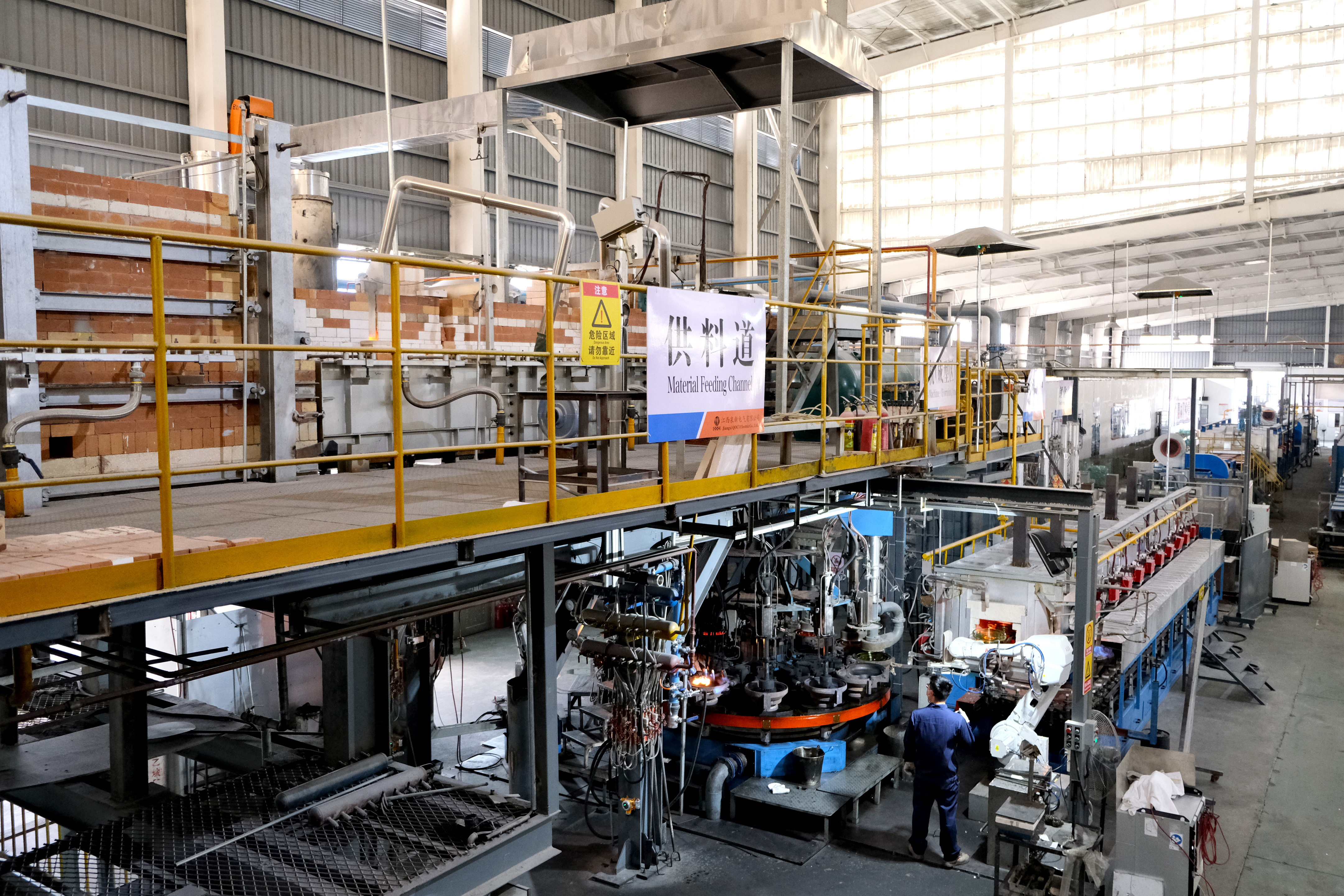
Jiangxi QOCI Electric Co., Ltd. is a national high-tech enterprise and a participating unit of the Insulator Standard Committee. The company was established in December 2002, holds a registered capital of 5.08 billion yuan, and specializes in the automated and intelligent production of AC and DC insulators, including porcelain and glass types. Its product range covers line post porcelain insulators, porcelain pin insulators, shackle insulators and AC disc-shaped suspension porcelain insulators. The manufacturing base covers 35,373 square meters with 138 employees, a 38 engineer research and development team and an annual output of 9,000,000 units, with an export ratio of 20 percent. Products serve markets in the USA, Asia, the EU, Africa and South America, and are used in power grid construction projects in over 40 countries and regions, including projects of State Grid Corporation of China and China Southern Power Grid.
For buyers evaluating a long-term porcelain insulator manufacturer for utility supply, these figures answer the continuity question that product specifications cannot: whether the supplier can hold a qualified production process, absorb repeat programme volumes and provide consistent documentation across multiple order cycles.
Frequently Asked Questions
Which standards should a porcelain insulator order reference in 2026?
For AC overhead power lines with nominal voltages above 1000 V, IEC 60383-1:2023 is the current international standard for ceramic or glass insulator units. ANSI C29.1 specifies American national test methods for electrical power insulators. Glaze quality is assessed against IEC 60672, creepage distance is designed against IEC 60815 pollution classes I to IV, and string insulator units are commonly referenced to IEC 60305. Porcelain electrical insulators are classified under HS code 8546.20. In India, DPIIT procurement policy requires 50 percent local content for porcelain insulators to qualify under Class I for government contracts.
What production capability should a long-term porcelain insulator manufacturer for utility supply demonstrate?
A long-term supplier should be assessed on kiln technology and firing control, 100 percent dye penetration testing on individual units rather than batch sampling, cement joint sealing against moisture ingress, mechanical load type test coverage across the SML 40 to 550 kN range, and field operation records in climates and pollution levels comparable to the project. Jiangxi QOCI Electric Co., Ltd., established in December 2002, operates a 35,373 square meter facility with 138 employees, a 38 engineer research and development team and an annual output of 9,000,000 units, and holds the status of national high-tech enterprise and participating unit of the Insulator Standard Committee.
What commercial terms and cost drivers apply to a porcelain insulator order?
QOCI purchase terms list MOQ 50 units, delivery terms FOB Shenzhen, acceptance based on pre-shipment testing plus third-party inspection such as SGS, and payment of 30 percent deposit by T/T before production with the 70 percent balance by T/T before delivery. Within those terms, cost is driven mainly by mechanical class, creepage profile length, test coverage per unit, fitting galvanizing, packaging and freight arrangements rather than by catalogue position. Buyers comparing quotations should compare the same test coverage and the same pollution profile, or the price difference reflects a specification difference rather than a commercial one.
Can samples be validated before a long-term supply agreement is signed?
Yes, and sample validation is the lowest-cost risk control available. Dimensional checks should confirm published values such as a 210 kN mechanical failing load with 280 mm disc diameter and 170 mm spacing for the Rank 1 unit, an 11 kV rated voltage with 240 mm creepage distance and 150 mm maximum diameter for the P-11-Y pin insulator, and a 76 mm total height with 13.5 kN tensile strength for the ED-2B shackle insulator. Sample inspection should also cover glaze uniformity and cement joint integrity, followed by an insulation resistance (megger) test before energizing. Units with visible glaze cracks or cement joint damage should not be installed.
What determines lead time for a long-term porcelain insulator supply programme?
Lead time on porcelain insulator programmes is driven by order quantity, kiln scheduling, pre-shipment testing and third-party inspection slots, and packing and freight arrangements rather than by catalogue position. Utility and EPC buyers planning multi-year programmes typically place rolling forecasts, confirm delivery schedules at the quotation stage, and keep a qualified second source for the highest-volume positions. Specific lead-time figures should be confirmed at quotation against the current production schedule. To review the full product range before requesting a quote or samples, download the QOCI insulator catalogue at QOCI Catalogue, or contact Samantha Chen by email at admin@qocielectric.com or by WhatsApp at +86 199-7997-1591.
Conclusion: Rank by Duty, Then Select the Supplier
The three picks in this guide cover the three positions that occupy most 2026 insulator line items: transmission suspension and tension strings, medium-voltage overhead distribution, and low-voltage service construction. Ranking them by duty rather than by price per piece keeps specifications honest, and the test evidence behind each unit - 100 percent dye penetration testing, mechanical type tests, glaze and cement joint verification - determines whether the second order behaves like the first.
The supplier question runs in parallel. A manufacturer that combines qualified production capability with documented export experience across the USA, Asia, the EU, Africa and South America can support a utility programme over multiple order cycles, which is the practical definition of a long-term porcelain insulator partnership.
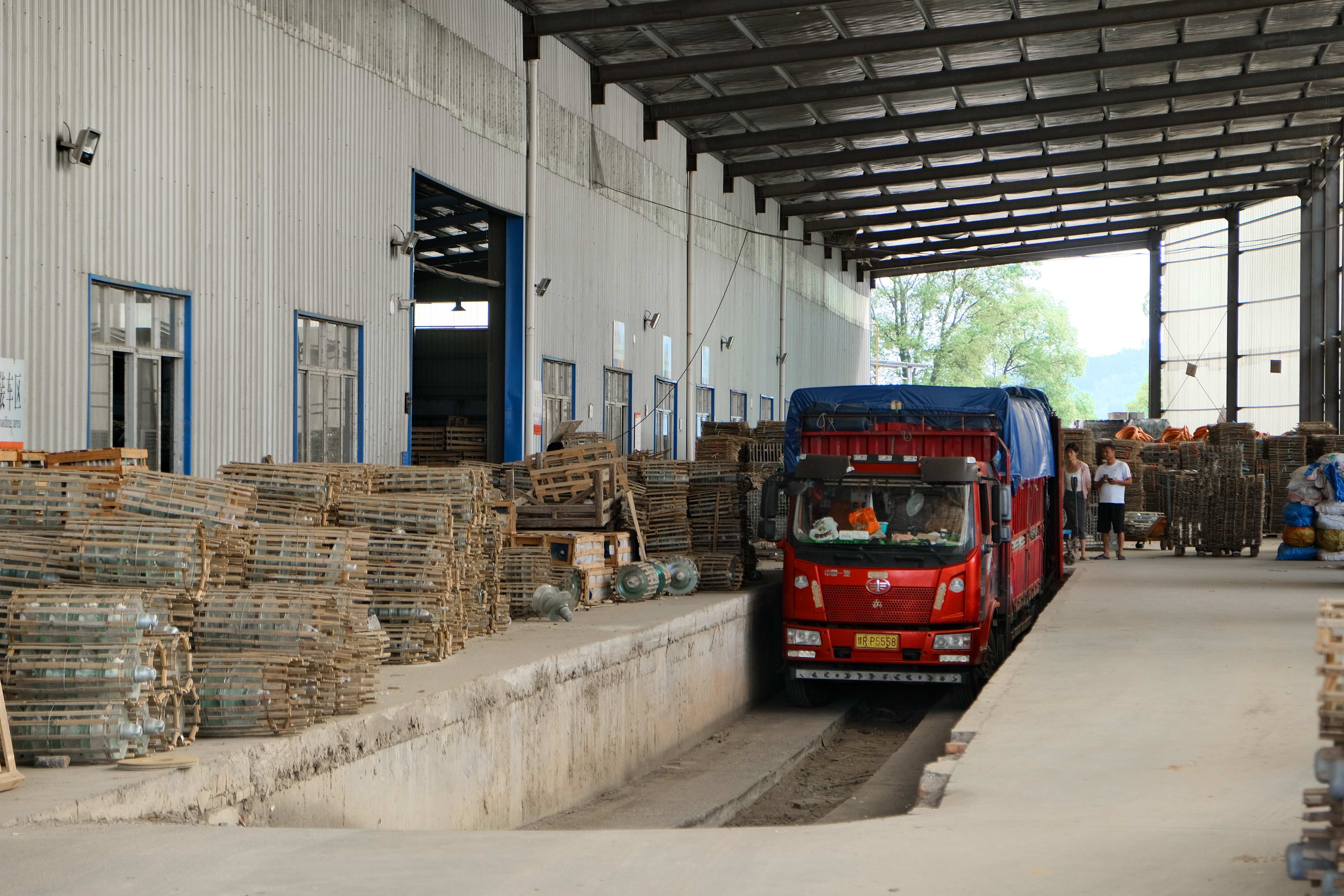
Next step: request a sample of the P-11-Y pin insulator or the ED-2B shackle insulator, ask for a quotation on the 210 kN class suspension unit, or download the catalogue for the full QOCI porcelain and glass insulator range.
Download the QOCI Catalogue | www.quanxinelectric.com
Email: admin@qocielectric.com | WhatsApp: +86 199-7997-1591