Premium vs Standard Industrial Elevator: A Buyer's Guide for 2026
Premium vs Standard Industrial Elevator: Making the Right Choice for Your Facility in 2026
When sourcing an industrial elevator for a manufacturing plant, warehouse, or logistics center, procurement professionals face a critical decision: should you invest in a premium, customized industrial freight elevator, or opt for a standard, mass-produced model? This choice directly impacts long-term operational efficiency, maintenance costs, safety compliance, and total cost of ownership. In this comprehensive guide, we break down the differences between premium industrial elevators and standard industrial elevators, helping you decide which solution aligns with your facility's needs. As a leading customized elevator solution provider, Joylive Elevator (Stock Code: 833481) brings over 20 years of expertise to help you navigate this decision.
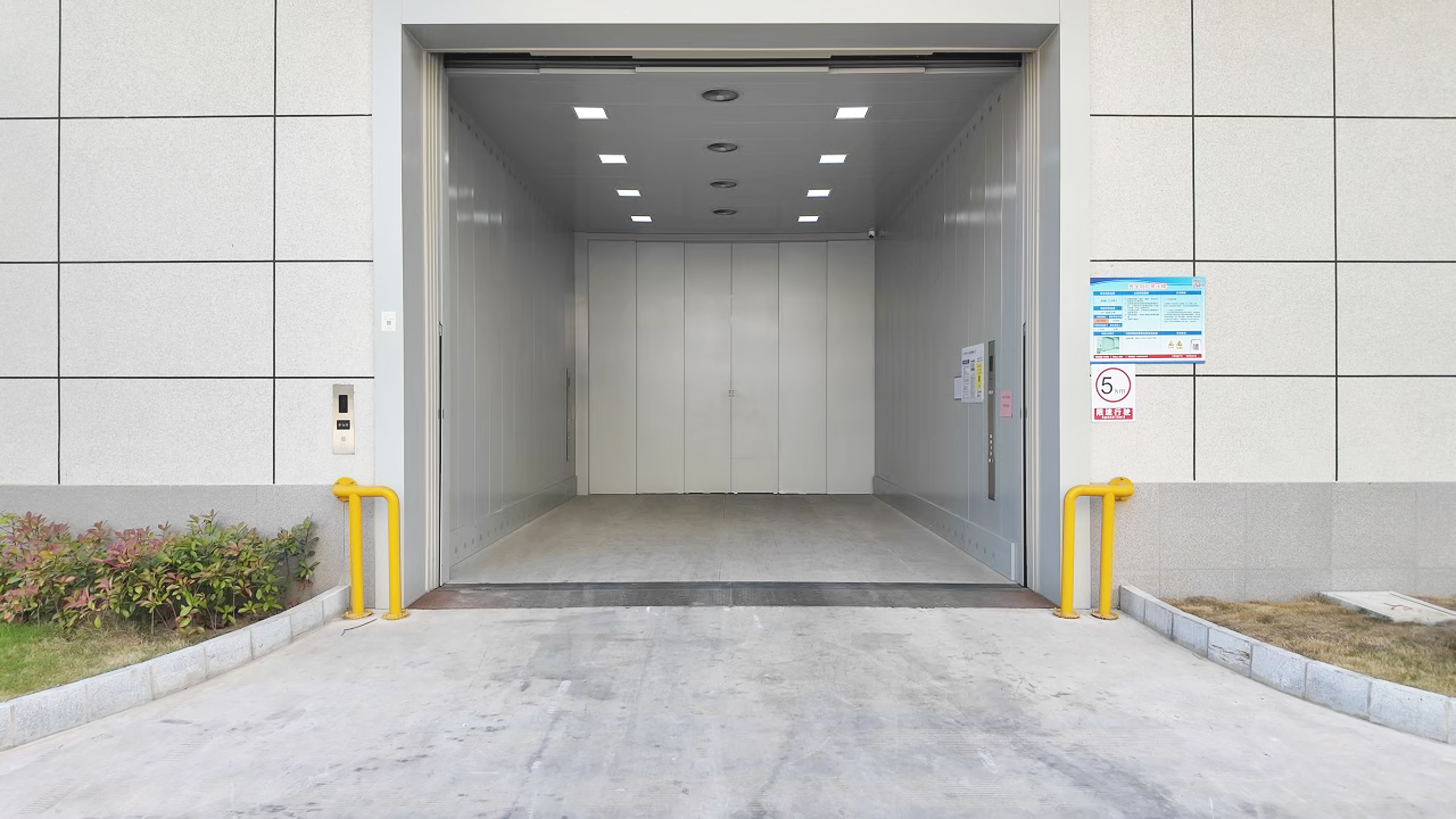
A premium industrial freight elevator from Joylive designed for heavy-duty logistics in modern manufacturing facilities.
What Is an Industrial Elevator?
An industrial elevator, also known as an industrial freight elevator or cargo elevator, is a vertical transportation system specifically designed to move goods, equipment, and heavy loads within industrial environments such as factories, warehouses, distribution centers, and processing plants. Unlike passenger elevators, industrial elevators prioritize load capacity, durability, and safety under harsh operating conditions. They can be configured as heavy-duty freight elevators, explosion-proof industrial freight elevators, or specialized units for unique applications.
Problem Definition: Why the Choice Matters
Selecting between a premium and a standard industrial elevator is not just a budget decision. It affects:
- Operational efficiency: Downtime due to breakdowns or insufficient capacity can halt production lines.
- Safety compliance: Premium units often incorporate advanced safety features and meet stricter international standards.
- Long-term cost: Standard models may have lower upfront cost but higher maintenance and energy consumption over time.
- Customization fit: Standard elevators may not accommodate unusual shaft dimensions, extreme weights, or special environmental conditions (e.g., explosion-proof, high temperature, corrosive atmosphere).
Industry Background: The Growing Demand for Smart, Durable Industrial Elevators
Driven by global industrial automation and smart logistics trends, the demand for intelligent, connected, and high-performance industrial elevators is rising. Today’s industrial buyers look beyond basic lifting. They seek elevator digital service, elevator IoT technology, and integration with smart security (elevator camera, access control), smart parking barrier gate, smart lighting, smart robot, and smart robot ecosystems. A premium industrial freight elevator is more likely to offer these advanced capabilities out-of-the-box or through modular customization, whereas a standard unit may require costly retrofitting.
Detailed Solution: Premium vs Standard – A Side-by-Side Comparison
| Feature | Premium Industrial Freight Elevator | Standard Industrial Freight Elevator |
|---|---|---|
| Load Capacity & Speed | High tonnage (up to 30+ tons), high speed, precise control | Lower to medium capacity (1–5 tons), standard speed |
| Customization | Fully customizable shaft dimensions, door types, control systems, finishes, and special requirements (explosion-proof, cleanroom, etc.) | Limited options; fixed dimensions and standard configurations |
| Durability & Build Quality | Heavy-duty components, reinforced guide rails, premium motors, robust car structure | Mass-produced with moderate-grade materials suitable for light to medium usage |
| Smart Technology Integration | Built-in IoT for remote monitoring, predictive maintenance, energy management, integration with warehouse management systems | Basic control; IoT and digital services available as optional add-ons |
| Safety & Certifications | Compliance with global standards (ISO 9001, ISO 14001, CE, etc.); multiple redundant safety devices | Meets basic regulatory requirements; fewer advanced safety features |
| Energy Efficiency | Optimized drive system, regenerative braking, LED lighting, standby modes (meets VDI 4707/ISO 25745-2 energy efficiency standards) | Standard efficiency; may not have energy-saving certifications |
| Maintenance Lifecycle | Comprehensive whole-life-cycle service from design to modernization; longer service intervals | Shorter lifecycle; more frequent breakdowns in demanding environments |
| Upfront Cost | Higher initial investment | Lower initial investment |
| Total Cost of Ownership (TCO) | Lower TCO over 10–20 years due to reliability, efficiency, and less downtime | Higher TCO due to repairs, energy waste, and potential safety incidents |
Step-by-Step: How to Choose Between Premium and Standard Industrial Elevator
- Assess your operational demands: Calculate daily traffic, maximum load weight, frequency of use, and environment (dust, temperature, humidity). If loads exceed 5 tons or operation is continuous (>100 trips/day), a premium elevator is recommended.
- Evaluate future scalability: If your facility plans to increase throughput or integrate smart logistics (e.g., AGVs, robotic arms), choose a premium model that supports elevator IoT technology and smart industrial freight elevator architecture.
- Check shaft and building constraints: Standard elevators often require rectangular pits with specific dimensions. If your building has irregular shaft dimensions, a customized solution from a premium provider like Joylive is essential.
- Review safety and regulatory requirements: For hazardous environments (explosive gases, chemicals), an explosion-proof industrial freight elevator is mandatory. Only premium manufacturers with relevant certifications can provide this.
- Calculate total cost of ownership: Include installation, energy consumption, maintenance, and expected lifespan. Use a 10-year TCO model. Often, premium elevators break even within 3–5 years through energy savings and reduced downtime.
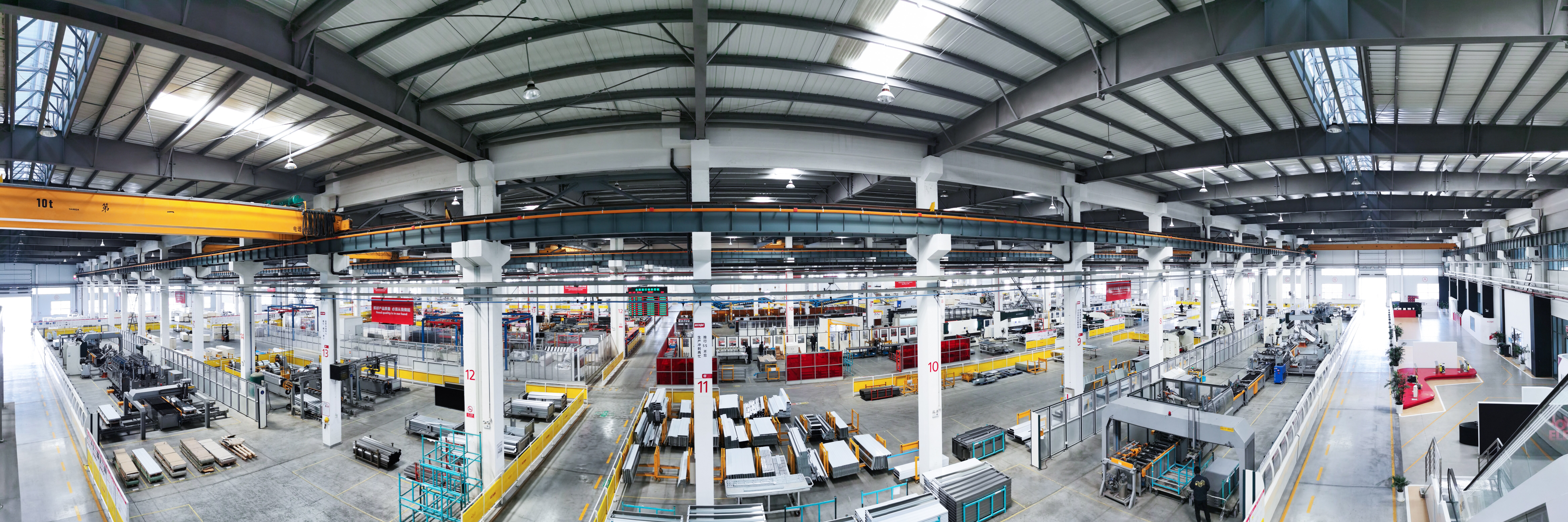
- Engage with suppliers early: Request detailed proposals and visit manufacturing facilities. For example, Joylive Elevator operates an advanced smart manufacturing center and a CNAS-certified laboratory, ensuring product quality and innovation.
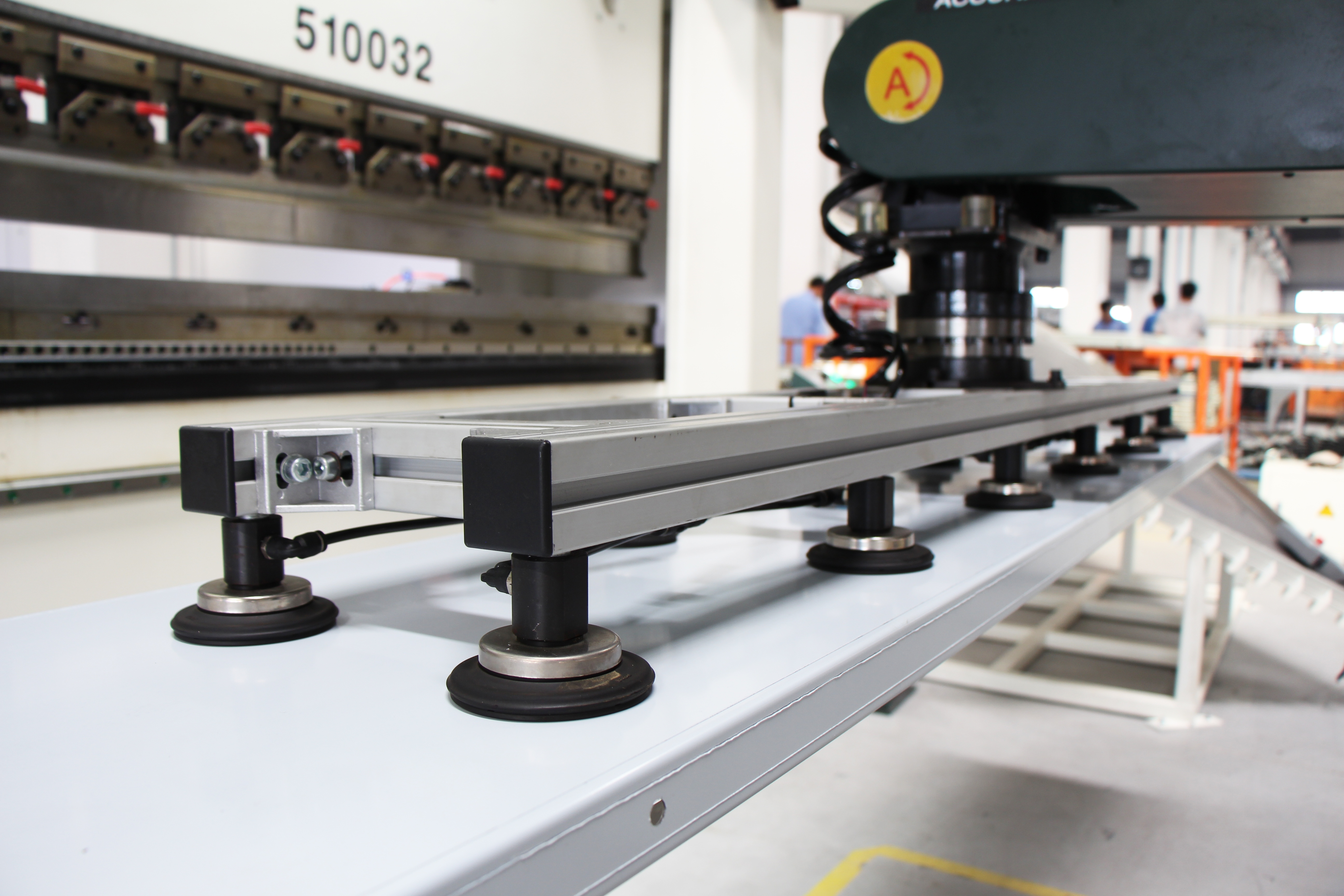
Joylive's state-of-the-art automated production line ensures precision manufacturing for premium industrial elevators.
Use Cases: When Premium Is the Clear Winner
Case 1: Heavy-Duty Manufacturing Plant
A large automotive parts manufacturer required transporting heavy dies and raw materials between floors. A standard elevator (5 tons) caused bottlenecks and frequent repairs. After switching to a Joylive heavy-duty freight elevator (15 tons, custom platform size, IoT-enabled predictive maintenance), production throughput increased by 25% and unplanned downtime dropped to near zero.
Case 2: Chemical Processing Facility
For a chemical plant handling flammable materials, a standard elevator could not meet explosion-proof requirements. Joylive provided a fully certified explosion-proof industrial freight elevator with spark-proof electrical components and reinforced steel structure, complying with international ATEX/IECEx standards (where applicable).
Case 3: Smart Warehouse with AGV Integration
A modern e-commerce fulfillment center needed an elevator that could communicate with autonomous guided vehicles (AGVs) and warehouse control systems. A standard unit lacked the necessary API. Joylive’s smart industrial freight elevator featured open IoT interfaces, enabling seamless integration with the facility’s smart robot fleet and access control systems.
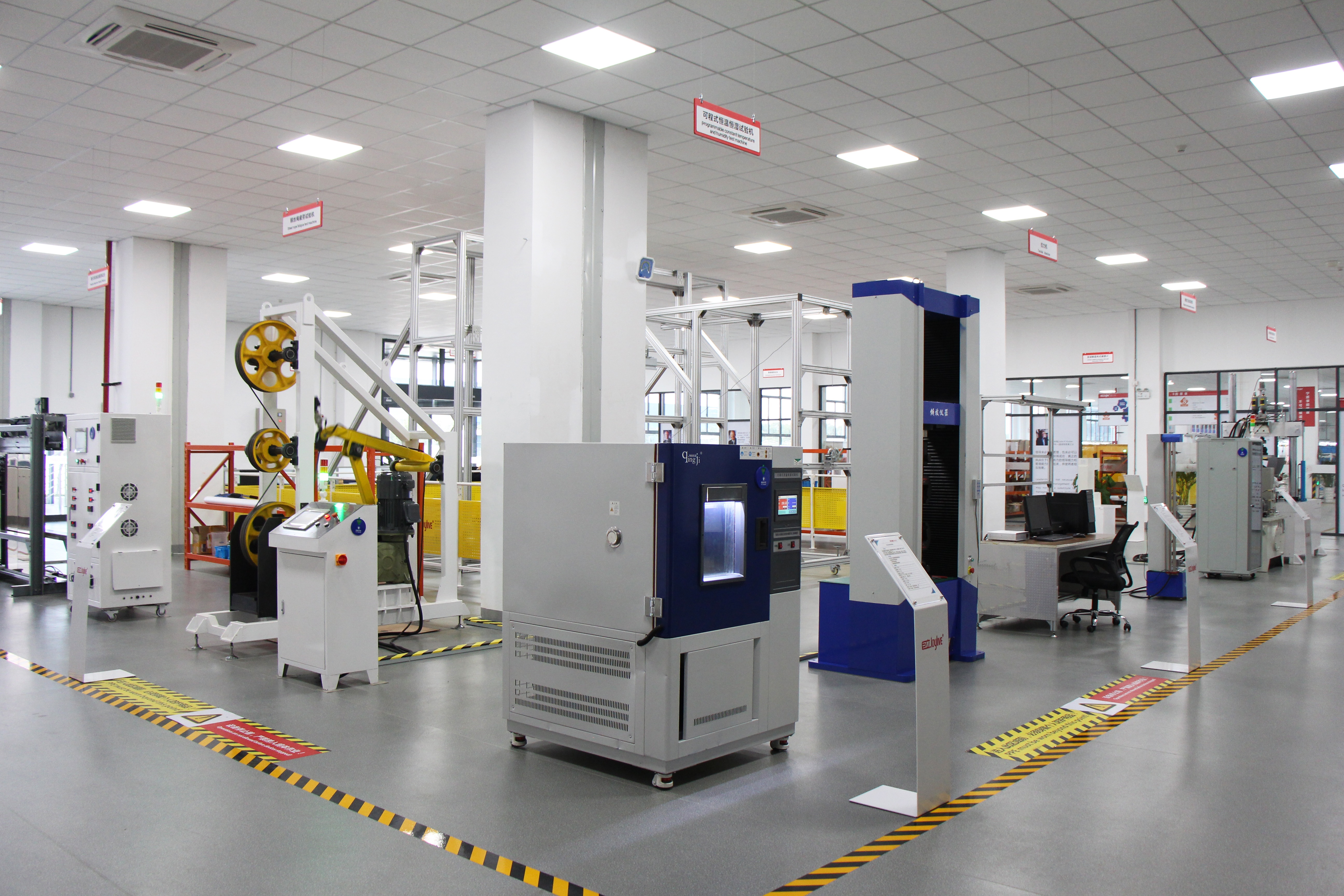
Joylive's CNAS-accredited laboratory conducts rigorous testing to ensure premium quality and safety of industrial elevators.
Frequently Asked Questions (FAQ)
What is the difference between a freight elevator and an industrial vertical conveyor?
An industrial freight elevator is a true elevator with a car, capable of carrying heavy loads (often >5 tons) to multiple floors, and can be customized for specific requirements. An industrial vertical conveyor (also called a reciprocating lift) is a simpler device for moving pallets or boxes between two levels, typically with lower capacity and less flexibility. For high-traffic, multi-stop applications requiring durability and safety, a freight elevator is superior.
How does Joylive ensure the quality of its premium industrial elevators?
Joylive holds a top A qualification for special equipment manufacturing in China, operates a CNAS-accredited laboratory, and is certified under ISO 9001, ISO 14001, VDI 4707, and ISO 25745-2 energy efficiency standards. Their advanced smart manufacturing center follows stringent quality control processes.
Can a standard industrial elevator be upgraded later with IoT features?
Yes, but it often requires costly retrofitting and may have compatibility limitations. A premium elevator built with IoT capabilities from the ground up offers more reliable integration, easier maintenance, and lower upgrade costs.
What industries benefit most from premium industrial elevators?
Automotive, aerospace, chemical processing, heavy machinery, logistics, food & beverage, and pharmaceuticals – any industry requiring high reliability, heavy loads, special environments, or smart integration.
How do I choose the right supplier for my project?
Look for suppliers with proven experience in custom solutions (like Joylife with 20+ years), a portfolio of certifications, an in-house manufacturing facility, and a global service network. Request references and case studies similar to your application.
Conclusion: Invest in Quality for Long-Term Gains
While standard industrial elevators may seem attractive due to lower upfront cost, premium industrial freight elevators offer superior durability, safety, efficiency, and smart capabilities that reduce total cost of ownership and future-proof your operations. For facilities with demanding loads, harsh environments, or plans for digital transformation, choosing a premium customized solution is a strategic investment.
As a trusted customized elevator solution provider, Joylive Elevator combines over two decades of vertical transportation expertise with cutting-edge IoT and digital service capabilities. Whether you need a Durable industrial freight elevator, an explosion-proof industrial freight elevator, or a fully integrated smart industrial freight elevator, Joylive delivers tailored solutions that meet the highest international standards.
📞 Contact the Joylive team today:
Phone/WhatsApp: +86 178-0524-3526
Email: marketing@joylive.com
Address: No.322, Maoxu Rd., Bacheng, Kunshan, Suzhou City, Jiangsu Province, China
Joylive Elevator's headquarters and modern manufacturing base in Kunshan, Jiangsu Province, China.