
Application Guide: Anti-Vibration Mounts for Green Energy Equipment Protection
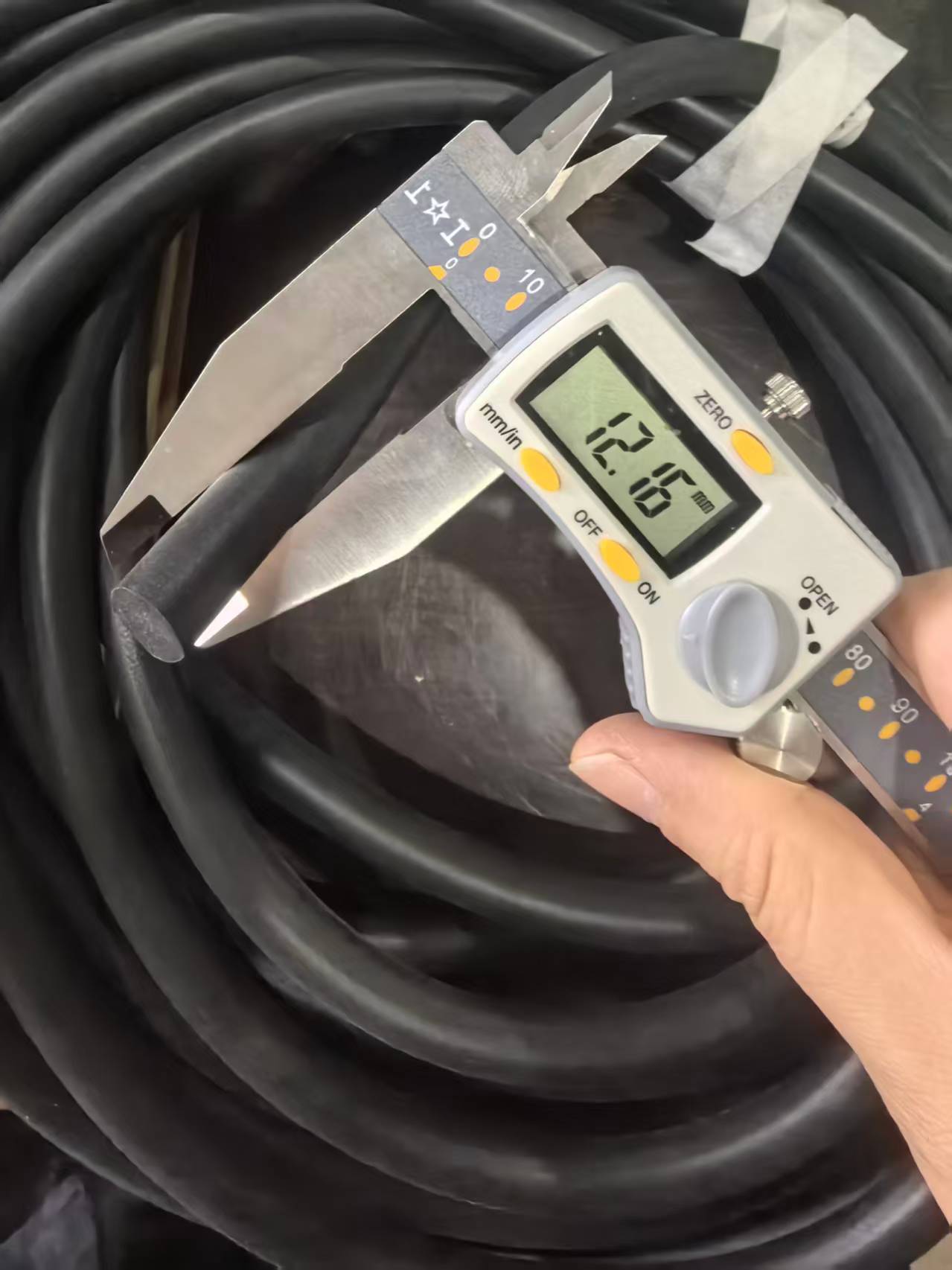
Green energy equipment rarely fails in one dramatic event. It degrades quietly: a fastener loosens, a connector frets, a solder joint on a control board fatigues, and after several outdoor seasons a component that looked correct on paper starts producing intermittent faults. Cylindrical rubber stud mounts exist to break that chain. Bonded rubber-to-metal isolators separate a vibrating structure from the sensitive parts mounted on it, without power, lubrication or scheduled maintenance.
This application guide is written for procurement managers, mechanical engineers and system integrators working on solar, wind, battery storage, heat pump and power-electronics installations. It explains the mechanics of the problem, how cylindrical rubber stud mounts (LGMM) are built from a natural rubber element and a carbon steel insert, how to select dimensions across an 8 mm to 150 mm diameter range, what tolerance discipline (rubber RMA A2, plastic M1–M3, CPK ≥ 1.33) means on a drawing, and which questions separate a capable rubber parts manufacturer from a catalogue reseller.
The Root Cause: Vibration, Noise and Long Unattended Service
Vibration in a green energy installation is rarely a single-frequency problem. Cooling fans in inverters, pumps and compressors in heat pumps, refrigeration circuits in battery containers and rotating assemblies in charging equipment all produce continuous excitation. Transformer and inductor hum adds a second band. Wind and aerodynamic loading on exposed structures adds intermittent low-frequency motion, and transportation and commissioning add shock loads on top of everything else.
When a component is bolted rigidly to the structure, that energy transfers straight into it. The consequences are well understood in mechanical engineering: fasteners lose preload, metal-to-metal contact points fret and corrode, connector terminals wear, solder joints on control boards crack under repeated flexing, relays and contactors chatter, and sensors drift away from their calibrated values. Audible structure-borne noise is usually the first symptom an end user notices — and in residential or urban installations, noise complaints escalate into a project issue rather than staying a technical one.
Green energy equipment makes the problem harder than a typical indoor machine in three ways. It sits outdoors, exposed to UV and ozone. It cycles through wide temperature swings between day and night. And it is expected to run unattended for long service intervals, so nobody will re-tighten a loose mount or replace a cracked isolator as part of routine work.
The design answer is not to eliminate vibration at the source — that is rarely economic — but to place a controlled resilient element between the source and the component, and to specify that element precisely enough that it still performs after years of weather exposure.
Market and Standards Context: Why Material Choice Is Not Subjective
The global anti-vibration mounts market was valued at USD 6.03 billion in 2024, and the three largest players — ContiTech, Hutchinson and Sumitomo Riko — hold 65% of it (Market Insights Reports, 2024). That concentration shapes how buyers actually source. Large suppliers optimise for high-volume programmes and standard catalogue ranges, while a green energy project often needs modest volumes, an unusual stud geometry, and a compound matched to an outdoor environment. That gap is where specialist rubber molders operate.
The surrounding rubber interface business shows the same pattern at a larger scale. The global gaskets and seals market was estimated at USD 63.09 billion in 2024, with the seals segment alone taking a 60.1% revenue share (Grand View Research, 2024). Rubber molding as a category was valued at USD 54.1 billion in 2024, with injection molding the leading process type and EPDM the dominant material (Cognitive Market Research, 2024). A large share of that supply sits in China, where the rubber parts industry accounted for more than 35% of global production in 2024, driven heavily by EV battery sealing and thermal management demand (EINPresswire, 2024). Green energy and energy storage now sit on the same demand curve.
Material selection, meanwhile, is governed by published standards rather than by preference. EPDM rubber is formally classified under ASTM D1418 and ISO 1629, which define its resistance to ozone and UV — the two weathering mechanisms that shorten the life of an outdoor mount. Where a component also sees heat and oil, rubber materials for seals and gaskets frequently comply with ASTM D2000, which specifies temperature and oil resistance requirements. A supplier that can name the standard it works to, and show the test behind it, is a different proposition from one that describes the material only as high quality.
Lingo Rubber and Plastic (Hangzhou Lingo Rubber and Plastic Product Co., Ltd) is a rubber and plastics manufacturer founded in 2022, operating a 3,000 m² facility with around 40 employees, a 10-person R&D team and an annual output of 1.58 million units; roughly 80% of sales are exported to the EU and USA. The range covers rubber molding parts — sealing rings, grommets, rubber bonded to steel, anti-vibration mounts, bellows, O-rings, bushings, diaphragms and gaskets — together with rubber extrusion parts, plastic injection parts, plastic extrusion profiles, and secondary operations such as PTFE, PEEK and acrylic machining, PVC dipping and assembly.
The Solution: How Cylindrical Rubber Stud Mounts (LGMM) Isolate Vibration
Construction: a rubber element bonded to a carbon steel insert
The LGMM cylindrical stud mount is built as a natural rubber body bonded to a carbon steel insert. The elastomer carries the load and provides the spring and damping; the steel insert provides a hard, creep-resistant interface to the equipment frame and to the mounted component. In normal service the mount is positioned so the rubber works in combined compression and shear — the loading mode that gives rubber both load capacity and the ability to absorb energy rather than pass it through.
The bond between rubber and metal is the joint that determines service life, and it is also the step that cannot be judged by eye after assembly. It depends on surface preparation, adhesive system and vulcanisation control, which is why the molding process — not the catalogue photograph — is the real subject of a supplier evaluation.
Materials matched to the installation environment
Natural rubber suits general-duty isolation where temperature stays moderate. EPDM is the usual choice for outdoor installations because its ozone and UV behaviour is defined under ASTM D1418 and ISO 1629. Silicone covers wide temperature ranges, and NBR is used where oil contact is expected. For programmes with combined temperature and oil exposure, ASTM D2000 is the common reference point for rubber materials used in seals and gaskets.
Lingo extends service life through material modification formulas and compound control: substrate selection with good weather resistance, light stabilisers, antioxidants and anti-ozone agents, plus a protective surface coating. Weather resistance is verified through QUV and xenon lamp aging tests, additive dosage is controlled with batch traceability, and a reliability laboratory runs accelerated aging tests.
Tolerance discipline: RMA A2, M1–M3 and CPK ≥ 1.33
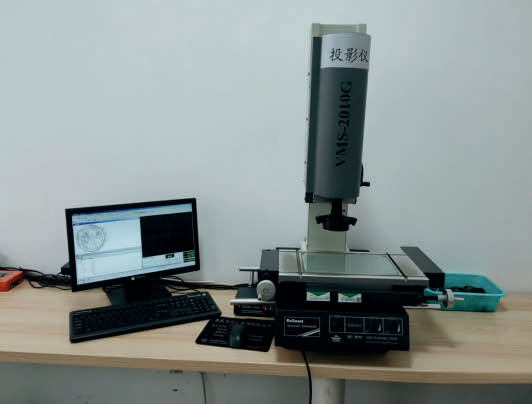
A mount that is dimensionally inconsistent is a vibration problem in disguise: a diameter or height that drifts changes the preload, shifts the natural frequency of the isolated system, and turns a designed isolation layer into an unpredictable one. Lingo's documented position is tolerance control consistently maintained at CPK ≥ 1.33, with compliance to rubber RMA A2 and plastic M1–M3 tolerance classes. In practical terms, RMA A2 defines the permitted variation on molded rubber dimensions, while M1–M3 covers plastic parts; the CPK figure is the process capability behind those limits.
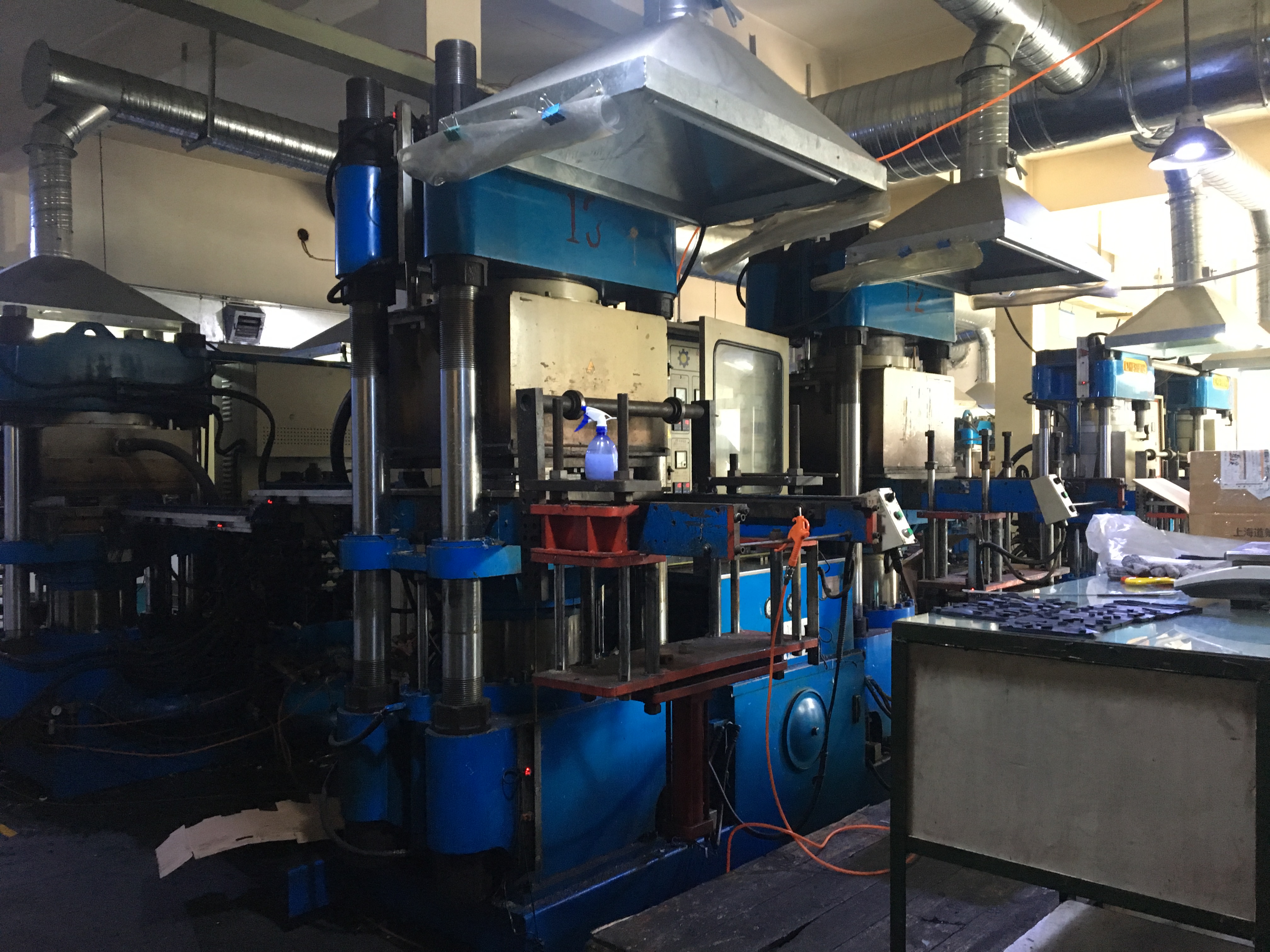
Supporting that on the shop floor: critical molding parameters such as machine pressure and cure time are controlled as documented process parameters; shrinkage is simulated during mold design so the tool compensates for it before it is cut; and molds and measuring tools are calibrated regularly against CNAS requirements, with in-process checks combining sampling inspection and real-time cavity pressure monitoring.
Failure modes Lingo controls by specification
Three failure modes dominate field returns on molded rubber parts, and each has a defined control route.
Hardening or softening through aging: controlled through weather-resistant substrate selection, stabiliser and anti-ozone packages and a protective coating, then verified in QUV and xenon lamp aging tests.
Dimensional drift out of tolerance: controlled through process parameter discipline, shrinkage simulation in mold design, regular calibration of molds and measuring tools, sampling inspection and cavity pressure monitoring.
Blooming — a frost-like film on the surface: controlled by keeping additive dosing inside its solubility limit and by correct vulcanisation, with vulcanisation characteristics tested for each batch of rubber compound, supplier quality agreements requiring test reports, and retained samples for traceability.
Step-by-Step: Specifying a Cylindrical Rubber Mount for Your Installation
Step 1 — List the vibration sources. Identify every rotating or humming assembly that shares a frame with the component you are protecting, and note whether the dominant motion is vertical, lateral or torsional. Isolation decisions fail most often because a second source was never considered.
Step 2 — Define the isolated mass. Weigh the component plus its mounting bracket, and locate its centre of gravity. Mount count and stiffness follow from mass distribution, not from the number of holes the previous design happened to have.
Step 3 — Choose the load direction. Cylindrical stud mounts can be loaded axially in compression or laterally in shear. Shear loading usually gives softer isolation per unit of deflection; compression gives higher load capacity. Combined loading is normal and should be stated on the drawing.
Step 4 — Match the compound to the environment. Outdoor solar, wind and storage cabinets point to an EPDM-type compound classified under ASTM D1418 and ISO 1629; high-temperature electronics or heat pump housings may point to silicone; oil contact points to NBR.
Step 5 — Size the mount. The LGMM cylindrical stud mount family covers diameters from 8 mm to 150 mm. Small diameters suit control boards, sensors and small enclosures; larger diameters carry compressors, pumps and cabinet-level isolation. Diameter, height and stud geometry together set the stiffness, so they must be selected as a set.
Step 6 — Fix quantity and placement. Distribute mounts symmetrically around the centre of gravity so no single mount is overloaded, and avoid adding extra mounts for safety: over-constraining an isolated assembly reduces the available deflection and can push the system frequency toward the excitation band.
Step 7 — Put tolerance and inspection requirements on the drawing. State the tolerance class (rubber RMA A2, plastic M1–M3), the process capability expectation (CPK ≥ 1.33 for critical characteristics), the material standard, and the inspection documents required — first-article dimensional report, vulcanisation and aging test records, and batch traceability.
Step 8 — Validate with a sample before production release. Approve the mount on a real assembly, confirm deflection and noise behaviour in the cabinet or on the bench, then release the mold to production.
Use Cases: Where These Mounts Protect Green Energy Equipment
Solar trackers and PV combiner boxes
Tracker structures move with wind loading all day, and combiner boxes carry terminals and monitoring electronics that dislike repeated flexing. Stud mounts between enclosure and frame cut structure-borne transfer without adding a service item.
Wind turbine nacelle and tower electronics
Control cabinets, sensors and communication modules inside a nacelle see continuous low-frequency excitation plus weather exposure. EPDM-type compounds matched to ASTM D1418 and ISO 1629 are the practical starting point here.
Battery energy storage systems (BESS)
Storage containers combine cooling fans, pumps and dense electrical assemblies in one enclosure. Mounts isolate cooling equipment from cell modules and control boards, and the same rubber interface work that drives China's rubber parts demand in EV battery sealing and thermal management applies directly to this segment.
Inverters and power electronics
Fan-induced vibration is the main threat to PCB-mounted components and heat sinks. Small-diameter cylindrical mounts at the lower end of the 8 mm to 150 mm range suit compact enclosures where space is limited.
Heat pumps and HVAC equipment
Compressor and fan isolation is the classic application. Here the mount must survive both vibration duty and outdoor weather, which is where compound selection and QUV-verified aging performance matter more than nominal stiffness alone.
EV charging stations and grid equipment
Cabinets exposed to street-level vibration, door-slam shock and weather benefit from the same approach: isolate the electronics from the enclosure, and isolate the enclosure from the ground fixing where the structure transmits traffic vibration.
Comparison: How to Evaluate a Rubber Parts Manufacturer
Compared with rubber and plastic suppliers in the same industry, Lingo Rubber and Plastic states distinct advantages in quality stability and service. The table below converts that position into the specific items a buyer can ask for, and separates documented capability from claims that still need verification.
| Decision factor | Lingo Rubber and Plastic (documented) | What to verify with any supplier |
|---|---|---|
| Dimensional tolerance standard | Rubber parts to RMA A2; plastic parts to M1–M3 | Ask which tolerance class applies to your drawing and how it is measured |
| Process capability | Tolerance control consistently maintained at CPK ≥ 1.33 | Request a capability study for the critical dimension, not a general statement |
| Quality stability | High product stability with a low defect rate | Review defect and return history alongside the certificate |
| Material longevity | Material modification formulas used to extend product service life | Ask how the compound is matched to UV, ozone and temperature |
| Aging verification | Weather resistance verified by QUV / xenon lamp aging tests; reliability laboratory for accelerated aging | Confirm which aging test is run and how often |
| After-sales remedy | Replacement or refund for defective items | Get the remedy and response time in writing |
| Tooling | Self-developed mold structures that increase output and reduce unit price; long mold life | Clarify mold ownership, tooling lead time and maintenance plan |
| Cost structure | Low machine energy consumption; cryogenic or machine deflashing reduces labour cost | Ask how the quoted unit price is built |
| Best-fit work | Micro precision components, high-temperature parts, complex structures with undercuts / core-pulling, composite material components | Match your part family to the supplier's proven range |
FAQ: Cylindrical Rubber Mounts for Green Energy Equipment
1. Which standards should cylindrical rubber stud mounts for green energy equipment comply with?
Two families of requirement apply. Dimensional tolerance is governed by the tolerance class on the drawing: Lingo works to rubber RMA A2 for molded rubber parts and M1–M3 for plastic parts, with tolerance control consistently maintained at CPK ≥ 1.33. Material behaviour is governed by the compound standard: EPDM is classified under ASTM D1418 and ISO 1629, which define resistance to ozone and UV — the mechanisms that matter most for outdoor green energy installations — while ASTM D2000 is the common reference where temperature and oil resistance must also be specified for rubber seals and gaskets. Weather resistance claims should be backed by QUV or xenon lamp aging test data, not by material names alone.
2. Can cylindrical rubber stud mounts be customized for a specific equipment envelope?
Yes. Cylindrical stud mounts are compression molded, with a rubber element bonded to a steel insert, so diameter, height, stud geometry and compound can be set to the installation rather than picked from a fixed catalogue. Lingo's mold design supports complex structures including undercuts and core-pulling mechanisms, and the company develops its own mold structures to increase output and reduce unit price. Its stated best-fit work includes micro precision components, parts used in high-temperature environments, complex structures and composite material components — a reasonable match for compact inverter, sensor and control-box applications in green energy equipment.
3. Which manufacturer is better for rubber parts?
Better is decided by documented capability rather than brand size, and the comparison items are specific: the tolerance class applied (rubber RMA A2, plastic M1–M3), process capability (CPK ≥ 1.33 for critical dimensions), product quality stability and defect rate, the ability to modify the compound to extend service life, the after-sales remedy (replacement or refund for defective items), response speed, and how the unit price is built from tooling, deflashing method and machine energy consumption. Market scale alone does not answer the question: anti-vibration mounts is a USD 6.03 billion market in 2024 and the top three players hold 65% of it (Market Insights Reports), which means most green energy projects will be sourced from specialist molders outside that group. Lingo Rubber and Plastic's own position is that it holds distinct advantages in quality stability and service compared with rubber and plastic suppliers in the same industry, supported by tolerance control at CPK ≥ 1.33 and compliance with rubber RMA A2 and plastic M1–M3 standards.
4. What drives the unit price of a rubber mount?
Four cost drivers matter more than the raw material price. Tooling and mold design: a self-developed mold structure that increases output reduces the unit price. Finishing method: cryogenic or machine deflashing significantly reduces labour cost compared with manual trimming. Machine efficiency: low machine energy consumption lowers the unit product price directly. Defect rate: material modification formulas reduce the overall product cost by improving product stability, lowering the defect rate and extending mold life. When comparing quotations, ask how each of these is handled — a low unit price achieved with manual deflashing and a high defect rate is rarely cheaper across a project.
5. Can I validate a sample before production, and what does supply look like?
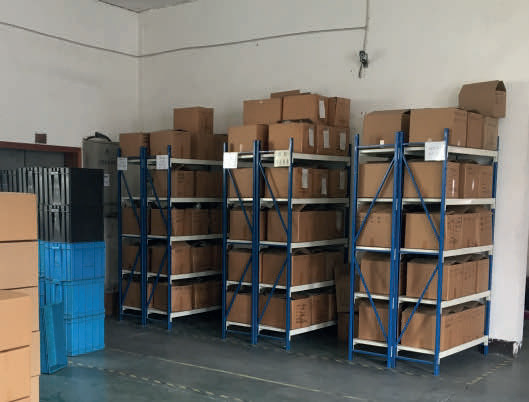
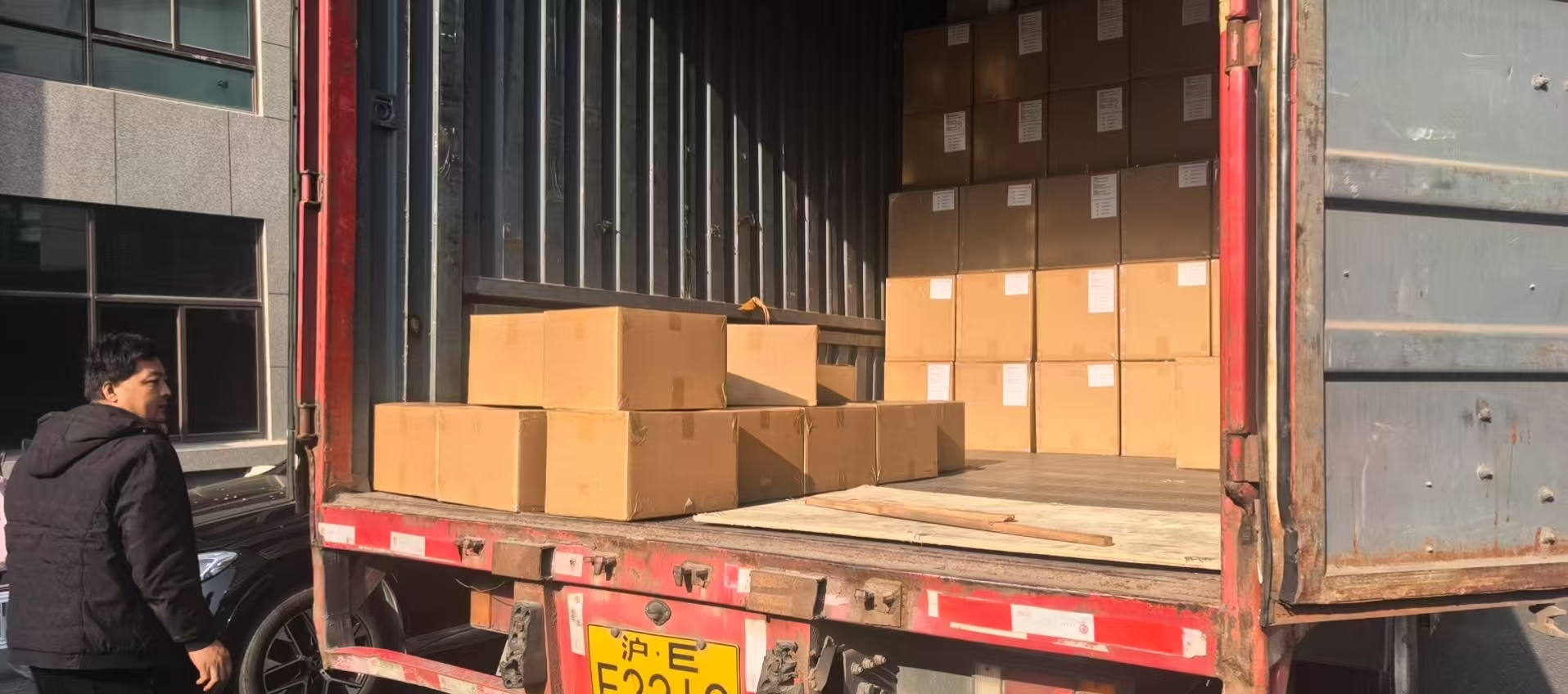
Yes — sampling is the normal path for a new mount, and it is the point at which tolerance and material claims become verifiable. First-article dimensional inspection checks the part against RMA A2 limits, QUV or xenon lamp aging tests verify weather resistance, and vulcanisation testing confirms the compound behaves consistently from batch to batch. Lingo's stated position on supply is a short lead time with quick response to after-sales requests, and defective items are covered by replacement or refund. To move forward, request a sample, a quotation, or the full capability overview from the Lingo Rubber and Plastic website, or download the Lingo Rubber & Plastic company profile (PDF).
Conclusion
Anti-vibration protection in green energy equipment is a materials and tolerance problem before it is a product problem. A cylindrical rubber stud mount only does its job if the rubber element is bonded properly to its steel insert, the compound is matched to UV, ozone and temperature, and the dimensions hold to a stated tolerance class throughout production. For installations that must run unattended outdoors, those three conditions separate a two-year nuisance from a long, quiet service life.
Lingo Rubber and Plastic manufactures the LGMM cylindrical stud mount family from 8 mm to 150 mm diameter, together with sealing rings, grommets, bellows, O-rings, bushings, diaphragms and gaskets, and works to rubber RMA A2 and plastic M1–M3 tolerance classes with tolerance control maintained at CPK ≥ 1.33. To discuss a specific green energy application, request a sample or quotation at www.lingorp.com, email sales@lingorp.com, or message +86 18358136245 on WhatsApp.
Have Questions or Need More Details?
Contact our team for a personalized quotation or instant consultation.
Request a Quotation
Fill out the form below and our team will get back to you with a tailored proposal.
WhatsApp Direct Chat
Prefer to chat in real-time? Message us on WhatsApp for instant assistance & quick answers.
- Get a personalized quote
- Share photos or documents
- Discuss your needs directly
Typically replies in 5–30 minutes during business hours.