
How to Select Rubber Parts for Your Project: Seals, O-Rings & Anti-Vibration Mounts
How to Select Rubber Parts for Your Project: Seals, O-Rings & Anti-Vibration Mounts
When engineering a new product or retrofitting an existing system, choosing the right rubber parts—whether rubber seals, o-rings, anti-vibration mounts, or custom extrusions—directly impacts performance, compliance, and total cost of ownership. Hangzhou Lingo Rubber and Plastic Product Co., Ltd (Lingo Rubber Plastic) is a manufacturer specializing in rubber compression molding parts, rubber extrusions, plastic injection parts, and plastic extrusion profiles. Founded by industry veterans with over a decade of experience, the company helps clients solve sealing problems and provide anti-vibration solutions that meet stringent parameters on tensile strength, elongation, compression set, and other physical and chemical properties.
The Challenge: Selecting Rubber Parts for Complex Project Environments
Project engineers and procurement professionals face multiple variables when sourcing rubber parts: wide temperature ranges, exposure to oil and grease, dynamic loads, continuous vibration, and compliance with certifications such as FDA, UL, ROHS, or REACH. The global gaskets and seals market was estimated at USD 63.09 billion in 2024 (Grand View Research), with the seals segment holding 60.1% of revenue. China's rubber parts industry accounts for over 35% of global production, driven in part by EV battery sealing and thermal management demands. These numbers underscore the need for a supplier that can handle both standard and custom requirements.
Industry Background: Standards and Market Context
Rubber materials commonly used in industrial applications—such as EPDM, NBR, silicone, and FKM—are classified under ASTM D1418 and ISO 1629 standards. For automotive seals and gaskets, ASTM D2000 specifications often govern temperature and oil resistance. The global anti-vibration mounts market reached USD 6.03 billion in 2024, with top players including ContiTech, Hutchinson, and Sumitomo Riko holding 65% of the market. For project teams that need a responsive partner, Lingo Rubber Plastic offers a 3,000 m² facility, an annual output of 1.58 million units, and 80% of sales exported to the EU and USA.
Detailed Solution: Lingo Rubber Plastic's Product Range and Capabilities
Lingo Rubber Plastic provides a comprehensive lineup of rubber parts tailored to project-specific needs:
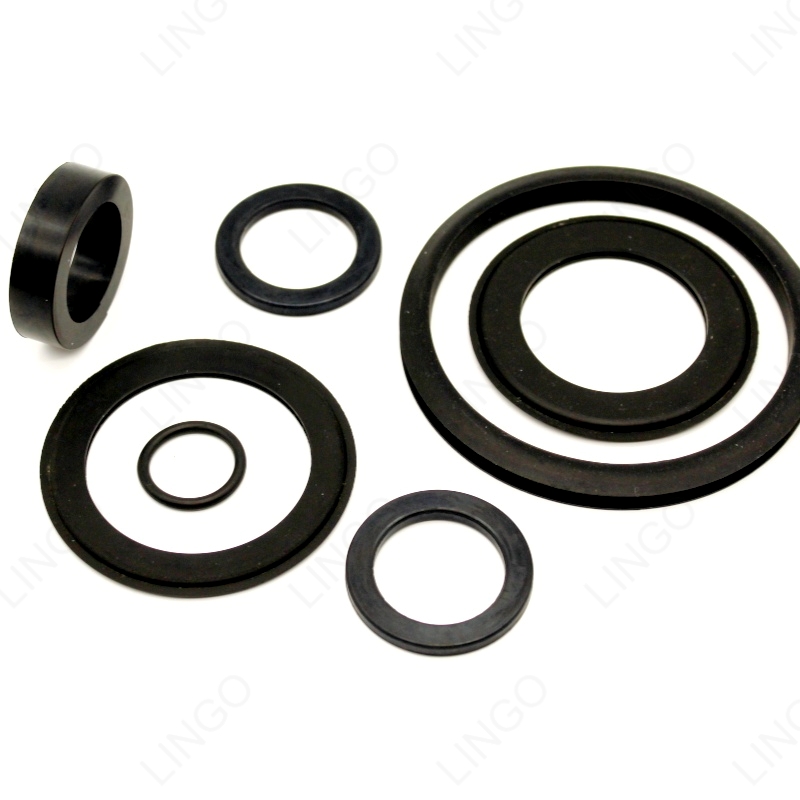
- Rubber sealing rings (model LG-RS) include rubber o-rings, x-rings, and oil seals. Materials: NBR, EPDM, silicone, NR, CR, SBR, FKM, FFKM, AFLAS. Hardness: Shore A 50–95. Heat range: -40°C to 250°C. Certificates available: FDA, UL, ROHS, REACH.
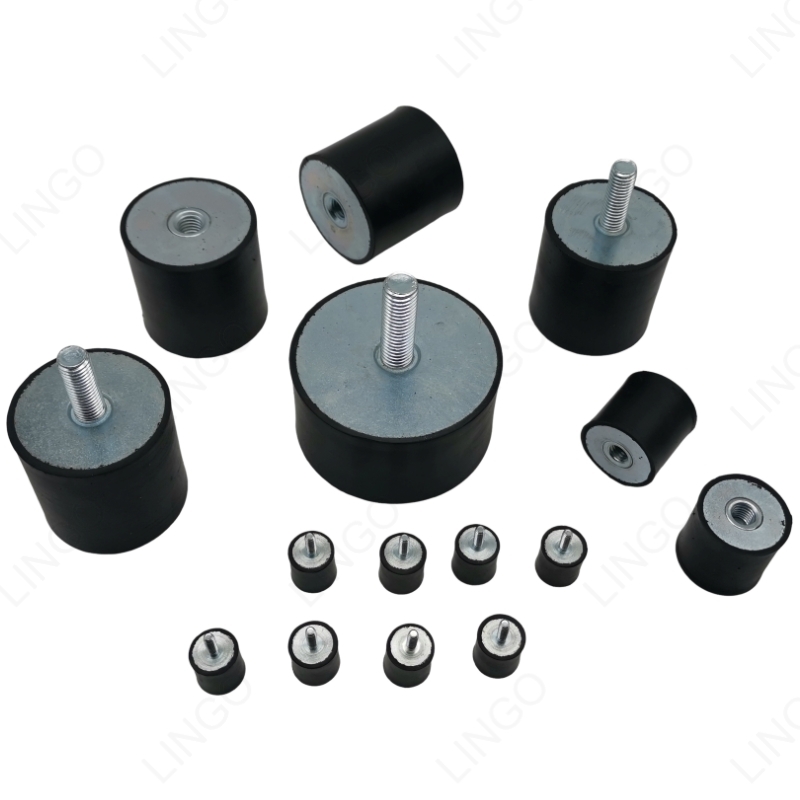
- Anti-vibration mounts (model LGMM) comprise cylindrical rubber mounts and rubber stud mounts. Materials: natural rubber with zinc-coated steel. Diameter: 8–150 mm; height: 8–90 mm. Tolerance per RMA A2 standard.
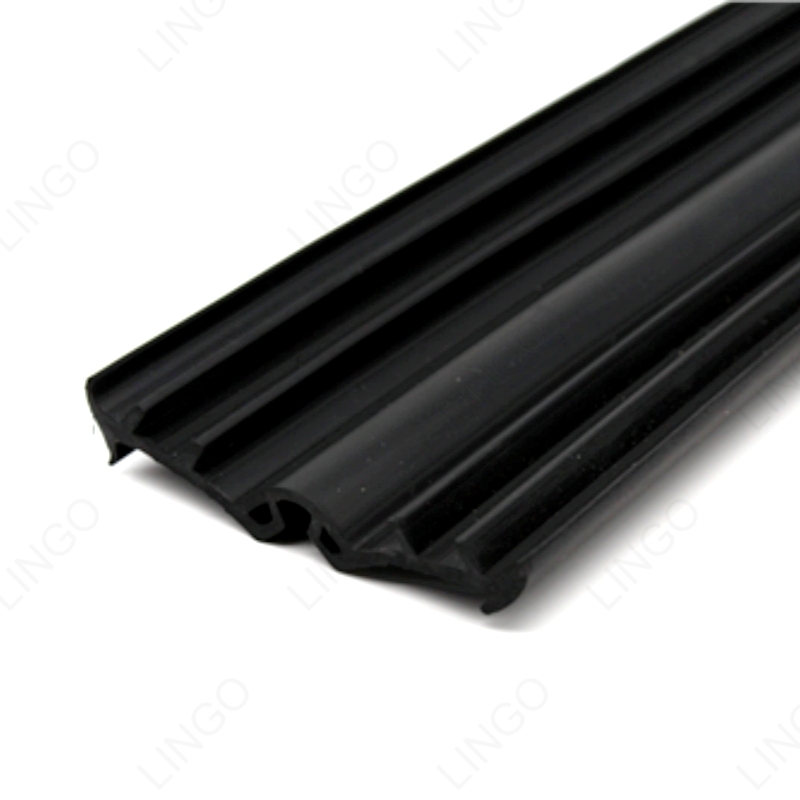
- Rubber extrusion seals (model LG-RX) include silicone rubber extrusion seals, self-adhesive seals, co-extrusion seals, solid and sponge profiles. Materials: EPDM, NBR, silicone, FKM. Hardness and length as required.
- Silicone rubber cords (model LG-SRC) in solid or sponge form, FDA-qualified, heat resistant, and available in custom colors per Pantone or RAL.
The company operates in OEM/ODM production modes for these categories, with a monthly capacity of 1,000,000 kgs and typical lead times of 2–6 weeks. Small quantity orders are acceptable, and quality control includes full inspection of samples and random inspection of bulk goods.
Step-by-Step Breakdown: How to Select Rubber Parts for Your Project
- Define operating conditions. Identify temperature range, chemical exposure, dynamic load, and vibration frequency. For example, anti-vibration mounts for transportation applications must withstand -40°C to +120°C, oil, grease, road shock, and continuous vibration.
- Select material class. Refer to standards: EPDM for ozone/UV resistance, NBR for oil resistance, silicone for extreme temperatures, FKM for chemical resistance.
- Specify hardness and tolerances. Shore A values typically range 50–95. Dimensional tolerances should align with industry standards (e.g., RMA A2 for mounts).
- Verify compliance requirements. Check if your project needs FDA, UL, ROHS, or REACH certification. Lingo can produce parts meeting these.
- Request prototypes and testing. Full inspection of samples ensures dimensional accuracy and performance. For dynamic parts, fatigue resistance of 10⁶–10⁷ cycles may be required.
- Plan for production and quality control. Lingo offers batch traceability, mold maintenance, and remote technical support. Free exchange and acceptance of concessions are part of the after-sales service.
Use Cases: Real-World Applications
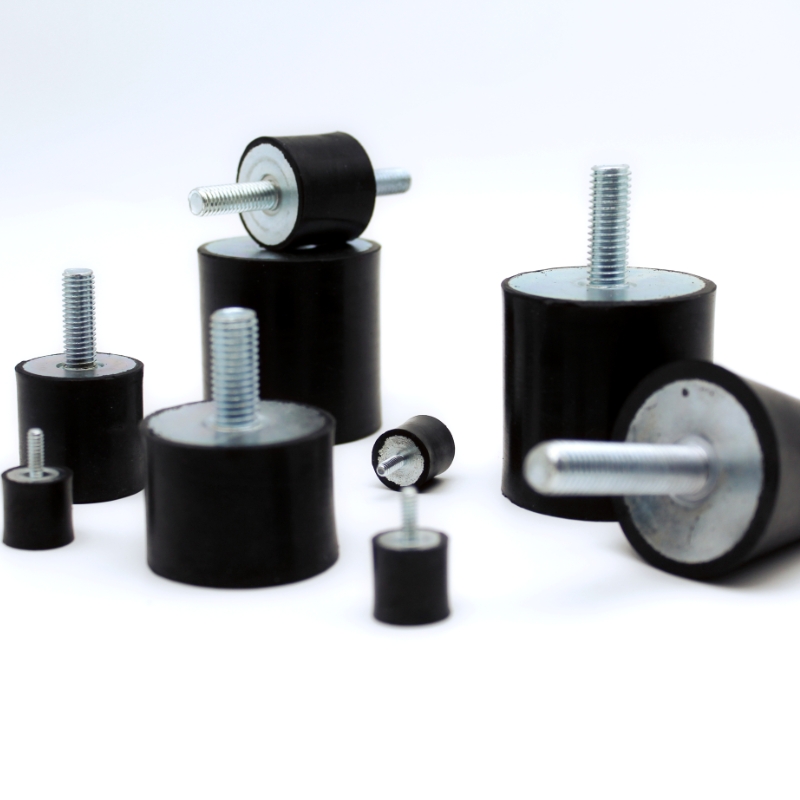
- Automotive engine vibration damping (US client): Lingo supplied anti-vibration mounts (LGMM) with UL94 V-0 certification. Existing tooling enabled immediate production. Test data showed a 45% reduction in peak vibration amplitude. The customer ordered 500 pieces, repeating four times per year.
- EV battery sealing (UAE automotive OEM): Silicone sponge cords (LG-SRC) made from FDA-grade silicone sponge rubber were provided for battery sealing, industrial gaskets, and door seals. The cords withstand temperature -60°C to 250°C, are UV-proof and ozone-resistant, and feature closed-cell construction for water and dust tightness. 4,000 meters were delivered, and the partnership has lasted three years.
- Water treatment and food industry sealing (multi-country): Rubber sealing rings (LG-RS) with FDA-certified white material were manufactured to high precision exceeding ASTM A1 standards. The parts maintain stable operation with zero claims over a three-year period.
Comparison: Lingo Rubber Plastic Product Categories
| Category | Typical Materials | Hardness (Shore A) | Temperature Range | Certifications Available | Common Applications |
|---|---|---|---|---|---|
| Rubber Sealing Rings (LG-RS) | NBR, EPDM, Silicone, FKM, etc. | 50–95 | -40°C to 250°C | FDA, UL, ROHS, REACH | Hydraulics, plumbing, food equipment, medical devices |
| Anti-Vibration Mounts (LGMM) | Natural rubber + zinc-coated steel | RMA A2 tolerance | -40°C to +120°C (operating) | UL94 V-0 available | Engine mounts, chassis isolation, rail bogies |
| Rubber Extrusion Seals (LG-RX) | EPDM, NBR, Silicone, FKM | As required | Per material | FDA (silicone) | Window/door seals, HVAC, marine, industrial enclosures |
| Silicone Rubber Cords (LG-SRC) | Silicone rubber (solid/sponge) | – | -60°C to 250°C | FDA | Battery sealing, cabinet gaskets, medical sealing |
Frequently Asked Questions
Are Lingo Rubber Plastic parts compliant with FDA and UL standards?
Can Lingo produce custom rubber parts with specific hardness and dimensional tolerances?
What are typical lead times and minimum order quantities for custom rubber parts?
Can I request samples before placing a bulk order?
How do I get a quote or start a project with Lingo Rubber Plastic?
Conclusion
Selecting the right rubber parts for your project demands a clear understanding of operating conditions, material properties, certification needs, and supplier capabilities. Lingo Rubber Plastic offers a proven track record across multiple industries—automotive, transportation, food processing, water treatment, and more—with a focused product portfolio of rubber seals, o-rings, anti-vibration mounts, extrusion profiles, and silicone cords. By partnering with a manufacturer that combines technical expertise, production flexibility, and compliance support, project teams can reduce risk and accelerate time to market.