
How to Select a Certified Rubber Parts Supplier: A Guide for Procurement Professionals
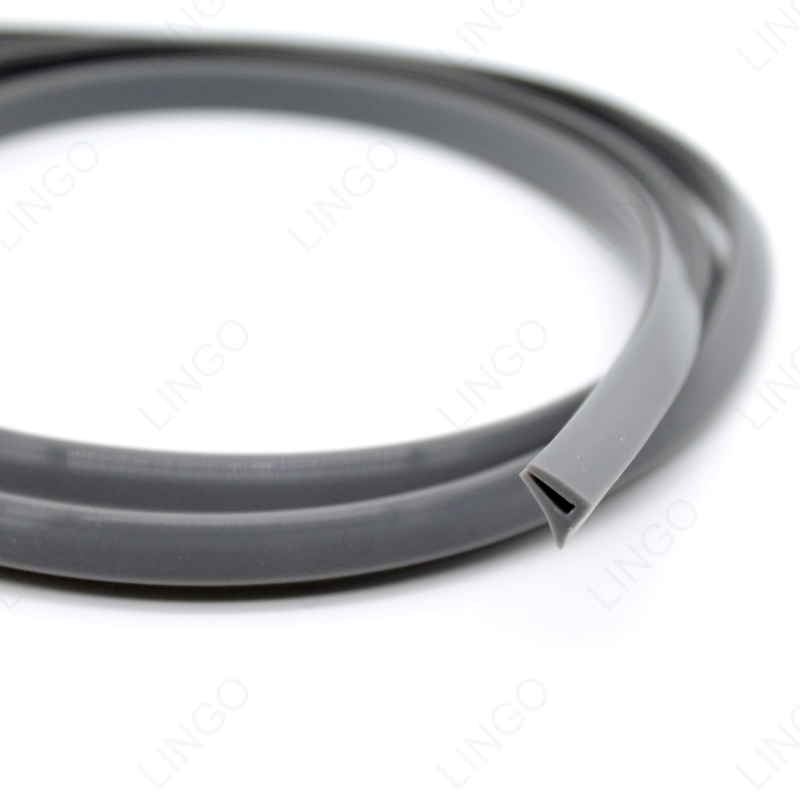
FDA certified silicone rubber extrusion seals – a benchmark for compliance in critical industries.
How to Select a Certified Rubber Parts Supplier: A Strategic Guide for Procurement Professionals
Introduction
Procuring rubber parts — from rubber seals and rubber O-rings to anti-vibration mounts and custom rubber parts — is rarely a simple transaction. For buyers in automotive OEM, food processing, medical devices, or aerospace, the real challenge is finding a supplier who not only delivers on cost and lead time but also meets strict certification requirements. Without the right certifications (FDA, UL, PPAP, MSDS, REACH), a seemingly good deal can turn into a compliance nightmare, causing project delays, safety recalls, or rejected shipments.
This guide is designed for procurement managers, sourcing specialists, and engineers who need to identify certified rubber parts suppliers that can provide rubber gaskets, silicone rubber seals, EPDM rubber gaskets, rubber extrusion, rubber injection molding, and more — all while guaranteeing quality and regulatory compliance. We will walk through the key certifications, how to evaluate a supplier’s credentials, and why Lingo Rubber Plastic stands out as a trusted partner.
What Is a Certified Rubber Parts Supplier?
A certified rubber parts supplier is a manufacturer that holds recognized third-party certifications for its materials, processes, and final products. These certifications serve as proof that the supplier’s rubber parts — whether silicone rubber cords, door and window seals, rubber grommets, vibration isolation mounts, or rubber washers — meet specific industry standards for safety, durability, and chemical resistance.
Certifications vary by industry:
- Food & Beverage / Medical – FDA compliance, MSDS, USP Class VI
- Automotive – PPAP (Production Part Approval Process), IATF 16949
- Electronics – UL 94 flammability, RoHS, REACH
- General Industrial – ISO 9001, ASTM material standards
A truly certified supplier can provide traceable documentation, batch records, and material declarations — giving you confidence that every custom rubber part you receive is built to specification.
Why Certification Matters in Rubber Parts Procurement
The consequences of sourcing uncertified rubber parts can be severe. In the automotive industry, a failed rubber oil seal or cylindrical rubber mount could lead to warranty claims worth millions. In food processing, a non-FDA silicone rubber seal can contaminate products and trigger regulatory action. In aerospace, a substandard rubber gasket may cause system failure.
Moreover, global supply chains now demand transparency. End customers increasingly require suppliers to demonstrate compliance with standards like REACH, RoHS, and conflict mineral regulations. A supplier that can provide MSDS and PPAP documentation is not just a vendor — they are a risk management partner.
For procurement professionals, the core question is no longer “Can you make this part?” but “Can you prove it meets the requirements?” That shift makes certification the single most important filter when evaluating potential suppliers of rubber auto parts, rubber plugs for holes, or any custom rubber parts.
Lingo Rubber Plastic: A Certified Partner for Your Most Demanding Applications
Founded in 2022 and headquartered at Rm1303 Meiya Plaza, LP, HZ, China, Hangzhou Lingo Rubber and Plastic Product Co., Ltd (LINGO) is a dedicated manufacturer specializing in rubber compression molding parts, rubber extrusion, plastic injection parts, and plastic extrusion profiles. With a 3000m² factory, around 40 employees, and an annual output of 1.58 million units, LINGO serves clients across EU and USA markets with an export ratio of 80%.
What sets LINGO apart is its commitment to certification and process control:
- PPAP Certification – LINGO holds PPAP certification for automotive production, covering its silicone rubber cords (Model LG-SRC), plastic injection parts (Model LG-PI), rubber sealing rings (Model LG-RS), and anti-vibration mounts (Model LGMM). This means every batch of rubber O-rings or cylindrical rubber mounts shipped to automotive customers complies with rigorous dimensional and material traceability requirements.
- MSDS Certification – The rubber sealing rings product (Model LG-RS) is covered by Material Safety Data Sheet certification, valid for the EU and USA markets. This ensures that rubber gaskets and rubber O-rings used in food, pharmaceutical, or chemical environments are accompanied by detailed safety and handling information.
- FDA Qualified Materials – LINGO’s silicone rubber cords are FDA qualified, making them suitable for direct contact with food and medical devices. This is crucial for applications like silicone rubber seals in kitchen appliances or rubber plugs in medical equipment.
Beyond certificates, LINGO maintains a quality management system that includes full inspection of samples, random inspection of bulk goods, and a batch traceability system. Their tolerance control consistently achieves CPK ≥ 1.33, meeting RMA A2 standards for rubber parts and MT1-MT3 for plastic parts.
Step-by-Step: How to Evaluate a Certified Rubber Parts Supplier
- Define Your Certification Requirements – List the mandatory standards for your industry. Do you need FDA for silicone rubber gaskets? PPAP for rubber auto parts? UL for rubber grommets used in electronics? Write down every certification your end customer demands.
- Request Certification Evidence – Ask the supplier to provide copies of their valid certificates, test reports, and material declarations. For LINGO, you can request the PPAP documentation covering anti-vibration mounts and rubber sealing rings, or the MSDS for rubber O-rings.
- Verify Production Capabilities – A certified supplier must have the equipment and skill to meet your specifications. LINGO offers rubber injection molding, rubber extrusion, and silicone moulding with monthly capacities exceeding 1,000,000 kg. They accept small MOQs and provide OEM/ODM customization for custom rubber parts.
- Check Quality Control Processes – Look for documented SOPs, calibration of measurement tools per CNAS standards, and mold cavity pressure monitoring. LINGO’s quality control includes real-time monitoring and first-piece surface gloss testing.
- Review Past Compliance Records – Ask for case studies or references. LINGO has supplied silicone sponge rubber cords to an automotive OEM for 3 years with zero claims, and provided rubber sealing rings to water treatment and food industry clients with stable dimensions and FDA compliance.
- Assess After-Sales and Traceability – Confirm they offer batch traceability, mold maintenance, and free exchange for defective items. LINGO’s after-sales includes remote technical support and a batch traceability system.
Use Cases: LINGO’s Certified Parts in Action
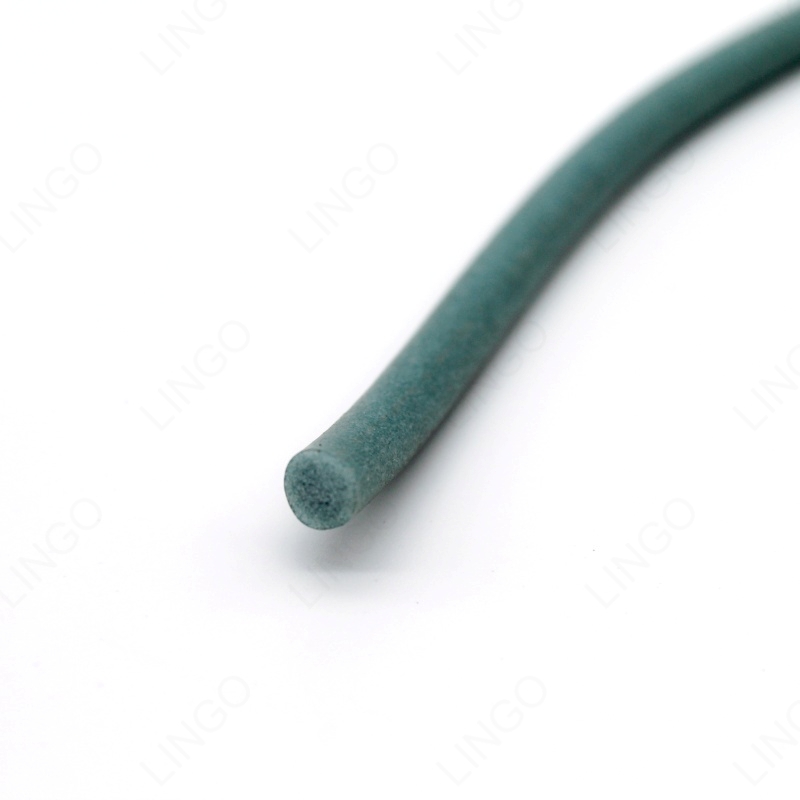
Automotive OEM – Silicone Sponge Cords (Model LG-SRC)
A Middle East automotive OEM required 4,000 meters of FDA-compliant silicone sponge rubber cords for EV battery sealing. LINGO delivered material with thermal stability from -60°C to 250°C, UV and ozone resistance, and closed-cell construction. The 3-year partnership has resulted in zero claims and consistent performance.
Water Treatment & Food Industry – Rubber Sealing Rings (Model LG-RS)
Clients in the US, UK, Canada, Australia, France, and Germany sourced over 1,000 units of rubber sealing rings for water sealing applications. LINGO’s FDA-certified white rubber material, high precision (exceeding ASTM A1 standards), and innovative mold design kept the metal inserts perfectly centered. The result: stable operation, zero claims, and hassle-free integration.
Frequently Asked Questions
What is PPAP certification and why does it matter for rubber parts?
PPAP (Production Part Approval Process) is a standard used in the automotive industry to ensure that production parts meet all design and quality requirements. A supplier with PPAP certification, like LINGO, can provide dimensional and material traceability for every batch of rubber O-rings, anti-vibration mounts, and rubber gaskets — reducing risk for OEMs.
Which markets does LINGO’s MSDS certification cover?
LINGO’s Material Safety Data Sheet (MSDS) certification for rubber sealing rings applies to the EU and USA markets. This is essential for buyers in food processing, pharmaceuticals, and chemical handling who need safety documentation.
What is the minimum order quantity (MOQ) for custom rubber parts?
LINGO operates with flexible MOQs based on part complexity. Small quantity orders are acceptable, making them a viable partner for prototyping or low-volume production of custom rubber parts like rubber plugs, rubber washers, or silicone rubber seals.
How can I get a quote or sample?
Contact LINGO’s sales team: Colin Lin at sales@lingorp.com or via WhatsApp at +86 18358136245. You can also download the company profile for a complete product and certification overview.
Conclusion
Selecting a certified rubber parts supplier is not just about ticking compliance boxes — it is about building a reliable supply chain that protects your brand, reduces liability, and ensures consistent product performance. By focusing on certifications like PPAP, MSDS, and FDA, you filter out vendors who cannot meet the highest standards.
Lingo Rubber Plastic combines deep industry expertise (with founders boasting 10–20 years of experience), a modern 3000m² facility, and formal certifications that cover rubber sealing rings, silicone rubber cords, rubber extrusion seals, and anti-vibration mounts. Whether you need EPDM rubber gaskets, door and window seals, rubber grommets, or vibration isolation mounts, LINGO offers the traceability and quality assurance that procurement professionals demand.
Ready to source certified rubber parts with confidence? Contact LINGO today or visit www.lingorp.com to start your partnership.