
Plastic Extruded Profiles: Types, Materials & Export
Plastic Extruded Profiles: Types, Materials & Export
Direct answer: A plastic extruded profile is a continuous plastic shape formed by pushing melted polymer through a die, so the same cross-section runs along the part length. It differs from an injection molded part, which is formed in a closed tool as a discrete three-dimensional component. For engineers and procurement teams, the specification decision usually comes down to cross-section design, material family, reinforcement or co-extrusion, length, color, surface, compliance documentation, and export packaging.
Lingo Rubber Plastic is the short name used here for Hangzhou Lingo Rubber and Plastic Product Co., Ltd., a manufacturer of rubber and plastic products in Hangzhou, China. Its product range includes plastic extrusion profiles under model LG-PE, alongside plastic injection parts, rubber molding parts, and rubber extrusions. The company was established in 2022, and its team brings more than 10 years of rubber and plastics industry experience, with some team members having over 20 years.

Problem Definition: Why Profile RFQs Stall Before Quotation
Most profile RFQs are not difficult because extrusion is an exotic process. They are difficult because the input is incomplete. A buyer may send a sample, a sketch, or a reference photo, but not the information a profile supplier needs to quote and produce consistently: the functional cross-section, the load or sealing requirement, the material expectation, the cut length, the color and surface target, the compliance destination, and the packaging method.
Confusion with other plastic parts processes adds another layer. A buyer who is used to injection molded plastic parts may ask for a tool and a discrete part, when the better route is a continuous profile cut to length. A buyer who is used to CNC plastic machining may specify a profile from a solid block, when extrusion can form the same constant cross-section more directly. The procurement risk is not only price. It is late drawing changes, mismatched material data, unclear tolerances, and export documentation that arrives after the order is placed.
Industry Background: Extrusion Inside the Plastic Parts Market
Plastic extrusion sits inside the wider plastic parts supply chain rather than outside it. Grand View Research reports that the global plastic market reached USD 963.7 billion in 2025, and that the injection molding segment held 42% of the global plastic market share in that year. Those figures show the scale of the plastic parts economy, but they also explain why buyers need process clarity: injection molding is large and familiar, while extrusion is often specified for long, constant-section components such as trims, strips, guides, and protective profiles.
Cross-border trade adds a practical dimension. A trade analysis based on UN Comtrade data places the global export value for HS Code 392690, articles of plastics, at USD 66.77 billion in 2025. That is not a profile-specific number, but it shows why export-ready production matters: packaging, material declarations, labeling, and documentation are part of the product offer, not an afterthought.
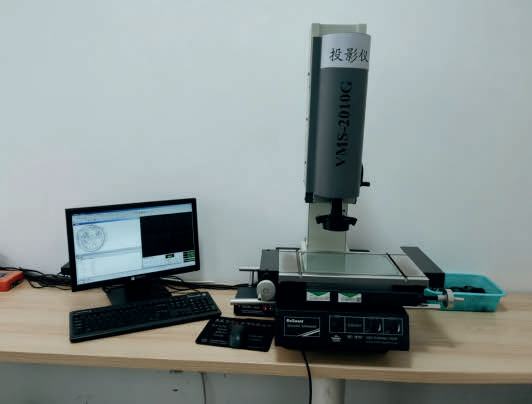
Tolerance language also differs by process. ISO 20457:2018 specifies manufacturing tolerances for plastic moulded parts, and it remains a current reference for moulded-part acceptance. For extruded profiles, the drawing should still state its own dimensional basis, cut-length tolerance, and inspection method, because an extrusion is not the same as a closed-mold part.
LINGO's own position is export-oriented. Export business accounts for 80% of total sales, and major markets include the EU and USA. That matters to buyers comparing profile suppliers: a supplier that already works across these markets is more likely to understand REACH and RoHS questions, English drawing review, and packaging requirements for overseas shipment.
Detailed Solution: What LINGO's LG-PE Profile Line Includes
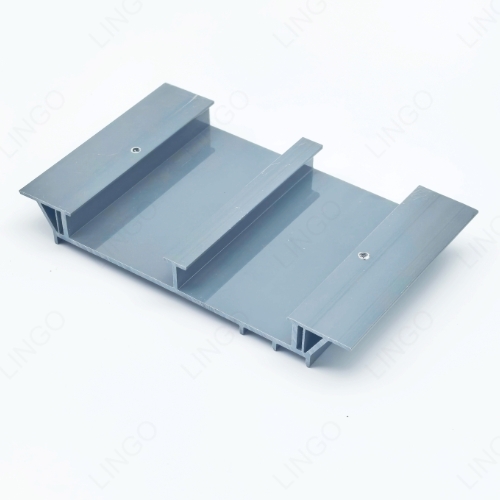
The LG-PE plastic extruded profile is LINGO's profile product family. It is not a single fixed shape. It is a custom extrusion route in which the cross-section, material, length, color, and surface can be defined around the application.
Profile types
- PA extrusion profiles for applications where a polyamide profile is specified.
- Glass fiber reinforced profiles where additional stiffness or dimensional support is required by the design.
- Co-extruded profiles that combine more than one material behavior in one profile construction.
- Flexible extruded profiles for parts that need to bend, seal, cushion, or follow a mating surface.
Material options
The LG-PE profile data lists PVC, PP, ABS, PA6, PA66, PE, and UHMWPE, with or without glass fiber. Each family points to a different design logic. PVC is used in profile and trim applications. PP and PE are common where chemical resistance, light weight, or toughness matter. ABS supports rigid housings and trim-like shapes. PA6 and PA66 are engineering polyamides, and glass fiber reinforcement can be added when the profile needs more stiffness or stability. UHMWPE is relevant where low-friction or wear resistance is part of the requirement.
Dimensions, color, and surface
LG-PE profiles can be supplied up to 6000 mm in overall length, with length customizable to the project. Custom cross-section design is available, and the profile can be produced in custom Pantone or RAL colors with a custom surface. This is important for industrial plastic parts that must match an existing assembly, a trim line, a panel edge, or a visible product surface.
Applications listed for the profile line
The LG-PE product data lists construction and building, automotive and transportation, aerospace and defense, medical and healthcare, electrical and electronics, HVAC and refrigeration, industrial manufacturing, packaging, marine and offshore, furniture and appliances, and renewable energy. The width of that list reflects a simple fact: a profile is defined by its cross-section and material, not by a single end product name.
Production and export support
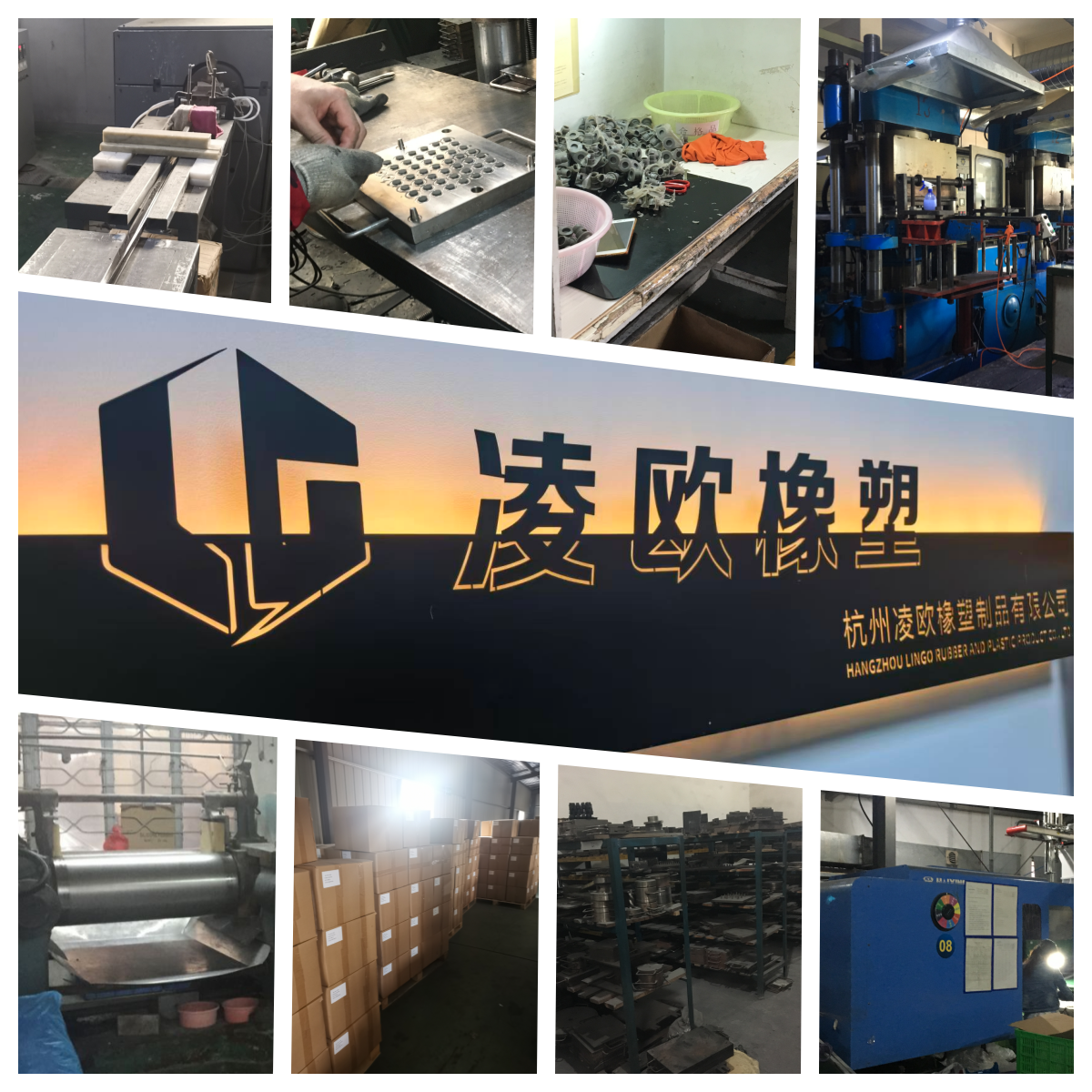
LINGO operates a 3000 m² manufacturing facility with approximately 40 staff and an annual production capacity of 1.58 million. The R&D team consists of 10 engineers and technicians. For buyers, the practical value is not the number alone. It is the ability to move from a drawing review to material selection, sample evaluation, production, and export packing within one supplier conversation.
LINGO also states that it provides PPAP Level 1 to 3 for custom parts. For industrial buyers, PPAP discipline can make the approval path more visible: drawing, material, process, inspection, and packaging assumptions can be aligned before mass production rather than after the first shipment.
Step-by-Step Breakdown: From Cross-Section Drawing to Export Carton
1. Define the function of the cross-section
Start with what the profile must do: close a gap, hold a panel, protect an edge, guide a moving part, cover a fastener, isolate vibration, or provide a visible trim. The function determines the shape. A sealing or cushioning profile usually needs a flexible section or a soft co-extruded area. A structural trim usually needs a rigid wall and stable material. A guide rail needs a consistent sliding surface and controlled straightness.
2. Select the material before fixing the tolerance
Material choice changes the profile behavior. PVC, PP, ABS, PA6, PA66, PE, and UHMWPE do not shrink, flex, or tolerate heat in the same way. Glass fiber reinforcement can improve stiffness, but it also changes the processing and surface expectation. For an industrial plastic part, the material should be selected against the actual environment: indoor or outdoor exposure, contact with chemicals, UV, heat, load, abrasion, and the required service life.
3. Choose the construction: solid, flexible, co-extruded, or reinforced
A simple solid profile is the starting point. A flexible extruded profile adds compliance where the part must bend or seal. A co-extruded profile can combine a rigid body with a soft sealing lip, or another dual-material effect. A glass fiber reinforced profile supports stiffness and dimensional stability. The correct construction should be visible in the drawing notes, not left to the supplier to infer.
4. Set length, cross-section, and inspection points
LG-PE profiles can be up to 6000 mm in overall length, and custom cross-section design is available. The RFQ should state the cut length, the allowed length tolerance, the critical dimensions on the cross-section, and the inspection method. For export programs, the control plan should also identify which dimensions are checked on the first piece and which are checked during production.
5. Specify color and surface as production requirements
LG-PE profiles can be produced in custom Pantone or RAL colors with a custom surface. A color reference should be attached to the drawing or the purchase order. Surface requirements should be described in measurable terms where possible: gloss or matte, visible defects to avoid, and whether the surface is functional, decorative, or both.
6. Treat REACH and RoHS as specification checkpoints
For EU and other export destinations, REACH and RoHS are practical compliance checkpoints. The buyer should confirm which declarations are required for the selected material, the destination market, and the end application. Whenever a profile is part of a larger assembly, the compliance file should link the profile material to the final product declaration. LINGO's wider plastic parts portfolio includes RoHS and REACH references on automotive plastic parts and FDA, RoHS, and UL references on CNC machined parts, which shows the type of documentation conversation buyers should open at the RFQ stage.
7. Define packaging before the order is placed
Export packaging should be specified, not assumed. A regular pack may be sufficient for protected profiles, while custom packaging may be needed for long lengths, visible surfaces, abrasion-sensitive profiles, or mixed kits. The RFQ should state bundle length, end protection, interleaving, labels, carton or crate method, and pallet requirements. If the buyer needs a custom pack, it should be quoted with the profile rather than added after production.
Use Cases: Where Extruded Profiles Fit Industrial Projects
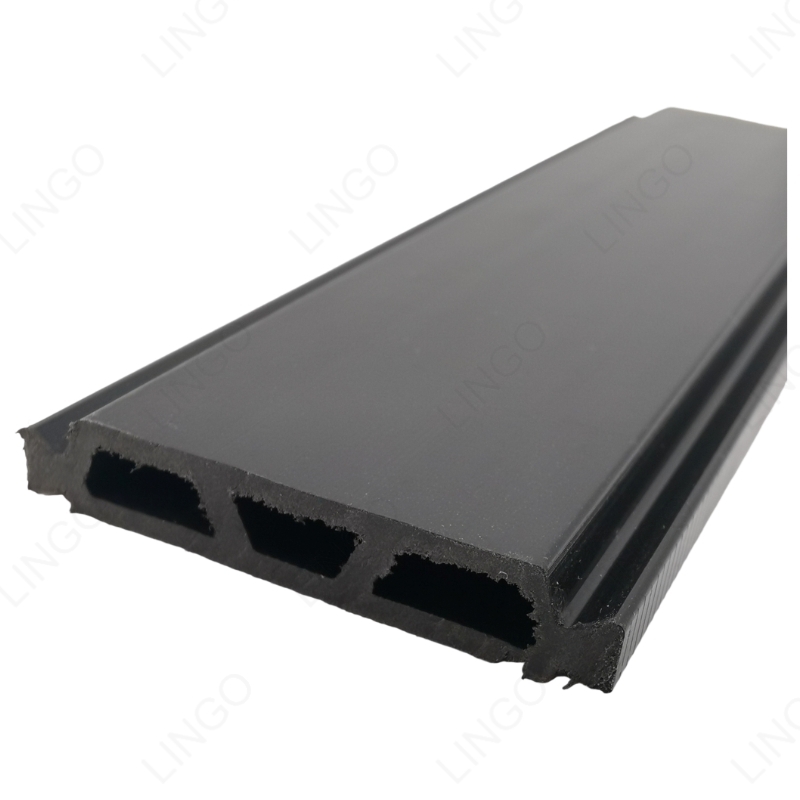
Extruded profiles are most useful when the part is long, the cross-section is constant, and the assembly needs a repeatable fit. In construction and building, profiles can act as trims, edge protection, gap closures, and panel connectors. In automotive and transportation, they can support interior and exterior trim logic, protective edges, and functional sections where a continuous shape is preferred over a discrete molded part.
In electrical and electronics, extruded profiles can serve as insulating barriers, guides, and housings where the section runs along a length. In HVAC and refrigeration, profiles can support sealing, edge protection, and panel interfaces. In industrial manufacturing, profiles can guide, cover, separate, or protect moving and static components. In renewable energy and other new-material applications, the profile material and cross-section must be matched to outdoor exposure, UV, temperature, and mechanical load.
The common thread is not the industry name. It is the assembly condition. If the part must be cut from a continuous length and installed along an edge or frame, extrusion is a natural process conversation. If the part must be a closed, complex 3D shape with ribs, bosses, and variable wall sections, injection molded plastic parts are usually the better starting point.
Comparison Table: Extruded Profiles vs Other Plastic Parts Processes
The table below uses LINGO product data and verified public standards data. It is a process-fit comparison, not a ranking. The right process depends on geometry, material, volume, tooling logic, and the export documentation the buyer needs.
| Process / product family | Geometry logic | Material and data anchor | Compliance or specification note |
|---|---|---|---|
| Plastic extruded profiles, LG-PE | Continuous constant cross-section, cut to length; custom cross-section; length up to 6000 mm. | PVC, PP, ABS, PA6, PA66, PE, UHMWPE, with or without glass fiber; flexible, co-extruded, glass fiber reinforced, and PA extrusion options; custom Pantone/RAL color and custom surface. | Confirm REACH and RoHS declarations for the selected profile material and destination market. Define cut-length tolerance and packaging in the RFQ. |
| Plastic injection parts, LG-PI | Discrete 3D molded part; draft angle outside at least 1 degree and inside at least 0.5 degrees; shrink rate typically 0.4% to 0.8% for mold compensation. | PP, PA6, PA66, ABS, PE, HDPE, UHMWPE, LDPE, PU, PTFE, and plastic with glass fiber; solid, housing, precision functional, insert molding, and dual-material configurations. | FDA and UL94 V-0 requirements listed; tolerance control per GB/T 14486 MT1 to MT7; color by Pantone/RAL and SPI surface finish. |
| Plastic CNC machined parts, LG-CNC | Machined from stock; suited to precision features, bores, grooves, and low- or mid-volume custom shapes. | PTFE, POM, PE, UHMWPE, HDPE, PEEK, ABS, PU, PA6, PA66; PTFE gaskets, POM machined parts, back-up rings, gears, seals, bearings, and bushings. | FDA, RoHS, and UL standards listed; glass fiber reinforcement optional; surface roughness specified as Ra or Rz. |
| PVC dipping handle, LGHD | PVC handle form for grip and protection; belongs to the PVC handle category. | PVC material; categories include PVC non-slip handles, PVC ergonomic handles, and PVC corrosion-resistant handles. | Application list includes hardware tools, electrical and electronics, automotive, fitness equipment, gardening tools, household products, industrial equipment, and building hardware. |
Table note: extrusion is usually the better process conversation for constant-section lengths; injection molding is usually the better conversation for closed 3D geometry; CNC machining is usually the better conversation for precision removal from stock; PVC dipping is a coating or handle-forming route rather than a profile route.
FAQ
Which compliance points should be checked before exporting plastic extruded profiles?
REACH and RoHS are practical checkpoints for export-ready plastic parts. For LG-PE profiles, the applicable declaration should be confirmed for the selected material and destination market at RFQ. If the profile is part of an automotive or electrical assembly, the buyer should also confirm whether additional application-specific requirements apply to the final product.
What profile types and materials can LINGO produce under LG-PE?
LG-PE covers PA extrusion profiles, glass fiber reinforced profiles, co-extruded profiles, and flexible extruded profiles. Material options include PVC, PP, ABS, PA6, PA66, PE, and UHMWPE, with or without glass fiber. Length can reach up to 6000 mm, and custom cross-section, Pantone/RAL color, and custom surface are available.
How should buyers compare budget when there is no public price list?
Compare quotes on the same basis: cross-section complexity, material family, glass fiber or co-extrusion, length and cut tolerance, color and surface, packaging, compliance documentation, and order quantity. A profile quote should be tied to a drawing and a written specification. Without that common basis, a lower number may simply reflect a different material, a looser tolerance, or a simpler pack.
Can buyers request a sample or drawing review before production?
Buyers can start with a drawing review and sample request through LINGO's sales contact. Send the cross-section drawing, material target, length, color and surface requirement, compliance destination, and packaging expectation to sales@lingorp.com. The company profile brochure can also be downloaded as a first reference before the RFQ.
What determines lead time for a custom extruded profile?
Lead time should be quoted per project because it depends on the cross-section, material, tooling or die preparation, length, color and surface, packaging, and order quantity. A written schedule should be requested with the RFQ, especially for export orders that require REACH or RoHS documentation and custom packaging.
Next Step: Review a Profile Drawing with LINGO
If your project needs a custom plastic extruded profile, send the cross-section drawing and application details to LINGO Rubber Plastic. The team can review the profile type, material, length, color, surface, compliance question, and packaging requirement before quotation.
Email: sales@lingorp.com | Tel: +86 18358136245 | Website: www.lingorp.com
Company profile brochure: Download the LINGO Rubber & Plastic Company Profile
Conclusion
Plastic extruded profiles are a practical answer when an industrial part needs a constant cross-section, a long length, and a repeatable fit. The specification should begin with the function, then move through material, construction, dimensions, color, surface, compliance, and packaging. The process comparison is equally important: extrusion is not a substitute for every injection molded plastic part, and injection molding is not the right answer for every long trim or guide.
LINGO Rubber Plastic brings a profile line, a broader plastic parts portfolio, and export experience across the EU and USA to that conversation. The company was established in 2022, its team brings more than 10 years of industry experience with some members over 20 years, and its LG-PE profile data supports custom cross-sections up to 6000 mm, multiple material families, and custom color and surface options. For buyers at the awareness and research stage, the most useful next step is not a generic catalog request. It is a drawing review with the material, compliance, and packaging questions stated clearly.
Have Questions or Need More Details?
Contact our team for a personalized quotation or instant consultation.
Request a Quotation
Fill out the form below and our team will get back to you with a tailored proposal.
WhatsApp Direct Chat
Prefer to chat in real-time? Message us on WhatsApp for instant assistance & quick answers.
- Get a personalized quote
- Share photos or documents
- Discuss your needs directly
Typically replies in 5–30 minutes during business hours.