
Production-Ready & Export-Ready Rubber Parts for Green Energy: Top Seals, Cords, Rings & Mounts
Production-Ready & Export-Ready Rubber Parts for Green Energy: Top Seals, Cords, Rings & Mounts
Green energy equipment is specified for long service life, yet the rubber components inside it are often selected late, quickly and without a production plan. That is where projects slip: a profile seal that works as a sample but drifts in the tenth batch, a sponge cord that hardens after two summers of UV exposure, or a mount that passes vibration straight into a battery enclosure instead of isolating it.
This ranking covers the four rubber part families that Lingo Rubber Plastic (Hangzhou Lingo Rubber and Plastic Product Co., Ltd) produces for green energy and new materials projects. All four are made to order, inspected batch by batch and exported under defined shipping and payment terms — which is what separates a sample supplier from a production supplier.
Quick answer: For green energy and new materials projects, the four highest-ranked rubber part families are LG-RX rubber extrusion seals for continuous sealing runs, LG-SRC silicone rubber cords for high-temperature and sponge sealing, LG-RS rubber sealing rings for o-ring, x-ring and oil-seal duties, and LGMM anti-vibration mounts for cylindrical and stud-mounted vibration isolation. All four are available in EPDM, NBR, silicone or FKM where applicable, with Shore A hardness, Pantone or RAL colour and tolerance defined per project; LGMM mounts carry an RMA A2 tolerance and cover 8–150 mm diameter with 8–90 mm height.
Problem Definition: The Gap Between a Working Prototype and a Shippable Batch
Rubber parts rarely fail a green energy project at the drawing stage. They fail at the transition from prototype to repeat production, and the failure shows up in three predictable places.
Material mismatch. EPDM, NBR, silicone and FKM are not interchangeable. A compound that performs well in a dry indoor enclosure can behave differently when a part is exposed to ozone, UV, oil, grease or temperature cycling. Because rubbers are classified by family rather than by appearance — EPDM, for example, is formally classified under ASTM D1418 and ISO 1629, which define its resistance to ozone and UV — the material decision has to be tied to the operating environment, not to what was available fastest.
Dimensional drift. Extruded and moulded rubber parts are elastic, which makes tolerance control harder than it looks. Anti-vibration mounts are typically specified to RMA A2 tolerance, and sealing rings normally run between 50 and 95 Shore A. If the supplier cannot hold hardness and dimension batch after batch, the assembly line absorbs the difference through rework.
Supply and export gaps. A part that cannot be reordered at a workable MOQ, inspected before shipment, or delivered on terms the buyer's finance team accepts is not production-ready. Anti-vibration parts add a fourth pressure point: continuous cyclic compression and shear under dynamic loading, exposure to oil, grease, road shock and vibration, and a working range of -40°C to +120°C are normal in transport and machinery applications, and those conditions demand low compression set and fatigue resistance across 10⁶ to 10⁷ cycles.
Industry Background: A Large, Specialised Supply Base
The rubber sealing and vibration-control supply base is large, and that size is exactly why part selection matters more than supplier size.
The global gaskets and seals market was estimated at USD 63.09 billion in 2024, with the seals segment holding a dominant 60.1% revenue share, according to Grand View Research. The global rubber moulding market reached USD 54.1 billion in 2024, with injection moulding as the leading process type and EPDM as the dominant material, according to Cognitive Market Research. Vibration control is a separate, more concentrated segment: the global anti-vibration mounts market was valued at USD 6.03 billion in 2024, with the top three players — ContiTech, Hutchinson and Sumitomo Riko — holding 65% of the market, according to Market Insights Reports.
Production is heavily weighted toward Asia. China's rubber parts industry accounted for over 35% of global production in 2024, driven largely by EV battery sealing and thermal management demand, as reported by EINPresswire in its industry analysis. At the same time, material and compliance specifications continue to come from international standards: EPDM is classified under ASTM D1418 and ISO 1629, and rubber materials for automotive seals and gaskets frequently have to comply with ASTM D2000 for temperature and oil resistance.
For a project engineer or procurement manager, the practical consequence is that a capable supplier is not defined by market size but by whether it can repeat a specified material, hardness, colour and tolerance, then prove it with inspection records and ship the result on workable commercial terms.
Detailed Solution: Top 4 Rubber Part Families for Green Energy (Ranked)
The four families below are ranked on five criteria that match how these parts are actually evaluated in green energy and new materials projects:
Ranking criteria: (1) material and temperature coverage; (2) dimensional control, including hardness and tolerance; (3) colour and surface customisation; (4) production consistency and inspection method; (5) export readiness, tooling support and after-sales terms.
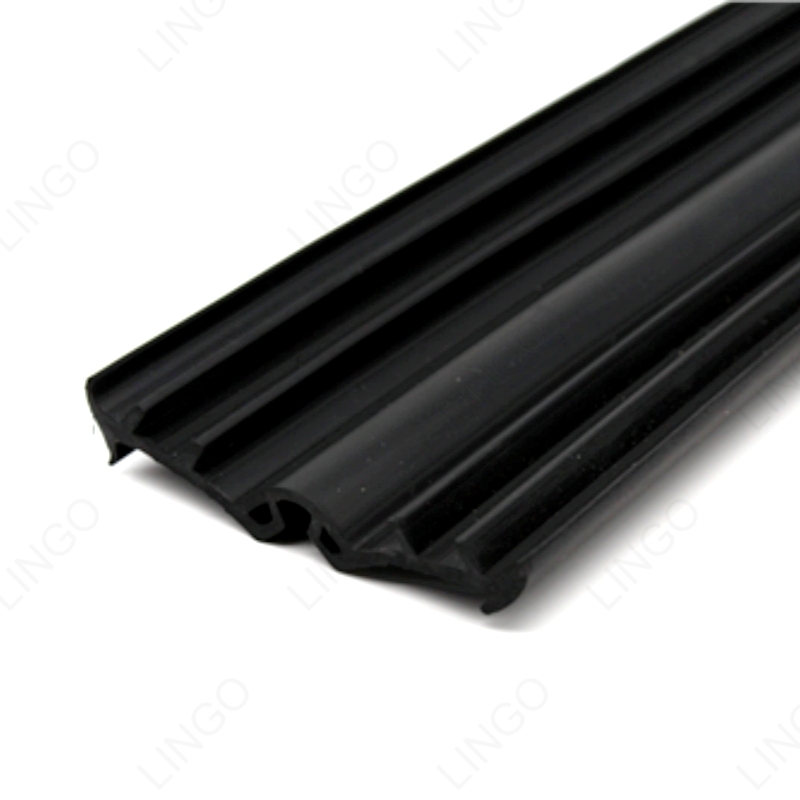
LG-RX Rubber Extrusion Seals — Best for Long, Continuous Sealing Runs
LG-RX ranks first because extrusion removes the joint. Where an enclosure, cabinet door or panel needs a continuous seal over a long length, a moulded gasket introduces seams and assembly steps that an extruded profile avoids.
LG-RX rubber extrusion seals — key specifications
- Available forms: silicone rubber extrusion seals, rubber extrusion seal with adhesive, rubber co-extrusion seal, FKM rubber extrusion seal, solid rubber extrusion seal, sponge rubber extrusion seal
- Material: EPDM, NBR, silicone, FKM
- Hardness: Shore A as required
- Tolerance: industry standards
- Length: as required
- Colour: custom as per Pantone or RAL
Typical industries using this family include food and beverage, medical and healthcare, aerospace and aviation, automotive and transportation, HVAC and refrigeration, laboratory and analytical, electronics and electrical, industrial manufacturing, marine and offshore, and household appliances. In green energy projects the same profile logic applies to equipment enclosures and cabinets, where an adhesive-backed or co-extruded profile reduces assembly time and sponge variants add gap-filling tolerance.
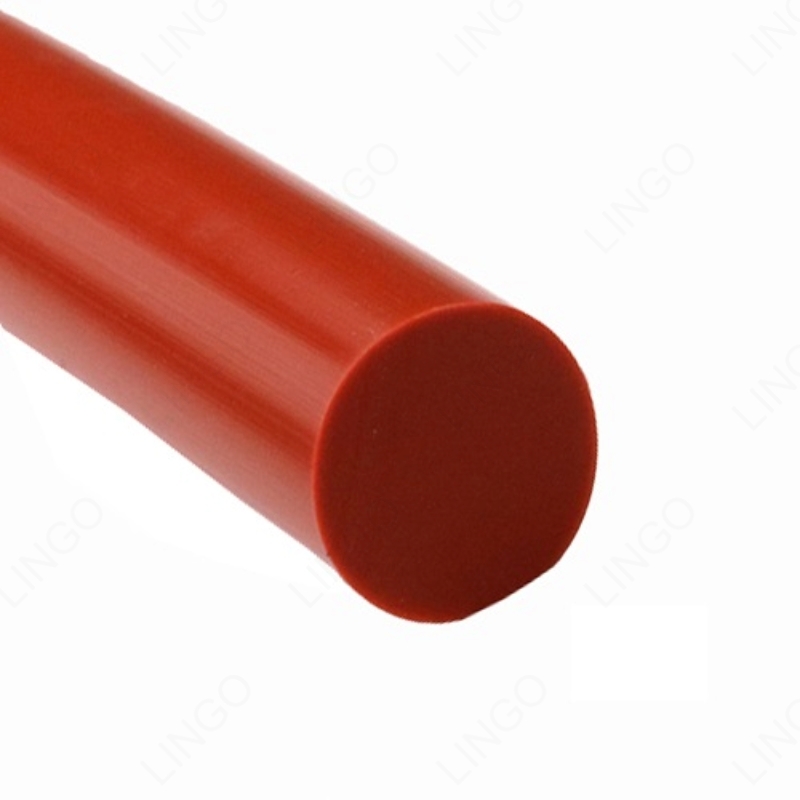
LG-SRC Silicone Rubber Cords — Best for High-Temperature and Sponge Sealing
Silicone rubber cords rank second because they cover the temperature range that EPDM and NBR cannot comfortably reach, and because sponge cord can absorb gap variation while still sealing.
LG-SRC silicone rubber cords — key specifications
- Types: solid silicone rubber cords, sponge silicone rubber cords
- Material: silicone rubber
- Colour: custom, as per Pantone or RAL
- Length: custom
- Compliance note: FDA qualified; heat resistant
A delivered project example shows what this family is used for in practice: a buyer in the United Arab Emirates ordered 4,000 metres of silicone sponge cord as a premium sealing solution for EV battery sealing, industrial cabinet gaskets, automotive door seals, appliance door insulation, building window weatherstripping and medical device sealing. Reported performance over a three-year service period included thermal stability from -60°C to 250°C without hardening or cracking, UV and ozone resistance for outdoor exposure, closed-cell construction that keeps out water, dust and noise, and non-toxic FDA-compliant compound options. The same order highlights precision tolerance and a smooth surface as selection drivers.
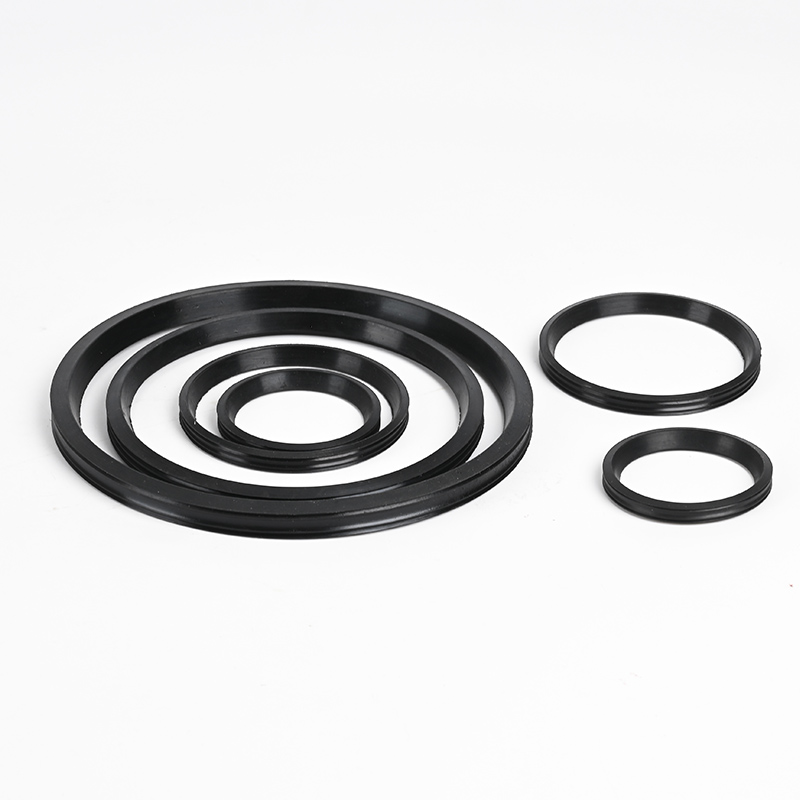
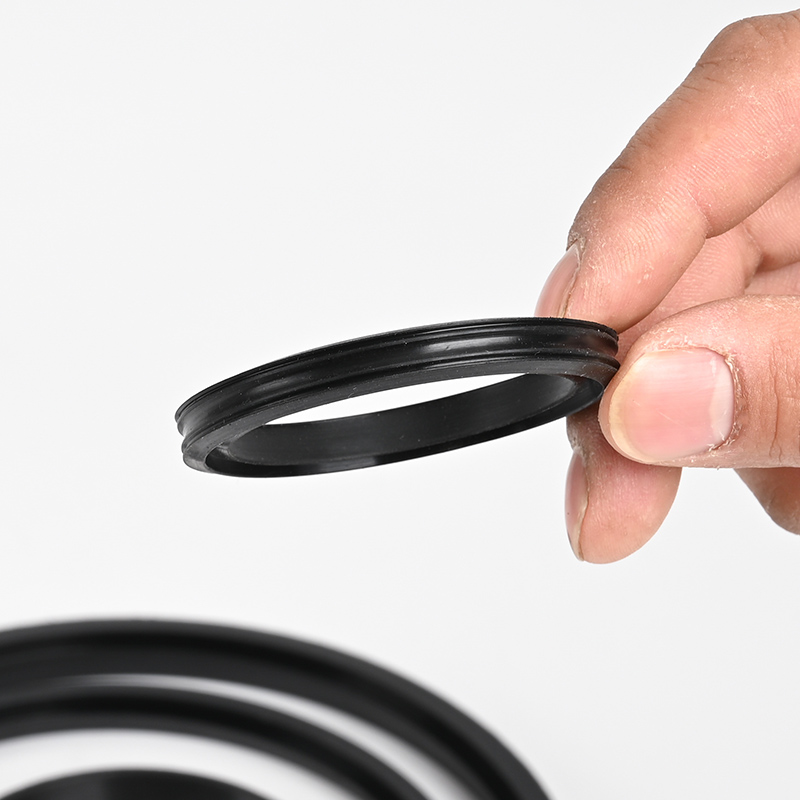
LG-RS Rubber Sealing Rings — Best for O-Rings, X-Rings and Oil Seals
Rubber sealing rings rank third because they solve the highest-pressure, smallest-footprint sealing problems, and because the material menu behind them is the widest in the range.
LG-RS rubber sealing rings — key specifications
- Types: rubber o-ring, rubber x-ring, rubber oil seal
- Material: NBR, EPDM, silicone, NR, CR, SBR, FKM, FFKM, AFLAS
- Hardness: Shore A, normally 50–95 A
- Heat range: -40°C to 250°C
- Performance: ozone resistant, water resistant, oil resistant
- Certification options: FDA, UL, ROHS, REACH
- Colour: customised as per Pantone or RAL
This family is used across automotive and transportation, aerospace and aviation, oil, gas and chemical processing, food and beverage, pharmaceutical and medical devices, water treatment and plumbing, electronics and electrical, marine and shipbuilding, and heavy machinery and hydraulics. A 1,000-unit water sealing project delivered to buyers in the United States, United Kingdom, Canada, Australia, France and Germany ran for three years with stable operation, dimensions within tolerance and zero claims; the reported engineering highlights were FDA-certified white rubber compound with no contamination and precision exceeding ASTM A1 standards, plus a solution for keeping the internal spring precisely centred during production when no positioning point exists in the mould.
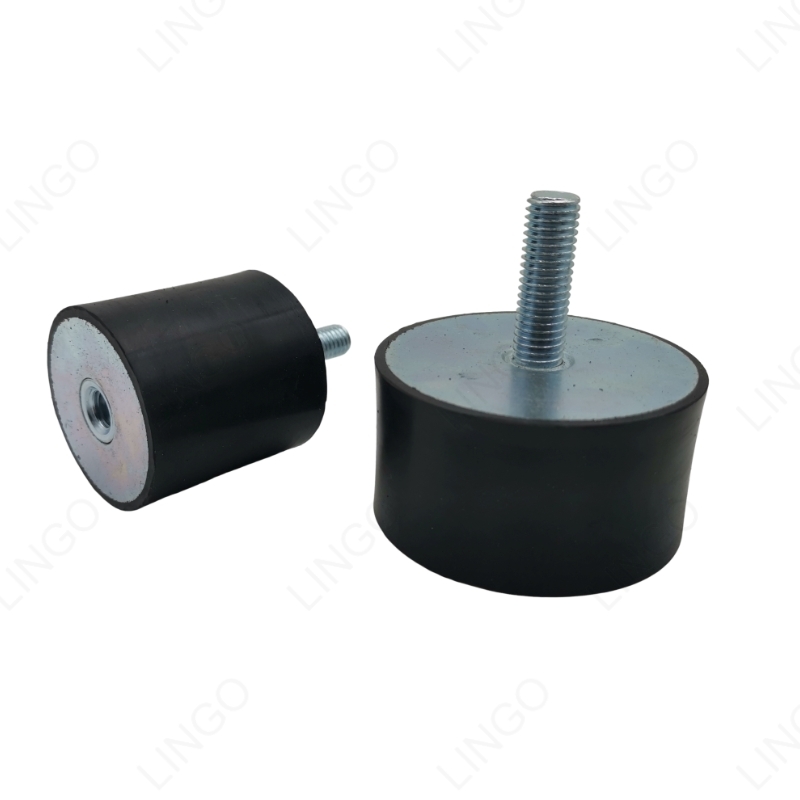
LGMM Anti-Vibration Mounts — Best for Cylindrical and Stud Vibration Isolation
LGMM mounts rank fourth in volume terms but are often the part that decides whether an enclosure survives transport and operation, because vibration damage is cumulative rather than immediate.
LGMM anti-vibration mounts — key specifications
- Types: cylindrical rubber mounts, rubber stud mounts
- Material: natural rubber with zinc-coated steel
- Diameter: 8–150 mm
- Height: 8–90 mm
- Tolerance: RMA A2 standard
Operating conditions for this family are demanding by design: continuous cyclic compression and shear under dynamic loading, a temperature range of -40°C to +120°C, exposure to oil, grease, road shock and continuous vibration, and a requirement for low compression set with fatigue resistance across 10⁶ to 10⁷ cycles. Mounts are used with engine brackets, chassis frames, rail bogies and ship engine beds, and the same isolation logic applies to machinery and precision equipment in industrial and construction settings.
Production and Export Readiness Across All Four Families
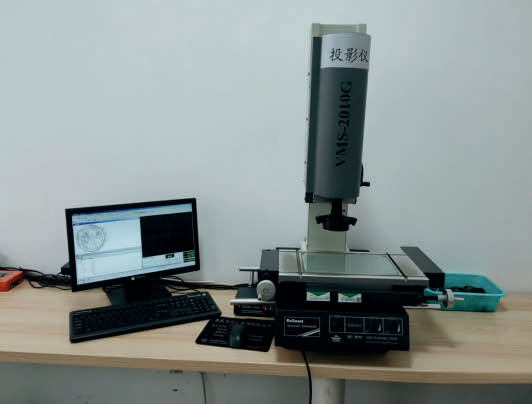
Ranking matters less than repeatability. Across all four families, Lingo Rubber Plastic runs the same production and export process: OEM and ODM production modes, quality control based on full inspection of samples plus random inspection of bulk goods, and pre-shipment testing before dispatch. A batch traceability system links delivered parts back to their production batch, moulds are maintained under a documented ownership-protection process, and after-sales support includes remote technical assistance plus free exchange and acceptance of concessions where a verified issue occurs.
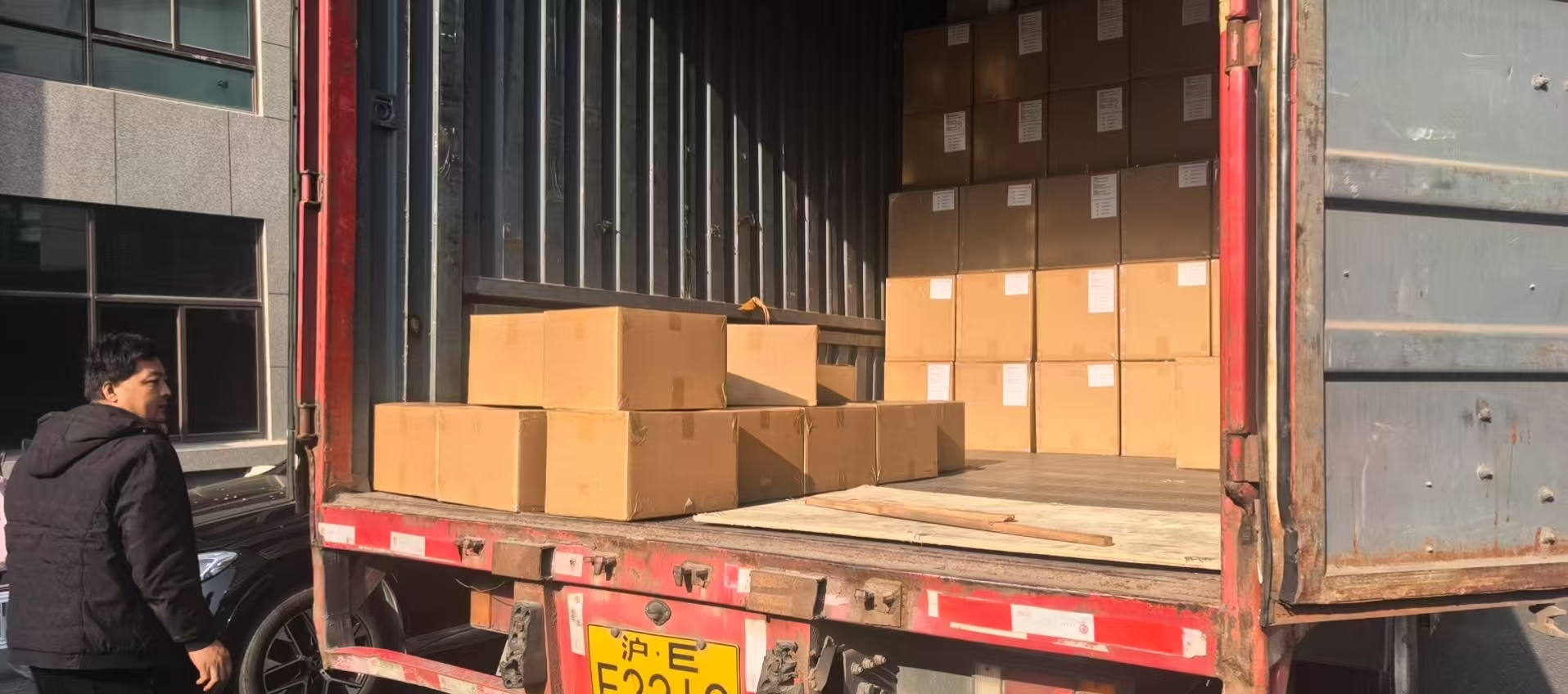
Commercially, the manufacturer operates a 3,000 m² facility with around 40 employees, a 10-person R&D team and an annual output of 1.58 million units; 80% of sales are exported to the EU and USA. Lead time is quoted at 2 to 6 weeks depending on the part, MOQ is set per part with small quantity orders accepted, and delivery can be arranged on EXW, FOB, CIF or DDP terms. Payment is handled on T/T, L/C at sight or D/P terms.
Step-by-Step Breakdown: From Operating Conditions to a Shipped Batch
Define the operating conditions before choosing a part
Start with temperature range, contact media and load type. A sealing application exposed to oil points toward NBR or FKM, an outdoor enclosure exposed to ozone and UV points toward EPDM, and a vibration application with cyclic loading points toward natural rubber bonded to a metal insert.
Select the material family
Across this range the practical options are EPDM, NBR, silicone and FKM for extrusion seals, silicone for cords, and NBR, EPDM, silicone, NR, CR, SBR, FKM, FFKM or AFLAS for sealing rings. Record the choice on the drawing so it cannot be substituted later.
Lock hardness, tolerance and geometry
Specify Shore A hardness — sealing rings normally run 50–95 A — and state the tolerance class. LGMM mounts are quoted to RMA A2 tolerance with a defined diameter between 8 and 150 mm and height between 8 and 90 mm.
Set colour and surface finish
Extrusion seals, cords and rings can be colour-matched to Pantone or RAL. For visible seals, colour matching avoids a second supplier later when the part becomes part of the product's appearance.
Validate with a sample
Samples are inspected in full before approval rather than checked visually. This is also the stage to confirm tooling: if an existing mould set can be adapted — for example by machining a single middle plate to the required dimensions — the initial tooling investment drops significantly.
Run production, inspect and export
Bulk production is followed by random inspection, pre-shipment testing and batch traceability records. Shipment is arranged on EXW, FOB, CIF or DDP terms depending on the buyer's logistics setup, with payment on T/T, L/C at sight or D/P.
Use Cases: These Rubber Parts in Real Projects
The strongest evidence for production readiness is a repeat order. A United States automotive OEM client has used LGMM anti-vibration mounts to absorb vibration and reduce noise, placing orders multiple times each year with project scales of 10,000 to 40,000 pieces per order — an ongoing relationship rather than a single trial. Reported results were effective damping of vibration and absorption of impact energy, reduced noise and mechanical stress, and protection of sensitive components from shock and oscillation. The project's stated advantages included small size with tight tolerances and consistent batch-to-batch quality, an in-house spare parts inventory for urgent orders, and the use of a single machined middle plate with existing mould sets instead of a new mould, which kept the initial tooling investment low.
A second automotive project, this one for 500 pieces ordered four times per year, added a flame-retardant requirement: the mounts were engineered with advanced flame-retardant rubber compounds certified to UL94 V-0, run on existing tooling for immediate production, and test data reported a 45% reduction in peak vibration amplitude under extreme temperature and load conditions.
On the sealing side, the 4,000-metre silicone sponge cord project described earlier shows how a single cord specification can serve EV battery sealing, industrial cabinet gaskets, door seals, appliance insulation and window weatherstripping at the same time — a useful pattern for new materials projects where several sealing points appear in one assembly. The 1,000-unit water sealing project shows the opposite extreme: a small, highly controlled ring with FDA-certified compound, white rubber to avoid contamination, and precision requirements exceeding ASTM A1 standards, with zero claims across three years of service.
Comparison Table: Seals vs Cords vs Rings vs Mounts
| Rank | Part family (model) | Form and key specifications | Primary function | Colour & tolerance | Production / export notes |
|---|---|---|---|---|---|
| 1 | Rubber extrusion seals (LG-RX) | Solid, sponge, adhesive-backed and co-extruded profiles in EPDM, NBR, silicone or FKM; hardness Shore A as required; length as required | Continuous sealing of enclosures, doors and panels | Custom Pantone or RAL; tolerance to industry standards | Full sample inspection, random bulk inspection, pre-shipment testing, batch traceability |
| 2 | Silicone rubber cords (LG-SRC) | Solid and sponge silicone cord; FDA qualified; heat resistant; length custom | Sealing, gap filling and cushioning in battery, cabinet and door assemblies | Custom Pantone or RAL | Same inspection and traceability process; standard lead time 2 to 6 weeks |
| 3 | Rubber sealing rings (LG-RS) | O-rings, x-rings and oil seals in NBR, EPDM, silicone, NR, CR, SBR, FKM, FFKM or AFLAS; normally 50–95 Shore A; -40°C to 250°C | Static and dynamic sealing of fluids and gases | Custom Pantone or RAL; FDA, UL, ROHS and REACH options | Mould maintenance and ownership protection; batch traceability system |
| 4 | Anti-vibration mounts (LGMM) | Cylindrical rubber mounts and stud mounts; natural rubber with zinc-coated steel; 8–150 mm diameter; 8–90 mm height | Vibration and structure-borne noise isolation | RMA A2 tolerance | In-house spare parts inventory for urgent orders; existing mould sets can reduce tooling cost |
Material selection drives most of the remaining decision, so the table below maps the four elastomer families used in this range against the applications they support.
| Material | Where it appears in this range | Project note |
|---|---|---|
| EPDM | LG-RX extrusion seals; also the dominant material in the global rubber moulding market | Classified under ASTM D1418 and ISO 1629, which define resistance to ozone and UV — relevant for outdoor enclosures |
| NBR | LG-RX extrusion seals and LG-RS oil seals | Selected where oil and grease contact is expected |
| Silicone | LG-SRC cords, LG-RX seals and LG-RS rings | FDA-qualified cord options; sponge cord reported stable from -60°C to 250°C |
| FKM, FFKM, AFLAS | LG-RX extrusion seals and LG-RS sealing rings | Used where higher temperature and chemical exposure must be covered |
FAQ: Custom Rubber Parts for Green Energy and New Materials Projects
Which standards and certifications should rubber parts for green energy projects comply with?
Compliance follows the material and the application. EPDM is formally classified under ASTM D1418 and ISO 1629, which define its resistance to ozone and UV, and rubber materials for automotive seals and gaskets frequently need to comply with ASTM D2000 for temperature and oil resistance. Within this range, LG-RS rubber sealing rings can be supplied with FDA, UL, ROHS and REACH certification options and LG-SRC silicone rubber cords are FDA qualified. Project-specific compounds have included UL94 V-0 flame-retardant certification for an automotive mount application, and one water sealing project required white FDA-certified rubber with precision exceeding ASTM A1 standards. Final certification requirements should be confirmed against the application and target market before production.
Can Lingo Rubber Plastic produce custom rubber parts for new materials applications?
Yes. Lingo Rubber Plastic works in OEM and ODM modes covering rubber compression moulding, rubber extrusion and plastic injection. The facility is 3,000 m² with around 40 employees, a 10-person R&D team and an annual output of 1.58 million units, and 80% of sales are exported to the EU and USA. Customisation covers material (EPDM, NBR, silicone, FKM, and NR, CR, SBR, FFKM or AFLAS for sealing rings), Shore A hardness — normally 50–95 A for sealing rings — colour to Pantone or RAL, and dimensions such as the LGMM mount range of 8–150 mm diameter and 8–90 mm height.
How do MOQ, tooling and payment terms affect project cost?
MOQ is quoted per part rather than as a single company-wide number, and small quantity orders are accepted — which matters when a project needs validation volumes before scale-up. Tooling cost can also be reduced: in one US automotive project a single middle plate was machined to the required dimensions so the part could run on existing mould sets instead of a new mould, and in another automotive project existing tooling allowed immediate production. Payment is handled on T/T, L/C at sight or D/P terms, and delivery can be arranged on EXW, FOB, CIF or DDP terms depending on the buyer's logistics setup.
What does the sample and inspection process look like?
Sampling and inspection follow the same protocol across all four families: full inspection of samples, random inspection of bulk goods, and pre-shipment testing before dispatch. A batch traceability system links finished parts back to their production batch, moulds are maintained under a defined ownership-protection process, and after-sales terms include remote technical support plus free exchange and acceptance of concessions where a quality issue is confirmed.
What lead time and support can buyers expect after ordering?
Standard lead time is 2 to 6 weeks depending on the part and mould status. Lingo keeps an in-house spare parts inventory to accommodate urgent customer orders, and remote technical support covers material selection, hardness and tolerance questions while the project is running. For a green energy or new materials project, the fastest next step is to send the drawing or the operating conditions for a sample and quotation — email sales@lingorp.com or message +86 18358136245 on WhatsApp. The complete capability overview is available in the Lingo Rubber Plastic company profile (PDF).
Conclusion
For green energy and new materials projects, the four rubber part families that cover the widest range of sealing and vibration duties are LG-RX rubber extrusion seals for continuous sealing runs, LG-SRC silicone rubber cords for high-temperature and sponge sealing, LG-RS rubber sealing rings for o-ring, x-ring and oil-seal applications, and LGMM anti-vibration mounts for cylindrical and stud isolation. The differentiation between suppliers is rarely the part itself — it is whether the same material, hardness, colour and tolerance can be repeated batch after batch, inspected before shipment, traced back to a production batch, and shipped on commercial terms that a project can actually work with.
Next Step: Sample, Quote or Full Catalogue
Send your drawing, operating conditions or target specification and receive a material recommendation, hardness proposal and quotation for the part family that fits your project. Samples are available for validation before production.
Lingo Rubber Plastic — Hangzhou Lingo Rubber and Plastic Product Co., Ltd
Email: sales@lingorp.com | WhatsApp / Tel: +86 18358136245
Website: www.lingorp.com | Blog: blog.lingorp.com
Company profile (PDF): download here
Have Questions or Need More Details?
Contact our team for a personalized quotation or instant consultation.
Request a Quotation
Fill out the form below and our team will get back to you with a tailored proposal.
WhatsApp Direct Chat
Prefer to chat in real-time? Message us on WhatsApp for instant assistance & quick answers.
- Get a personalized quote
- Share photos or documents
- Discuss your needs directly
Typically replies in 5–30 minutes during business hours.