
Rubber Parts Compliance & Export Guide for Green Energy: Seals, Mounts, RMA A2 & Acceptance
Rubber Parts Compliance & Export Guide for Green Energy: Seals, Mounts, RMA A2 & Acceptance
Compliance on a green energy order is not settled by a datasheet. It is settled by the acceptance protocol standing behind that datasheet. Buyers of rubber extrusion seals, rubber sealing rings and anti-vibration mounts need four things fixed in writing before the first production lot ships: the material and its Shore A hardness, the dimensional tolerance class (RMA A2 for moulded mounts, industry-standard tolerances for extrusions), the colour reference in Pantone or RAL, and the route from full sample inspection to batch traceability. This guide walks through each checkpoint as it is applied to export orders, and shows where acceptance decisions are actually won or lost.

Lingo Rubber Plastic — registered as Hangzhou Lingo Rubber and Plastic Product Co., Ltd, a rubber and plastic parts manufacturer founded in 2022 and based in Hangzhou, China — produces rubber moulding parts, rubber extrusions, plastic injection parts and plastic extrusion profiles. Around 80% of its output is exported, mainly to the EU and USA, and the product lines most often requested for renewable energy hardware are the LG-RX rubber extrusion seals, LG-RS rubber sealing rings, LG-SRC silicone rubber cords and LGMM anti-vibration mounts.
Why “meets the specification” is not an acceptance standard
The phrase “meets the specification” transfers risk, it does not remove it. On green energy projects — enclosure sealing for photovoltaic inverters, battery energy storage cabinets, wind turbine accessories with vibration isolation, and EV charging hardware — the buyer is rarely present when the part is measured. Four specific gaps cause most acceptance disputes.
- Hardness is quoted but not measured the same way. A Shore A value without a test method, sample condition and measurement point is an opinion, not a criterion.
- Tolerance class is described as “commercial” or “standard”. Extrusions and moulded mounts behave differently: LGMM mounts are specified to the RMA A2 tolerance class, while LG-RX extrusion seals are produced to industry-standard tolerances with dimensions and length as required.
- Colour is agreed verbally. “Grey” is not a specification. Pantone or RAL references are.
- Documentation arrives after the container. MSDS, PPAP and test reports are often requested at customs rather than at purchase order, which is the wrong sequence.
Each of these is a process problem, not a product problem — which means each can be closed before production starts.
Industry background: a large market with uneven documentation
Sealing and vibration isolation are mature, high-volume categories, which is precisely why specification discipline varies so widely between suppliers.
- Grand View Research valued the global gasket and seal materials market at USD 61.4 billion in 2024, and reports that rubber seals represent approximately 56% of that market, driven by dynamic sealing applications.
- Vantage Market Research valued the global O-ring market at USD 10.41 billion in 2025.
- Cognitive Market Research attributes approximately 23% of the global anti-vibration rubber mounts market to China.
- Under the Harmonized Tariff Schedule, HS code 4016.93 covers gaskets, washers and other seals of vulcanized rubber other than hard rubber, which is the classification most sealing rings and gaskets fall under at import.
On market size forecasts: published industrial rubber forecasts diverge widely by scope. Persistence Market Research reports US$181.5 billion for 2026 rising to US$299.2 billion by 2033, while Mordor Intelligence reports US$16.88 billion for 2026 rising to US$20.36 billion by 2031. The gap reflects product-scope definitions rather than demand volatility, so neither figure should be used as a procurement input. What matters for a project buyer is narrower: whether the supplier can document the part, the batch and the concession route.
Why green energy hardware raises the acceptance bar
Green energy equipment tends to sit outdoors or on vibrating structures, and it is frequently assembled from components made by several tiers of suppliers. That combination makes two rubber part families commercially critical: weather-exposed seals that must hold colour and profile over service life, and vibration isolation mounts that must hold dimensional consistency batch after batch so that the assembled unit behaves as modelled. Neither requirement can be verified by looking at a sample bag — both depend on the inspection and traceability regime behind the part.
The four compliance checkpoints, and how they are held
1. Material and Shore A hardness
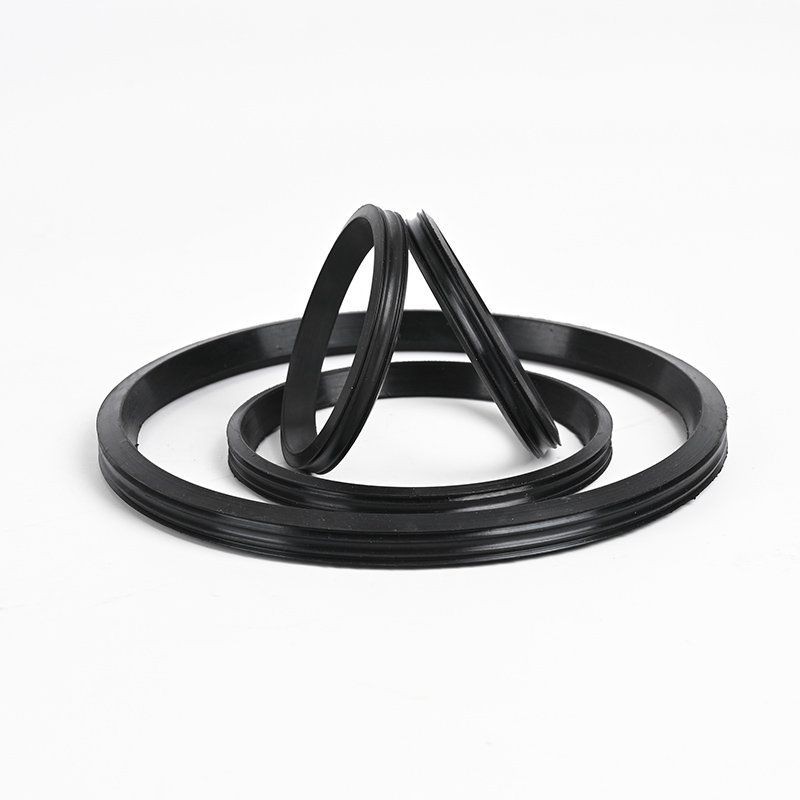
Material selection is a project decision; hardness is a drawing decision. LG-RS rubber sealing rings are available in NBR, EPDM, silicone, FKM, FFKM, NR, CR, SBR and AFLAS, with hardness normally in the Shore A 50–95A range and a service range of −40 °C to 250 °C depending on compound. Rings are offered in ozone-resistant, water-resistant and oil-resistant grades, with FDA, UL, RoHS and REACH certificates listed against the product. LG-RX rubber extrusion seals are produced in EPDM, NBR, silicone and FKM, with hardness to Shore A as required by the customer. LG-SRC silicone rubber cords are silicone-based, heat resistant and FDA qualified in solid or sponge form.
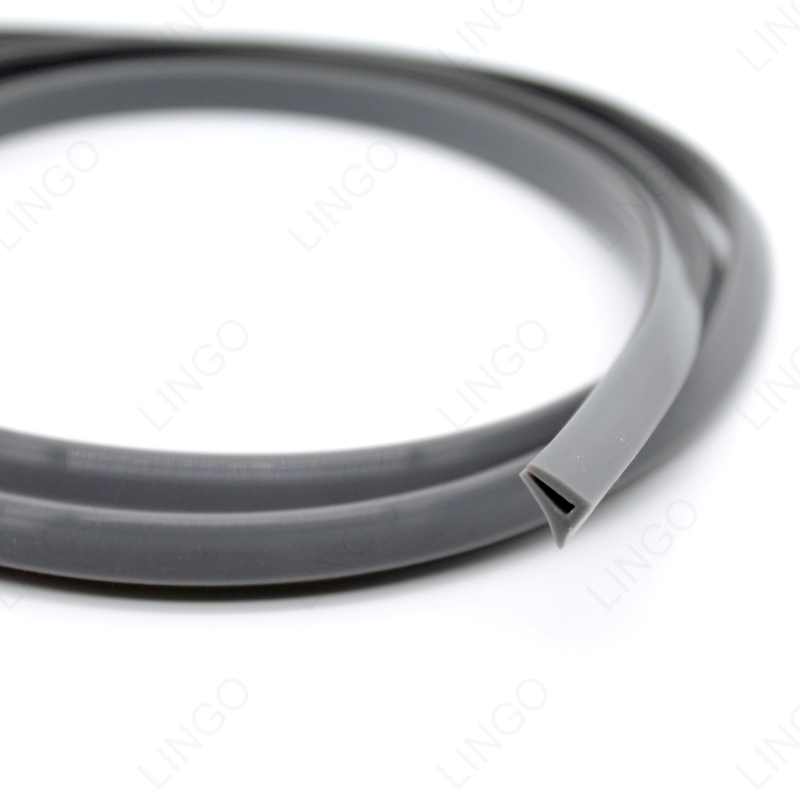
The practical rule for buyers: never accept “Shore A” as a standalone line item. Pair it with the compound name, the acceptable hardness band, and the inspection stage at which it will be measured — sample, bulk, or both.
2. Dimensional tolerance: RMA A2 versus industry-standard
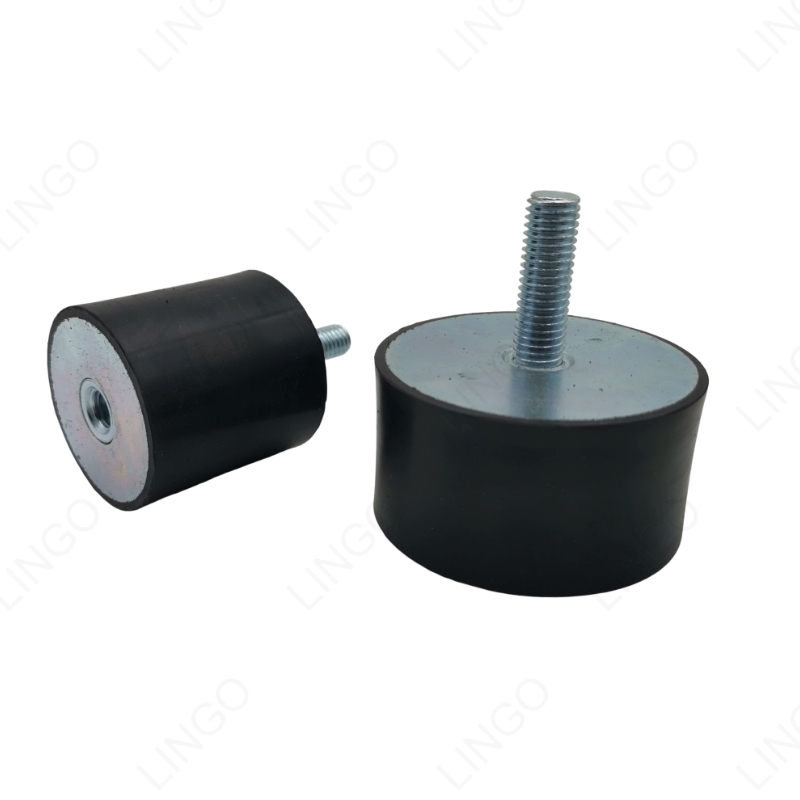
Tolerance class is where extrusion seals and moulded mounts part company. LGMM anti-vibration mounts — cylindrical rubber stud mounts made of natural rubber bonded to zinc-coated carbon steel — are supplied to the RMA A2 tolerance class, with diameters from 8 mm to 150 mm and heights from 8 mm to 90 mm. RMA A2 is a moulded-goods dimensional tolerance band; its commercial value is that it is named on the drawing and verified at inspection instead of being left as an undefined “commercial tolerance”. LG-RX extrusion seals are produced to industry-standard tolerances, with cross-section and length to customer requirement.
3. Colour matching in Pantone or RAL
Colour is a compliance item on visible green energy components — cabinet gaskets, door and window seals, trim profiles. LG-RX, LG-RS and LG-SRC are all supplied with colour customised to Pantone or RAL references. Two points make colour workable commercially: the reference must be stated as a code rather than a description, and the approval must reference the physical sample that was signed, not a screen image.
4. Documentation that travels with the part
Three document sets are relevant to EU and US imports. A Material Safety Data Sheet (MSDS) covers the LG-RS rubber sealing rings and applies to the EU and USA markets. PPAP certification for automotive production covers silicone rubber cords, plastic injection parts, rubber sealing rings and anti-vibration mounts, and the certificate lists the rubber extrusion seals among its applicable product set. Separately, a CTI test report for UL 94 V-0 flammability — report number A2260538692101, issued 3 July 2026, authority CTI — covers CR neoprene rubber and applies to the EU, US and Middle East markets.
Because each document is scoped to a material or a product family rather than to a company as a whole, the purchase order should name the document that the specific part number requires. That single line prevents most clearance delays.
Step-by-step: the acceptance workflow from drawing to delivery
- Specification freeze. The drawing is issued with material, Shore A hardness and band, tolerance class (RMA A2 for LGMM mounts, industry-standard tolerances for LG-RX extrusions), Pantone or RAL colour reference, and the required document set. Nothing proceeds until this is signed.
- Sample build and full sample inspection. Samples are fully inspected: dimensions and appearance are checked and recorded rather than spot-checked, so approval is based on measured data. Quality control at Lingo Rubber Plastic is defined as full inspection of samples followed by random inspection of bulk goods.
- Sample approval and tooling control. Once approved, the tooling position is documented; mould maintenance and mould ownership protection are part of the after-sales scope, which matters where a buyer has paid for a project-specific tool.
- Bulk production and random bulk inspection. Production is released against random inspection of bulk goods. Random sampling is the correct model for volume parts, but it only works if the sampling basis is written down before the run.
- Pre-shipment verification and batch traceability. Each batch is logged in a batch traceability system, so a part delivered in month nine can be traced back to its production lot. Documentation — MSDS, PPAP, test reports — is confirmed against the purchase order before shipment is released.
- Delivery, exchange or concession. If a lot falls outside the agreed limits, the outcome is one of two things: free exchange, or a written concession in which the buyer formally accepts the deviation. Defining that route in advance is what stops a quality question from becoming a schedule problem.
Export terms for overseas green energy projects
Acceptance terms and commercial terms have to be read together, because lead time and payment structure determine how much inspection a project can afford to schedule.
- Payment: T/T, L/C at sight and D/P are supported for export orders.
- Delivery terms: EXW, FOB, CIF and DDP are available, so a project buyer can take the goods at origin or at the site depending on who controls the inland leg.
- MOQ: set per part rather than per company, with small quantity orders acceptable — relevant for pilot programmes and for spares on commissioned sites.
- Lead time: 2 to 6 weeks, depending on part and tooling status; monthly capacity is 1,000,000 kg.
- Production mode: OEM/ODM, with export markets covering the EU, Middle East and USA.
- Customs: most sealing rings and gaskets fall under HS 4016.93 — gaskets, washers and other seals of vulcanized rubber other than hard rubber — so tariff treatment should be confirmed against the finished drawing, not the raw material.
Where these parts are specified: four green energy use cases
Enclosure and cabinet sealing
Inverter cabinets, battery energy storage enclosures and charging stations need continuous perimeter seals. LG-RX rubber extrusion seals are supplied as solid, sponge, co-extruded and adhesive-backed profiles in EPDM, silicone, NBR or FKM, which is what allows one supplier to cover door and window seal profiles, gasket strips and cord-based weatherstripping across a single cabinet design.
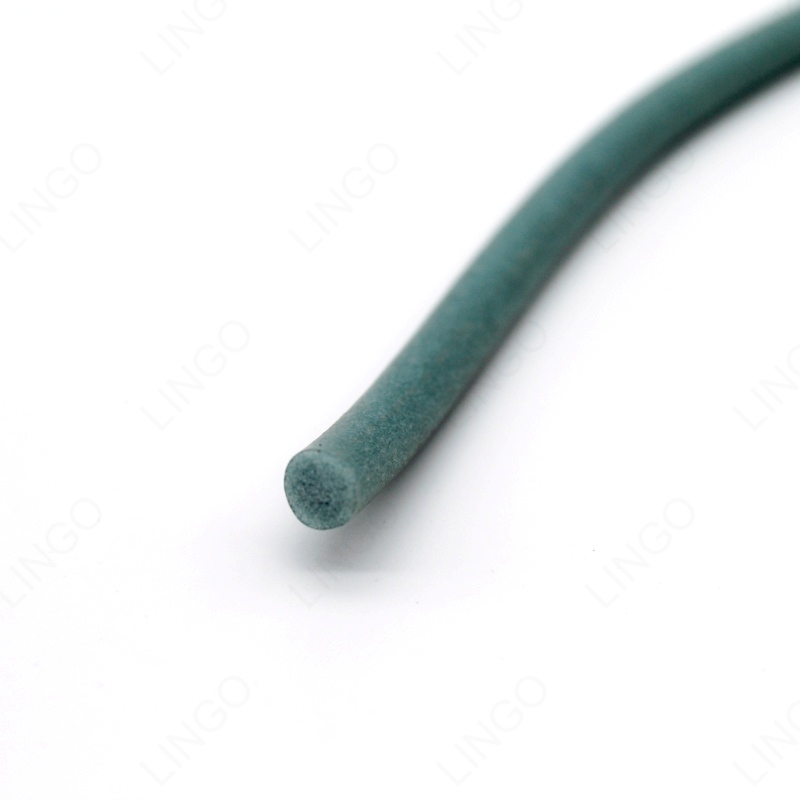
A documented order from an automotive OEM in the UAE used silicone sponge cords as a sealing solution across EV battery sealing, industrial cabinet gaskets, automotive door seals and building window weatherstripping, with the stated performance points being thermal stability from −60 °C to 250 °C, UV and ozone resistance, and closed-cell construction that keeps out water, dust and noise. The same part family is FDA-qualified in silicone sponge, which is why it also appears in food and medical equipment programmes.
Fluid and coolant circuit sealing
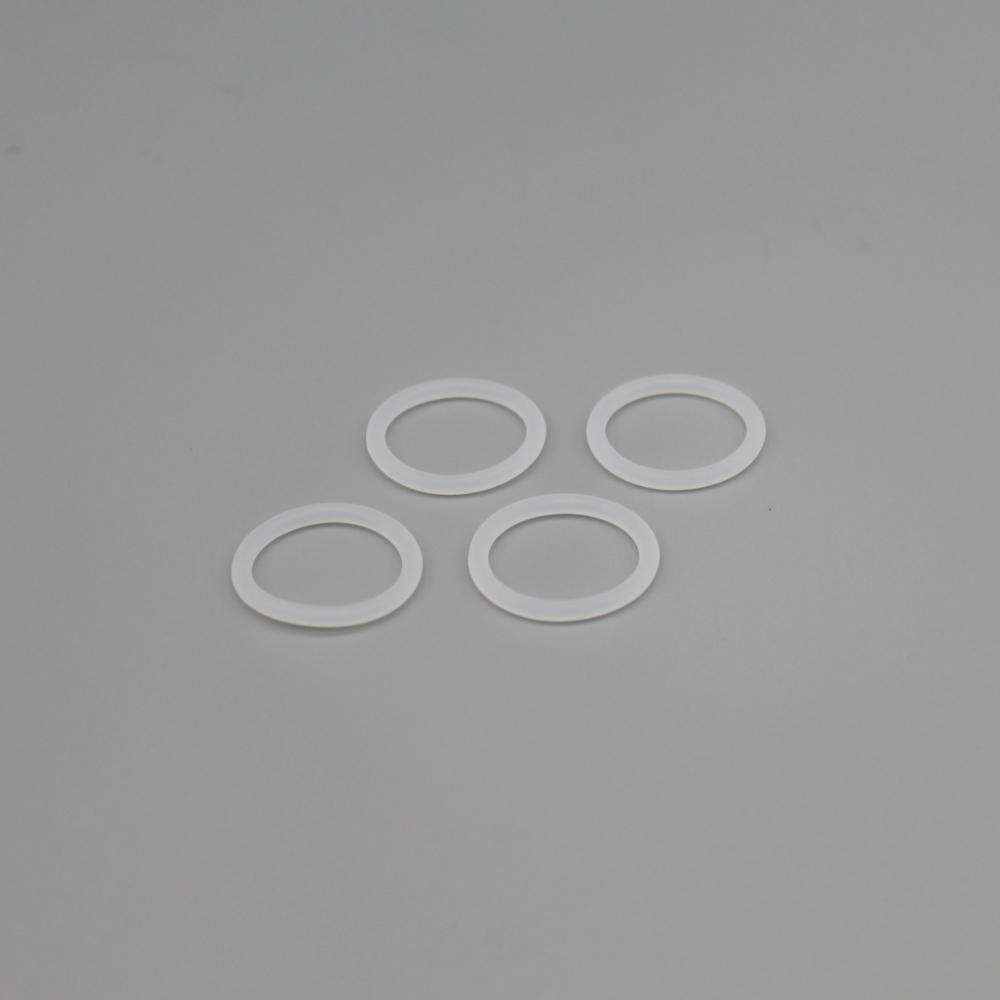
Sealing rings inside thermal management loops and hydraulic assemblies are specified by compound, not by appearance. LG-RS rings are offered as O-rings, X-rings and oil seals in NBR, EPDM, silicone, FKM, FFKM, NR, CR, SBR and AFLAS, with hardness normally in the Shore A 50–95A band and service range from −40 °C to 250 °C. Oil-resistant grades and water-resistant grades are selected according to the fluid, and the ozone-resistant grades matter on outdoor equipment.
Vibration isolation for rotating and static equipment
Compressors, transformers, inverter racks and transport-mounted equipment all generate structure-borne vibration. LGMM cylindrical mounts, made of natural rubber bonded to zinc-coated steel, sit within the transportation, industrial machinery, construction and civil engineering, marine and military, and electronics and precision instruments segments. A documented order from a US automotive OEM covering 10,000 to 40,000 pieces per run highlights the commercially important detail: small size, tight tolerances and consistent batch-to-batch quality, backed by an in-house spare parts inventory for urgent orders.
Pilot and spares quantities
Green energy projects frequently begin with a pilot enclosure or a single turbine set. Because MOQ is set per part and small quantity orders are accepted, a buyer can complete the full acceptance cycle on a pilot quantity before committing to production volume — and can re-order spares later against the same drawing and batch records.
Comparison: the four part families on compliance and acceptance criteria
The table below compares only the attributes that are published for each product family. Where a specification is not defined in the product data, that is stated rather than estimated.
| Tolerance & hardness | Materials | Colour | Documentation on file | Typical green energy role |
|---|---|---|---|---|
| Rubber extrusion seals (LG-RX) Shore A as required; industry-standard tolerances; length as required |
EPDM, NBR, silicone, FKM; solid, sponge, co-extrusion and adhesive-backed types | Pantone or RAL | Listed among applicable products on the PPAP certificate; MSDS held for rubber sealing rings | Cabinet and enclosure perimeter sealing, door and window seal profiles |
| Rubber sealing rings (LG-RS) Shore A normally 50–95A; service range −40 °C to 250 °C |
NBR, EPDM, silicone, FKM, FFKM, NR, CR, SBR, AFLAS; O-ring, X-ring, oil seal | Pantone or RAL | MSDS for EU and USA markets; PPAP for automotive production; FDA, UL, RoHS and REACH certificates listed | Fluid, coolant and hydraulic circuit sealing |
| Silicone rubber cords (LG-SRC) FDA qualified; heat resistant; length custom |
Silicone rubber, solid or sponge | Pantone or RAL | PPAP for automotive production | Cabinet gaskets, door seals, battery enclosure sealing |
| Anti-vibration mounts (LGMM) RMA A2 tolerance; diameter 8–150 mm; height 8–90 mm |
Natural rubber with zinc-coated carbon steel | Not defined in the published specification | PPAP for automotive production | Vibration isolation for compressors, racks and transport-mounted equipment |
Separate from the four families: the CTI test report for UL 94 V-0 flammability (report no. A2260538692101, issued 3 July 2026) covers CR neoprene rubber and applies to the EU, US and Middle East markets. It should be cited only where the part in question is actually produced in CR neoprene.
FAQ
Which compliance documents come with Lingo rubber parts for EU and US imports?
Three document sets are relevant. A Material Safety Data Sheet (MSDS) covers rubber sealing rings (LG-RS) and applies to the EU and USA markets. PPAP certification for automotive production covers silicone rubber cords (LG-SRC), plastic injection parts, rubber sealing rings (LG-RS) and anti-vibration mounts (LGMM). A CTI test report for UL 94 V-0 flammability, report number A2260538692101 issued on 3 July 2026, covers CR neoprene rubber and applies to the EU, US and Middle East markets. Because each document is scoped to a material or product family, the purchase order should name which document the specific part number requires.
Can the parts be supplied to a specified Shore A hardness, RMA A2 tolerance and Pantone or RAL colour?
Yes, where the value is stated on the drawing. Rubber sealing rings (LG-RS) are normally supplied in the Shore A 50–95A range, in NBR, EPDM, silicone, FKM, FFKM, NR, CR, SBR or AFLAS. Rubber extrusion seals (LG-RX) are produced to Shore A as required by the customer in EPDM, NBR, silicone or FKM. Anti-vibration mounts (LGMM) are supplied to the RMA A2 tolerance class, with diameters from 8 to 150 mm and heights from 8 to 90 mm. Colour is matched to Pantone or RAL references for LG-RX, LG-RS and LG-SRC. Production runs as OEM/ODM.
What is the minimum order quantity, and how is an export order priced?
No price list is published, because price follows drawing complexity, material and quantity. What is fixed is the commercial frame: MOQ is set per part and small quantity orders are acceptable; monthly capacity is 1,000,000 kg; and lead time runs 2 to 6 weeks. When comparing quotations, ask each supplier to state the MOQ basis, the tolerance class and the inspection level in the same document — a price quoted against an undefined tolerance is not comparable with one quoted against RMA A2.
How do sample approval and bulk acceptance work in practice?
Every order passes two inspection gates. Samples receive full inspection, meaning dimensions and appearance are recorded before approval rather than spot-checked. Bulk production is released against random inspection of bulk goods, so acceptance rests on a sampled lot. Each batch is logged in a batch traceability system. If a lot falls outside the agreed limits, the outcome is either a free exchange or a written concession in which the buyer formally accepts the deviation.
What are the lead times, payment terms and delivery terms for overseas projects?
Lead time is 2 to 6 weeks depending on part and tooling status. Export orders are handled on T/T, L/C at sight or D/P, with delivery under EXW, FOB, CIF or DDP terms. To open an acceptance review, send the drawing, material and Shore A hardness, colour reference and target quantity to sales@lingorp.com; a quotation and a sample plan follow on the same specification.
Conclusion: compliance is a written route, not a certificate
The certificates on a supplier’s wall do not protect a project. What protects it is a specification that names the hardness, the tolerance class and the colour reference; an inspection plan that separates full sample inspection from random bulk inspection; a batch record that survives to the end of the warranty period; and a concession clause that says who decides when something is out of tolerance. Buyers who insist on those four items before the first production lot spend less time in disputes and more time on installation.
For green energy programmes, that discipline maps cleanly onto the part families: LG-RX extrusion seals for enclosure perimeters, LG-RS sealing rings for fluid circuits, LG-SRC silicone cords for cabinet and battery sealing, and LGMM anti-vibration mounts specified to RMA A2. Each carries its own documentation scope and its own acceptance checkpoints, which is exactly why the purchase order — not the catalogue — is where compliance is created.
Next step: sample, quotation or document pack
Send a drawing with material, Shore A hardness, tolerance class, Pantone or RAL colour reference and target quantity. Lingo Rubber Plastic will return a quotation, the applicable document set, and a sample plan covering full sample inspection and bulk acceptance.
Email: sales@lingorp.com | Tel / WhatsApp: +86 18358136245 | Website: www.lingorp.com
Company profile and full product catalogue: download the LINGO RUBBER & PLASTIC company profile (PDF).
Have Questions or Need More Details?
Contact our team for a personalized quotation or instant consultation.
Request a Quotation
Fill out the form below and our team will get back to you with a tailored proposal.
WhatsApp Direct Chat
Prefer to chat in real-time? Message us on WhatsApp for instant assistance & quick answers.
- Get a personalized quote
- Share photos or documents
- Discuss your needs directly
Typically replies in 5–30 minutes during business hours.