Rubber Parts Guide: Types, Applications, and Supplier Selection
Rubber Parts Guide: Types, Applications, and Supplier Selection
Rubber parts are essential components in nearly every industrial sector, from automotive and aerospace to medical devices and household appliances. They serve critical functions such as sealing, vibration damping, noise reduction, and electrical insulation. Selecting the right type and manufacturer directly impacts product reliability, safety, and cost. This guide explores the main categories of rubber parts, their applications, and how to evaluate suppliers, with a focus on the offerings from Hangzhou Lingo Rubber and Plastic Product Co., Ltd (LINGO), a manufacturer established in 2022 with a 3,000 m² facility and an annual production capacity of 1.58 million units.
Why Rubber Parts Matter in Modern Industry
Rubber components are often the unsung heroes of equipment reliability. A single failed seal or worn anti-vibration mount can lead to costly downtime, energy loss, or safety hazards. The global gaskets and seals market was estimated at USD 63.09 billion in 2024, with the seals segment holding 60.1% of revenue (Grand View Research). The rubber molding market separately reached USD 54.1 billion in 2024 (Cognitive Market Research). China supplies over 35% of global rubber parts production, driven by demand from EV battery sealing and thermal management (EINPresswire, 2024). For procurement professionals, understanding the types, materials, and supplier capabilities is the first step to making confident purchasing decisions.
Core Rubber Parts Categories and Their Functions
LINGO specializes in four main product lines: rubber molding parts, rubber extruded parts, plastic injection parts, and plastic extruded parts. Within rubber, the most requested items include seals, O-rings, anti-vibration mounts, plugs, gaskets, and custom profiles.
Rubber Seals and O-Rings
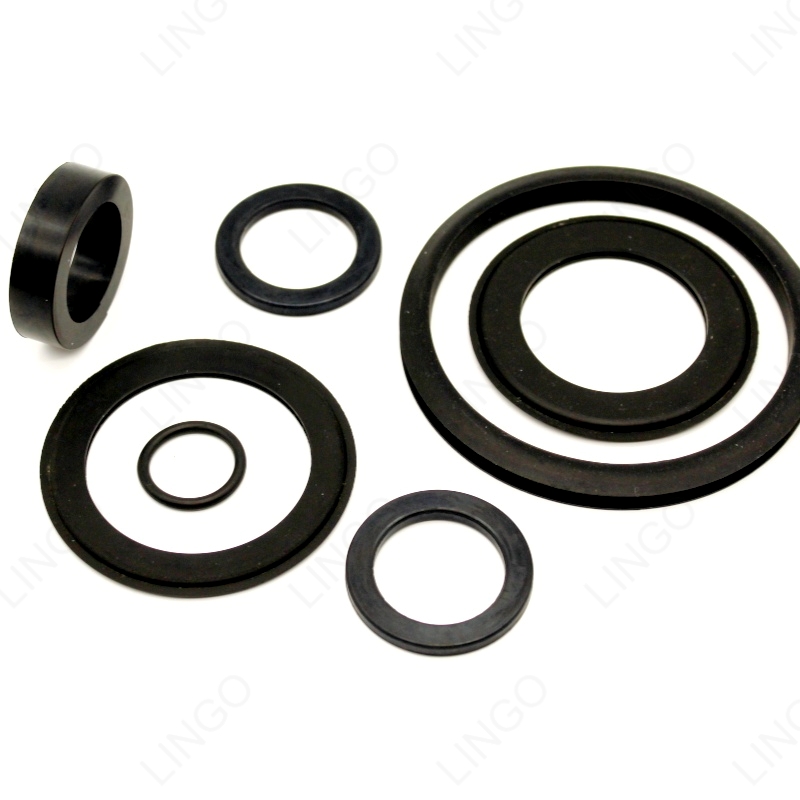
The LG-RS series includes rubber O-rings, X-rings, and oil seals. They are available in materials such as NBR, EPDM, silicone, FKM, and FFKM, covering a hardness range of Shore A 50–95A and temperature resistance from -40°C to +250°C. These seals are certified to FDA, UL, ROHS, and REACH standards, making them suitable for food processing, pharmaceutical, aerospace, and automotive applications.
Rubber Extrusion Seals
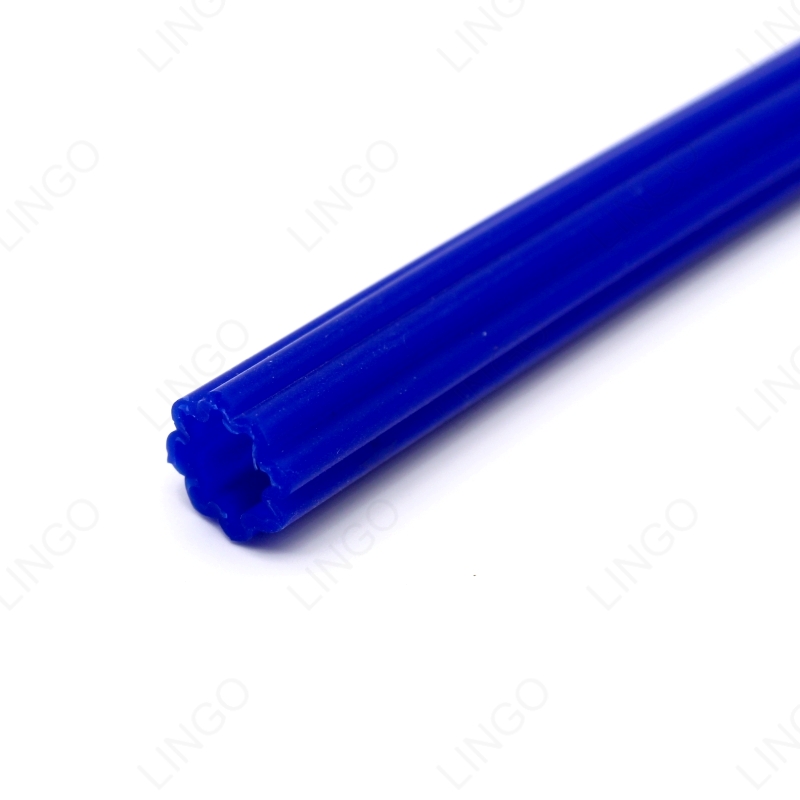
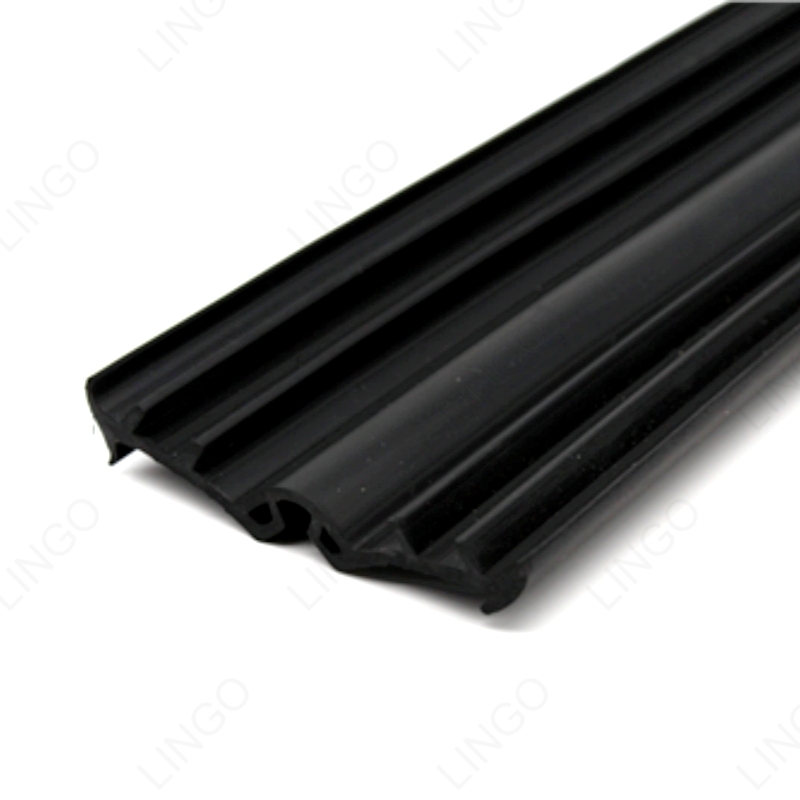
The LG-RX model is a rubber extrusion seal produced in EPDM, NBR, silicone, or FKM. It comes in types including solid, sponge, adhesive-backed, and co-extruded variants. Hardness is specified per Shore A, length is customer-defined, and color matches Pantone or RAL. These seals are used in doors, windows, HVAC systems, and industrial enclosures.
Silicone Rubber Cords
The LG-SRC silicone rubber cord is offered in solid and sponge forms. It is heat resistant and FDA qualified, with customizable length and color. Applications include sealing, gasketing, and insulation in food & beverage, medical, and electronics industries.
Anti-Vibration Mounts
The LGMM series includes cylindrical rubber mounts and stud mounts made of natural rubber bonded to zinc-coated steel. Diameters range from 8 mm to 150 mm, heights from 8 mm to 90 mm, with tolerance per RMA A2. They absorb engine vibration and reduce structure-borne noise in transportation (automotive, rail, marine), industrial machinery, and construction equipment.
Custom Rubber Parts
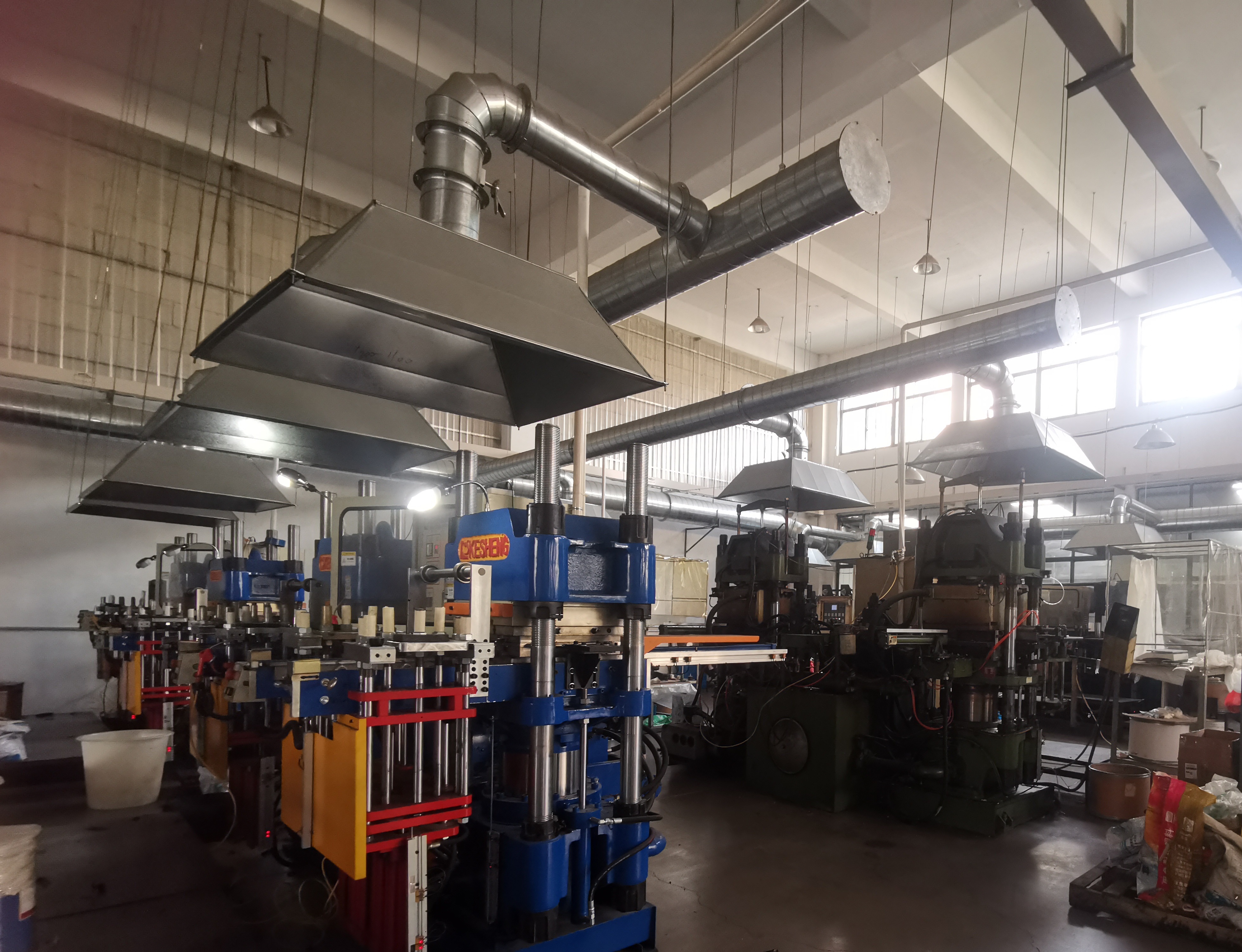
LINGO offers custom rubber parts through compression molding, injection molding, extrusion, and plastic injection. The R&D team of 10 professionals works with clients to meet specific parameters on tensile strength, elongation, compression set, and chemical resistance. Export business accounts for 80% of total sales, primarily to the EU and USA.
Step-by-Step Supplier Selection Process
- Define your application requirements – Identify the operating environment (temperature, pressure, chemical exposure), dynamic load, and expected lifespan.
- Choose the appropriate material – EPDM for ozone and weather resistance; NBR for oil and fuel resistance; silicone for extreme temperature and FDA compliance; FKM for aggressive chemicals.
- Request certifications – Ensure the supplier can provide compliance with ASTM D2000, FDA, UL, ROHS, REACH, and other relevant standards.
- Evaluate manufacturing capabilities – Consider molding, extrusion, injection, and secondary operations like bonding or assembly.
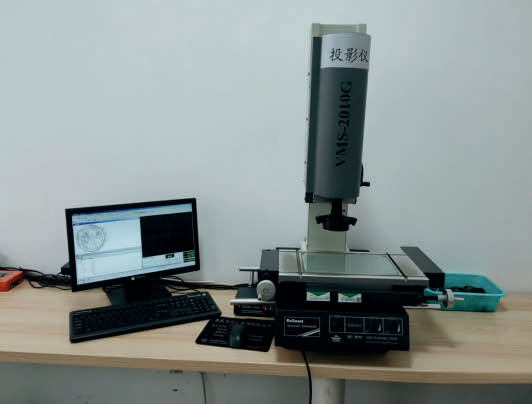
- Review quality control – Check for in-house testing of hardness, tensile strength, compression set, and dimensional tolerance.
- Assess lead time and MOQ – Confirm production schedules and minimum order quantities for your needed volumes.
- Request samples – Validate form, fit, and function before committing to mass production.
Use Case: Anti-Vibration Mounts in Transportation
LINGO’s LGMM mounts are deployed in engine mounting systems, suspension systems, and seat vibration isolation for automotive, rail, and marine applications. They operate under continuous cyclic compression and shear, with fatigue resistance requirements of 10⁶ to 10⁷ cycles, temperature range -40°C to +120°C, and exposure to oil, grease, and road shock. Typical equipment includes engine brackets, chassis frames, rail bogies, and ship engine beds. Markets such as the US, UK, Germany, Italy, Russia, UAE, and Canada commonly specify these mounts.
Comparison: LINGO Product Series at a Glance
| Product Series | Key Materials | Hardness (Shore A) | Certifications | Primary Application |
|---|---|---|---|---|
| LG-RS (Seals & O-Rings) | NBR, EPDM, Silicone, FKM, FFKM | 50–95 | FDA, UL, ROHS, REACH | Aerospace, Automotive, Food, Pharma |
| LG-RX (Extrusion Seals) | EPDM, NBR, Silicone, FKM | As required | Industry standard tolerances | Construction, HVAC, Automotive, Appliance |
| LG-SRC (Silicone Cords) | Silicone | Not specified | FDA, Heat resistant | Food, Medical, Electronics, General sealing |
| LGMM (Anti-Vibration Mounts) | Natural rubber + zinc coated steel | Not specified | RMA A2 tolerance | Transportation, Industrial Machinery |
Frequently Asked Questions
What types of rubber seals do Chinese manufacturers typically offer?
Can LINGO produce custom rubber parts according to my specifications?
What is the minimum order quantity (MOQ) for rubber seals?
I need rubber O-ring manufacturers. Can LINGO supply samples before production?
Looking for rubber seal suppliers – what should I check about their capabilities?
Are LINGO’s anti-vibration mounts available for automotive applications?
Conclusion
Rubber parts are fundamental to reliable product design across industries. From standard O-rings and gaskets to custom extrusion seals and anti-vibration mounts, selecting the right supplier involves evaluating material expertise, manufacturing capability, quality certification, and responsiveness. Hangzhou Lingo Rubber and Plastic Product Co., Ltd offers a broad product portfolio, a dedicated R&D team, and a track record of serving EU/US markets. To discuss your specific requirements or request a quotation, contact sales@lingorp.com or call +86 18358136245 (WhatsApp).