
Silicone vs. FKM Extrusion Seals: A Head-to-Head Decision for Global Sourcing Teams
The short answer: silicone and FKM extrusion seals are both produced in the same LG-RX rubber extrusion seal family, both can be cut to length, colour-matched to a Pantone or RAL reference and supplied as solid, sponge, adhesive-backed or co-extruded profiles. The compound is decided by the sealing environment — what the seal touches and at what temperature — while the purchase order is decided by something else entirely: how tightly the supplier controls hardness in Shore A, dimensional tolerance, batch traceability and the commercial terms behind the quote.
Hangzhou Lingo Rubber and Plastic Product Co., Ltd (Lingo Rubber Plastic) is a China-based manufacturer of rubber molding parts, rubber extruded parts, plastic injection parts and plastic extruded parts, with export markets including the EU, Middle East and USA. This article is written for sourcing teams that are already past discovery — the shortlist exists, samples have been requested or approved, and the remaining job is to lock a compound and accept an execution model.
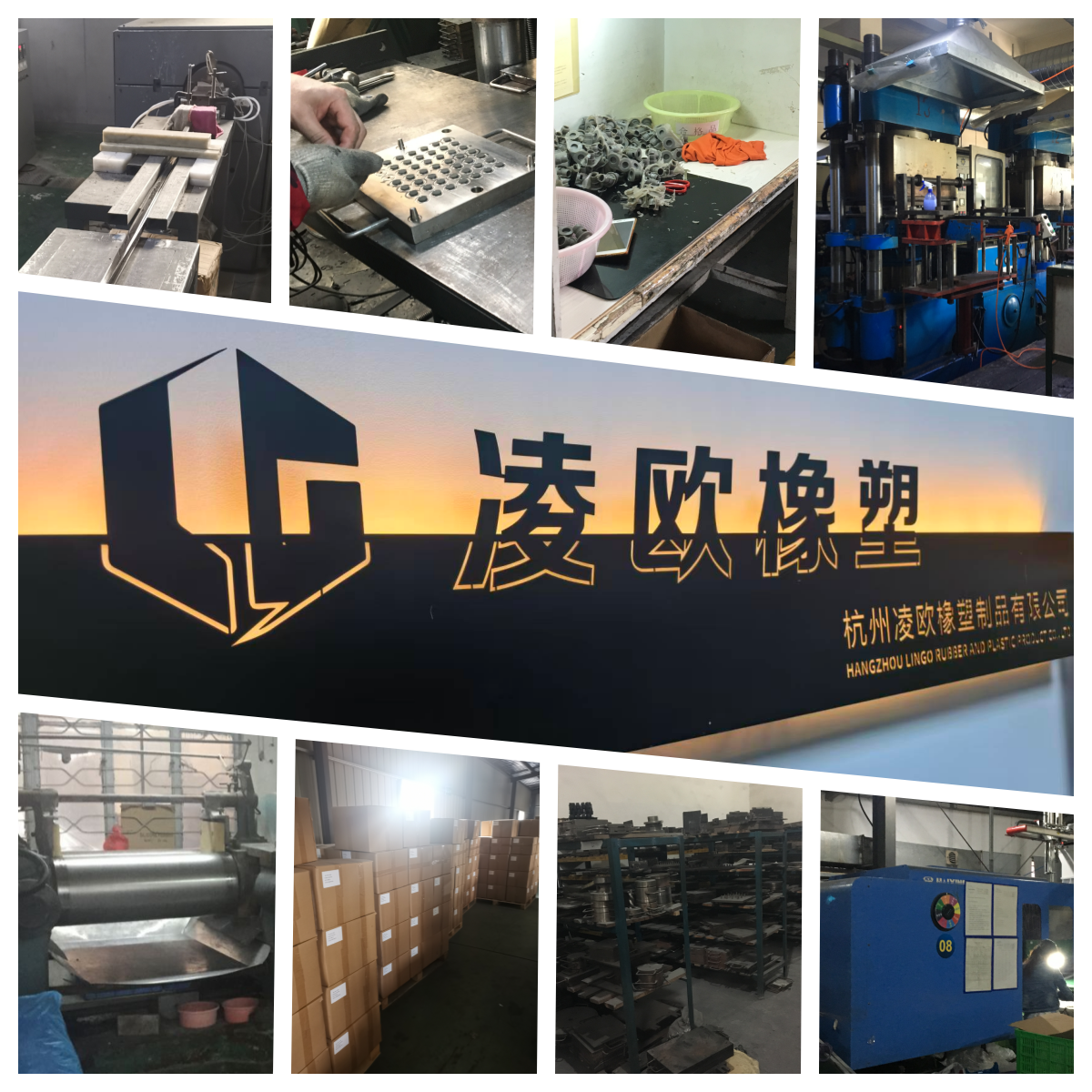
Cover: Lingo Rubber Plastic operates rubber molding, rubber extrusion, plastic injection and plastic extrusion under one roof in Hangzhou, China.
Problem Definition: Why the Silicone–FKM Decision Stalls a Purchase Order
Most sourcing teams do not struggle to find a supplier that can quote a silicone profile and an FKM profile. They struggle to close the decision, because four separate questions get tangled into one.
- Compound by reputation rather than exposure. Silicone is often treated as the safe default and FKM as the industrial upgrade, without a written list of the media the seal will actually touch — oils, fuels, coolants, cleaning agents, steam, outdoor UV.
- Hardness left off the drawing. Extrusion seals are specified in Shore A hardness, but many RFQs arrive with a shape and no hardness callout, so each supplier quotes a different compound formulation and the samples are not comparable.
- Construction and colour specified late. Solid, sponge, adhesive-backed and co-extruded profiles behave differently in installation. Colour matched to a Pantone or RAL reference is frequently added after the profile is already approved, which restarts the sample cycle.
- Commercial terms discovered after approval. MOQ, payment method and delivery term are often negotiated only when the first PO is issued, at which point the technical work has already been done against a supplier whose terms may not fit the buyer's cash flow or customs setup.
The reason this matters more than the piece price suggests is failure cost. An extrusion seal is a low-value line item, but a profile that leaks, hardens or shrinks forces re-tooling, re-validation and re-qualification of an assembly — costs that are not visible on any rubber parts quotation.
Industry Background: Where Extrusion Seals Sit in the Rubber Parts Market
Extruded seals are a continuous-profile branch of the rubber parts category. Where molding produces discrete parts such as rubber grommets, rubber washers, rubber o-rings and anti-vibration mounts, extrusion produces long runs of solid rubber strips, sponge rubber extrusion strips, grooved rubber strips, self-adhesive rubber strips, silicone rubber strips and rubber insert strips that are then cut, spliced or assembled.
The category is large and heavily rubber-based. Grand View Research puts the global gasket and seal materials market at USD 61.4 billion in 2024 and estimates that rubber seals account for approximately 56% of that market, reflecting their use in dynamic sealing. On the trade side, gaskets, washers and other seals of vulcanized rubber other than hard rubber fall under HS code 4016.93 in the US Harmonized Tariff Schedule, which is the classification most buyers see on the customs entry for silicone and FKM profiles.
The practical consequence for a sourcing team is that supplier quotes in this category rarely differ because of the polymer itself. They differ because of tooling design, hardness control, inspection intensity, MOQ policy and the Incoterm attached to the price. That is why a comparison that stops at “silicone versus FKM” tends to reopen three months after the PO.
Detailed Solution: The Four Compounds Buyers Actually Compare
LG-RX rubber extrusion seals are quoted in four compounds in most RFQs. Each has a clear job.
Silicone
Silicone is generally selected where weathering, UV and ozone exposure dominate, and where flexibility across a wide temperature range matters more than oil resistance. It is available in pigmented compounds, which makes it the practical choice when a profile has to match a Pantone or RAL reference on a visible surface. Its limitation is mechanical and chemical: silicone is not the compound to specify for sustained contact with fuels, hydrocarbon oils or aggressive solvents, and it generally offers lower tear and tensile strength than FKM in dynamic duties.
FKM
FKM is generally selected for resistance to oils, fuels, hydrocarbon solvents and many acids, and for service in hot oil or hot air where silicone would swell or degrade. In extrusion form it is commonly supplied as solid profile and cord. The trade-offs are real and should be stated in the RFQ discussion: FKM carries a generally higher compound cost than silicone, EPDM or NBR, and its low-temperature flexibility is generally weaker, so it is a poor fit for cold-climate outdoor sealing unless the grade is confirmed against the application.
EPDM
EPDM is the weathering and water-facing compound: ozone, UV, water, steam and coolant resistance are its strengths, which is why it appears so often as an EPDM rubber gasket or a door and window seal. It is a poor choice for oil and fuel contact.
NBR
NBR is the oil-and-grease compound, widely used for rubber auto parts and general machinery sealing where lubricants are present. Its weathering and ozone resistance are limited, so it is normally an indoor or oil-side choice rather than an outdoor one.
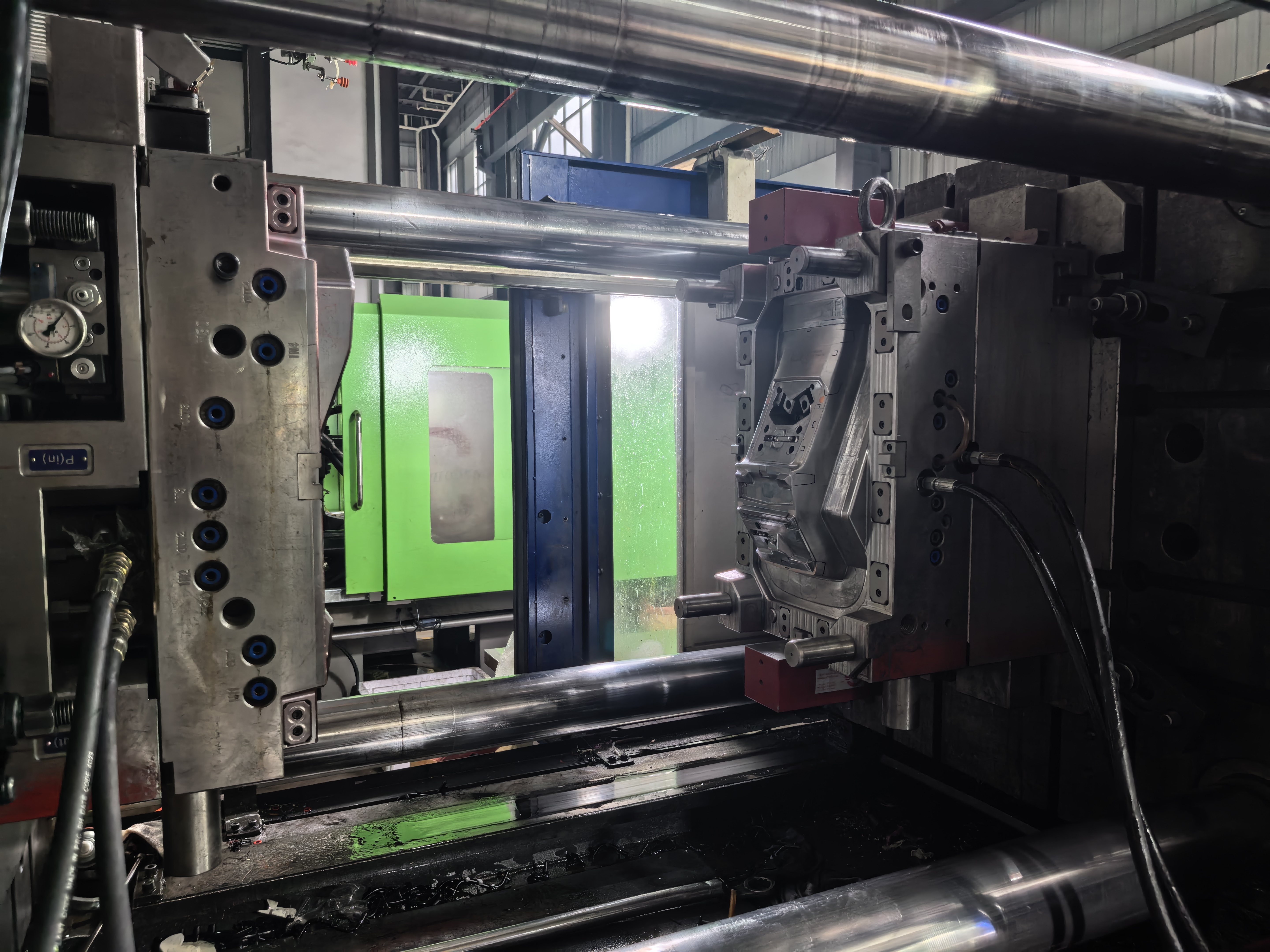
Lingo Rubber Plastic combines rubber molding, rubber extrusion, plastic injection and plastic extrusion, so a seal and its mating plastic component can be sourced against one drawing set.
Three Levers That Decide the Part, Not the Compound
1. Hardness in Shore A. Hardness governs compression, insertion force and how the profile seats in a groove. It must be stated on the drawing in Shore A for the specific compound, because the same Shore A value is reached with different formulations in silicone and in FKM. Lingo controls dimensional tolerance to rubber RMA A2 and maintains tolerance capability at CPK ≥ 1.33, which is what makes a hardness callout meaningful in production rather than only on the sample.
2. Construction. Solid profiles carry load and resist compression set; sponge profiles absorb tolerance and seal against uneven surfaces; adhesive-backed strips remove mechanical fastening from the assembly step; co-extruded and insert strips combine a sealing compound with a carrier or a second material in one profile. Choosing the construction after the compound is one of the most common causes of a second sample round.
3. Length and colour. Extrusion is a continuous process, so length is a cutting decision — continuous cord, fixed cut lengths or kit-cut sets. Colour is a compound decision matched to a Pantone or RAL reference, and the achievable shade should be confirmed on the approved sample rather than assumed from a colour card.
Step-by-Step Breakdown: From Quote to Container
The sequence below is the execution path Lingo Rubber Plastic follows with export buyers. Each step closes a question that would otherwise resurface later.
- Define the sealing environment in writing. Media contact, temperature range, static or dynamic movement, UV exposure and cleaning agents. This alone eliminates two of the four compounds in most projects.
- Fix hardness and tolerance on the drawing. Shore A hardness plus the tolerance class (rubber RMA A2 for Lingo production). A drawing without hardness cannot be quoted comparably.
- Select the construction. Solid, sponge, adhesive-backed, co-extruded or insert strip — matched to the groove, the mating surface and the assembly method.
- Confirm length and colour. Continuous cord, cut lengths or kits; Pantone or RAL target confirmed against a physical sample.
- Approve the sample. Sample inspection is performed before approval, and surface gloss is checked on the first piece so that appearance drift is caught before bulk production rather than after.
- Lock the commercial terms. MOQ, price basis, payment method and delivery term are agreed together, not sequentially.
- Run production with in-process control. Process parameters are standardized, mold cavity pressure is monitored in real time, and measuring tools are calibrated on a regular schedule in line with CNAS requirements.
- Inspect, document and ship. Pre-shipment test is the acceptance criterion, cores are retained for traceability, and the goods move on the agreed Incoterm.
Where the Supplier, Not the Compound, Decides the Outcome
MOQ and order flexibility. The minimum order quantity differs per product, and small quantities are accepted. For a sourcing team validating a new profile, that removes the choice between over-ordering unproven parts and skipping the trial entirely.
Quality control and traceability. Lingo's control model combines product sampling inspection with first-piece checks, batch-level testing of the vulcanization characteristics of each rubber compound batch, and retained samples of core raw materials, so a defect can be traced back to a batch rather than to a shipment.
Known failure modes with named controls. Four defects account for most extrusion seal complaints, and each has a defined countermeasure:
- Hardening or softening from ageing — countered by selecting a substrate with good weather resistance, adding light stabilizers, antioxidants and anti-ozone agents, and verifying weather resistance through QUV or xenon lamp ageing tests.
- Inconsistent surface gloss — countered by maintaining mold surface condition, standardizing temperature, pressure and speed parameters, and testing gloss on the first piece.
- Blooming (frost on the surface) — countered by keeping additive dosage within the solubility limit, ensuring correct vulcanization, and testing vulcanization characteristics for each compound batch.
- Dimension out of tolerance — countered by process parameter control, shrinkage simulation during mold design, regular mold and measuring-tool calibration, and cavity pressure monitoring.
Mold maintenance as a long-term cost item. A maintenance plan with scheduled surface checks, plus self-developed mold structures, extends mold life and holds unit price down as the program matures. Material modification formulas are used to extend service life where a standard compound is marginal in the application.
After-sales. Lingo's stated position is replacement or refund for defective items, with quick response to after-sales requests and short lead time — the terms that matter after the first container, not before it.
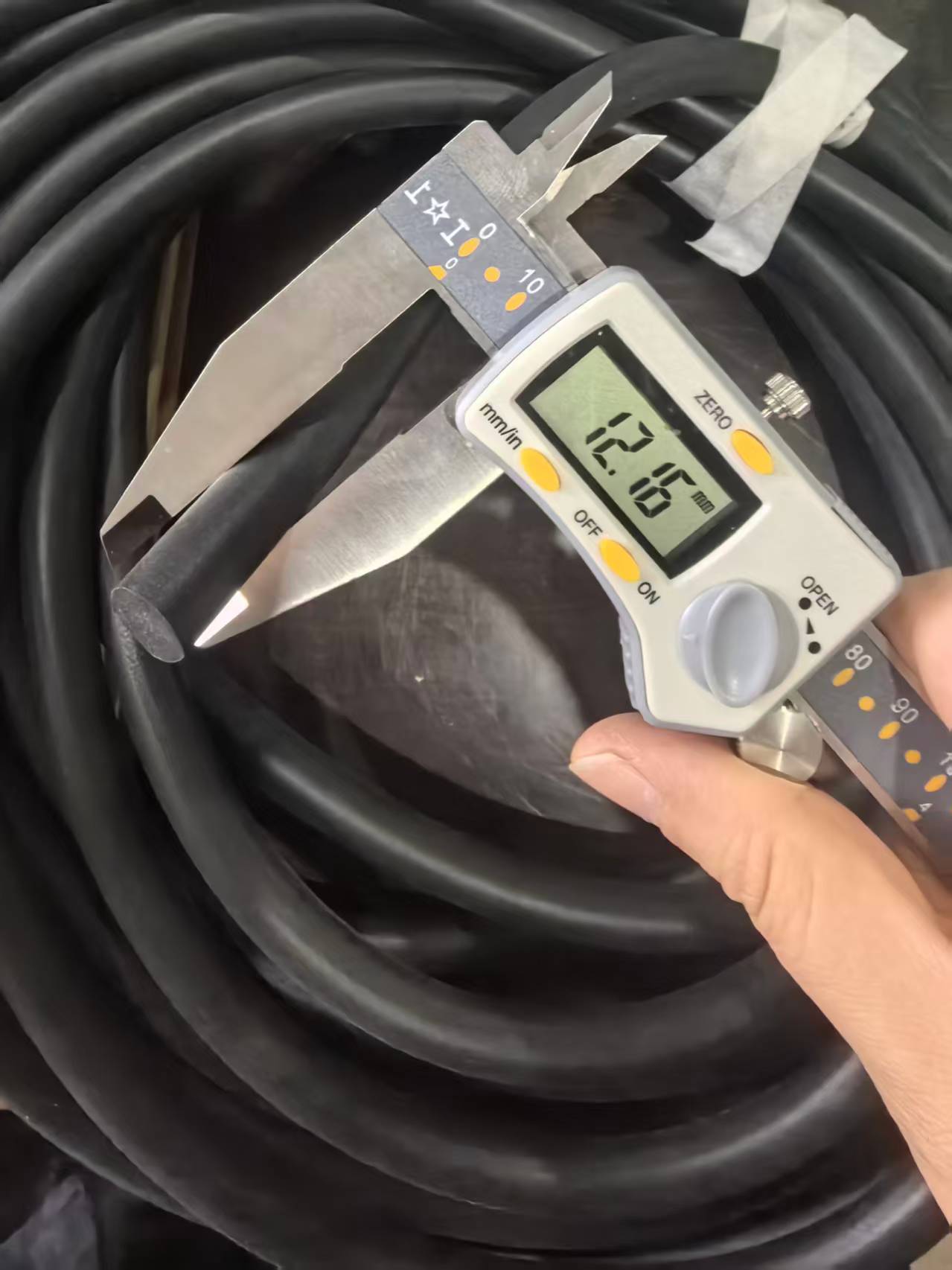
Dimensional inspection: tolerance is controlled to rubber RMA A2, with measuring tools calibrated on a regular schedule.
Use Cases: Which Compound Wins in Which Duty
Outdoor enclosure and cabinet sealing. Silicone or EPDM, usually as a solid or sponge profile with adhesive backing. Weathering, UV and ozone drive the choice, and a Pantone-matched colour is often required for visible trim. FKM would add cost without solving the actual degradation mechanism.
Oil-exposed machinery and drivetrain sealing. FKM or NBR as solid profile or cord. Where lubricant contact is continuous and temperatures are elevated, FKM is the specification; where the duty is moderate and oil-only, NBR is the lower-cost route.
Door and window seals in construction and transport. EPDM in sponge or solid form, frequently as a co-extruded or insert strip so the profile holds its shape in the frame.
Visible equipment trim with a colour target. Silicone, cut to length and matched to a RAL or Pantone reference, where appearance and weathering matter more than chemical exposure.
Micro precision and high-temperature components. Lingo identifies micro precision components, high-temperature parts, complex structures with undercuts or core-pulling mechanisms, and composite material components as the applications where its tolerance control and mold design add the most value — the same conditions that typically point a seal program toward FKM.
Comparison Table: Silicone, FKM, EPDM and NBR Extrusion Seals
| Decision factor | Silicone | FKM | EPDM | NBR |
|---|---|---|---|---|
| Typical sealing media | Air, water, mild chemicals, cleaning agents | Oils, fuels, hydrocarbon solvents, many acids | Water, steam, coolants, outdoor air | Oils, greases, fuels |
| Weathering, UV and ozone | Strong — the usual reason silicone is specified | Moderate; not the primary selection driver | Strong — standard for outdoor gaskets | Limited; normally an indoor or oil-side choice |
| Temperature behaviour | Flexible at low temperature and stable at high temperature | Retains properties in hot oil and hot air; weaker low-temperature flexibility | Good across general service conditions | Moderate |
| Oil, fuel and solvent resistance | Limited | Strong — primary selection driver | Poor | Good |
| Hardness specification | Shore A, stated per compound on the drawing | Shore A, stated per compound on the drawing | Shore A, stated per compound on the drawing | Shore A, stated per compound on the drawing |
| Available constructions | Solid, sponge, adhesive-backed, co-extruded, cord | Solid profile, cord | Solid, sponge, co-extruded, insert strip | Solid profile, cord |
| Length and colour | Continuous or cut lengths; Pantone or RAL matching | Continuous or cut lengths; colour confirmed on approved sample | Continuous or cut lengths; colour confirmed on approved sample | Continuous or cut lengths; colour confirmed on approved sample |
| Relative compound cost | Moderate | Generally higher than silicone, EPDM or NBR | Generally lower | Generally lower |
| Typical fit | Outdoor and visible sealing, colour targets | Oil, fuel and elevated-temperature duties | Door, window and weather sealing | Lubricant-side machinery sealing |
This table is selection guidance, not a material specification. Final acceptance is against the approved drawing, the agreed hardness in Shore A and the pre-shipment test.
Comparison Table: Cross-Border Execution Terms
| Execution item | Lingo Rubber Plastic position |
|---|---|
| MOQ | Differs per product; small quantities are accepted |
| Payment | T/T as standard — deposit upfront, balance before shipment; L/C at sight accepted, especially for larger quantities; D/P by agreement; PayPal for samples or low-value orders; credit terms for established customers with a consistent payment record |
| Delivery terms | EXW, FOB, CIF, DDP |
| Acceptance criteria | Pre-shipment test |
| Production lead time | Typically 2 to 6 weeks; where new tooling is required, tooling and samples run 4–6 weeks and production parts 3–4 weeks |
| Capacity and services | Monthly production capacity of 1,000,000 kgs; OEM/ODM production services |
| Export markets | EU, Middle East and USA |
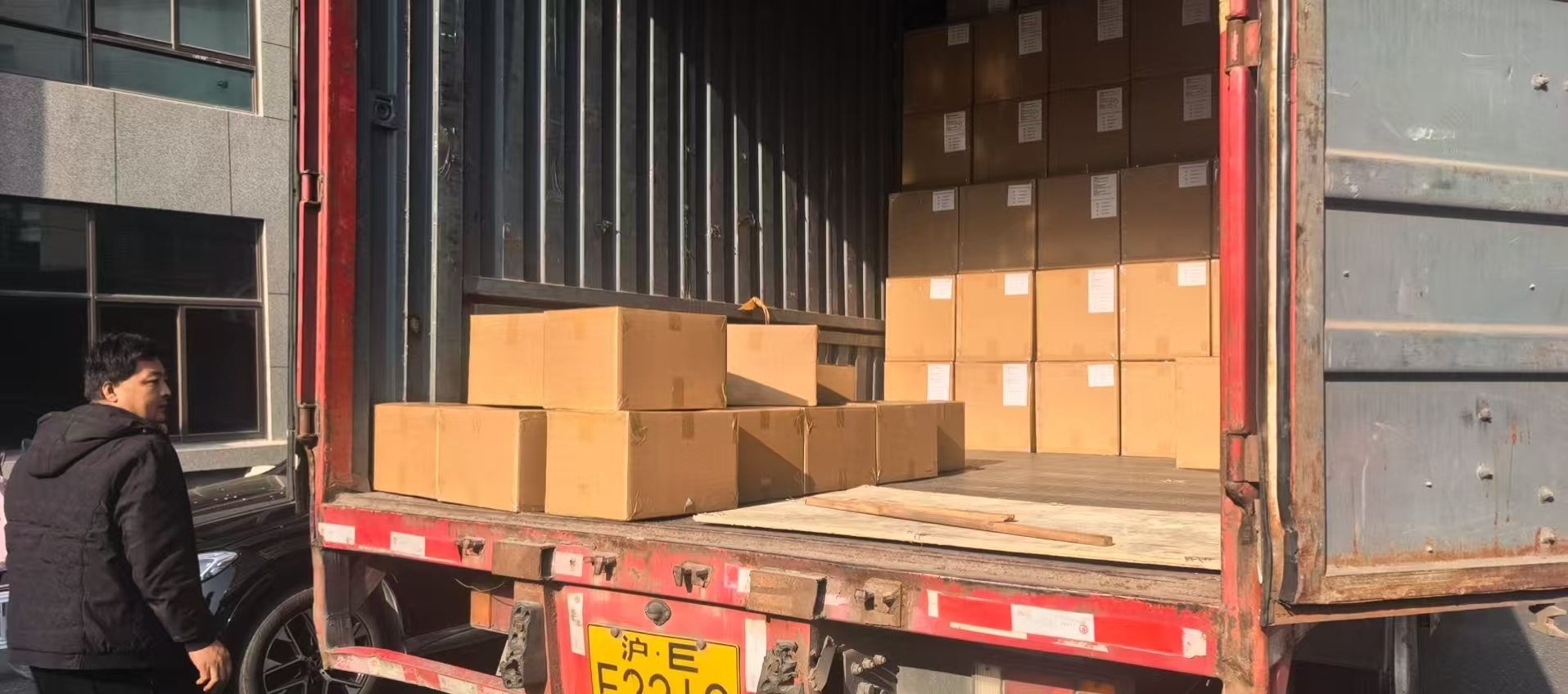
Export execution: goods move on EXW, FOB, CIF or DDP terms, with pre-shipment test as the acceptance criterion.
FAQ
Which compliance and tolerance references apply to silicone and FKM extrusion seals?
Gaskets, washers and other seals of vulcanized rubber other than hard rubber are classified under HS code 4016.93 in the US Harmonized Tariff Schedule, which is the code most buyers see on a customs entry for extrusion seals. On the dimensional side, Lingo Rubber Plastic controls rubber tolerance to RMA A2 and maintains tolerance capability at CPK ≥ 1.33, with pre-shipment test as the acceptance criterion. Compound-level documentation should be requested per project, because the required documents differ by destination market and by end use.
Can extrusion seal length, colour and construction be customised?
Yes. Silicone, FKM, EPDM and NBR profiles can be supplied as continuous cord or cut to fixed lengths, colour-matched to a Pantone or RAL reference, and produced as solid strips, sponge extrusion strips, grooved strips, self-adhesive strips, silicone rubber strips, insert strips or co-extruded trims. Hardness is specified in Shore A on the drawing, which is what allows silicone and FKM samples to be compared on the same basis.
What is the minimum order quantity, and how is payment handled?
The minimum order quantity differs per product, and small quantities are accepted — which allows a buyer to validate a profile before committing to volume. T/T is the standard payment method, with a deposit upfront and the balance before shipment. L/C at sight is accepted, especially for larger quantities, D/P can be arranged for certain destinations subject to agreement, and PayPal is available for sample payments or low-value orders. Established customers with a consistent payment record can be offered credit terms.
How are samples and bulk production inspected?
Inspection is layered rather than end-of-line only: surface gloss is checked on the first piece, products are sampling-inspected during production, vulcanization characteristics are tested for each batch of rubber compound, and core raw material samples are retained so that any defect can be traced to a batch. Measuring tools are calibrated on a regular schedule in line with CNAS requirements, and mold cavity pressure is monitored in real time so that dimensional drift is caught during the run rather than after shipment.
What lead time applies, and what does a long-term supply partner in China provide?
Typical production lead time is 2 to 6 weeks; where new tooling is required, tooling and samples run 4–6 weeks and production parts 3–4 weeks. Beyond lead time, a long-term partner is defined by what happens between orders: a scheduled mold maintenance plan, material modification formulas to extend service life, batch traceability, replacement or refund for defective items, and commercial terms that scale with the relationship. Lingo Rubber Plastic reports a monthly production capacity of 1,000,000 kgs, offers OEM/ODM production services, and exports to the EU, Middle East and USA — a sample or quote request is the fastest way to confirm fit against a specific profile.
Conclusion: Decide the Environment First, Then the Supplier
Silicone and FKM are not competing answers to the same question. Silicone answers weathering, colour and low-temperature flexibility; FKM answers oil, fuel and hydrocarbon exposure at elevated temperature. Once the sealing environment is written down, the compound usually selects itself, and the remaining risk sits entirely with execution: whether hardness is controlled in Shore A to RMA A2, whether construction and colour were settled before tooling, whether batches are traceable, and whether MOQ, payment and delivery terms fit the buyer's cash flow and customs setup.
That is the practical case for treating extrusion seals as a supplier decision rather than a material decision. Lingo Rubber Plastic builds rubber molding, rubber extrusion, plastic injection and plastic extrusion around the same tolerance discipline, accepts small quantities, inspects before shipment and quotes on EXW, FOB, CIF or DDP terms — the four items that determine whether a technically correct compound ever arrives as a correct part.
Next Step: Test the Profile Against a Real Sample
Send the drawing with the media, temperature range, Shore A hardness, construction (solid, sponge, adhesive-backed or co-extruded), cut length and Pantone or RAL colour target. Lingo Rubber Plastic will confirm the compound route — silicone, FKM, EPDM or NBR — and quote with MOQ, lead time, payment and delivery terms attached.
Email: sales@lingorp.com | WhatsApp: +86 18358136245 | Website: www.lingorp.com
Download the company profile and full capability list: LINGO RUBBER & PLASTIC COMPANY PROFILE (PDF)
Have Questions or Need More Details?
Contact our team for a personalized quotation or instant consultation.
Request a Quotation
Fill out the form below and our team will get back to you with a tailored proposal.
WhatsApp Direct Chat
Prefer to chat in real-time? Message us on WhatsApp for instant assistance & quick answers.
- Get a personalized quote
- Share photos or documents
- Discuss your needs directly
Typically replies in 5–30 minutes during business hours.