
Solving Common CNC Plastic Machining Challenges: A Practical Guide for Industrial Buyers
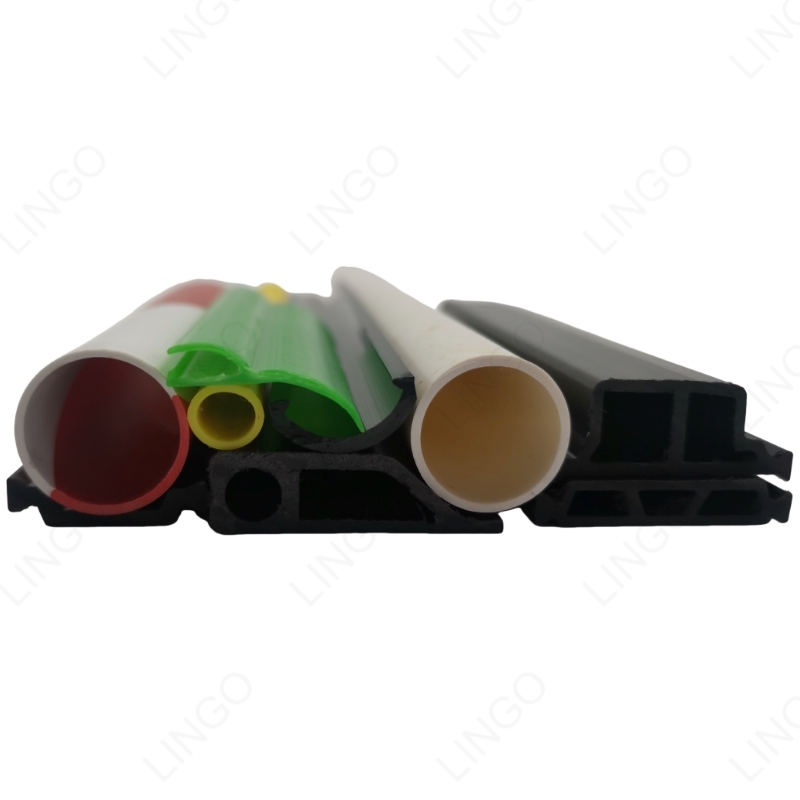
Introduction: The Hidden Pitfalls in CNC Plastic Machining
Industrial buyers sourcing custom plastic parts often encounter recurring quality issues such as dimensional variance, surface inconsistencies, and premature failure. These problems not only disrupt production schedules but also inflate total cost of ownership. Understanding how to systematically evaluate and mitigate these risks is essential for selecting a reliable CNC plastic machining partner.
1. Risk: Dimension Out of Tolerance
One of the most frequent complaints in plastic machining is parts exceeding specified tolerances. This can arise from incorrect shrinkage compensation during mold design, unstable process parameters, or uncalibrated measuring tools.
Control methods:
- Simulate shrinkage rate during mold design and use CAE analysis.
- Maintain strict control of injection pressure, temperature, and cycle time according to SOP.
- Regularly calibrate molds and measuring instruments per CNAS requirements.
A supplier like Hangzhou Lingo Rubber and Plastic Product Co., Ltd (LINGO) implements real-time monitoring using mold cavity pressure sensors and conducts product sampling inspection to ensure output stays within GB/T 14486 MT1–MT3 tolerance levels. Their tolerance control capability consistently maintains CPK ≥ 1.33.
2. Risk: Inconsistent Surface Gloss
Surface finish variations can affect both aesthetics and functional performance, especially in visible or sealing parts.
Control methods:
- Regular mold maintenance and surface finish checks (SPI grades).
- Standardize injection parameters (temperature, speed, holding pressure).
- Perform first-piece gloss testing before mass production.
LINGO’s manufacturing process includes a mold maintenance plan and strict SOP documentation. They also verify surface gloss on the first piece to catch deviations early, ensuring consistent output across batches.
3. Risk: Hardening or Softening Due to Aging
Plastic parts exposed to UV, heat, or chemicals may experience accelerated degradation, leading to brittleness or loss of elasticity.
Control methods:
- Select a base material with appropriate weather resistance (e.g., PA66 with UV stabilizers).
- Add appropriate light stabilizers, antioxidants, and anti-ozone agents.
- Apply protective coating or surface treatment when required.
LINGO validates material durability through QUV/xenon lamp accelerated aging tests and maintains batch traceability for all additives. Their in-house reliability laboratory performs accelerated aging tests to simulate long-term service conditions, providing buyers with data-driven confidence.
4. Real-World Case: Zero Failures in Automotive CNC Machined Parts
A US-based project required 5,000 plastic injection parts (machined to tight tolerances) for tube holder applications in auto machinery. The supplier, LINGO, redesigned internal structures to reduce material usage while preserving all functional requirements. The outcome: improved dimensional stability, reduced material and logistics costs, and zero field failures. This demonstrates how a capable CNC plastic machining partner can deliver both reliability and cost efficiency.
5. How to Select a CNC Plastic Machining Supplier: Key Evaluation Criteria
- Quality Control Systems: Look for suppliers with sampling inspection, CNAS-calibrated tools, and real-time monitoring (e.g., cavity pressure sensors).
- Material Expertise: The ability to modify material formulas (e.g., adding glass fiber, flame retardants) extends part life and reduces risks.
- Mold Design Capability: Self-developed mold structures that increase output and reduce unit price indicate manufacturing maturity.
- After-Sales Support: Remote technical support, mold maintenance, and free exchange policies reduce buyer risk.
- Lead Time & MOQ: Small quantity acceptability (LINGO accepts low MOQ) allows prototype testing before volume orders.
Conclusion
By understanding and addressing common CNC plastic machining risks — dimensional control, surface consistency, and aging — industrial buyers can make informed sourcing decisions. Suppliers that invest in robust quality infrastructure, material science, and process standardization, such as Hangzhou Lingo Rubber and Plastic Product Co., Ltd, offer a lower total cost of ownership and higher supply chain reliability.
📄 Download the full company brochure for detailed capabilities and case studies:
LINGO Rubber & Plastic Company Profile (PDF)
Have Questions or Need More Details?
Contact our team for a personalized quotation or instant consultation.
Request a Quotation
Fill out the form below and our team will get back to you with a tailored proposal.
WhatsApp Direct Chat
Prefer to chat in real-time? Message us on WhatsApp for instant assistance & quick answers.
- Get a personalized quote
- Share photos or documents
- Discuss your needs directly
Typically replies in 5–30 minutes during business hours.