
Top Engineering Plastics for Green Energy Components: Our Ranked Picks
Top Engineering Plastics for Green Energy Components: Our Ranked Picks
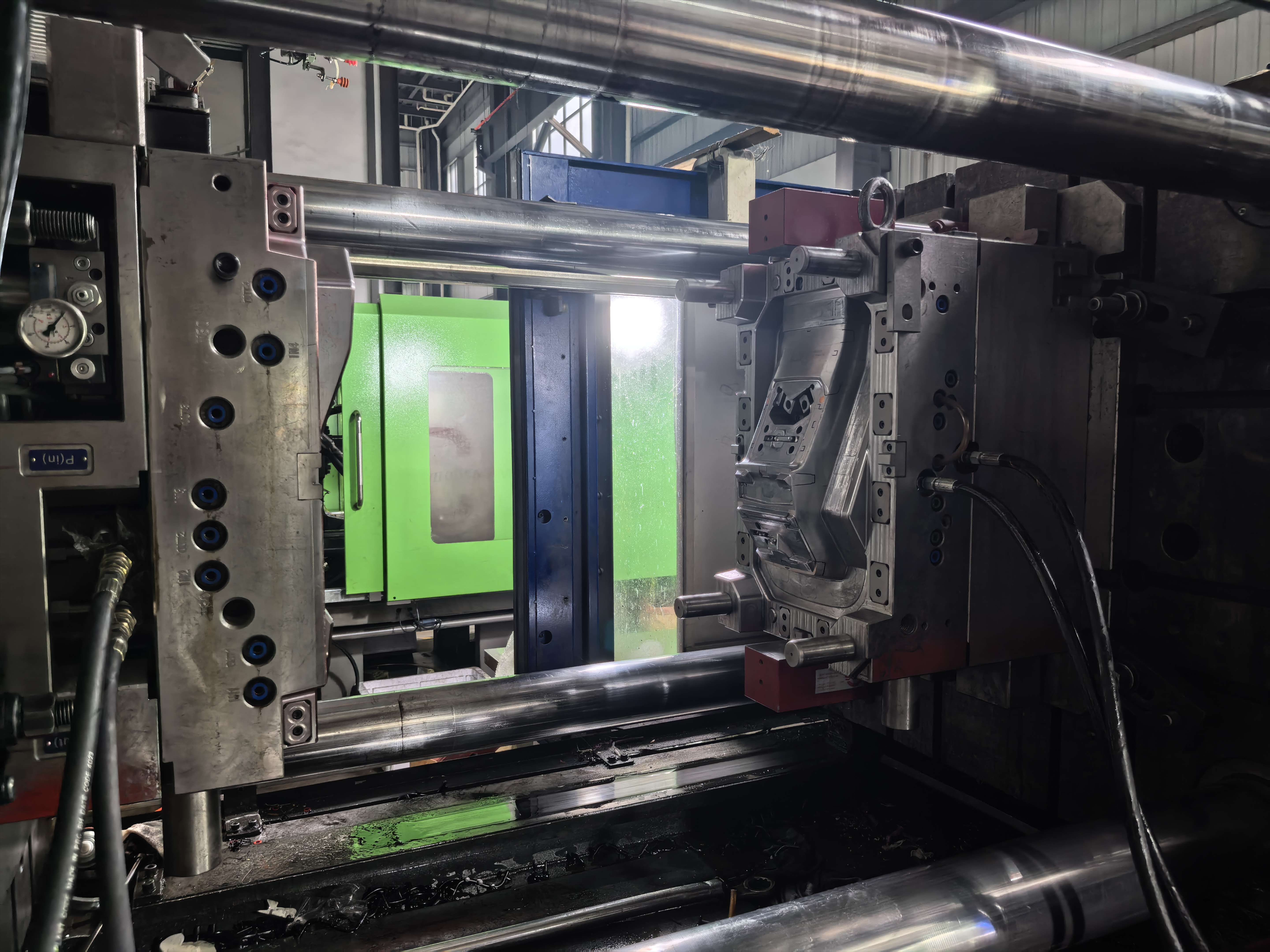
Engineering plastic components for renewable energy assemblies are produced and inspected against drawing tolerances before shipment.
Green energy hardware is usually installed once and expected to hold its function for years, often in places where nobody wants to send a maintenance crew. Offshore wind drivetrains, solar tracker linkages, battery module hardware, hydrogen seals, and hydro wear liners all transfer that expectation to the plastic components inside them: seals, gaskets, back-up rings, bearings, bushings, and gears. The material behind those parts decides whether the assembly keeps its sealing force, clearance, and function after thousands of thermal cycles and years of chemical and weather exposure.
This article ranks four engineering plastics that appear most often in green energy component specifications and explains what each one is actually good at. Our ranked picks, in order:
- PEEK — ranked first for combined thermal, chemical, and mechanical duty.
- PTFE — ranked second; the chemical-inertness and anti-extrusion specialist.
- POM — ranked third; the precision mechanical workhorse for gears, bushings, and functional components.
- UHMWPE — ranked fourth overall, and first for abrasion and impact resistance.
Two clarifications before the details. First, this is an engineering ranking based on typical green energy duty, not a laboratory ranking: the correct material for a specific part depends on the grade and filler system it uses and on the media it actually meets. Second, the material list and component families referenced here follow the production scope behind LINGO Rubber Plastic's LG-CNC plastic CNC machined parts program — PTFE, POM, PE, UHMWPE, HDPE, PEEK, ABS, PU, PA6, and PA66 — plus the company's injection molding and extrusion programs, which cover the same seals, gaskets, back-up rings, bearings, bushings, and gears that renewable energy assemblies require.
Problem Definition: Why Green Energy Components Are a Harder Material Problem
The selection question is not "which plastic is strongest." It is "which plastic still performs after years of the specific duty this part will see." Four pressures make that harder in green energy than in general industrial equipment.
- Long service intervals and difficult access. Components on offshore platforms, wind nacelles, rooftop solar arrays, and remote substations are expensive to replace, so failure cost is dominated by access, downtime, and warranty exposure rather than by part price.
- Aggressive media. Battery electrolytes, hydrogen, coolants, hydraulic fluids, cleaning agents, and salt-laden air attack polymer families in different ways. A material that survives oil service can swell, soften, or crack in an electrolyte or an oxidizing cleaning agent.
- Thermal cycling. Repeated heating and cooling changes dimensions, stresses joints, and accelerates aging. Parts must retain sealing force and running clearance across the full cycle, not just at the design point.
- Weather and UV exposure. Outdoor installation drives hardening, softening, and surface degradation unless the compound carries the right stabilizer package.
- Documentation requirements. Utility and OEM procurement typically expects material certificates, batch traceability, and pre-shipment acceptance testing, which narrows the field to suppliers who can control and record the process.
The failure mode is rarely dramatic at the part level. A seal slowly loses compression set, a bushing wears oval, a gear creeps under sustained load. At system level, that becomes an unplanned service event with a cost far above the price of the component.
Industry Background: What Is Driving Demand for Engineering Plastics
Demand for plastic parts in energy and transportation hardware keeps expanding. The global injection molded plastics market was valued at USD 362.5 billion in 2025 and is projected to reach USD 481.4 billion by 2033, according to Grand View Research. Asia Pacific accounted for approximately 40.7% to 41.2% of that revenue in 2025, which is one reason most green energy buyers end up evaluating Asian supply chains whether they plan to or not.
In transportation, the automotive plastics market was valued at USD 33.0 billion in 2025, driven largely by lightweighting for electric vehicles, and polypropylene alone accounted for a 32.4% share of that market. Export flows point the same direction: China exported approximately USD 174 billion in plastics and rubbers in 2024, with the United States as the largest single destination at USD 24.3 billion, based on Observatory of Economic Complexity data.
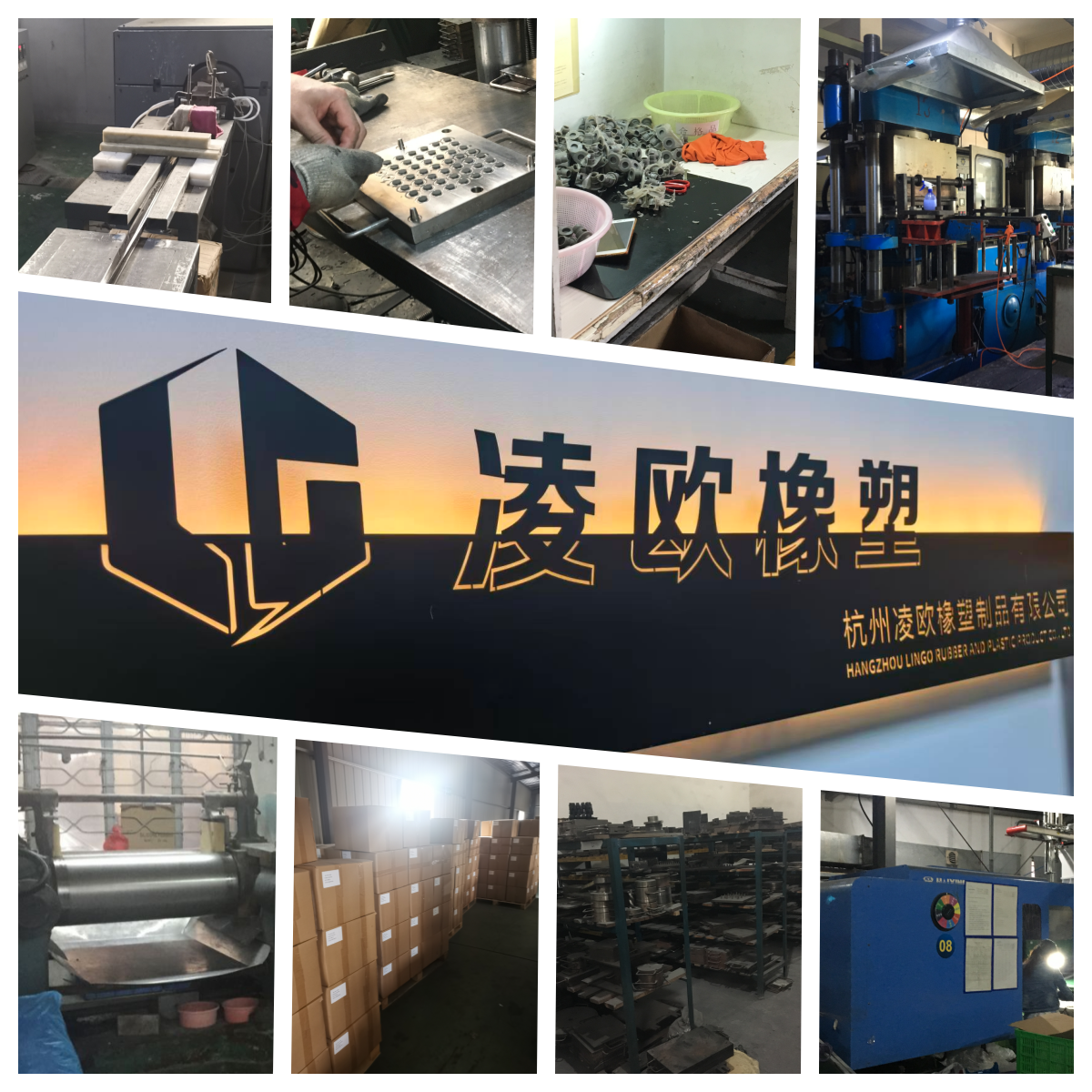
Multi-process production environment: injection molding, extrusion, CNC machining, and PVC dipping under one quality system.
Three structural trends shape how those parts are bought between 2024 and 2026: Industry 4.0 integration, where AI and IoT are used for real-time production monitoring; reshoring of high-specification production; and wider adoption of bio-based and recycled resins. One caution on the numbers above: published market estimates vary with methodology and scope, and volume-based and revenue-based sources do not agree precisely. Treat any single figure as directional rather than exact.
What this means for a buyer is straightforward. Supply depth for engineering plastics sits largely in Asia Pacific, certification expectations continue to harden, and the material decision is being made earlier in the design process because switching a polymer later invalidates tooling, tolerances, and test data. For automotive-adjacent programs, the reference standard remains IATF 16949:2016, which builds on the foundational ISO 9001:2015 standard.
How We Ranked These Materials
Ranking was done against six criteria applied in the order that a green energy duty cycle usually punishes them:
- Chemical resistance to the media the part will actually contact — electrolytes, hydrogen, coolants, fuels, cleaning agents, salt spray.
- Thermal tolerance and stability, including behavior under repeated cycling rather than only at a steady temperature.
- Mechanical performance: stiffness, creep resistance, and fatigue behavior under sustained load.
- Wear and friction behavior in sliding and oscillating contact.
- Dimensional stability and manufacturability to precision tolerances, whether the part is machined, molded, or extruded.
- Commercial practicality: material availability, cost position, and the validation effort the grade requires.
Chemical and thermal performance carry the greatest weight for green energy duty; mechanical and creep performance come second; wear and friction third; manufacturability and cost last, because a part that fails early never delivers a cost advantage. The ranking below is a starting shortlist, not a substitute for grade-level verification.
The Ranked Picks: Engineering Plastics for Green Energy Components
Rank 1 — PEEK: The Highest Combined Ceiling
PEEK ranks first because it handles overlapping demands better than the other three. It retains useful mechanical strength at elevated temperatures, resists a broad range of chemicals and solvents, and can be machined into precision geometry — which is why it appears in demanding sealing and load-bearing positions rather than in low-cost covers. In LINGO's plastic CNC machined parts scope, PEEK sits alongside PTFE, POM, PE, UHMWPE, HDPE, ABS, PU, PA6, and PA66, and the component families it typically serves include back-up rings, bearings and bushings, gears, and seals or gaskets.
Design caution: PEEK carries the highest material cost of the four picks and calls for disciplined machining parameters to avoid residual stress and dimensional drift. Specify it where the duty envelope genuinely requires it, not as a default for every high-value assembly.
Rank 2 — PTFE: Chemical Inertness and Anti-Extrusion
PTFE ranks second because chemical inertness and low friction are decisive in several green energy positions, especially where the part contacts aggressive fluids. It is commonly the pragmatic choice for gaskets, seals, and back-up rings / anti-extrusion rings — all standard part types in the LG-CNC plastic machined parts list.
Design caution: PTFE is comparatively soft and tends to creep under sustained compressive load. Static seal designs usually manage this with anti-extrusion back-up rings or filled grades rather than relying on unfilled PTFE alone in high-load positions. Its mechanical strength and stiffness are lower than PEEK's, and it requires sharp tooling and controlled clamping during machining because the material deforms easily.
Rank 3 — POM: The Precision Mechanical Workhorse
POM ranks third. It is not a high-temperature or aggressive-chemical material, but it is dimensionally stable, stiff, low in friction, and straightforward to machine, which makes it a practical choice for gears, bearings, bushings, and precision functional components where temperatures stay moderate and the media are not strongly acidic or oxidizing. In LINGO's injection molding scope, POM is offered alongside PP, PA6, PA66, ABS, PE, HDPE, UHMWPE, PTFE, and glass-fiber grades, with options for glass-fiber reinforcement, flame retardancy, and UV stabilization depending on the duty.
Design caution: chemical resistance to strong acids and oxidizing agents is limited, and the thermal ceiling is below PEEK and PTFE. POM is a mechanical solution, not a chemical-duty solution.
Rank 4 — UHMWPE: Abrasion and Impact Resistance
UHMWPE ranks fourth overall and first for abrasion resistance. It resists sliding wear and impact, runs with low friction, and absorbs shock better than the stiffer families, so it fits wear pads, liners, guide rails, and bushings in hydro, tidal, and heavy-duty renewable equipment. It is available both as a machined part material and as an extrusion profile material in LINGO's programs, and plastic extruded profiles from this material list are explicitly applicable to renewable energy equipment.
Design caution: lower stiffness and a lower thermal ceiling than PEEK or PTFE. It is not the first choice for precision gears or for parts that must hold tight dimensions under sustained load.
Beyond the Top Four: PA6, PA66, PP, and Reinforced Grades
The ranked four are not the whole toolbox. PA6 and PA66, with or without glass fiber, remain common for structural brackets and profiles where cost matters more than maximum thermal performance. Polypropylene holds the largest single material share in automotive plastics at 32.4% in 2025, and it scales into large housings and covers. PVC dipping covers handles and grips that need chemical resistance and a non-slip surface, while PE, HDPE, and PU cover lower-cost chemically resistant parts and flexible functions. Those families win on economics and process fit, not on the thermal and chemical ceilings that green energy duty often demands.
Step-by-Step Breakdown: From Duty Envelope to Approved Component
The ranking above shortlists materials. The following sequence converts that shortlist into an approved, repeatable production part.
Step 1 — Write the duty envelope
Define contact media and concentration, continuous and peak temperature range, static or dynamic load, motion type, required service life, indoor or outdoor exposure, and cleaning method. Every later decision is checked against this document.
Step 2 — Shortlist by chemical compatibility
Eliminate material families that cannot survive the media list before comparing anything else. This step usually removes one or two of the four ranked materials immediately and prevents the common error of choosing by temperature alone.
Step 3 — Screen thermal and UV exposure, then choose the compound
Confirm the part works across the full cycling range, not only at the nominal temperature. For outdoor positions, select a grade with appropriate stabilization — LINGO's injection molded parts support glass-fiber, flame-retardant, and UV-stabilized modification, and the same logic applies to machined grades. Where long weathering life is critical, control the additive dosage and keep batch traceability, because additive content drives the aging curve.
Step 4 — Choose the manufacturing route
- CNC machining (LG-CNC) — best for lower volumes, complex geometry, tight tolerances, and materials such as PTFE, PEEK, POM, and UHMWPE that are supplied as stock shapes.
- Injection molding (LG-PI) — best for repeatable volume production of housings, handles, guides, washers, and functional components, with tolerance classes from GB/T 14486 MT1 to MT7 and mold shrinkage typically compensated at 0.4%–0.8%.
- Extrusion (LG-PE) — best for constant cross-sections such as strips, trims, and profiles, in lengths up to 6000 mm and customizable cross-sections.
- PVC dipping (LGHD) — best for grips and handles where chemical resistance and ergonomics matter.
Step 5 — Specify tolerances and inspection
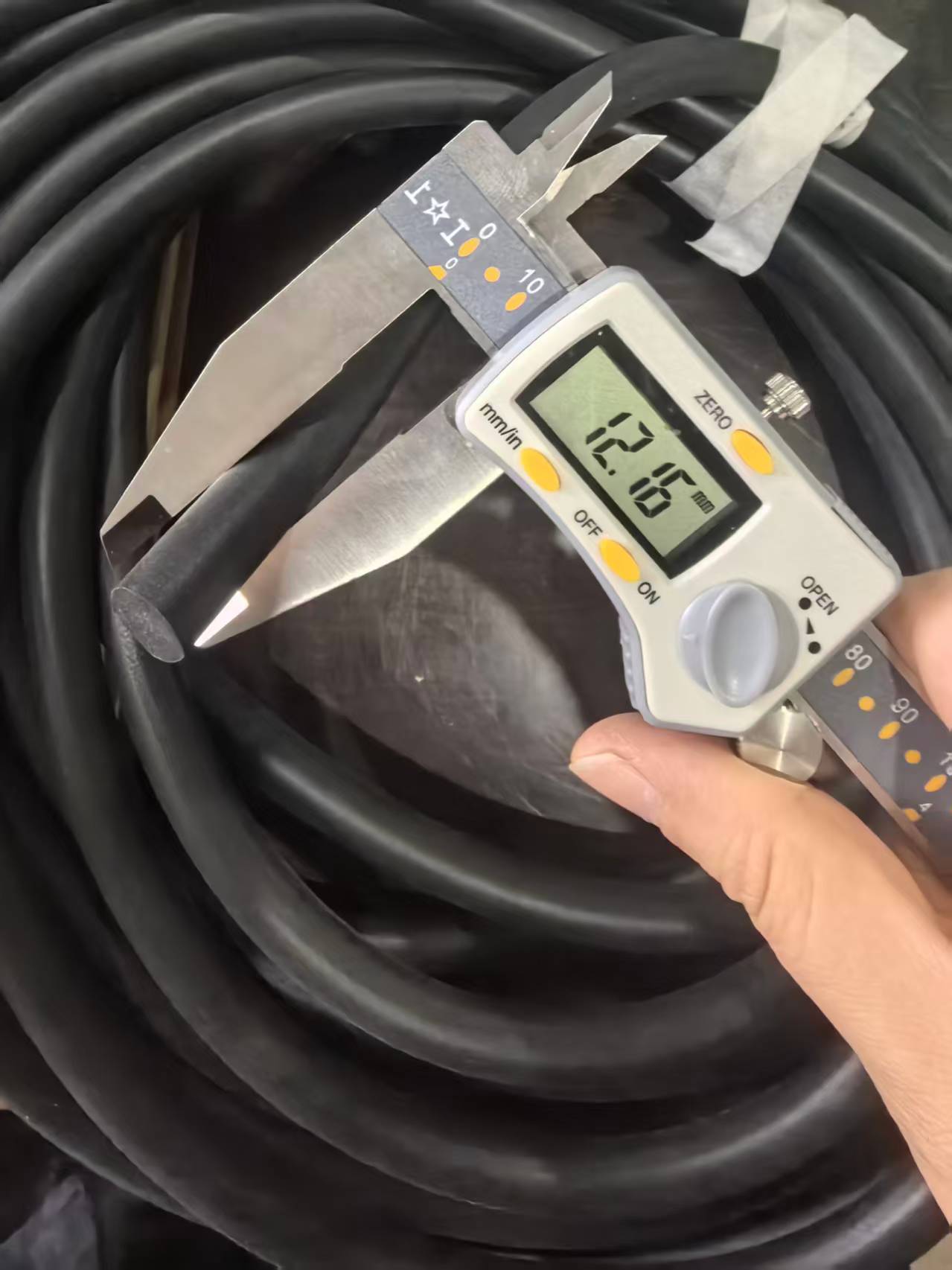
Dimensional inspection is the control point that connects the material decision to the drawing.
LINGO controls tolerance as per plastic M1 to M3 classes and maintains capability consistently at CPK ≥ 1.33. In-process controls include sampling inspection, measuring tools calibrated regularly according to CNAS requirements, and real-time monitoring with mold cavity pressure sensors. Surface roughness is specified as Ra (µm) or Rz (µm), and visual criteria are defined as smooth, no crack, and no flash — worth writing into the purchase specification rather than leaving implicit.
Step 6 — Validate before mass production
Quality control at LINGO covers full inspection of samples and random inspection of bulk goods, with pre-shipment testing available as the acceptance method. For parts exposed to weather, aging verification through QUV or xenon lamp testing, combined with additive dosage control and batch traceability, converts the UV question from an assumption into a recorded result. A reliability laboratory for accelerated aging tests supports this sequence.
Three failure modes to control explicitly
- Dimension out of tolerance — control process parameters such as machine pressure and injection or cure time, simulate shrinkage during mold design, calibrate molds and measuring tools on a schedule, and monitor cavity pressure in real time.
- Inconsistent surface gloss — maintain mold surface condition, standardize process parameters in an SOP, run a first-piece gloss test, and keep a mold maintenance plan.
- Hardening or softening from aging — select a substrate with good weather resistance, add light stabilizers, antioxidants, and anti-ozone agents, and where needed apply a protective coating.
Use Cases: Matching the Ranked Materials to Green Energy Applications
Solar and photovoltaic assemblies
Tracker linkages, mounting brackets, junction housings, and edge profiles are dominated by UV exposure and thermal cycling rather than aggressive chemistry. Glass-fiber reinforced PA6, PA66, and UV-stabilized PP are common, with POM for mechanical adjustment parts and EPDM-based rubber seals for weather sealing.
Wind turbine drivetrains and nacelles
Gears, bushings, bearings, and back-up rings carry load and oscillate for years. PEEK and POM are the practical candidates here, with PTFE back-up rings supporting seal stacks in hydraulic and lubrication positions.
Battery and energy storage systems
Module housings, insulators, gaskets, and washers must combine dielectric behavior, flame-retardant requirements such as UL94 V-0, and resistance to electrolyte contact. Injection molded parts with flame-retardant and glass-fiber modification are the usual route, with PTFE or PEEK selected where chemical exposure is severe.
Hydrogen and fuel cell equipment
Sealing is the defining problem: hydrogen permeation, pressure cycling, and rapid decompression all stress the seal stack. PTFE back-up rings with high-performance sealing elements, and PEEK where mechanical support is needed, are the typical combination.
Hydro, tidal, and geothermal hardware
Abrasion, impact, and mineral-laden water point to UHMWPE for wear pads, liners, and guide rails, with stainless-compatible machined parts where tolerances are tight.
Comparison Table: Ranked Picks at a Glance
| Rank | Material | Where it wins in green energy duty | Typical component forms | Main limitation to design around |
|---|---|---|---|---|
| 1 | PEEK | Combined thermal, chemical, and mechanical load; the pick when requirements overlap | Back-up rings, bearings and bushings, gears, seals and gaskets | Highest material cost of the four; machining requires disciplined parameters |
| 2 | PTFE | Chemical inertness and low friction against aggressive media | PTFE gaskets, back-up rings / anti-extrusion rings, seals | Creep under sustained compressive load; lower mechanical strength and stiffness |
| 3 | POM | Dimensional stability, stiffness, and low friction in moderate conditions | Gears, bearings and bushings, precision functional components | Limited resistance to strong acids and oxidizing agents; lower thermal ceiling |
| 4 | UHMWPE | Abrasion and impact resistance, low friction, shock absorption | Wear pads, liners, guide rails, bushings; also extruded profiles | Lower stiffness and thermal ceiling; not for tight-tolerance gears |
Material properties vary by grade and filler system. Use this table to shortlist, then verify against the specific grade data and a physical sample.
Production Reference: LINGO Programs Behind These Materials
| Program (Model) | Materials | Key parameters |
|---|---|---|
| Plastic CNC Machined Parts (LG-CNC) | PTFE, POM, PE, UHMWPE, HDPE, PEEK, ABS, PU, PA6, PA66, with or without glass fiber | FDA, RoHS, UL options; custom color; surface roughness specified as Ra / Rz; visual criteria: smooth, no crack, no flash |
| Plastic Injection Parts (LG-PI) | PP, PA6, PA66, ABS, PE, HDPE, UHMWPE, LDPE, PU, PTFE, glass-fiber grades | GF / flame-retardant / UV-stabilized modification; tolerance GB/T 14486 MT1–MT7; shrinkage typically 0.4%–0.8%; FDA and UL94 V-0 options; draft angle outside ≥1°, inside ≥0.5° |
| Plastic Extruded Profiles (LG-PE) | PVC, PP, ABS, PA6, PA66, PE, UHMWPE, with or without glass fiber | Length up to 6000 mm, customizable cross-section, custom Pantone / RAL color; applicable industries include renewable energy |
| Plastic Injection Molded Auto Parts (LG-AP) | PP, PE, PS, ABS, PBT, PET, PVC, PA, PC, POM, PTFE, PEEK | Temperature range −40°C to +120°C; FMVSS 302, RoHS, REACH; multi-cavity, hot / cold runner tooling |
FAQ: Engineering Plastics for Green Energy Components
Do these engineering plastics meet the certification requirements of green energy programs?
Certification applies to the finished part and the specific material grade, not to the polymer family as a whole, so the first step is to identify which standard the program requires and then confirm the grade against it. LINGO's plastic CNC machined parts can be supplied with FDA, RoHS, and UL options; injection molded parts support FDA and UL94 V-0 requirements with glass-fiber, flame-retardant, and UV-stabilized modification; and the plastic injection molded auto parts program carries FMVSS 302, RoHS, and REACH. Where a program sits close to automotive standards, IATF 16949:2016 — which builds on ISO 9001:2015 — is the reference framework. Batch traceability is maintained so that a certificate can be tied back to the production lot.
Can these plastics be machined or molded to the tolerances green energy assemblies need?
Yes, with process control rather than assumption. LINGO controls tolerance as per plastic M1 to M3 classes and maintains capability consistently at CPK ≥ 1.33. Mold design compensates shrinkage at typically 0.4%–0.8%, injection molded parts are held to GB/T 14486 MT1 to MT7, and machining covers materials such as PTFE, PEEK, POM, and UHMWPE. Dimensional results are verified by sampling inspection, measuring tools calibrated regularly according to CNAS requirements, and real-time monitoring with mold cavity pressure sensors.
How does the choice of material and process affect the unit cost of plastic parts?
Three cost drivers matter most: the material family, since higher-performance grades such as PEEK carry a higher material cost than commodity resins; the process, because injection molding spreads tooling cost across volume while CNC machining suits lower volumes and complex geometry; and the defect rate, because scrap and rework erase material savings quickly. LINGO's cost position comes from a self-developed mold structure that raises output and reduces unit price, low machine energy consumption, and machine or cryogenic deflashing that significantly reduces labor cost. A material modification formula that extends service life also lowers the overall cost of ownership, which matters more than unit price on parts that are expensive to replace. Minimum order quantity differs per product, and small quantities are accepted.
How do we validate a material and part before committing to production?
Validation runs on samples and inspection data. LINGO's quality control includes full inspection of samples and random inspection of bulk goods, with pre-shipment testing available as the acceptance method. For parts exposed to weather, QUV or xenon lamp aging tests verify weather resistance, and additive dosage is controlled with batch traceability maintained throughout. Sample payments can be handled by PayPal, which keeps the evaluation stage fast and low-risk before tooling investment.
What does long-term supply look like once the part is qualified?
Monthly production capacity is 1,000,000 kgs, with a typical production lead time of 2 to 6 weeks. For exports to the EU, Middle East, and USA markets, technical support includes remote technical support, mold maintenance and ownership protection, batch traceability, and free exchange and acceptance of concessions. Payment terms are T/T as standard, with L/C at sight for larger quantities, D/P for certain destinations, PayPal for samples, and credit terms for established customers with a consistent payment record. To start a quotation, send your drawing and duty envelope to sales@lingorp.com or message +86 18358136245 on WhatsApp.
Conclusion: Rank the Duty, Then the Material
PEEK, PTFE, POM, and UHMWPE cover most green energy component positions when they are matched to the actual duty envelope rather than to a general reputation. PEEK leads where thermal, chemical, and mechanical demands overlap; PTFE leads on chemical inertness and anti-extrusion; POM delivers precision mechanical parts economically; UHMWPE absorbs abrasion and impact where stiffness is not the constraint. The ranking is a shortlist, and the approved part comes from grade-level verification, controlled tolerances, and documented validation.
Next Step: Sample or Quote for Your Green Energy Component
Send your drawing, material preference, and duty conditions, and LINGO Rubber Plastic will review the machining, molding, or extrusion route and prepare a sample or quotation. The full capability overview, including material lists and process scope, is available in the company profile.
Download the LINGO Rubber & Plastic Company Profile (PDF) | www.lingorp.com
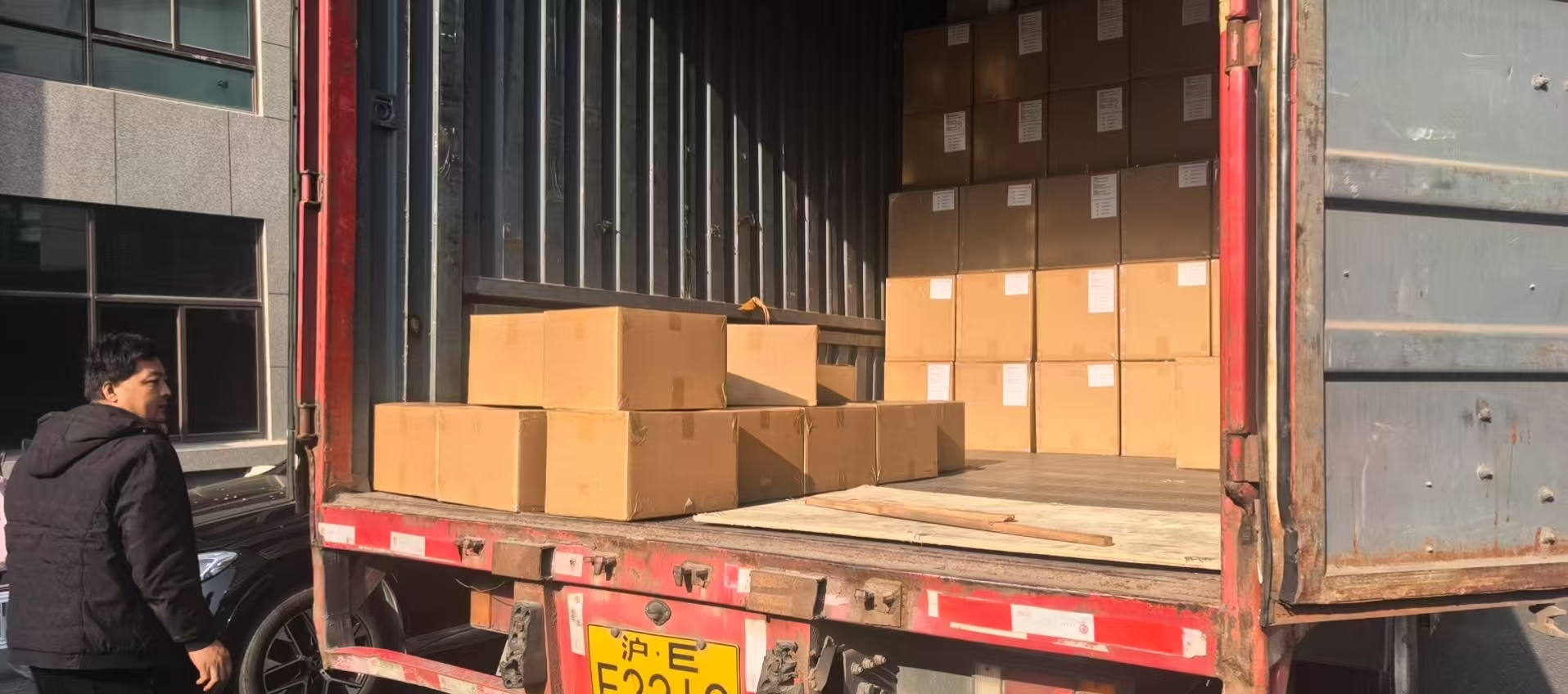
Finished parts are packed and shipped with batch traceability for EU, Middle East, and USA destinations.
Hangzhou Lingo Rubber and Plastic Product Co., Ltd — founded in 2022, operating a 3000 m² facility with around 40 employees, a 10-person R&D team, annual output of 1.58 million units, and an 80% export ratio concentrated in the EU and USA markets. Product scope includes rubber molding parts, rubber extruded parts, plastic injection parts, and plastic extruded parts, plus PTFE machining, PEEK machining, acrylic machining, PVC dipping, plastic machining, and assembly.
Address: Rm1303 Meiya Plaza, LP, HZ, China 311100 | Email: sales@lingorp.com | Tel / WhatsApp: +86 18358136245 | Contact: Colin Lin