Vibration Failures in Green Energy Systems: How Custom Rubber Seals and Mounts Solve Them
Vibration Failures in Green Energy Systems: How Custom Rubber Seals and Mounts Solve Them
Green energy equipment rarely fails first at the electronics. It fails at the components holding the assembly together: the seals that keep water, dust and ozone away from the inside, and the mounts that stop vibration from travelling into frames, junction boxes and instruments. A solar tracker with a hardened, cracked door gasket, a wind turbine enclosure whose cable entries weep after a wet winter, and a battery container whose mounts have taken a permanent set are three versions of the same failure curve. That curve can be interrupted at the specification stage, before the equipment ever leaves the factory.
This article takes the failure curve apart. It explains what vibration and long-term environmental exposure do to rubber parts in green energy systems, describes the sealing and anti-vibration supply base as it stands in 2024-2026, and then shows how two product families from Lingo Rubber Plastic - LG-RX custom rubber extrusion seals and LGMM cylindrical anti-vibration mounts - are specified with documented materials, dimensions and tolerances. It closes with a step-by-step specification process, green energy use cases, a parts comparison table and the questions buyers ask before appointing a long-term supply partner in China.
Problem Definition: Why Vibration and Outdoor Exposure Break Green Energy Hardware First
Two physical processes run in parallel on any outdoor renewable energy asset, and both attack rubber before they attack metal or electronics. The first is vibration: trackers index against wind loads, turbine enclosures carry rotating and aerodynamic vibration, and battery containers sit on racks that transmit low-amplitude movement through every fastener. The second is environmental exposure: UV radiation, ozone, rain, dust, salt and continuous thermal cycling between day and night.
The most common documented aging failure mode for rubber parts under these conditions is hardening or softening due to aging. A seal that hardens loses its ability to follow the mating surface and starts to leak; a mount that softens or takes a compression set stops isolating vibration and starts transmitting it. The countermeasures are well understood and material-based: select a substrate with good weather resistance, add light stabilizers, antioxidants and anti-ozone agents, and apply a protective coating to the surface.
Verification matters as much as formulation. Weather resistance should be confirmed through QUV or xenon lamp aging tests, additive dosage should be controlled with batch traceability, and a reliability laboratory should be able to run accelerated aging tests rather than relying on supplier declarations. When that discipline is missing, the failure appears downstream in the field, where every service visit costs far more than the part itself.
Three other rubber failure modes regularly turn up in the same equipment and follow the same logic:
- Blooming. Frost or haze appears on the product surface when additives exceed their solubility limit or when vulcanization is incomplete. Control relies on formulation, correct vulcanization, per-batch testing of rubber compound vulcanization characteristics and retained raw-material samples.
- Dimension out of tolerance. Driven by process parameters (machine pressure, cure or injection time), shrinkage that was not simulated during mold design, and molds or measuring tools that are not calibrated on a regular schedule.
- Inconsistent surface gloss. Traced back to mold surface condition and molding or injection parameters, and prevented with a mold maintenance plan, standardized process parameters and first-piece gloss testing.
The practical consequence for a procurement or engineering team is that seals and vibration isolation mounts should be specified as engineered components, with material family, hardness, tolerance class and test evidence attached - not purchased as consumables at the end of the bill of materials.
Industry Background: A Concentrated Supply Base Facing Fragmented Project Demand
Grand View Research estimated the global gaskets and seals market at USD 63.09 billion in 2024, with the seals segment alone holding a 60.1% revenue share. Cognitive Market Research valued the global rubber molding market at USD 54.1 billion in 2024, identifying injection molding as the leading process type and EPDM as the dominant material. In the vibration-control segment, Market Insights Reports valued the global anti-vibration mounts market at USD 6.03 billion in 2024, with the top three players - ContiTech, Hutchinson and Sumitomo Riko - holding 65% of that market between them.
Those three data points point in the same direction. Catalogue-grade mounts and commodity seals are well supplied by large groups, so a buyer who only needs a standard part has plenty of options. Project-specific requirements behave differently. A tracker profile that must run several metres without a joint, a mount that has to fit an existing bracket hole pattern, a gasket that must survive ozone and UV for the service life of an installation, or a 500-piece trial order that does not justify a full production run - these are rarely served by catalogue logic.
The production base is also shifting. China's rubber parts industry accounted for more than 35% of global production in 2024, with EV battery sealing and thermal management among the main drivers, according to an EINPresswire industry analysis. That concentration means a buyer sourcing from China is not making an unusual choice; the question is which supplier type fits a long-horizon green energy programme.
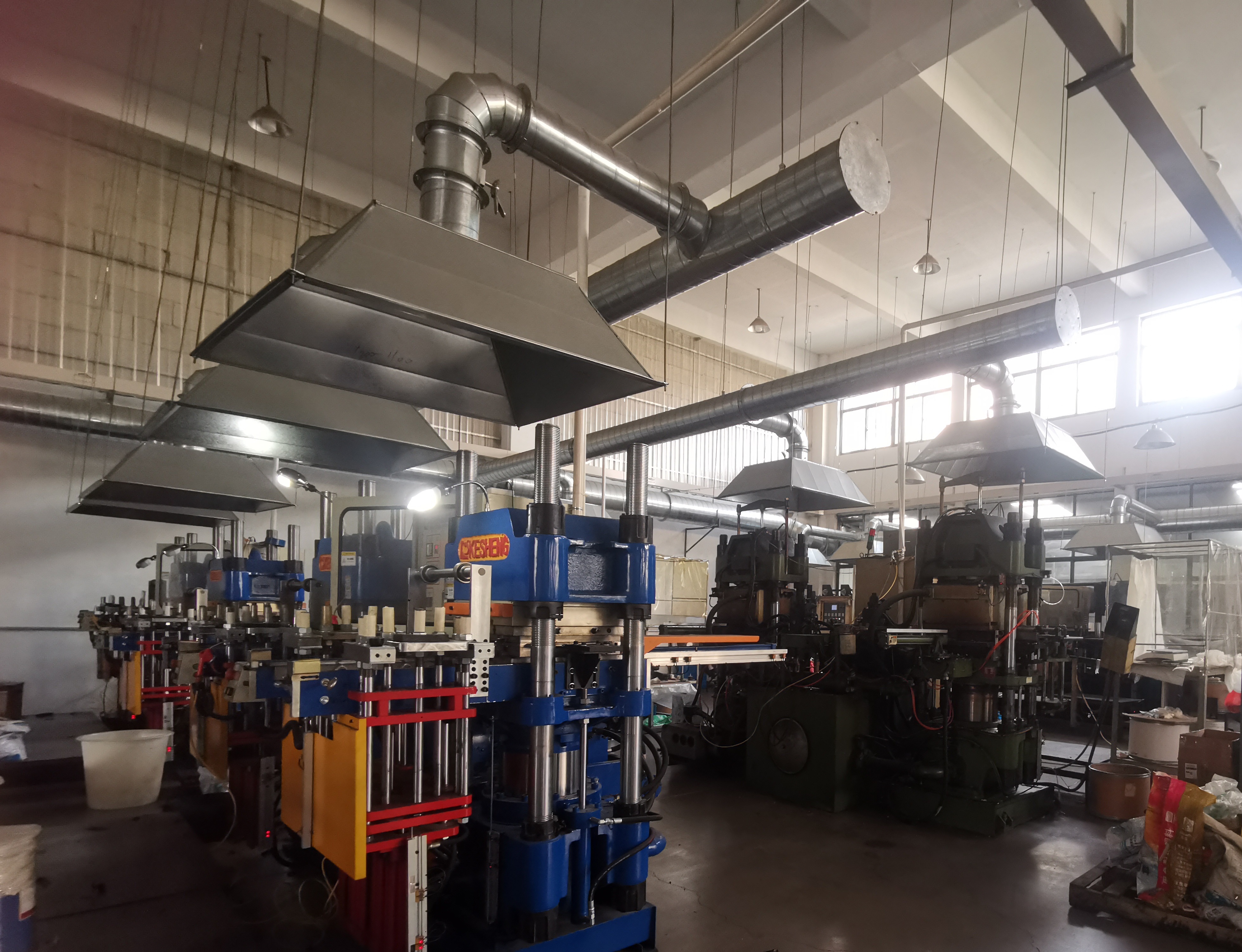
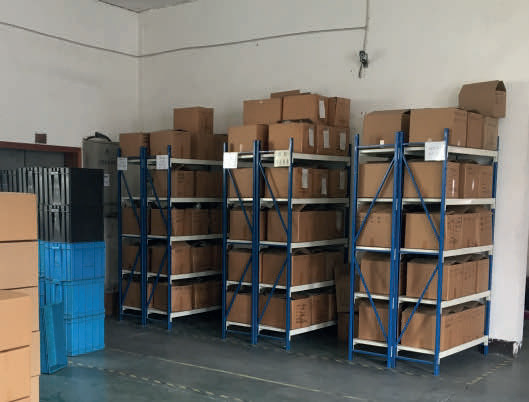
Lingo Rubber Plastic, registered as Hangzhou Lingo Rubber and Plastic Product Co., Ltd, is a China-based manufacturer of rubber molding parts, rubber extruded parts, plastic injection parts and plastic extruded parts. Founded in 2022, the company operates a 3,000 m2 facility with around 40 employees, a 10-person R&D team and an annual output of 1.58 million pieces, and it provides OEM/ODM production services. It reports a monthly production capacity of 1,000,000 kgs, with 80% of sales exported and export markets including the EU, the Middle East and the USA.
The Two-Part Solution: Seals That Keep Weather Out, Mounts That Keep Motion Under Control
Vibration failure in green energy equipment is rarely solved by one part. It is solved by a pair: a continuous seal that keeps the environment out of the enclosure, and a compliant mount that absorbs movement before it reaches the structure. Lingo Rubber Plastic supplies both from the same production footprint, which means material, tolerance and lead-time decisions can be coordinated instead of split across two suppliers.
Part 1 - LG-RX rubber extrusion seals: stopping water, dust and ozone at the joint
LG-RX rubber extrusion seals are continuous-profile seals produced in EPDM, NBR, silicone and FKM, covering silicone rubber extrusion seals, adhesive-backed extrusion seals, co-extrusion seals, solid extrusion seals, sponge extrusion seals and FKM extrusion seals. Hardness is specified in Shore A as required, length is produced as required, and color is matched to a Pantone or RAL reference, with tolerances held to industry standards.
The material choice is the durability decision. EPDM rubber materials are formally classified under ASTM D1418 and ISO 1629 standards, which define their resistance to ozone and UV - the two mechanisms that destroy an outdoor seal fastest. NBR is the natural choice where oil contact is expected, silicone where the operating temperature is high, and FKM where aggressive media are present. Because the profile is extruded rather than molded, it can run long seams on tracker frames, enclosure doors and cabinet bodies without the joints that become leak paths.
LG-RX extrusion seals are listed for food and beverage, medical and healthcare, aerospace and aviation, automotive and transportation, HVAC and refrigeration, laboratory and analytical, electronics and electrical, industrial manufacturing, marine and offshore, and household appliance applications - a range that reflects how often the same profile is reused across different project types.
Part 2 - LGMM cylindrical anti-vibration mounts: controlling the motion itself
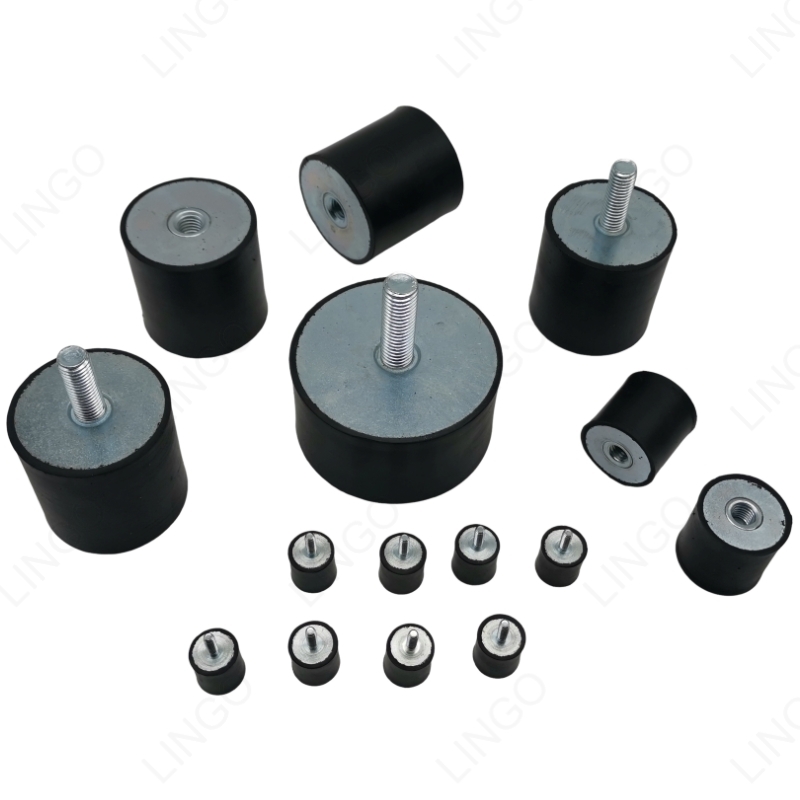
LGMM anti-vibration mounts are cylindrical rubber mounts and rubber stud mounts made of natural rubber with zinc-coated steel, using carbon steel as the metal insert. The catalogue range covers diameters from 8 mm to 150 mm and heights from 8 mm to 90 mm, with tolerances held to the RMA A2 standard.
For a designer, those two dimensions are the working variables. Diameter sets how much load the mount can carry and how stiff the isolation becomes; height sets the deflection available before the mount bottoms out. Getting that pairing wrong produces the classic green energy complaint - mounts that either transmit vibration because they are too stiff, or deform permanently because they are too soft for the static load. The listed applicable industries for LGMM mounts are transportation, industrial machinery, electronics and precision instruments, construction and civil engineering, and marine and military applications.
Adjacent parts that complete the same assembly
Most green energy sealing problems involve more than one part, and buying them from one qualified source shortens the validation cycle. The same production system supplies:
- LG-RS rubber sealing rings - rubber O-rings, rubber X-rings and rubber oil seals in NBR, EPDM, silicone, NR, CR, SBR, FKM, FFKM and AFLAS, with hardness normally between Shore A 50 and 95, a heat range of -40 C to 250 C, and ozone, water and oil resistance. Certificates include FDA, UL, ROHS and REACH.
- LG-SRC silicone rubber cords - solid and sponge silicone cord, FDA qualified and heat resistant, with custom color and custom length.
- LG-PI plastic injection parts - housings, covers and precision functional components with glass-fiber, flame-retardant or UV-stabilized modification, tolerance control to GB/T 14486 MT1 to MT7 and typical shrinkage of 0.4% to 0.8% for mold compensation, available with FDA and UL94 V-0 documentation.
- LG-PE plastic extruded profiles - profiles up to 6000 mm in length with custom cross-section, in PVC, PP, ABS, PA6, PA66, PE and UHMWPE with or without glass fiber; renewable energy is among the listed application industries.
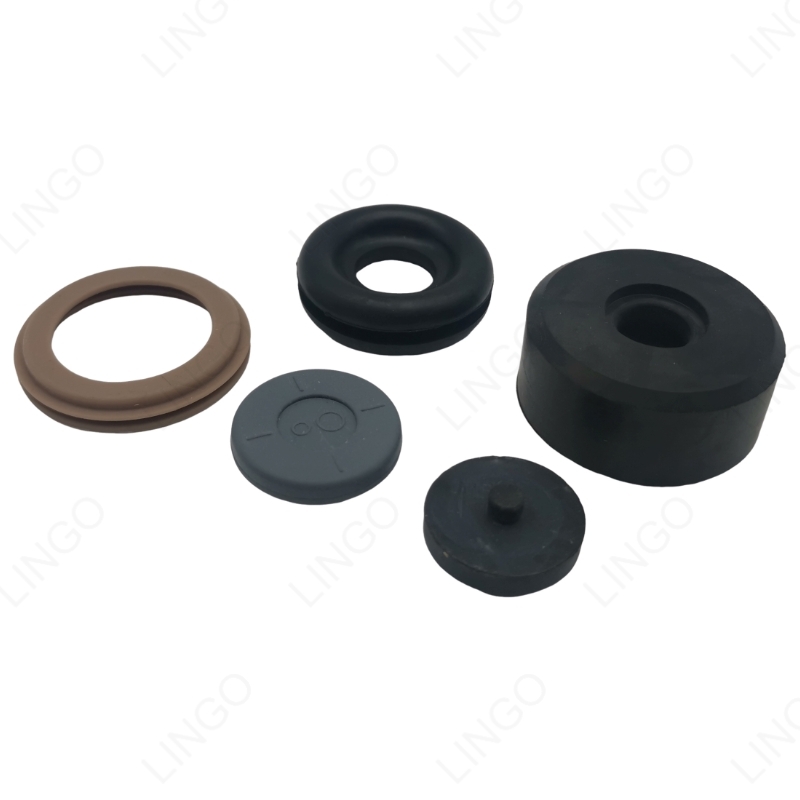
- Molded rubber items - grommets, washers, plugs, gaskets, bellows and bushings, produced by rubber compression molding alongside the extrusion lines.
Why Lingo Rubber Plastic fits a long-horizon green energy sealing programme
Lingo Rubber Plastic specializes in rubber compression molding parts, rubber extrusions, plastic injection parts and plastic extrusion profiles, with the stated purpose of solving sealing problems and providing anti-vibration solutions against defined parameters such as tensile strength, elongation and compression set. The parts are used across electronics, aerospace, healthcare, construction, transportation and defense applications.
Three operational facts matter when the relationship is expected to last several years rather than one purchase order:
- Tolerance and process capability. Tolerance is controlled to rubber RMA A2 and plastic M1 to M3 classifications, with capability consistently maintained at CPK equal to or greater than 1.33. Products are best suited to micro precision components, high-temperature parts, complex structures with undercuts or core-pulling mechanisms, and composite material components.
- Cost behaviour over time. Overall product cost is reduced through high product stability, a low defect rate, extended mold life and material modification formulas that extend service life. A self-developed mold structure is used to increase output and reduce unit price, cryogenic or machine deflashing significantly reduces labor cost, and low machine energy consumption directly lowers unit product price.
- Response speed. Short lead times, quick response to after-sales requests and high mold durability are the three service attributes Lingo positions against other rubber and plastic suppliers in the same industry.
How to Specify and Validate Custom Rubber Parts, Step by Step
Specification is where recurring vibration failures are either prevented or repeated. The sequence below follows the order in which the cost of a mistake rises.
- Define the failure, not the part. Record where the failure appears - seal face, mount, fastener, cable entry - and the exposure profile: continuous vibration, UV, ozone, water, dust and temperature cycling. Aging risk (hardening or softening) is controlled by base polymer selection, light stabilizers, antioxidants and anti-ozone agents, plus a protective surface coating.
- Choose the material family before the geometry. EPDM for ozone and UV exposure under ASTM D1418 and ISO 1629 classification; NBR where oil contact is expected; silicone where heat resistance dominates; FKM for aggressive media. LG-RX extrusion seals are produced in EPDM, NBR, silicone and FKM.
- Set hardness, length and color. Shore A hardness is specified as required by the drawing, length as required by the installation, and color matched to a Pantone or RAL reference so that appearance control does not become a quality argument.
- Define the mount geometry. LGMM cylindrical mounts and stud mounts are available from 8 mm to 150 mm in diameter and 8 mm to 90 mm in height, in natural rubber with zinc-coated carbon steel. Confirm the load direction and the deflection available within the selected height.
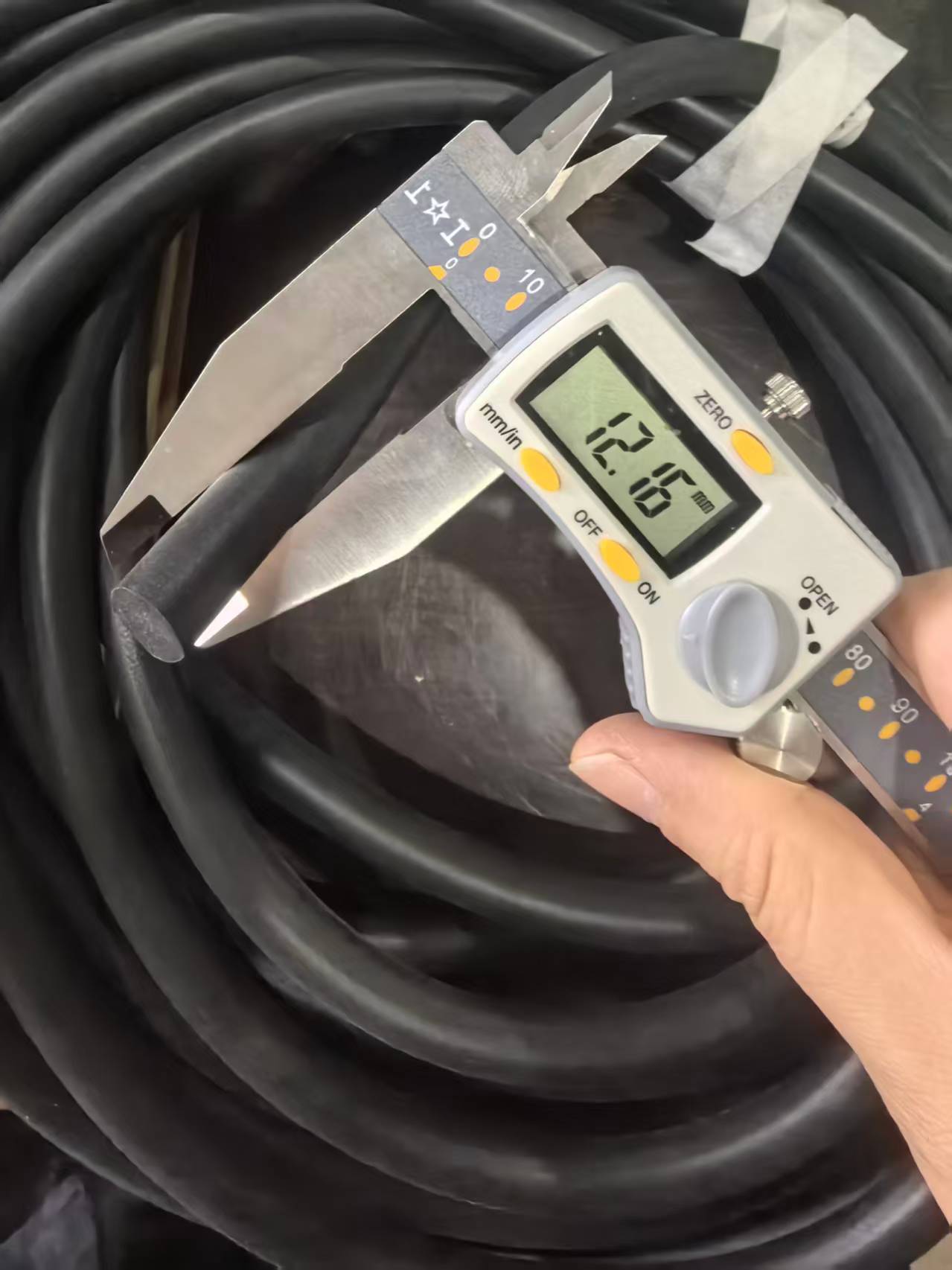
- Lock the tolerance and process-control plan. Rubber tolerances to RMA A2, plastic tolerances to M1 to M3, capability at CPK equal to or greater than 1.33. Dimension control combines shrinkage simulation during mold design, regular calibration of molds and measuring tools according to CNAS requirements, product sampling inspection and real-time monitoring with mold cavity pressure sensors.
- Validate on samples. Minimum order quantity differs per product, but small quantities are accepted, which makes a sample run practical. Request pre-shipment test results, dimension inspection records and, where aging is the dominant risk, QUV or xenon lamp aging data. If appearance is specified, ask for first-piece surface gloss testing.
- Close the loop with a supply agreement. Agree the typical production lead time of 2 to 6 weeks, the Incoterms (EXW, FOB, CIF or DDP), payment structure, MOQ per part number and after-sales handling. To prevent blooming, retain samples of core raw materials from each batch, require test reports from compound suppliers and test the vulcanization characteristics of each rubber compound batch.
Use Cases: Where Seals and Anti-Vibration Mounts Work Together
Solar trackers and PV mounting structures
Trackers combine daily thermal cycling with wind-induced vibration. LG-RX extrusion seals in EPDM protect enclosure doors, junction-box covers and control cabinets along long seams without joints, while LGMM cylindrical mounts isolate drive and control boxes from the frame. The combination addresses both failure paths at once: ingress at the joint and vibration transfer into the electronics.
Wind turbine enclosures and nacelle instrumentation
Enclosure sealing and instrument isolation are two different problems on the same platform. Extruded seals maintain the environmental barrier at doors and cable entries, while small cylindrical mounts protect instruments and sensors - electronics and precision instruments is a listed application industry for LGMM mounts.
Battery energy storage containers and racks
Battery sealing and thermal management are among the main drivers behind China's rubber parts production share, and the parts list reflects it: LG-RS sealing rings for small-diameter static sealing, LG-RX extrusion seals for container door gaskets, LGMM mounts under racks and modules, and LG-PI plastic parts for covers, clips and housings that pair with the rubber components.
Heat pumps and renewable HVAC systems
HVAC and refrigeration is a listed application industry for LG-RX extrusion seals, and LG-SRC silicone rubber cords - FDA qualified and heat resistant - cover insulating and gap-filling positions at elevated temperature. LGMM mounts sit under compressors and panels where continuous vibration would otherwise loosen fasteners over time.
Power conversion and charging cabinets
Electronics and electrical, and industrial manufacturing, are listed application industries for both LG-RX seals and LGMM mounts. Cabinets that combine cable entries, door gaskets and sensitive electronics typically need rubber grommets, washers, plugs and gaskets from the same molding line, which keeps material and tolerance assumptions consistent across the assembly.
Comparison Table: Matching Rubber Parts to Green Energy Requirements
The table below compares the parts most often specified together in green energy projects, using the documented specifications of each Lingo Rubber Plastic product family. It is intended as a shortlisting tool, not a substitute for drawing-level specification.
| Part / model | What it is | Documented specification | Where it fits in green energy | What to confirm before ordering |
|---|---|---|---|---|
| LG-RX rubber extrusion seals | Continuous-profile seals: solid, sponge, co-extrusion, adhesive-backed and FKM extrusion seals | Materials: EPDM, NBR, silicone, FKM; hardness: Shore A as required; length: as required; color: custom per Pantone or RAL; tolerance: industry standards | Long enclosure seams, tracker frames, cabinet doors, container gaskets | Material family, hardness, length per run and the aging test evidence for the profile |
| LGMM anti-vibration mounts | Cylindrical rubber mounts and rubber stud mounts | Natural rubber with zinc-coated carbon steel; diameter 8-150 mm; height 8-90 mm; tolerance RMA A2 | Damping vibration under brackets, panels, instruments and mounted equipment | Static load per mount, deflection available within the selected height, and hole pattern |
| LG-RS rubber sealing rings | Rubber O-rings, X-rings and oil seals | NBR, EPDM, silicone, NR, CR, SBR, FKM, FFKM, AFLAS; hardness normally Shore A 50-95; heat range -40 C to 250 C; ozone, water and oil resistant; certificates FDA, UL, ROHS, REACH | Small-diameter static sealing in junction boxes, sensors and fluid circuits | Certificate set required by the destination market and the temperature at the sealing face |
| LG-SRC silicone rubber cords | Solid and sponge silicone cord | Silicone rubber; custom color and length; FDA qualified; heat resistant | Insulation and gap filling at elevated temperature | Whether solid or sponge construction is required for the gap |
| LG-PI plastic injection parts | Functional plastic components, housings and covers | Filler or modification: glass fiber, flame-retardant, UV stabilized; tolerance GB/T 14486 MT1-MT7; shrinkage typically 0.4%-0.8%; FDA, UL94 V-0 | Covers, clips and housings paired with rubber seals | Flame-retardant and UV-stability requirements, plus color and surface finish |
| LG-PE plastic extruded profiles | Extruded plastic profiles with custom cross-section | Length up to 6000 mm; PVC, PP, ABS, PA6, PA66, PE, UHMWPE with or without glass fiber; renewable energy is a listed application industry | Frame caps, edge trims and cable ducts in renewable energy installations | Cross-section drawing approval before tooling |
FAQ: Long-Term Rubber Parts Supply from China
A documented rubber parts partner should issue material and compliance evidence with the parts, not only on request. Lingo Rubber Plastic supplies LG-RS sealing rings with FDA, UL, ROHS and REACH certificates, and its LG-PI plastic injection parts are available with FDA and UL94 V-0 documentation. Material classifications follow published standards: EPDM rubber is classified under ASTM D1418 and ISO 1629, which define its resistance to ozone and UV, and ASTM D2000 is frequently referenced when rubber seals and gaskets must meet defined temperature and oil-resistance requirements. Internally, Lingo verifies weather resistance through QUV and xenon lamp aging tests, controls additive dosage with batch traceability, tests the vulcanization characteristics of each rubber compound batch, and calibrates molds and measuring tools on a regular schedule according to CNAS requirements. Acceptance is normally confirmed by pre-shipment testing.
Lingo Rubber Plastic operates a 3,000 m2 plant with around 40 employees, a 10-person R&D team, an annual output of 1.58 million pieces and a monthly production capacity of 1,000,000 kgs, and it provides OEM/ODM production services. Its core processes are rubber compression molding, rubber extrusion, plastic injection molding and plastic extrusion. On quality, tolerance control is held to rubber RMA A2 and plastic M1 to M3 classifications, with capability consistently maintained at CPK equal to or greater than 1.33. Dimension control combines sampling inspection, scheduled calibration of molds and measuring tools, shrinkage simulation during mold design and real-time monitoring with mold cavity pressure sensors. Surface gloss is controlled through a mold maintenance plan, standardized process parameters and first-piece gloss testing, while blooming is prevented by keeping additive dosage within the solubility limit and ensuring correct vulcanization.
Cost in rubber parts is driven less by unit price than by stability. Lingo Rubber Plastic reports that overall product cost is reduced through high product stability, a low defect rate, extended mold life and material modification formulas that extend product service life. A self-developed mold structure is used to increase output and reduce unit price, low machine energy consumption directly lowers unit product price, and cryogenic or machine deflashing significantly reduces labor cost. Payment terms support different order sizes: T/T is the standard option, with a deposit for first-time or small orders and the balance before shipment; L/C at sight is welcome for larger quantities; D/P can be arranged for certain destinations subject to agreement; and PayPal is available for sample payments or low-value orders. Established customers with a consistent payment record can be offered credit terms.
Yes. Lingo Rubber Plastic states that the minimum order quantity differs per product but that small quantities are accepted, which allows samples of LG-RX rubber extrusion seals and LGMM anti-vibration mounts to be produced and checked before a volume commitment. Customization covers material selection (EPDM, NBR, silicone or FKM for extrusion seals), Shore A hardness, profile, length and color matched to Pantone or RAL references, together with mount diameter between 8 mm and 150 mm and height between 8 mm and 90 mm. Sample invoices can be settled by PayPal, and formal acceptance is based on pre-shipment testing. Defective items are handled through after-sales replacement or refund.
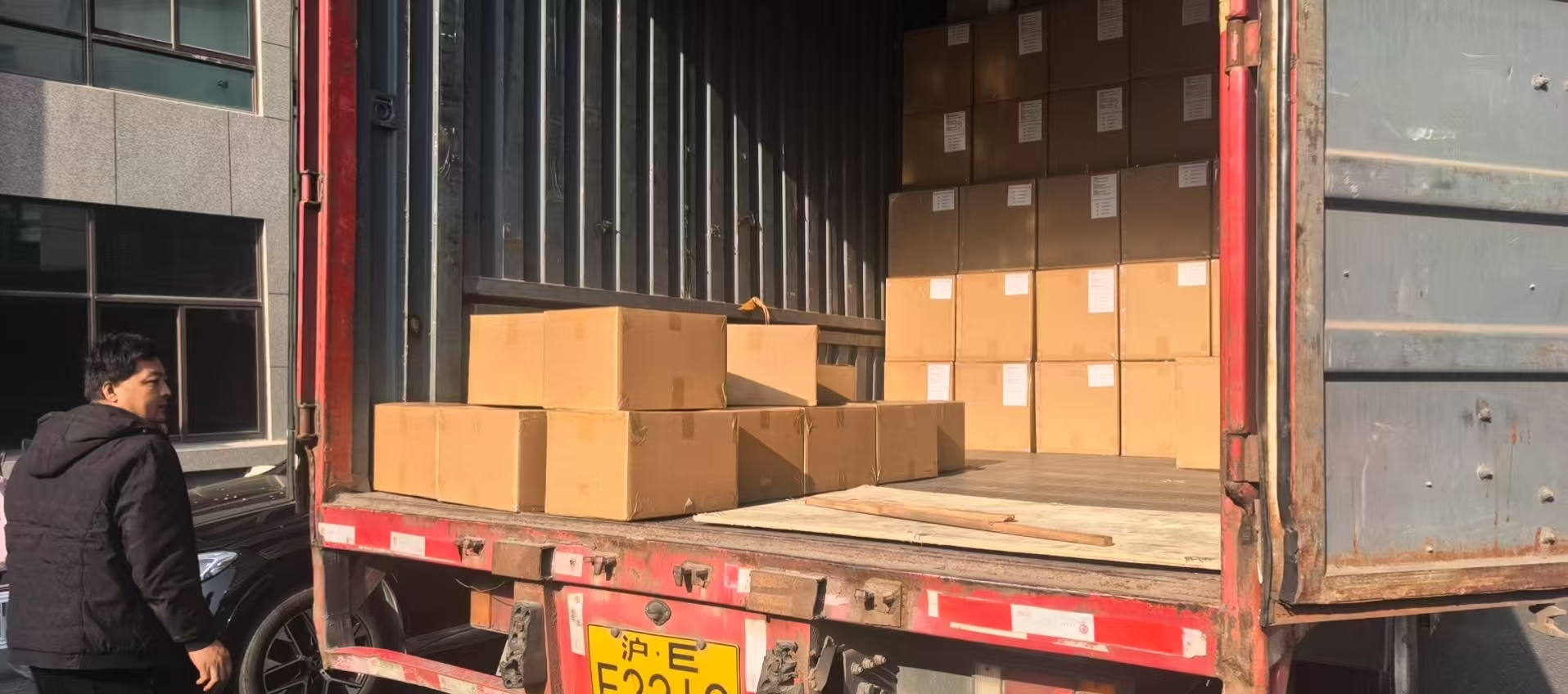
Lingo Rubber Plastic quotes a typical production lead time of 2 to 6 weeks and ships on EXW, FOB, CIF or DDP terms, with export markets including the EU, the Middle East and the USA. For repeat programmes, the working relationship is built on short lead times, quick response to after-sales requests and high mold durability. Buyers ready to move from evaluation to execution can download the Lingo Rubber Plastic company profile at https://cdn.socialarks.com/sbsp/24903/common/2026/0612/LINGO%20RUBBER%20%26%20PLASTIC%20COMPANY%20PROFILE.pdf, or send part drawings and operating conditions to sales@lingorp.com for a quotation.
Conclusion: Turning a Recurring Failure Into a Managed Specification
Vibration failures in green energy systems are predictable. Seals harden, crack or bloom when the material and the stabilizer package do not match the ozone, UV and temperature profile of the site. Mounts lose their isolating function when diameter, height and rubber compound are not matched to the static load. Both failures surface as downtime, service visits and reputational damage that cost far more than the parts involved.
The countermeasure is a two-part specification: LG-RX custom rubber extrusion seals in EPDM, NBR, silicone or FKM, with Shore A hardness, length and Pantone or RAL color defined to the drawing, and LGMM cylindrical anti-vibration mounts in natural rubber with zinc-coated carbon steel, selected from an 8-150 mm diameter and 8-90 mm height range at RMA A2 tolerance. Validating both on samples, with pre-shipment testing and documented aging data, converts an unpredictable field failure into a controlled engineering decision. Choosing a supplier that will still be quoting the same part numbers in three years - with short lead times, small-quantity acceptance and after-sales replacement or refund for defective items - is what turns that decision into a long-term supply relationship.
Ready to specify vibration-proof rubber parts for your next green energy project?
Send drawings, operating temperature and vibration conditions to Lingo Rubber Plastic for a sample or quotation. The Lingo Rubber Plastic company profile, including full product classifications and process capabilities, is available for download: LINGO RUBBER & PLASTIC COMPANY PROFILE (PDF).
Website: www.lingorp.com
Email: sales@lingorp.com
Contact: Colin Lin
Tel / WhatsApp: +86 18358136245
Address: Rm1303 Meiya Plaza, LP, HZ, China 311100