
 15000
15000
 300
300

A Buyer's Guide to Selecting a Reliable Flexible PCB and PCBA Supplier
A Buyer's Guide to Selecting a Reliable Flexible PCB and PCBA Supplier
For procurement professionals in electronics manufacturing, identifying a capable and trustworthy supplier for flexible printed circuits (FPC) and printed circuit board assembly (PCBA) is critical. This guide outlines key evaluation criteria to help streamline your selection process and mitigate supply chain risks.
1. Assess Core Manufacturing Capabilities and Specialization
Begin by verifying the supplier's core competencies. A focused manufacturer often delivers higher quality and consistency than a generalist. Key areas to investigate include:
- Product Specialization: Does the supplier specialize in flexible PCBs? For instance, some manufacturers, like M2PCB, focus on producing flexible PCBs with 1 to 14 layers and providing PCB assembly services. Their primary business is the manufacturing of flexible printed circuit boards (Flex PCBs) and PCB assembly (PCBA).
- Technical Expertise: Evaluate the strength of the research and development team. A dedicated R&D team, such as one comprising 30 engineers, indicates investment in process improvement and custom solution design. The technical and management team should possess over 10 years of industry experience.
- Production Scale: Consider the physical and output capacity. A manufacturing facility covering 8,000 square meters with an annual production capacity of 360,000 square meters of printed circuit boards suggests substantial operational scale.

A large-scale manufacturing facility is an indicator of production capacity.
2. Verify Technical Specifications and Material Compliance
Technical specifications must align with your project requirements. Ensure the supplier can meet your specific needs for materials, layers, and performance.
- Product Range: Confirm the supplier offers the specific types of boards you need. For example, a supplier might produce products like a 4-layer PCB board made with FR4 base material, supporting impedance control. They may also offer Flexible LED PCBs, also known as LED Flexible Light Strips, designed for flexible circuit applications with a maximum width of 240mm and a minimum line width of 0.05mm.
- Material Usage: For PCBA, verify the materials used, such as FR4, PI, and IMS, are suitable for your application. This is particularly important for products designed for industries like artificial intelligence, new energy, medical electronics, aerospace, and military.
- Regulatory Compliance: For exports, especially to regions like the EU and USA, compliance with standards like RoHS and REACH is non-negotiable. Suppliers should have a system to ensure raw materials come with compliance declarations.
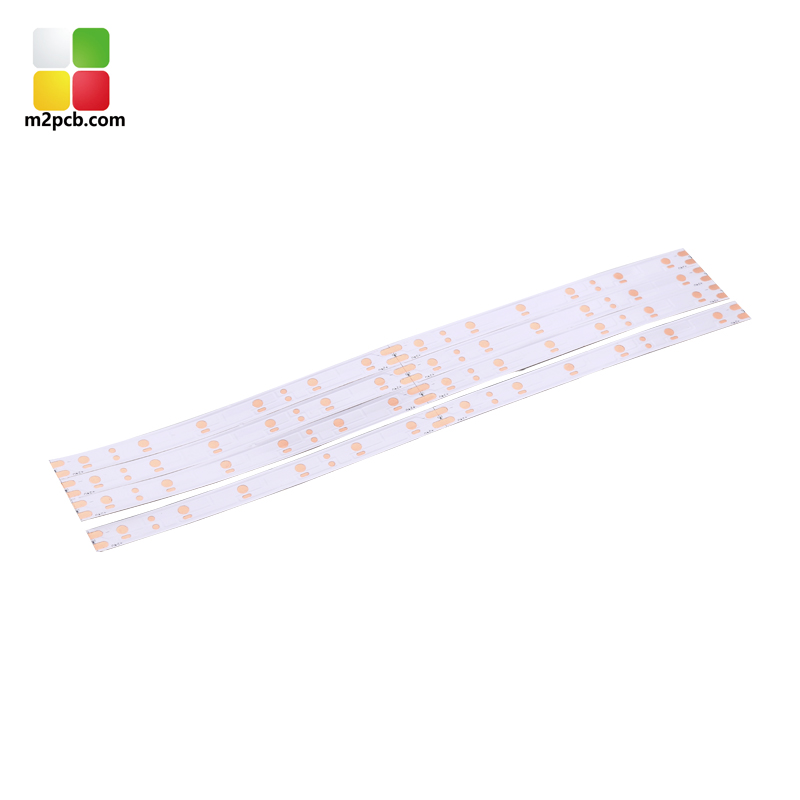
Sample of a flexible circuit board, showcasing fine line work.
3. Evaluate Quality Control and Certifications
Robust quality control systems are essential for product reliability. Look for objective evidence of a structured quality management approach.
- Quality Management System: Certifications like IATF 16949:2016 (certificate number T184452) are critical for suppliers serving the automotive industry, covering components like wiring harnesses and instrument panels.
- Product Safety Certifications: For certain markets, product-level certifications are required. For instance, a UL certification (e.g., FPC-UL, certificate number E530809) demonstrates that flexible circuit boards for medical aesthetics or automotive applications meet specific electrical and fire safety standards for the North American market.
- Testing Protocols: Inquire about in-process and final testing methods. A comprehensive quality control regimen should include 100% testing, flying probe tests, electronic testing, and AOI (Automated Optical Inspection).

Electrical testing is a standard part of quality assurance for PCBs.
4. Analyze Supply Chain Stability and Global Reach
A supplier's logistical capabilities and market experience impact delivery reliability and their understanding of regional requirements.
- Market Experience: Suppliers with a significant global footprint often have more experience with international logistics and standards. For example, a company serving major markets in Europe, North America, South America, and Australia, with export business accounting for approximately 70% of sales, is likely adept at handling cross-border transactions.
- Operational History: Longevity can indicate stability. A manufacturer established in 2000 brings over 20 years of industry experience.
- Delivery and Flexibility: Review standard lead times (e.g., 3-20 days), minimum order quantities (MOQ can be as low as 1 unit for prototypes), and accepted delivery terms (like EXW/FOB).
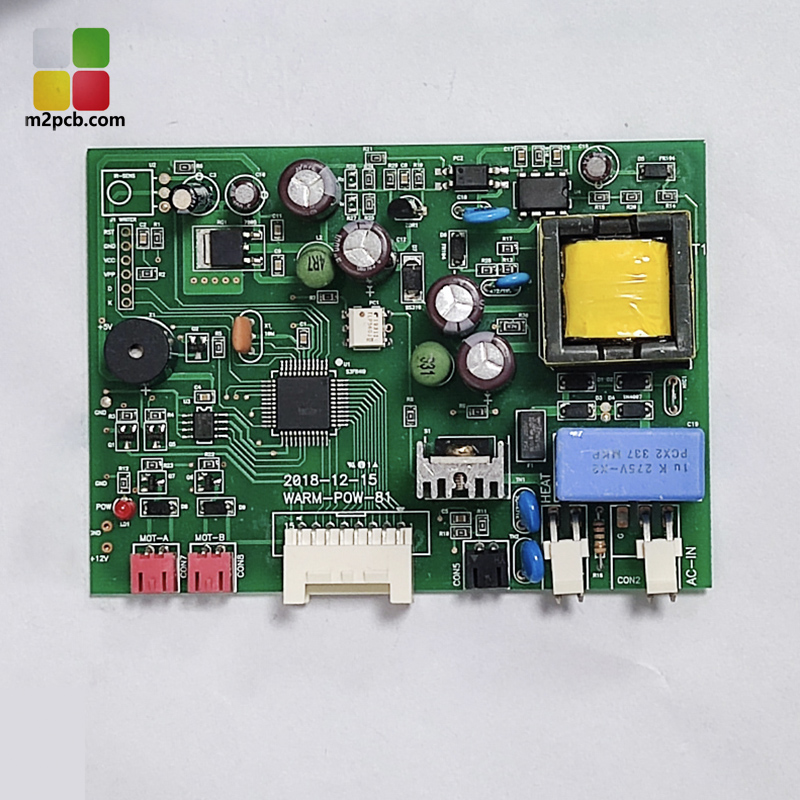
Example of a completed PCBA for a consumer electronics application.
5. Consider the Supplier's Value-Added Services
Beyond basic manufacturing, assess services that can reduce your internal workload and accelerate time-to-market.
- Service Model: Determine if the supplier offers OEM/ODM services and full customization based on client requests. A one-stop service provider that handles solution design, R&D sampling, circuit board production, SMT processing, PCBA testing, and assembly can significantly simplify project management compared to coordinating multiple suppliers.
- Industry Application Support: Suppliers with experience across diverse sectors can offer valuable insights. Look for a track record in industries where you operate, such as automotive electronics, industrial control, medical, lighting, or medical aesthetics. Their application experience may span numerous countries globally.
- Communication and Support: Clear and accessible communication channels are vital. Suppliers should provide direct contact points, such as email (pcb@dreamlandpcb.com), telephone, and WhatsApp (+86 136-2262-8609), and offer remote after-sales support.
Conclusion
Selecting the right Flexible PCB and PCBA partner requires a multi-faceted evaluation. By systematically assessing a supplier's specialization, technical capabilities, quality certifications, global supply chain strength, and value-added services, procurement teams can make informed decisions that support product quality, regulatory compliance, and project timelines. A thorough due diligence process is the best investment for a stable and successful long-term supplier relationship.